
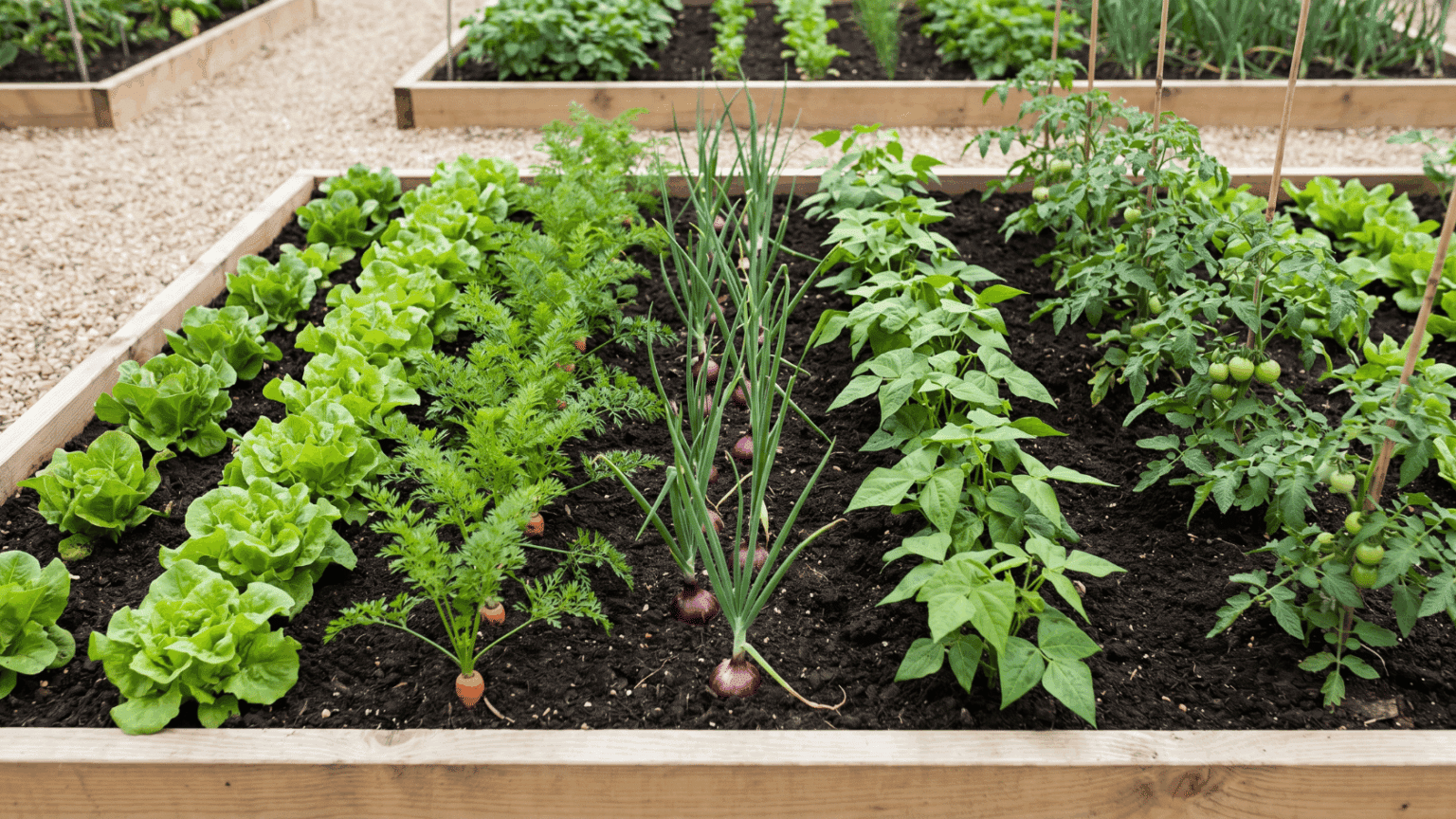
Most struggling vegetable gardens don’t have a soil problem at all. The real issue usually shows up before a single seed goes in the ground: no plan for where anything actually goes.
Plants crammed into random spots end up competing for the same light and root space, which leads to weak growth and a messy, uneven harvest.
A clear vegetable garden design fixes this by giving every plant room to breathe, sun to reach it, and a spot that actually makes sense.
This piece covers the main layout types, the planning factors that matter most, and the common design mistakes worth avoiding.
What Is a Vegetable Garden Design?
A vegetable garden design is a planned layout that organizes crops, pathways, planting beds, and growing spaces before planting. It considers sunlight, soil conditions, spacing, and access to create a productive, easy-to-maintain garden.
A well-designed garden supports healthier plants by providing enough space, light, water, and airflow. It also simplifies watering, weeding, pest control, and harvesting by keeping everything organized.
Unlike random planting, where crops are placed wherever space is available, a planned garden follows a structured layout. It groups plants by needs, improves space use, and supports better yields.
Planning the layout helps prevent overcrowding, poor sunlight exposure, and maintenance problems. Whether using raised beds, containers, or a backyard plot, a thoughtful design makes gardening more efficient.
Key Factors That Shape Garden Design
Every strong vegetable garden design works well only when its basic conditions are understood first.
Sunlight, soil, and space decide how every layout will perform, even before planning begins.
| Factor | Explanation | Impact |
|---|---|---|
| Sunlight | Needs 6–8 hours of direct light daily. | Controls growth and placement |
| Soil | Affects water and nutrient absorption. | Impacts plant health |
| Space | Decides plant count and layout. | Affects layout efficiency |
Irregular shapes need careful planning to avoid crowding or wasted space. A clear layout keeps every plant properly placed.
Proper mapping improves plant placement efficiency. It also makes the most of whatever space you’re working with.
Vegetable Garden Layout Ideas for Every Space
Choosing the right vegetable garden layout helps you use available space efficiently while creating a healthier growing environment.
From small patios to large backyards, different designs can improve plant placement, maintenance, and harvest results:
1. Raised Bed Vegetable Garden Layout
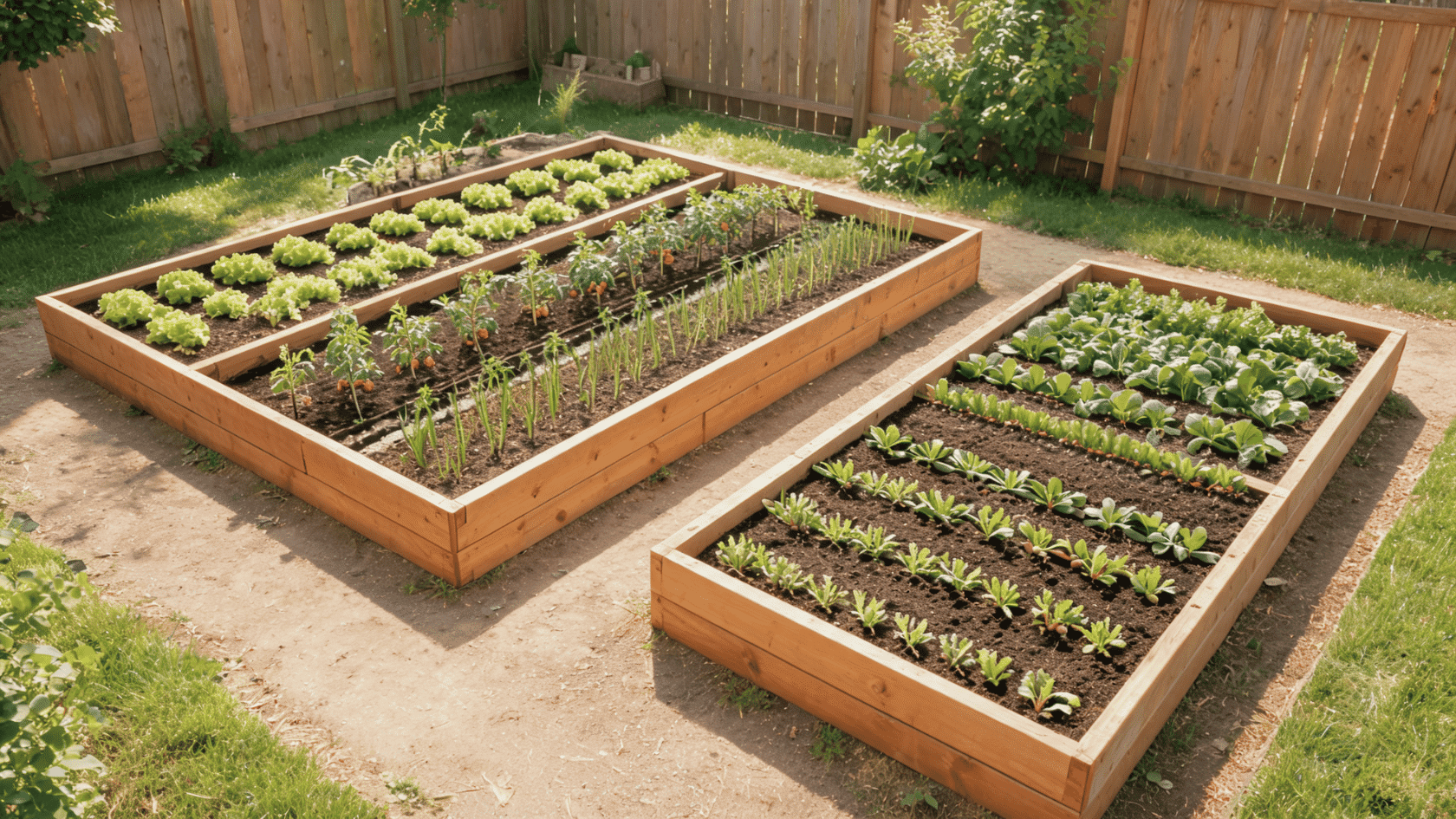
Raised bed layouts are popular for their easy maintenance and better control over soil quality. Common designs include 4×4 and 4×8 beds, which provide enough room for vegetables while keeping plants organized.
These layouts make watering, weeding, and harvesting easier while improving drainage and allowing gardeners to create ideal soil conditions. They work well for beginners and gardeners who want a structured growing space.
Size: Raised beds usually work best at 8 to 12 inches high, with common sizes like 4×4 and 4×8 feet.
2. Small Backyard Vegetable Garden Layout
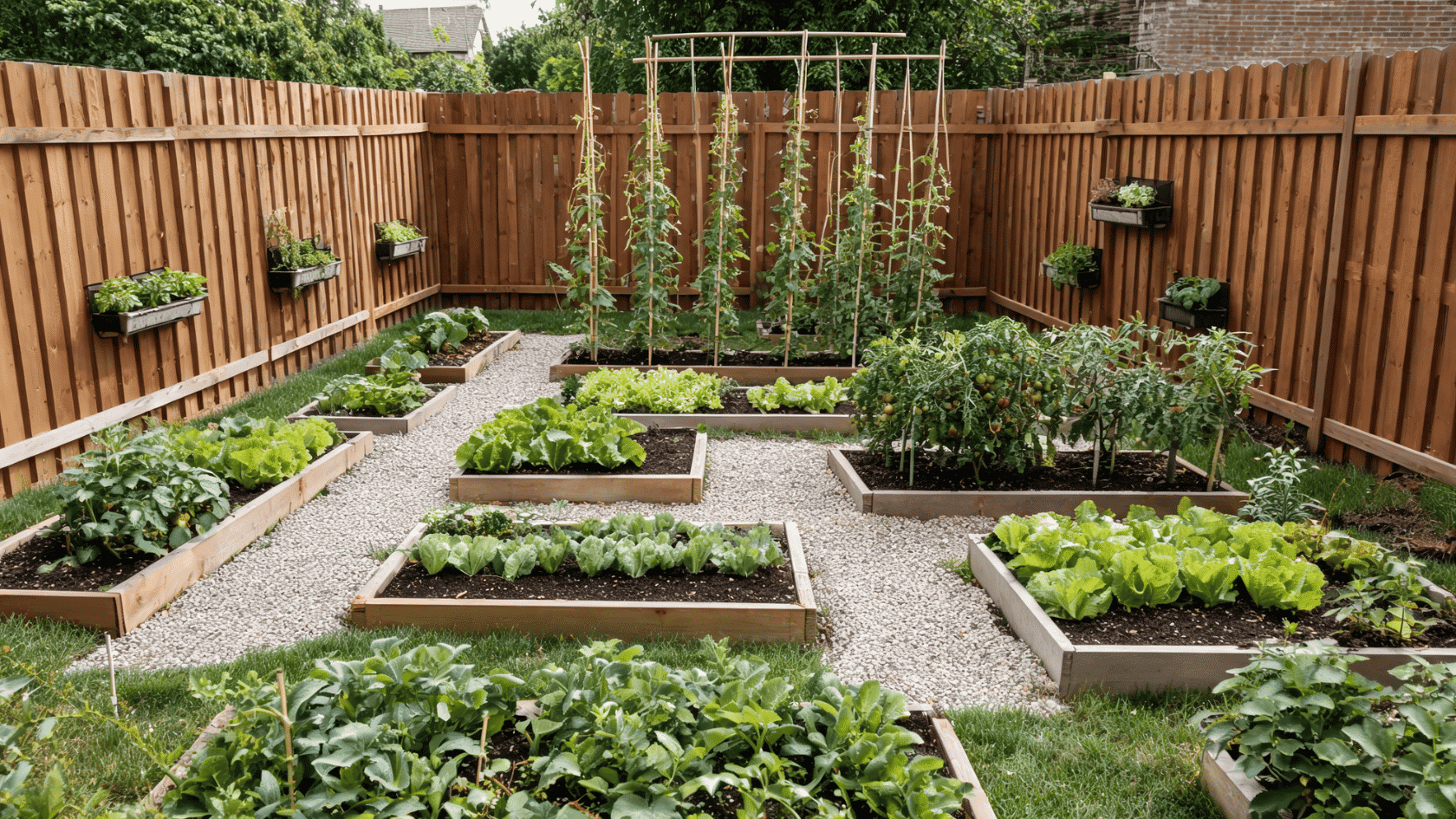
A small backyard garden can still produce a good harvest with the right layout. Compact beds, vertical growing systems, and narrow pathways help maximize limited space without overcrowding plants.
Using smart spacing allows vegetables to receive enough sunlight and airflow while making daily care easier. These layouts are useful for urban homes and smaller outdoor areas.
Size: Compact beds around 3×6 feet work well for small yards, with pathways kept around 18 to 24 inches wide.
3. Row Vegetable Garden Layout
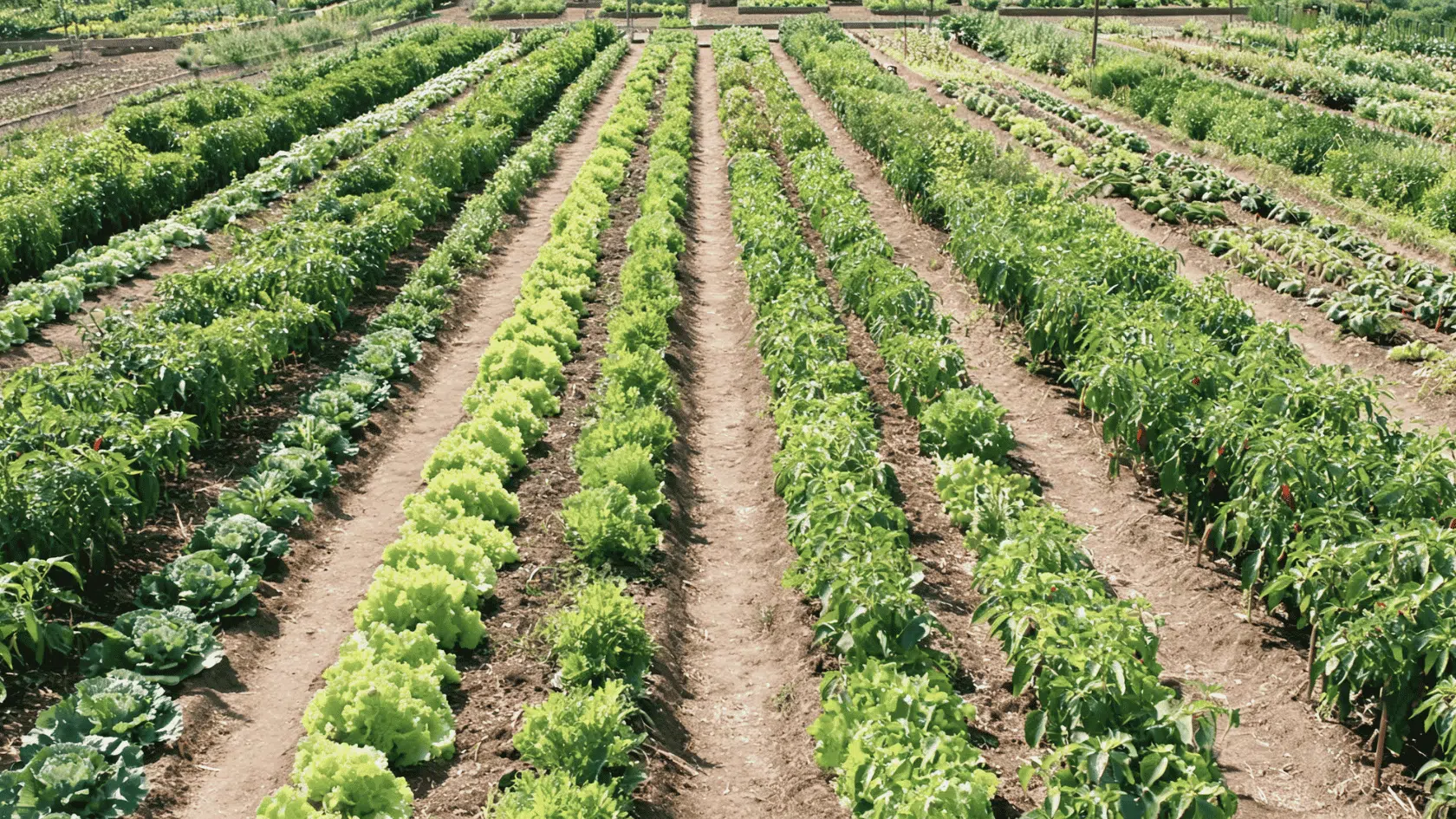
Row planting is a traditional layout commonly used in larger vegetable gardens. Crops are planted in straight lines with proper spacing, creating clear sections for different vegetables.
This design makes it easier to walk between plants, manage weeds, and harvest crops efficiently. It works especially well for gardeners growing larger quantities of seasonal vegetables.
Size: Most crops need 18 to 36 inches between rows, while larger plants like squash and corn need 2 to 3 feet.
4. Block Planting Layout
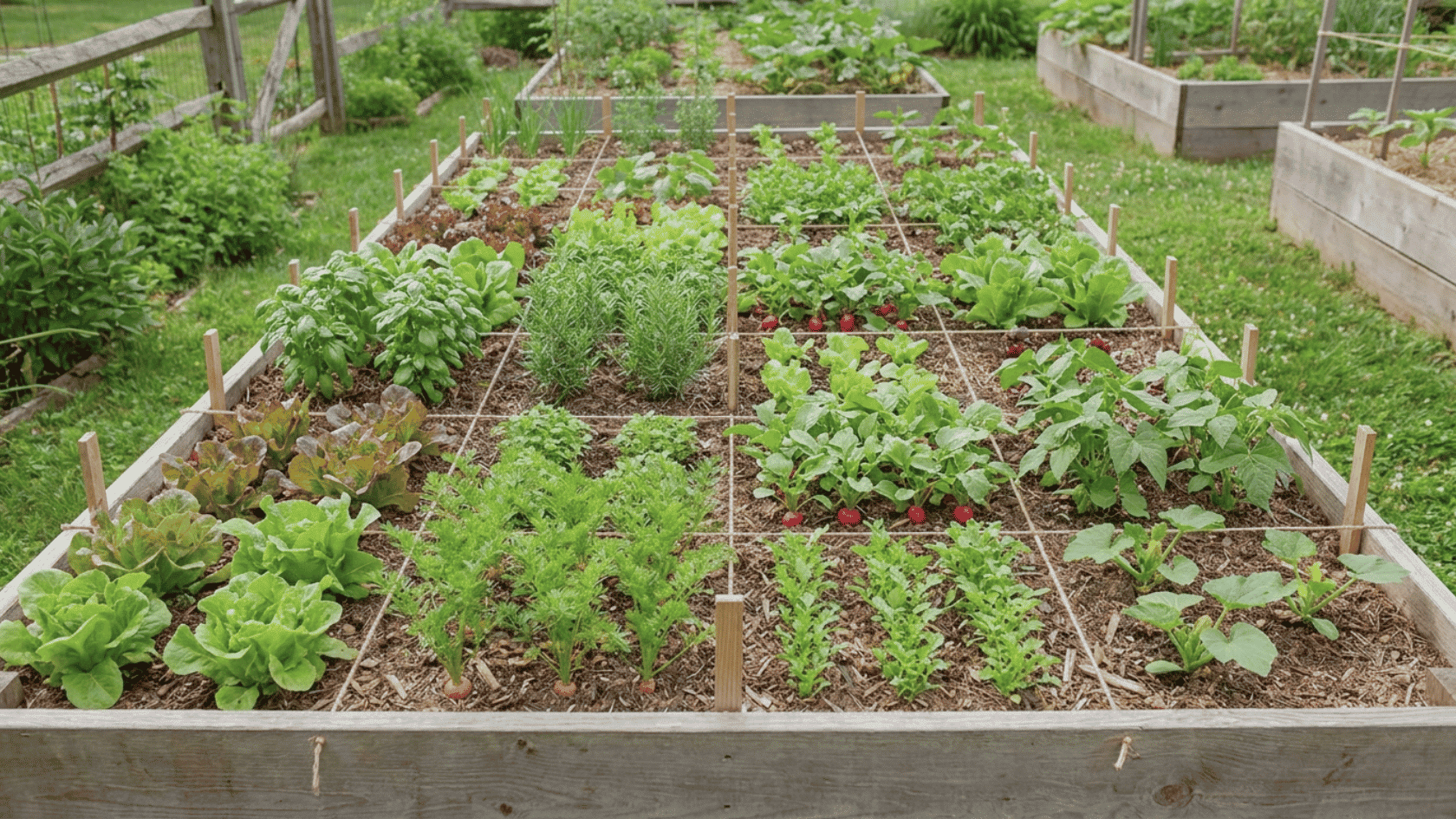
Block planting groups vegetables into small sections instead of long rows. This method reduces empty spaces and helps use garden areas more efficiently.
By keeping similar crops together, gardeners can simplify maintenance and create a more organized planting system. It is a practical option for small and medium-sized gardens.
Size: Blocks typically measure 3×3 or 4×4 feet, with plants spaced 6 to 12 inches apart based on crop type.
5. Vertical Vegetable Garden Layout
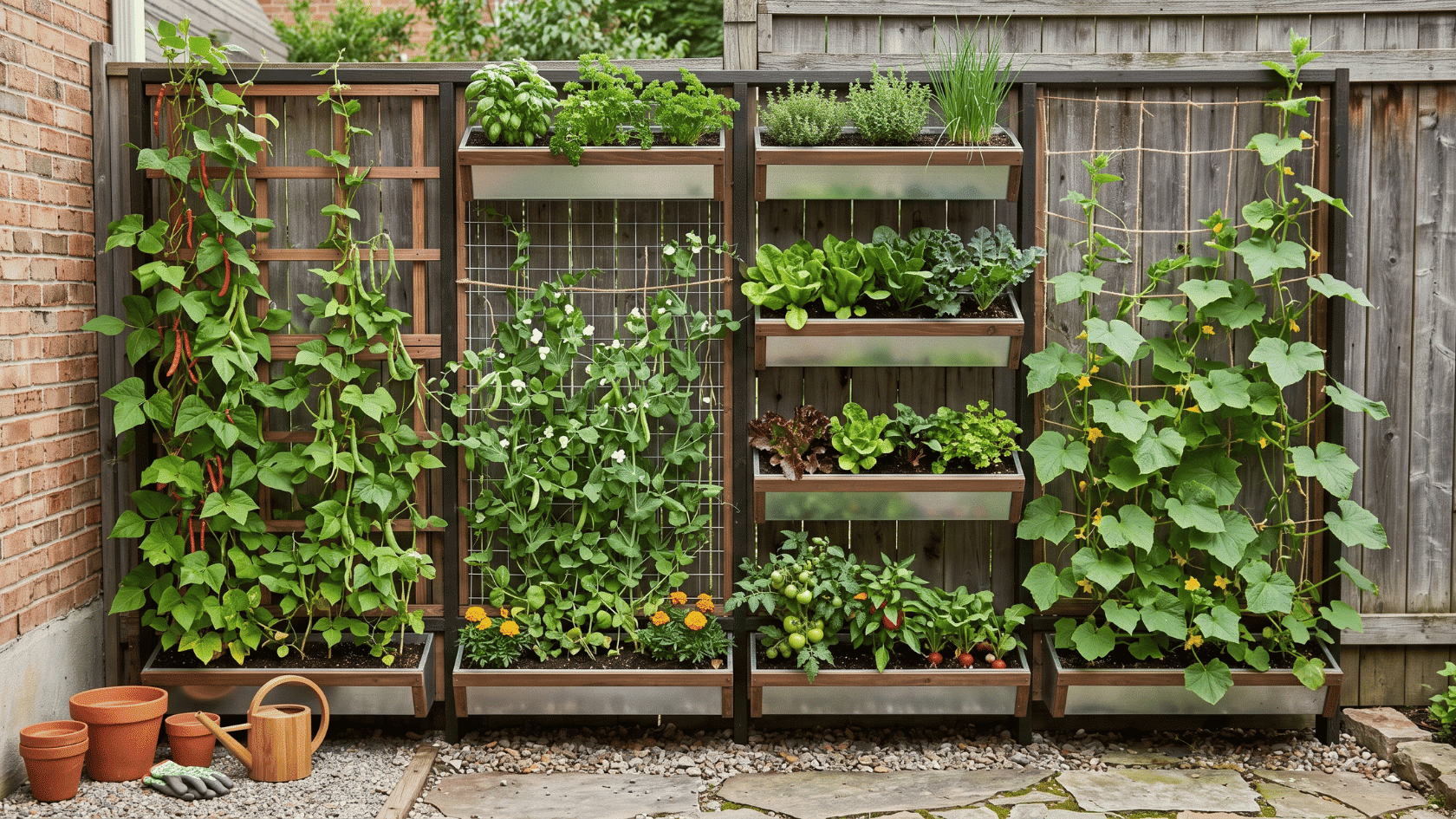
Vertical layouts use upward-growing methods to save ground space. Trellises, climbing supports, and wall-mounted planters allow crops like beans, peas, cucumbers, and tomatoes to grow vertically.
This design works well for small gardens, balconies, and areas with limited planting space. It also makes plants easier to access and maintain.
Size: Trellises usually work best at 5 to 7 feet tall, with supports spaced 12 to 18 inches apart.
6. Container Vegetable Garden Layout
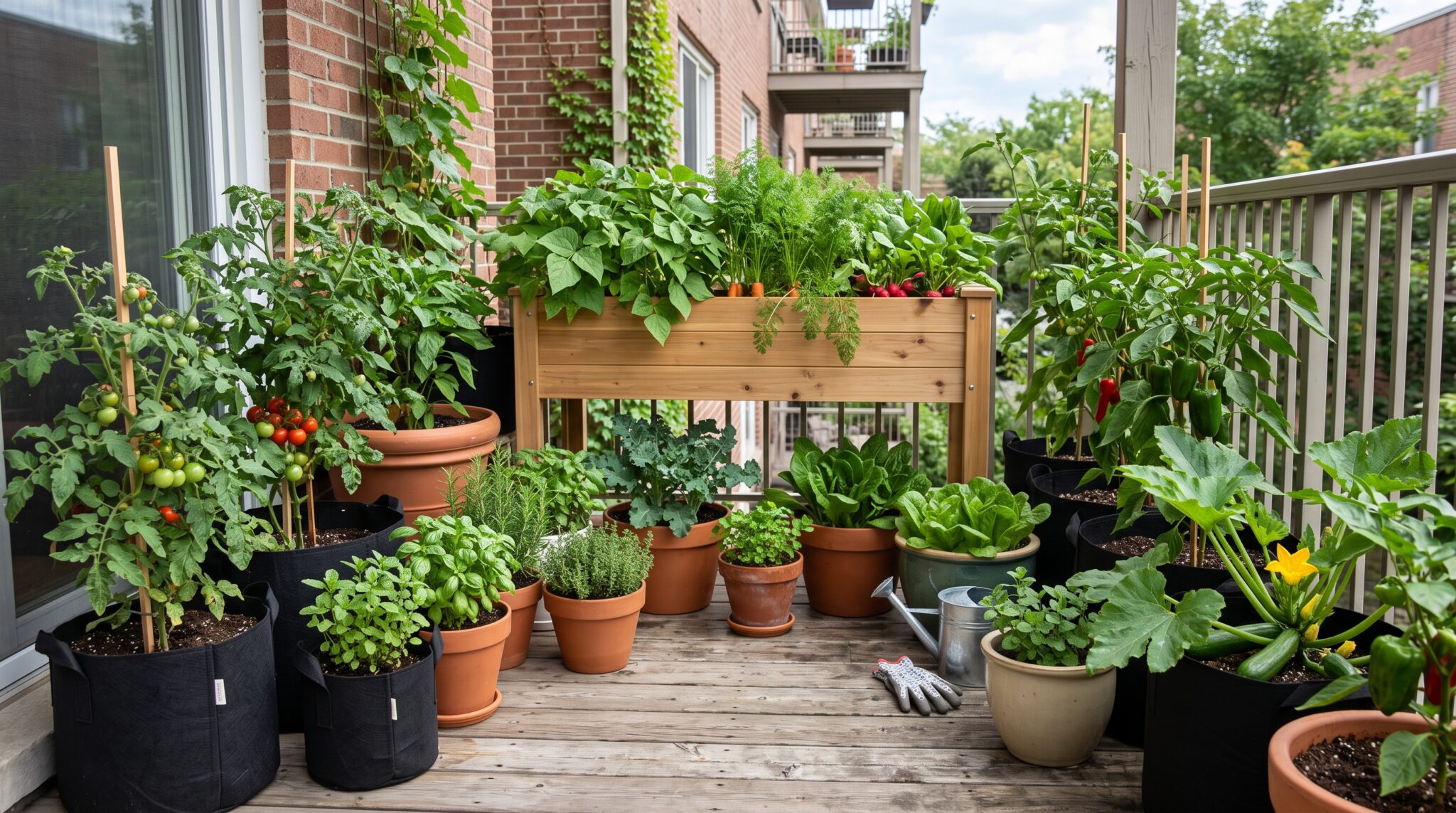
Container gardens are ideal for patios, balconies, decks, and other small growing areas.
Vegetables can be grown in pots, grow bags, or raised containers placed based on sunlight availability.
This flexible layout allows easy movement, better space control, and simple crop management.
Leafy greens are especially easy to begin with, as covered in growing lettuce in containers.
Size: Tomatoes and peppers need at least a 5-gallon container, while lettuce and herbs do well in pots around 12 inches wide.
7. Square Foot Vegetable Garden Layout
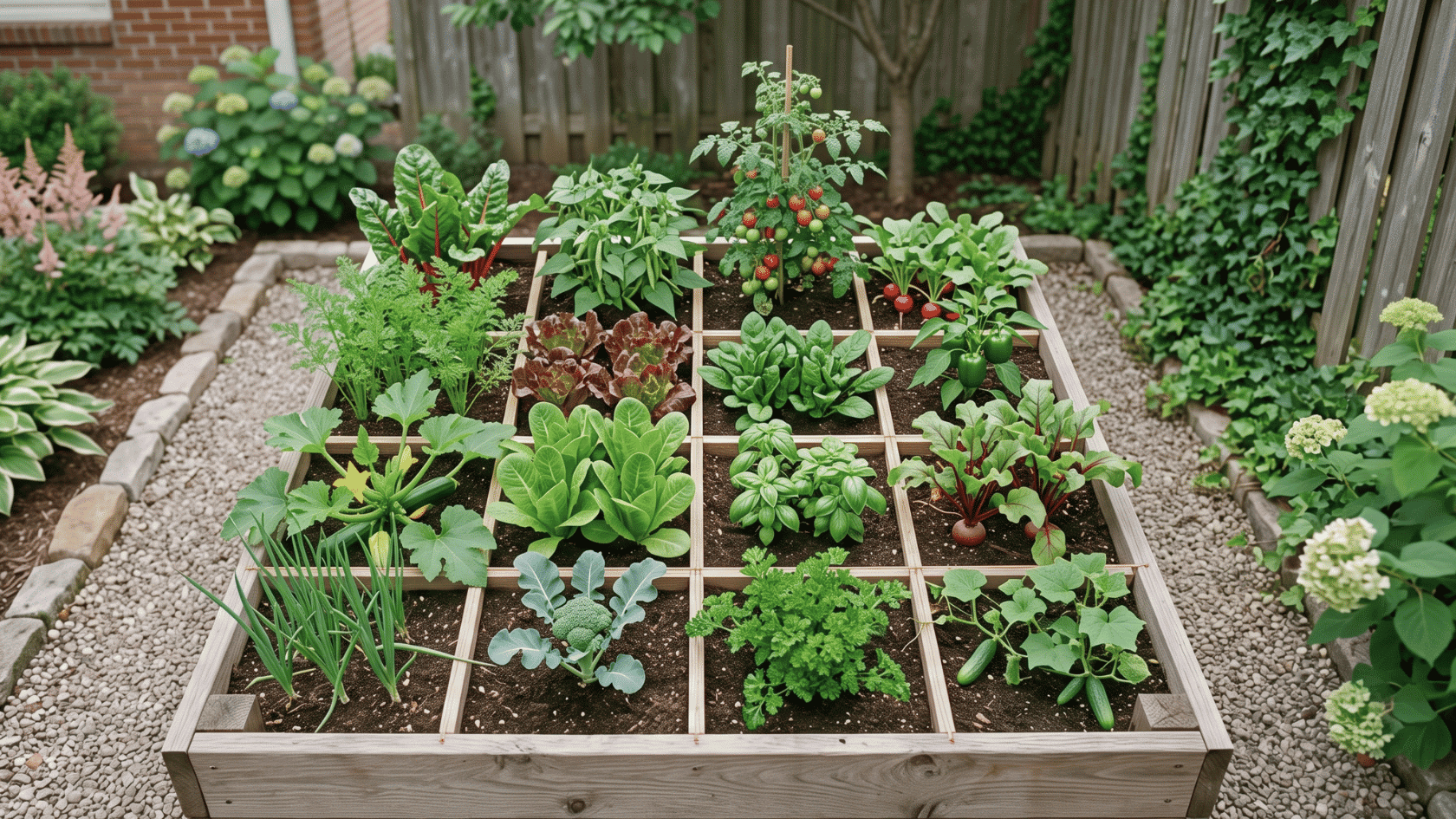
Square foot gardening divides a raised bed into small sections, with each area dedicated to specific crops. This method helps plan spacing and prevents wasted growing areas.
The layout makes it easier to grow multiple vegetables in one space while keeping maintenance simple. It is especially useful for small gardens where every inch matters.
Size: Raised beds are commonly divided into 1×1 foot sections, with plant spacing adjusted based on each vegetable.
8. Companion Planting Garden Layout
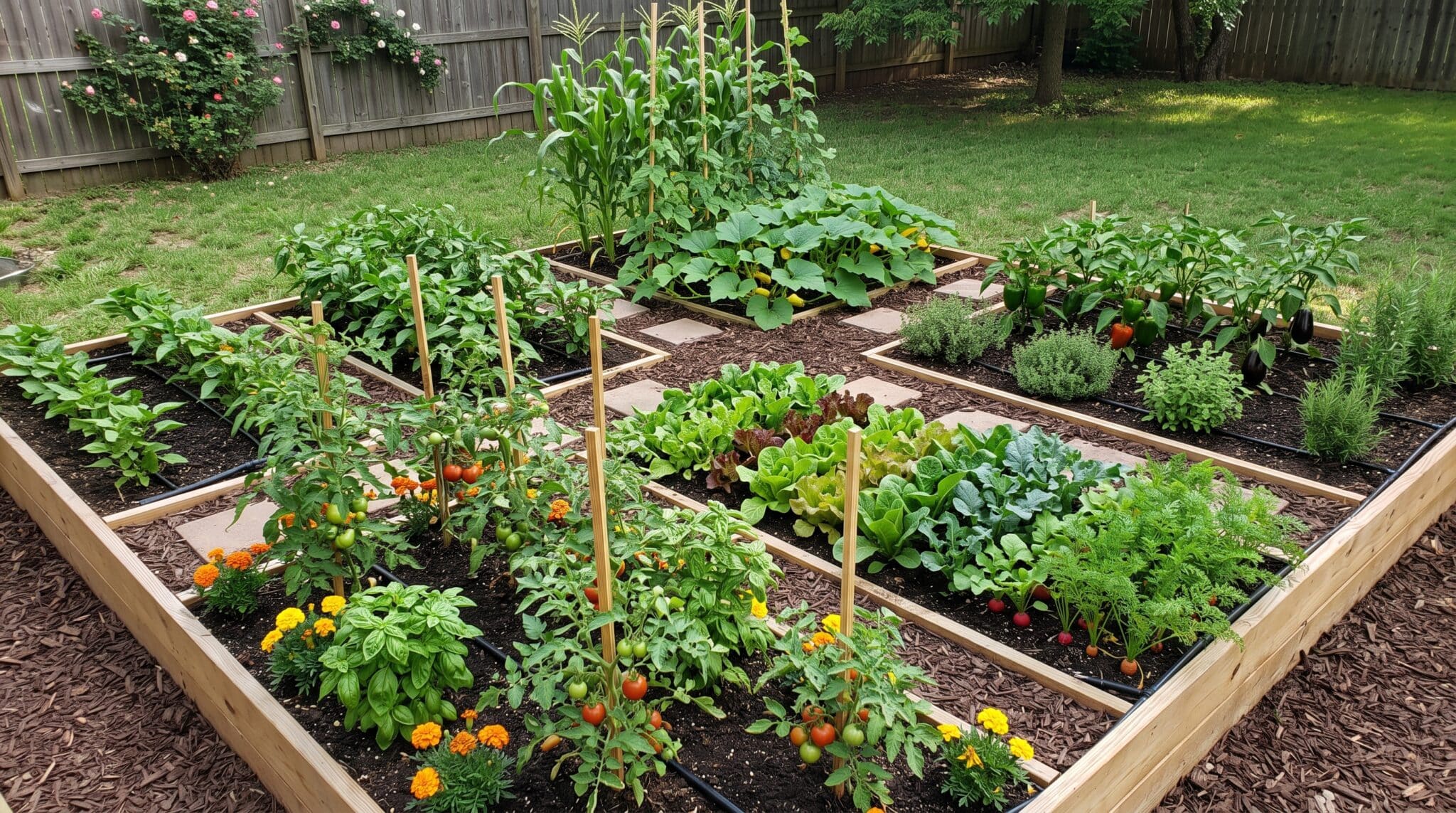
Companion planting layouts group vegetables and herbs that grow well together. Plants are arranged based on their growing habits, space needs, and ability to support nearby crops.
This approach helps improve garden organization, makes care easier, and allows better use of available space. It can also create a balanced environment for healthier plant growth.
Size: Tomatoes and basil can be planted about 12 inches apart, while carrots and onions can be spaced around 4 inches apart.
9. Herb Spiral Vegetable Garden Layout
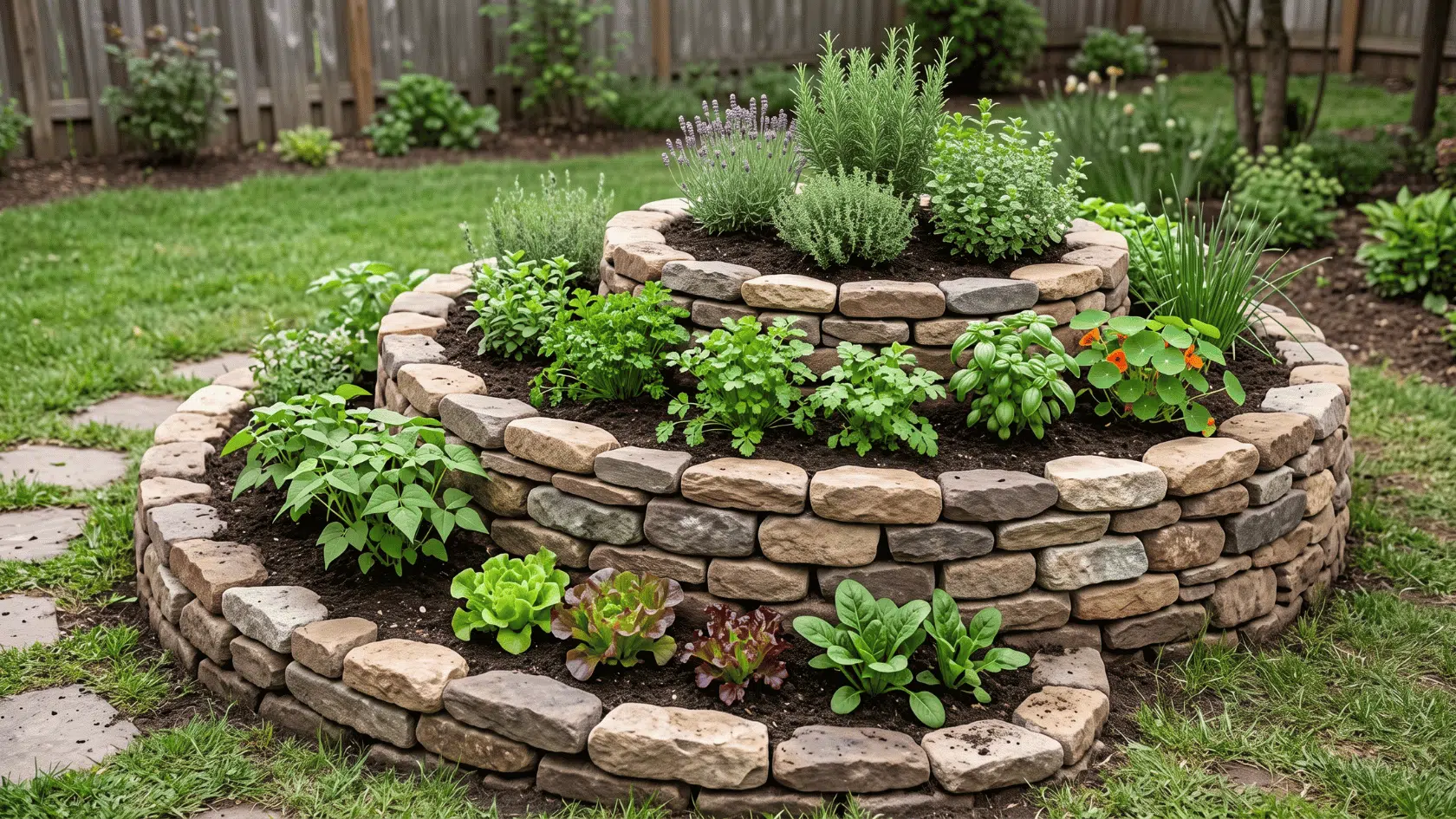
Herb spiral layouts use a circular raised structure to grow herbs and compact vegetables in a small area. The spiral shape creates different zones for sunlight, moisture, and soil needs.
It works well for small gardens, patios, and compact spaces by keeping plants organized and easy to maintain.
Size: Herb spirals are commonly built around 3 to 6 feet wide, with taller sections raised above lower planting areas.
10. Keyhole Vegetable Garden Layout
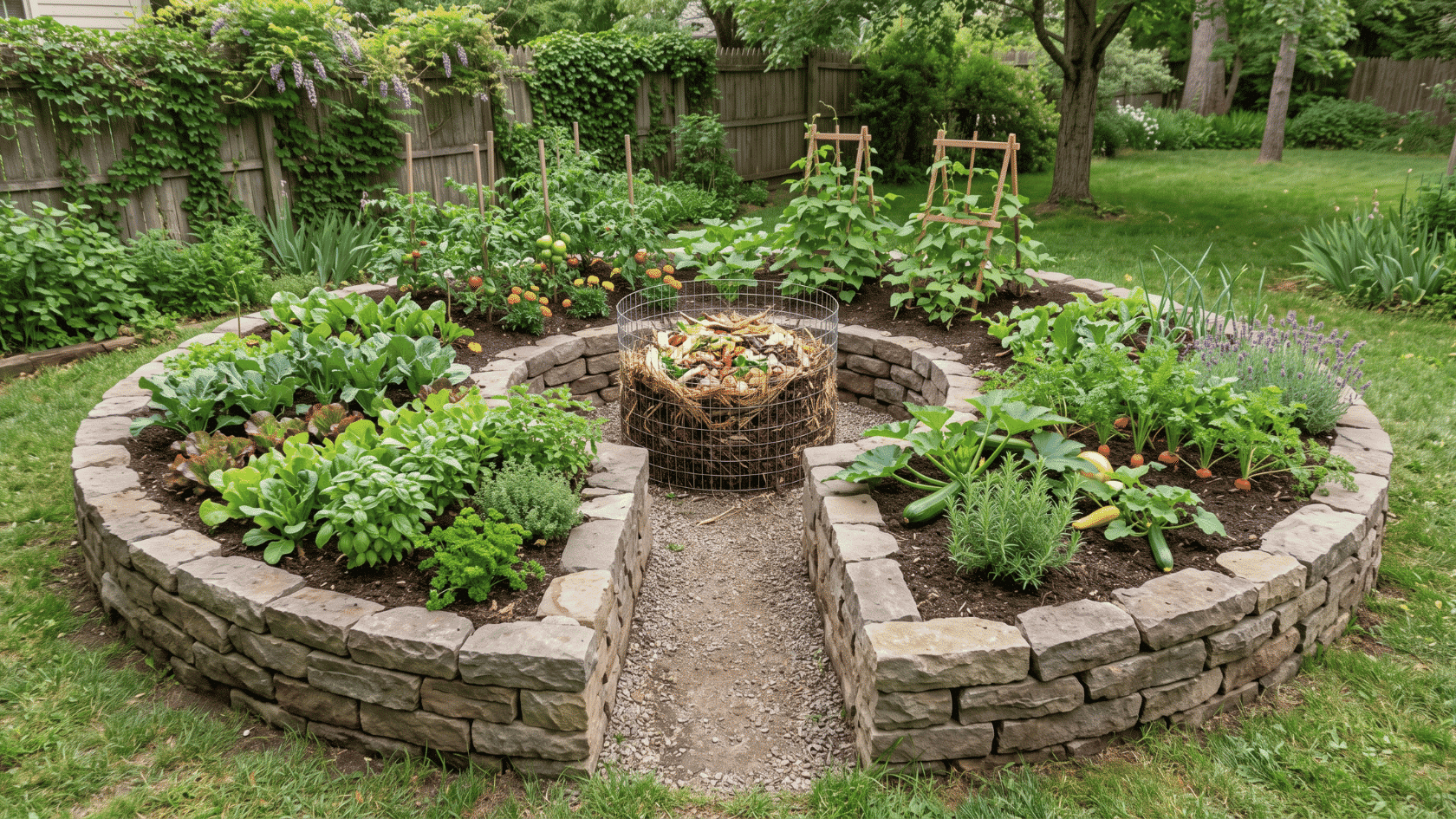
Keyhole garden layouts use a circular raised bed with a small access path leading to the center. This design allows gardeners to reach all areas without stepping into the growing space.
It works well for compact backyards and drought-prone areas by combining efficient space use with easier watering and maintenance.
Size: Keyhole gardens are usually around 6 feet wide, with a central access area that allows easy reach to all sections.
Vegetable Garden Layout Plans to Copy
Designing a garden from scratch can feel overwhelming for first-time growers. These ready-to-use plans give a simple starting point to copy directly.
Each plan lays out exactly where to place tall, medium, and short crops. No guesswork or garden design experience needed:
1. 4×4 Raised Bed Garden Plan
Place taller crops like tomatoes or peppers toward the center or back for full sun and room to grow. Keep the edges for lower crops like lettuce, herbs, and carrots.
This keeps shorter plants from being shaded out. It also makes harvesting easier since everything stays within reach.
2. 4×8 Vegetable Garden Plan
Put tall crops like corn or trellised cucumbers at the back, so they don’t block sunlight from other plants. Medium plants like peppers fit well in the middle.
Smaller crops like lettuce and radishes belong up front. This keeps them easy to access and well-lit all day.
3. Backyard Garden Plan
Keep pathways at least 18 to 24 inches wide so watering and harvesting stay easy.
Choose low-maintenance vegetableslike zucchini, beans, and cherry tomatoes.
Arrange everything in a simple grid, with taller plants toward the back. This keeps the garden manageable while still producing a solid harvest.
Choosing the Right Vegetable Garden Layout System
Vegetable garden layouts depend on space and growing needs. Each system fits a different situation, so a quick comparison helps in choosing the right one.
| Garden Situation | Best Layout Systems | Why It Works |
|---|---|---|
| Small Spaces | Square foot gardening, raised beds | Maximizes space with tight, organized planting |
| High Yield Goals | Block planting, Square foot gardening | Higher plant density with balanced airflow |
| Raised Bed Use | Raised beds | Better soil control and drainage |
| Large Open Gardens | Row planting | Easy access and simple maintenance |
The right vegetable garden design depends on space and garden goals. Choosing a layout based on conditions leads to better growth and higher yield.
Common Vegetable Garden Design Mistakes to Avoid
Poor garden planning can affect plant growth, yield, and overall health. Avoiding these mistakes helps create a more productive vegetable garden.
- Overcrowding causes competition for sunlight, water, and nutrients.
- Wrong sunlight reduces light exposure and weakens plant growth.
- Poor spacing limits root growth and nutrient access.
- Poor planning leads to uneven growth and lower yields.
A well-designed vegetable garden uses proper spacing, sunlight, and plant density. Simple planning helps maintain healthier crops and easier care.
Conclusion
Good vegetable garden design turns even a small, limited space into a productive, well-planned growing area.
With the right layout, sunlight, soil, and spacing all working together, plants grow healthier and yield more per square foot.
The key is simple planning done early, well before beds are dug, soil is turned, or a single seed goes in the ground.
Avoid the common mistakes, adjust based on real conditions in your yard, and the results follow naturally.
Leave a comment below if you have questions or need help with your garden layout.
Frequently Asked Questions
How Often Should a Vegetable Garden Layout Be Changed?
A vegetable garden design is usually adjusted once every growing season or each year. This helps manage soil nutrients, improve plant placement, and reduce plant stress over time.
Can Companion Planting Affect Garden Layout Performance?
Yes, Planting Certain Crops Together Can Support Growth and Reduce Pest Issues. It Also Helps Improve Space Use when Plants Support Each Other’s Needs.
Does Irrigation Method Change with Different Layout Types?
Yes, Irrigation Needs Differ Based on How Plants Are Arranged in The Garden.
Row setups often suit drip lines, while block layouts work well with zone watering.