Few flowers capture the feel of the tropics quite like plumeria.
With their waxy petals, warm colors, and sweet evening fragrance, they bring a resort-garden feel to patios and backyards alike.
Yet many growers find the plant doesn’t always cooperate.
Leaves yellow, growth stalls, and the blooms that seemed so effortless on vacation become harder to coax at home.
Proper plumeria plant care helps create stronger roots, healthier leaves, and more beautiful flowers, keeping your plant growing through each season.
From choosing the best location to managing water, pruning, and seasonal changes, this guide walks through the simple steps that make the biggest difference.
About the Plumeria Plant
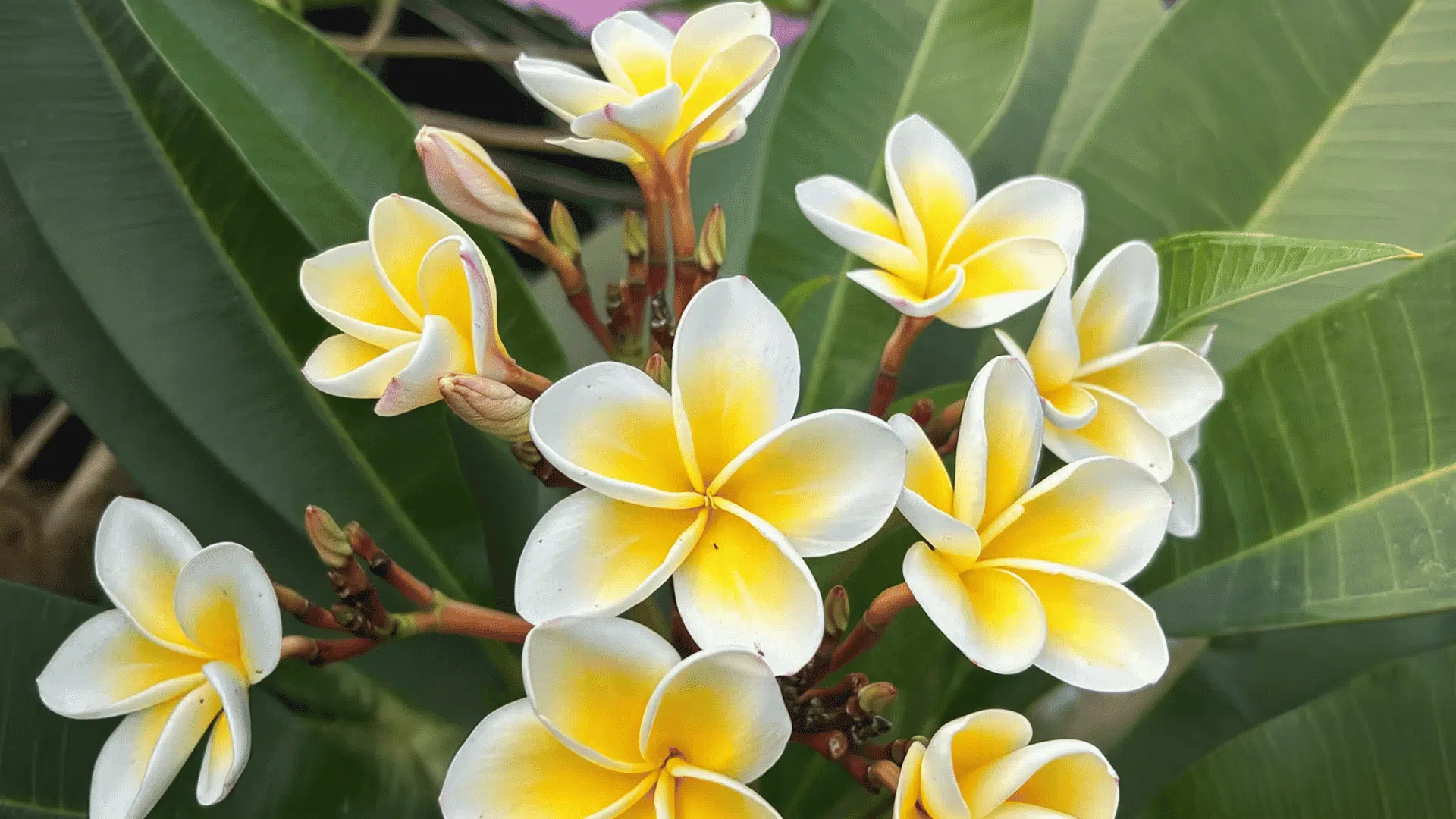
The plumeria (Plumeria spp.), also known as frangipani, is a tropical flowering plant in the dogbane family (Apocynaceae), native to Central America, Mexico, and the Caribbean.
It grows as a small tree or shrub, reaching 10 to 30 feet tall, with thick branches, leathery leaves, and fragrant five-petaled flowers in shades of white, yellow, pink, and red.
The blooms are prized for their scent and are often used in Hawaiian leis.
Plumeria grows in warm climates (USDA zones 10 to 12), full sun, and well-draining soil, and it goes dormant in cooler months.
It can be grown outdoors in tropical regions or in containers, moved indoors for winter, and will bloom from spring through fall with the right care.
Plumeria Plant Care Tips
Caring for Plumeria plants involves understanding their basic needs, including proper watering, sunlight, soil, pruning, and seasonal care.
These steps support healthy growth, blooms, and plant protection:
1. Watering Plumeria Plants

As a general guide, water when the top 1 to 2 inches of soil feels dry, which is often about once a week in summer and far less often in cooler months.
This helps prevent root problems while supporting healthy growth. Reduce watering during the colder months, when the plant is less active. Keep the soil drier to avoid moisture-related issues.
2. Sunlight Requirements for Plumeria

Plumeria plants need 6 to 8 hours of direct sunlight daily for strong growth and regular blooms. A sunny location helps the plant produce healthier stems and flowers.
Insufficient light can lead to slower growth and fewer blooms. Place it where it can receive consistent sunlight throughout the day.
3. Soil Conditions

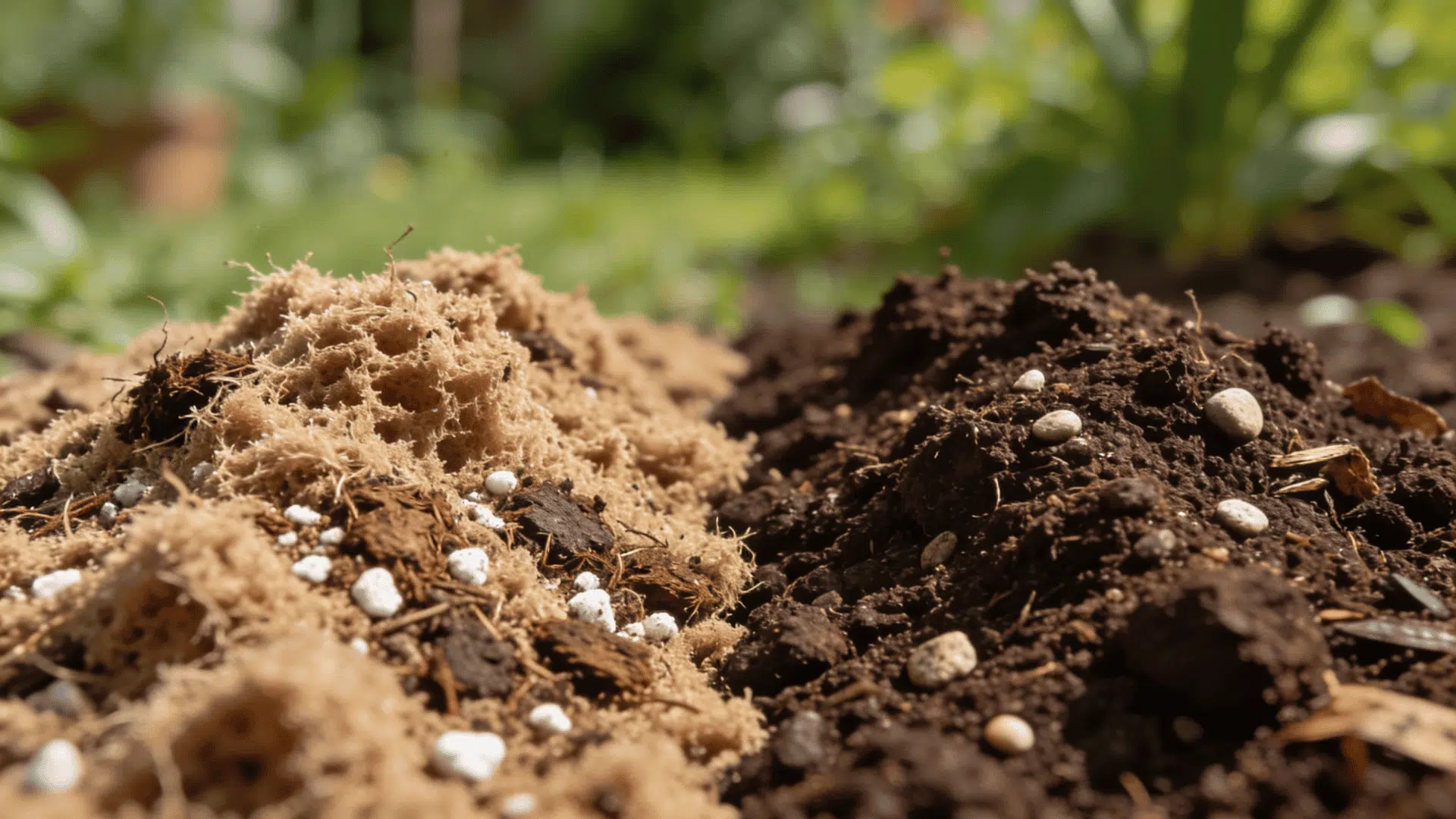
Use well-draining soil to prevent excess water from collecting around the roots. A sandy or cactus-style mix provides the right drainage for plumeria plants. Avoid heavy soils that retain moisture for long periods.
Loose, well-aerated soil supports healthier root growth and plant development, and you can mix your own well-draining blend for potted plants.
4. Pruning Plumeria Plants

Remove dead or damaged branches to maintain the plant’s shape and encourage new growth.
The best time to prune is in late winter or early spring, before new growth begins. Light trimming can also support healthier stems and better flowering.
Avoid heavy pruning, as excessive cuts may reduce blooms. Regular maintenance helps keep plumeria compact and healthy.
5. Overwatering Plumeria

Protect plumeria from frost by moving potted plants indoors during cold weather. This prevents cold damage and keeps the plant safe through winter.
Plumeria is sensitive to frost and does best when kept above about 40 to 50°F (4 to 10°C).
Reduce watering and allow plumeria to rest during dormancy. Less moisture helps the plant stay healthy as growth slows.
Dropping its leaves in winter is normal and not a sign of poor health.
6. Protect Plumeria From Pests And Diseases

Inspect plumeria plants regularly for pests like spider mites, aphids, and mealybugs. Early detection of pests helps prevent damage to leaves, stems, and new growth.
Keep the area clean by removing fallen leaves and damaged branches. Good airflow and proper watering help reduce fungal diseases and root problems.
Do Plumerias Do Better in Pots or Ground?
Plumerias generally do better in the ground when grown in warm, frost-free climates, since it gives their roots room to expand and allows the plant to reach its full size and bloom potential.
However, growing plumeria in pots is a better choice for gardeners in cooler regions, as containers can be moved indoors during winter to protect the plant from frost damage.
- In-ground planting suits USDA zones 10 to 12, where plumeria can grow into a large shrub or small tree with minimal winter protection needed.
- Container growing works well almost anywhere, offering flexibility to control soil quality, manage watering more precisely, and relocate the plant as seasons change.
Ground-planted plumeria tends to grow faster and produce more blooms over time due to unrestricted root development, while potted plumeria stays more manageable in size and is easier to protect during cold snaps.
For growers outside tropical zones, a large, well-draining pot is often the more practical option for long-term plumeria plant care.
Tip: If you’re unsure which option fits your climate, start with a pot. You can always transplant a potted plumeria into the ground later once you’re confident your local conditions support year-round outdoor growth.
How to Encourage More Blooms and Keep Plumeria Healthy
Plumeria flowers best when it receives the right balance of sunlight, water, and nutrients. Small changes in care can help the plant produce more healthy blooms.
Proper feeding and care support healthy growth and more flowers throughout the season.
- Place the plumeria in a spot that receives 6 to 8 hours of direct sunlight daily for better blooming.
- Apply a phosphorus-rich fertilizer during the growing season to support flower production.
- Remove damaged branches and lightly prune to encourage new growth and more flowering sites.
Consistent care helps plumeria stay healthy and produce more vibrant blooms. With proper sunlight, feeding, and maintenance, your plant can flower more regularly.
What Are Common Plumeria Problems?
Even with attentive care, plumeria can develop issues ranging from pest infestations to fungal infections, often signaling an imbalance in light, water, or soil conditions.
| Problem | Likely Cause | Solution |
|---|---|---|
| Yellowing leaves | Overwatering or poor drainage | Let soil dry out between waterings and switch to a sandier mix |
| Black tip fungus | Fungal infection from excess moisture on stems | Trim affected tips with sterilized shears and improve airflow |
| Few or no flowers | Inadequate sunlight or nitrogen-heavy fertilizer | Relocate to a sunnier spot and switch to a phosphorus-rich feed |
| Root rot | Waterlogged soil or poor pot drainage | Repot into fresh, well-draining soil and trim mushy roots |
| Spider mites or mealybugs | Low humidity or stressed plant | Wipe leaves with insecticidal soap and isolate affected plants |
| Stunted growth | Cramped roots or nutrient-poor soil | Move to a larger container and refresh the soil annually |
| Sudden leaf drop outside winter | Temperature shock or transplant stress | Keep the plant in a stable spot away from drafts or sudden moves |
Most plumeria problems trace back to watering habits, sunlight exposure, or soil drainage, making them easy to correct once identified. Catching these signs early keeps the plant on track for consistent, healthy blooms season after season.
Conclusion
Growing a healthy plumeria becomes easier when you understand its basic needs and provide consistent attention throughout the year.
Good plumeria plant care helps support strong growth, vibrant foliage, and better flowering while reducing common plant problems.
With the right balance of sunlight, watering, soil, pruning, and seasonal protection, your plant can stay healthy for years.
Apply these simple practices and adjust them based on your plant’s response.
What’s your biggest challenge with growing plumeria? Share your experience and tips in the comments below.
Frequently Asked Questions
How Fast Does a Plumeria Plant Grow?
Plumeria growth depends on climate, care, and variety. In warm conditions with proper sunlight and nutrients, it can grow several inches each year.
How Long Does a Plumeria Flower Last?
Individual plumeria flowers usually last several days, while healthy plants can continue producing blooms for weeks during the growing season.
Can Plumeria Grow in Pots?
Yes, plumeria grows well in containers with proper drainage. Choose a large pot that allows for root growth, and move it as needed for seasonal protection.