A plant can sit in the same spot for months, look perfectly fine at first glance, and still be quietly starving for light.
Most houseplant owners never realize how deceiving a “bright” room can actually be. Windows create an illusion that a space feels sunlit, yet the light reaching the leaves may be far weaker than it appears.
This gap between what the eye sees and what a plant actually needs is where growth quietly stalls.
Money tree light requirements sit right at the center of this confusion, since so much depends on getting bright indirect light correct.
What follows uncovers exactly why that distinction changes everything for indoor plants.
What Does Bright Indirect Light Mean?
Bright indirect light is light strong enough to cast a soft, visible shadow, yet never direct enough to hit leaves as raw, unfiltered sun. It sits in the middle ground, brighter than typical indoor lighting, but diffused before it reaches the plant.
This light quality depends on three things: high intensity, a diffused direction, and zero direct sun contact on the foliage itself.
Usable light is measured in foot-candles, lux, or PPFD, not by how bright a room feels to the eye, since visual brightness and plant-usable light rarely match.
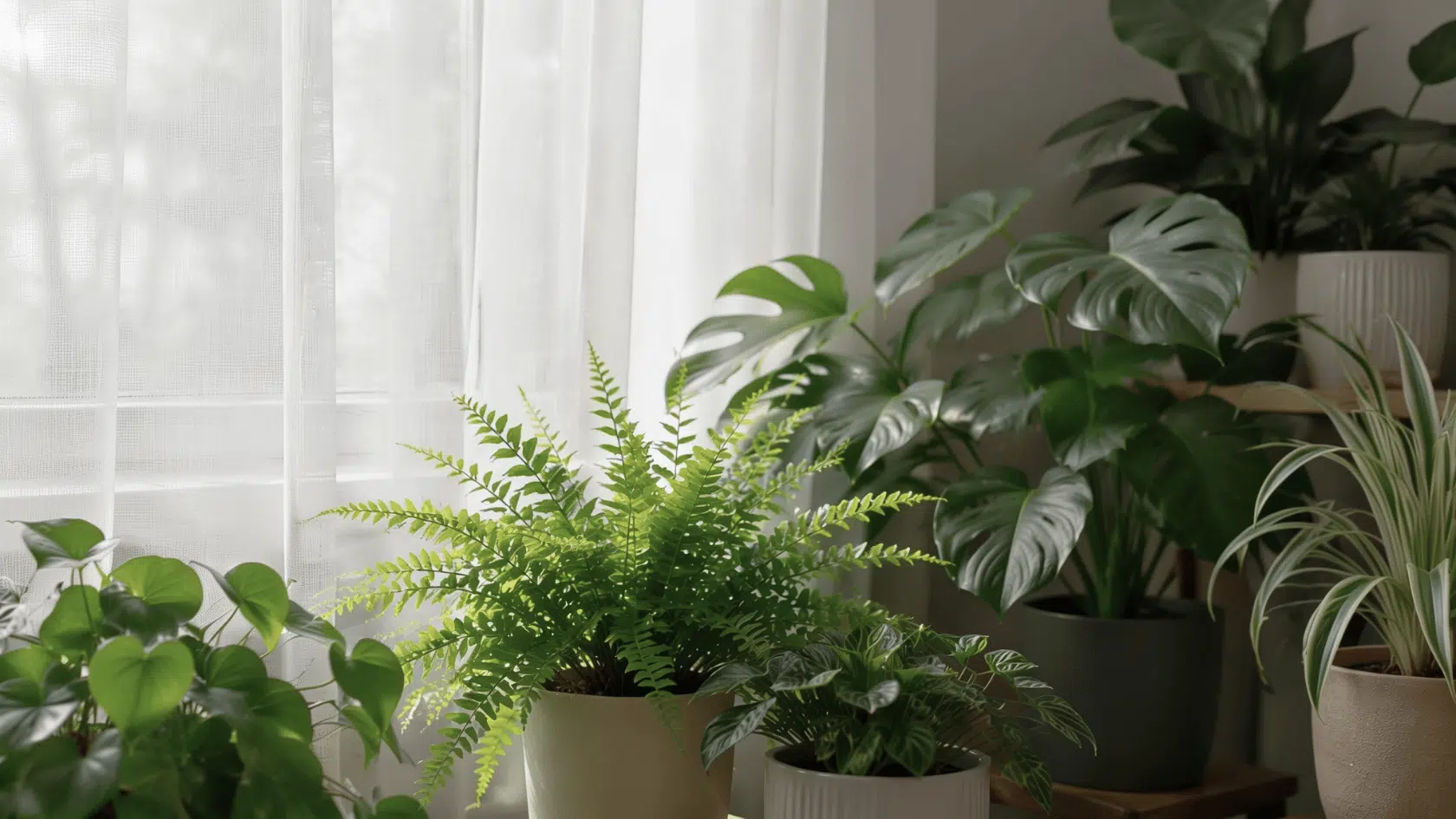
A true bright indirect light example looks like this: a spot near a sheer-curtained window with a partial sky view, maintaining roughly 500 to 2,500 lux.
Move just one meter farther from that window, and intensity drops by about 50 percent, turning the same “bright” room into a low-light zone for the plant.
Conditions that Create Bright Indirect Light Indoors
Bright indirect light indoors depends on more than just having a window. Orientation, obstructions, diffusion, and distance all shape how much usable light actually reaches a plant’s leaves.
- Window Direction and Sky Exposure: South-facing windows produce the strongest light; east- and west-facing windows deliver moderate light; and north-facing windows rarely receive bright indirect light on their own.
- Role of Curtains, Glass, and Obstructions: Nearby buildings or trees cut incoming light by 30 to 70 percent, and sheer curtains or frosted glass diffuse whatever remains into softer, usable light.
- Distance From Window and Intensity Drop: Light drops by about 50 percent for every meter farther from the window, so even a small shift deeper into a room can eliminate bright indirect light entirely.
Window direction, obstructions, and distance all work together, and ignoring any one of them can leave a plant in far less light than expected.
Direct Sun vs Bright Indirect
Direct sun and bright indirect light sit at very different points on the intensity scale, and confusing the two is what scorches leaves on one end and starves them on the other.
The distinction matters because most houseplants evolved under filtered canopy light, so they use bright diffused light well but burn under raw, concentrated sun.
| Factor | Direct Sun | Bright Indirect Light |
|---|---|---|
| Typical intensity | ~10,000–100,000+ lux | ~500–2,500 lux |
| Light on leaves | Raw, unfiltered rays hit foliage directly | Strong but diffused; no direct rays on leaves |
| Shadow cast | Hard, sharp-edged shadow | Soft, defined shadow |
| Typical source | Unobstructed south-facing window, midday sun | Sheer-filtered south/west window, bright east window, or a few feet back from strong light |
| Effect on most houseplants | Leaf scorch, bleaching, crisp brown edges | Full growth, rich color, steady development |
Which Plants Need Bright Indirect Light?
Most bright-indirect-light plants evolved under a broken forest canopy, where light was strong but filtered.
Understanding which plants genuinely need this condition versus which ones simply tolerate it helps avoid both underlit and overlit setups.
1. Money Tree

Money Tree naturally grows near riverbanks and forest edges, where light remains bright but is filtered by the surrounding canopy. This natural setting shapes how the plant behaves when grown indoors.
In bright indirect light, it produces full, healthy leaf sets and maintains its signature braided trunk structure well.
Getting the light right makes a noticeable difference in how the plant looks over time.
2. Monstera

Monstera developed under dense tropical canopies where bright, filtered light reached its leaves for most of the day.
This natural habitat of Monstera shapes how the plant grows and forms leaves indoors.
In true bright indirect light, it produces large leaves with full fenestration and shows steady, consistent growth.
3. Pothos

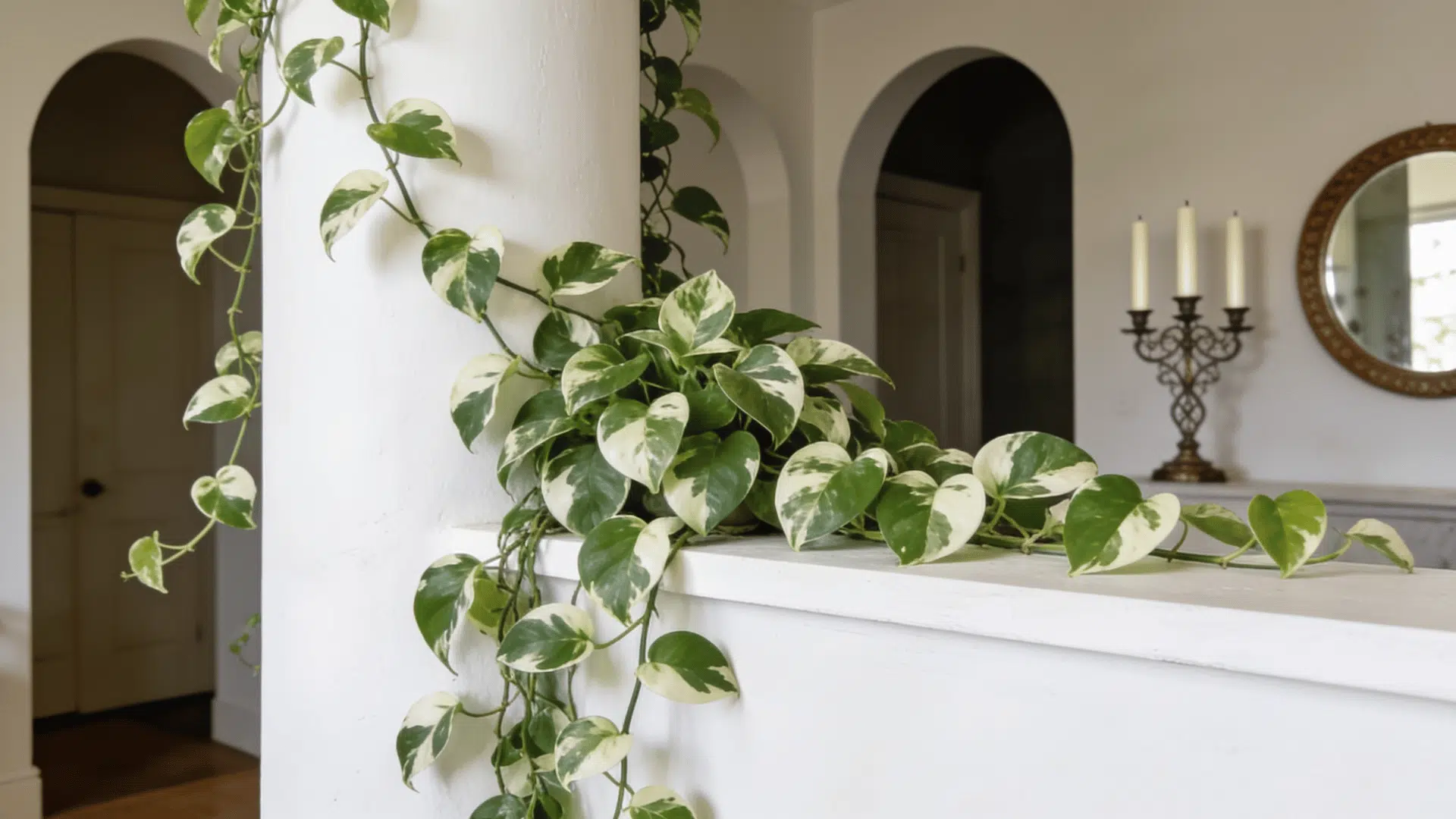
Pothos is one of the most adaptable houseplants, but it still performs best in bright indirect light. Light levels directly affect both its growth rate and its appearance.
Variegated varieties like Golden Pothos lose their yellow and white patterning in low light, reverting to plain green.
Consistent bright indirect light keeps that variegation sharp while supporting healthy growth.
4. Peace Lily and Calathea

Peace Lily and Calathea both handle lower light better than most houseplants, though neither truly thrives in dim conditions.
Both show clear improvement once given consistent bright indirect light.
Peace Lily produces more blooms while Calathea holds stronger leaf patterning under these brighter conditions. Dim light keeps them alive, but their overall performance visibly declines over time.
5. ZZ Plant and Snake Plant

ZZ Plant and Snake Plant are frequently recommended for low-light spaces, but tolerating low light only means survival, not good performance. Both actually grow faster and hold better shape when given more light.
Given bright indirect light daily, they produce firmer leaves and maintain a fuller, healthier overall shape.
Keeping them permanently in dim spots leads to slow, weak growth, even without immediate signs of stress.
6. Philodendron

Philodendron species evolved in layered forest environments where light intensity stayed high but never became direct.
This background explains why the plant reacts so strongly to changes in indoor light quality.
Bright indirect light produces compact growth, rich leaf color, and strong, sturdy stems throughout the plant. Without it, stems stretch long and thin as the plant reaches toward any available light source.
Common Mistakes to Avoid When Interpreting Bright Indirect Light
Most plants decline not from too much light, but because the light was never as bright as it looked in the first place.
Conditions often shift quietly without any visible sign of change in the room itself.
- Small distance shifts: A two-foot shift deeper into a room can cut usable light in half, even though it looks like a small change.
- Curtain vs. direction: A sheer curtain over a south-facing window still lets in strong light, while a thin blind over a north-facing window lets in almost none.
- Seasonal drop-off: A spot that worked in summer can fall below bright indirect light thresholds by winter, with nothing visibly changing in the room.
- Delayed stress signs: Fiddle Leaf Fig and Monstera slow down first, then drop leaves, and the stress often triggers overwatering. Switching to bottom watering helps avoid that when a plant is already light-stressed.
- Too much bright light: Calathea and similar species can show bleaching when exposed to bright light for too long.
Conclusion
Understanding bright indirect light makes plant care far more predictable and effective. It helps avoid weak growth, poor leaf color, and slow recovery caused by incorrect placement.
When you consider window direction, distance, and light filtering, it becomes easier to match each plant to the right spot and maintain steady growth throughout the year.
Light that looks bright is not always usable for plants, so measuring and adjusting placement is essential for healthy growth.
Apply these checks before moving or watering your plants for better long-term results.
Check your plant setup today and move one pot closer to a true bright indirect light source to see visible improvement in growth.
Leave a comment below sharing which plant you struggle to place correctly in your home.
Frequently Asked Questions
Can Grow Lights Replace Bright Indirect Light for Houseplants?
Yes, full-spectrum grow lights can fully replace natural bright indirect light when positioned correctly. Keep the light 12–24 inches from the plants and run it for 10–12 hours daily to support steady growth.
Does Humidity Affect How Plants Respond to Bright Indirect Light?
Humidity does not change light levels, but it affects how well plants use that light. Low humidity can slow growth even under ideal bright indirect light.
Do Indoor Light Levels Change During Different Seasons?
Yes, indoor light levels drop sharply in winter due to shorter days and lower sun angles. Plants may need to be placed closer to windows or given additional lighting during colder months.