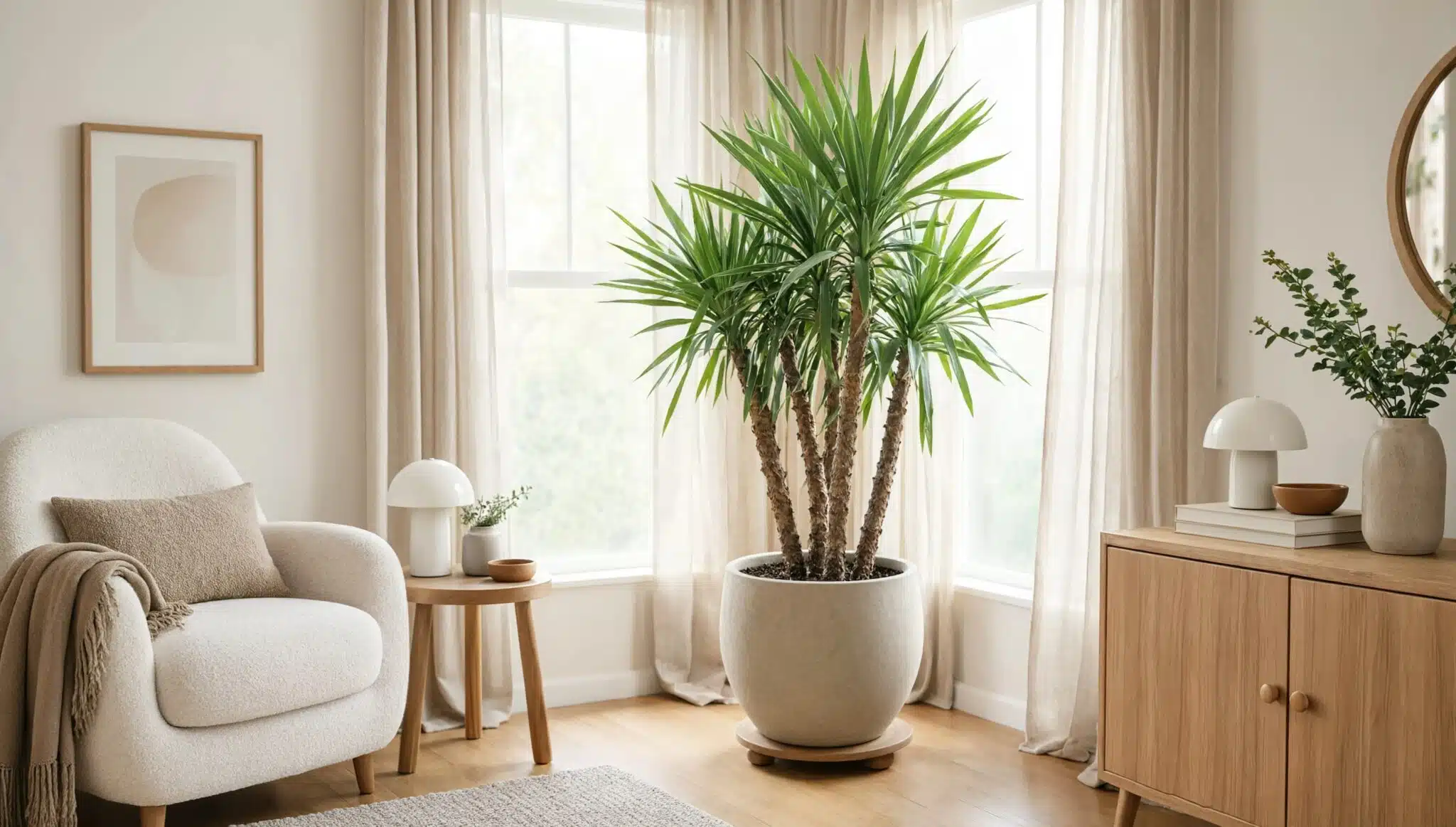
Yucca plants are popular choices for both homes and gardens because they are hardy, low-maintenance, and visually striking.
While yuccas are drought-tolerant and can adapt to a variety of conditions, they still need proper care to thrive.
Knowing how to grow yucca successfully means understanding its light, water, soil, and temperature needs.
Keeping this in mind, let’s walk through exactly how to care for your yucca, from finding the right spot to keeping it trimmed and healthy.
Getting to Know Yucca Plants
Yucca plants are hardy evergreen plants known for their strong structure, sword-shaped leaves, and ability to adapt to dry conditions.
Their natural features help them survive in environments with limited moisture and plenty of sunlight.
- Drought-tolerant nature: Yuccas store water in their thick stems and roots, allowing them to handle dry periods better than many other plants.
- Slow and steady growth: These plants grow gradually and can maintain their shape for many years with proper care.
- Adaptable growing habits: Yuccas can grow well in both indoor containers and outdoor landscapes when their basic needs are met.
- Distinct appearance: Their upright growth, woody stems, and pointed leaves make them popular choices for adding greenery to different spaces.
Recognizing the natural traits of yuccas helps you understand why they need less water and prefer dry, bright growing conditions.
Characteristics of Yucca Plant
Understanding these characteristics helps you create suitable growing conditions for your yucca plant, making it easier to provide the right care and prevent common growth issues.
| Common Name | Yucca plant |
| Botanical Name | Yucca spp. |
| Family | Agavaceae |
| Plant Type | Herbaceous, Perennial |
| Mature Size | 1-30 ft. tall, 3-15 ft. wide |
| Sun Exposure | Partial |
| Soil Type | Sandy, well-draining |
| Soil pH | Neutral, acidic |
| Bloom Time | Summer, fall |
| Flower Color | White, pink |
| Hardiness Zones | 4 -11 (USDA) |
| Native Area | North America, Caribbean |
How to Grow Yucca Plants Successfully?
Growing a healthy yucca plant requires the right balance of sunlight, watering, soil, and general care.
Although yuccas are drought-tolerant and naturally hardy, they still need suitable growing conditions to maintain strong stems and healthy leaves.
1. Choose the Right Location
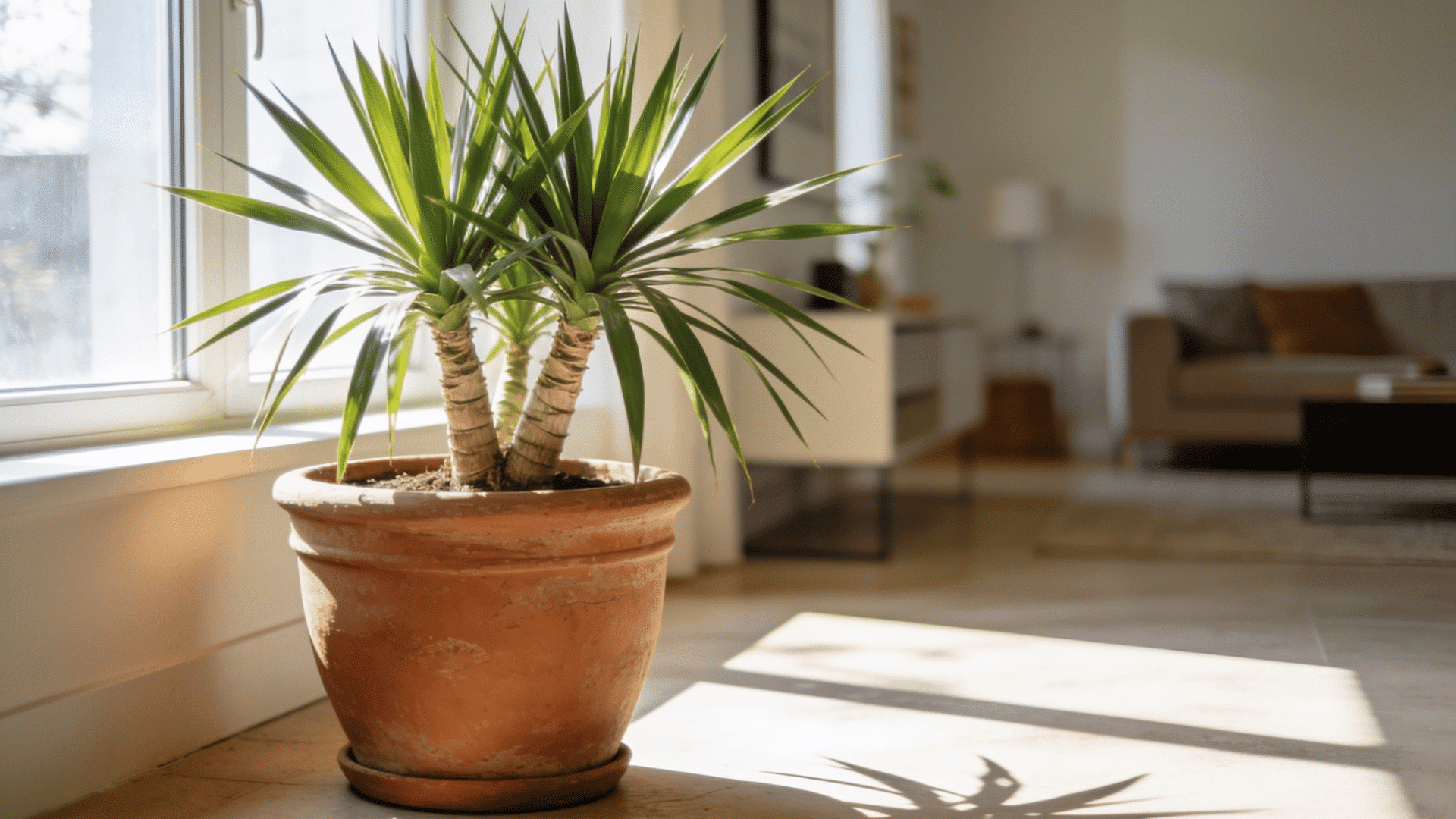

The best spot for a yucca is a bright, open space with good airflow and room for its stiff leaves to spread without touching walls or foot traffic.
Indoors, choose a corner near a well-lit window where the plant stands undisturbed. Outdoors, an open bed beats a tight gap between structures.
Pick a place that drains well, since yuccas struggle in areas where water pools. For potted plants, leave a few inches between the container and the wall so air can circulate on all sides, and keep those sharp leaf tips clear of busy walkways.
2. Provide Proper Light for Healthy Yucca Growth
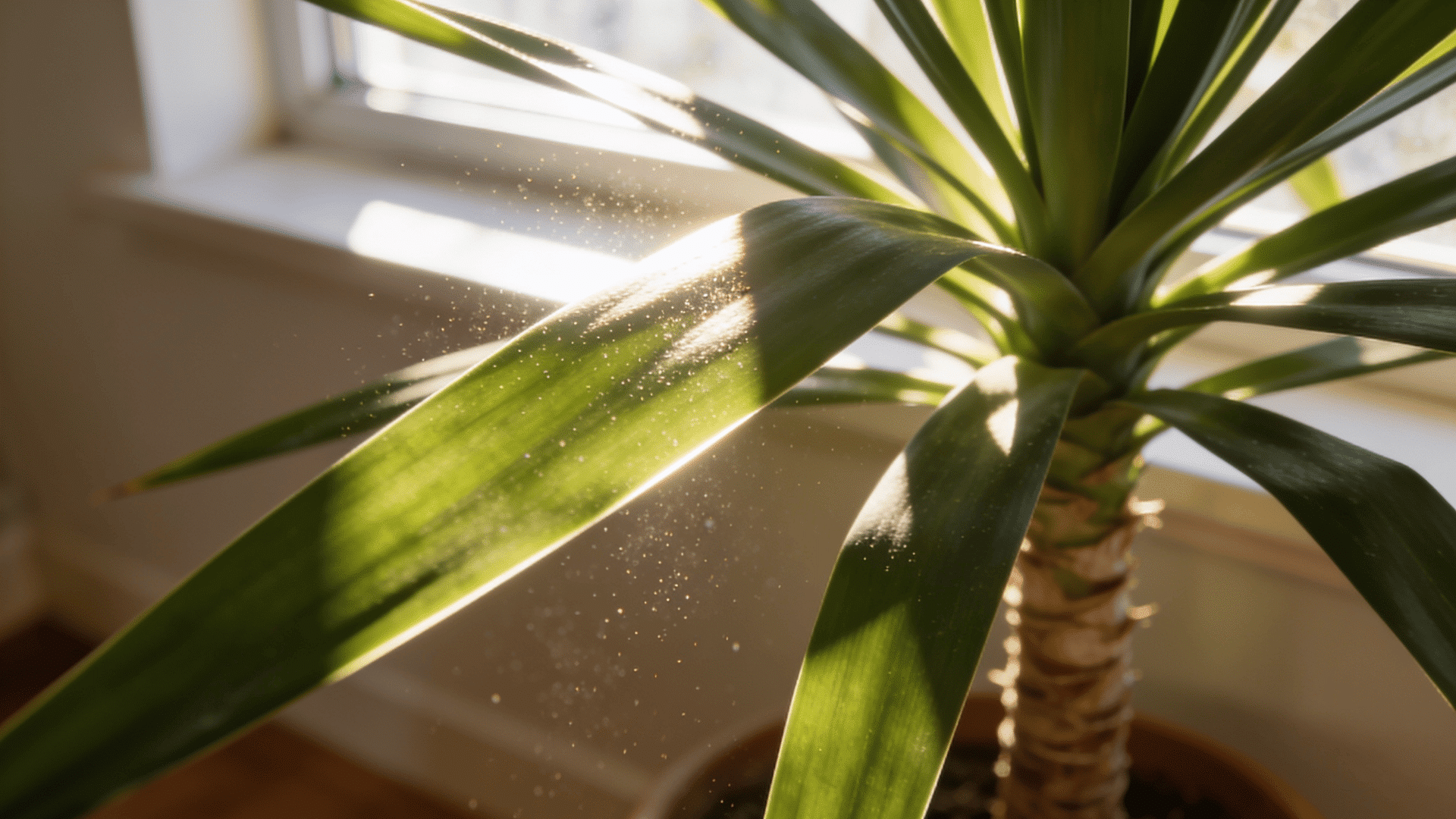

Yucca plants need plenty of light to stay strong. Outdoors, they thrive in full sun with six or more hours of direct light daily. Indoors, a bright window with strong, filtered light keeps growth steady.
Read the plant to judge the light:
- Right amount: firm, upright leaves.
- Too little: pale color and stretched stems.
- Too harsh: brown or bleached patches.
Turn an indoor yucca every couple of weeks so all sides get light, and move it closer to the window in winter when daylight fades.
3. Water the Plant Correctly
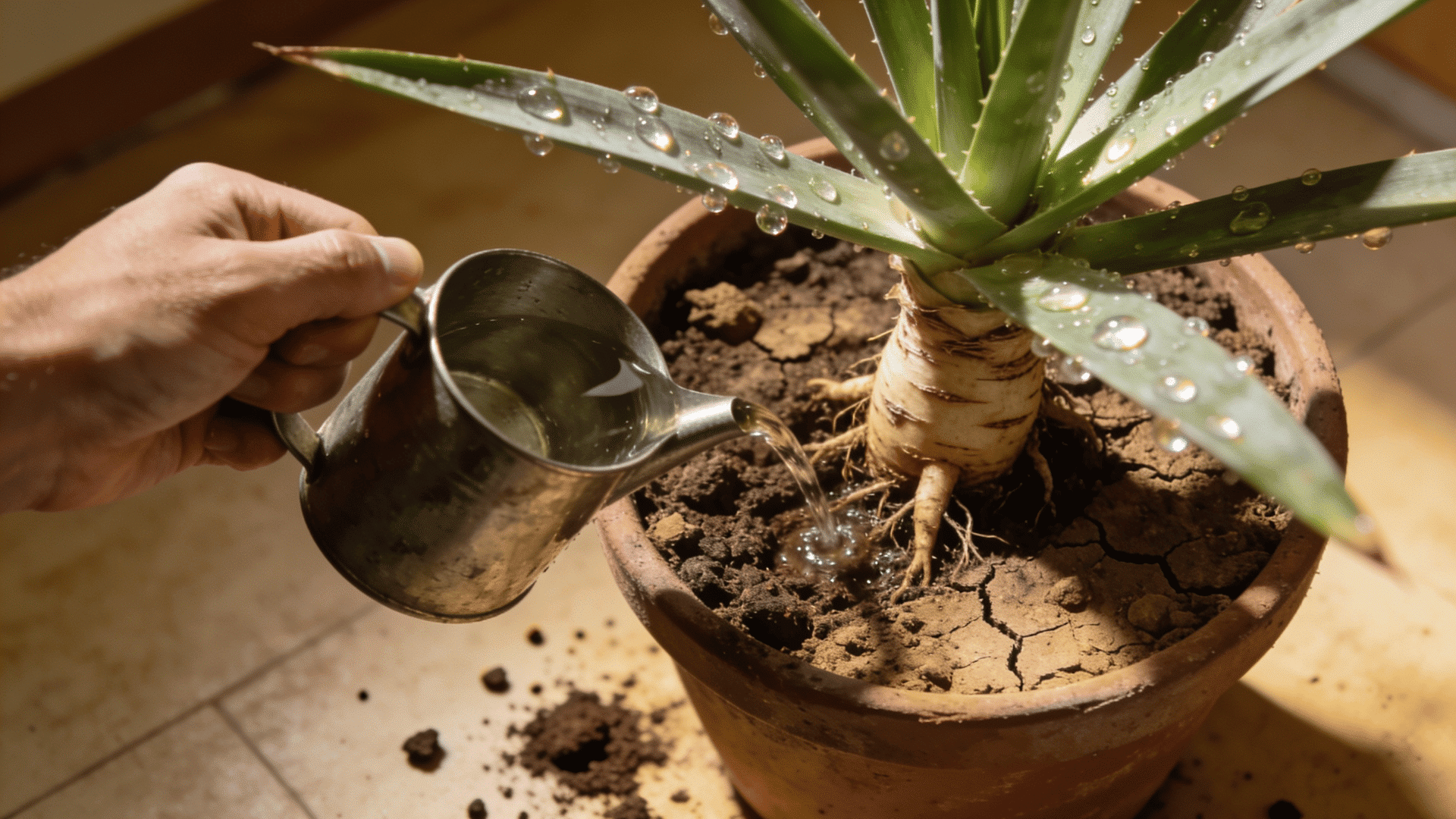

Yucca plants store water in their thick stems and roots, making them sensitive to overwatering. They prefer soil that dries out between waterings rather than staying constantly moist.
Water yucca plants only when the top 2 to 3 inches of soil feel dry, reducing frequency indoors and in cooler months as growth slows. Avoid leaving excess water in the pot tray, as it can cause root problems.
A proper watering routine is essential for preventing yellow leaves and root rot. Allowing the soil to dry slightly between watering helps maintain healthy roots.
4. Use Well-Draining Soil
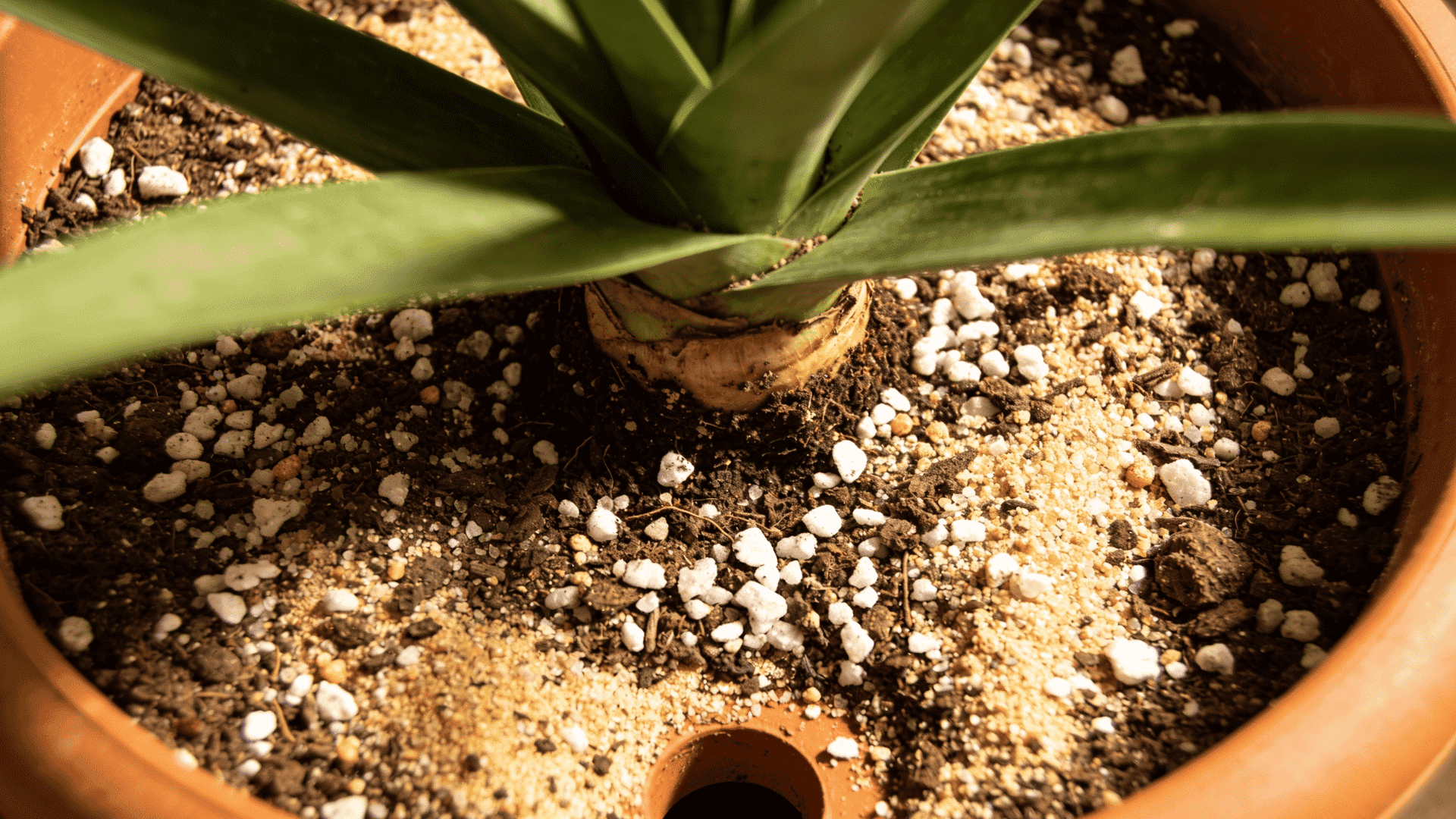

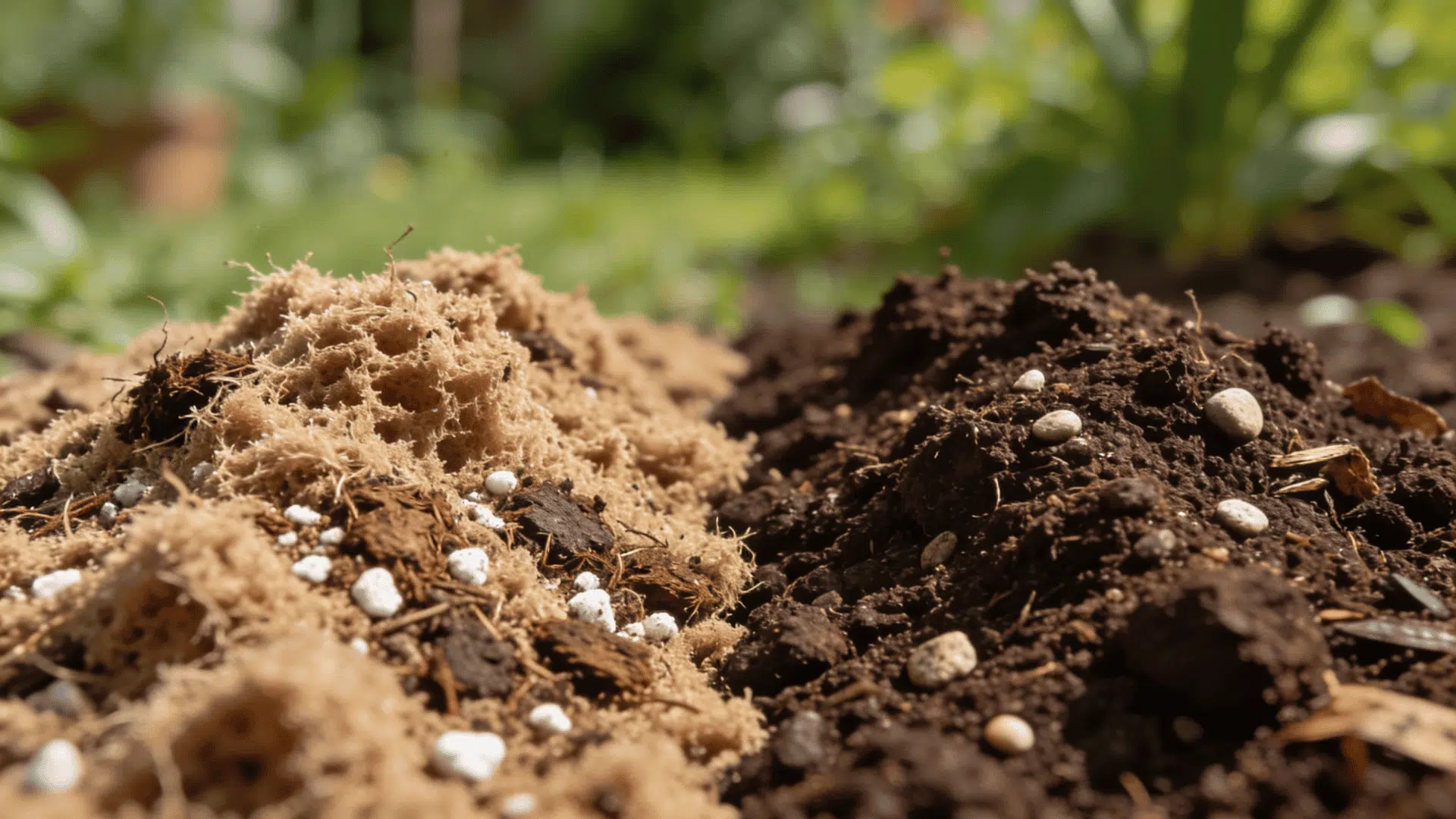
Yucca plants grow best in soil that drains quickly and prevents water from sitting around the roots. Heavy soil can retain excess moisture, increasing the risk of root problems.
- Use a well-draining potting mix designed for drought-tolerant plants.
- Add materials like sand, perlite, or pumice to improve drainage.
- Choose containers with drainage holes to allow extra water to escape.
- Avoid compact soil that remains wet for long periods.
Good soil conditions create a healthier root environment and support steady growth. A well-draining mix is especially important for indoor yuccas grown in containers.
5. Maintain the Right Temperature and Humidity
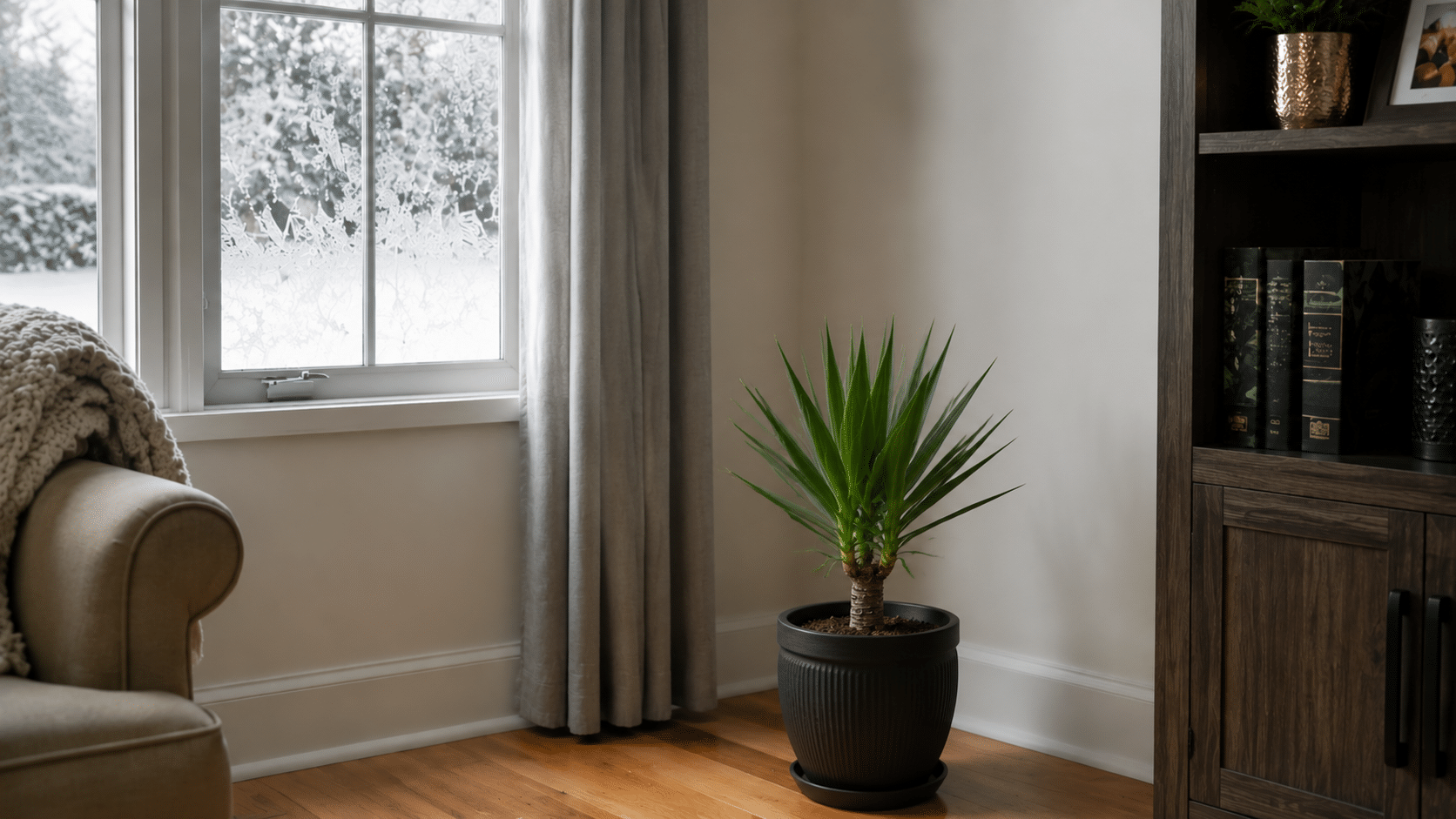

Yucca plants adapt well to normal household conditions and do not require high humidity. They prefer warm temperatures and can tolerate dry air better than many other houseplants.
Indoor yuccas thrive between 60°F and 80°F (16°C to 27°C), away from cold drafts, heating vents, and sudden temperature changes. Outdoor yuccas should be protected from freezing temperatures and frost damage.
Maintaining stable temperature conditions helps yuccas grow without stress. Their tolerance for dry environments makes them suitable for indoor spaces.
6. Pruning the Plant
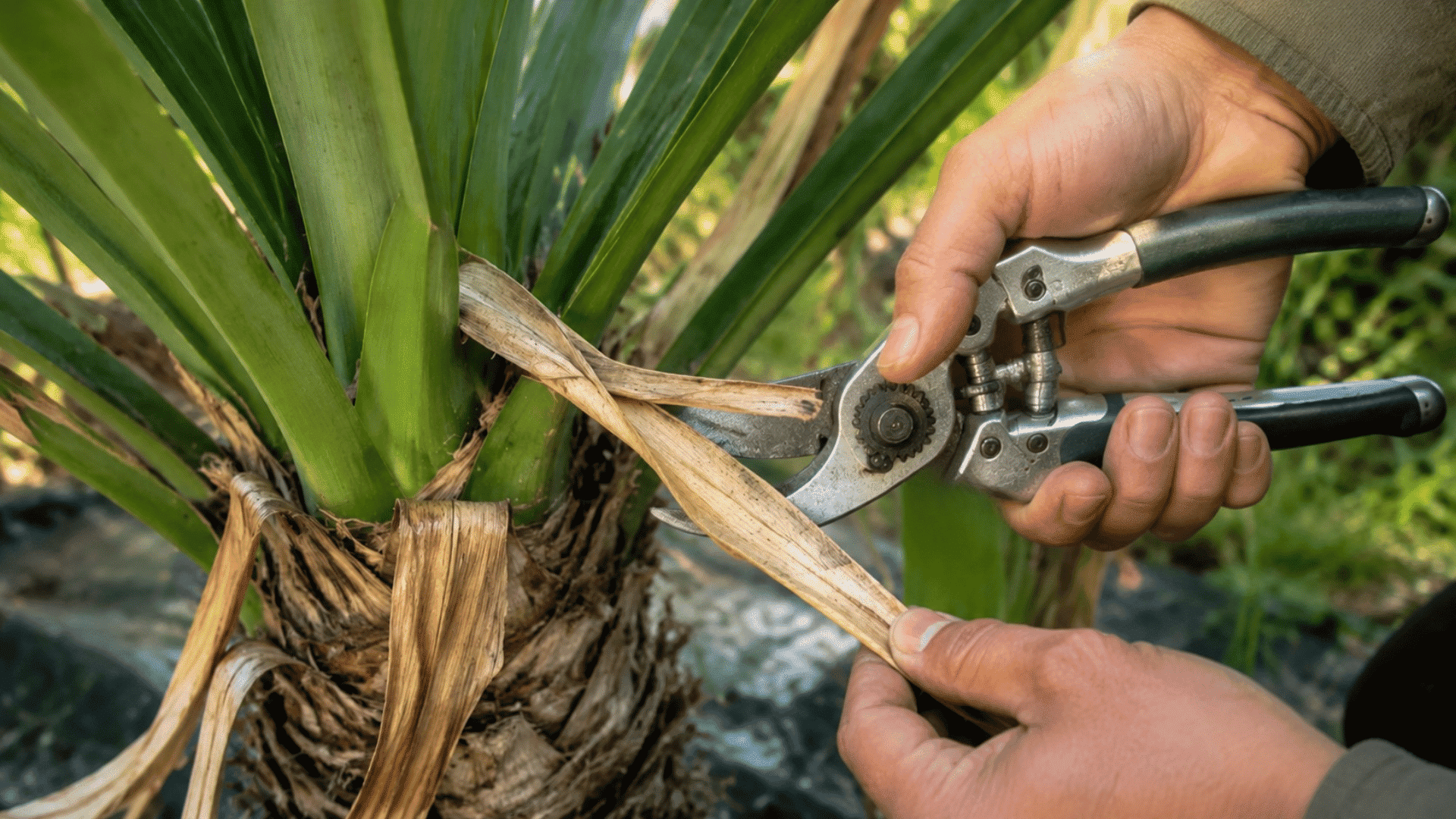

Pruning helps maintain the appearance of yucca plants and removes damaged or unhealthy growth. While yuccas do not require frequent trimming, occasional pruning keeps them neat and healthy.
- Remove yellow, brown, or dried leaves using clean pruning shears.
- Cut back overgrown stems if the plant becomes too large for its space.
- Remove damaged sections to improve the plant’s appearance.
- Clean pruning tools before use to reduce the risk of spreading plant diseases.
Regular pruning keeps yuccas looking tidy and allows the plant to focus energy on healthier growth. Removing damaged parts also helps maintain the plant’s overall condition.
What is the Lifespan of a Yucca Plant?
Most yucca plants live for decades, and many indoor ones last 20 to 50 years with basic care.
Outdoor and wild yuccas can survive far longer, with some desert species reaching well over a hundred years.
Lifespan depends mainly on drainage, light, and avoiding overwatering, since root rot is what usually cuts a yucca’s life short rather than old age.
Given the right spot, a yucca often outlasts most other houseplants in your home.
What are the Common Problems with Yucca Plants?
Yucca plants are tough, but they run into a handful of predictable issues, and most trace back to water quality, air, or feeding rather than the plant itself. Catching these early keeps a small fix from turning into a struggling plant.
Here are the problems yucca owners run into most, what usually causes them, and how to put each one right:
| Problem | Likely cause | How to fix it |
|---|---|---|
| Brown, crispy leaf tips | Dry air, mineral-heavy tap water, or too much fertilizer | Trim the dry tips with clean scissors, switch to filtered or rainwater, and ease off feeding. |
| Wrinkled or curling leaves | The roots stayed dry for too long | Give one deep, slow soak until water drains from the base, then return to the usual routine. |
| White cottony clusters in the leaf joints | Mealybugs | Dab them off with a cotton swab dipped in diluted rubbing alcohol, then check the plants nearby. |
| Dark or black spots on the leaves | Fungal leaf spot from water sitting on the foliage | Remove the marked leaves and water at the base only, keeping the leaves dry. |
| A healthy plant that never flowers | Young age or not enough steady bright light | Be patient with young plants and give the brightest spot you can; many indoor yuccas rarely bloom. |
| White crust on the soil or pot rim | Salt buildup from fertilizer or hard water | Flush the soil with plain water until it runs clear, then scrape off any crust on top. |
Quick tip: When a new symptom shows up, change only one thing and wait two to three weeks before adjusting again. Yuccas react slowly, so stacking several fixes at once makes it hard to tell which one actually worked.
Yucca Plant Maintenance Tips
Keeping up with simple maintenance tasks helps yucca plants stay healthy and maintain their attractive appearance.
Regular care also allows you to notice early signs of stress, pests, or growth problems.
- Remove damaged leaves: Trim yellow, brown, or dried leaves regularly to keep the plant looking healthy and encourage better growth.
- Clean the leaves: Wipe yucca leaves occasionally to remove dust and help the plant maintain its natural appearance.
- Check for pests: Inspect the leaves and stems for common pests such as scale insects or spider mites, and treat any problems early.
- Rotate indoor plants: Turn potted yuccas every few weeks to ensure balanced light exposure and prevent uneven growth.
- Repot when needed: Move the plant to a larger container when the roots become crowded or drainage slows.
Consistent maintenance helps yuccas grow stronger and prevents small issues from becoming major problems. With regular attention, your yucca plant can remain healthy and attractive for many years.
Conclusion
Caring for a yucca plant becomes easier when you understand its needs and make small adjustments to watering, soil, and placement.
Regularly checking the plant’s leaves, soil moisture, and growth helps prevent common problems and keeps it healthy.
With proper care and occasional maintenance, yuccas can remain beautiful additions to indoor and outdoor spaces for many years.
Have you grown a yucca plant before? Share your experience, tips, or questions in the comments below.
Frequently Asked Questions
How Long do Yucca Plants Usually Live?
Yucca plants can live for many years with proper care. Some mature plants can survive for several decades when grown in suitable conditions.
Are Yucca Plants Safe Around Pets?
Yucca plants contain compounds that may cause digestive discomfort in pets if eaten. It is best to keep them away from curious cats and dogs.
Why is My Yucca Plant Leaning to One Side?
A yucca may lean due to uneven light exposure or weak growth. Rotating the plant regularly can help it grow more evenly.