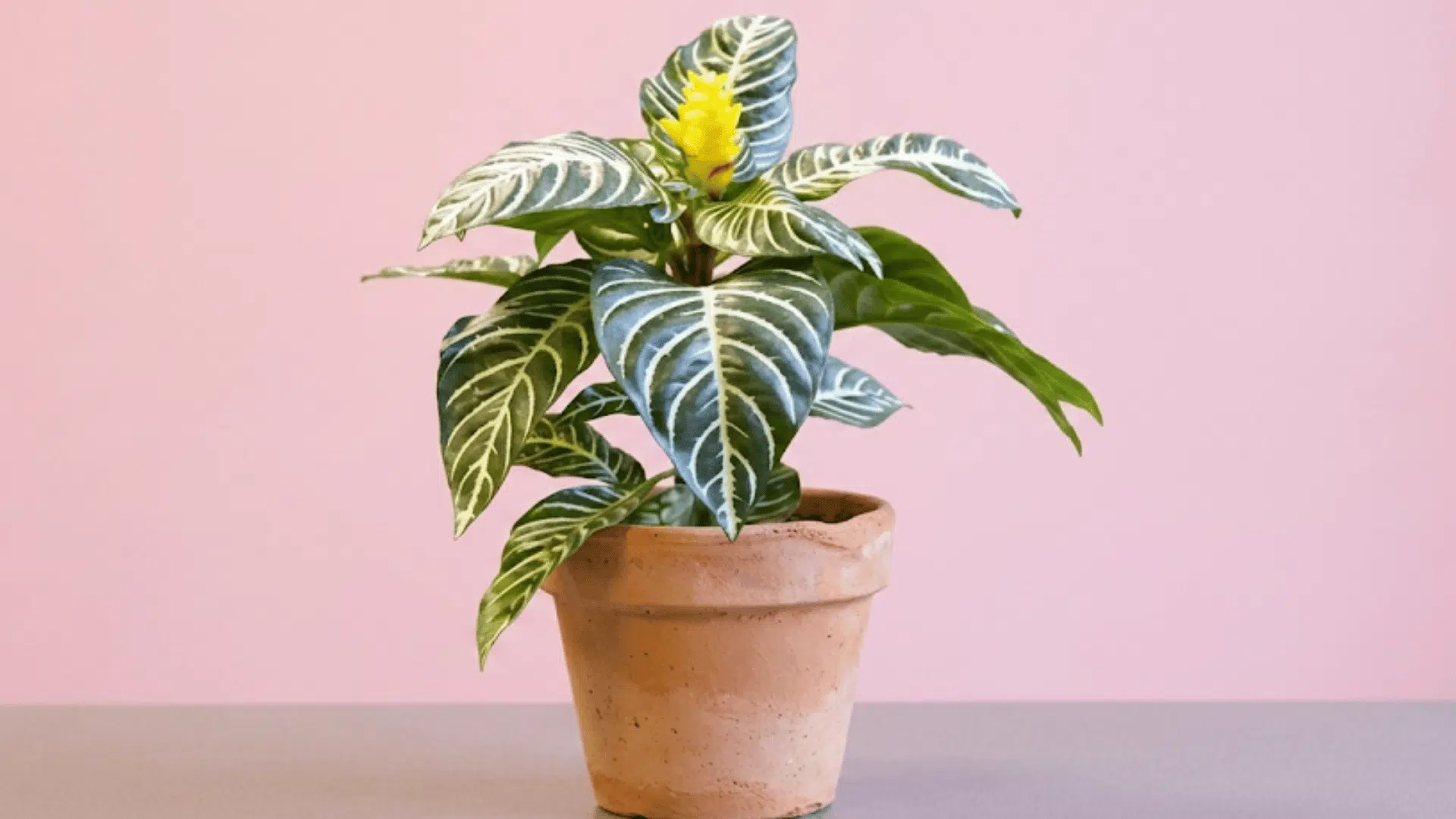
Few houseplants can command attention quite like a zebra plant. Its deep green leaves, bright white stripes, and golden flowers make it look almost too striking to be real.
One day the foliage looks full and upright, and soon after, the leaves may droop, curl, fade, or develop brown edges.
These changes are the plant’s way of responding to its surroundings. Light, moisture, temperature, and other factors influence how well it grows indoors.
Learning what each sign means makes zebra plant care far less confusing.
First, it helps to understand where this tropical plant comes from and why indoor conditions affect it so strongly.
What You Need to Know About Zebra Plants
The zebra plant is a tropical evergreen prized for its bold, striped foliage and rare indoor blooms. Native to Brazilian rainforests, it belongs to a plant family known for showy leaves.
Here’s a quick snapshot before diving into care specifics:
| Category | Details |
|---|---|
| Botanical Name | Aphelandra squarrosa |
| Family | Acanthaceae |
| Common Names | Zebra plant, zebra houseplant, saffron spike |
| Native Region | Tropical rainforests of Brazil |
| Plant Type | Evergreen tropical shrub |
| Mature Size | 1–2 feet tall and wide (indoors) |
| Growth Rate | Moderate |
| Bloom Time | Late summer to early winter (indoors, if conditions are right) |
Essential Zebra Plant Care Tips

Zebra plants stay healthy indoors when their tropical growing conditions are recreated closely. Each tip below covers a specific care factor, along with warning signs and simple fixes.
1. Provide Bright Indirect Light
Zebra plants do best in bright, filtered light that mimics the shaded forest floor they grow in naturally. Too much or too little light can quickly cause visible problems.
Place the plant near an east-facing window, or set it a few feet back from stronger south- or west-facing windows. This keeps light levels bright but never harsh.
Direct sunlight can scorch the leaves, leaving brown or bleached patches behind. Low light, on the other hand, may slow growth and reduce the chances of flowering.
2. Keep the Soil Consistently Moist
Zebra plants need soil that stays evenly moist at all times, but they cannot tolerate roots sitting in water for long periods. Balance is key here.
Check the top inch of soil before watering, and only water once it starts to feel dry. Always use room-temperature water to avoid shocking the roots.
Dry soil often causes wilting and drooping leaves. Too much water, however, can lead to root problems and other issues that are harder to fix later.
If you find it hard to keep moisture even, the bottom watering method works well for this plant.
3. Maintain High Humidity Around the Plant
Zebra plants need humidity levels between 60 and 70 percent to grow well, since dry indoor air is one of the most common causes of stress for this plant.
Running a humidifier nearby is the most reliable method. Placing the plant near other houseplants or setting it on a pebble tray also raises moisture levels naturally around the leaves.
Low humidity causes crispy, brown edges on the leaves within a short time. This one factor is often overlooked, even when light and watering are otherwise correct.
4. Keep Temperatures Warm and Stable
Zebra plants grow best in temperatures between 65°F and 80°F, matching the warm, stable climate of their native rainforest environment year-round.
Avoid placing the plant near cold drafts, heating vents, or air conditioners, since sudden temperature swings can stress the plant more than a slightly incorrect but stable temperature.
Stable warmth reduces overall stress on the plant and helps maintain healthy, consistent foliage without triggering leaf drop or slowed growth.
5. Fertilize During the Growing Season
Zebra plants benefit from balanced liquid fertilizer during spring and summer, the two seasons when the plant is actively growing and using nutrients quickly.
Dilute the fertilizer to half strength and apply it every two weeks, or follow the specific instructions listed on the product label for best results.
Reduce feeding during winter, since growth naturally slows down. Fertilizing too often during this resting period can build up salts and damage the roots over time.
6. Prune Faded Flowers and Damaged Leaves
Removing old flower spikes and unhealthy leaves keeps a zebra plant looking full and healthy, while also redirecting energy toward new growth instead of dying foliage.
Cut faded blooms near the base of the stem once they start to brown. This simple step prevents the plant from wasting energy on spent flowers.
Prune lightly after flowering ends to encourage fresh growth. Regular pruning also helps maintain a fuller, more compact shape as the plant matures.
Choosing the Right Soil and Pot for a Zebra Plant
Zebra plants need a potting mix that stays moist without turning soggy, since trapped water quickly damages their roots.
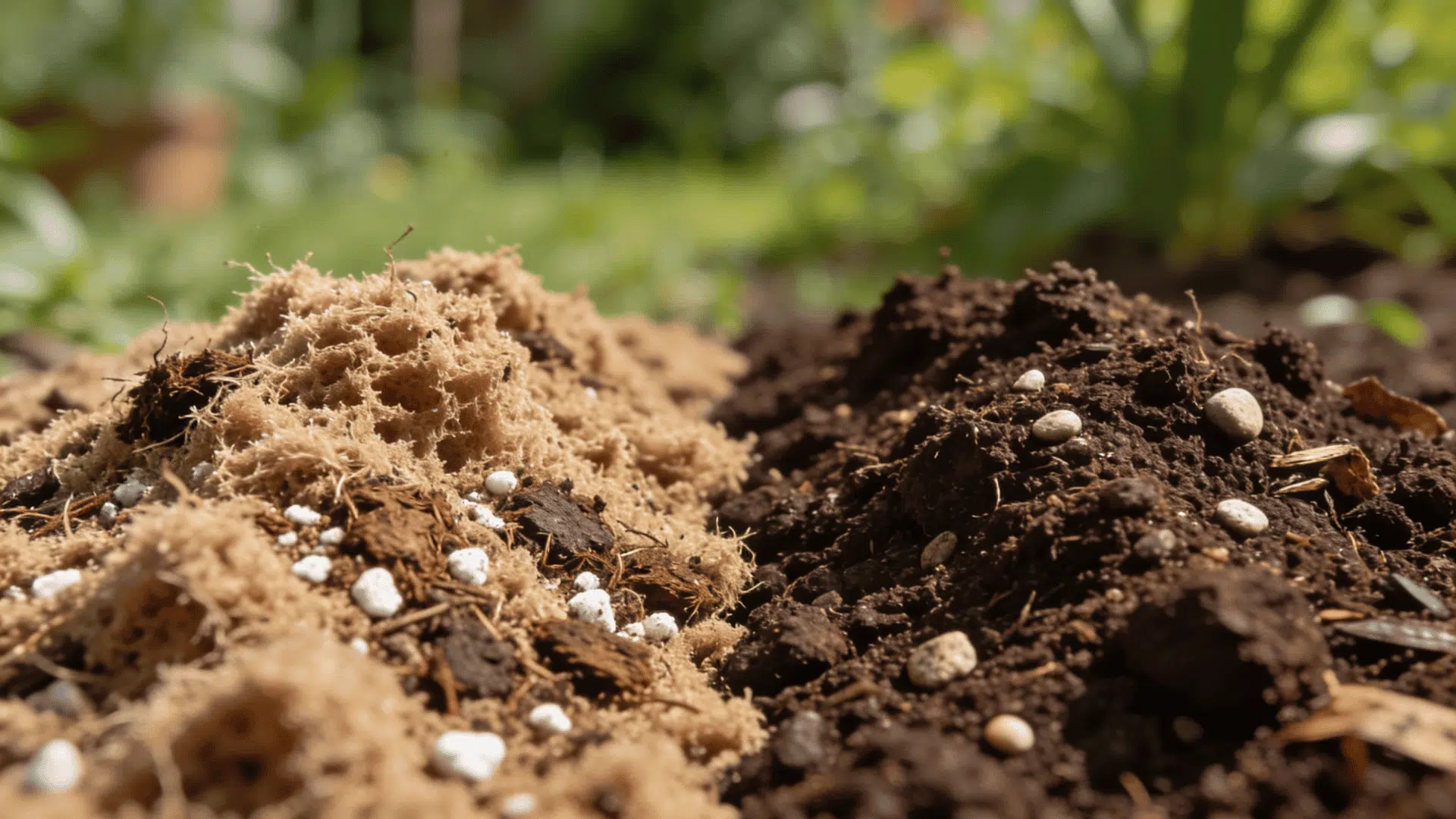
Understanding garden soil vs potting soil helps here, as houseplants need a lighter, well-draining blend rather than dense outdoor soil.
A rich, slightly acidic mix, peat or coco coir with perlite, works well, and a pot with drainage holes is essential.
Repot any plant only every one to two years, mainly to refresh soil, since zebra plants tolerate being slightly rootbound. Move up just one pot size when you do.
How to Revive a Dying Zebra Plant?

A struggling zebra plant can bounce back with the right response. Before treating symptoms, identify what’s actually going wrong: light, water, or humidity is usually the root cause.
- Inspect the Roots: Remove the plant from its pot and check for mushy, dark roots. Trim away any rot with clean scissors.
- Adjust Watering Immediately: Stop watering if soil feels wet. Let it dry slightly at the top before resuming a lighter schedule.
- Move to Better Light: Relocate away from direct sun or dim corners into filtered, bright conditions.
- Raise Humidity Fast: Add a humidifier or pebble tray to stabilize moisture around the leaves.
- Trim Damaged Foliage: Cut off crispy, yellowed, or collapsed leaves so the plant can redirect energy to new growth.
- Hold Off on Fertilizer: Skip feeding until new growth appears; stressed roots can’t process nutrients well.
Recovery takes patience; most zebra plants show new growth within a few weeks once the real cause is corrected.
If the same issue keeps repeating even after these fixes, it often helps to look at broader recovery patterns, similar to reviving a struggling orchid, where root health and light correction solve most cases.
Is a Zebra Plant Hard to Take Care of?
A zebra plant isn’t difficult, but it isn’t a “set it and forget it” plant either.
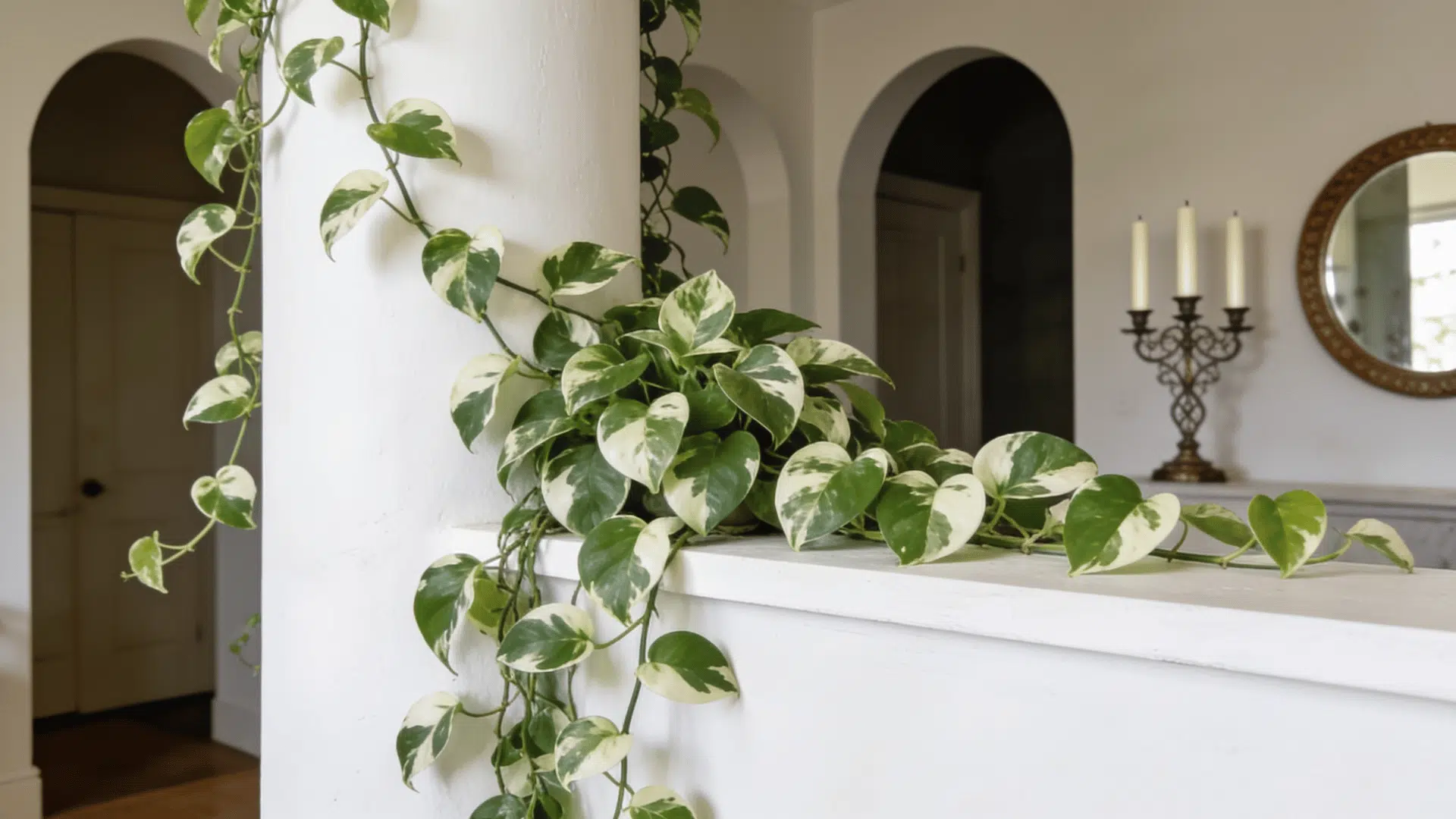
It needs more consistent attention than tougher houseplants like pothos or snake plant, mainly around humidity, moisture, and light.
Skip these basics, and problems like brown edges or drooping leaves show up fast. With steady care, though, it’s very manageable, and the reward is bold, striped foliage and occasional golden blooms that make the extra effort worthwhile.
Wrapping Up
Zebra plant care comes down to a few consistent habits: bright filtered light, even moisture, high humidity, and stable warmth. Getting these right prevents most common problems.
This plant rewards attention rather than effort. Small, regular checks matter more than occasional major fixes when something starts to look off.
Understanding these basics also makes it easier to care for other tropical houseplants, since many share similar needs around light, moisture, and humidity levels.
A little consistency goes a long way toward keeping those striped leaves and yellow blooms looking their best all year.
Have you grown a zebra plant before? Share your own tips, struggles, or questions in the comments below.
Frequently Asked Questions
What Pests Commonly Affect Zebra Plants?
Zebra plants are prone to spider mites, mealybugs, and whiteflies, especially in dry indoor air. Treat infestations with neem oil or insecticidal soap, and wipe leaves regularly.
How Long Do Zebra Plants Live?
With consistent care, zebra plants can live several years indoors. Their lifespan largely depends on stable humidity, light, and watering habits maintained throughout each season.
Can you Propagate a Zebra Plant?
Yes, zebra plants can be propagated from stem cuttings taken during the growing season. Root cuttings in water or moist soil near bright, indirect light.