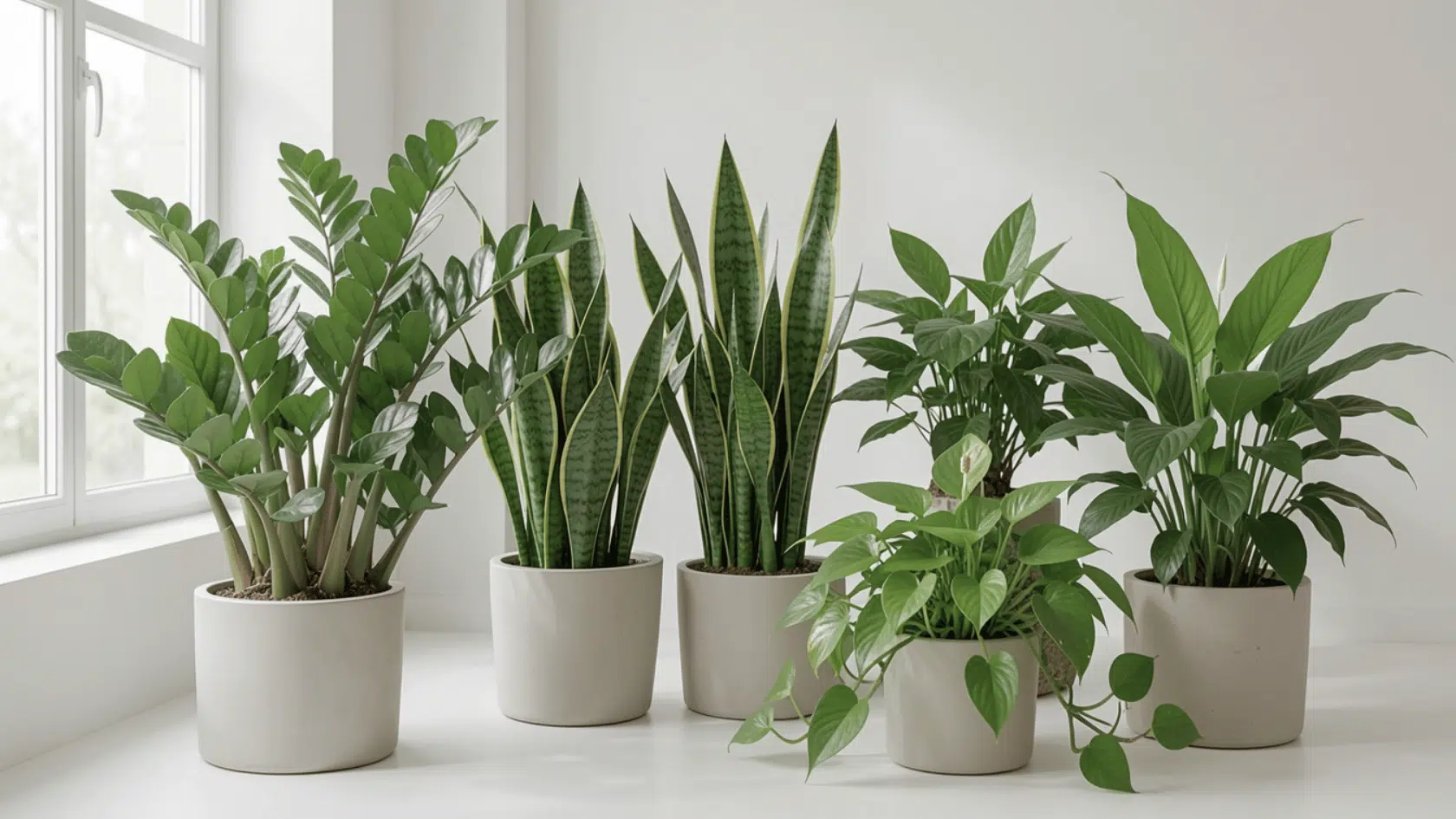
A houseplant can look healthy one week and start showing yellow leaves or weak growth the next, often because the real problem is not watering but the environment around it.
An indoor pothos plant setup can be easy to maintain, but light, soil, and placement decisions play a major role in long-term growth.
In practice, many common pothos issues come from small care mistakes, such as keeping the plant in poor light or watering before the soil dries.
A closer look at pothos reveals its care needs, growth patterns, indoor uses, different varieties, and solutions for everyday plant issues.
About Pothos Plant
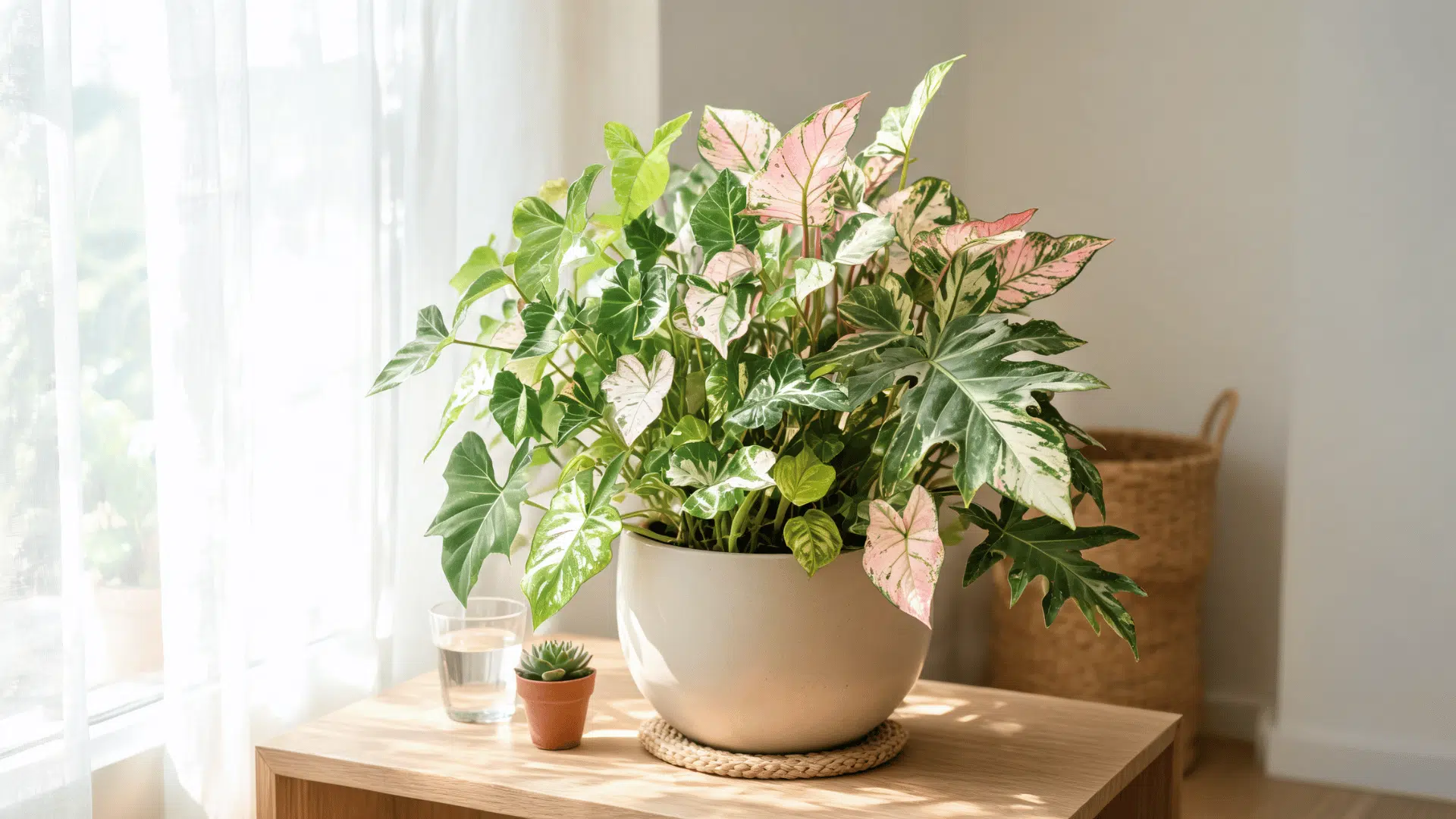
A pothos plant is a popular tropical houseplant valued for its easy care, adaptable growth, and decorative foliage.
It is commonly grown indoors because it can adjust to different environments and requires minimal maintenance compared to many other houseplants.
If you’re building a low-effort indoor collection, it pairs well with other forgiving plants like an easygoing aloe that shrugs off the odd missed watering.
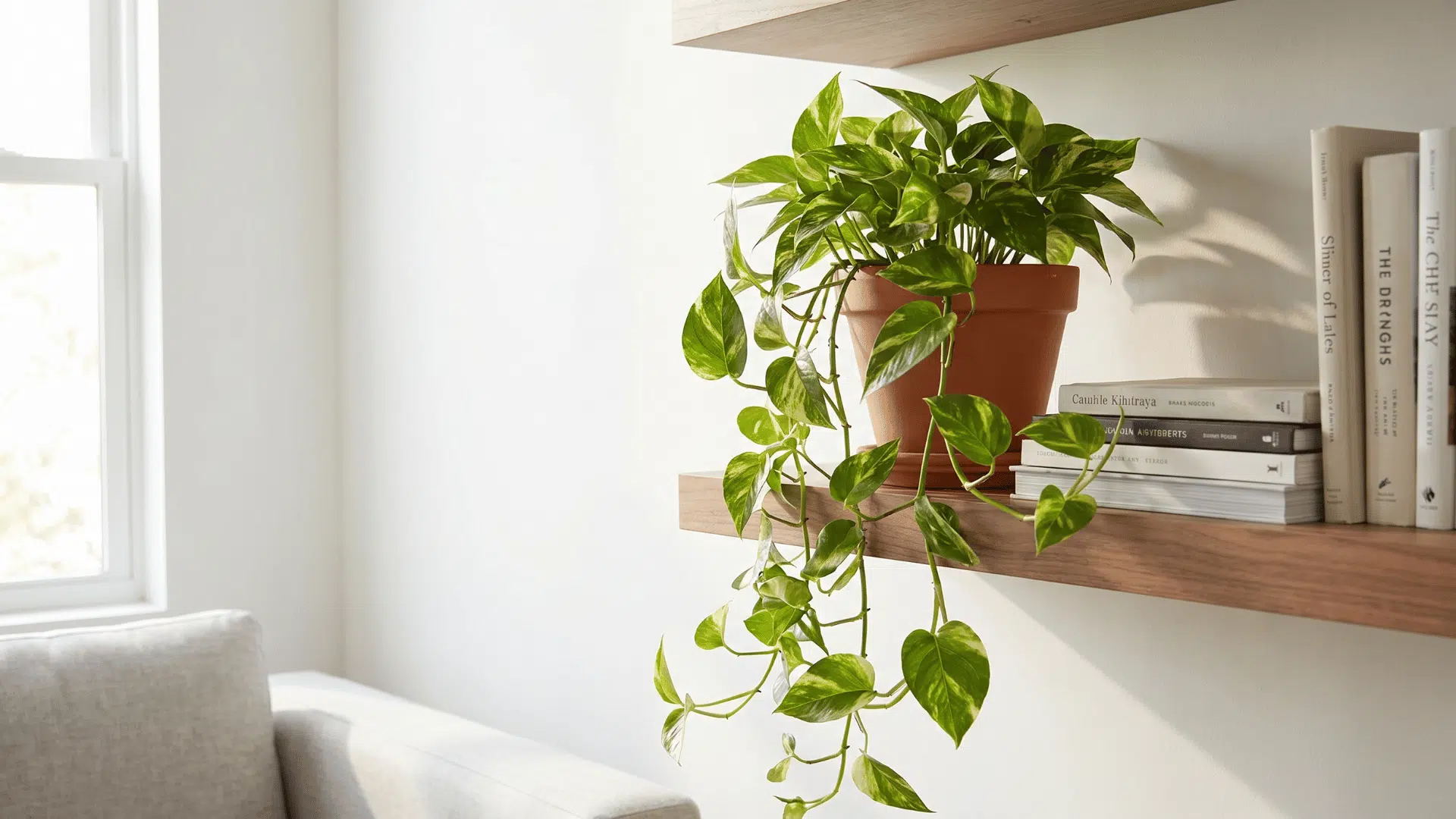
Its long vines make it suitable for adding greenery to shelves, hanging planters, and vertical displays.
Pothos is a versatile indoor plant that works well for both beginners and experienced plant owners.
Characteristics of Pothos Plant
Pothos has several defining features that make it a popular indoor plant, from its leaf shape to its growth style and care needs.
| Attribute | Details |
|---|---|
| Botanical name | Epipremnum aureum |
| Common names | Devil’s Ivy, Golden Pothos |
| Growth habit | Trailing/climbing vine |
| Leaves | Heart-shaped, glossy, often variegated |
| Native origin | Solomon Islands |
| Toxicity | Toxic to pets/humans if ingested (contains calcium oxalate crystals) |
These characteristics help identify pothos and explain why it remains a common choice for indoor plant collections.
How to Care for Indoor Pothos
Proper care helps pothos grow healthy vines, maintain leaf color, and adapt well to indoor conditions. The key factors include light, watering, soil quality, fertilizing, and simple propagation methods.
1. Lighting

Pothos grows best in bright, indirect light but can tolerate low light, though growth is slower.
Place it away from direct sunlight to prevent leaf scorch and damage.
Variegated pothos varieties may lose their leaf patterns when kept in low-light areas. Providing enough filtered light helps maintain healthy growth and color.
2. Watering

Water pothos when the top 1–2 inches of soil become dry to maintain healthy root growth. Avoid overwatering, as excess moisture can cause root rot and other plant issues.
Drooping leaves often indicate that the plant needs water and may recover after proper watering.
Note: Check the soil regularly to keep moisture levels balanced.
3. Soil & Fertilizer

Use a well-draining potting mix to keep pothos roots healthy and prevent excess moisture buildup. A loose, airy soil blend helps support strong root growth and reduces the risk of root problems.
Apply a diluted balanced fertilizer once a month during spring and summer for steady growth.
Note: Avoid overfeeding, as excessive fertilizer can damage roots and impair plant health.
4. Propagation

Pothos is one of the easiest houseplants to propagate by taking a cutting just below a node. This simple method allows new plants to grow from healthy stem cuttings.
Place the cutting in water until roots develop, then move it into soil for continued growth. Regular water changes and bright indirect light help support successful rooting.
Variations of Pothos

Pothos plants come in several varieties with different leaf colors, patterns, and growth habits. Here are some popular types and how they differ:
- Golden Pothos: A classic pothos variety with heart-shaped leaves and cream or yellow variegation patterns.
- Marble Queen Pothos: Features heavy white and green marbling on leaves and grows more slowly than many other pothos types.
- Neon Pothos: Known for bright chartreuse or lime-green leaves with a solid color and no variegation.
- Cebu Blue Pothos: Has silvery-blue-green leaves with a strong vining and climbing growth habit.
- Satin Pothos (Scindapsus pictus): Not a true pothos; it belongs to the Scindapsus genus and has satin-like leaves with silver spots.
If clean-air houseplants are your thing, the benefits of spider plants make them a natural companion on the same shelf.
Common Pothos Problems and How to Fix Them
Pothos is generally easy to care for, but changes in leaf color, shape, or growth rate can indicate that the plant needs attention.
Identifying the cause early helps prevent further damage and keeps the plant growing well.
| Problem | Cause | Fix |
| Drooping leaves | Underwatering | Water the soil when it is dry. |
| Yellow leaves | Overwatering | Improve drainage and reduce watering. |
| Leggy vines | Low light | Move to brighter indirect light. |
| Lost variegation | Too little light | Place in a brighter spot. |
| Brown leaf tips | Dry air or direct sun | Increase humidity and avoid the sun. |
| Slow growth | Low nutrients or dormancy | Fertilize in the growing season. |
Regular care checks and small adjustments can help pothos recover from common issues and maintain healthy indoor growth over time.
Benefits of Indoor Pothos
Pothos offers several benefits that make it a popular choice for homes and offices.
Its easy care, flexible growth, and simple propagation make it suitable for many indoor spaces.
- Air-purifying qualities: Helps improve indoor air quality by filtering certain airborne pollutants.
- Low-maintenance care: Requires only basic watering, making it suitable for beginners.
- Fast-growing habit: Produces long vines that can quickly fill indoor spaces.
- Low-light adaptability: Can survive in lower light areas with slower growth.
- Easy propagation: Simple to grow from cuttings and share with others.
- Flexible styling: Can be displayed in hanging baskets, on shelves, or with climbing support.
With these practical benefits, pothos remains a versatile indoor plant that fits different spaces and care routines.
Conclusion
Keeping a pothos plant indoors happy really comes down to light, water, and a little attention when something looks off.
Most problems are easy to fix once you know the cause. With this care routine, you can grow healthy vines, bring in some greenery, and keep your plant thriving for years.
Small checks now and then can make a big difference in your pothos plant’s health, so keep an eye on leaf changes, growth patterns, and soil conditions to adjust care as needed.
Have questions or tips from your own pothos care experience? Share them in the comments below.
Frequently Asked Question
Can Pothos Grow in Water Instead of Soil Indoors?
Yes. Pothos cuttings grow well in water with weekly changes. Keep in indirect light to maintain growth and healthy roots.
How Fast Does an Indoor Pothos Grow?
Indoor pothos can grow several inches per month under optimal light and humidity. Growth slows in low light or cooler indoor conditions.
How Do I Propagate Indoor Pothos for New Plants?
Trim healthy stems with at least 2–3 leaves, place cuttings in water or soil, and wait for roots to develop before potting.