
Many people bring indoor plants home and watch them slowly decline. Yellow leaves, root rot, or sudden drooping often appear even with regular care. It feels confusing when effort does not match results.
The issue is usually not the plant itself but choosing species that don’t match indoor conditions.
Choosing easy houseplants removes most of that stress. These plants tolerate low light, irregular watering, and dry indoor air, giving more room for mistakes without quick damage.
Beginner-friendly plant features, the role of indoor conditions in healthy growth, and reliable varieties for long-term care are covered to help create a successful indoor garden.
What Makes a Houseplant Easy to Grow Indoors?
An easy houseplant tolerates inconsistent care, shifting light, and dry indoor air without showing immediate damage, thanks to biological systems built for stability.
Water storage in leaves, thick coatings, slow growth, and root reserves all slow stress responses and reduce damage from less than ideal conditions.
The biggest misunderstanding is that easy houseplants need no attention at all. They still need water and light to stay healthy.
Their biology simply gives a wider recovery window, allowing more time before poor care starts to show visible damage.
Which Indoor Conditions Decide if A Plant Is Easy or Difficult?
The environment determines difficulty more than the plant species itself. Low light, poor drainage, and dry air working together can fail even the most forgiving plant.
| Condition Mismatch | What Goes Wrong |
|---|---|
| Bright-light plant in a dim room | Growth stalls, soil stays wet too long |
| Overwatering in a low-drainage pot | Roots sit in moisture, and rot sets in |
| Tropical plant in dry heated air | Leaf edges brown, plant weakens gradually |
| Inconsistent watering on fast-draining soil | The plant dries out too quickly between sessions |
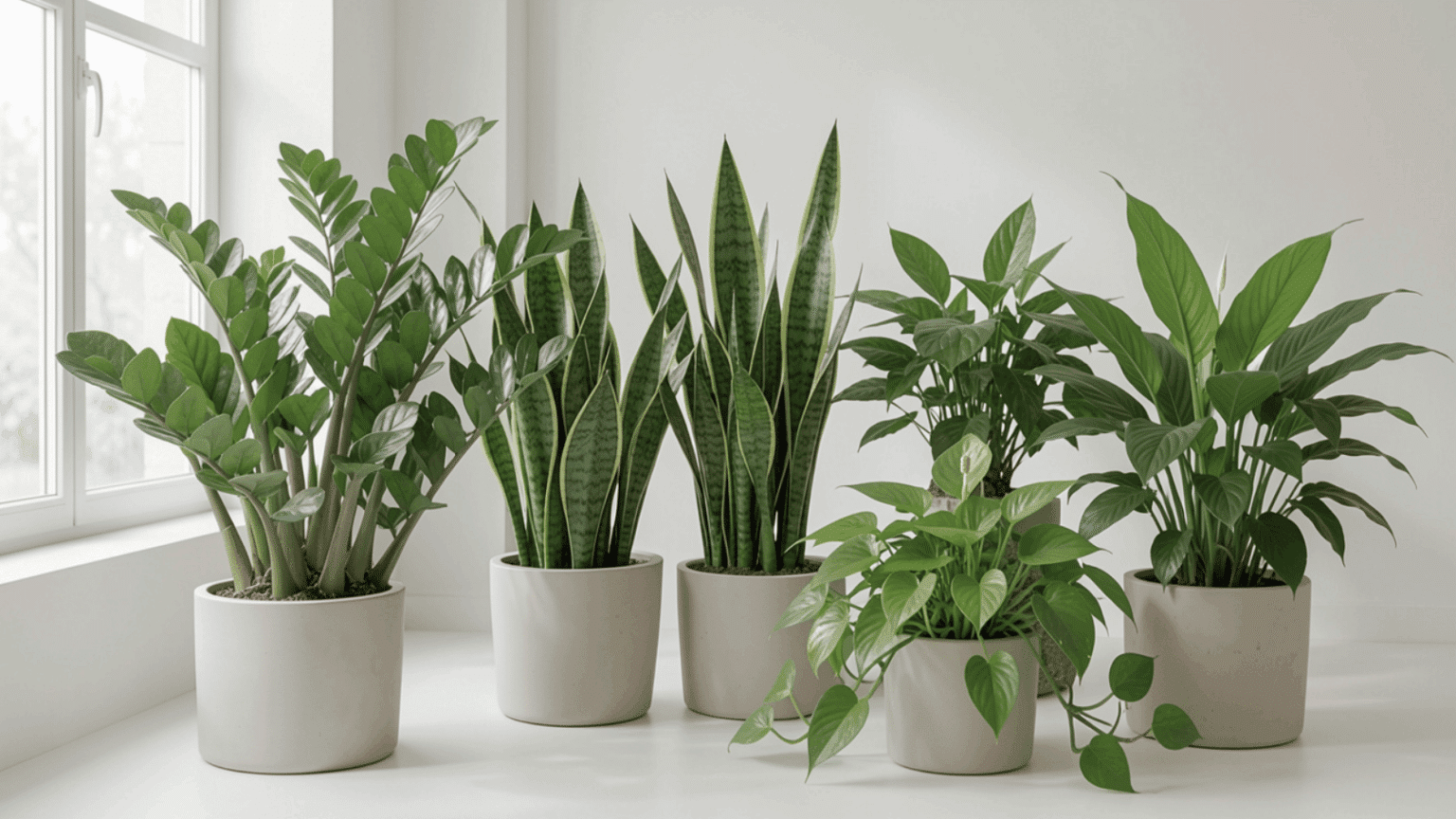
Peace lily and philodendron handle low light but still need drainage to avoid rot. Spider plant tolerates dry air better than most. A rubber plant struggles when moved repeatedly between bright and dim spots.
Best Easy Houseplants for Beginners
The best beginner plants are grouped by survival traits, not looks. Each tolerance type handles a different indoor condition, which is why trait-based selection matters more than choosing by appearance alone.
1. ZZ Plant
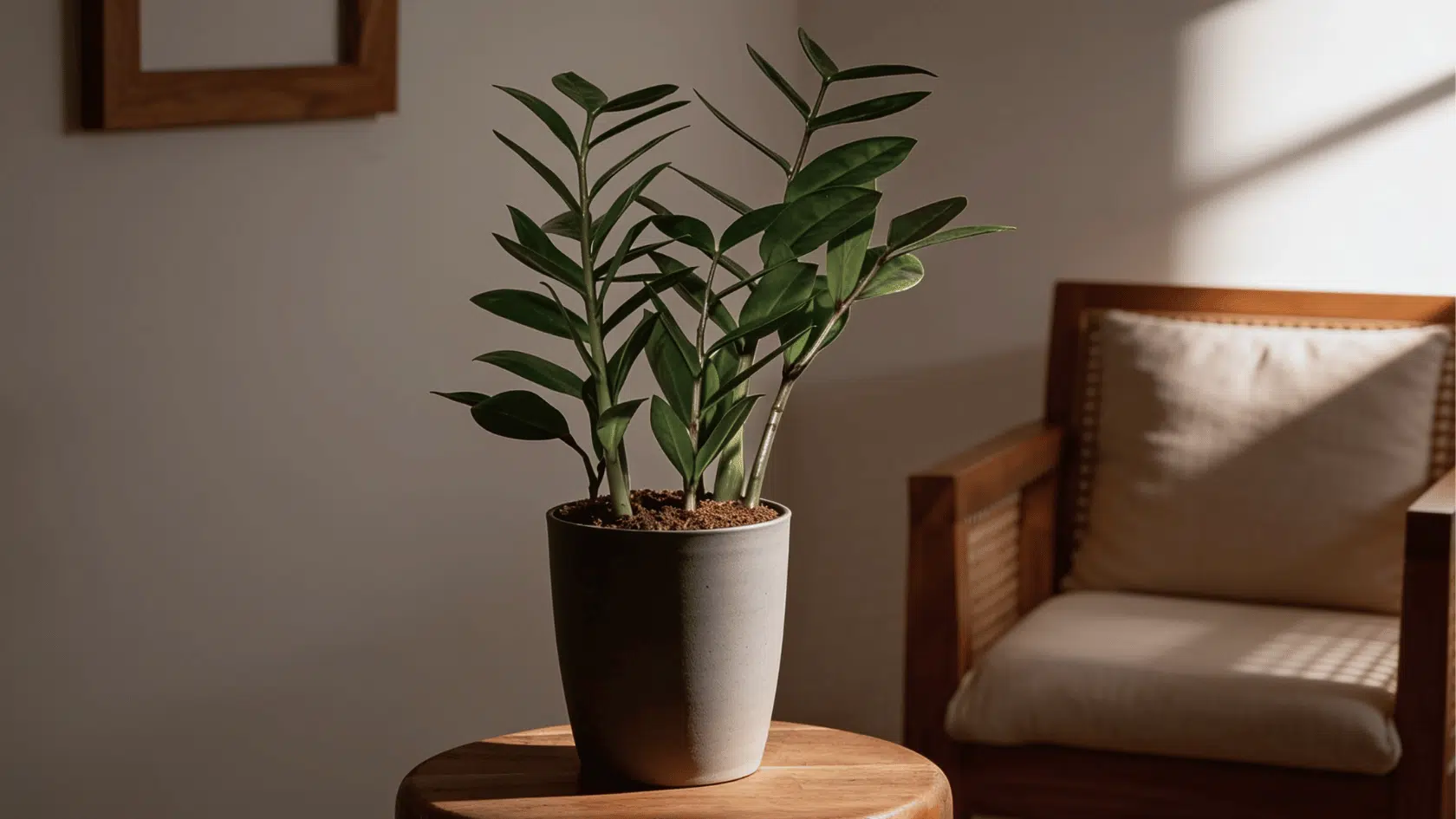
ZZ plant survives low-light rooms because underground rhizomes store water and nutrients as a reserve. The plant draws from that reserve when soil dries out, staying stable without consistent watering.
Its failure trigger is overwatering. Soggy soil causes rhizome rot quickly, damaging the plant from the roots up before any surface signs appear.
2. Snake Plant
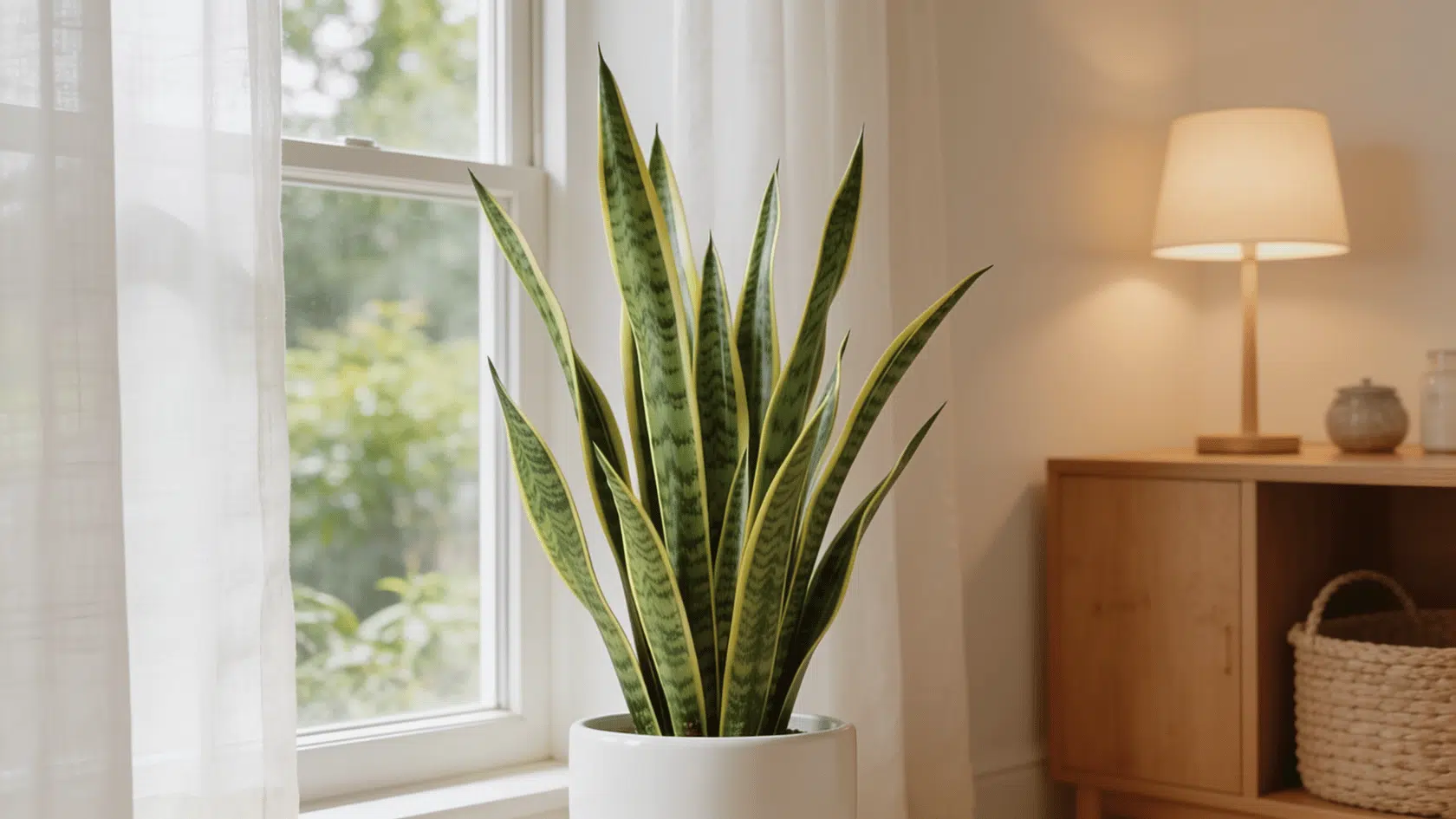
Snake plant stores water inside thick leaf tissue, which slows how fast it loses moisture between care sessions. This keeps it stable in dry indoor air and inconsistent watering routines.
Its failure trigger is poor drainage. Water sitting at root level cuts off oxygen and causes rot, even when watering itself is not excessive.
3. Pothos
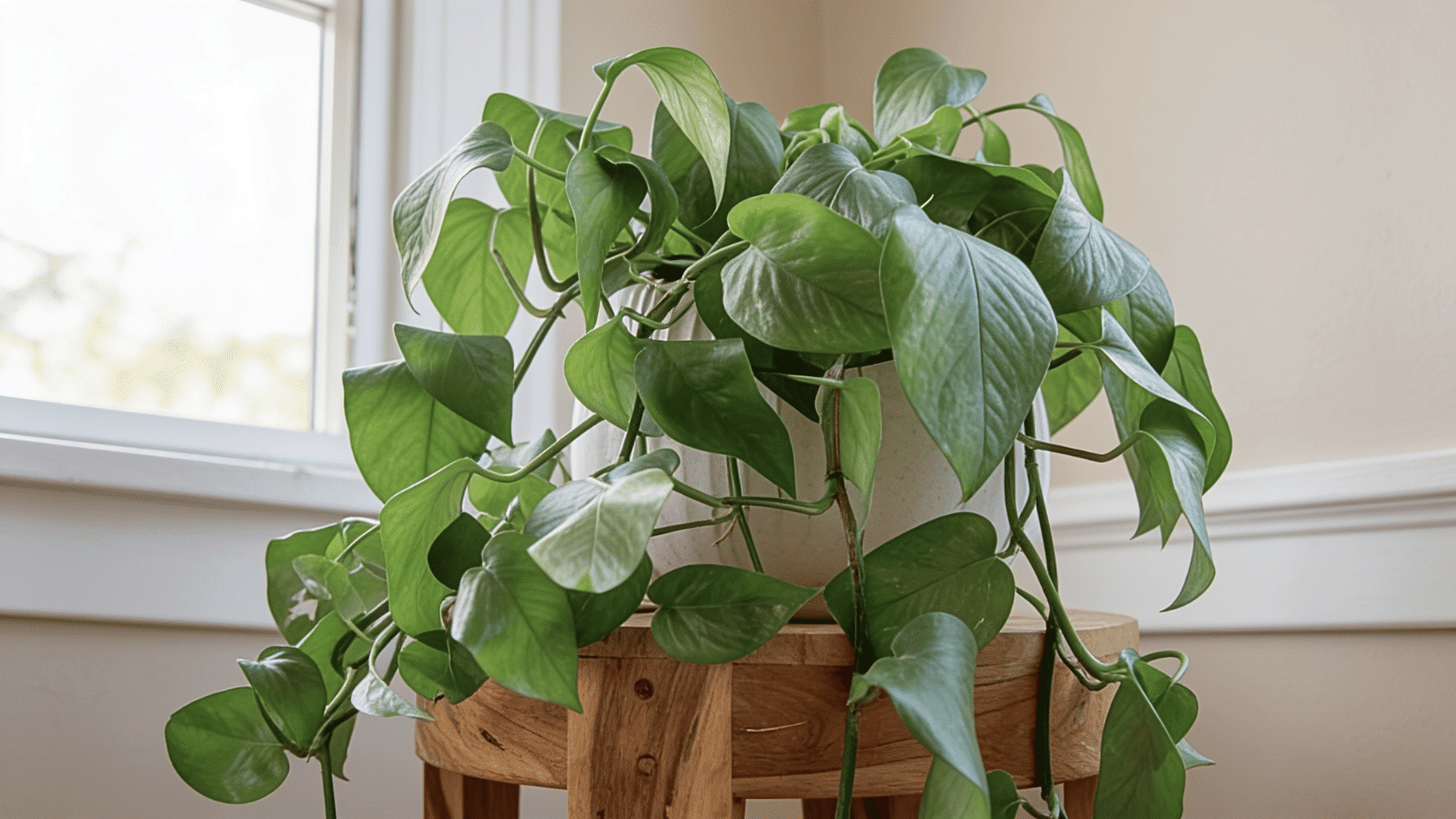
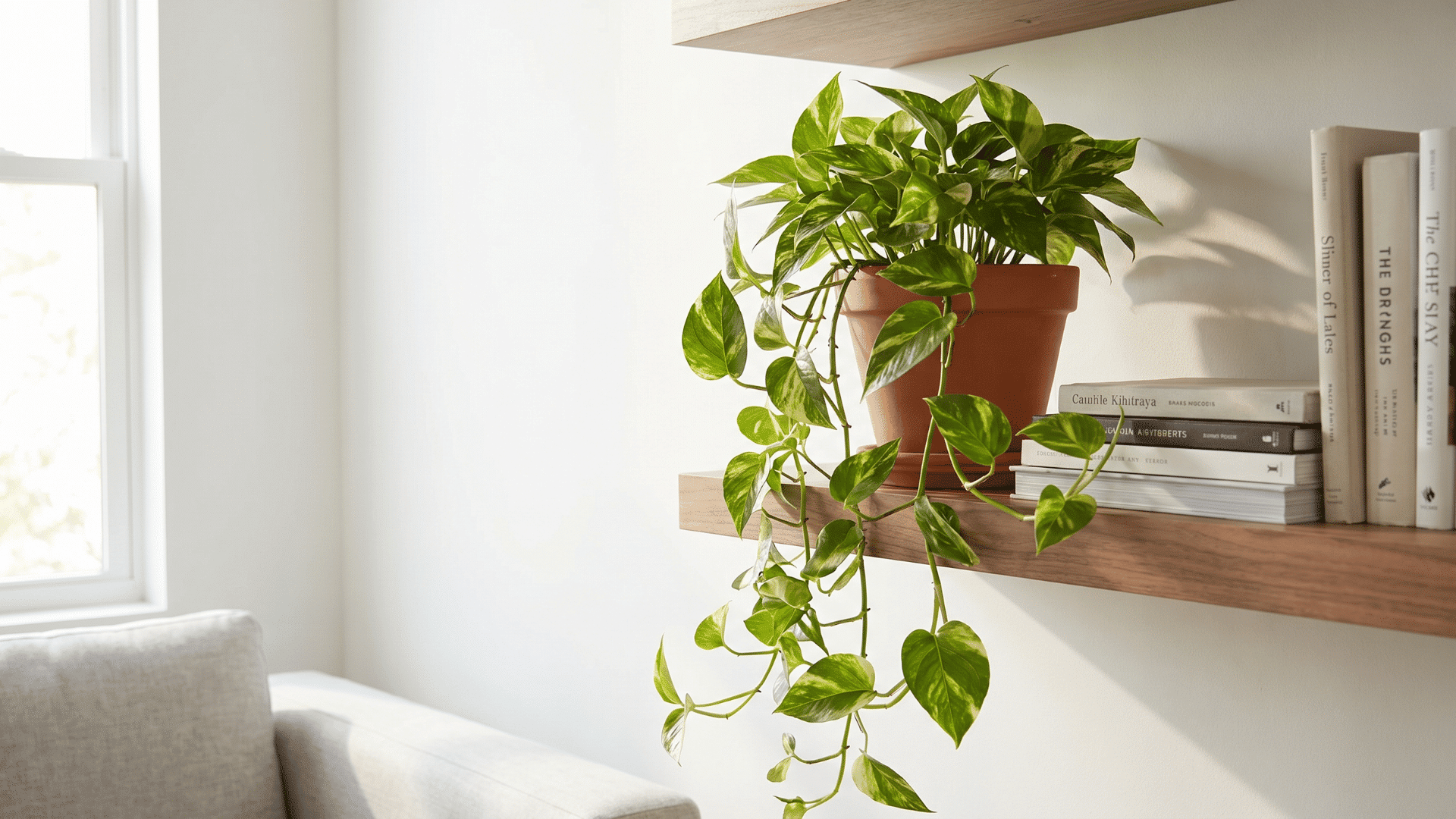
Pothos reduces its own growth rate when water or light is limited, lowering how much energy and moisture it needs to stay alive. This self-regulating behavior makes it one of the most flexible easy houseplants for beginners.
Its failure trigger is full darkness. Even with a slow metabolism, pothos needs some indirect light to keep basic functions running over time.
4. Cast Iron Plant
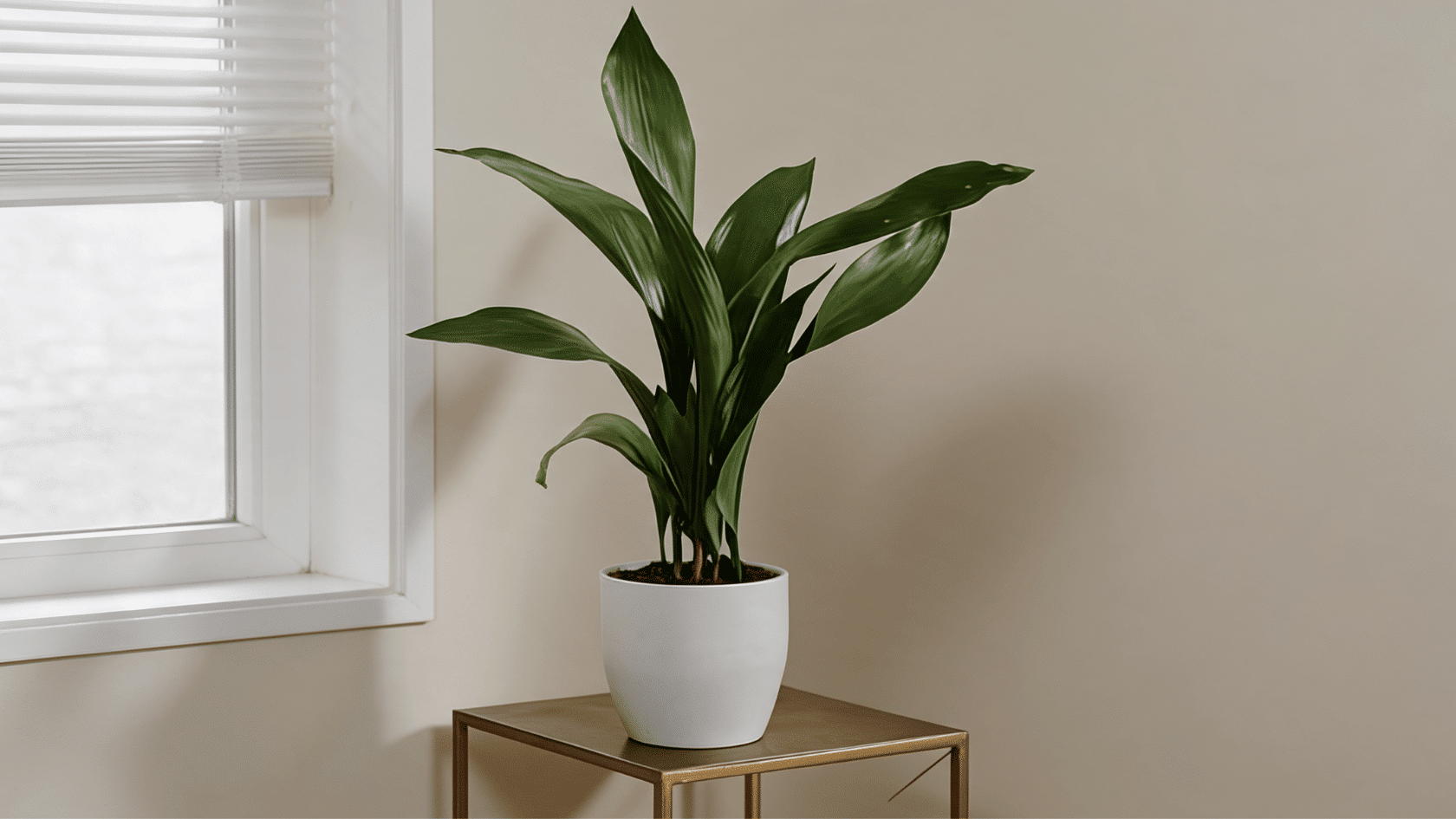
Cast iron plant tolerates dim light and temperature swings without visible stress, making it suitable for rooms with poor natural light. Its slow growth rate keeps overall care demands very low.
Its failure trigger is direct sunlight. Bright direct light scorches the dark leaves and causes damage the plant struggles to recover from.
5. Philodendron
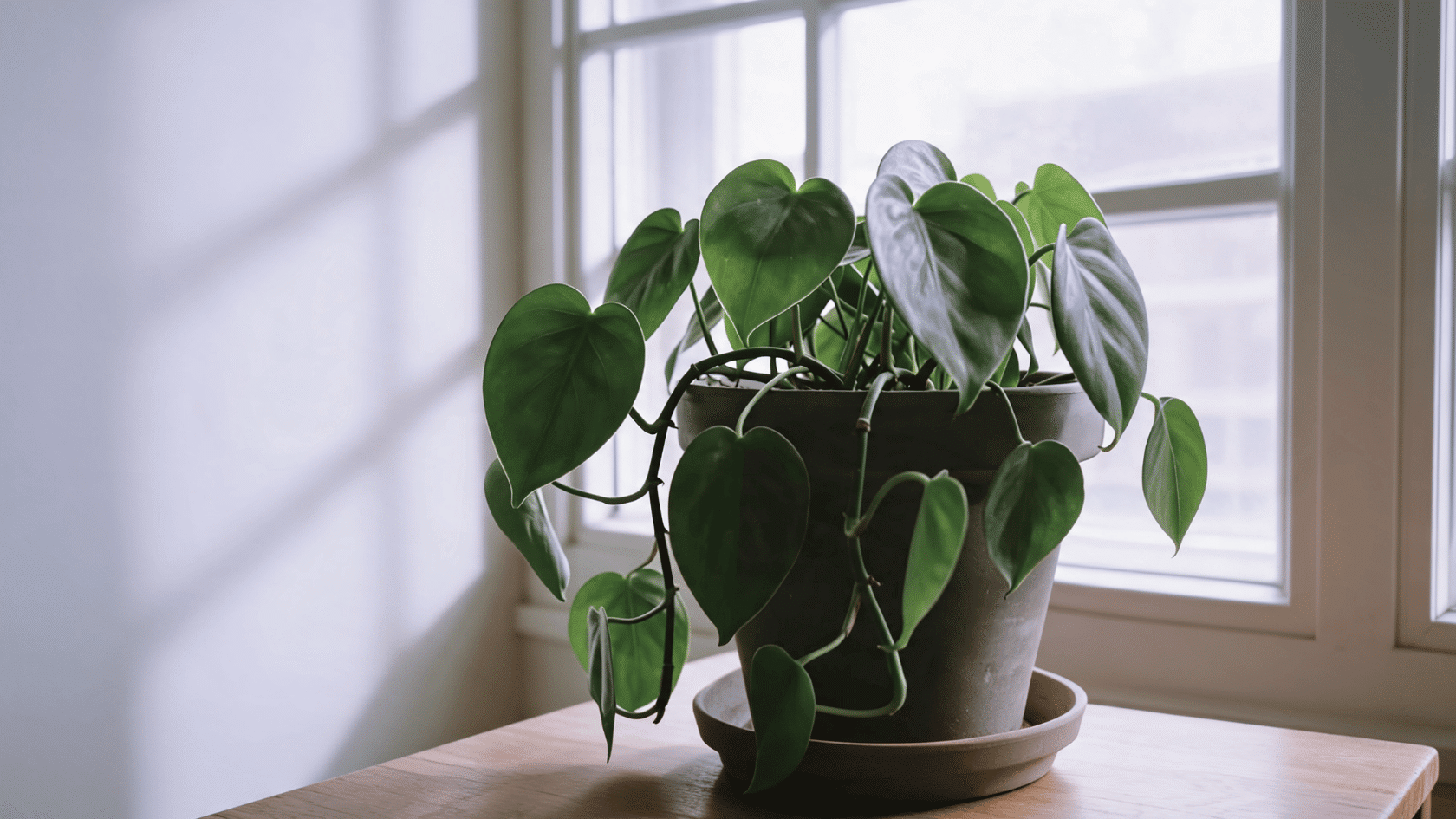
Philodendron adjusts easily to a range of light levels and does not react strongly to small gaps in watering. Its growth slows in dim rooms, but the plant stays stable and does not drop leaves quickly.
Its failure trigger is staying root-bound for too long. When roots fill the pot completely, water and nutrient absorption slows down and the plant weakens gradually.
6. Spider Plant
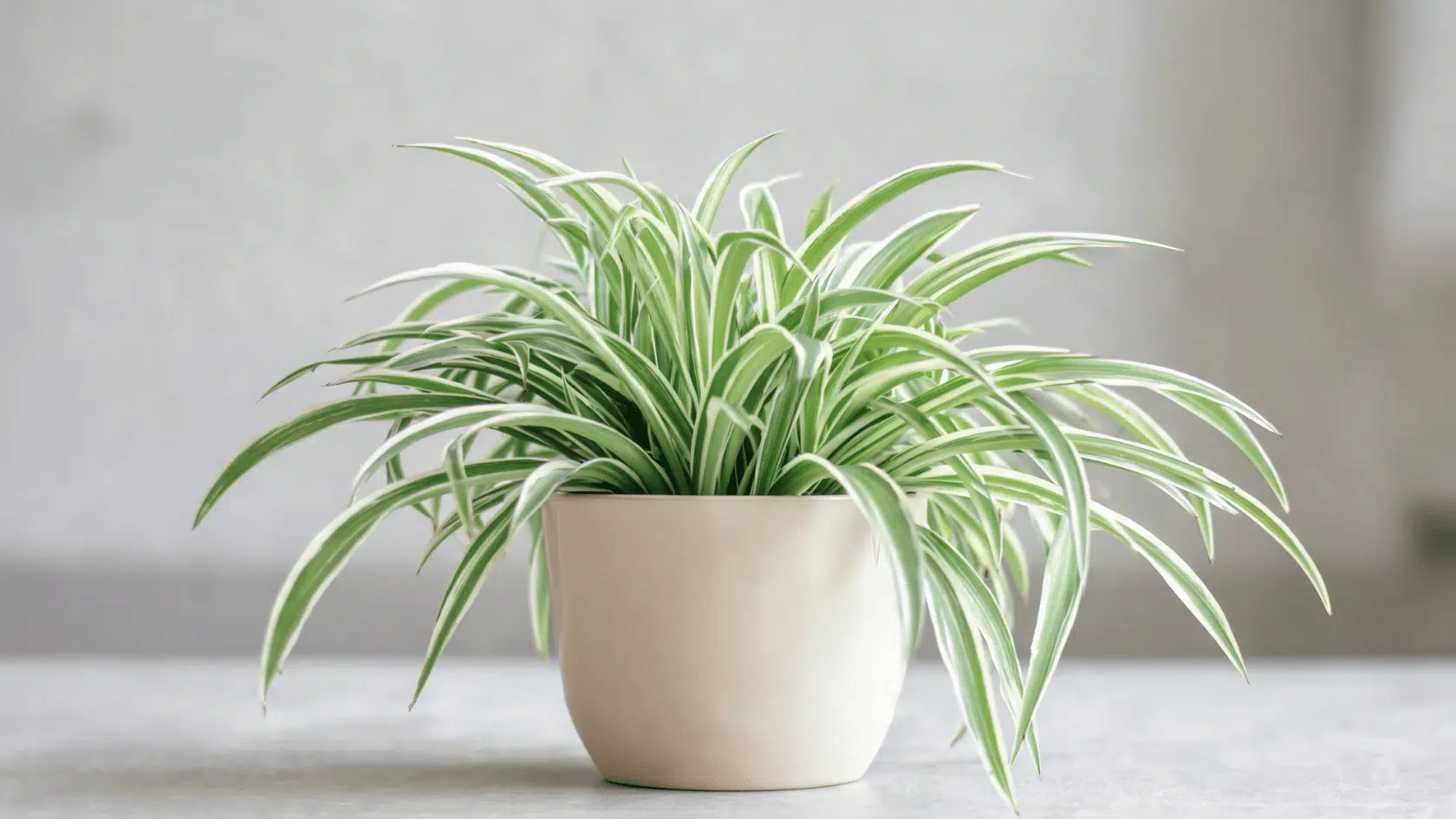
Spider plant tolerates dry air and handles irregular watering by drawing moisture from its thick, fleshy roots. This makes it reliable in heated or air-conditioned rooms where humidity stays consistently low.
Its failure trigger is fluoride buildup from tap water over time. Brown leaf tips signal this issue, which beginners often mistake for a watering problem.
7. Aglaonema
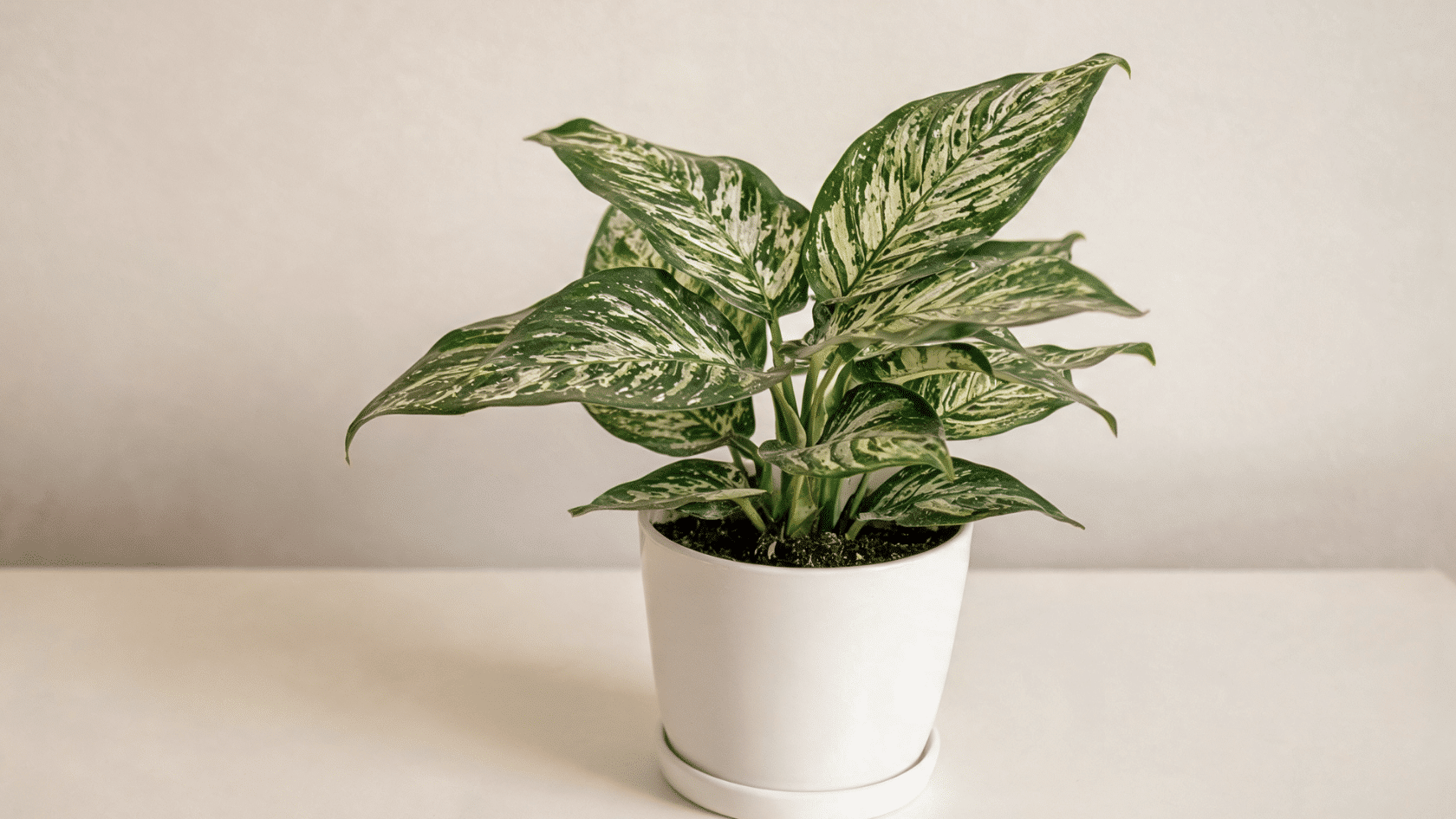
Aglaonema adapts across a wide range of light and humidity levels, staying consistent across very different room types. Its slow metabolic rate means it does not react quickly when care is delayed or inconsistent.
Its failure trigger is cold drafts or sudden temperature drops. Exposure to air vents or cold windows in winter causes leaf damage that closely resembles overwatering stress.
8. Tradescantia
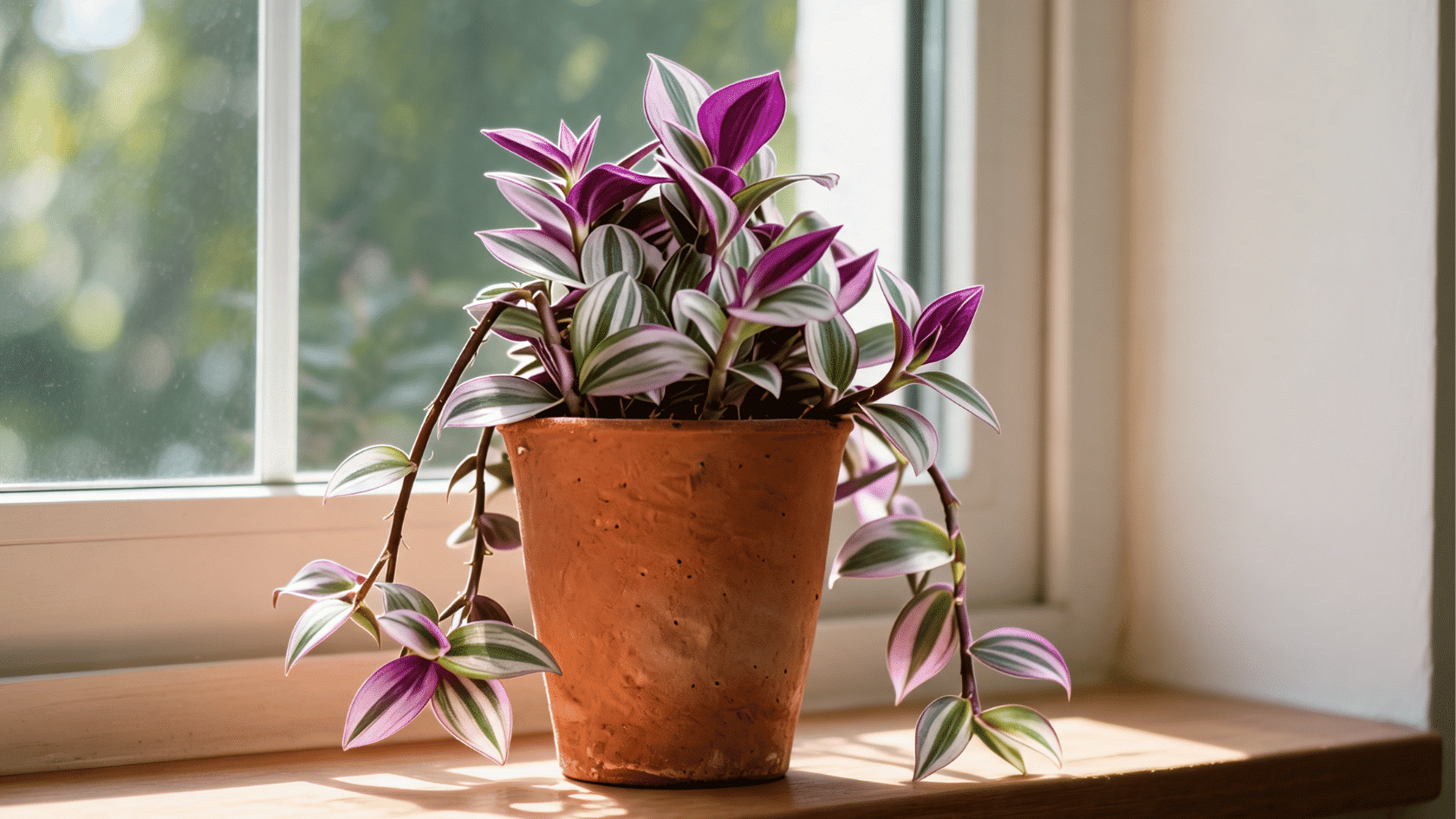
Tradescantia recovers quickly from minor neglect and tolerates both bright indirect and moderate low-light conditions without dropping leaves. Its fast regrowth means small care mistakes are easy to bounce back from.
Its failure trigger is overwatering in low-light conditions. Soggy soil in a dim room causes root rot faster than most beginners expect.
9. Jade Plant
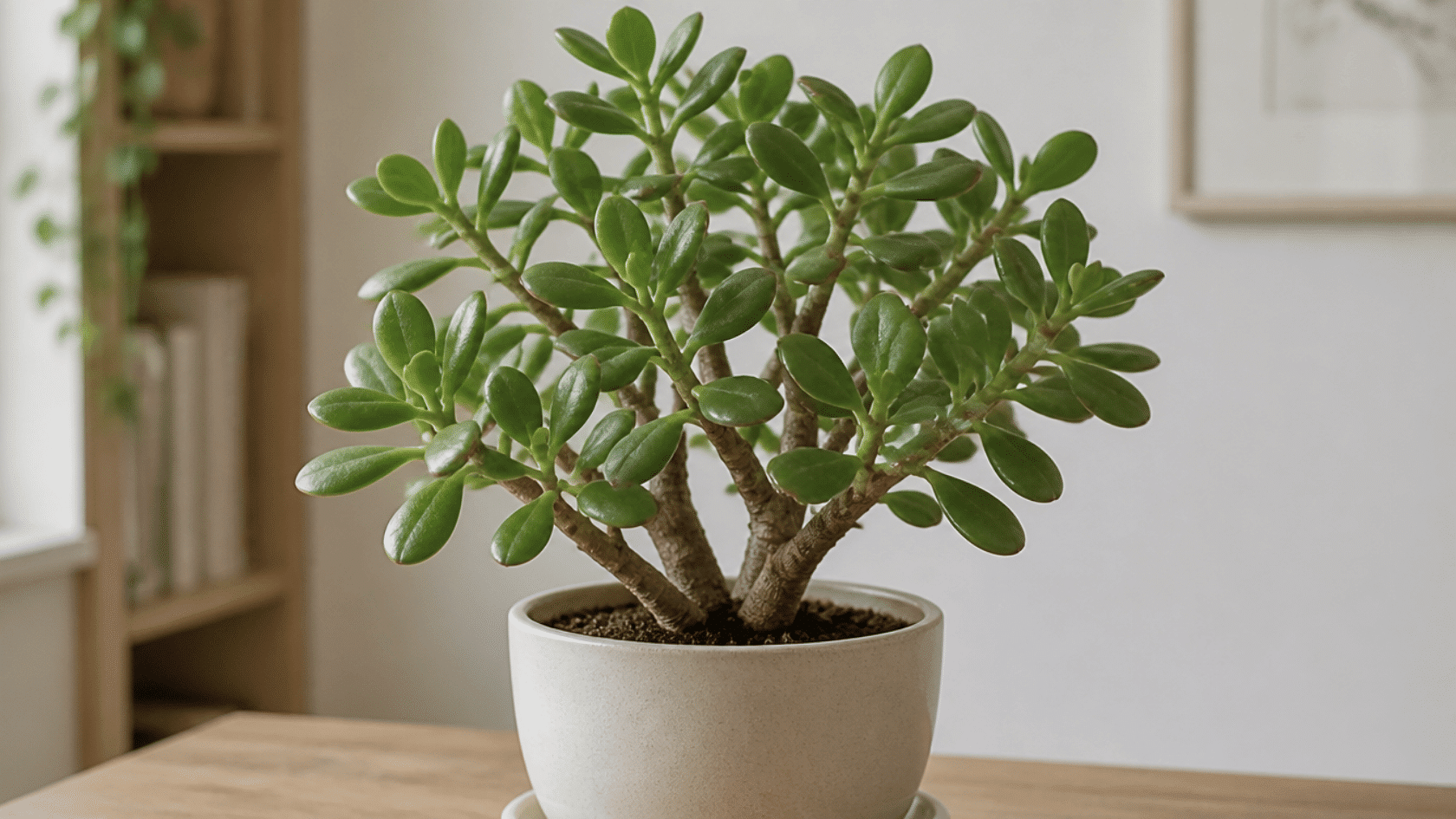
Jade plant stores water in its thick, fleshy leaves and functions best when soil is allowed to dry out fully between waterings. This storage system makes it highly tolerant of long gaps in care.
Its failure trigger is overwatering combined with low light. Too much moisture in a dim spot causes stem rot at the base, which is hard to reverse once it sets in.
10. Aloe Vera
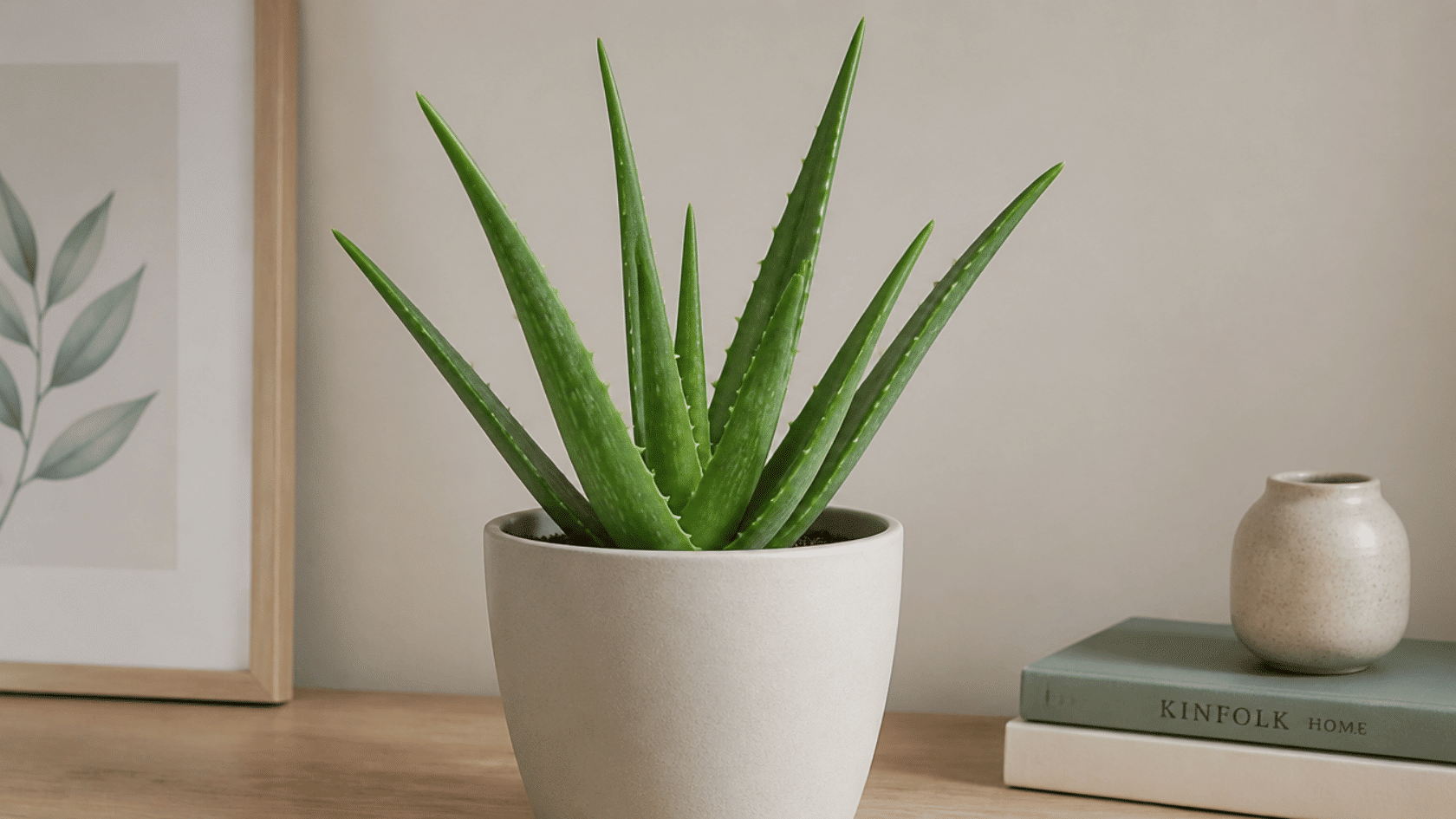
Aloe vera holds moisture inside gel-filled leaves, giving it a natural buffer against irregular or missed watering. It needs very little environmental support to maintain basic leaf health over long periods.
Its failure trigger is sitting in standing water. Even brief periods in waterlogged soil cause root damage that the plant finds difficult to recover from.
11. Rubber Plant
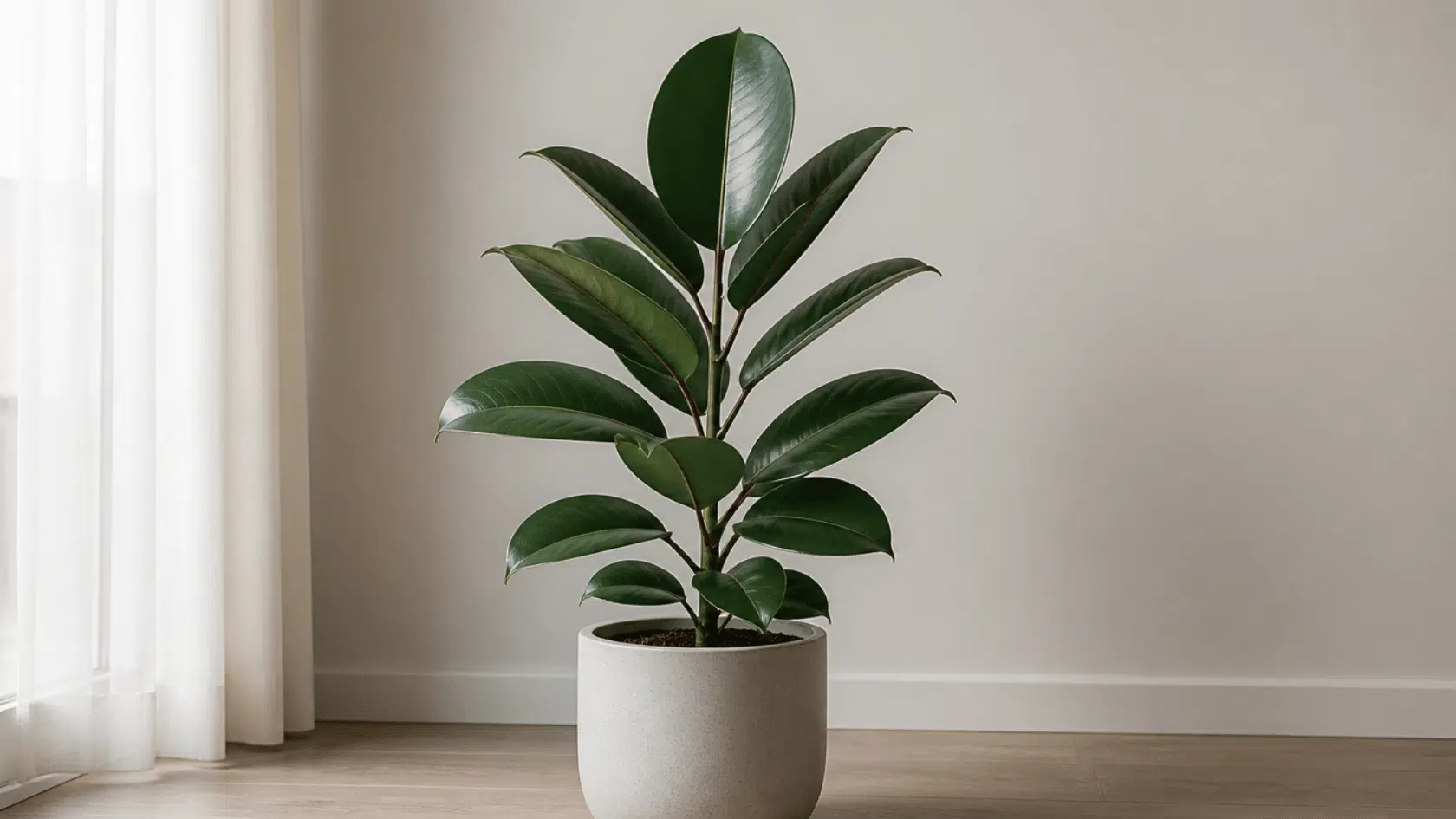
The rubber plant has thick, waxy leaves that slow moisture loss in dry air, making it more drought-tolerant than its large size suggests. It can go longer between waterings than most other medium-to-large houseplants.
Its failure trigger is repeated light changes. Moving it between bright and dim spots causes leaf drop, as the plant needs stable light conditions to stay settled.
12. Haworthia
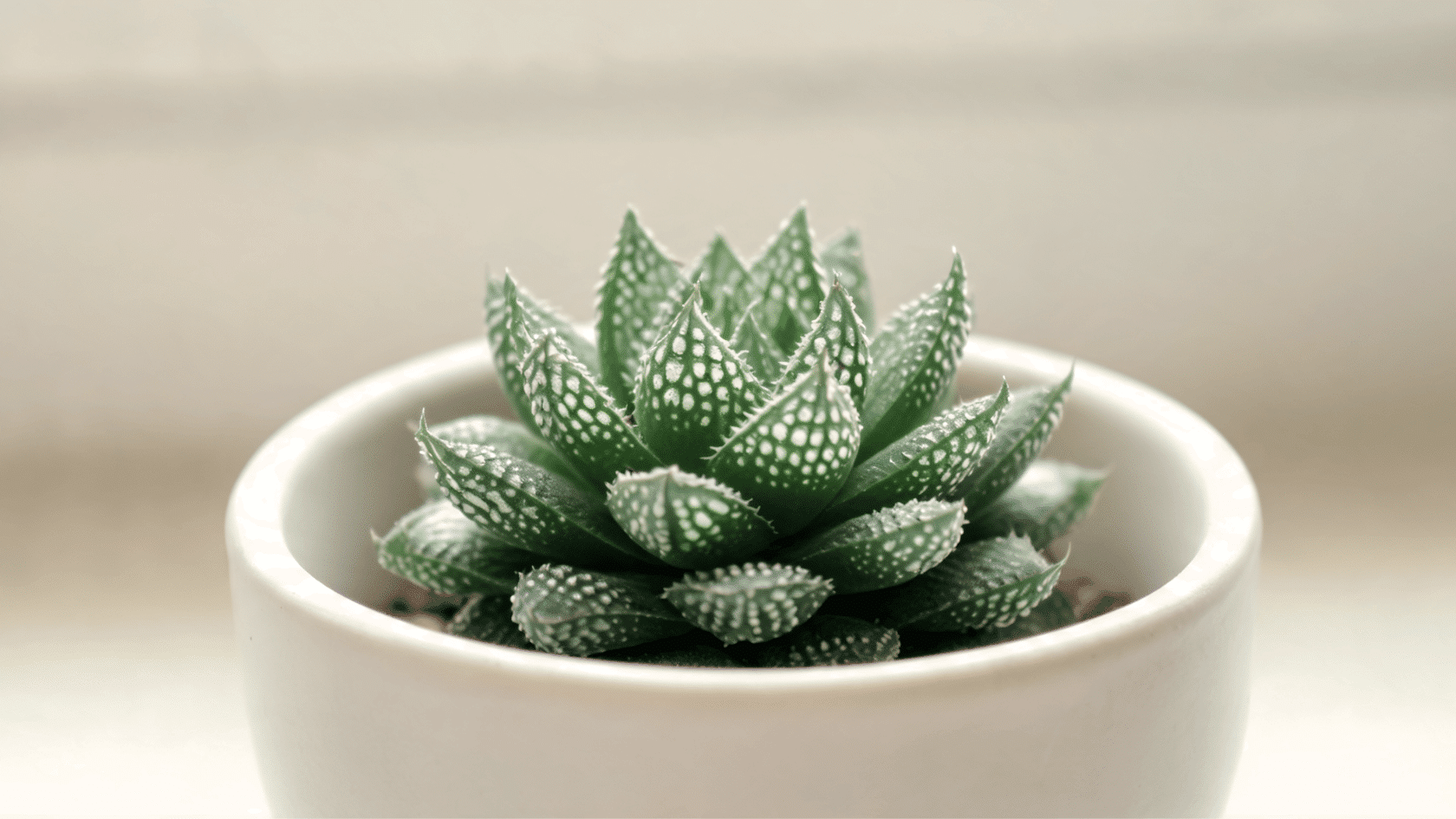
Haworthia stores water in firm leaf rosettes and handles low indoor light far better than most other succulents. This makes it one of the few drought-tolerant plants that works in rooms without a bright window.
Its failure trigger is direct sunlight exposure. Despite being a succulent, its leaves scorch easily in harsh direct light and the damage does not heal.
13. Peace Lily
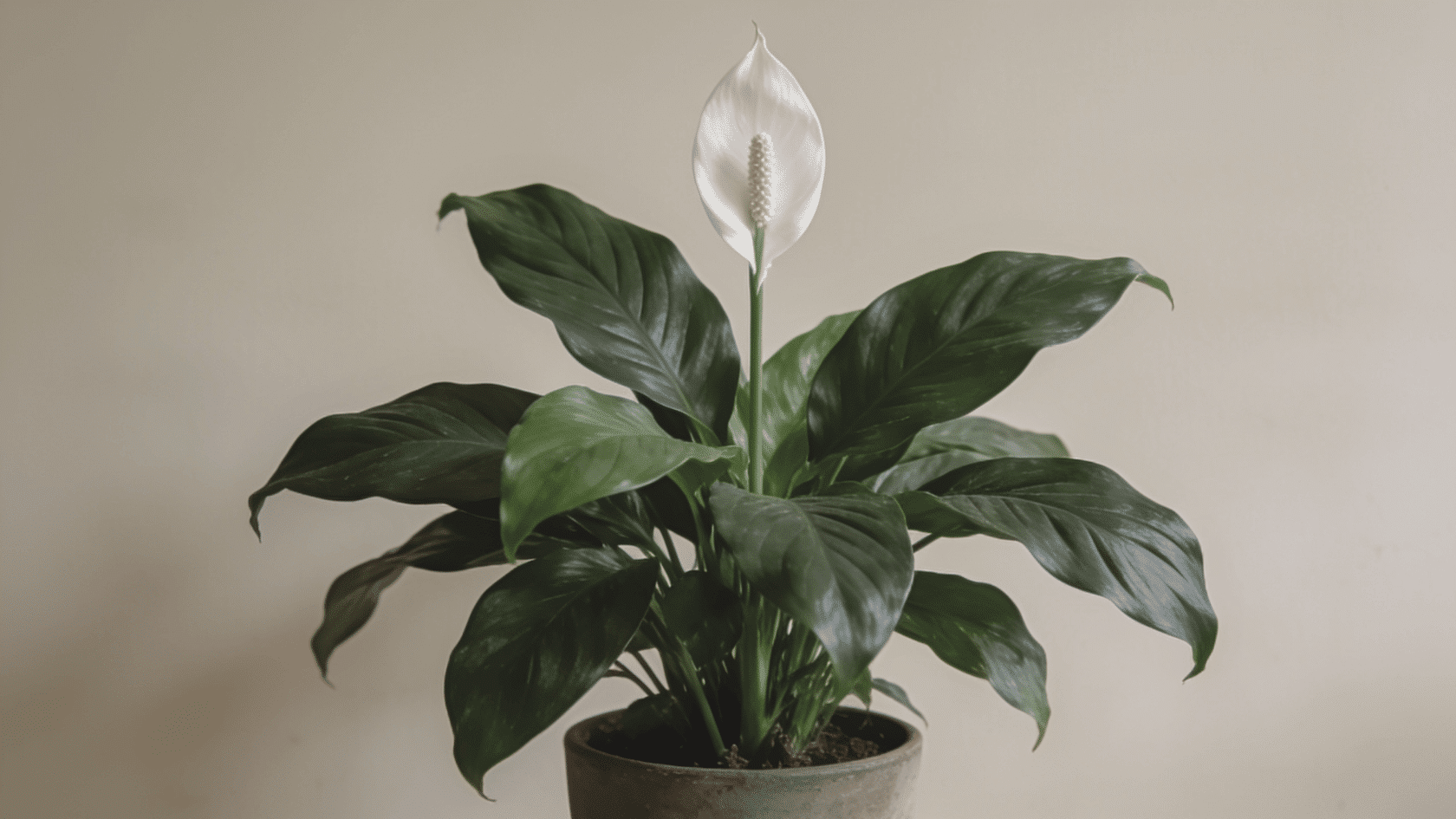
Peace lily communicates its watering needs by wilting slightly before serious damage occurs, giving beginners clear time to respond. It also tolerates lower light better than most other flowering houseplants.
Its failure trigger is overwatering. Roots sitting in wet soil develop rot fast, and the plant declines more quickly from too much water than from too little.
14. Dracaena
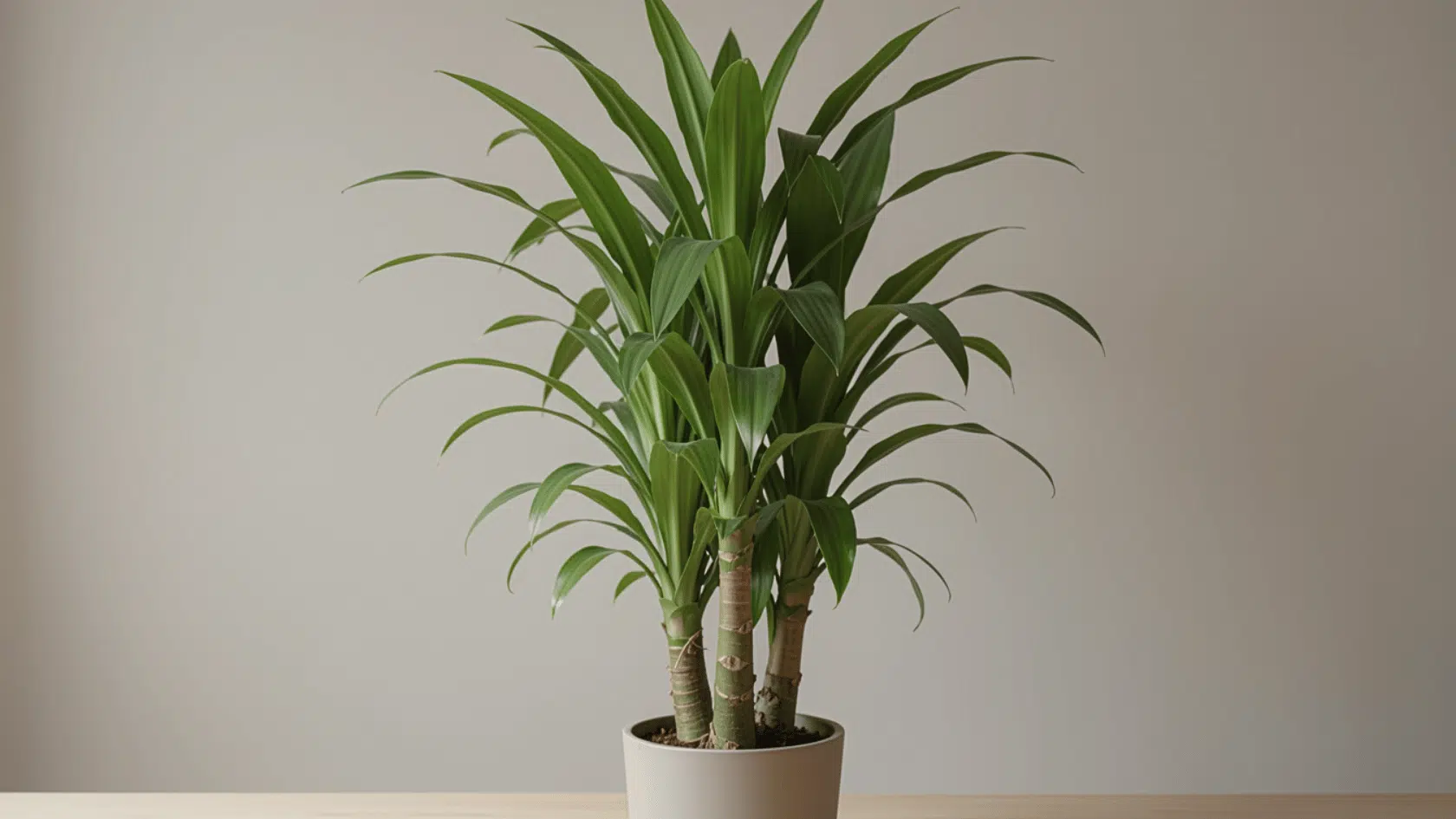
Dracaena stores nutrients in its central stem, which acts as a slow-release reserve during dry or low-light periods. It needs very little watering compared to its overall size.
Its failure trigger is fluoride and salt buildup from tap water used over time. Brown leaf tips appear gradually, which most beginners confuse with underwatering rather than a water quality issue.
15. Monstera
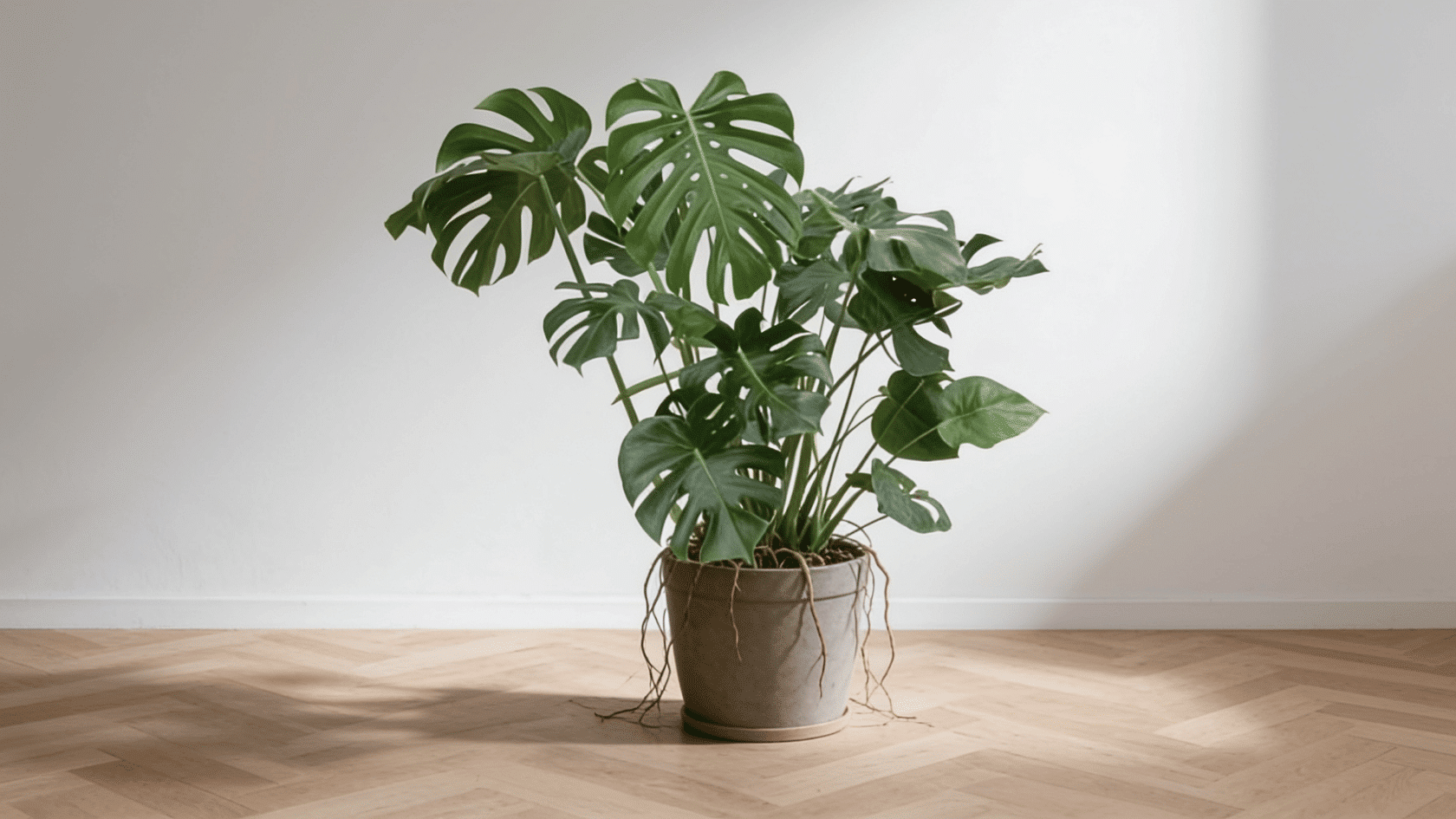
Monstera handles irregular watering by slowing leaf production rather than dropping existing leaves, keeping it looking full even during care gaps. Its large root system manages dry periods better than smaller tropical plants.
Its failure trigger is dry heated air from nearby vents. Low humidity combined with direct heating causes leaf edges to brown quickly, and recovery takes a long time.
Why Do Easy Houseplants Still Fail in Homes?
Most beginner plants die from too much care, not too little. Overwatering, wrong light placement, and poor drainage are responsible for most failures, even with plants labeled low-maintenance.
- Overwatering: Soil that stays wet cuts off oxygen at root level. Roots rot while leaves still look healthy, making the decline feel sudden.
- Wrong light placement: A plant in the wrong light does not die immediately. It weakens slowly over weeks, dropping leaves in ways that look like a watering problem.
- Poor drainage: A pot without drainage holes holds water at the bottom. Even careful watering creates a soggy layer that roots sit in constantly.
The cascade is always the same: soil stays wet, roots rot, leaves drop. Consistent, minimal care almost always produces better results than frequent intervention.
Final Thoughts
Easy indoor gardening is mostly about matching plants with the right indoor conditions. When light, watering, and drainage are balanced, most common issues like rot or yellowing leaves can be avoided. This makes plant care simpler and far more predictable.
Choosing the right easy houseplants helps you avoid constant trial and error and keeps your indoor space healthy with less effort.
Start with one or two reliable plants and build from there based on what works in your home. If this helped, share your plant experience in the comments below.
Leave a comment below with your plant questions or tips.
Frequently Asked Questions
Are Easy Houseplants Safe for Pets Like Cats?
Some easy houseplants can still be toxic to cats if eaten, so always check before buying. Spider plant is one of the safer common options for pet-friendly homes.
How Often Should Easy Houseplants Be Watered Indoors?
There is no fixed watering schedule because indoor conditions change plant needs. Most easy houseplants do best when soil is allowed to dry slightly before watering.
Can Easy Houseplants Survive in Rooms without Windows?
No plant can survive long-term without light, even easy houseplants. They still need at least some indirect natural light or a grow light to stay healthy.