
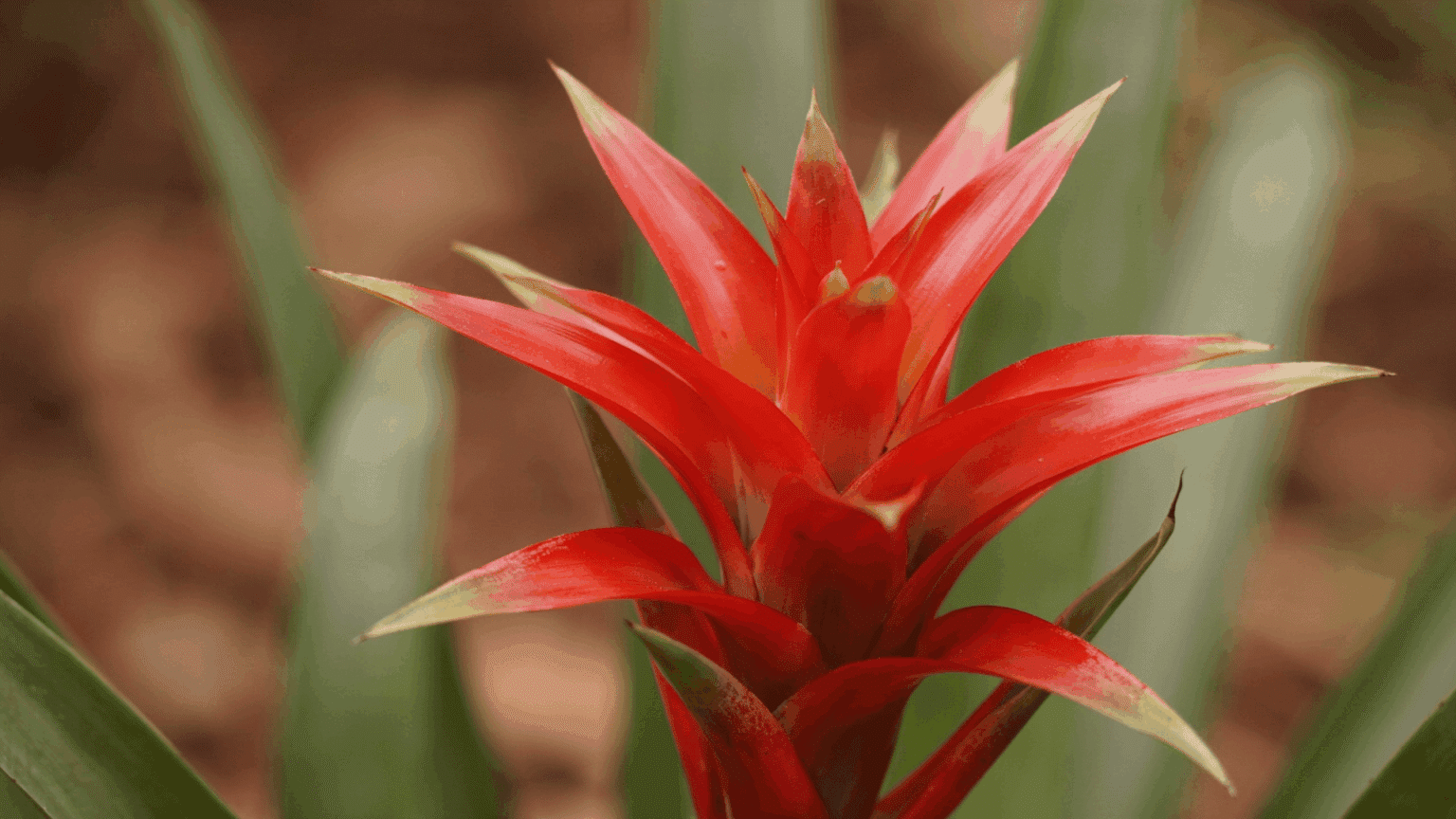
Bromeliads have become one of the most loved indoor tropical plants, and it’s easy to see why. Their bold colors and unusual shapes bring life into any home effortlessly.
Good bromeliad plant care comes down to balance.
Give these plants the right light, water, humidity, and soil, and they stay healthy with very little daily effort from you.
Many plant lovers pair bromeliads with other tropical picks, and planting citronella alongside them is a popular way to add fragrance and variety to a home garden.
Each factor plays its own part in keeping these plants healthy.
This blog breaks everything down step by step, starting with the one that matters most: light.
About Bromeliad Plant
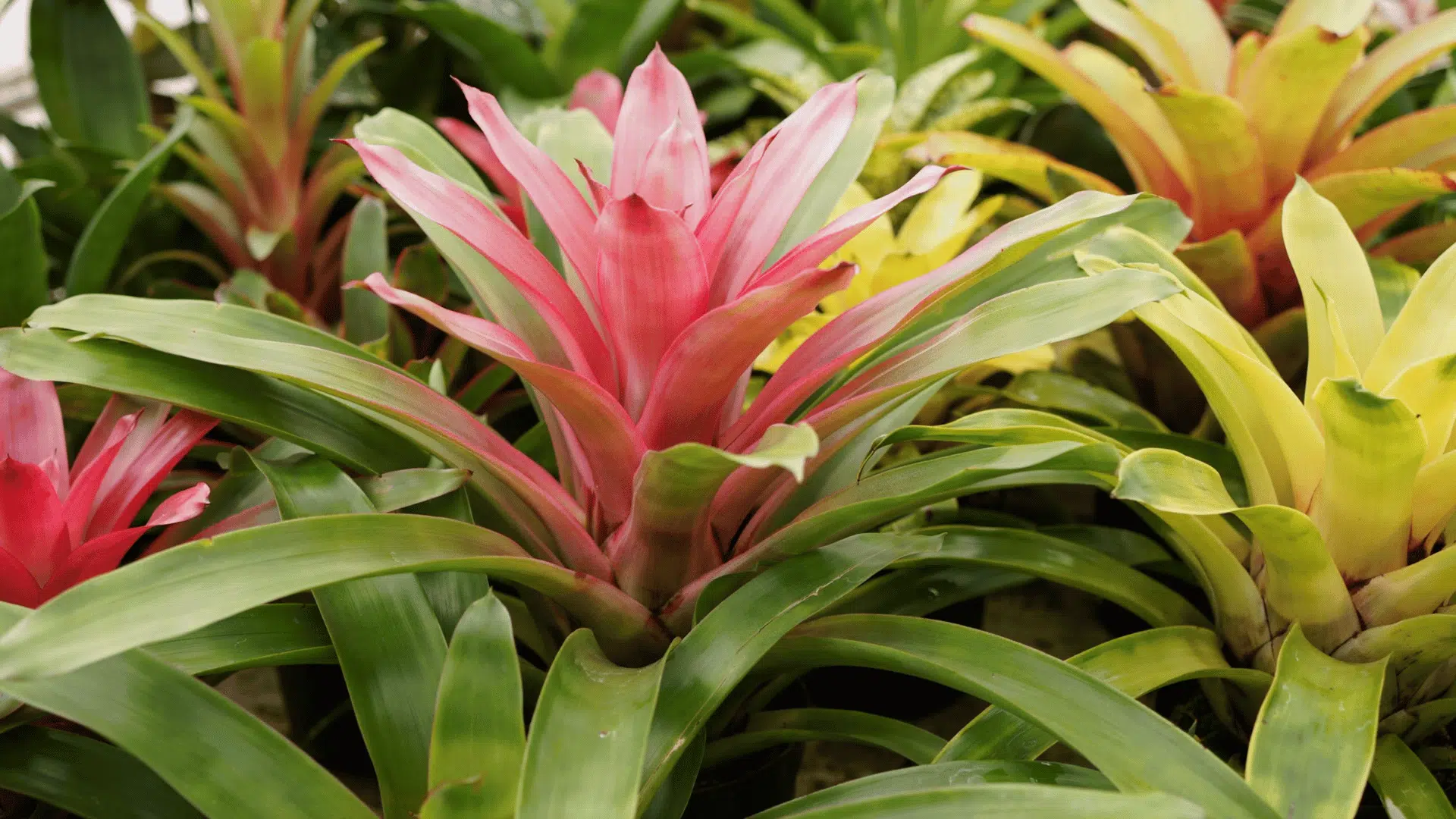
A bromeliad is a tropical plant belonging to the Bromeliaceae family. Most varieties grow in a rosette shape, with leaves that form a small central cup to hold water.
Several types are common as houseplants, each with its own colors and leaf patterns.
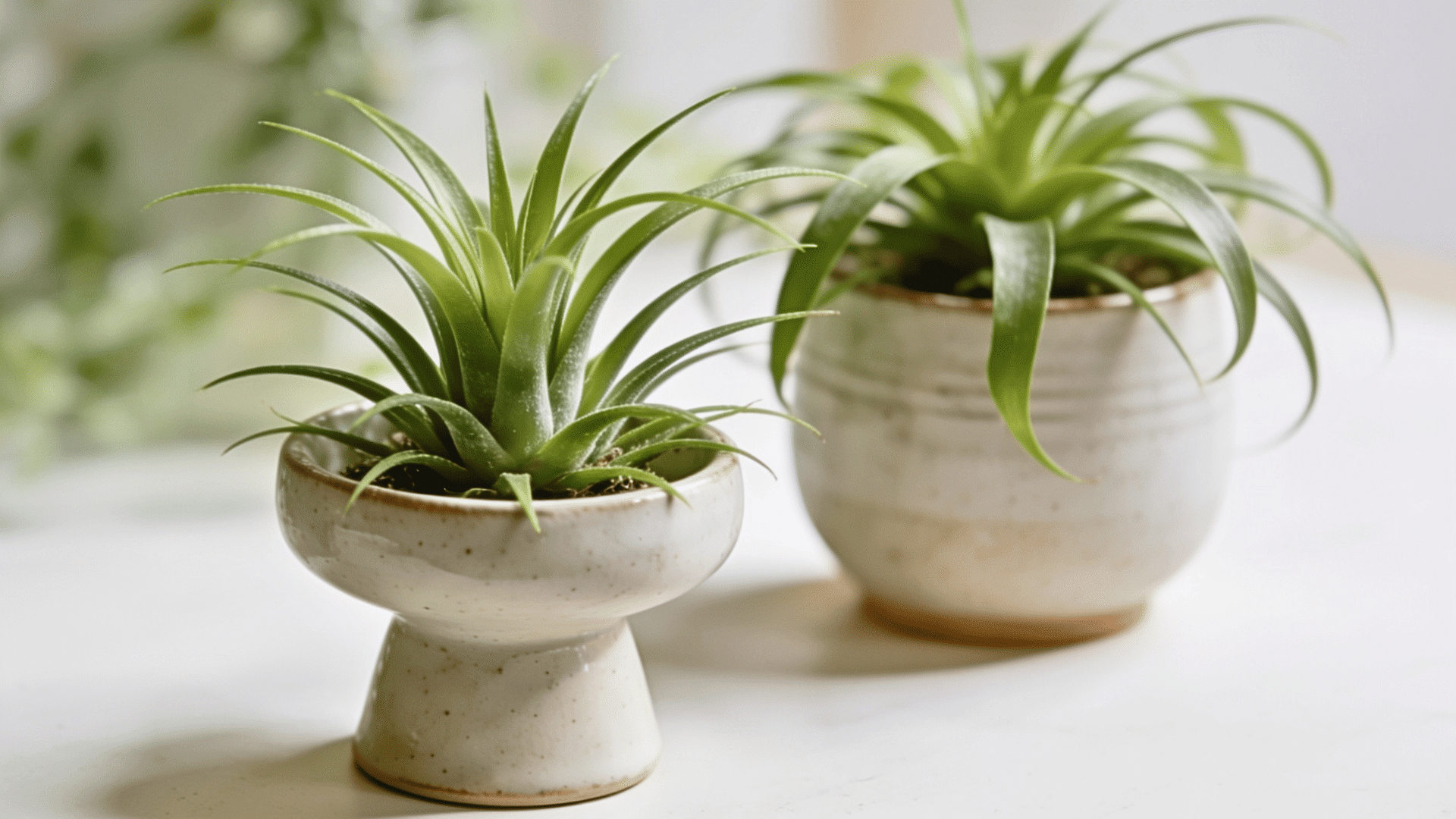
Popular indoor varieties include Aechmea, Guzmania, Neoregelia, Tillandsia, and Vriesea, all suited to home environments.
Their compact size, slow growth, and tolerance for average indoor conditions make bromeliads a practical choice for anyone wanting a tropical plant without constant upkeep.
How to Care for a Bromeliad Plant Indoors
Bromeliads come from tropical regions, but they adjust well to average home conditions. Success depends on a few basic factors working together rather than any single one.
Indoor bromeliad plant care mainly involves light, water, soil, humidity, temperature, fertilizer, and general maintenance.
Getting these right keeps the plant healthy and encourages steady, natural growth over time:
1. Provide Bright, Indirect Light
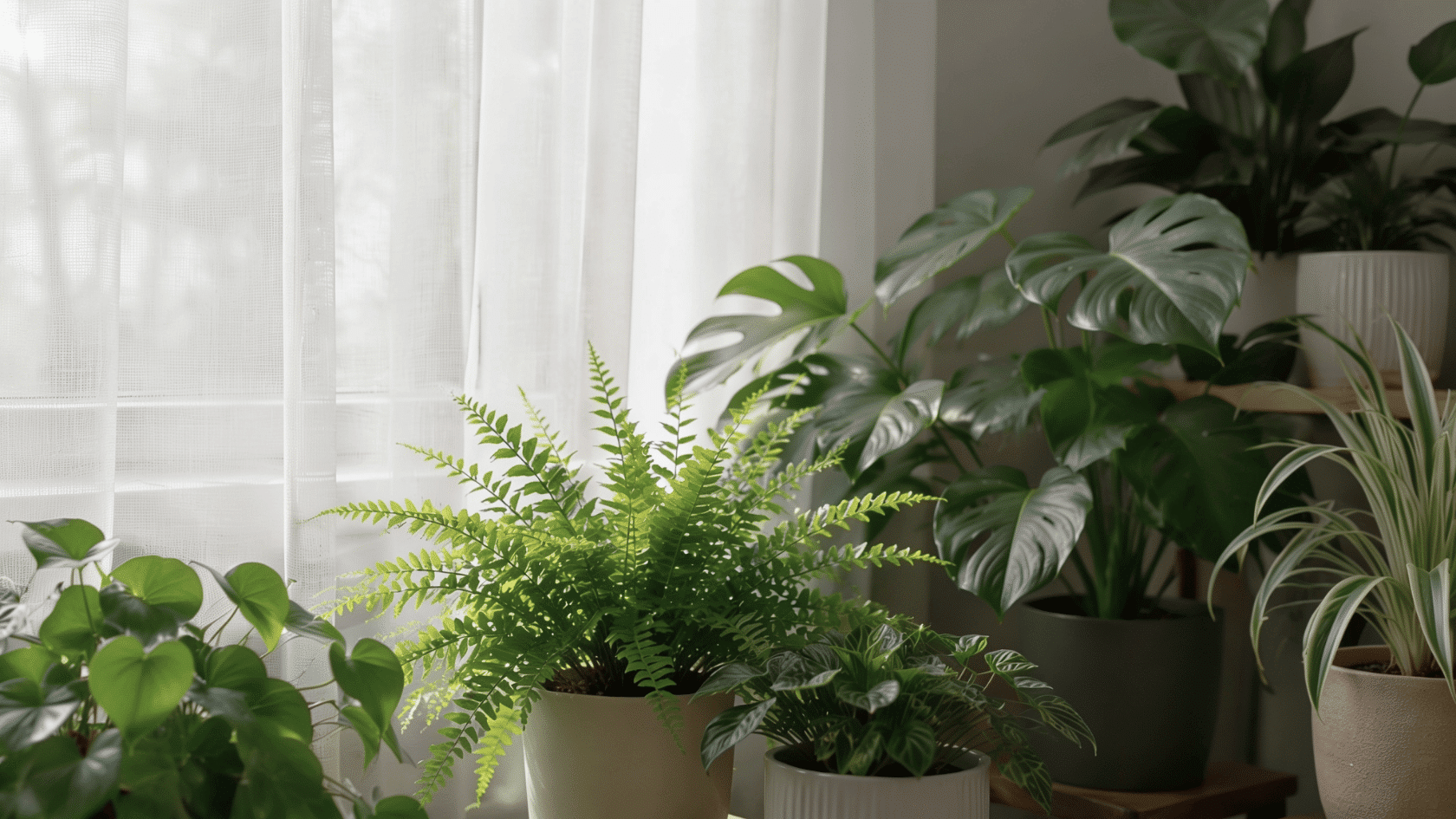
Bromeliads grow best in bright, indirect sunlight because it closely matches the filtered light they receive in their natural tropical habitats.
A location near an east or south-facing window with sheer curtains or filtered light usually works well for most varieties.
Direct sunlight, especially during the hottest parts of the day, can scorch the leaves and cause brown patches or faded colors.
On the other hand, placing the plant in a low-light area may slow growth, reduce flowering, and make the foliage appear dull.
2. Water the Plant Correctly
Watering a bromeliad works differently from watering typical houseplants.
Tank-type varieties store water in their central cup, which should stay lightly filled rather than completely dry or overflowing.
Flush this old water out regularly to keep it fresh. Let the soil dry slightly between waterings, since soggy soil left unchecked can quickly lead to root rot.
For the soil itself, bottom watering is a simple way to maintain even moisture without leaving the roots waterlogged.
3. Choose the Right Soil and Pot
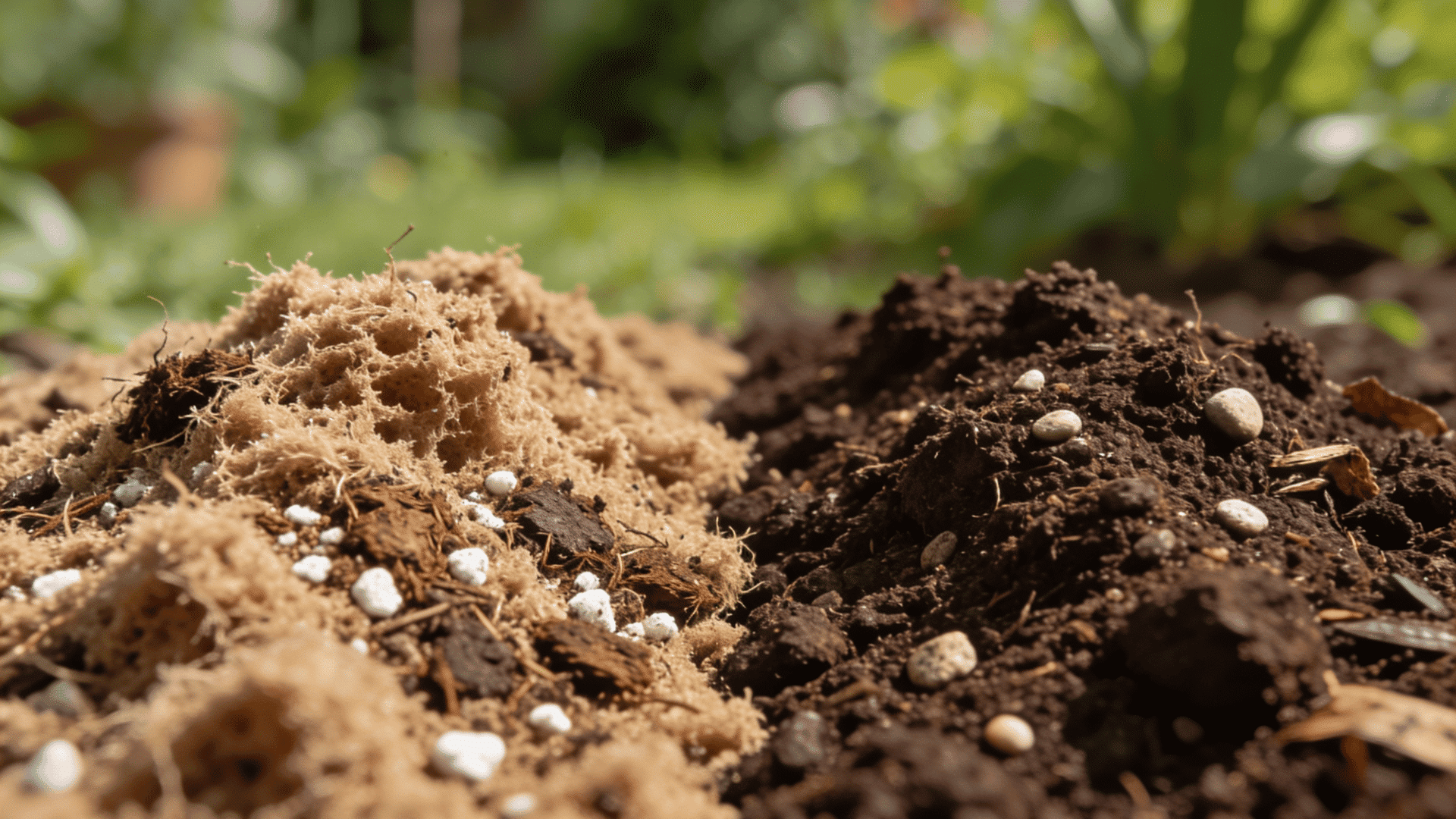
Bromeliads need loose, fast-draining soil rather than dense potting mixes.
Orchid bark mix, dedicated bromeliad mix, or peat-based soil with added drainage materials all work well.
Since these plants have shallow root systems, small pots with drainage holes suit them better than large containers, which tend to hold excess moisture around the roots.
4. Maintain Proper Humidity and Temperature
Bromeliads naturally prefer warm, humid surroundings similar to their tropical origins.
Indoors, moderate household temperatures, decent airflow, and slightly higher humidity levels help them stay healthy and vibrant.
Occasional misting can boost moisture around the leaves. In drier rooms, a pebble tray adds extra humidity, and keeping plants away from cold drafts prevents unnecessary stress.
5. Fertilize Bromeliads During the Growing Season
Bromeliads do not need heavy or frequent feeding to stay healthy.
A balanced liquid fertilizer, diluted to half strength, works well when applied during spring and summer.
Avoid fertilizing too often or at full strength. Over-fertilizing can damage the leaves and weaken the plant instead of supporting healthier, more consistent growth.
If you prefer an organic option, a few homemade natural fertilizers can be diluted the same way.
6. How to Repot and Propagate Bromeliads
Bromeliads have small root systems, so frequent repotting is not necessary. Most plants can stay in the same container for a long time without any issues.
Repot only when the plant clearly outgrows its pot or the soil breaks down.
Propagation happens naturally through pups, small baby plants that grow around the base of the mother plant.
7. How to Remove and Plant Bromeliad Pups
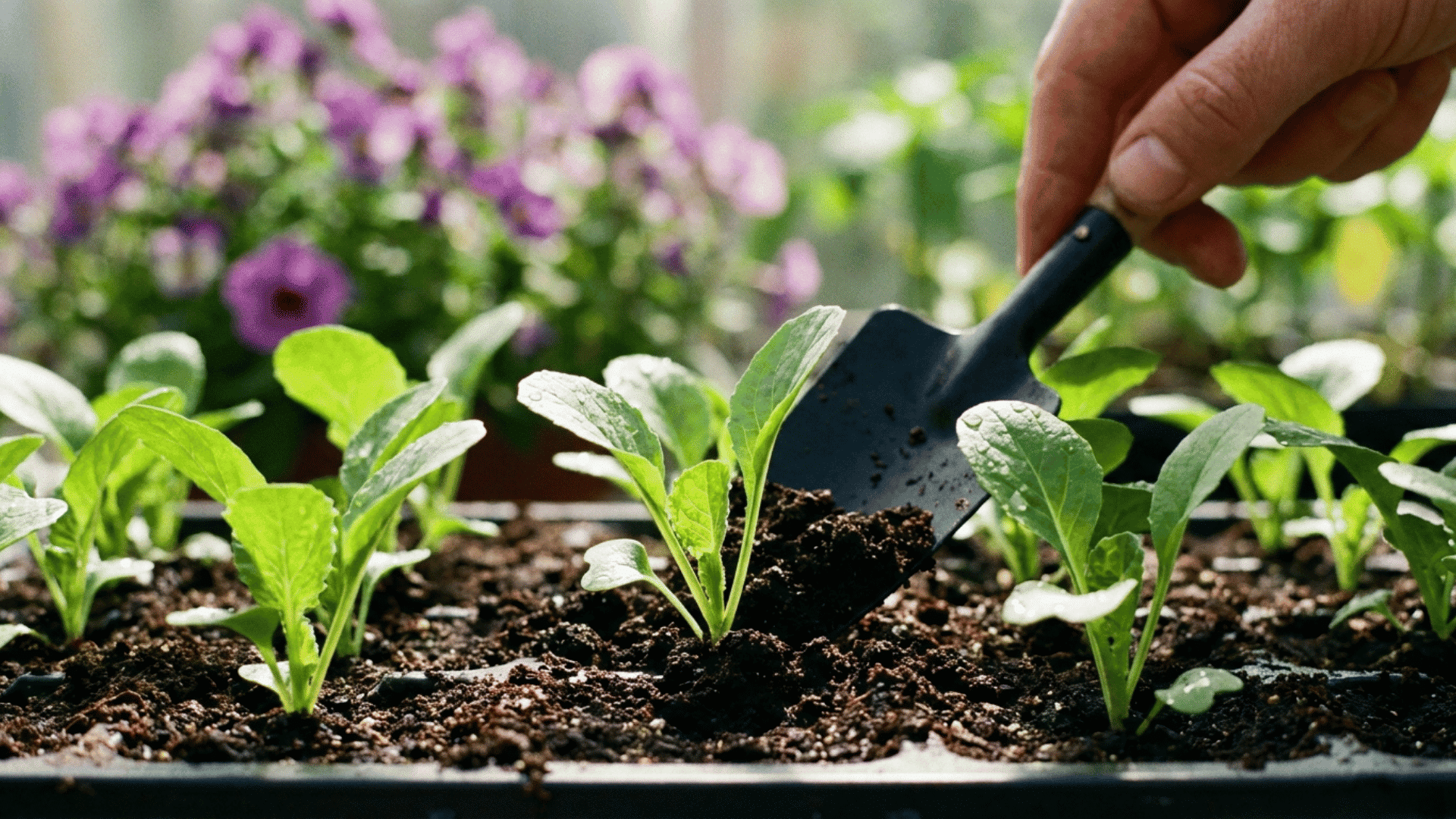
Pups are usually ready to separate once they reach about a third of the mother plant’s size. At that point, follow these basic steps:
- Remove pups carefully using clean, sharp tools.
- Keep a few roots attached to each pup.
- Plant it in a lightweight potting mix.
- Give it the same care as a mature plant.
These pups eventually replace the original plant after it flowers, continuing its growth cycle naturally.
Common Problems with Bromeliad Plant Care
Most bromeliad problems stem from improper growing conditions rather than disease or pests.
Recognizing the signs early makes these issues simple to fix before they affect the whole plant.
- Brown leaf tips often show up when the air is too dry, the water quality is poor, or the plant gets too much direct sunlight.
- Yellow leaves or root rot usually point to a watering problem rather than a lighting one, especially when paired with a soft, mushy base.
- Lack of flowers does not always mean the plant is unhealthy. It often just needs brighter indirect light or more time to mature, especially if it grew from a young pup.
Most of these issues are easy to correct once the cause is identified. A few small adjustments are usually enough to bring the plant back to good health.
Planting Citronella Alongside Tropical Houseplants
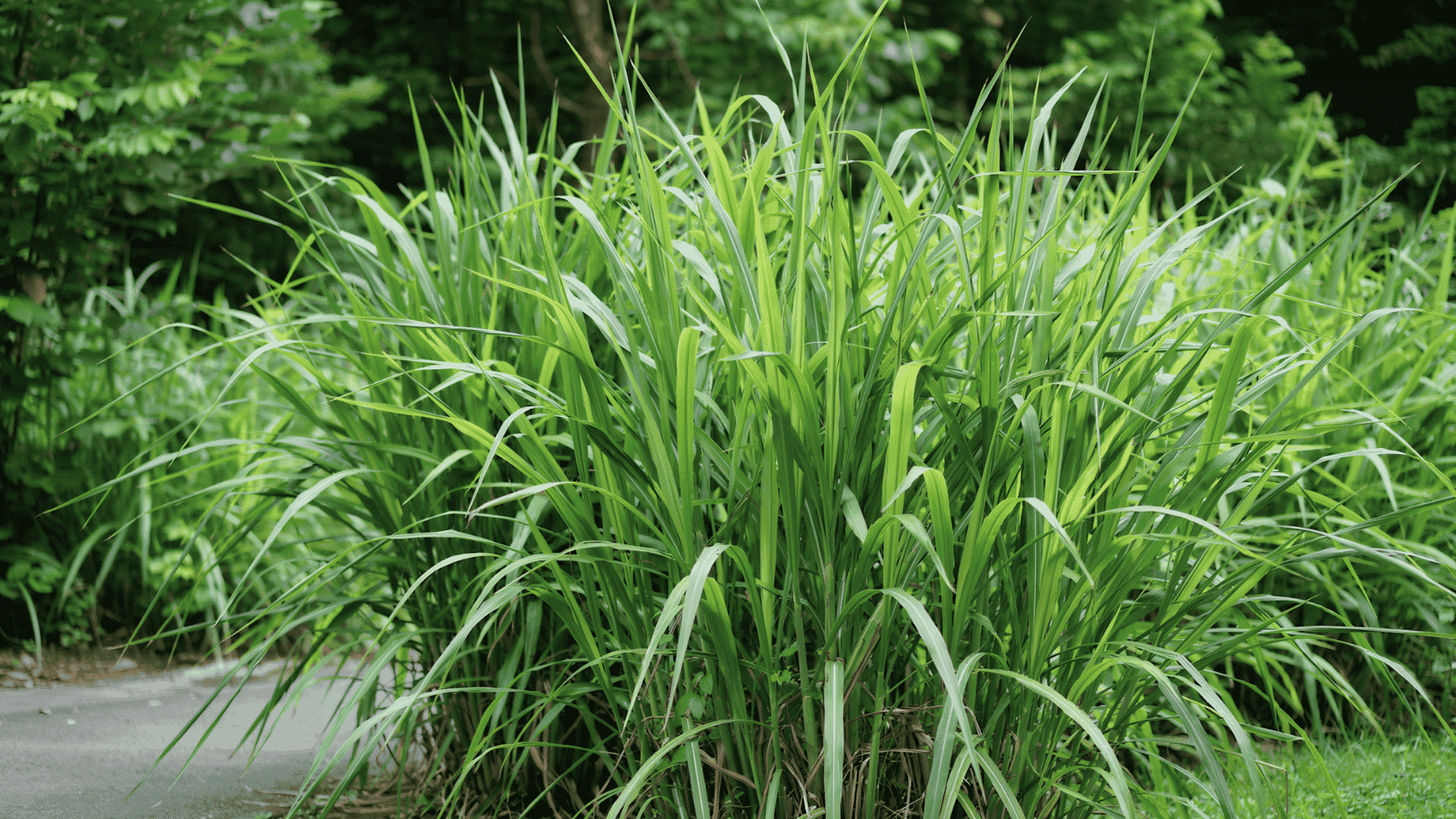
Citronella is another popular tropical plant, grown mainly for its strong, lemon-scented foliage that many people use to keep bugs away outdoors.
Planting citronella calls for a different set of conditions than bromeliads need. It grows best in warm weather once the frost season has fully passed.
Well-draining soil and plenty of bright sunlight help it thrive. Regular watering is important too, but only once the top layer of soil has dried out completely.
Since citronella prefers more sun and less moisture retention, it usually does better in outdoor beds or containers rather than sharing the same indoor setup as bromeliads.
Can Bromeliads and Citronella Grow Together?
Bromeliads and citronella can both fit into a tropical plant collection, but their growing needs point in slightly different directions when it comes to placement.
Looking at their care requirements side by side makes it easier to plan where each plant will actually settle in and thrive.
| Factor | Bromeliads | Citronella |
|---|---|---|
| Light | Bright, indirect light | Direct sunlight |
| Setting | Indoor or shaded patios | Outdoor, warm spaces |
| Humidity | Prefers higher humidity | Prefers drier conditions |
With this difference in mind, the two plants can still share a garden or plant collection overall. They just work better in separate spots rather than side by side in identical conditions.
Tips for Planting Citronella for Beginners
A few simple habits keep citronella healthy and full of that signature lemony scent.
Most of these tips focus on light watering, steady feeding, and regular trimming rather than any complicated routine.
- Water only when the top inch of soil feels dry.
- Feed monthly during the growing season with a diluted fertilizer.
- Avoid overfeeding, since it can weaken the leaf fragrance.
- Pinch back new growth to keep the plant bushy.
- Trim off dry or damaged leaves regularly.
- Move indoors before the first frost hits.
- Place near a sunny south or west-facing window in winter.
With just a little regular attention, citronella stays full and fragrant for most of the year. These small habits go a long way in keeping the plant healthy.
Final Thoughts
Good bromeliad plant care really comes down to a few simple habits: bright indirect light, careful watering, fast-draining soil, and occasional feeding.
Once these basics feel natural, bromeliads practically take care of themselves, rewarding you with color and unique blooms for years to come.
Pairing them with other tropical picks, such as citronella, can add even more life and fragrance to your indoor or outdoor space.
Have you grown bromeliads before, or tried pairing them with citronella? Share your experience or tips in the comments below.
Frequently Asked Questions
Are Bromeliads Safe for Pets?
Most bromeliads are considered safe for cats and dogs. Still, keep pets away from the leaves, since chewing on them may cause mild stomach upset.
How Often Do Bromeliads Bloom?
Most bromeliads bloom only once in their lifetime, and it can take three to six years to happen. Pups then continue the cycle after the original plant fades.
What Is the Colorful Part of a Bromeliad Actually Called?
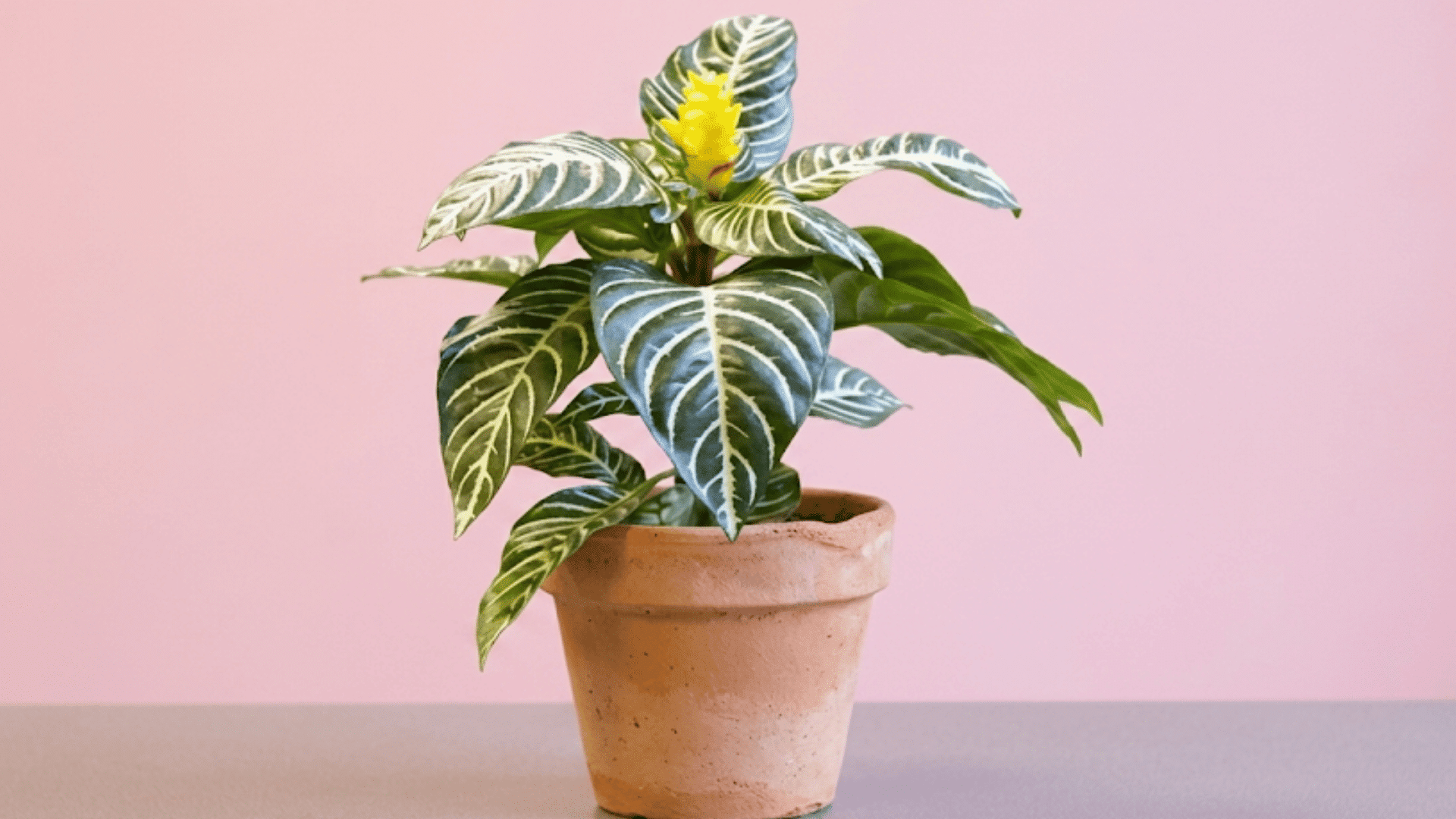
The bright, showy part is called a bract, not a flower. The true flowers are often small and grow directly out of these colorful bracts.