
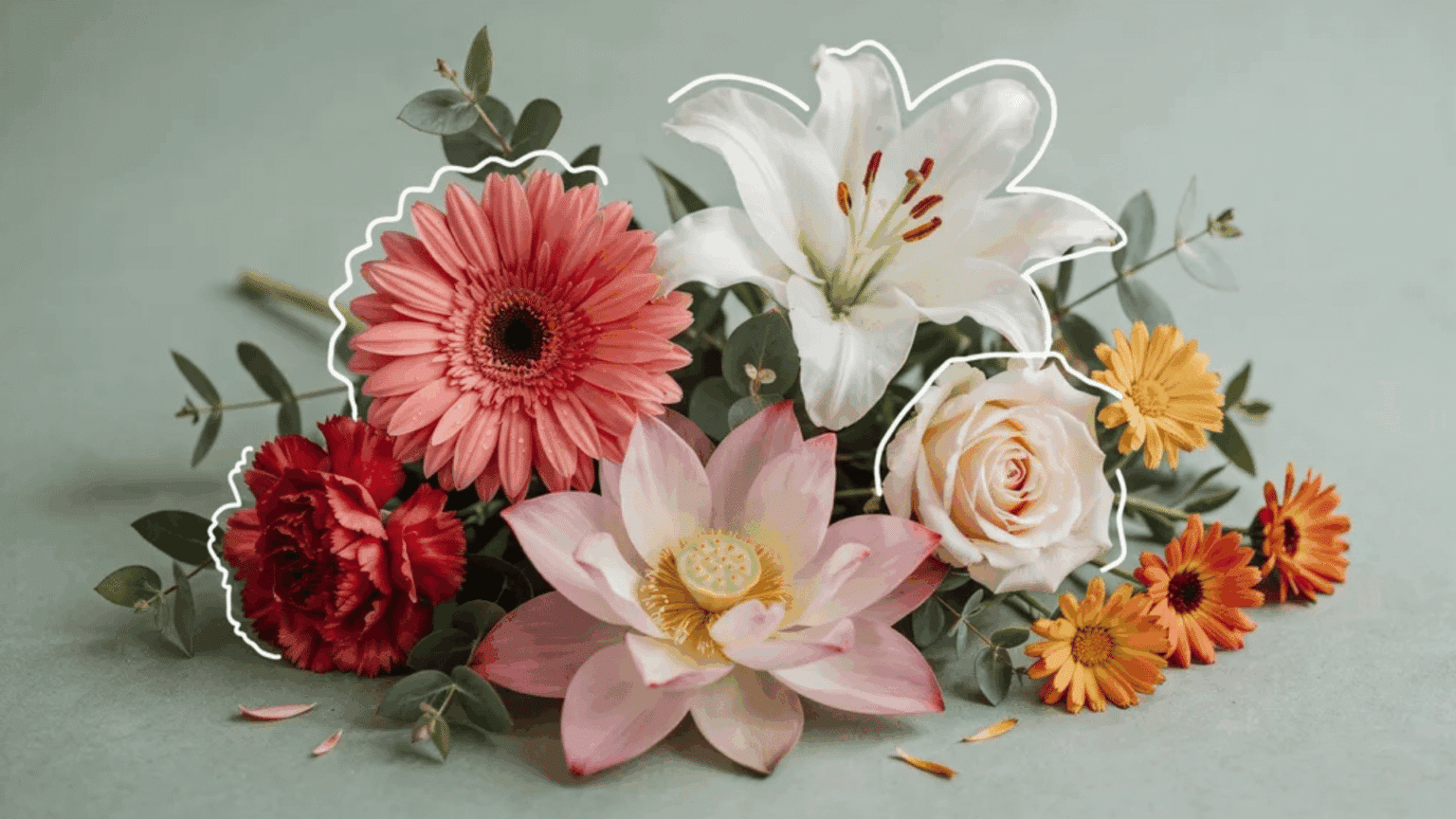
Some feelings are difficult to express, yet certain flowers seem to capture them without needing an explanation.
Their presence can bring a sense of comfort, reflection, and peace during meaningful moments.
For generations, people have chosen specific blooms for the emotions they represent.
Beyond their appearance, flowers can reflect renewal after hardship, courage in the face of challenges, and hope during times of personal change or recovery.
Healing flowers carry stories through their colors, shapes, and traditions.
Understanding the symbolism behind these blooms reveals why they remain connected with emotional support, resilience, and moments of finding balance.
What Makes a Flower Represent Healing?
Healing in flowers is never only about how they look in a vase. It comes from the meanings carried beneath their beauty.
Across cultures, traditions, and personal experiences, certain blooms have become symbols of comfort, recovery, and emotional balance.
Some represent renewal after difficult seasons, reflecting the hope of beginning again after change or struggle.
Others are linked with calmness, softness, and mental clarity, creating a sense of emotional ease.
Healing flowers may also symbolize quiet inner strength, endurance, and the patience needed during recovery.
Flowers that Represent Healing
Emotional healing often begins in the mind before it reaches the heart. These flowers are associated with calming thoughts, lifting emotional weight, and restoring mental balance in subtle but steady ways.
1. Lavender
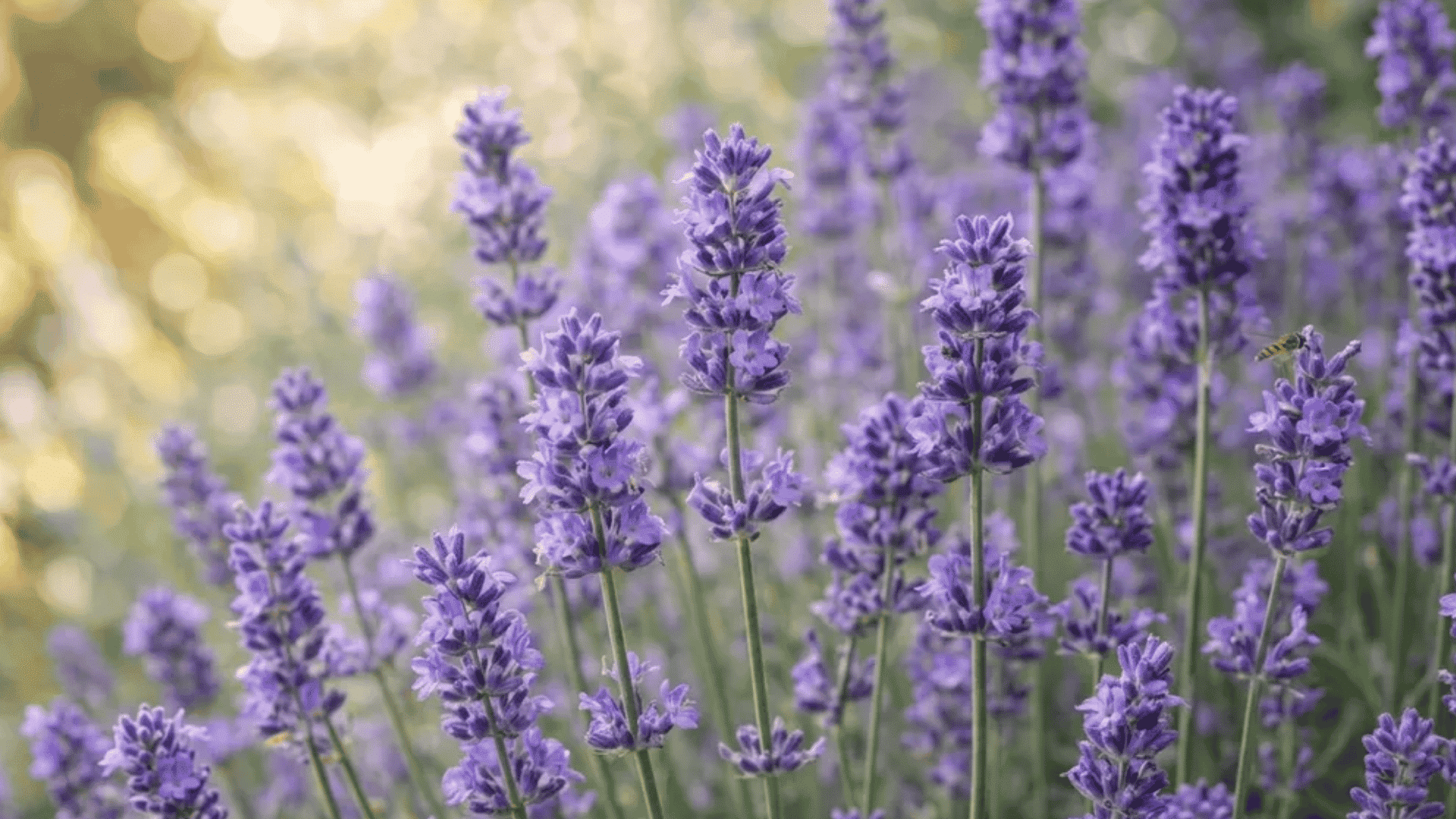
Lavender is widely known for its calming presence. It carries a soft, herbal fragrance often associated with reduced stress and improved sleep.
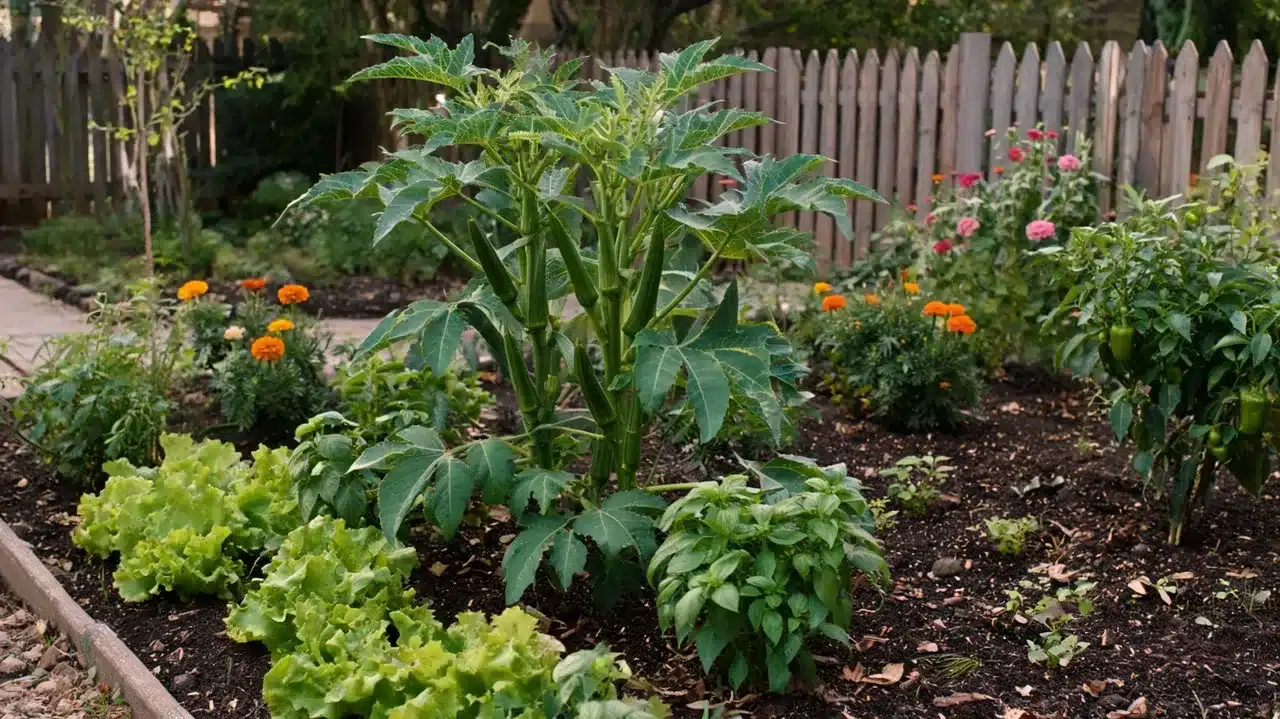
It grows easily alongside other calming plants in a simple home herb garden.
Emotionally, it represents mental quietness, helping ease overthinking and nervous tension. It is often used in spaces meant for rest, reflection, and emotional reset.
2. Gerbera Daisy
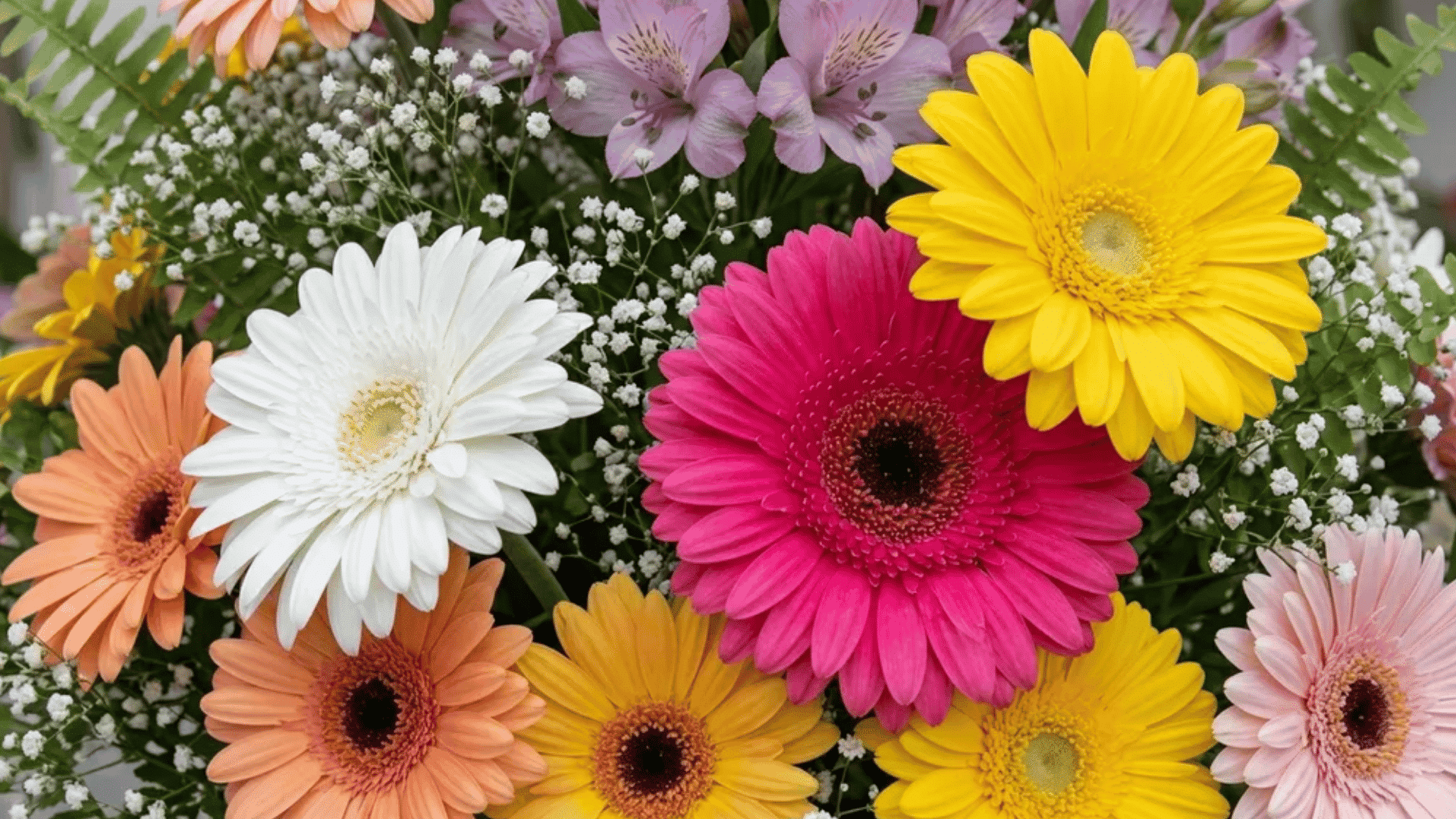
Gerbera daisies bring a strong sense of brightness without feeling overwhelming. They symbolize emotional uplift and renewed positivity.
Their vibrant appearance is often associated with breaking through sadness or emotional fatigue, making them a common choice for encouragement and recovery spaces.
3. Sunflower
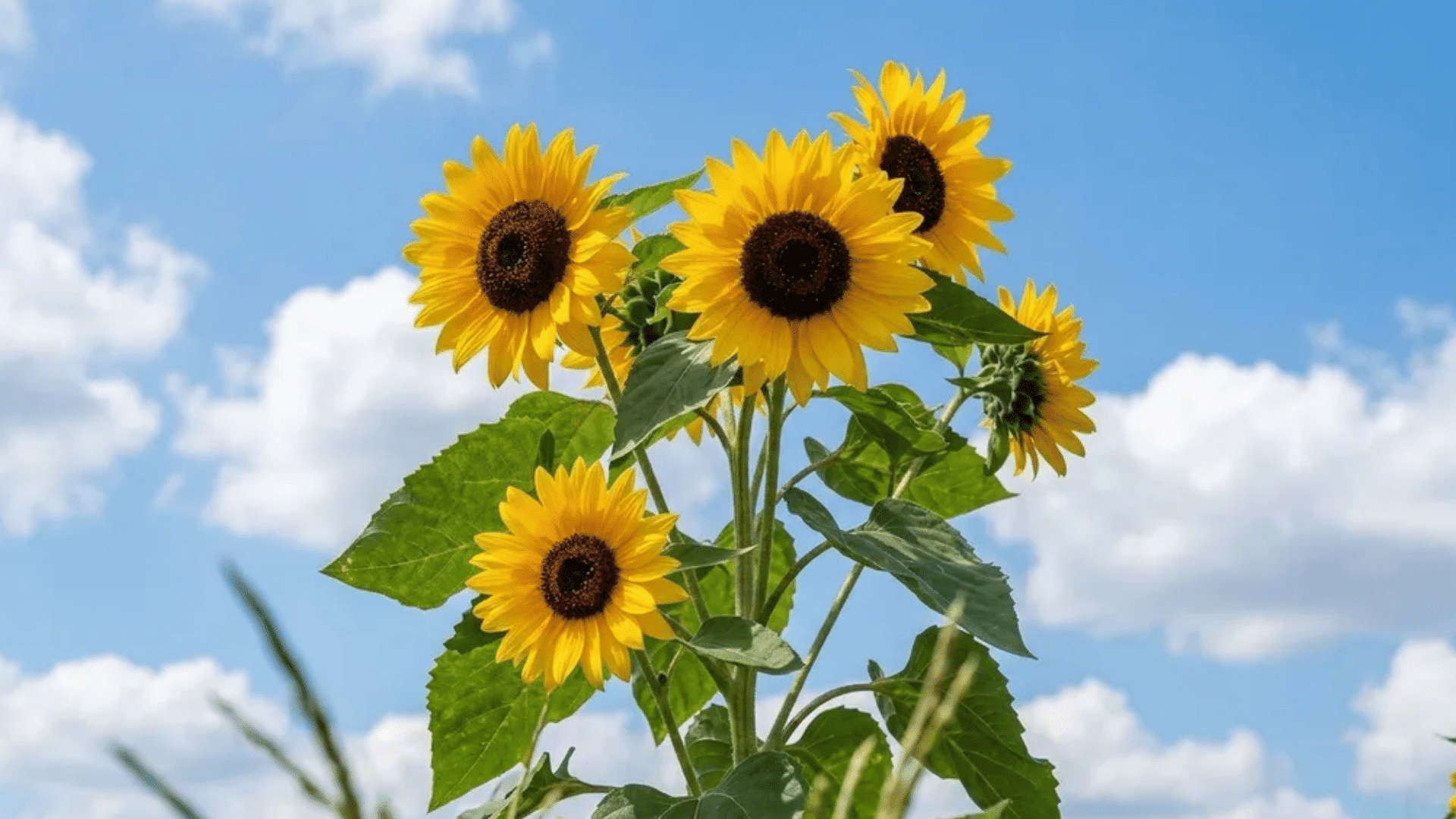
Sunflowers naturally follow light, which is why they are closely tied to emotional strength and hope.
They represent resilience during difficult times and the ability to keep moving forward even when circumstances feel heavy. Their energy feels steady, warm, and quietly motivating.
4. Chrysanthemum
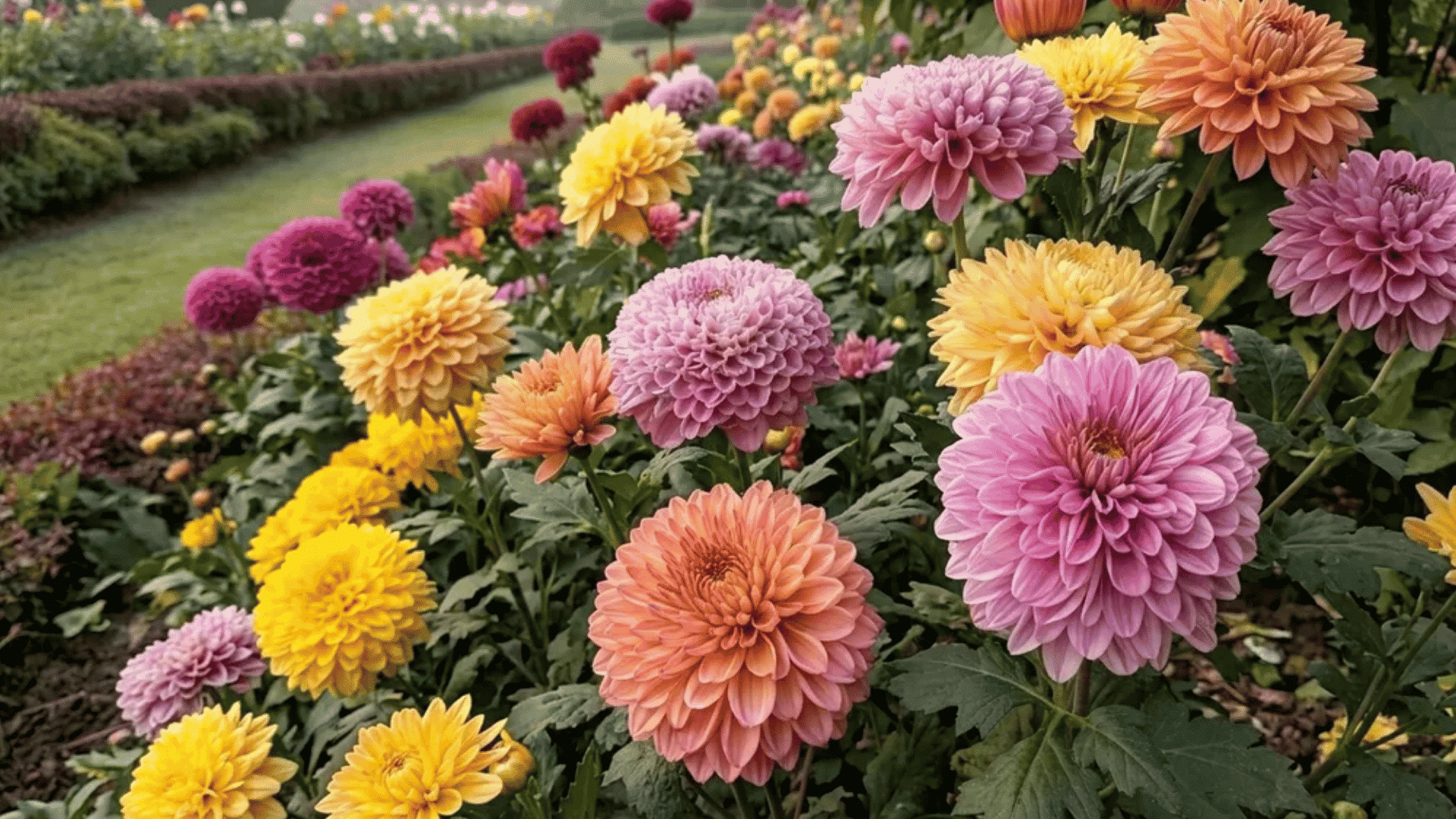
Chrysanthemums carry a grounded and stabilizing emotional tone. They are often associated with peace, reflection, and long-term emotional balance.
Rather than intense emotion, they represent calm endurance, making them suitable for steady healing phases.
Flowers that Represent Healing in Physical Recovery and Renewal
Physical recovery is often slow, layered, and deeply personal. These flowers symbolize renewal, regeneration, and the body’s ability to restore itself over time.
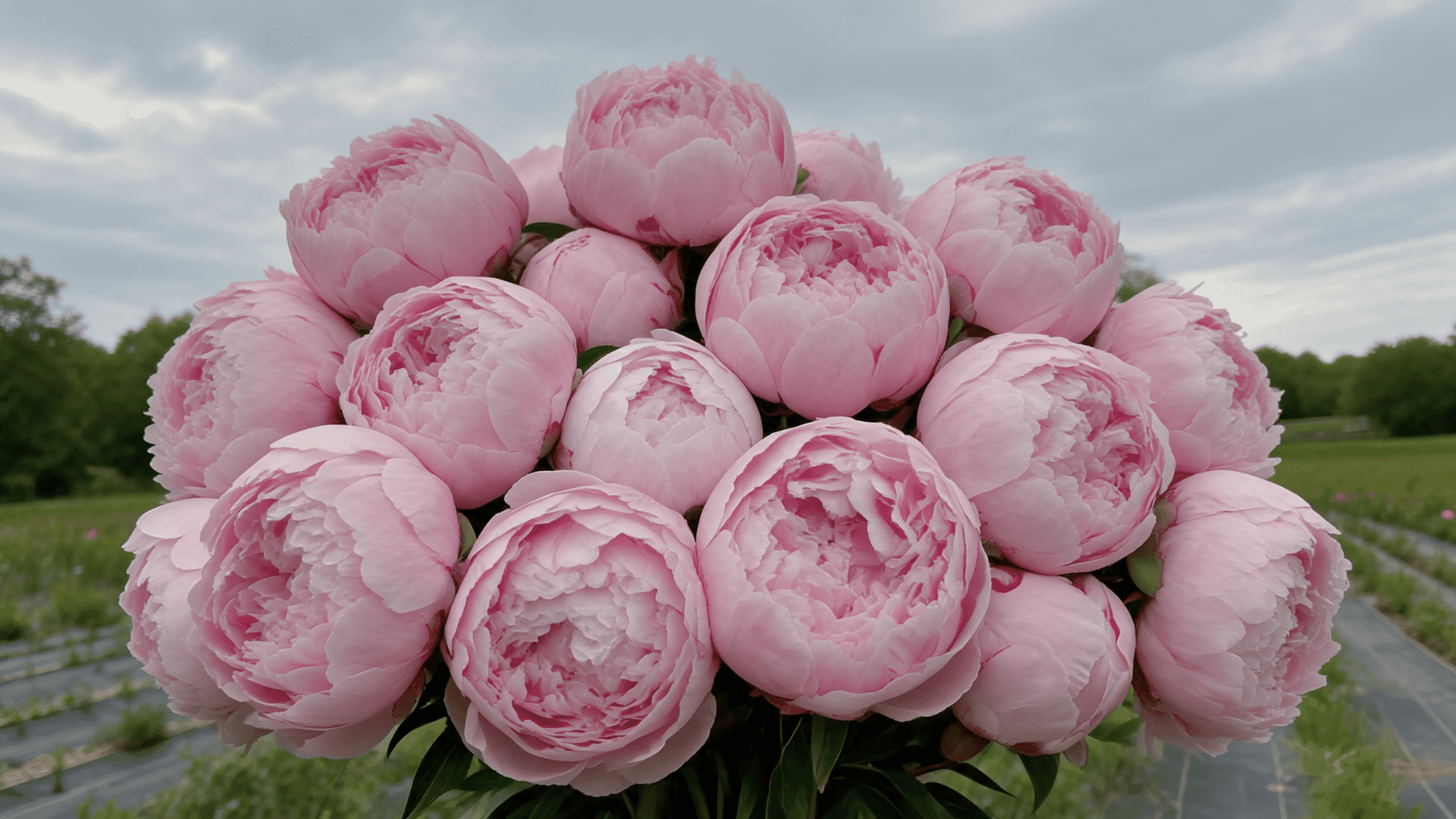
5. Peony
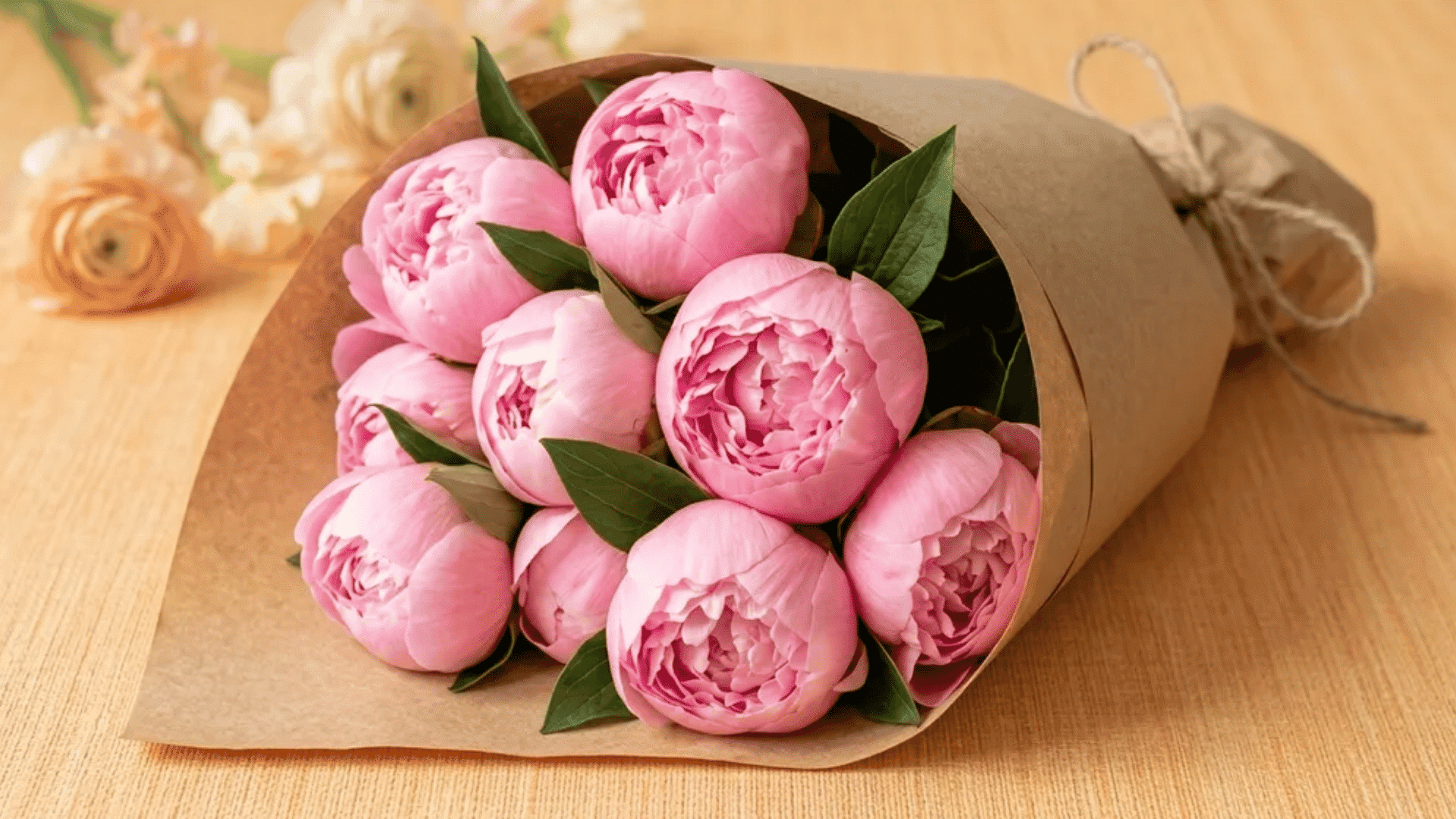
Knowing where to plant peonies helps them return fuller each season.
They symbolize healing that feels gradual yet complete, in which strength returns in softness rather than force.
Their layered petals reflect the idea of rebuilding from within over time. They also carry a quiet sense of emotional comfort, making them feel supportive during long recovery phases.
6. Calendula
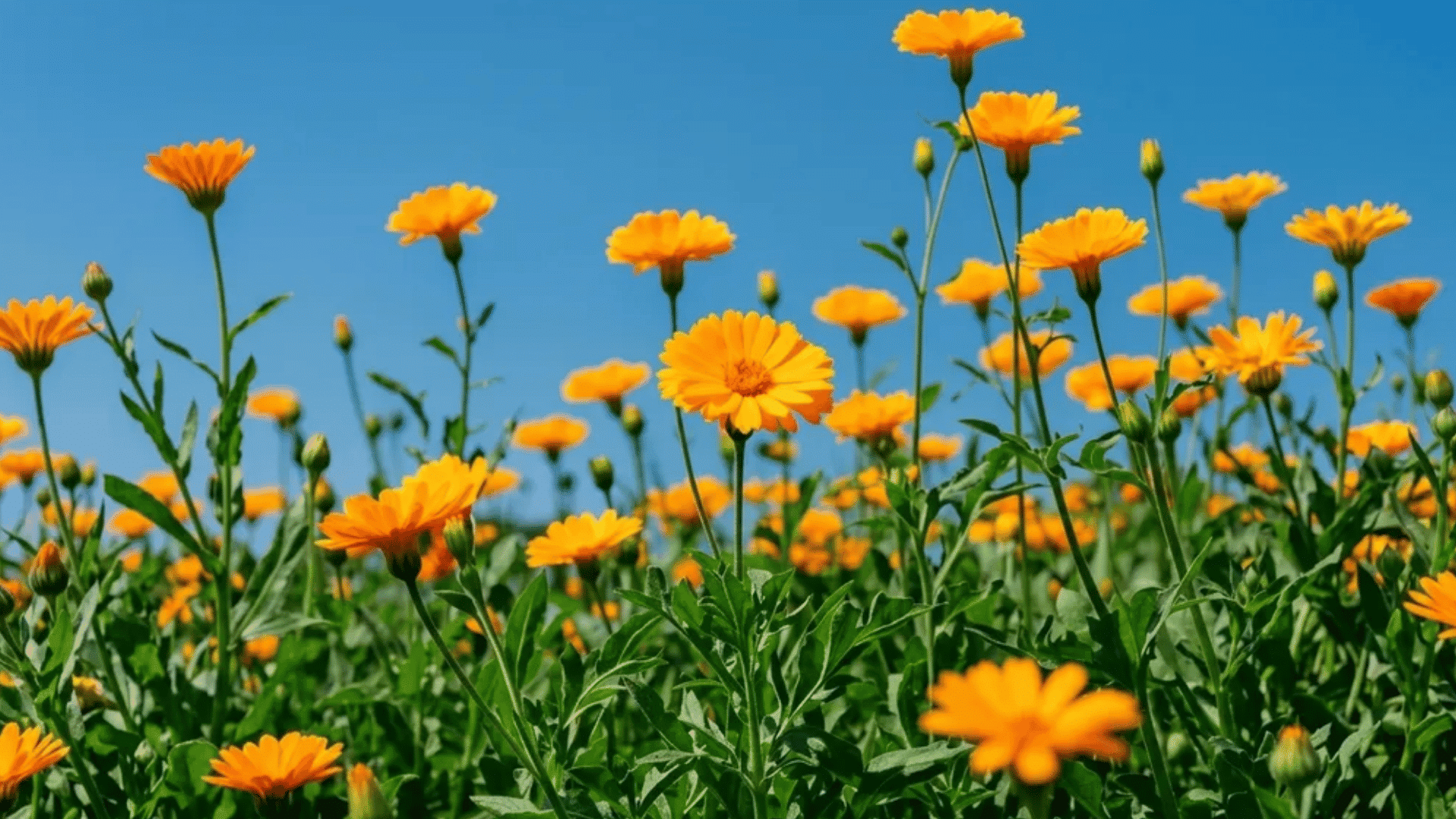
Calendula is traditionally associated with soothing and restorative properties.
It represents gentle physical healing, especially for skin recovery and overall body care.
Symbolically, it reflects comfort, repair, and natural renewal without harshness. It is often seen as a flower that supports slow, steady healing rather than quick change.
Flowers that Represent Healing with Strength, Resilience, and Endurance
Not all healing feels gentle. Some phases require persistence, patience, and emotional strength. These flowers reflect endurance through difficult periods.
7. Carnation
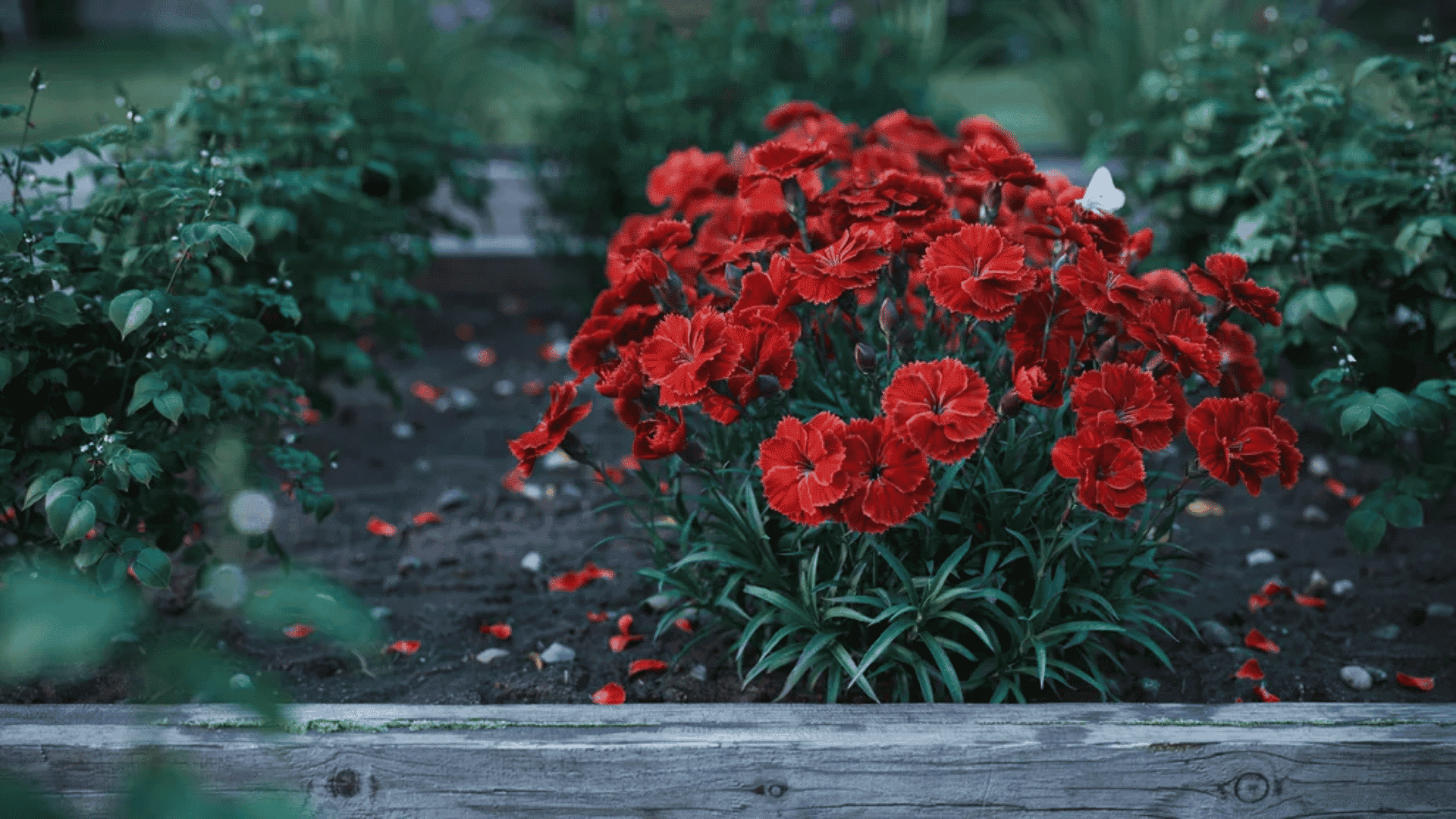
Carnations represent deep emotional endurance and lasting care. They are often used to show support that remains constant over time.
Their layered petals also reflect emotional complexity handled with patience and grace. They quietly symbolize loyalty and steady presence through difficult times.
8. Rose
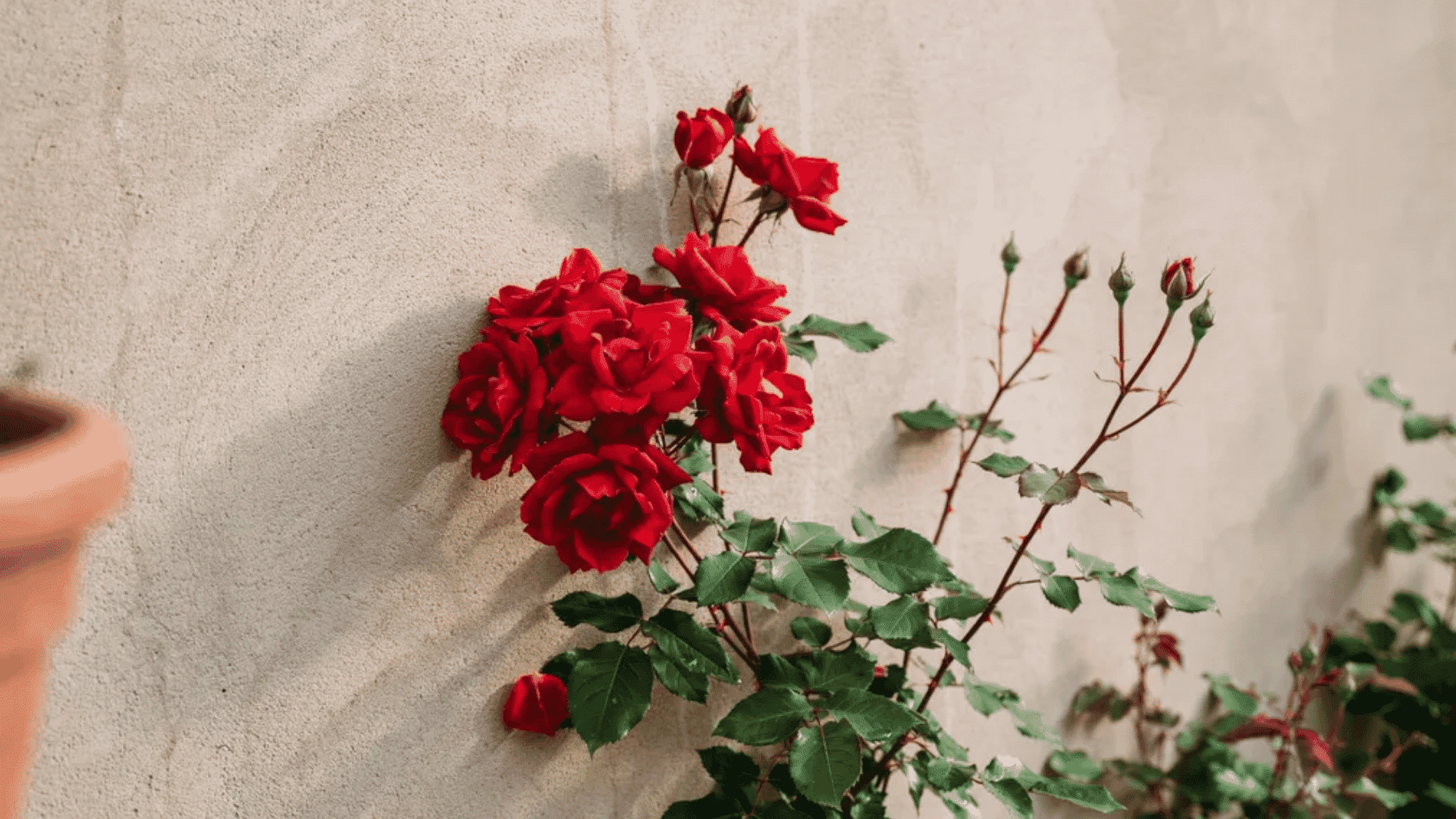
Roses symbolize compassion through difficult moments.
They represent strength wrapped in emotional softness, making them well-suited to situations where care and resilience coexist.
They also reflect the balance between vulnerability and inner strength.
Flowers that Represent Inner Growth
Spiritual healing focuses on inner clarity, emotional awareness, and personal transformation. These flowers are often associated with reflection, mindfulness, and deeper emotional understanding.
9. Lotus
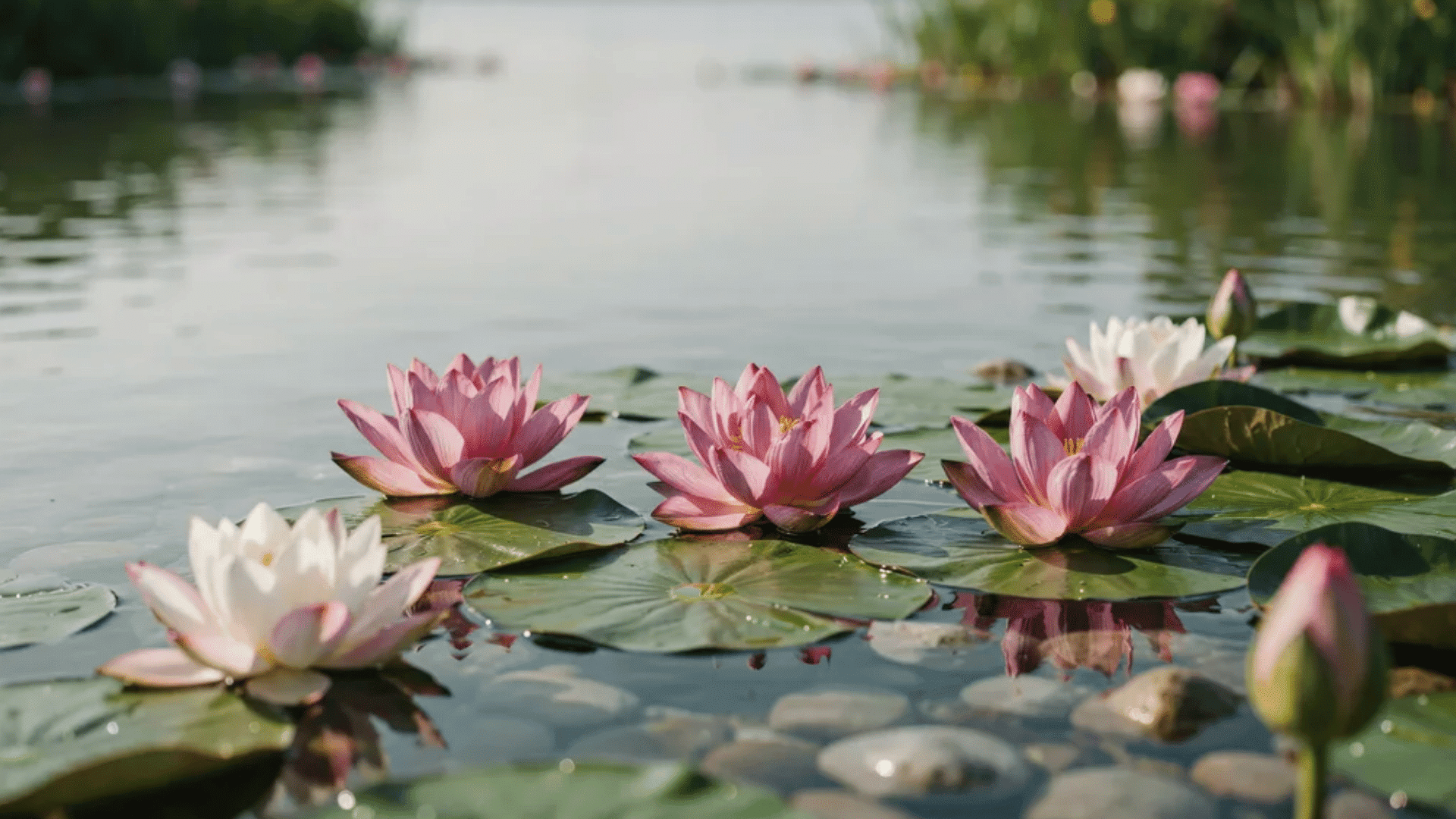
The lotus is one of the most powerful symbols of spiritual awakening.
It grows through muddy water yet blooms in perfect clarity, representing rising above emotional confusion and life challenges.
It is closely tied to enlightenment, transformation, and the idea of becoming stronger through inner struggle.
The lotus is often seen as a reminder that clarity can emerge from even the most difficult conditions.
10. Forget-Me-Not
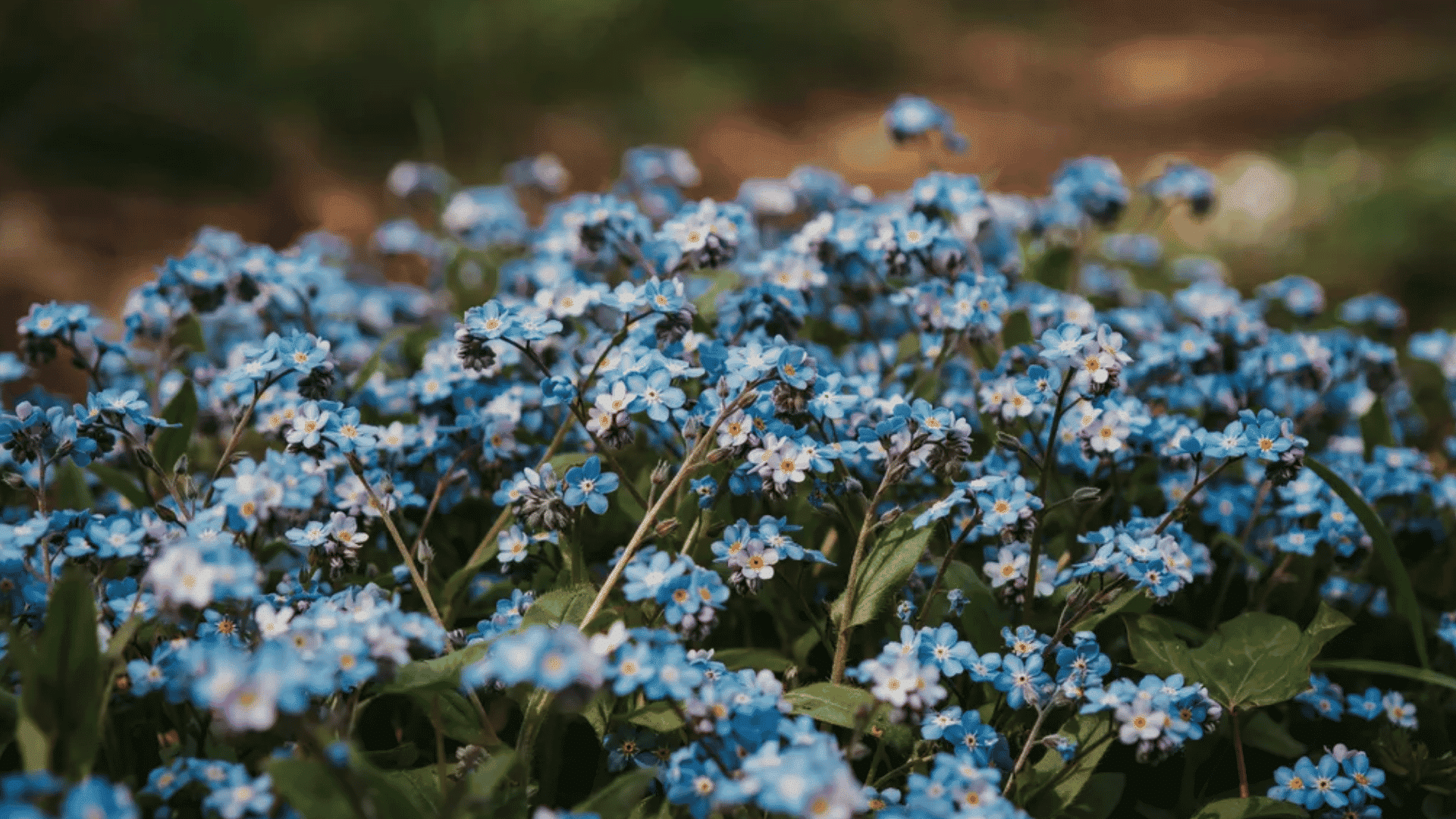
Forget-me-nots carry a gentle but deeply emotional meaning tied to memory and connection. They symbolize bonds that remain intact even when circumstances change or people are apart.
Spiritually, they reflect continuity of love, emotional presence, and the idea that meaningful connections do not disappear with distance or time.
They are often used in reflection and remembrance practices.
Flowers that Represent Grief and Gentle Farewell
Grief is not a single emotion but a layered experience that unfolds over time. It often needs quiet support rather than strong expression.
These flowers carry meanings of remembrance, emotional comfort, and peaceful acceptance, helping create a sense of softness during difficult farewells.
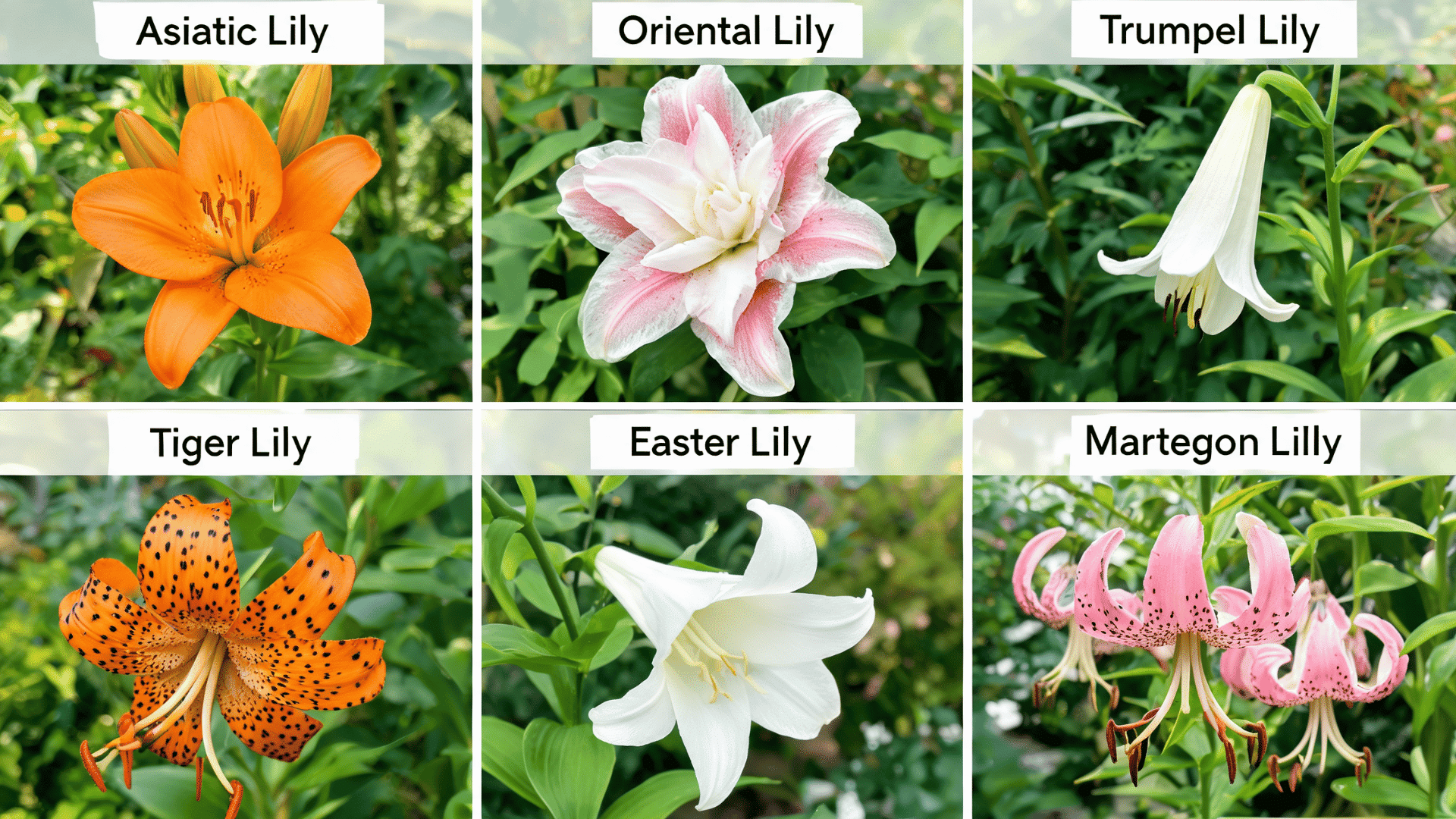
11. White Lily
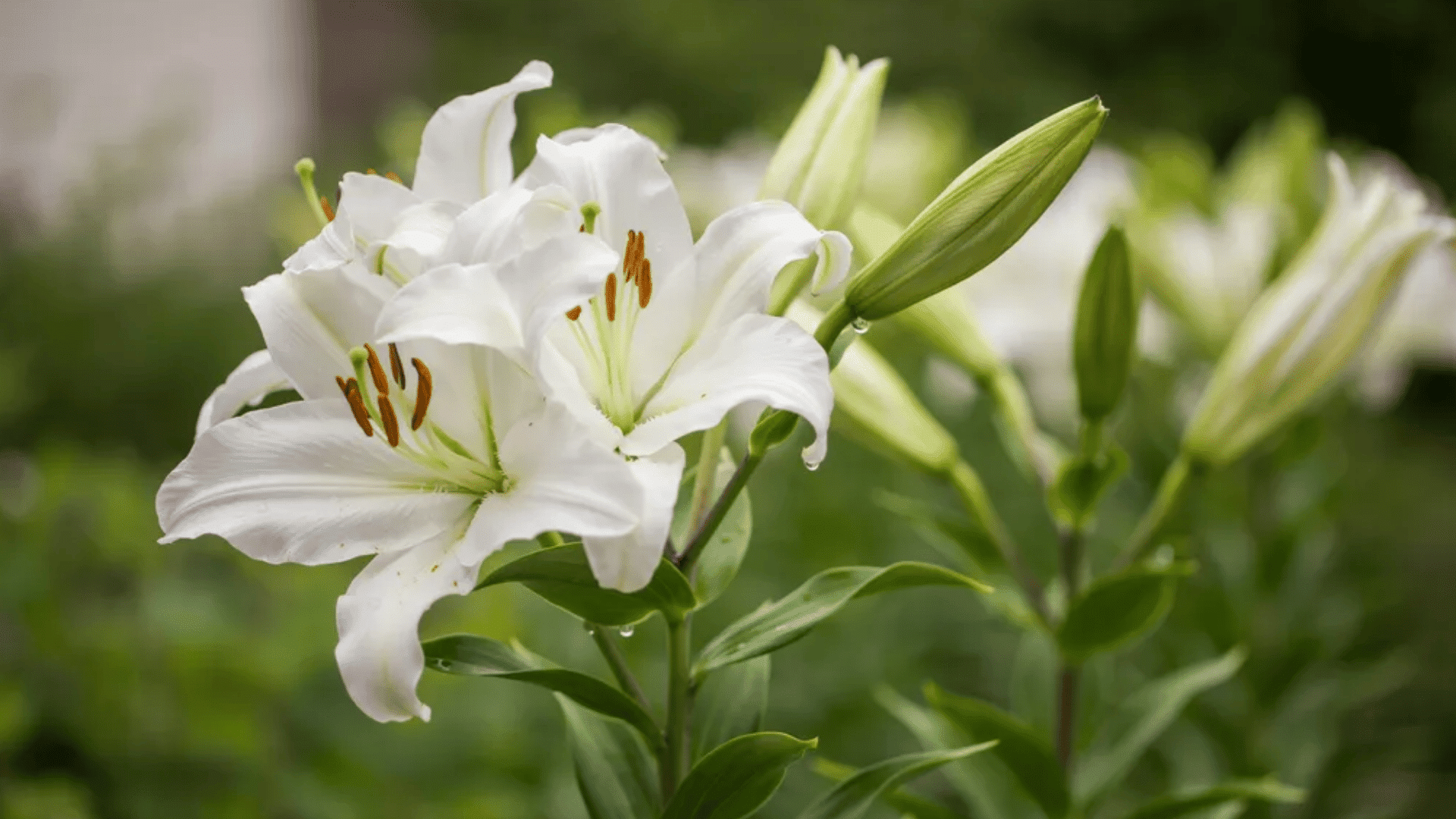
White lilies are strongly associated with peace, purity, and release. They are often seen as a symbol of the soul finding rest and transition.
In moments of loss, they bring a calm, respectful presence that represents closure without heaviness. Their clean, elegant form reflects emotional peace and gentle acceptance.
12. White Rose
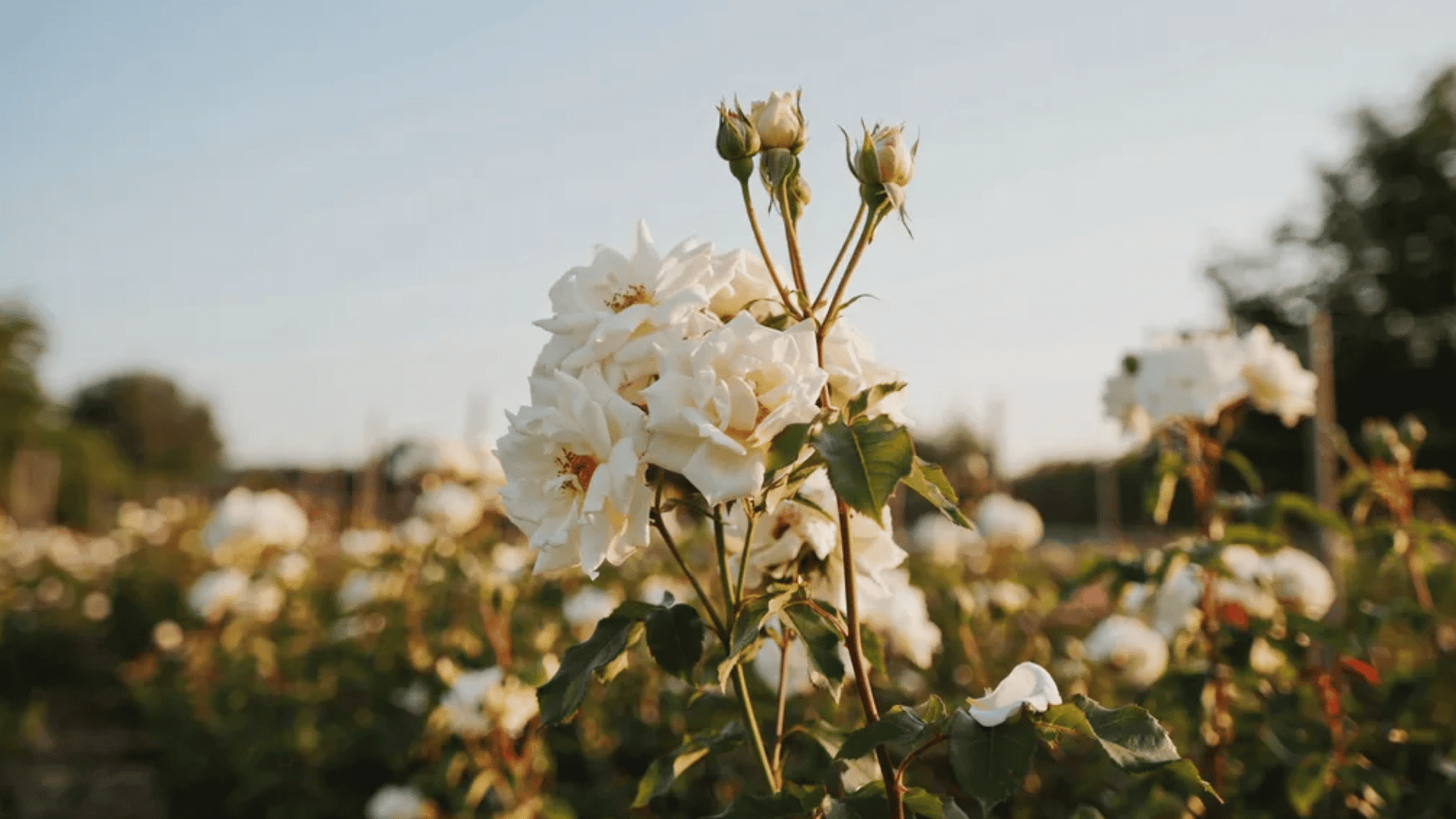
White roses represent sincerity, purity, and a peaceful farewell. They carry a soft emotional tone that expresses respect without intensity.
Often used in moments of goodbye, they symbolize acceptance, emotional clarity, and calm closure while maintaining grace.
Tips for Choosing the Right Healing Flower
Choosing a healing flower becomes easier when the recipient’s situation, emotions, and personal preferences guide the decision.
- Consider the Purpose: Choose calming flowers for emotional support, bright blooms for encouragement, or white flowers for grief and peaceful remembrance.
- Match the Flower to the Emotion: Lavender may represent calmness, while sunflowers and gerbera daisies can express hope, warmth, and renewed positivity.
- Pay Attention to Color: White often represents peace, yellow suggests happiness, pink reflects care, and purple is commonly linked with reflection and inner growth.
- Think About Personal Preferences: A flower the recipient already loves may feel more meaningful than one chosen only for its traditional symbolism.
- Choose a Suitable Arrangement: Soft bouquets may suit quiet support, while colorful arrangements can bring energy and encouragement during physical recovery.
Final Thoughts
Healing often happens in quiet ways, and flowers fit into that silence without effort.
Each bloom carries its own signal of care, may it reflect patience during difficult phases, lightness after emotional weight, or steadiness when life feels uncertain.
These meanings are not fixed rules, but gentle reminders that support can come from simple, natural things around us.
Choosing a flower becomes less about tradition and more about what feels right in the moment.
Which flower feels closest to your idea of healing? Share your thoughts in the comments below.
Frequently Asked Questions
What Does the Flower “Get Well Soon” Mean?
While no single flower translates directly to the literal phrase “get well soon,” several blooms symbolize healing, hope, and cheerfulness. Daisies represent a fresh start and hope for a quick recovery, while sunflowers bring warmth, positivity, and a burst of sunshine to a patient’s room.
What Does the Flower Mean Cheer Up?
To cheer someone up, choose bright, vibrant, and uplifting blooms like sunflowers, gerbera daisies, or yellow tulips. These flowers are naturally mood-boosting and convey warmth, happiness, and friendship.
What Does a Flower Mean by Wisdom?
In the language of flowers (floriography), specific blooms such as Iris, Aster, Orchid & Sage are traditionally associated with wisdom, intellect, and enlightenment.