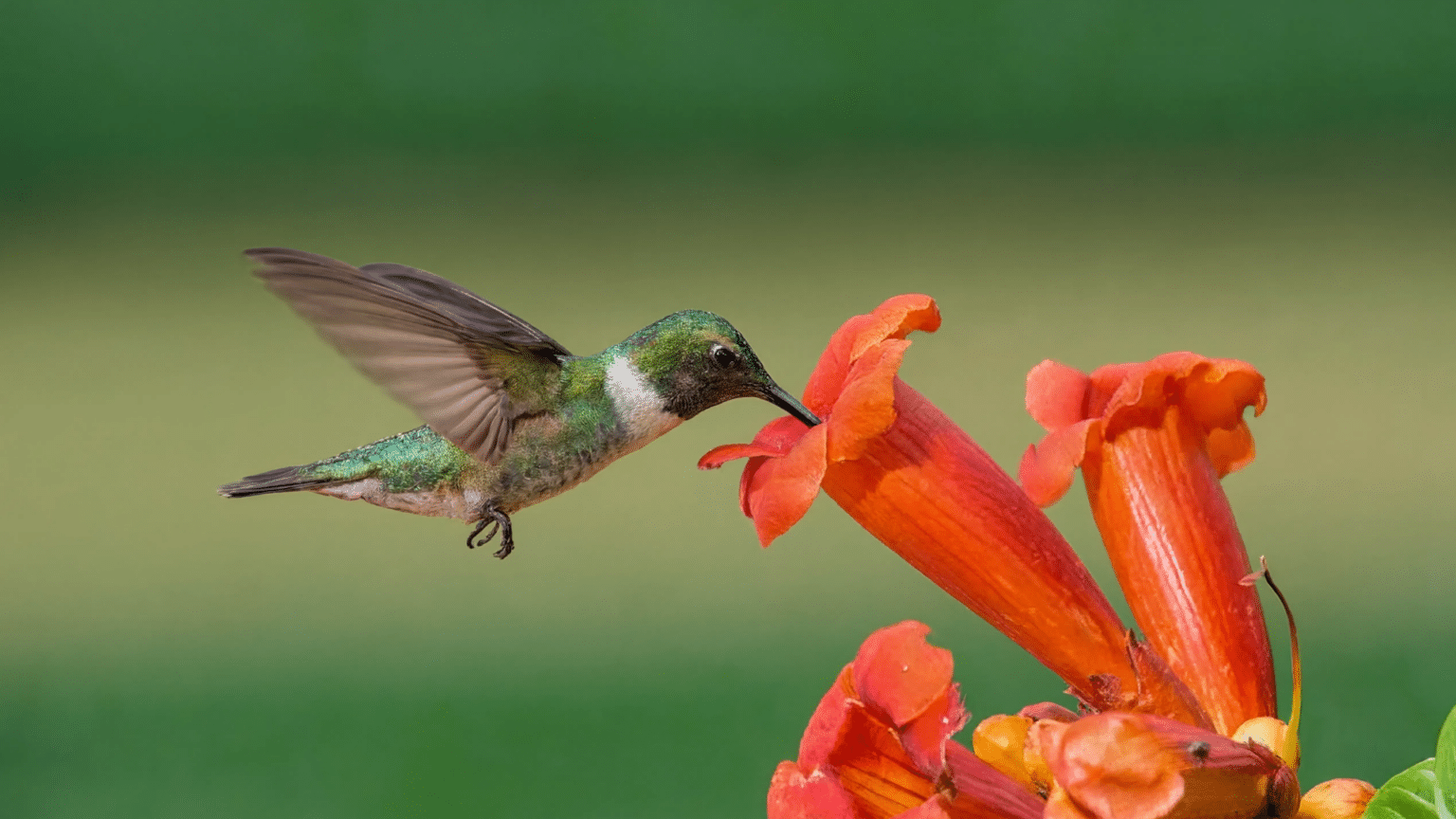
A hummingbird can beat its wings around 50 times per second while hovering, allowing it to reach flowers with incredible speed and precision.
These tiny birds spend much of their day searching for energy-rich nectar to support their active lifestyle.
The flowers they choose are not random.
Hummingbirds are naturally attracted to blooms that provide easy access to nectar, especially those with bright colors and tubular shapes that match their long bills and tongues.
So what flowers do hummingbirds like, exactly?
Mostly nectar-rich blooms with bright colors and tube-shaped petals built for a long, curved beak.
This guide will walk you through hummingbird-friendly flowers grouped by how you will actually use them.
What Makes a Flower Hummingbird-Friendly?
Not every colorful flower earns a hummingbird’s attention.
Before going into the list, it helps to know what these birds are actually looking for when they scan a garden.
When blooms run low, you can learn how to make a DIY hummingbird feeder to keep birds fed between flowering cycles.
Hummingbirds key in on a few specific traits: bright red, orange, or pink coloring, tubular or trumpet-shaped blooms that fit their long beaks.
Scent matters far less to them than it does to bees or butterflies, since their sense of smell is weak compared to their eyesight.
Plants That Attract Hummingbirds and Butterflies
These flowers offer nectar-rich, colorful blooms that pollinator gardens rely on to draw steady traffic from hummingbirds and butterflies.
They work especially well in garden beds, borders, and open wildlife plantings.
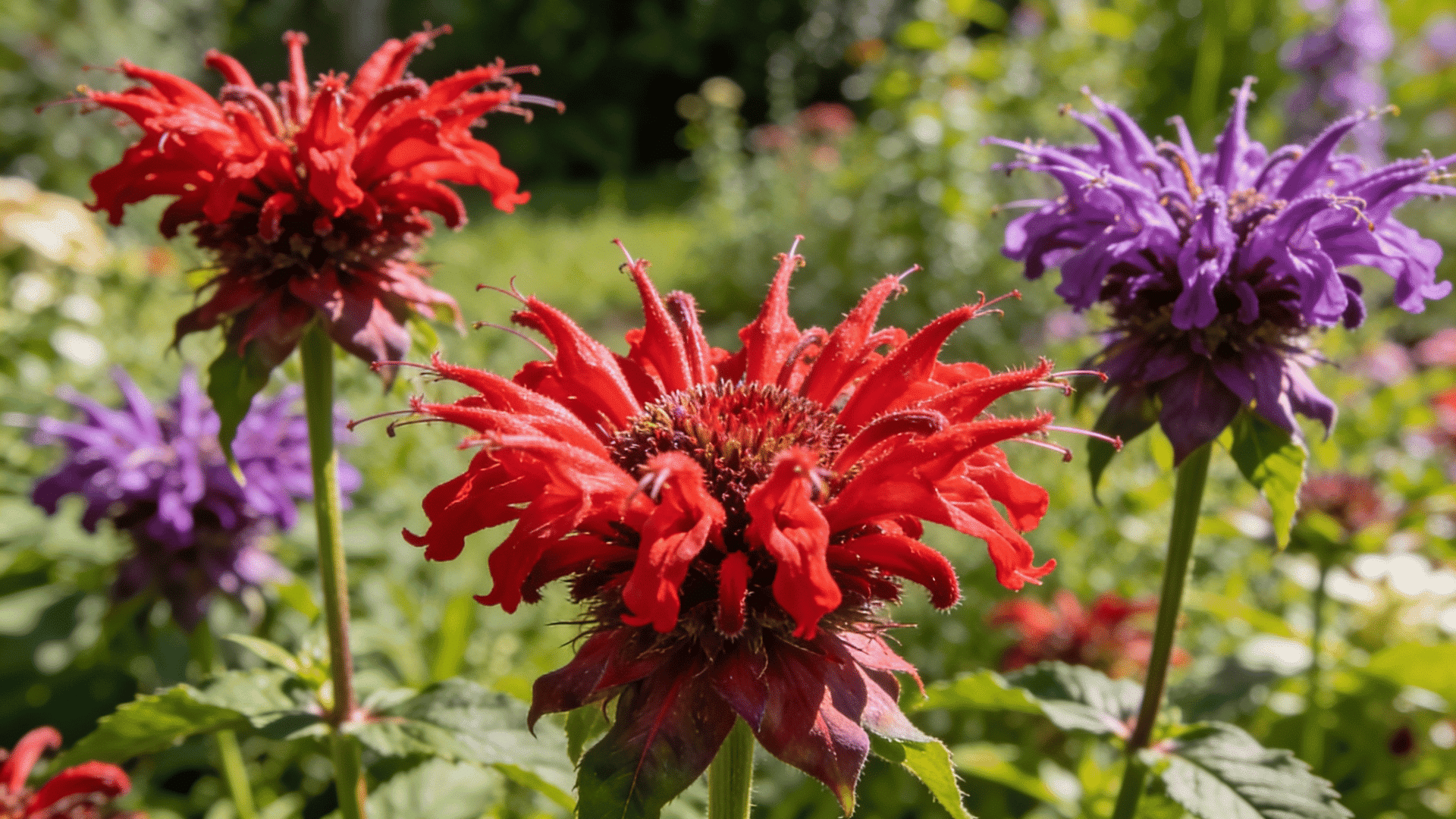
1. Bee Balm
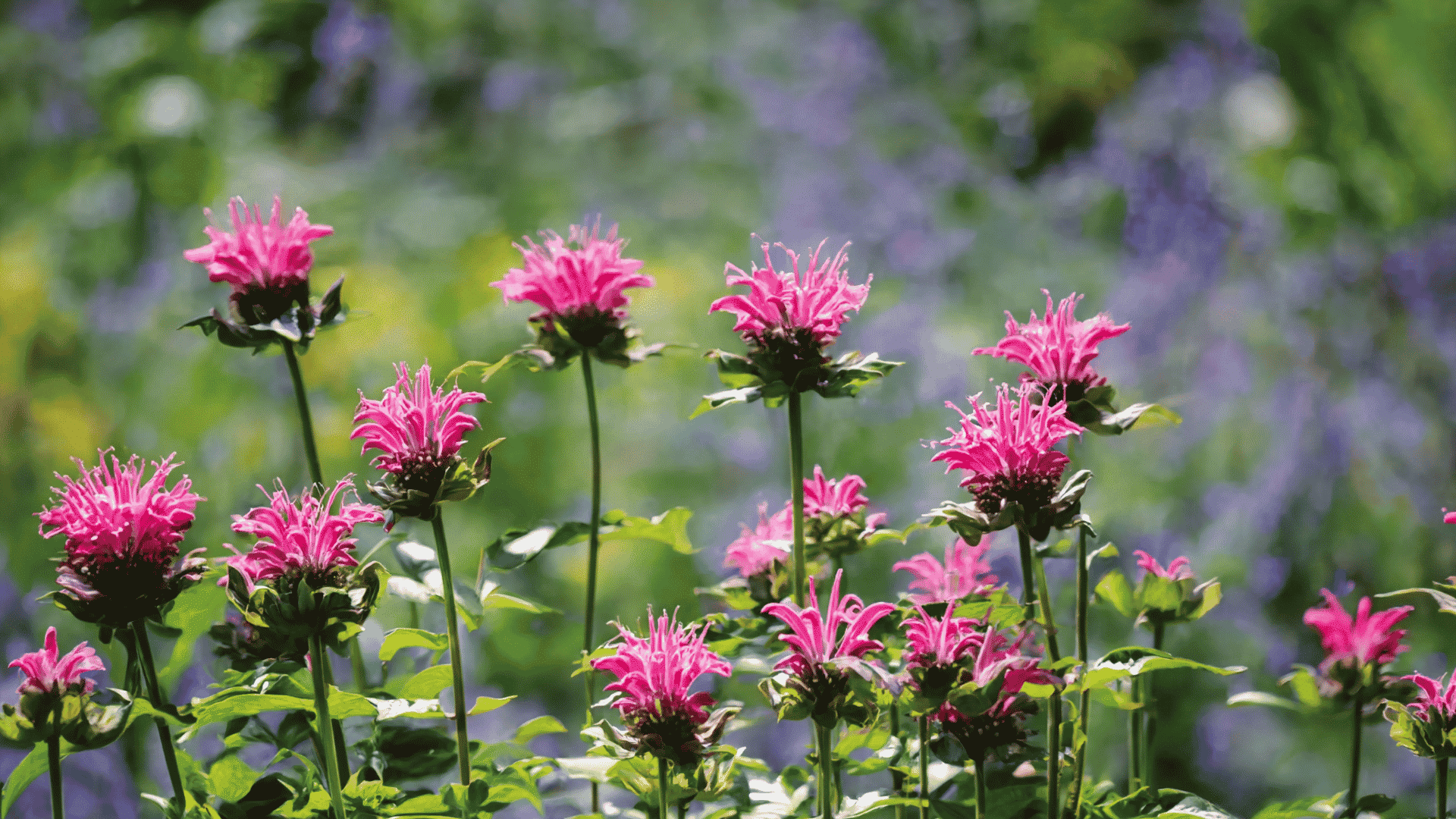
Bee balm produces bright, shaggy, tubular flowers in red, pink, or purple that sit right at the height hummingbirds prefer to feed.
The tube shape matches a hummingbird’s beak almost perfectly, giving them easy access to a steady supply of nectar.
Butterflies are drawn to the same clustered blooms, making bee balm a genuine two-for-one pollinator plant.
It also spreads readily in beds and borders, blooms for weeks in summer, and holds up well in average garden soil with minimal care.
- Size: 2–4 ft tall, 1–3 ft wide
- Zone: 4–9
2. Salvia
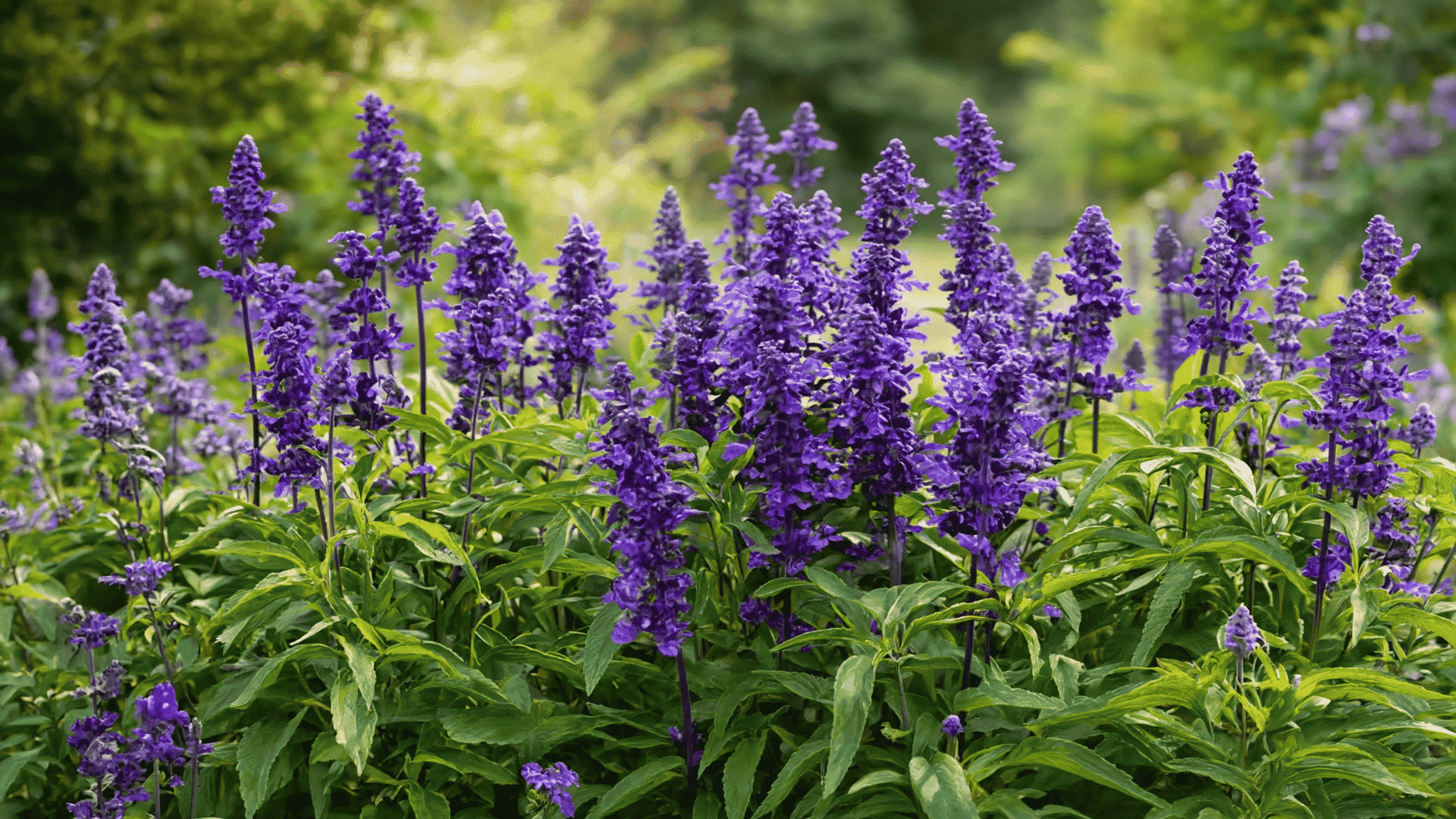
Salvia sends up long, narrow flower spikes packed with small tubular blooms that hummingbirds can feed from quickly without hovering long at each one.
The nectar output is consistent, and many salvia varieties bloom from late spring straight through the first frost.
That extended season makes it one of the more dependable choices for gardeners who want reliable hummingbird visits rather than a short burst of activity.
It also tolerates heat and dry spells better than many other nectar plants.
- Size: 2–4 ft tall, 1–2 ft wide
- Zone: 5–10
3. Lantana
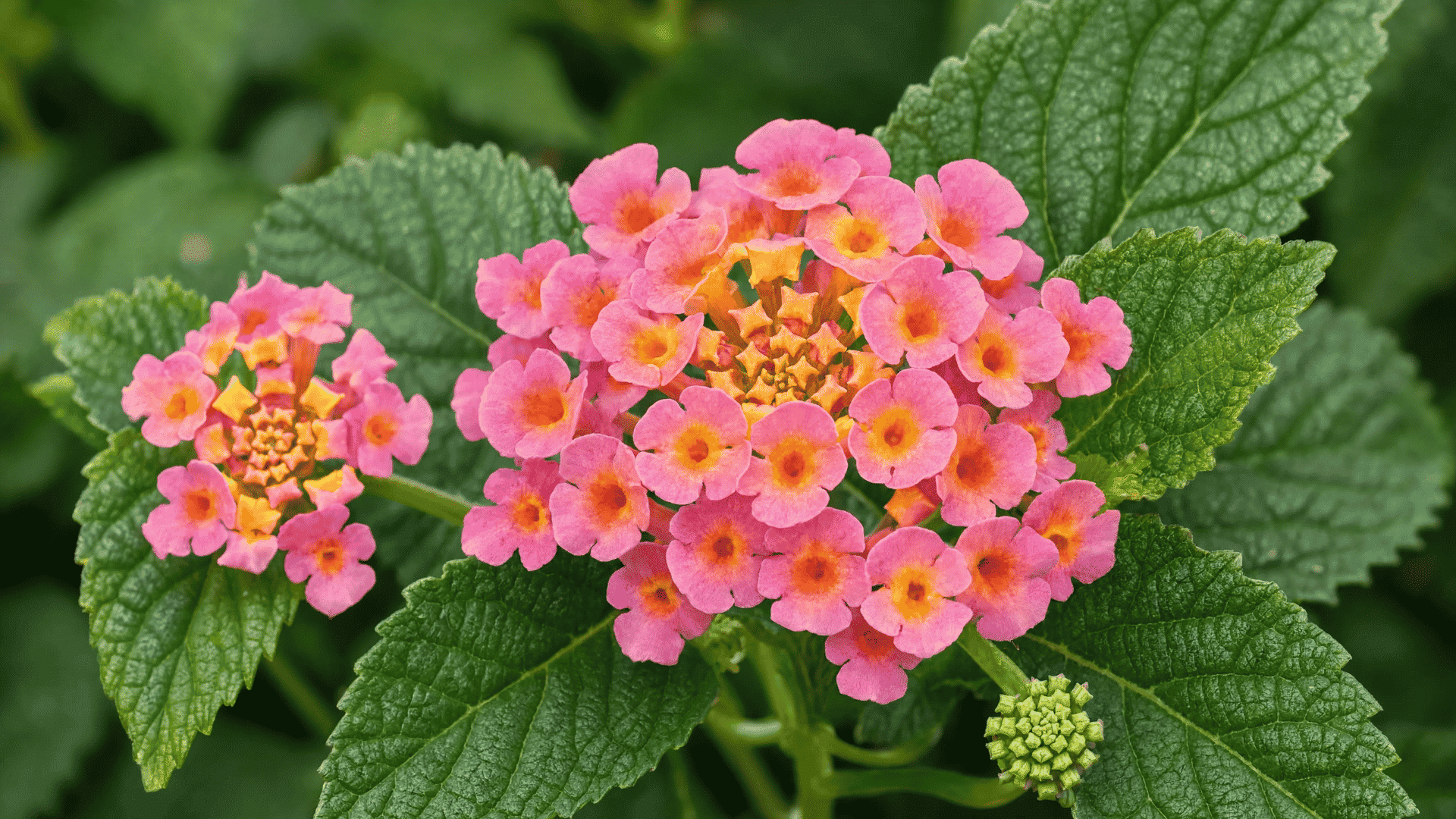
Lantana’s tight clusters of small, multicolored flowers act like a landing pad for butterflies while still offering enough individual nectar tubes to keep hummingbirds interested.
It blooms almost nonstop through warm months, which helps it hold pollinator attention longer than plants with shorter flowering windows.
Lantana also tolerates heat, drought, and poor soil far better than most flowering plants, making it a low-effort option for gardeners who want strong butterfly appeal alongside occasional hummingbird visits.
- Size: 2–4 ft tall, 3–4 ft wide
- Zone: 8–11 (grown as an annual in cooler zones)
4. Zinnia
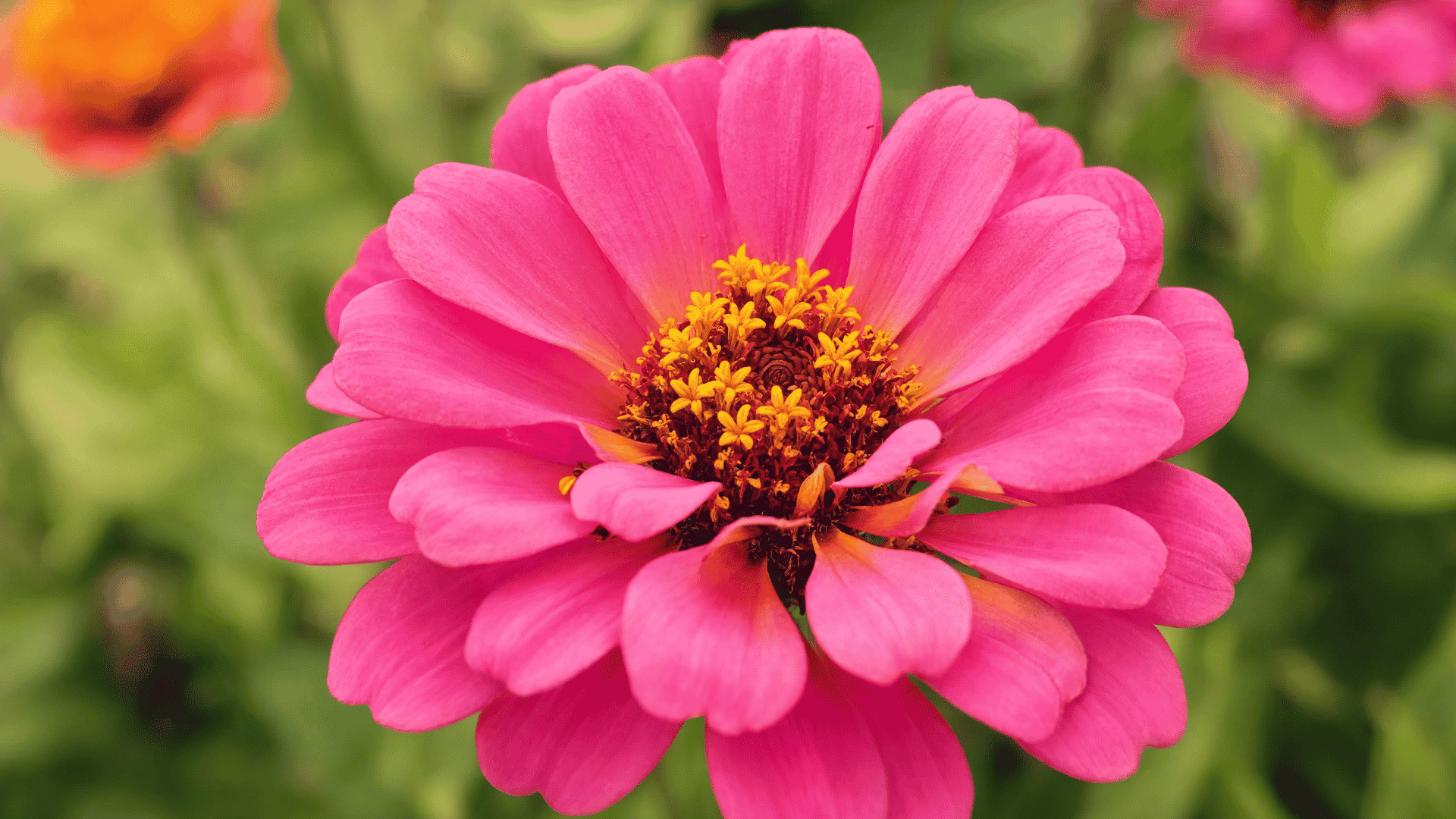
Zinnias are fast, easy annuals that bloom heavily from a single spring planting, making them a favorite for beginner gardeners.
Their flat, open flower heads are better suited to butterflies, which land and feed at leisure, but hummingbirds will still stop by for a quick sip when the blooms are fresh.
Bright colors like orange, pink, and red draw the most attention. Deadheading spent blooms keeps zinnias flowering steadily all summer long.
Starting a zinnia garden is one of the easiest ways to add lasting pollinator color.
- Size: 1–4 ft tall, 1–2 ft wide
- Zone: Annual, all zones
5. Phlox
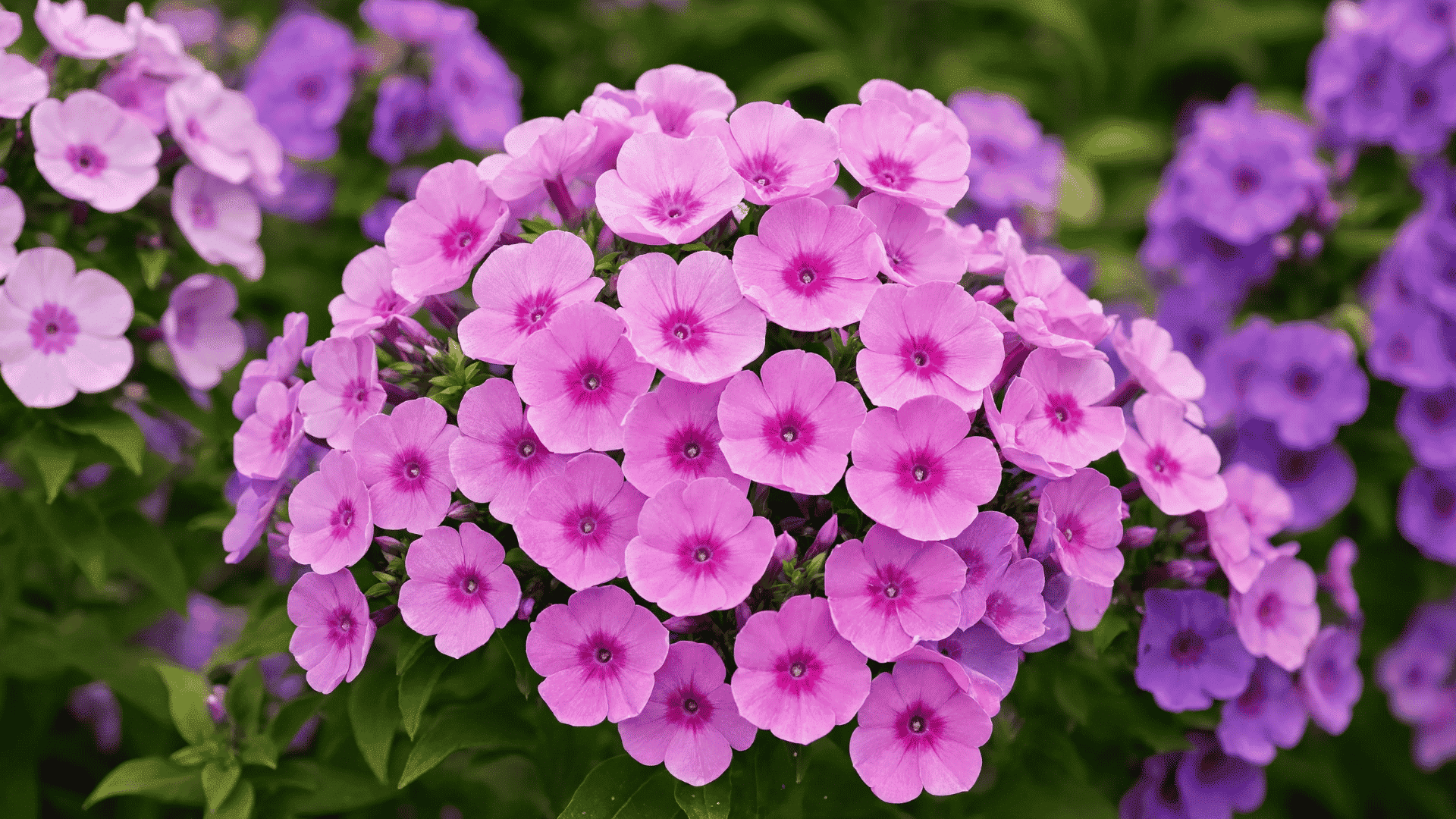
Phlox produces dense, fragrant flower clusters that release a strong scent alongside plenty of visible color, a combination that draws butterflies and hummingbirds from a distance.
The individual blooms are small but numerous, so a single plant can support a lot of feeding activity at once.
Garden phlox works especially well in mixed pollinator beds, where its scent and color help anchor the space and draw steady traffic through mid to late summer.
- Size: 2–4 ft tall, 2–3 ft wide
- Zone: 4–8
6. Agastache
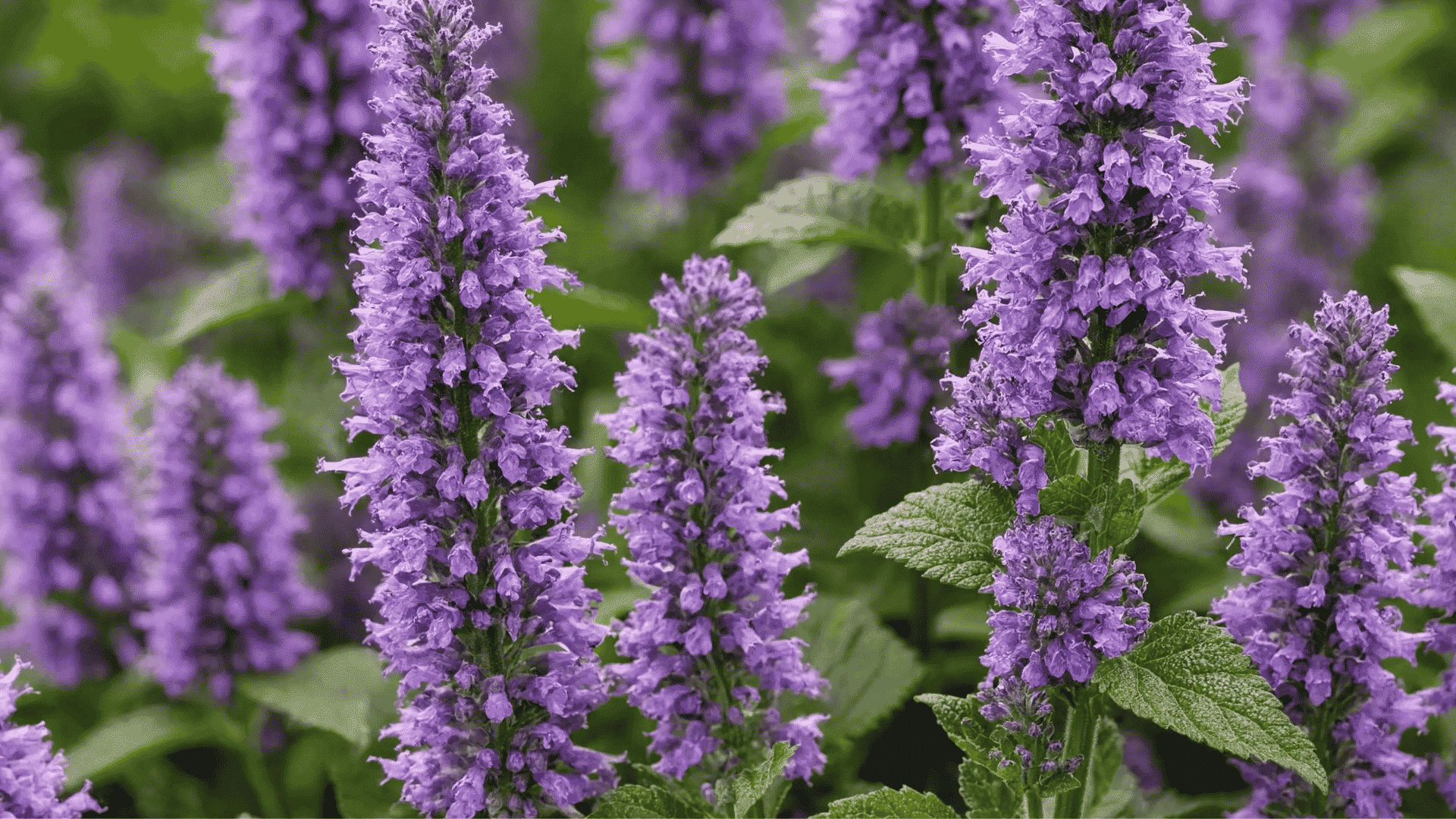
Agastache, often called hummingbird mint, sends up tall spikes covered in small tubular flowers that suit a hummingbird’s feeding style perfectly.
Crushing the minty foliage releases a strong scent that some gardeners use to help locate the plant in a crowded bed, though the flowers do the real work of attracting visitors.
It handles heat and drought well, blooms for an extended stretch, and pairs nicely with salvia and bee balm in a pollinator-focused layout.
- Size: 2–4 ft tall, 1–3 ft wide
- Zone: 5–10
7. Lupine
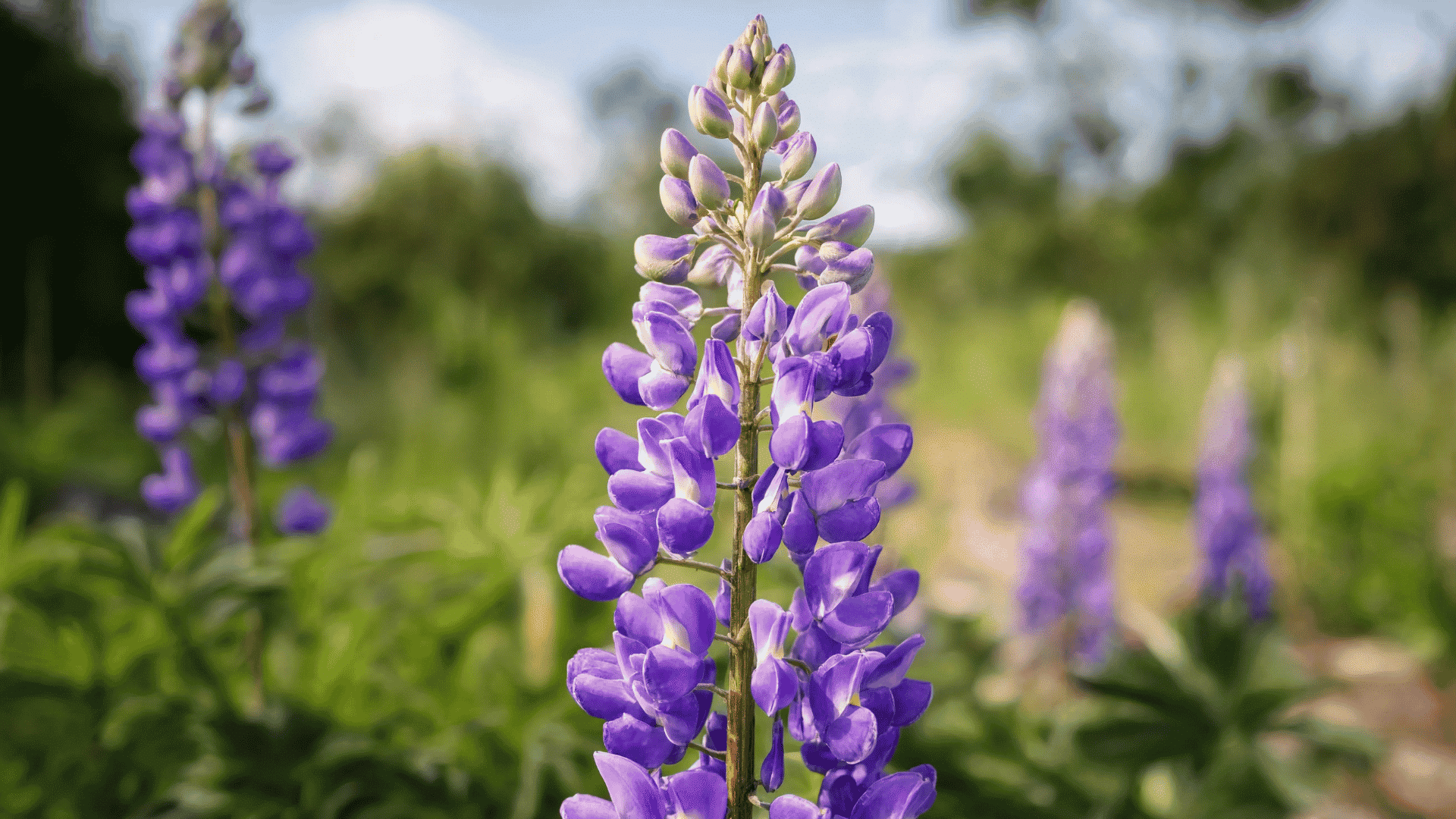
Lupine’s tall, colorful flower spikes rise well above most surrounding plants, making them easy for hummingbirds to spot as they fly past a garden bed.
Each spike holds dozens of small, pea-shaped flowers packed with nectar, which also attract bees and butterflies seeking an efficient feeding stop.
Lupine prefers cooler climates and well-drained soil, and it works best planted in groups where its height and color can stand out against lower, denser plantings.
- Size: 2–4 ft tall, 1–2 ft wide
- Zone: 4–8
Potted Plants That Attract Hummingbirds
Container-friendly flowers bring hummingbirds right to your patio, balcony, or window without needing a full garden bed. They’re easy to place, easy to move, and ideal for small or shaded spaces.
8. Fuchsia
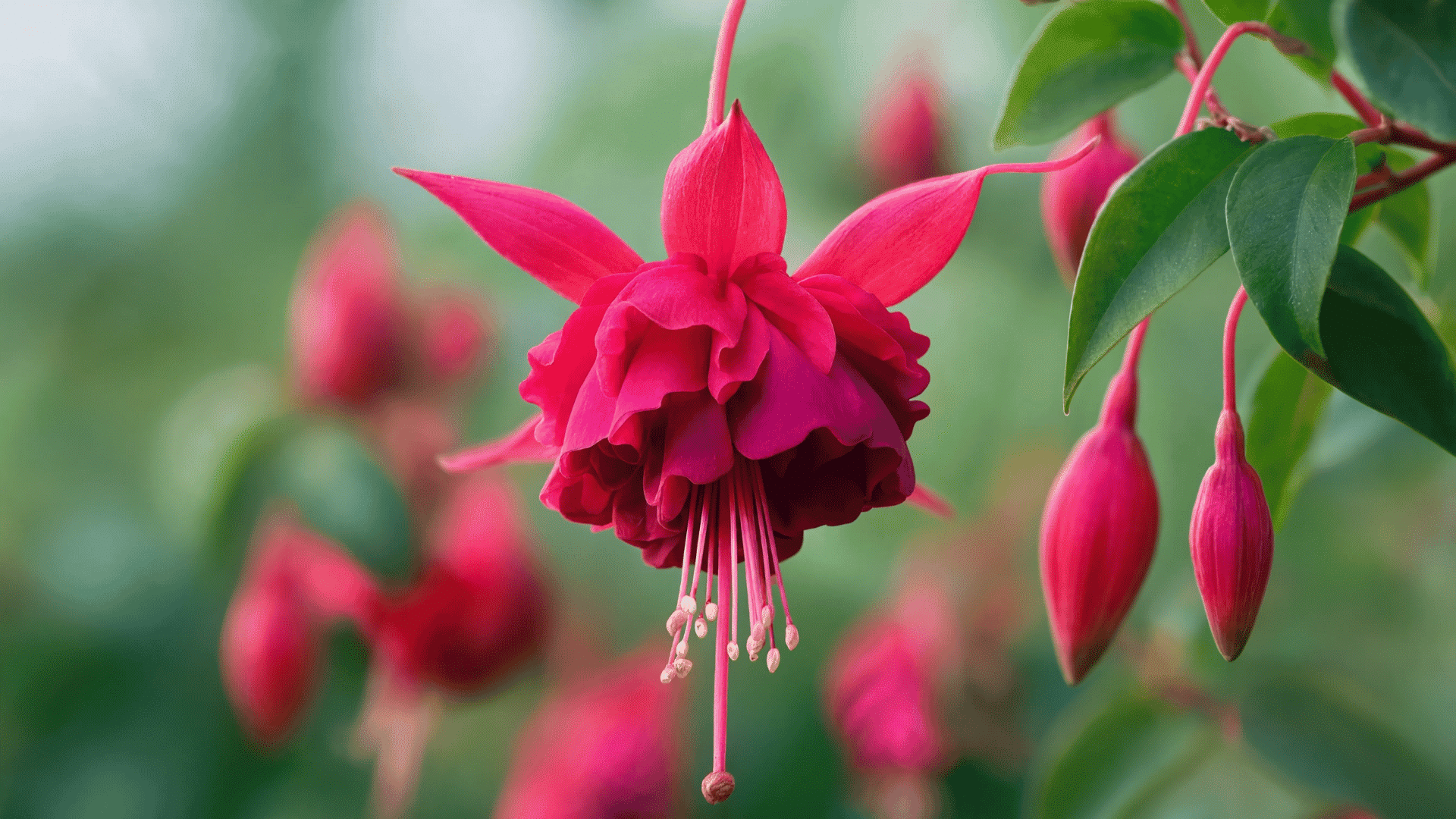
Fuchsia’s dangling, two-toned flowers are shaped almost exactly for a hovering hummingbird, with the blossom hanging downward so the bird can feed from below without landing.
It grows in hanging baskets, especially in partial shade where full sun would scorch its delicate petals.
It blooms continuously through summer as long as it gets regular watering, making it one of the most reliable container choices for gardeners who want consistent hummingbird traffic near a porch or window.
- Size: 1–3 ft tall, trailing or upright
- Zone: 9–11 (grown as an annual elsewhere)
9. Petunia
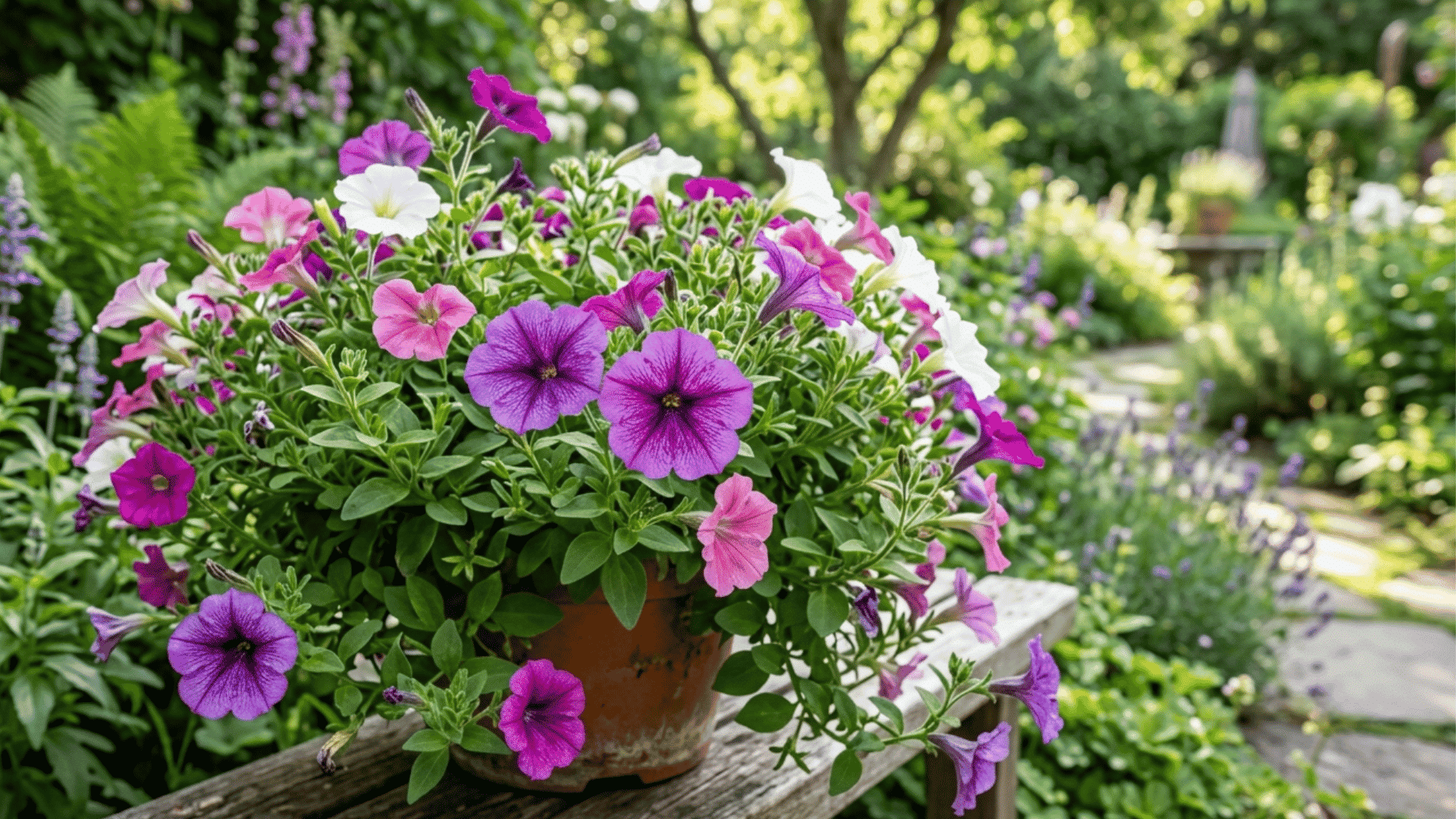
Petunias are one of the easiest container flowers to grow, tolerating heat, light neglect, and a wide range of soil conditions while still producing bright, trumpet-shaped blooms.
Hummingbirds can access the nectar at the base of each flower, and the sheer number of blooms on a single plant keeps visits frequent.
Regular deadheading extends the flowering period well into fall. Petunias work equally well in hanging baskets, window boxes, or simple patio pots.
- Size: 6–12 in tall, 1–3 ft spread
- Zone: Annual, all zones
10. Canna Lily
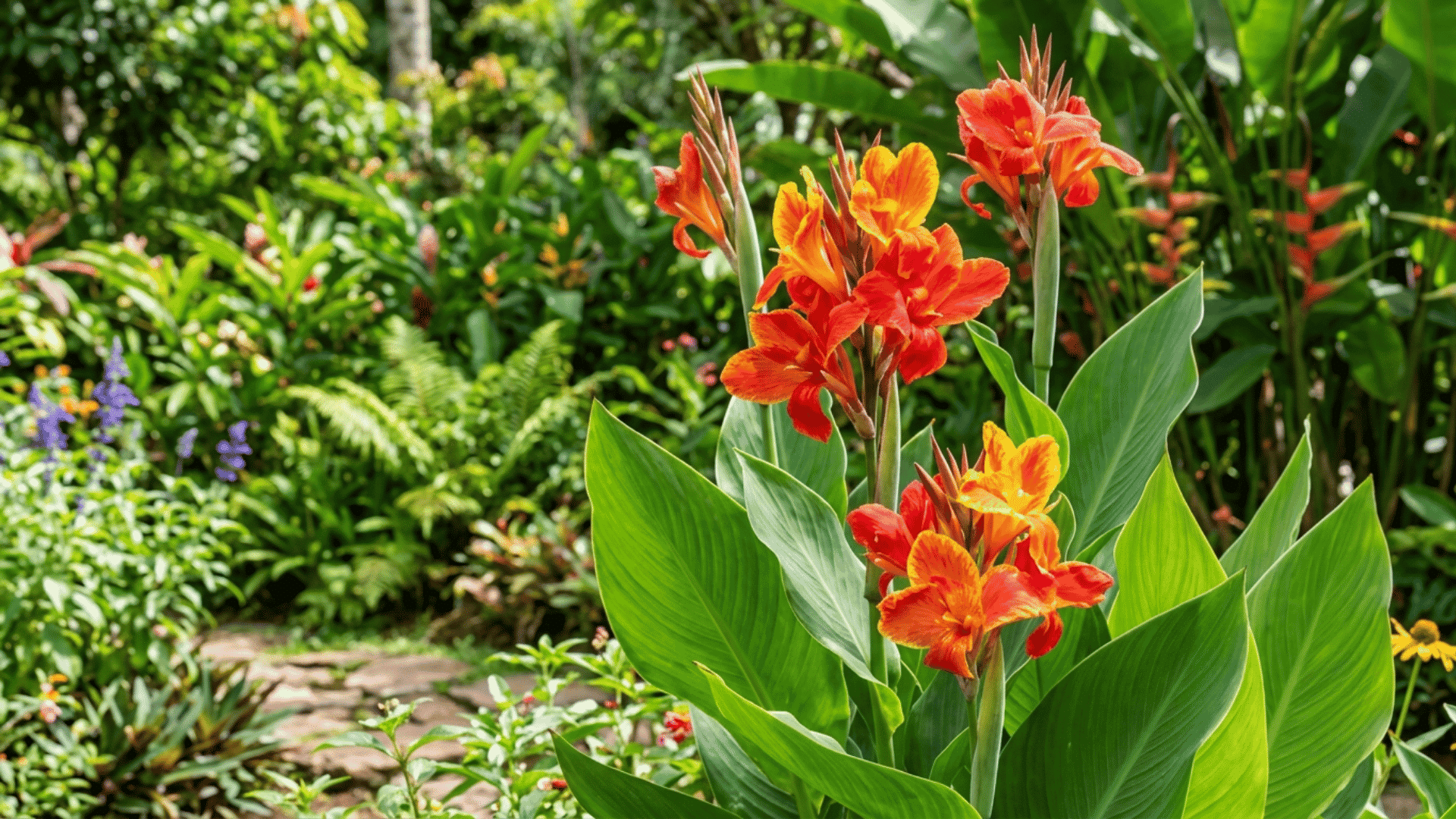
Canna lily brings bold, tropical-looking flowers in red, orange, and yellow that stand tall enough to catch a hummingbird’s attention from across a patio.
Because the plant grows large, it needs a bigger container than most potted flowers on this list, but the payoff is a dramatic display paired with steady nectar production.
It also handles heat and humidity well, making it a strong choice for gardeners in warmer climates who want a statement piece.
- Size: 3–6 ft tall, 1–2 ft wide
- Zone: 7–11
11. Firecracker Plant
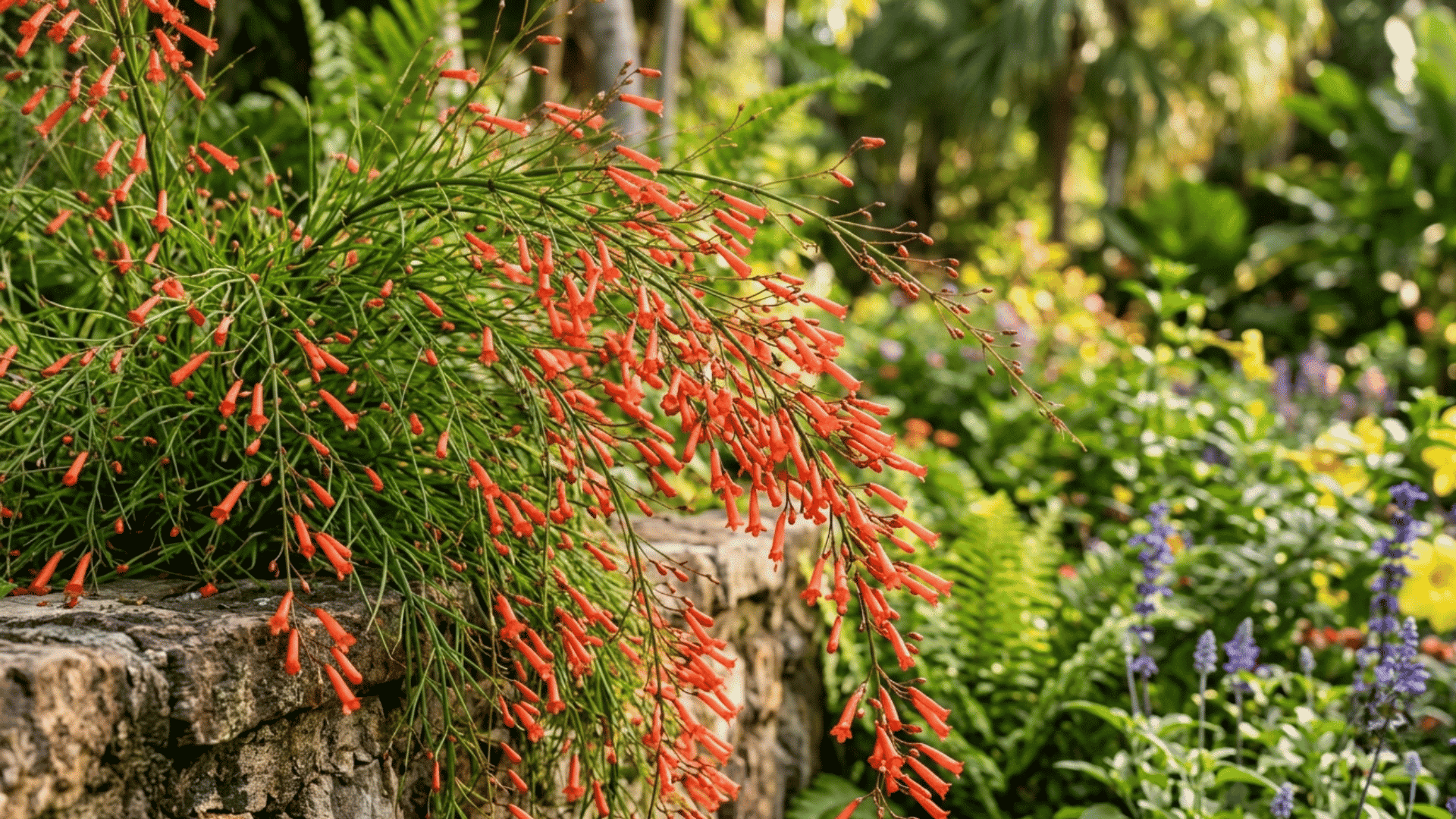
Firecracker plant gets its name from its narrow, red-orange tubular blooms that look almost custom-built for a hummingbird’s beak.
The flowers hang in small clusters and consistently produce nectar throughout the warm months, making this a dependable container option.
It tolerates part shade better than many sun-loving hummingbird flowers, which gives it flexibility on patios that do not get full sun all day.
Its compact growth habit makes it easy to tuck into smaller pots on crowded patios.
- Size: 2–4 ft tall and wide
- Zone: 9–11
12. Cuphea
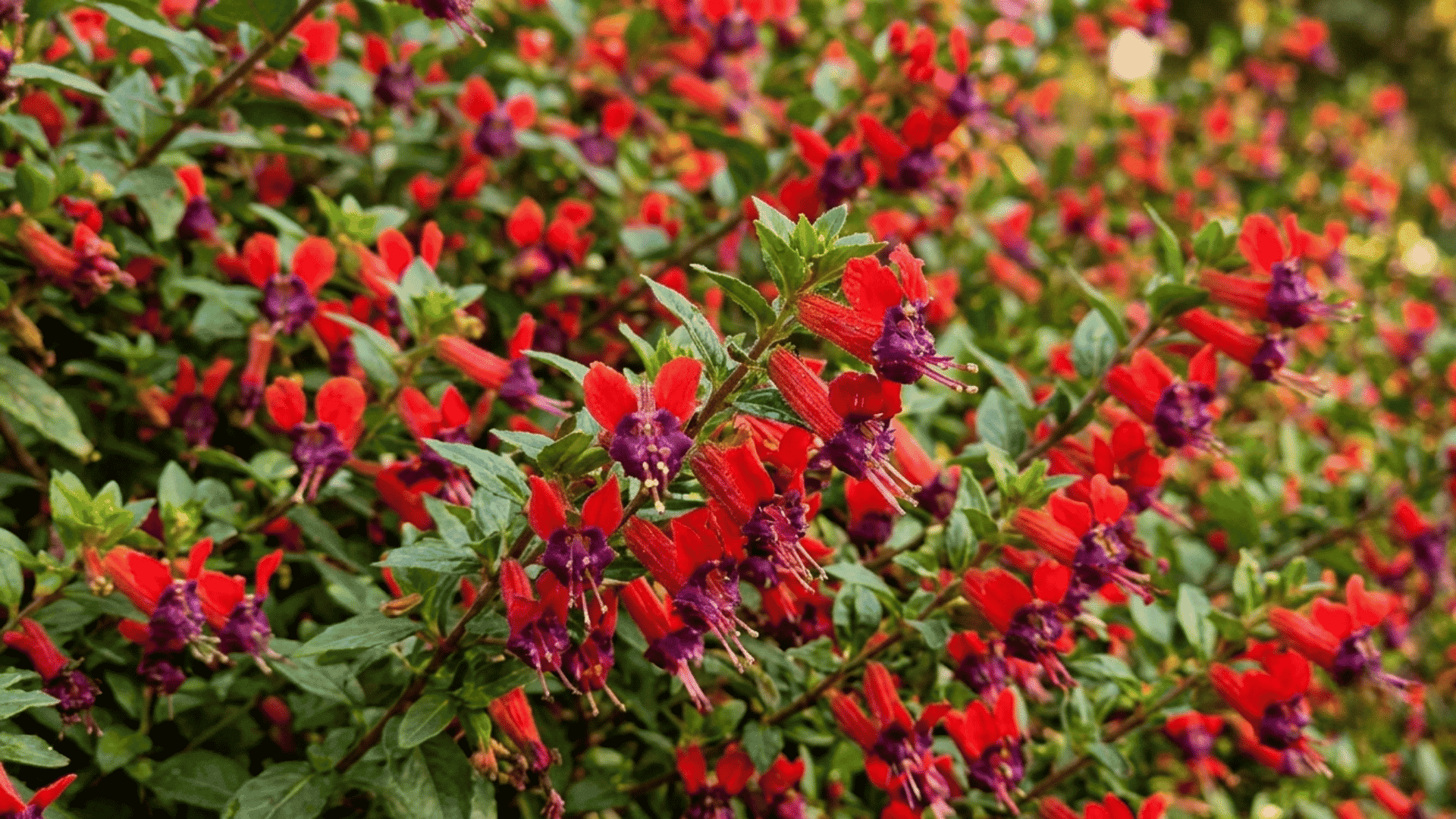
Cuphea, sometimes called the cigar plant, produces dozens of tiny tubular flowers per plant, giving hummingbirds many small feeding opportunities in a compact space.
It grows well in mixed containers alongside taller plants and tolerates heat better than most nectar flowers on this list.
It blooms nearly nonstop from late spring through fall, requiring little more than regular watering and occasional trimming to stay full and productive in a pot.
- Size: 1–2 ft tall and wide
- Zone: 9–11 (grown as an annual elsewhere)
13. Abutilon
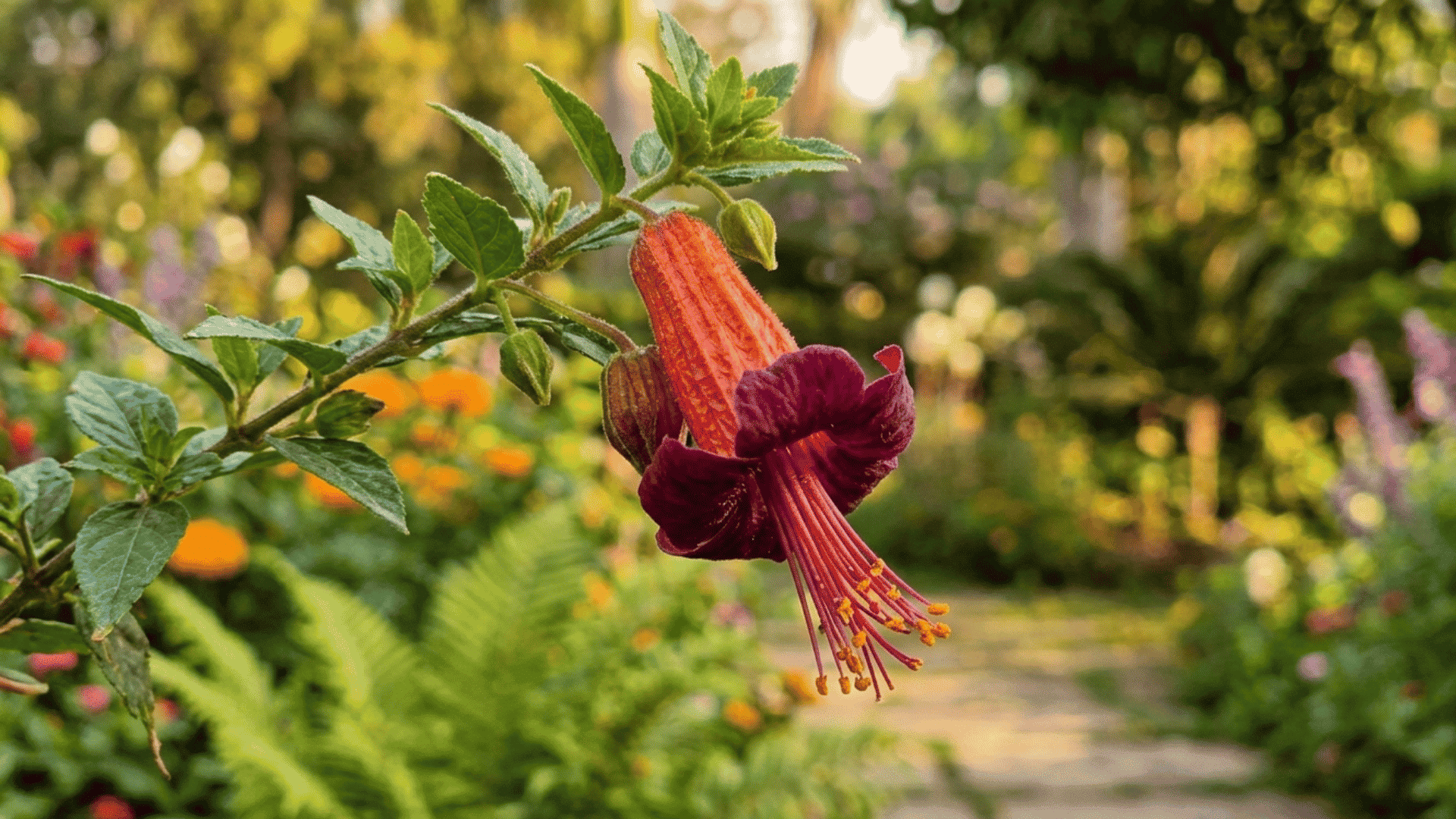
Abutilon, often called flowering maple, produces bell-shaped blooms in red, orange, and yellow that hang at an angle hummingbirds find easy to feed from.
It grows well in large patio containers and can reach a substantial size over a season, giving it more visual presence than smaller potted flowers.
These flowers prefer partial shade in hot climates and consistent moisture, rewarding that care with blooms that continue well into cooler fall weather.
- Size: 3–6 ft tall, 2–4 ft wide
- Zone: 8–10
14. Impatiens
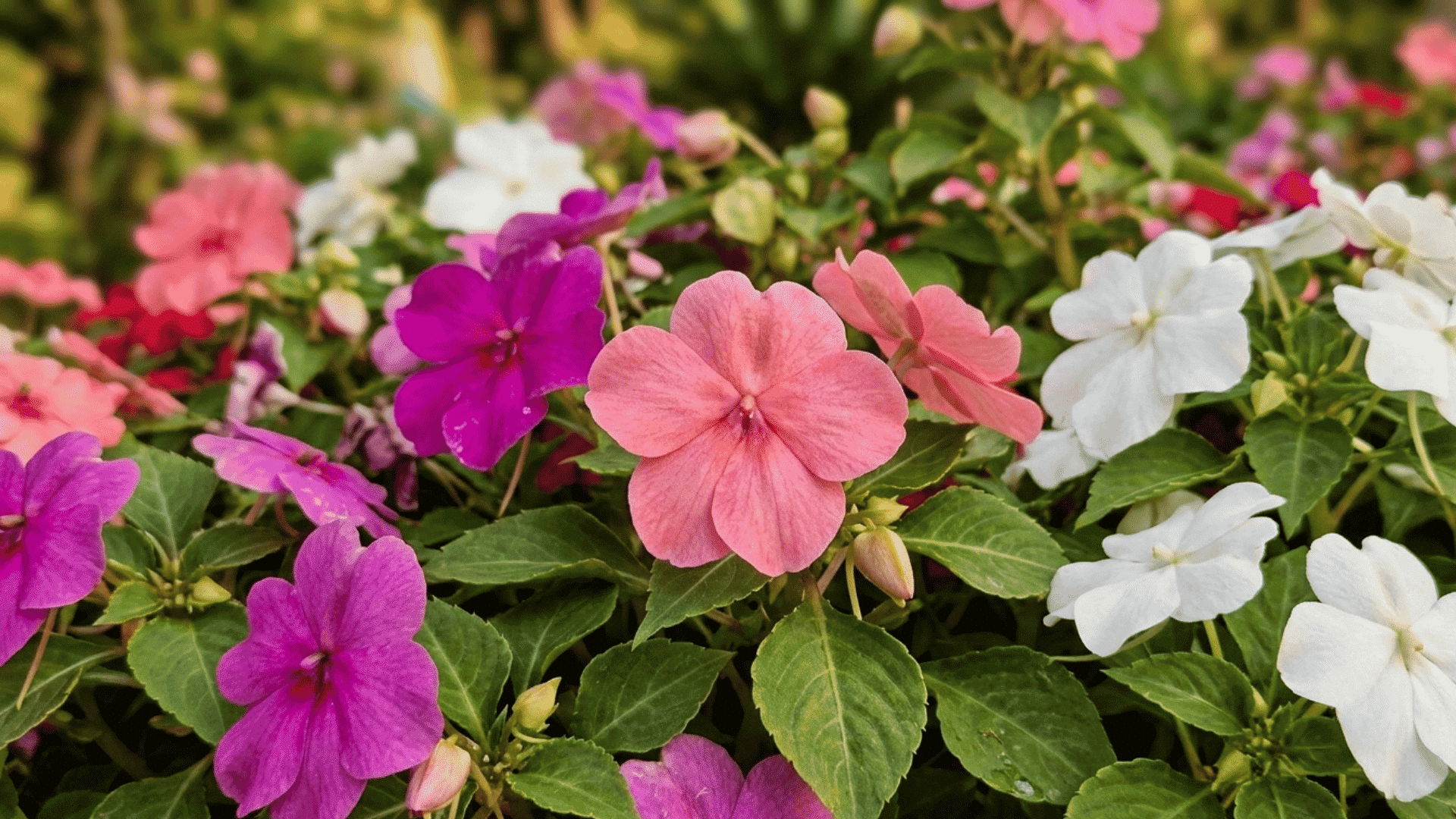
Impatiens fill shaded containers where many other hummingbird flowers struggle to bloom, offering steady color even on porches and patios with limited direct sun.
The flowers are smaller than most on this list, but a full pot produces enough combined nectar to attract regular visits.
They require consistent moisture to avoid wilting, and they respond quickly to watering, making them forgiving for gardeners who are still learning container care and eager for fast, reliable results.
- Size: 6–24 in tall, 1–2 ft wide
- Zone: Annual, all zones
Best Annual Flowers for Hummingbirds
Annuals grow and bloom fast, making them perfect for filling garden gaps with quick color and reliable nectar. Most establish within weeks and keep hummingbirds fed all season, even in a brand-new bed.
15. Cardinal Flower
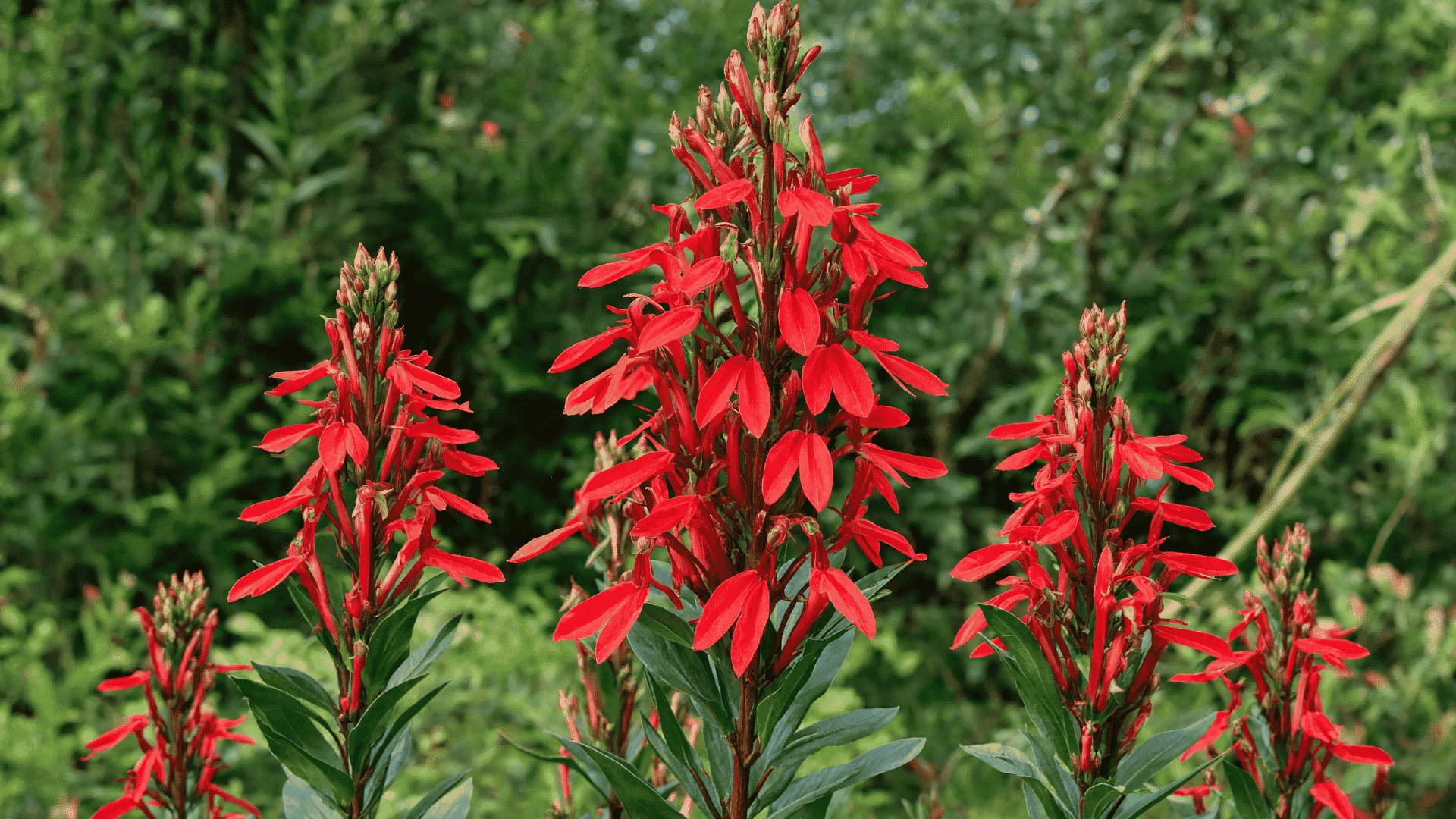
Cardinal flower produces tall spikes of intensely red, tubular blooms that are almost perfectly shaped for a hummingbird’s beak and feeding style.
It thrives in moist soil near ponds, streams, or well-watered garden beds, making it a strong choice for gardeners with damp spots that other flowers struggle to fill.
The vivid color draws hummingbirds from a distance, and its height adds vertical interest to beds that need a strong focal point.
- Size: 2–4 ft tall, 1–2 ft wide
- Zone: 3–9
16. Scarlet Sage
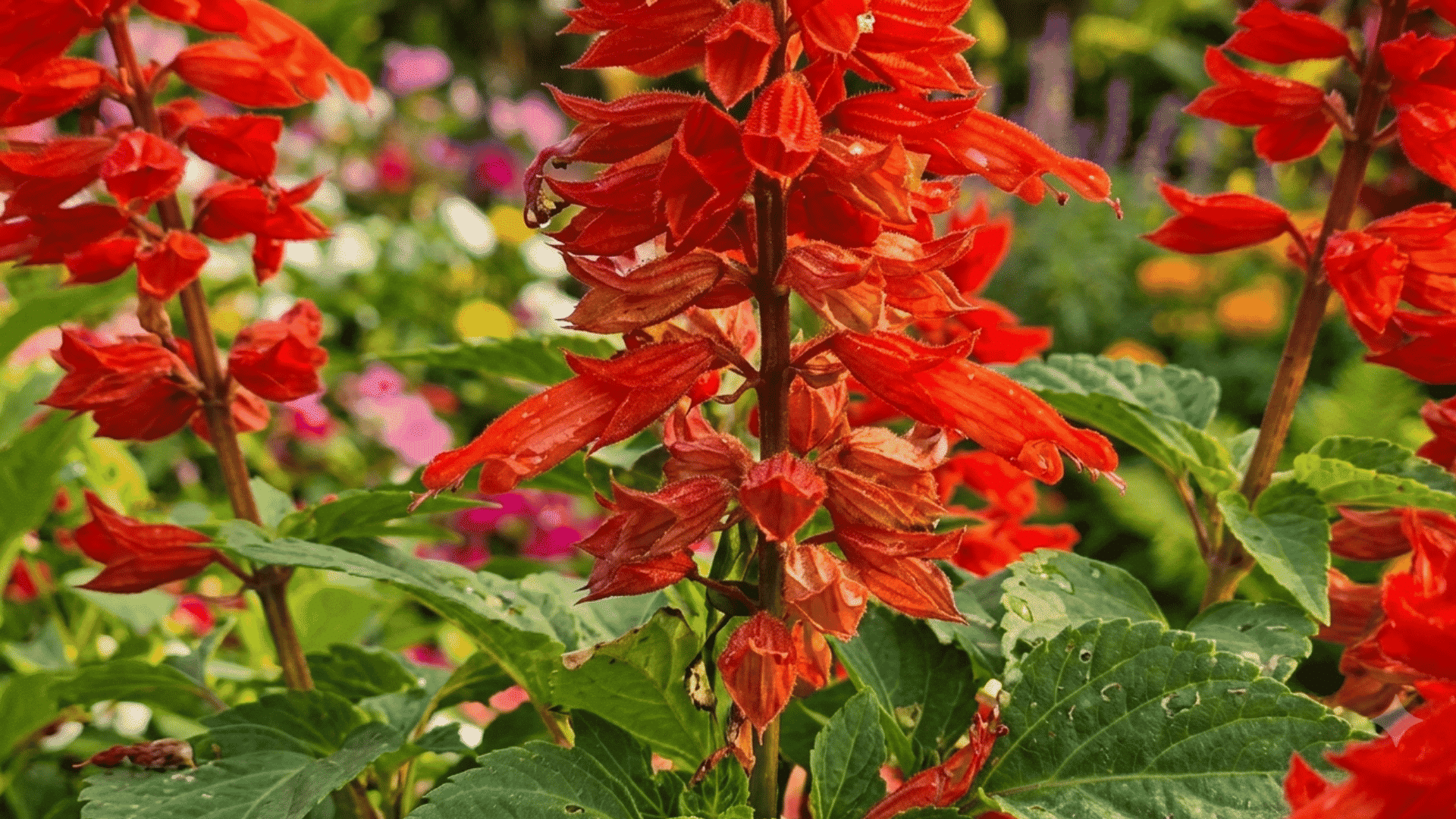
Scarlet sage produces upright spikes of bright red tubular flowers that bloom heavily from a single seasonal planting, making it one of the most reliable annuals on this list.
It handles heat well and continues to flower through the hottest part of summer, when some other plants slow down.
Scarlet sage works nicely massed together in beds, where the repeated color pattern helps hummingbirds spot the planting from farther away, especially when paired with other red or orange blooms nearby.
- Size: 1–3 ft tall, 1 ft wide
- Zone: Annual, all zones (perennial in 10–11)
17. Morning Glory
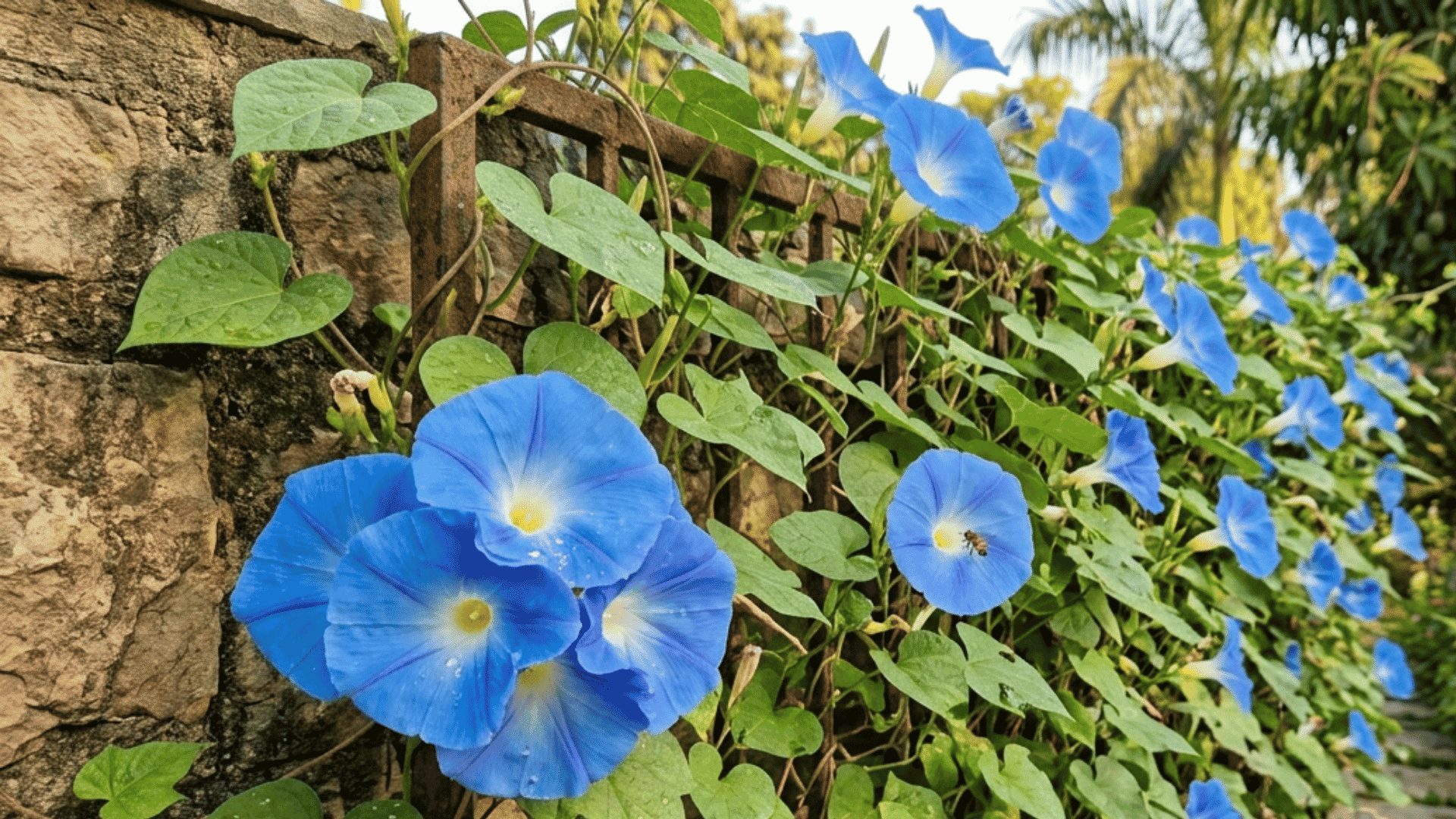
Morning glory’s trumpet-shaped flowers open wide enough for a hummingbird to feed easily while hovering, and the vine’s climbing habit makes it a good fit for trellises, fences, or arbors.
Blooms typically open in the early morning and close by the afternoon, so hummingbird visits cluster heavily in the first few hours of daylight.
It grows quickly from seed and can cover a large vertical space within a single summer season.
- Size: Climbing vine, 6–15 ft long
- Zone: Annual, all zones
18. Nasturtium
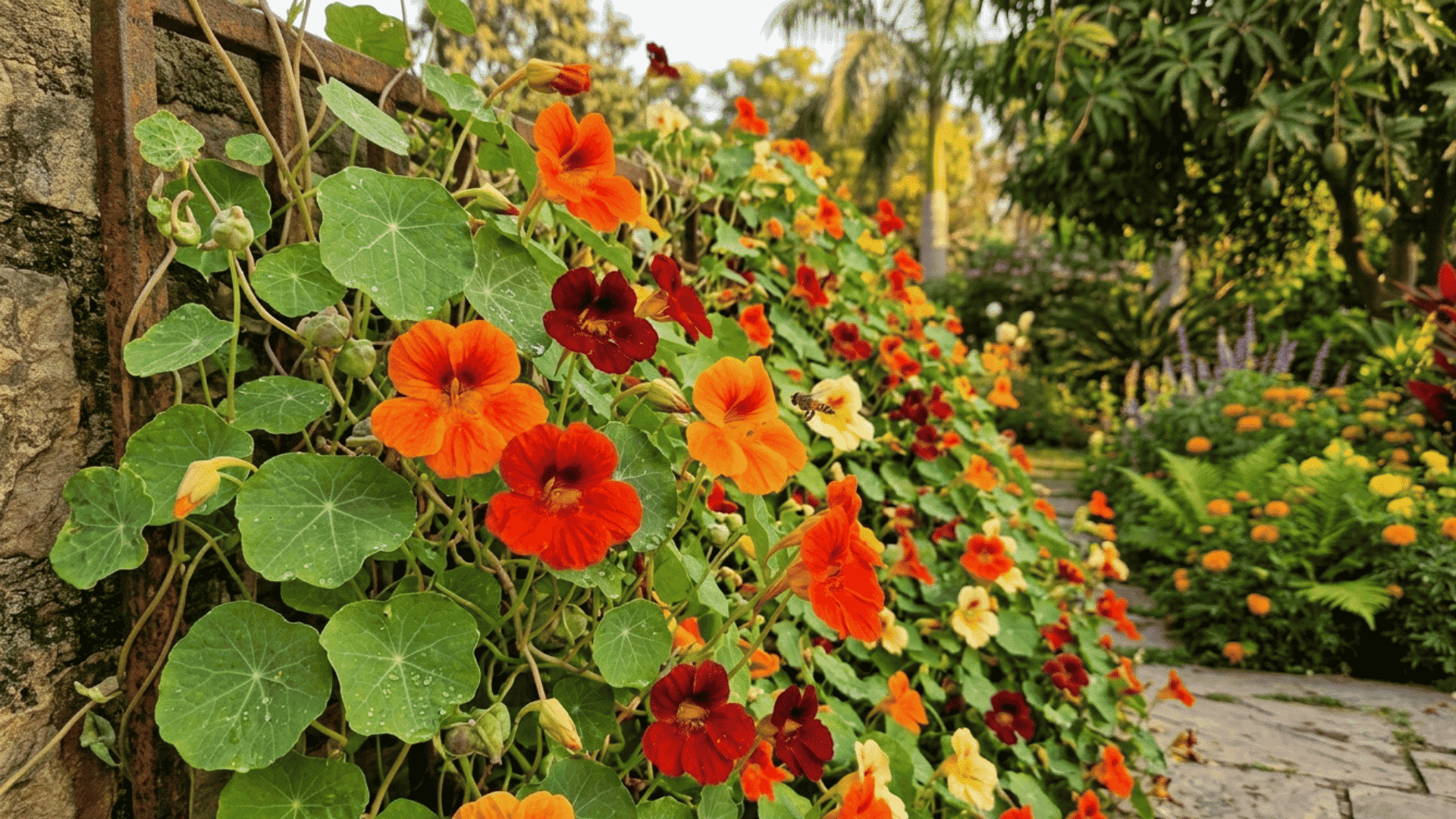
Nasturtium offers bright, funnel-shaped flowers in red, orange, and yellow that hummingbirds can access easily, and the entire plant requires almost no maintenance once established.
It tolerates poor soil better than most flowering plants and actually blooms more heavily when not overfed.
As a bonus, both the flowers and leaves are edible, adding a practical garden use beyond attracting hummingbirds and other pollinators throughout the growing season, making it popular in vegetable garden borders too.
- Size: 1–3 ft trailing or bushy
- Zone: Annual, all zones
19. Snapdragon
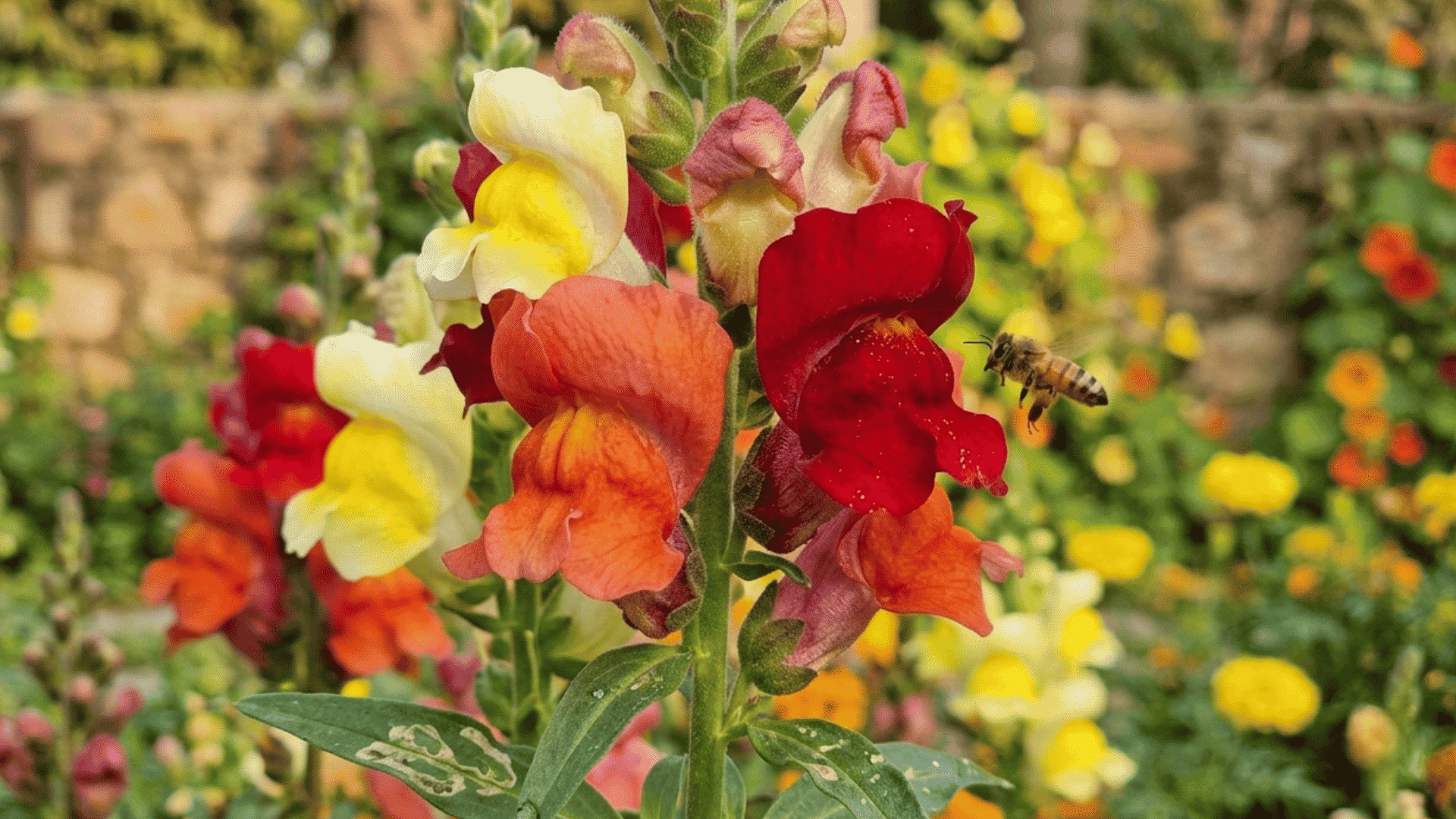
Snapdragons produce colorful, closely packed flower spikes that work well mixed into annual beds alongside other nectar-rich plants.
While bees are their primary pollinator due to the flower’s snap-hinge shape, hummingbirds will still visit for the nectar hidden inside, especially when snapdragons are planted in large groupings.
They tolerate cooler weather better than many summer annuals, extending the bloom season into early fall in most climates
- Size: 6 in–3 ft tall, 1 ft wide
- Zone: Annual, all zones (perennial in 7–10)
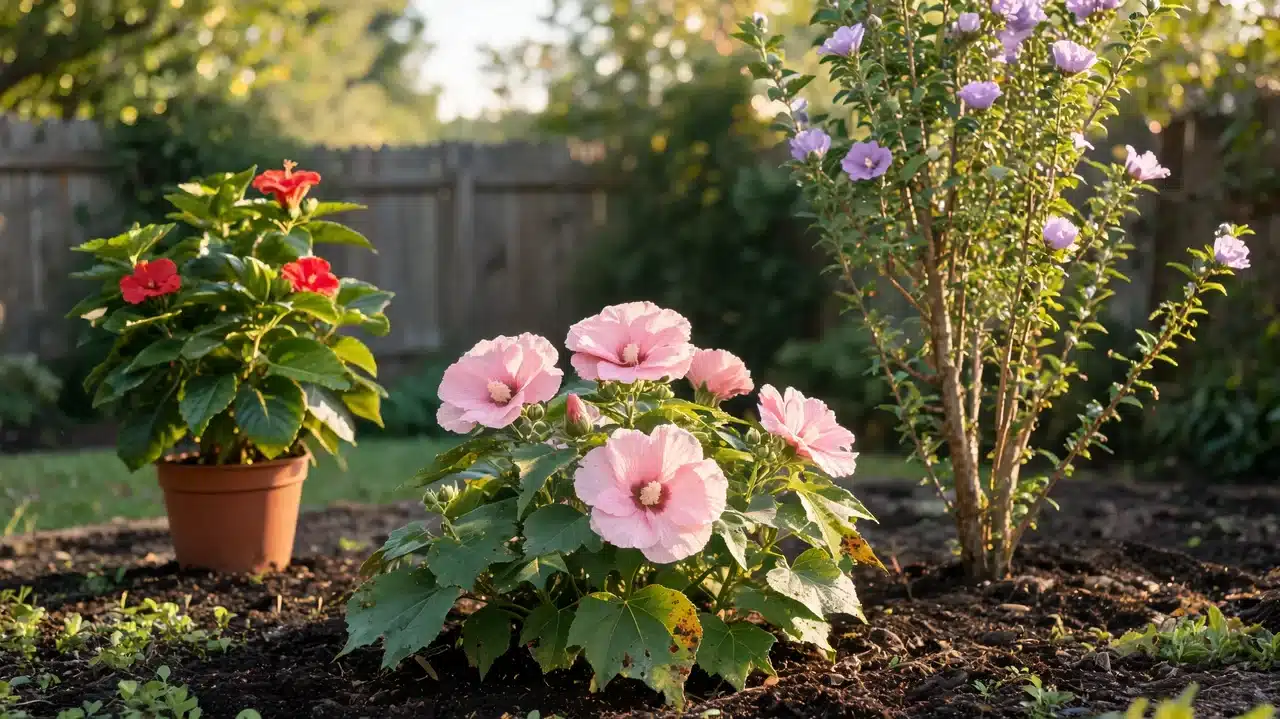
20. Hollyhock
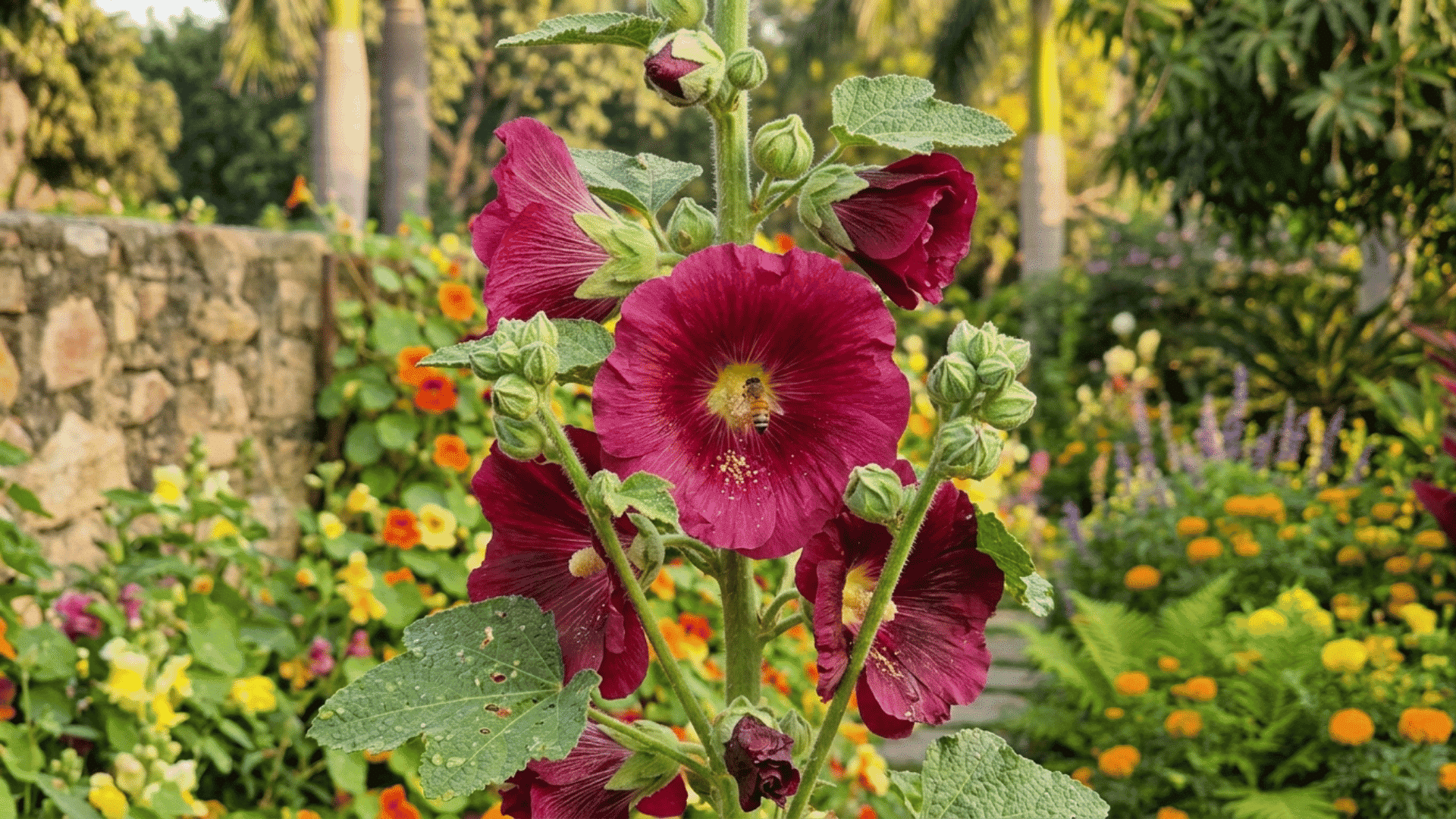
Hollyhock’s tall, upright stalks, sometimes reaching six feet or more, are lined with large, open flowers that give hummingbirds easy access without much hovering.
The height makes hollyhock a strong backdrop plant, ideal for lining fences or the back of a garden bed.
It fits naturally into cottage-style gardens, where its old-fashioned look pairs well with other classic nectar plants like lupine and phlox, adding height and structure to an otherwise low-growing bed.
- Size: 5–8 ft tall, 1–2 ft wide
- Zone: 3–8
21. Jewelweed
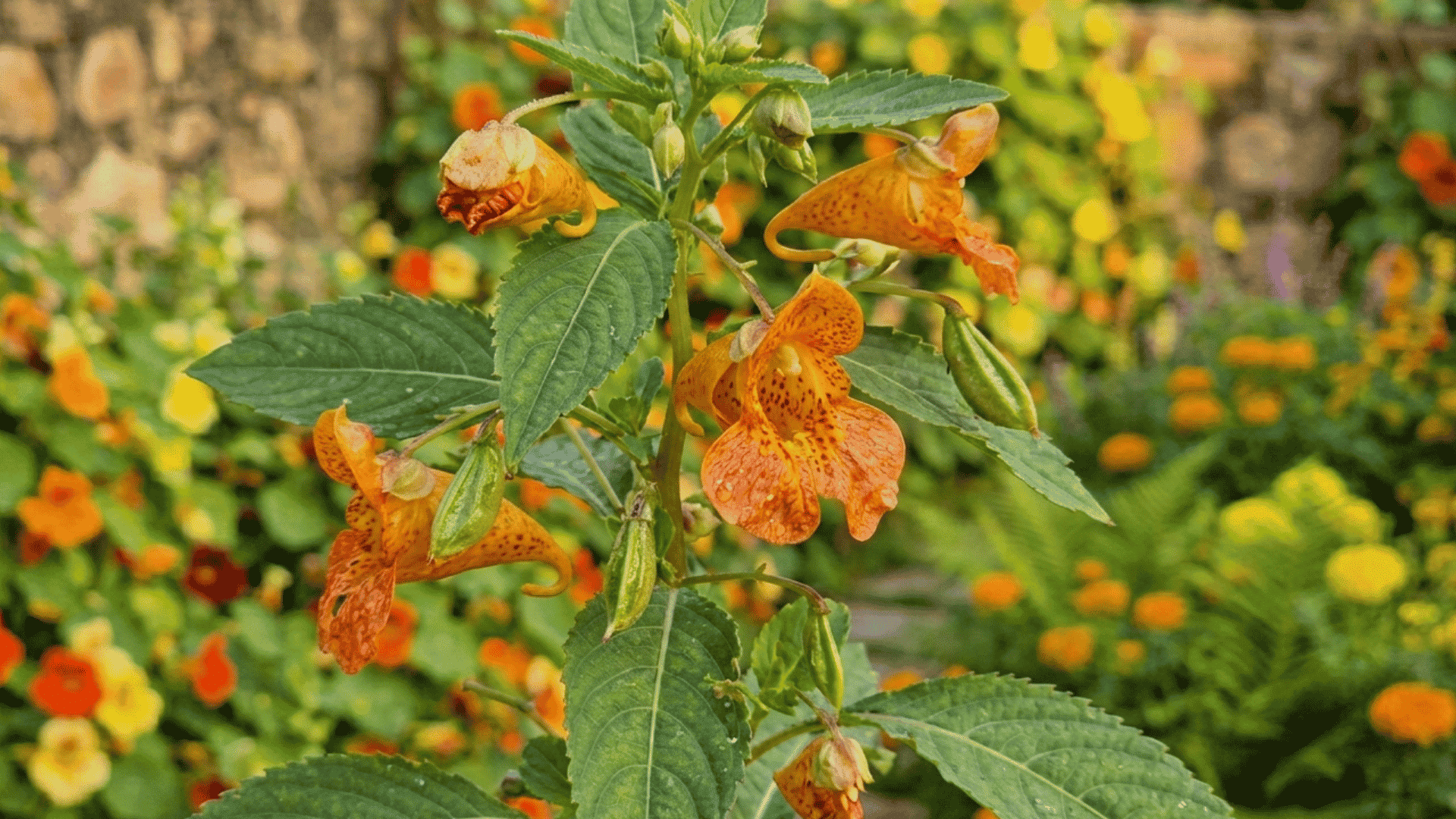
Jewelweed produces small, orange, tubular flowers that thrive in moist, shaded areas where many other hummingbird plants would struggle to survive.
It grows wild along streams and woodland edges, making it a natural choice for gardeners looking to fill damp, low-light spots.
Because it self-seeds readily, jewelweed often returns year after year without replanting, offering a low-effort nectar source in naturalized garden areas and shaded wildlife corners that other flowers tend to avoid.
- Size: 2–5 ft tall, 1–2 ft wide
- Zone: 2–11 (native annual, widespread)
What Flowers Do Hummingbirds Avoid?
Hummingbirds usually avoid flowers that do not provide easy access to nectar, offer poor nutrition, or have shapes that make feeding difficult.
While they are attracted to bright, nectar-rich blooms, some plants are less appealing because of their structure, scent, or limited food value.
- Heavily scented flowers: Strong fragrances may attract other pollinators but are not a major factor for hummingbirds.
- Double-flowered varieties: Dense petals can block access to nectar.
- Low-nectar plants: Flowers with little or no nectar provide less incentive to visit.
- Hanging downward blooms: Some shapes make it harder for hummingbirds to feed.
Do Hummingbirds Like Roses?
No, hummingbirds do not usually prefer roses because these flowers are not designed for their feeding habits.
These birds are attracted to tubular flowers that hold accessible nectar and allow their long bills and tongues to reach the food source easily.
Roses have wide, open petals and often produce limited nectar, especially modern hybrid varieties bred for appearance rather than pollinator value.
While hummingbirds may visit rose bushes to look for insects or briefly inspect the blooms, they rarely use roses as a major food source.
If you grow roses, adding nectar-rich plants like salvia, bee balm, or trumpet vine nearby can make your garden more appealing to hummingbirds.
Tips for Choosing the Right Hummingbird Flowers for Your Space
Picking the right hummingbird flowers depends on more than color alone. Consider these factors before deciding what to plant in your specific space.
- Garden size: Larger yards can support sprawling perennial beds, while smaller spaces do better with compact or vertical-growing flowers.
- Sun exposure: Match flower choices to actual light levels, since sun-loving plants like salvia struggle in heavy shade.
- Containers: If you lack garden beds, prioritize varieties like fuchsia and petunia bred specifically for pots and hanging baskets.
- Bloom time: Combine early to mid-season and late-season flowers so nectar remains available throughout spring, summer, and fall.
- Native plants: Regional native species often support local hummingbird populations better than exotic imports from distant climates.
- Maintenance: Choose lower-maintenance options like lantana or nasturtium if you want reliable blooms without frequent hands-on care.
Conclusion
The answer to what flowers do hummingbirds like really comes down to your space, climate, and how much upkeep you want to do.
A wildlife-friendly bed benefits from bee balm and salvia, a patio setup does better with fuchsia and petunia, and a fresh garden gap fills in fast with scarlet sage or nasturtium.
Mixing categories rather than sticking to one type gives hummingbirds a more consistent reason to visit through spring, summer, and fall.
Pair strong flower choices with a water source, chemical-free care, and clustered plantings for the best results.
Which of these flowers are you planting first? Drop a comment and let us know what’s already growing in your garden.
Frequently Asked Questions
Do Hummingbirds Prefer Flowers over Feeders?
Given a choice, hummingbirds usually prefer real flowers because nectar quality and scent cues are stronger. Feeders work as a backup food source, especially in early spring or late fall when blooms are scarce.
How Long Does It Take for New Flowers to Start Attracting Hummingbirds?
Hummingbirds can find a fresh nectar source within days if it’s near an existing feeding route. Establishing a reliable, repeat-visiting pattern usually takes two to three weeks of consistent blooming.
Can Hummingbirds See Flower Colors Like Blue and White?
Hummingbirds see color well but are drawn far less to blue, white, and pale pastel flowers. They’re most sensitive to red, orange, and pink wavelengths, which is why those colors dominate hummingbird-favorite lists.