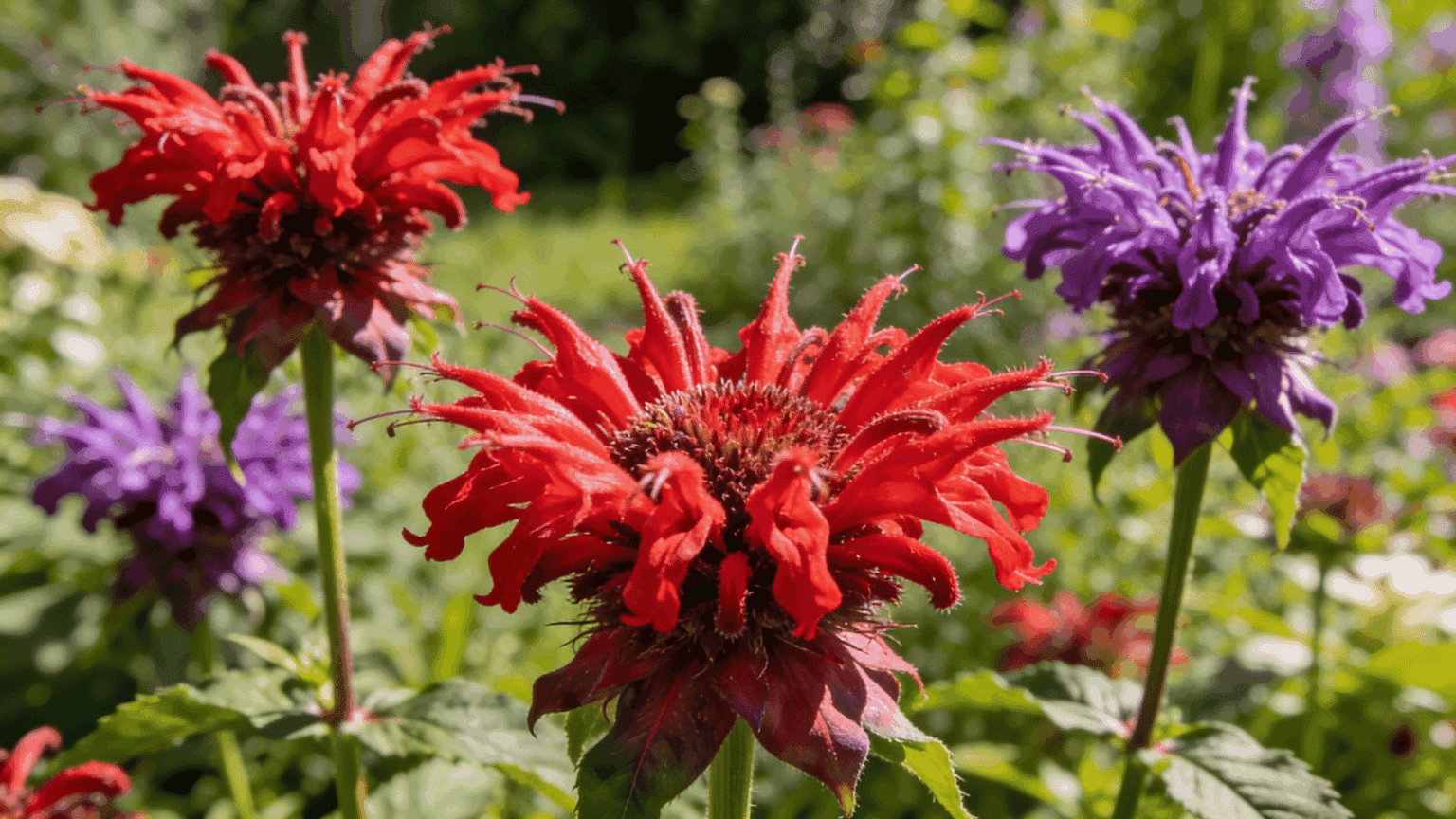
Some plants quietly fill a corner of the garden, and others turn it into a buzzing, fluttering hotspot the moment they bloom.
A member of the mint family, it produces bright, shaggy blooms through the warmer months and fits easily into borders, native plantings, and pollinator spaces.
Many gardeners grow it for years without fully understanding how the plant behaves through the seasons or what keeps it growing.
Whether you’re planting it for the first time or trying to revive an established patch, knowing how it grows makes all the difference.
This blog covers whether bee balm returns each year, how long it lives, the conditions it needs, and how to prune, divide, and propagate it.
Is Bee Balm a Perennial Plant?
Yes, bee balm is a perennial plant.
It is a herbaceous perennial, meaning the above-ground stems and leaves usually die back during winter, while the root system remains alive.
When temperatures warm in spring, new shoots emerge from the crown or underground stems.
Most bee balm varieties grow well in USDA hardiness zones 3 to 9, depending on the species, you will find the same in section below.
Bee balm does not need to be replanted every year like annual flowers.
However, its growth and survival depend on factors such as drainage, sunlight, winter conditions, and disease prevention.
Common Bee Balm Species and Their Hardiness
The care basics are similar across bee balm, but hardiness and growth habit vary by species. Choosing one suited to your climate makes a reliable yearly return much easier.
| Species | Blooms & Habit | Zones |
|---|---|---|
| Monarda didyma (scarlet bee balm) | Red-pink blooms; moist soil; mildew-prone | 4–9 |
| Monarda fistulosa (wild bergamot) | Lavender native; drought- & mildew-tolerant | 3–9 |
| Monarda punctata (spotted bee balm) | Spotted yellow blooms; dry, sandy soil | 3–8 |
Matching the species to your zone and soil goes a long way toward strong growth and dependable regrowth each spring.
Does Bee Balm Come Back Every Year?
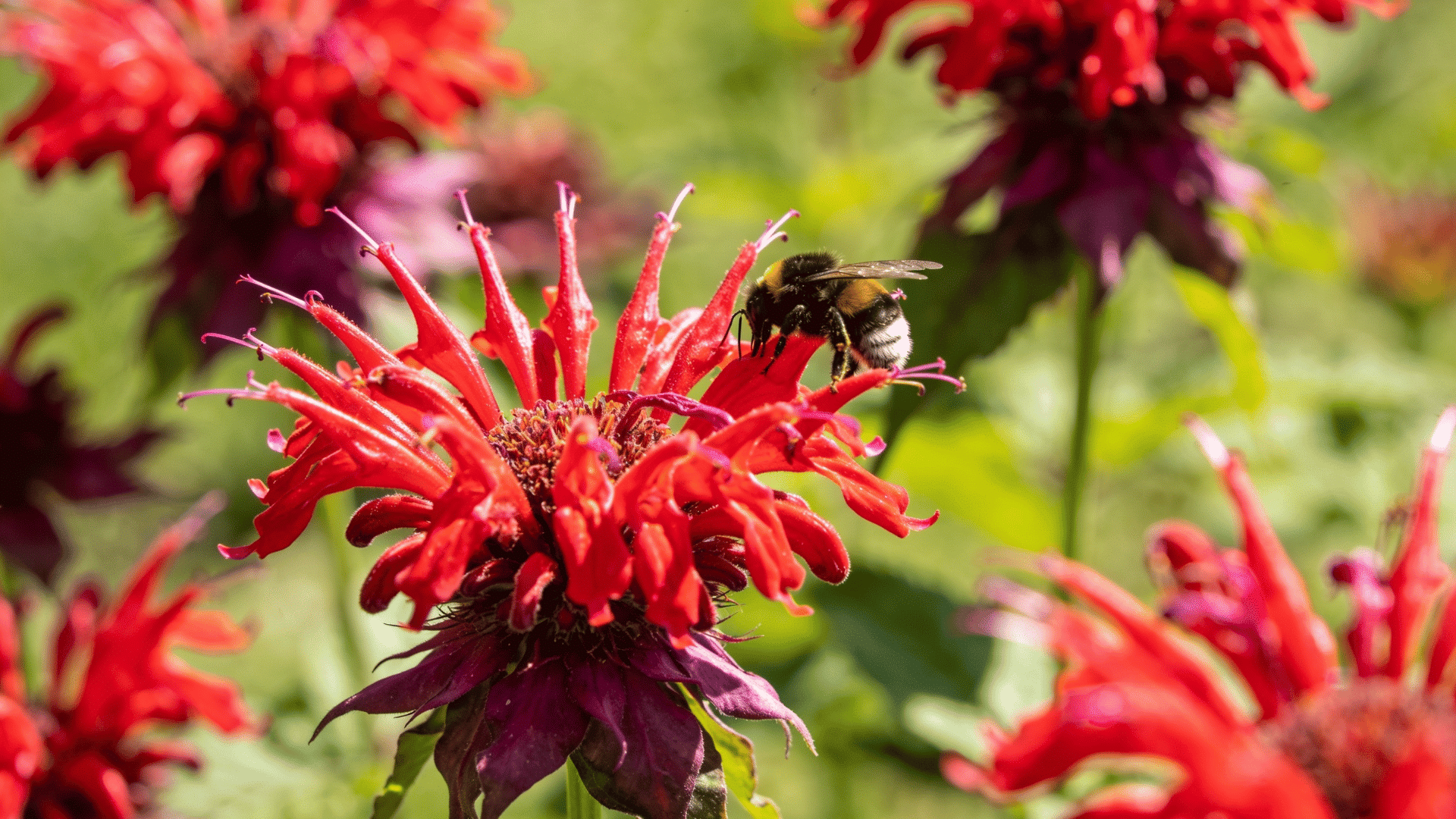
Bee balm usually comes back every year when it is planted in the right conditions.
The plant enters dormancy during colder months, allowing its roots to survive winter and produce new growth the following season, much like other reliable perennials such as hostas.
A healthy bee balm plant typically follows this cycle:
- Spring: New shoots emerge from the roots as temperatures rise.
- Summer: The plant grows taller and produces clusters of flowers.
- Fall: Flowering slows, and the plant prepares for dormancy.
- Winter: Stems die back, but underground roots remain alive.
If bee balm does not return, common causes include poor drainage, harsh winter damage, root problems, or fungal diseases.
How Long Does Bee Balm Live?
Bee balm can live for several years when grown in suitable conditions. As a spreading perennial, it can continue producing new growth from its root system and underground stems.
Over time, older clumps may become crowded, which can reduce airflow and increase the risk of powdery mildew.
The lifespan of bee balm depends on:
- Proper sunlight exposure
- Moist but well-drained soil
- Adequate spacing between plants
- Regular division when clumps become crowded
- Protection from severe growing problems
It can become a lasting part of the garden rather than a short-term planting. Occasional maintenance helps older plants stay productive and continue filling their space with blooms.
What Conditions Help Bee Balm Return Every Year?
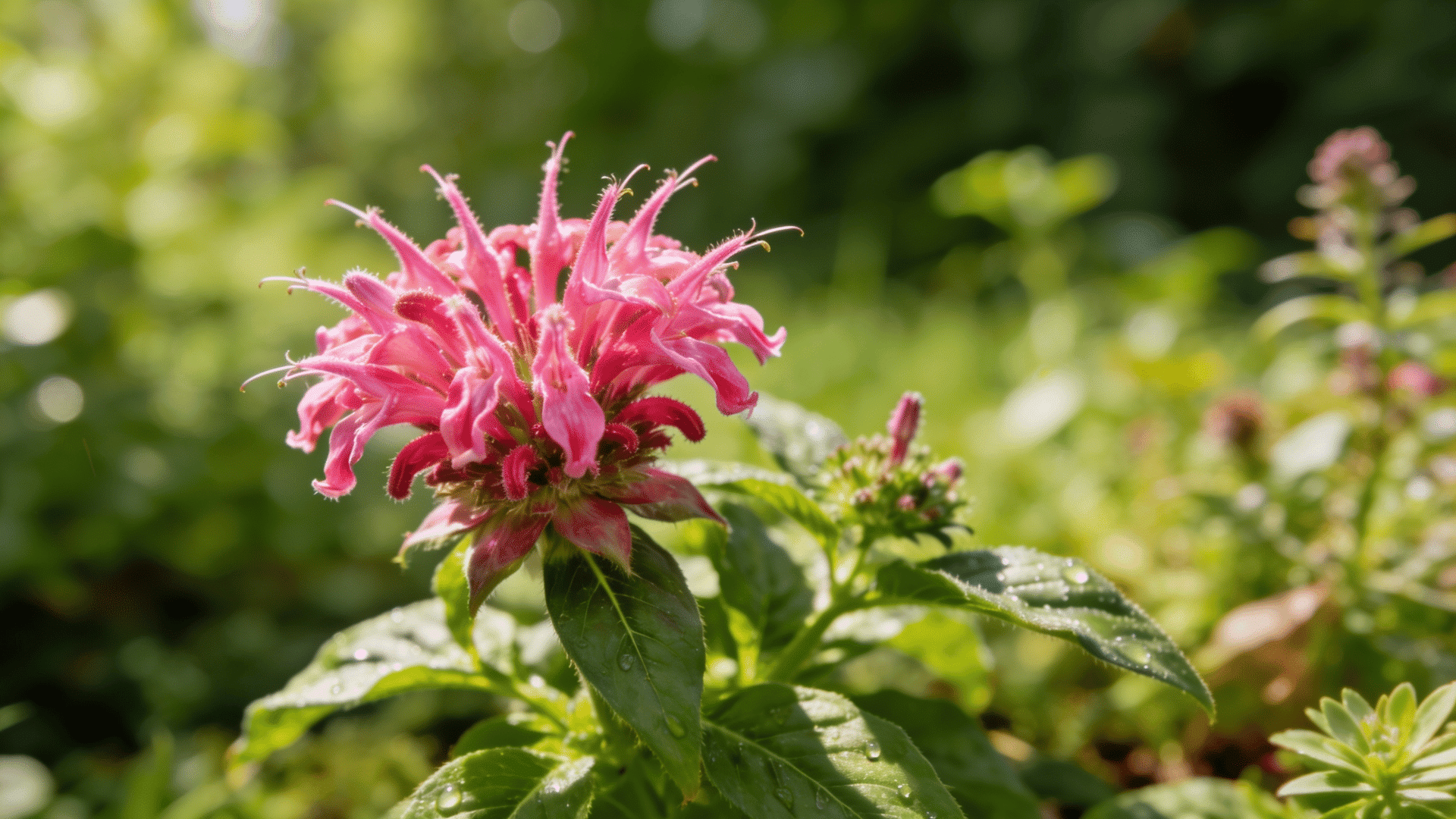
Bee balm may be a hardy perennial by nature, but its strong spring return and full summer blooms still depend on meeting its basic needs.
Getting a few key conditions right can make the difference between a struggling patch and a garden bed bursting with color
1. Sunlight Requirements
Bee balm grows best in full sun, receiving at least 6 hours of direct sunlight daily. It can tolerate partial shade, but plants grown with limited light may become weaker and produce fewer flowers.
In warmer climates, some afternoon shade can help reduce heat stress while still allowing good flowering.
2. Soil Requirements
Bee balm prefers rich, moist, well-drained soil. The plant does not grow well in consistently wet soil because excess moisture can cause root problems.
Adding compost before planting can improve soil structure and help maintain consistent moisture levels.
3. Watering Needs
Bee balm requires regular watering, especially during dry periods. The soil should stay slightly moist but should not remain saturated.
Consistent moisture supports healthy growth and flowering, while drought stress can weaken the plant and reduce blooms.
Sunlight, soil, and water together form the foundation of a healthy bee balm plant. When these needs are consistently met, it rewards with strong growth and abundant blooms season after season.
How to Maintain Bee Balm as a Perennial
Beyond providing the right environment and water, a bit of routine upkeep goes a long way in keeping bee balm healthy and productive.
Regular pruning and occasional division help the plant stay vigorous and continue coming back strong every year.
- Pruning: Deadhead faded flowers to prolong blooming and limit self-seeding, then cut back dead stems once the plant goes dormant in late fall or winter.
- Dividing: Split clumps every 3 to 4 years in early spring or fall to prevent overcrowding and keep growth strong.
Keep up with pruning and occasional dividing every few years, and bee balm will keep coming back strong.
How to Propagate Bee Balm
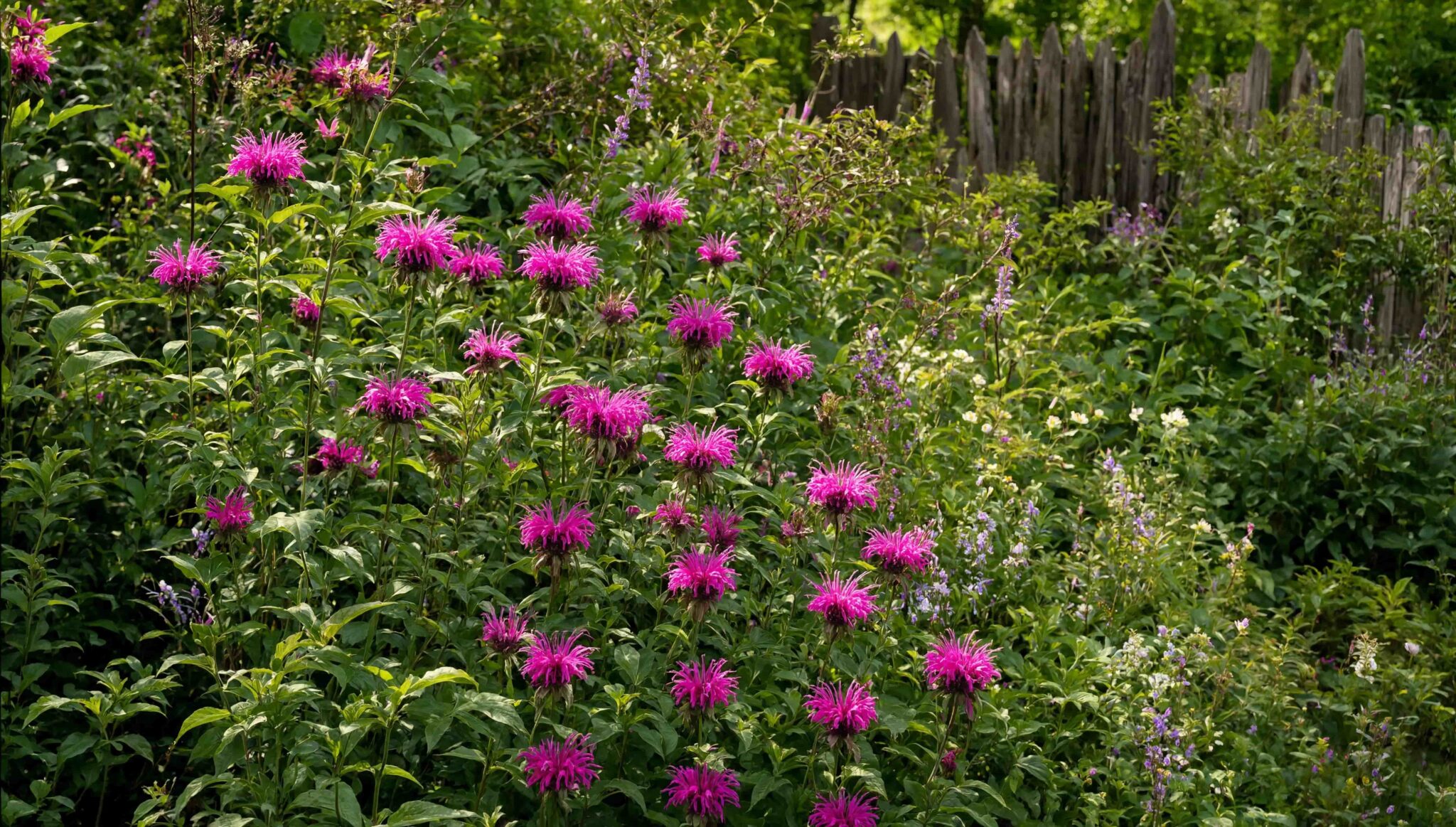
Dividing established clumps is the simplest way to get more bee balm, but rooting cuttings works just as well if you want to expand your garden without disturbing the parent plant.
The method is similar to taking lavender cuttings. Here’s how to propagate bee balm from cuttings in simple steps:
- Take the cutting. Using clean pruners, snip a piece of new growth in spring. Aim for cuttings 3 to 5 inches long, trimmed just below a leaf node.
- Prepare the cutting. Remove the lower leaves so only a few remain at the top. Cut the base at a 45-degree angle to encourage rooting, then dip the cut end in rooting hormone or cinnamon to help prevent mold.
- Plant in a rooting mix. Combine compost and coarse sand in a small pot, and moisten it well. Insert the cuttings deep enough to cover the node.
- Provide the right conditions. Place the pot in indirect light and keep the soil consistently moist but never soggy.
Within about three weeks, the cuttings should begin forming roots. Once established, pot them up individually until they’re ready to move into the garden.
Tips for Growing Healthy Bee Balm
Meeting bee balm’s basic needs is what keeps it healthy and coming back year after year. Keep these key points in mind:
- Give it full sun: Aim for at least 6 hours of direct sunlight daily for the strongest growth and most blooms.
- Use moist, well-drained soil: Keep the soil slightly moist but never waterlogged, since poor drainage can damage the roots.
- Space plants for airflow: Good spacing improves airflow and helps reduce powdery mildew.
- Mulch in cold zones: A layer of mulch protects the roots through hard winters.
- Deadhead regularly: Removing faded flowers prolongs blooming and limits self-seeding.
- Divide every 3 to 4 years: Splitting crowded clumps prevents overcrowding and keeps growth vigorous.
Stay on top of these basics, and bee balm will keep coming back strong season after season.
Conclusion
Bee balm is a low-maintenance perennial that can bring years of color and pollinator activity to a garden when its basic needs are met.
Choosing the right planting location, maintaining healthy soil, and dividing older clumps can help the plant stay vigorous over time.
Whether grown in a flower border, native garden, or pollinator space, bee balm offers reliable blooms with seasonal care.
Have you grown bee balm in your garden? Share your experience, favorite variety, or care tips in the comments below.
Frequently Asked Questions
Does Bee Balm Spread?
Yes, bee balm can spread through underground stems called rhizomes. It may form wider clumps over time but is usually manageable with regular division.
Can Bee Balm Grow in Pots?
Yes, bee balm can grow in containers with enough space, well-drained soil, and regular watering. Larger pots are better because of the plant’s spreading roots
Should Bee Balm be Cut Back for Winter?
Dead stems can be removed in late fall or winter after the plant becomes dormant. Some gardeners leave stems standing to provide winter habitat for insects.