Two bags of soil can look nearly identical on a store shelf, yet one may help your plants grow while the other can create hidden problems below the surface.
Roots rely on proper soil structure for airflow, moisture balance, and nutrient access. The wrong mix can limit growth even when plants receive enough sunlight and water.
Garden soil and potting soil serve different purposes.
One suits outdoor beds, while the other supports container plants with better drainage and airflow.
Knowing how garden vs potting soil differs helps you avoid mistakes, support healthier roots, and create better growing conditions.
What Is Potting Soil?
Potting soil is a lightweight growing medium designed mainly for container plants. Unlike garden soil, it is usually a soilless mix created to support drainage and root growth.
It commonly contains peat moss or coconut coir, which help retain moisture while keeping the mix loose.
These materials prevent containers from becoming too heavy or compacted.
Perlite and vermiculite are added to improve aeration, drainage, and moisture balance. They create air spaces that allow roots to access oxygen and grow properly.
Many potting soils also include compost and fertilizers to provide nutrients. These ingredients help plants receive steady nourishment while growing in pots, planters, or indoor containers.
What Is Garden Soil?
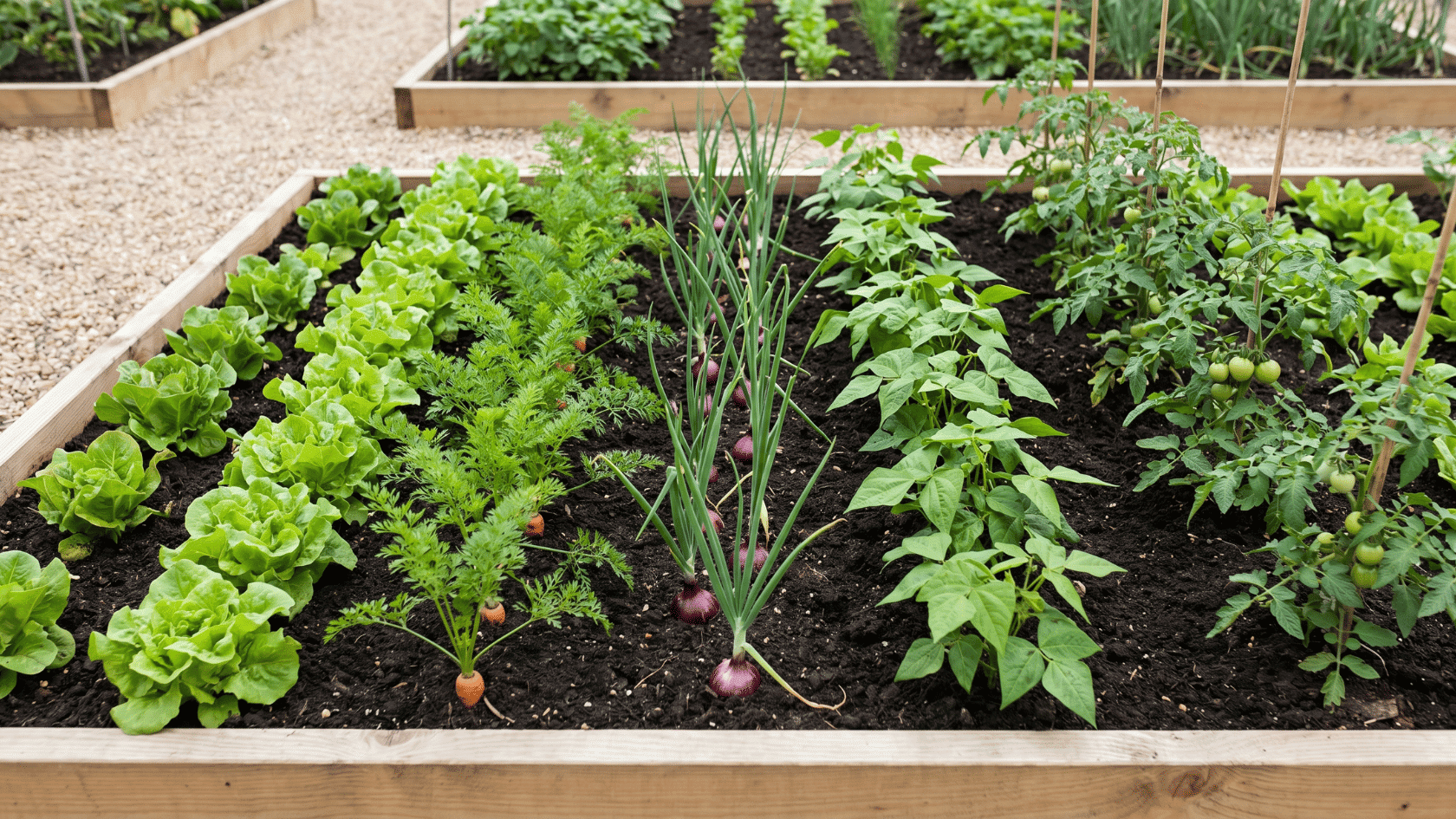
Garden soil is natural soil collected from outdoor ground areas and improved with organic soil amendments.
It is mainly used for in-ground gardens and landscape planting.
It contains a mixture of sand, silt, and clay particles that create its basic structure. The balance of these materials affects drainage, texture, and plant growth.
Garden soil often includes compost, manure, or other organic matter to improve fertility.
These additions help increase nutrients and support healthier outdoor plant growth.
Unlike potting soil, garden soil is heavier and denser because it contains natural minerals. Its structure works well in garden beds but can compact in containers.
Key Differences Between Garden Soil and Potting Soil
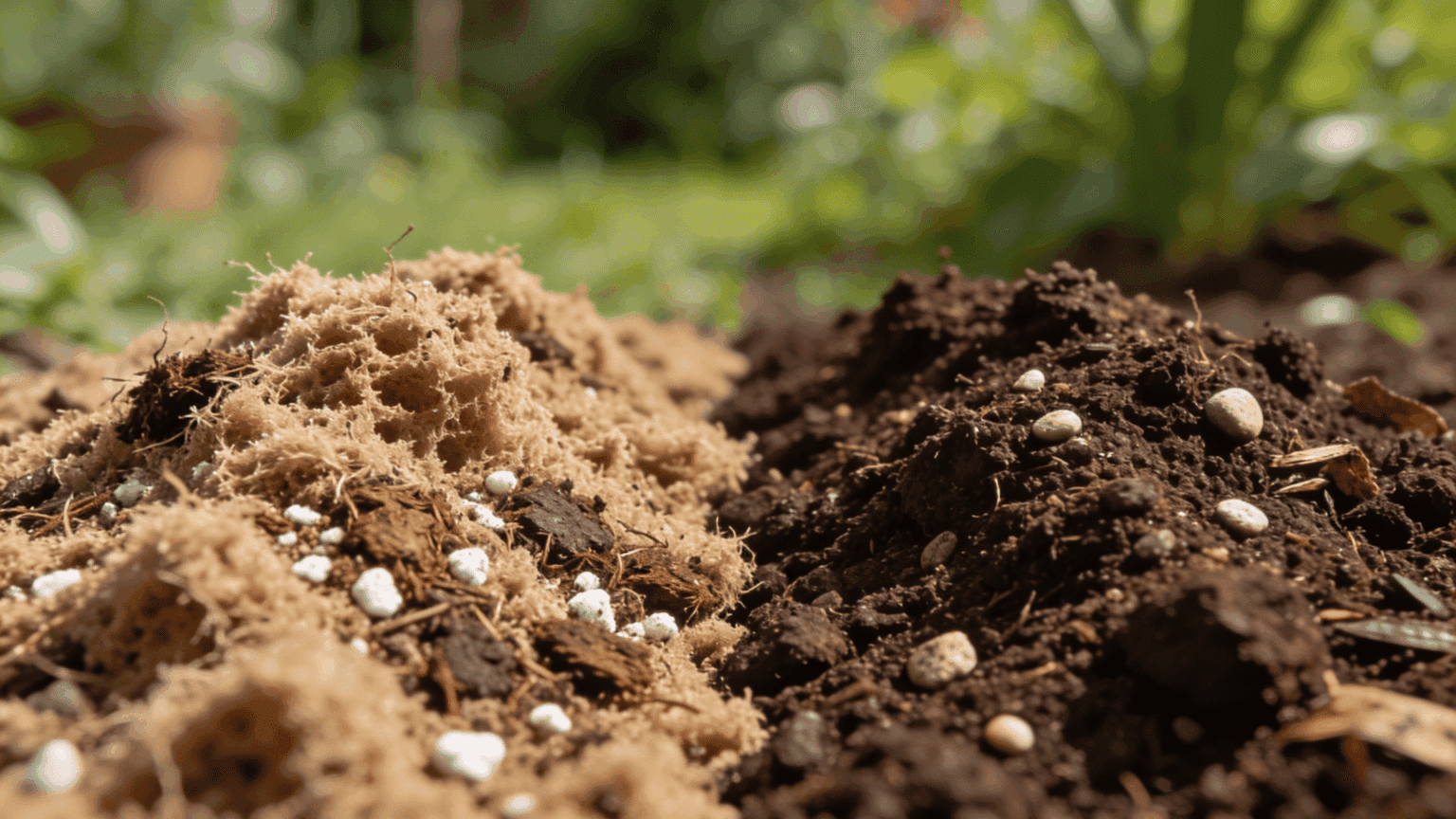
Garden soil and potting soil serve different purposes, even though they may look alike. Their composition, drainage, weight, and structure decide where each soil type works best.
1. Composition
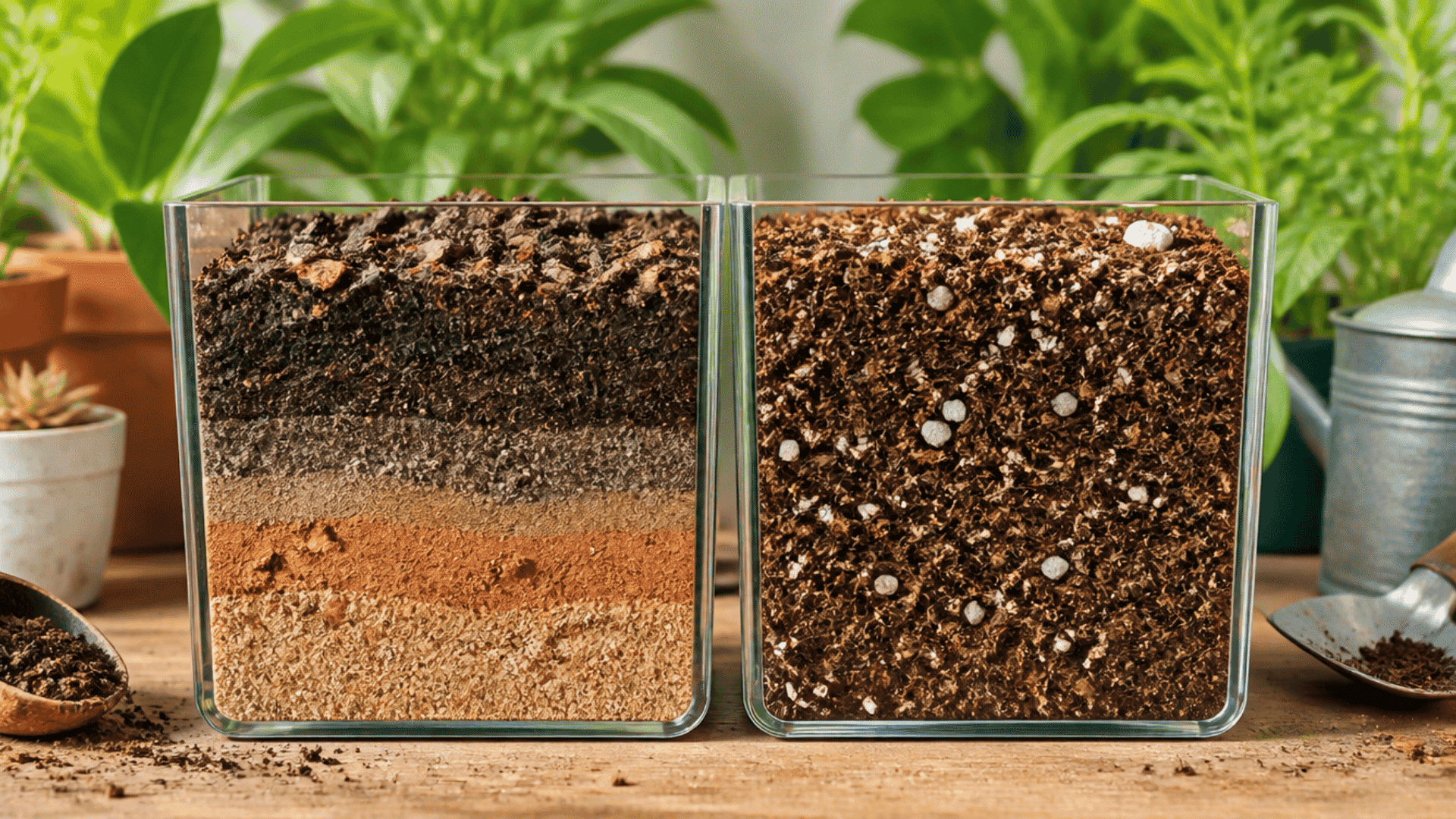
Garden soil contains natural topsoil made of sand, silt, clay, and organic matter. It is often mixed with compost or manure to improve outdoor soil quality.
Potting soil is a soilless mix made with peat moss, coconut coir, perlite, vermiculite, and added nutrients. It is designed to support plants in containers.
2. Drainage
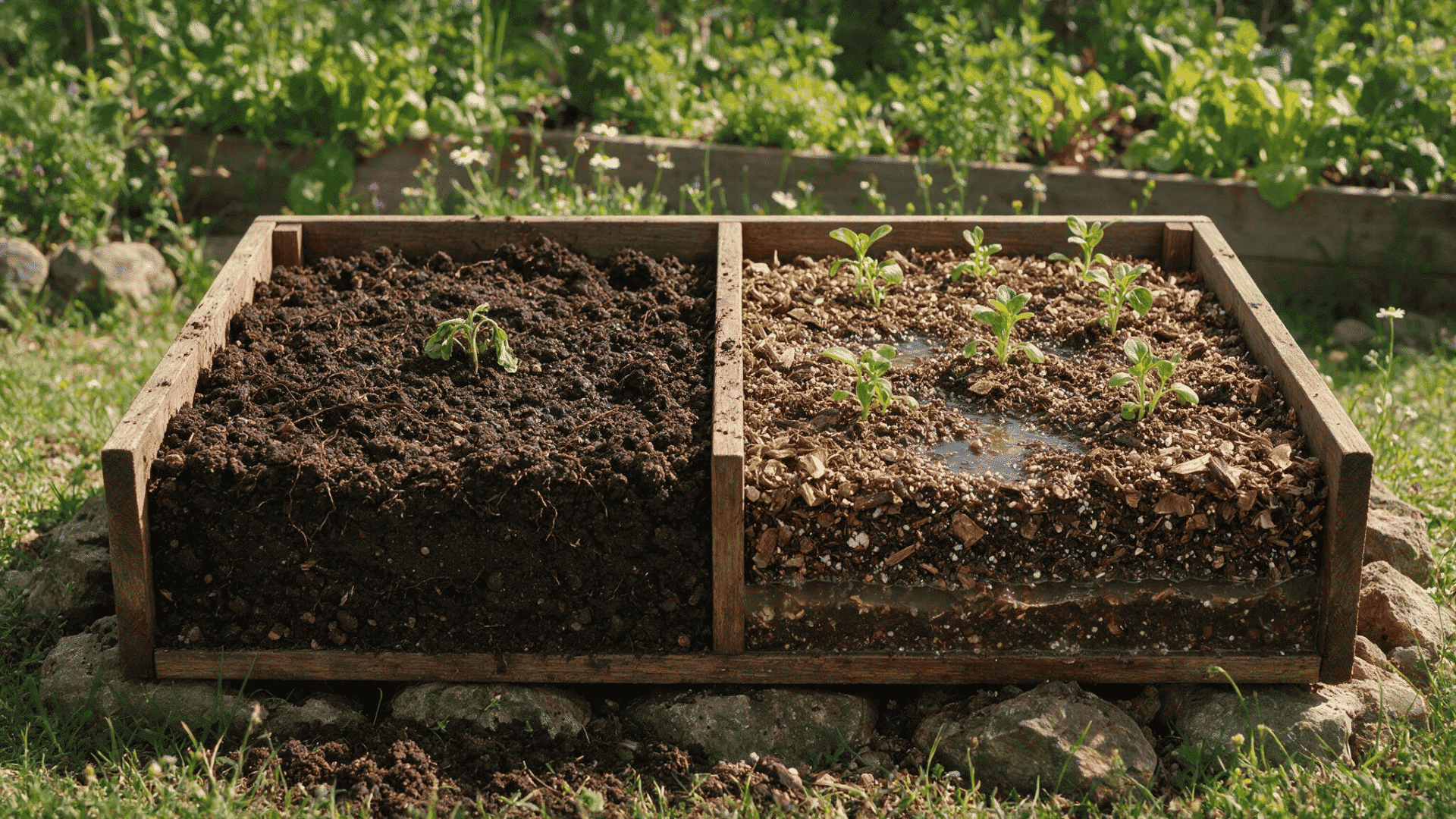
Garden soil holds more moisture because of its dense mineral content. In pots, it can become compacted and trap water around roots.
Potting soil drains excess water better while holding enough moisture. Its structure helps prevent water buildup and supports healthier container plants.
3. Weight
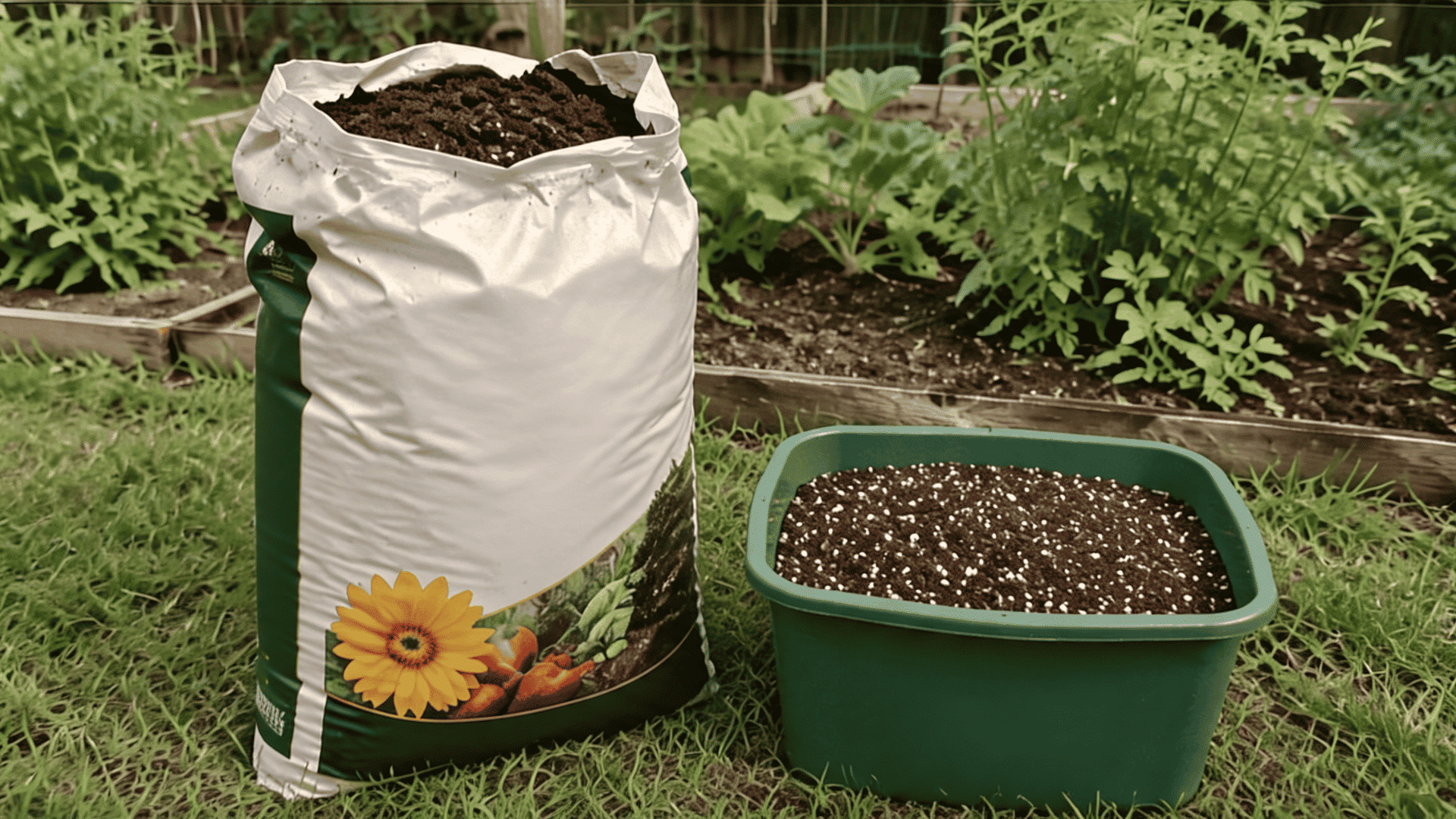
Garden soil is heavy and dense due to its mineral content. This makes it suitable for outdoor beds but difficult to use in containers.
Potting soil is lighter and easier to move. It works well for indoor plants, hanging baskets, and portable containers.
4. Aeration
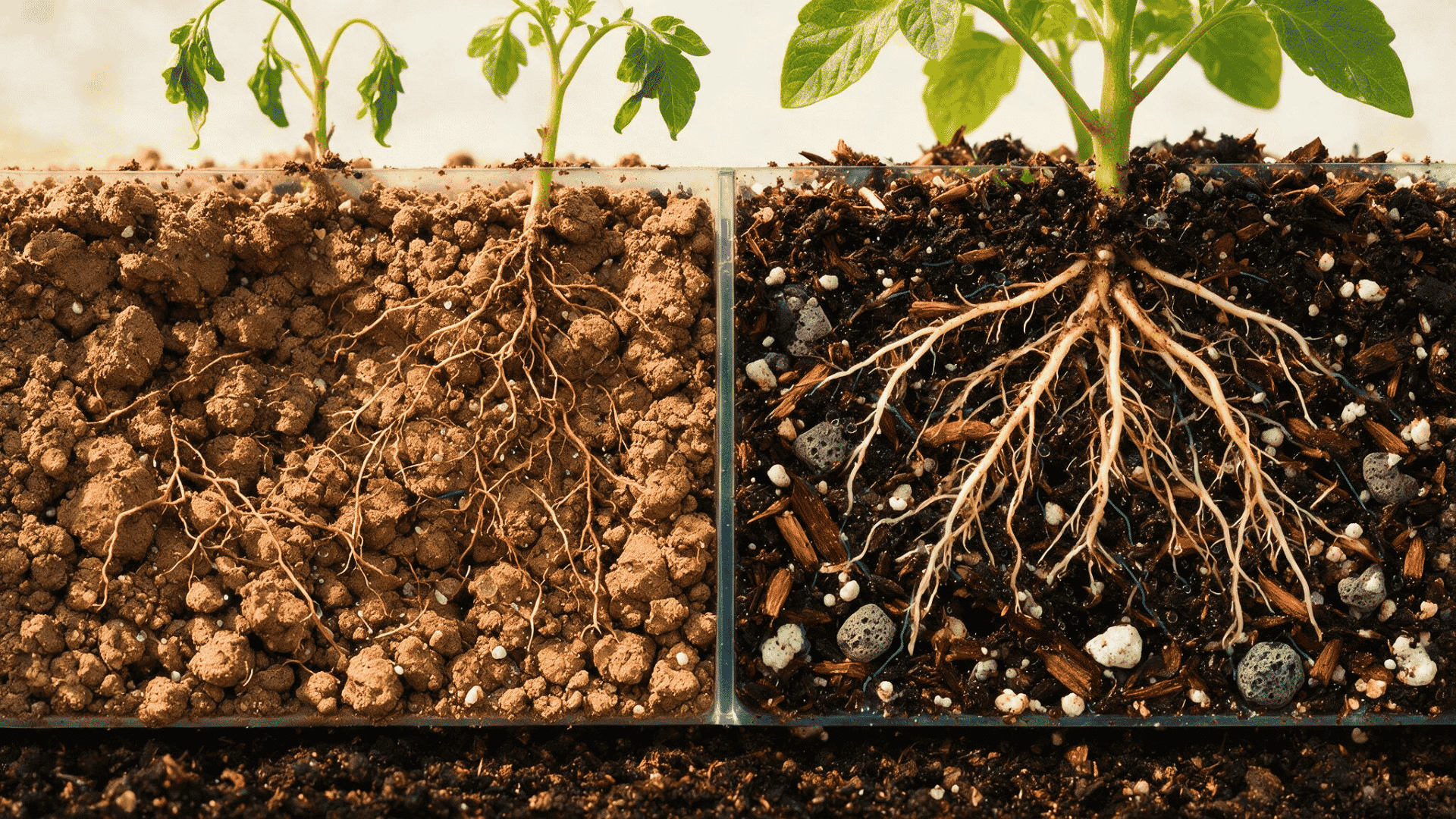
Garden soil can become compact over time, reducing airflow and oxygen around roots. This is less of a problem in open garden spaces.
Potting soil stays loose because of materials like perlite and vermiculite. These create air spaces that support better root growth.
5. Intended Use
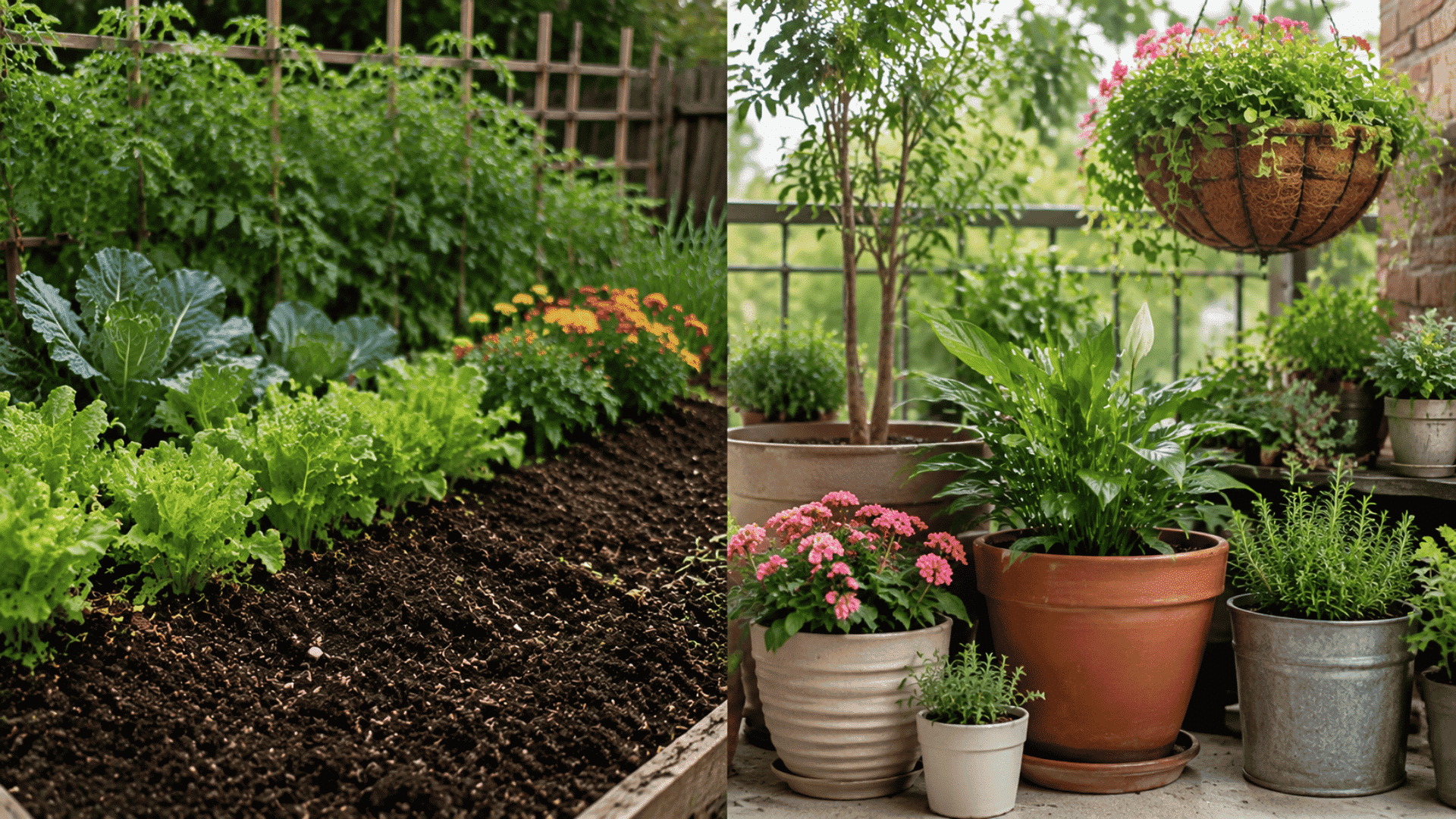
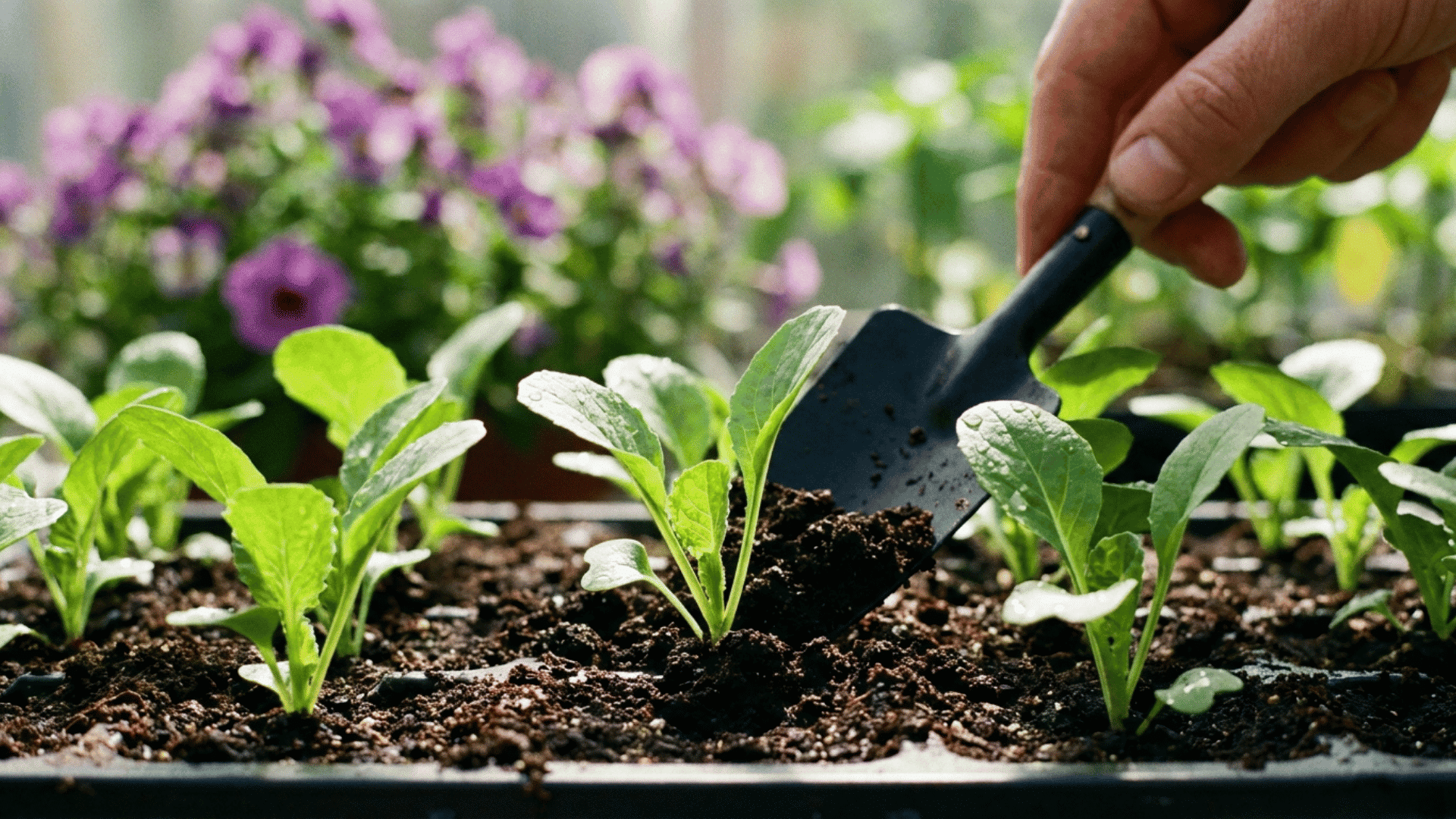
Garden soil is best for in-ground planting, including vegetable gardens, flower beds, and landscaping. It works with natural outdoor soil conditions.
Potting soil is made for containers, pots, and planters. Its lightweight structure helps plants grow where natural ground soil is not available.
Garden Soil vs Potting Soil: Comparison at a Glance
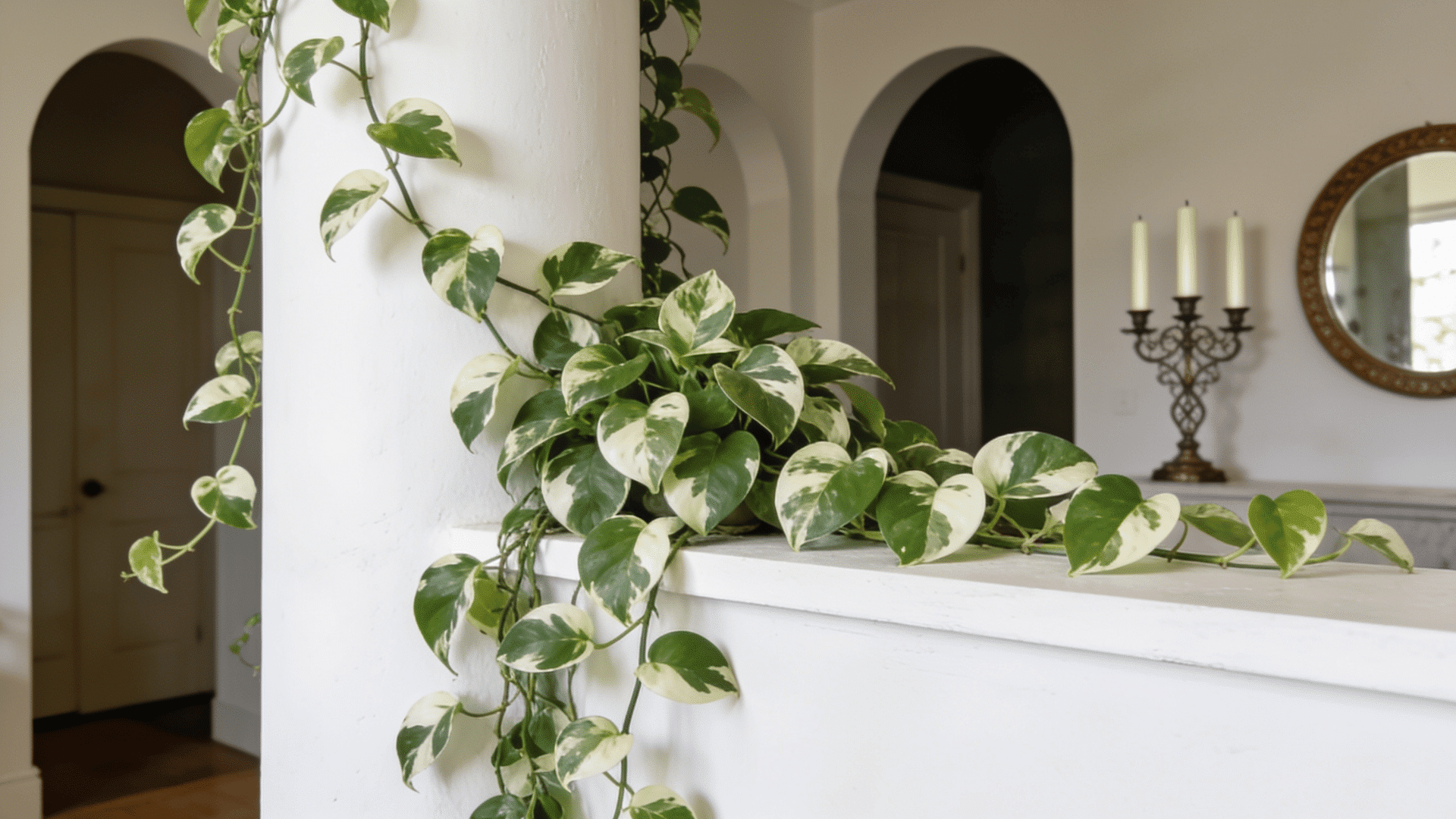
Pothos comes in several varieties, each with its own leaf pattern and color. The main difference is how much light they need, so there’s an option for almost any space.
| Feature | Garden Soil | Potting Soil |
|---|---|---|
| Composition | Natural soil and organic matter | Soilless mix with peat, coir, and perlite |
| Drainage | Holds more moisture | Drains more easily |
| Weight | Heavy and dense | Light and loose |
| Aeration | May compact | Allows better airflow |
| Best Use | Lawns and garden beds | Pots and indoor plants |
| Cleanliness | May contain weeds or pests | Usually cleaner and processed |
| Cost | More affordable | Usually more expensive |
When Can You Mix Garden Soil and Potting Soil?
Garden soil and potting soil can be mixed in specific situations where plants need improved texture, moisture control, or added nutrients.
This combination works well for raised beds, where blending garden soil, potting soil, and compost can create a balanced growing environment.
Small amounts of garden soil may also be added to large containers if drainage is maintained properly.
However, using too much garden soil in pots can make the mix heavy and compact, reducing airflow around the roots.
For outdoor garden beds, compost is often a better choice for improving soil quality. Always consider the plant type, drainage needs, and growing location before combining these soils.
Garden Soil vs Potting Soil: Best Uses for Each Type
The best soil option depends on where your plants grow and the conditions their roots need for healthy and steady development.
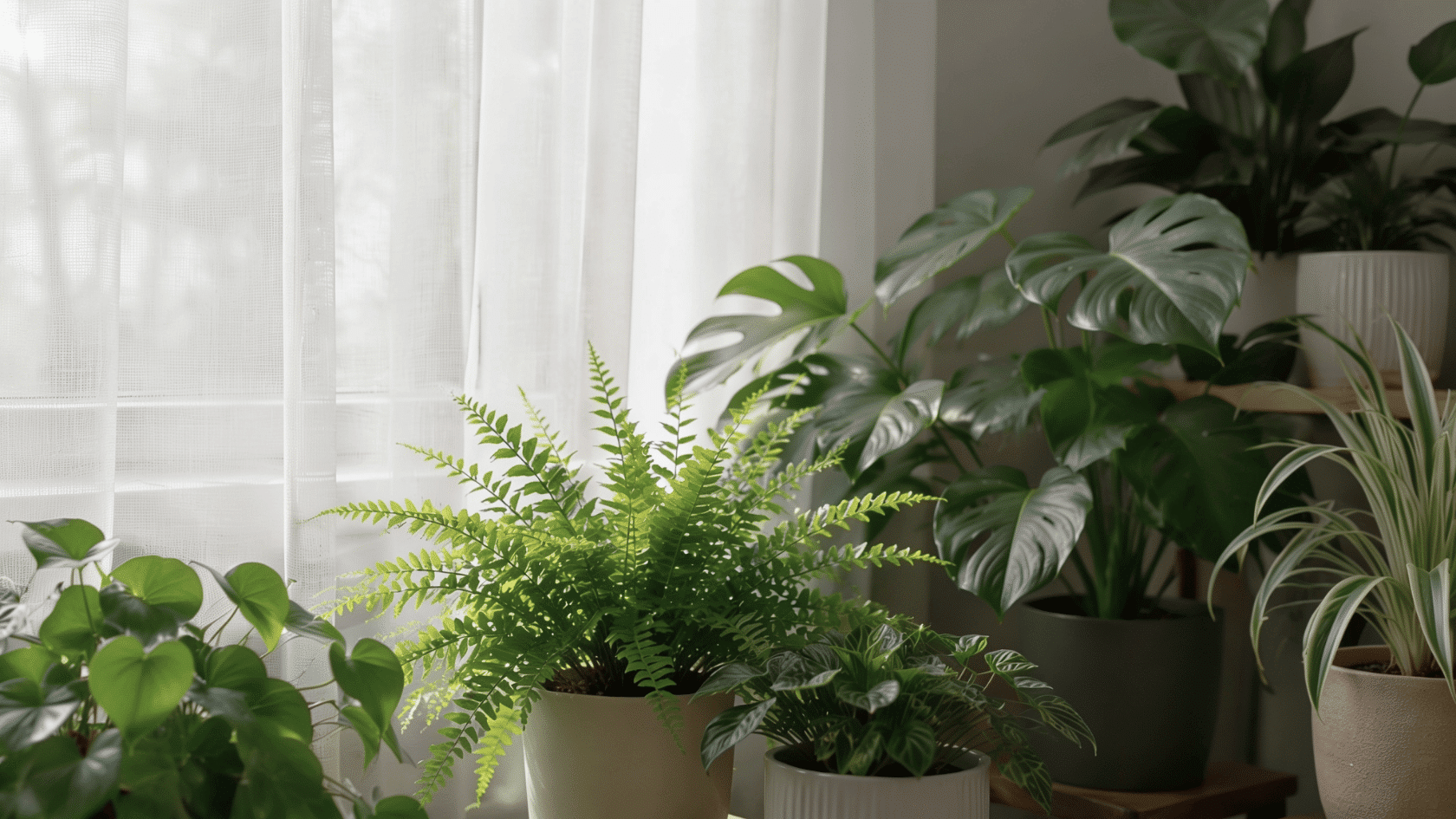
Potting soil works best for containers, indoor plants, hanging baskets, and patio planters because its lightweight structure improves drainage and airflow.
For container vegetables, a quality soil mix helps maintain moisture balance while supporting stronger roots and better growth in limited spaces.
Garden soil is ideal for outdoor beds, lawns, and landscape areas where its dense structure provides stability for in-ground plant growth.
Common Soil Selection Mistakes to Avoid
The wrong soil can create problems with drainage, root health, and plant growth. Avoiding common mistakes helps plants get the support they need in different growing spaces.
- Using Garden Soil in Containers: Heavy garden soil can compact in pots, blocking drainage and reducing airflow around roots.
- Filling Large Beds With Potting Soil: Potting soil may become expensive for outdoor areas and may lack the structure needed for deep roots.
- Overlooking Drainage Needs: Poor drainage can trap excess moisture, causing weak roots, slow growth, and plant stress.
- Buying Soil Based Only on Cost: Low-priced mixes may lack the texture, nutrients, or drainage qualities plants need.
Matching soil with the plant type, growing location, and moisture needs creates better conditions for stronger roots and healthier growth.
Conclusion
The soil beneath your plants plays a major role in root health, moisture balance, and overall growth.
A suitable soil match can prevent common planting issues.
Garden soil and potting soil each work best in different environments, supporting plants based on their growing conditions and root needs.
A suitable soil mix improves drainage, supports stronger roots, and creates a better foundation for healthier plant development.
Match your soil with your plant type and growing space to make every planting project more successful.
Have you noticed better plant growth after switching soil types? Share your experience in the comments.
Frequently Asked Questions
Can Garden Soil Go Bad Over Time?
Garden soil does not expire, but its quality can decline when nutrients decrease or structure becomes poor. Adding compost can help restore soil health.
Does Potting Soil Attract Pests?
Potting soil is usually cleaner than outdoor soil, but poor storage or excess moisture can attract insects. Keep bags sealed and dry.
Which Soil Is Better for Beginner Gardeners?
Potting soil is often easier for beginners because it is ready to use and provides balanced drainage for container plants.