
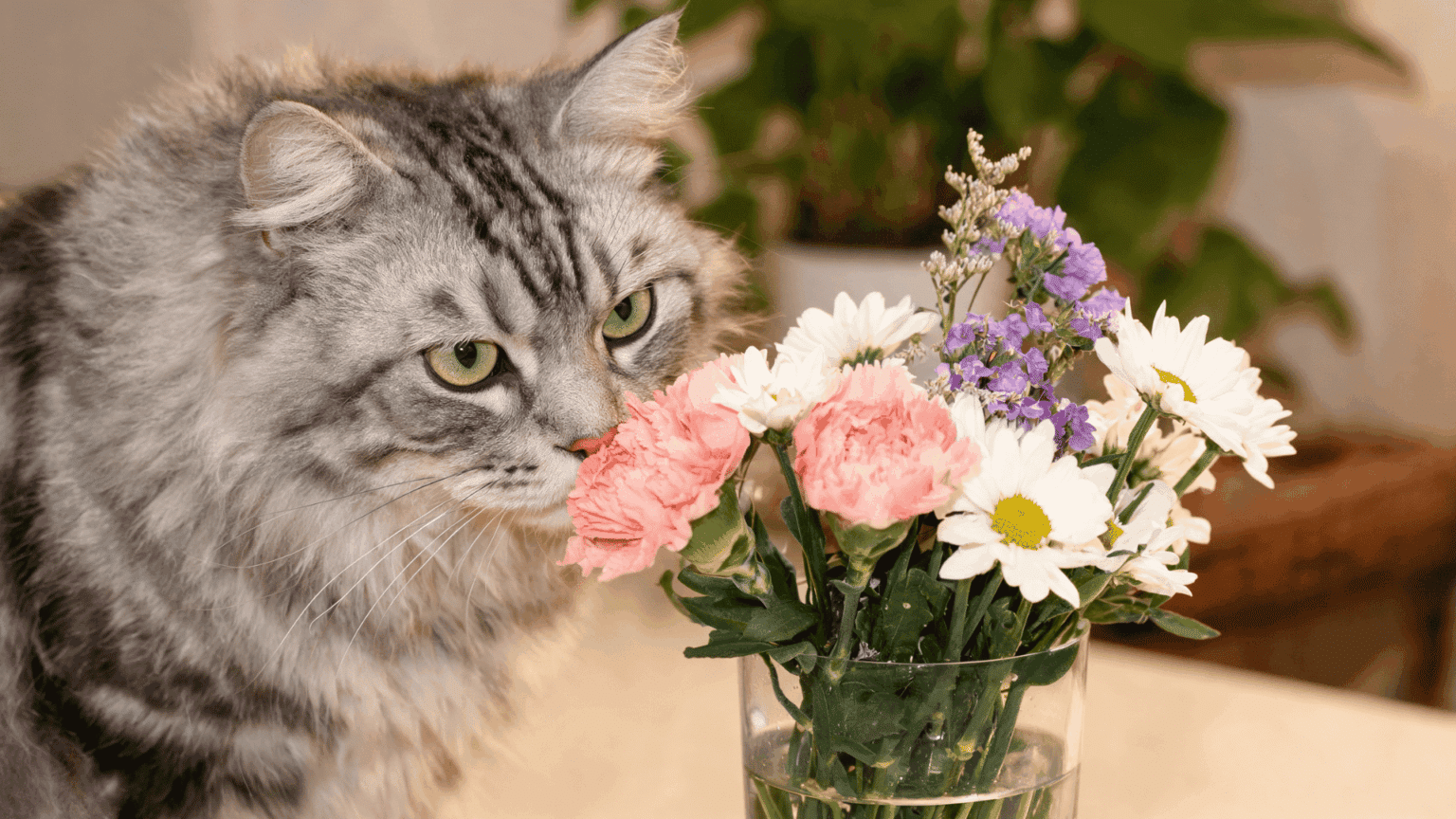
Finding non-toxic flowers for cats can feel stressful when your cat won’t stop sniffing every bouquet.
Vase water is often the bigger danger. Preservative packets usually contain fertilizer or mild bleach. Skip the packet and use plain water instead.
Pollen is another hazard, even from non-toxic flowers. Cats groom pollen off their fur, which can cause mild vomiting or diarrhea.
You don’t have to give up flowers just because you have a cat. Still, keep an eye on curious cats, since chewing can upset their stomach.
Is It Safe to Have Flowers in a Home With Cats?
Yes, flowers are safe in a home with cats as long as you choose the right ones.
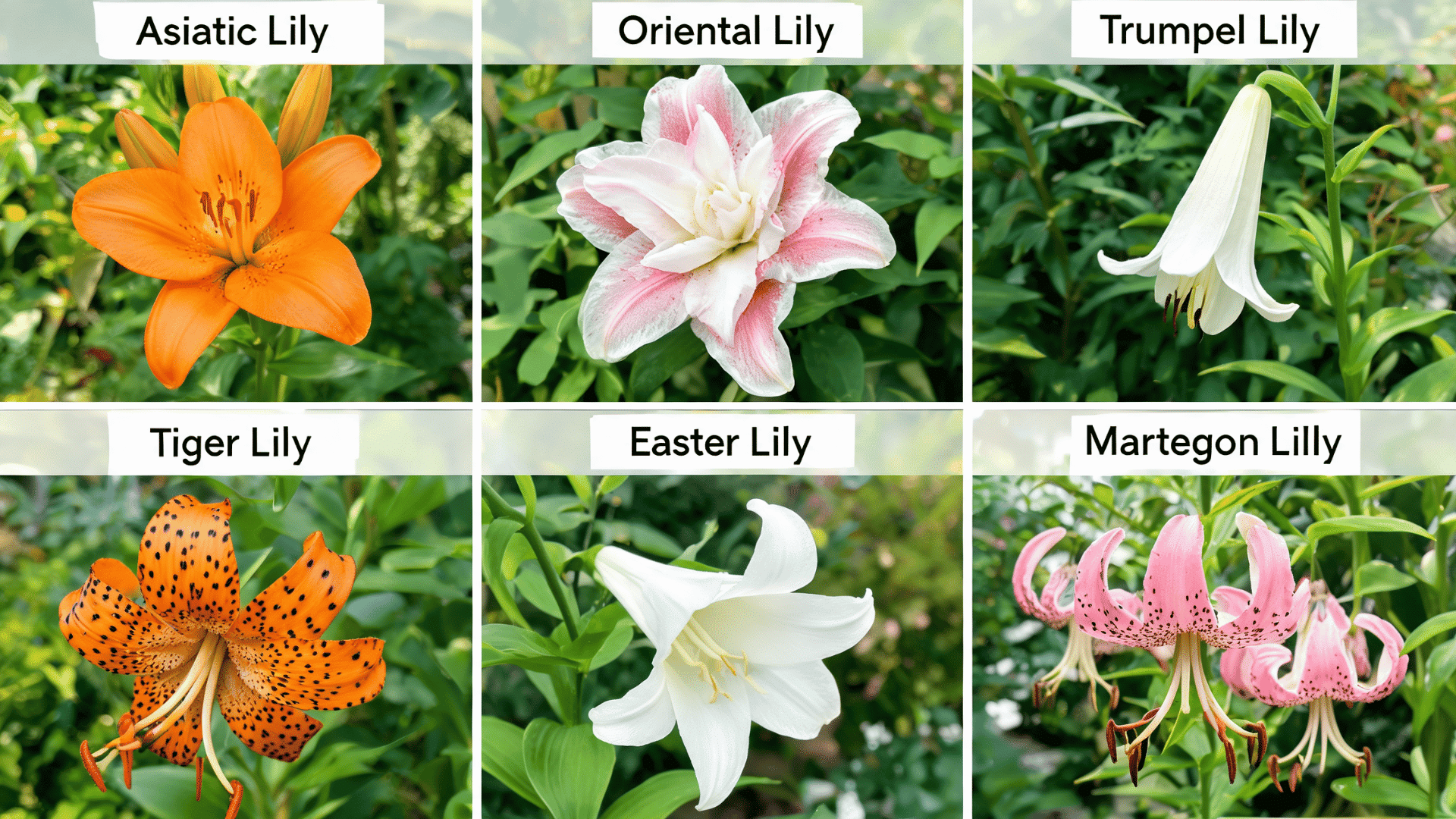
Flower toxicity runs on a spectrum: lilies can cause fatal kidney failure in cats, while others trigger only mild stomach upset.
Even flowers labeled non-toxic aren’t fully risk-free, since eating a large amount of any plant can cause vomiting, diarrhea, or low appetite. Always check a flower by name before bringing it home.
The ASPCA’s Animal Poison Control database confirms whether a specific plant is safe for cats.
Flowers and Plants Non-Toxic to Cats
Finding safe flowers for a home with cats doesn’t mean giving up bouquets. Plenty of popular flowers are completely non-toxic and safe to keep around.
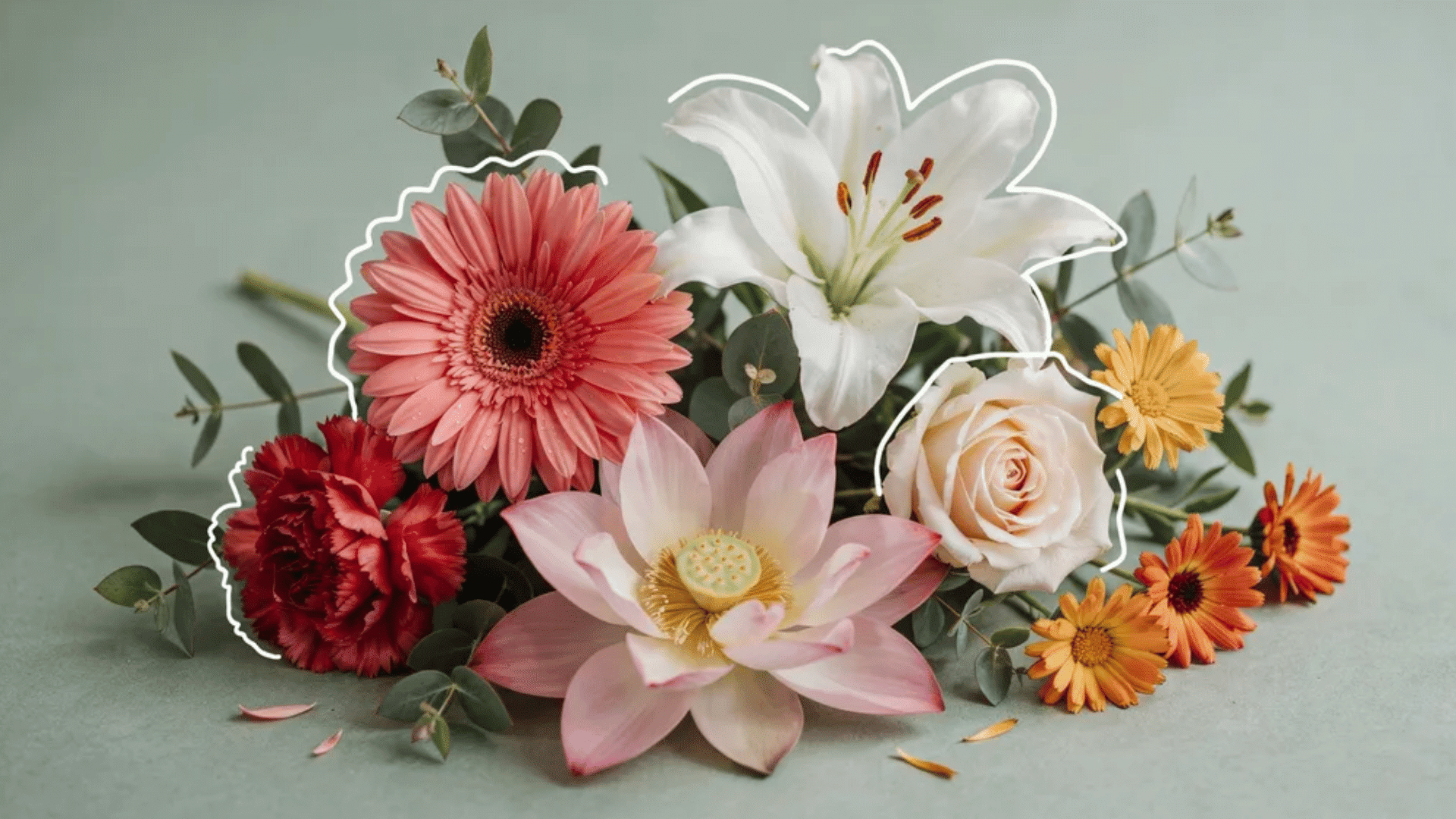
Here’s a full list of cat-safe flowers, along with what makes each one a good choice for curious cats:
1.Rose

Roses are completely safe for cats to be around. The only real hazard is the thorns, so trim them before displaying an arrangement.
The only real hazard is the thorns, which can scratch skin or snag on fur. Trim them down before displaying an arrangement to keep things fully cat-friendly.
2.Orchid
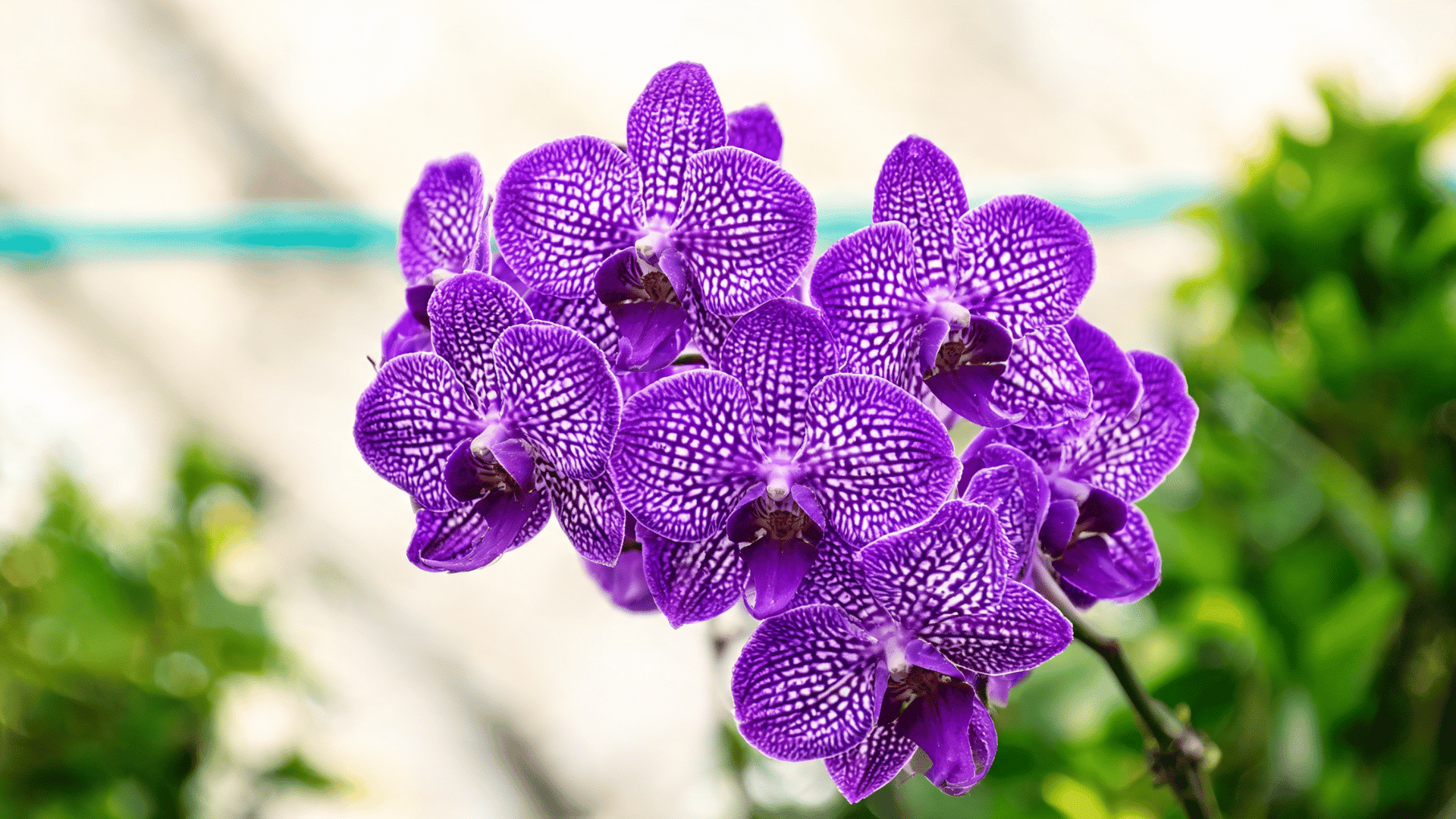
Orchids are non-toxic and low-maintenance, making them a popular choice for cat owners. Even if your cat nibbles a leaf or petal, it shouldn’t cause more than mild stomach upset.
Even if your cat nibbles a leaf or petal, it shouldn’t cause more than mild stomach upset. Still, it’s worth keeping an eye out for if chewing becomes a regular habit.
3. Sunflower

Sunflowers are safe for cats, though the pollen can still cause mild irritation if it gets groomed off their fur. Keep them watered regularly since they wilt fast once cut.
The pollen can still cause mild irritation if groomed off fur, so keep an eye on that. Keep them watered regularly, too, since they tend to wilt fast once cut.
4. African Violet
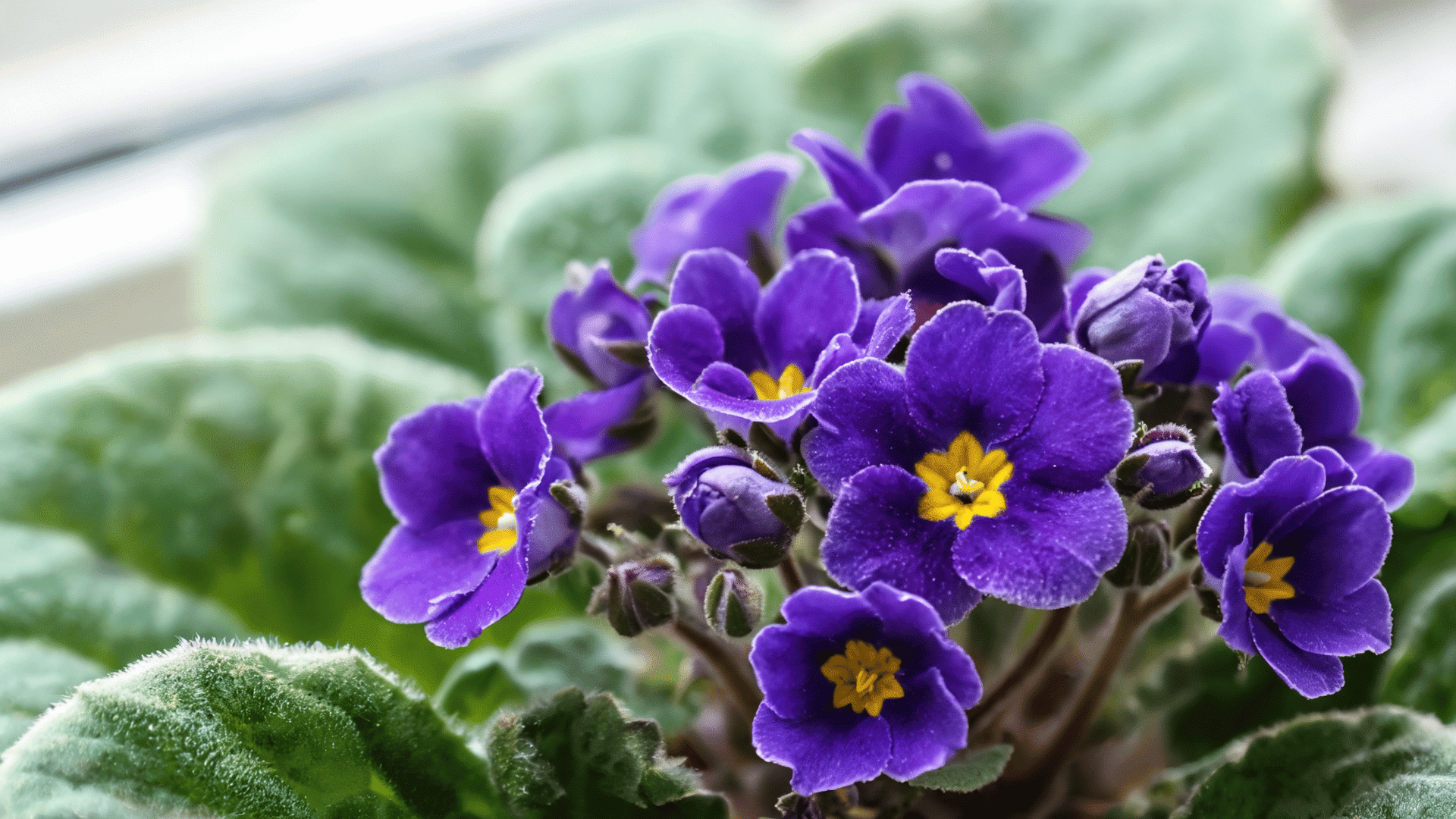
African violets are non-toxic and easy to care for indoors. They’re a great pick for cat owners who want greenery without the worry.
They’re a great pick for cat owners who want greenery without the worry. Even direct contact or the occasional nibble poses no real danger to cats.
5. Zinnia
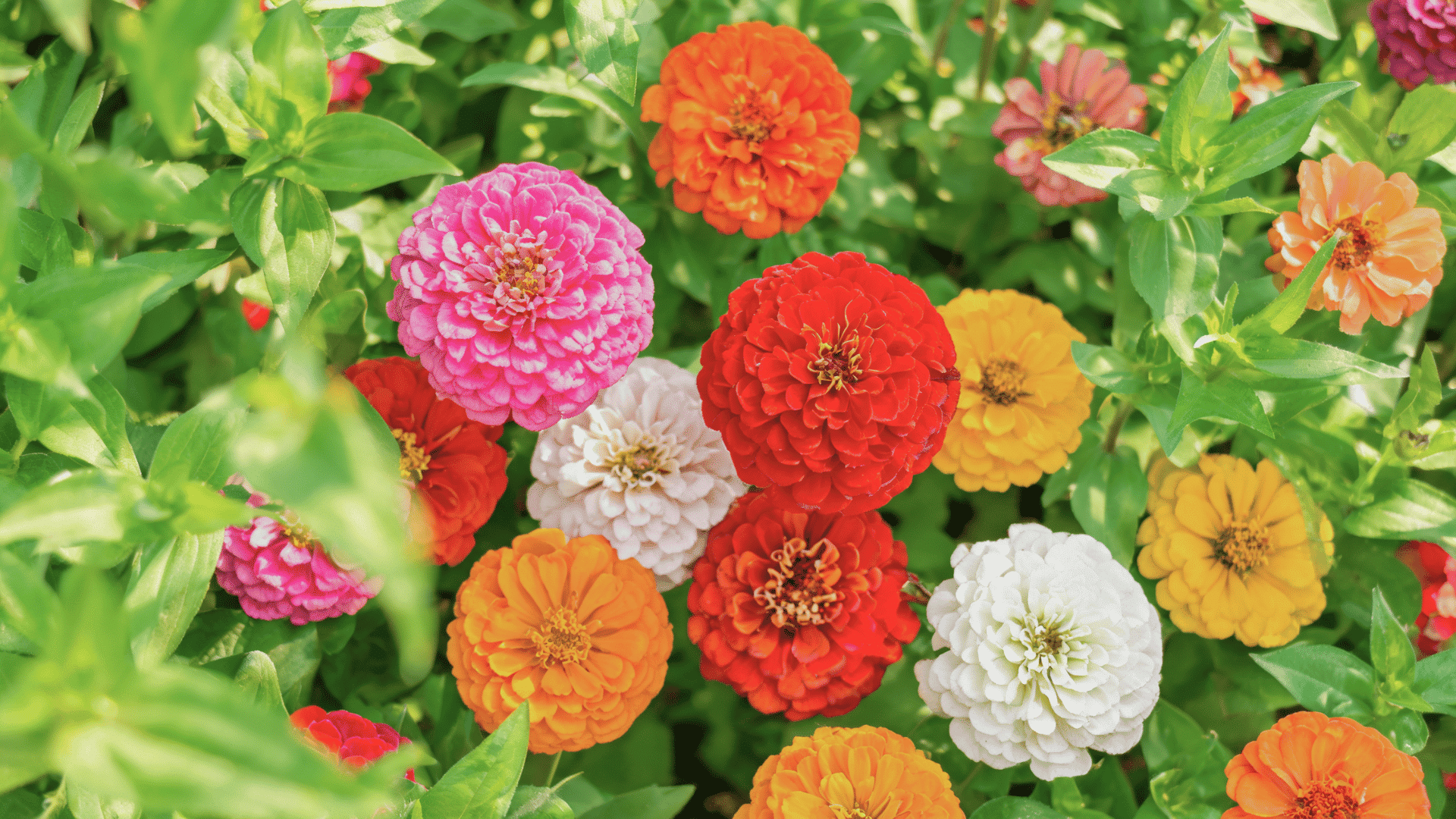
Zinnias are completely safe for cats and easy to grow from seed. They’re a good low-risk option for garden cats that have outdoor access to.
They’re a good low-risk option for garden cats that have outdoor access to. Even if a cat brushes against or nibbles one, no harm should follow.
6. Gerbera Daisy
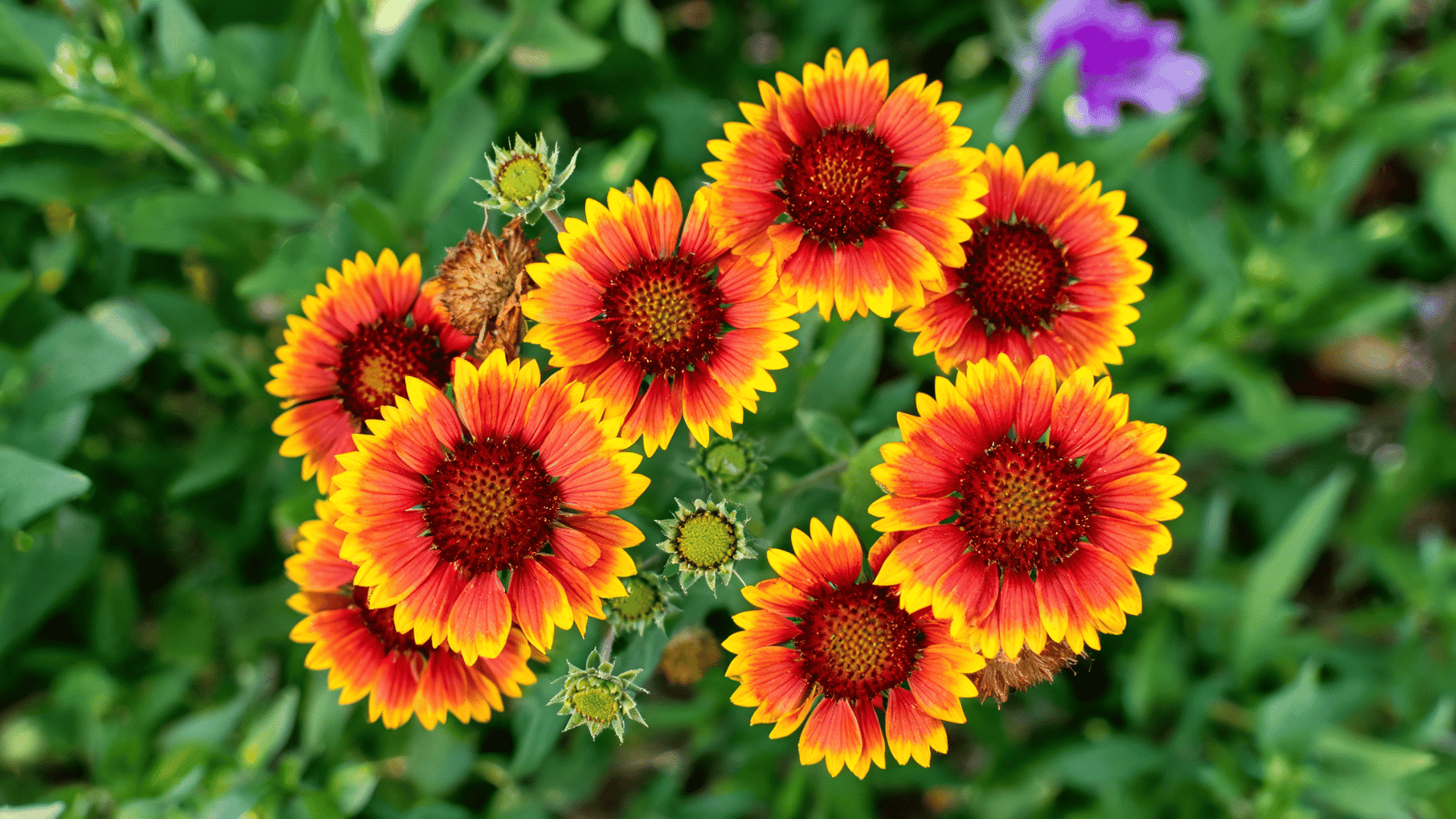
Despite looking similar to regular daisies, gerbera daisies are a different species and are non-toxic to cats. Always double-check the label, since “daisy” alone can be misleading.
Always double-check the label, since “daisy” alone can be misleading.
A quick name check saves you from bringing home the wrong one.
7. Snapdragon
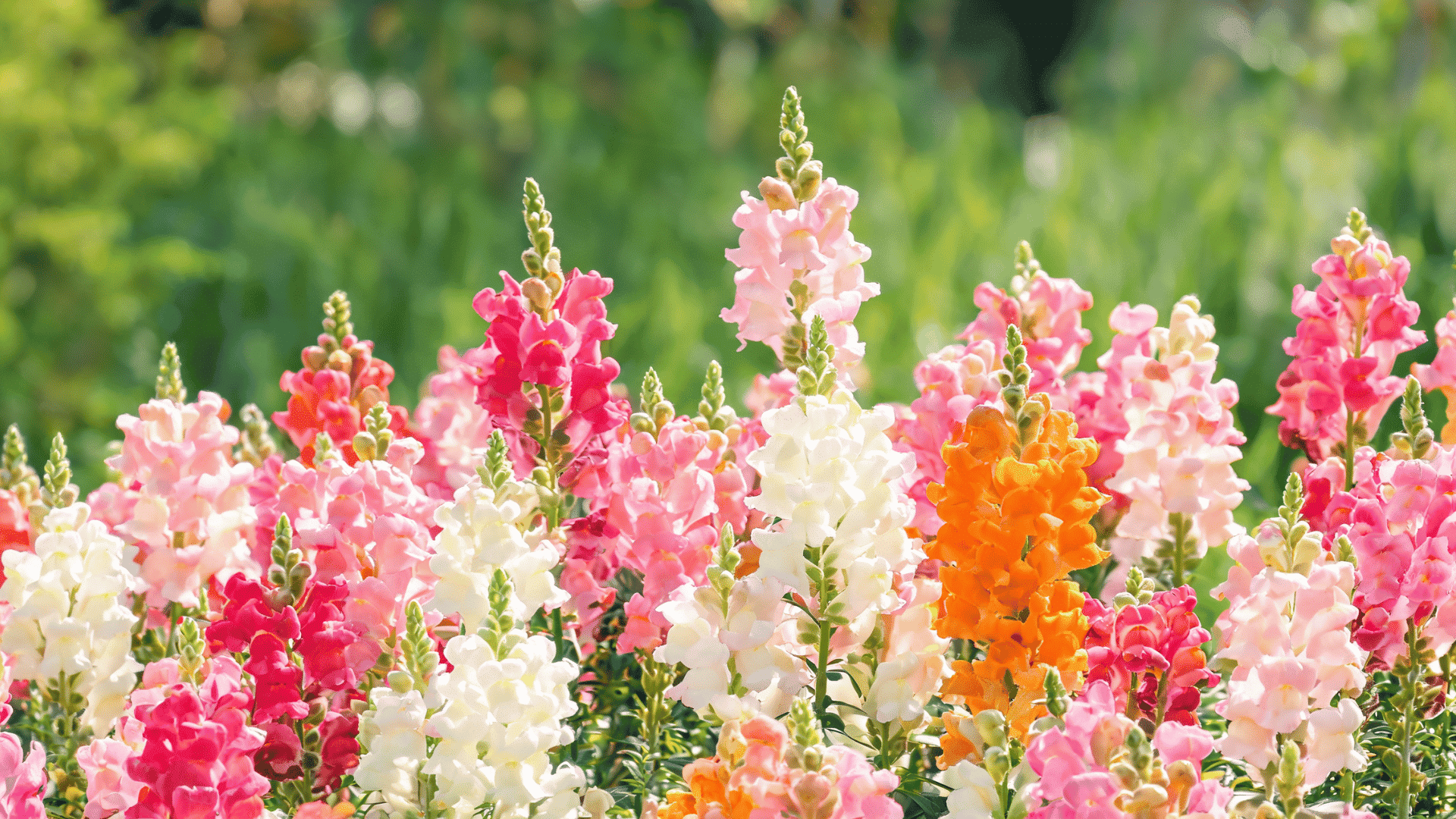
Snapdragons are safe for cats and add height and color to any bouquet. They’re sturdy flowers that hold up well in arrangements.
They’re sturdy flowers that hold up well once cut and displayed. Even a curious sniff or nudge from a cat won’t cause any harm.
8. Freesia
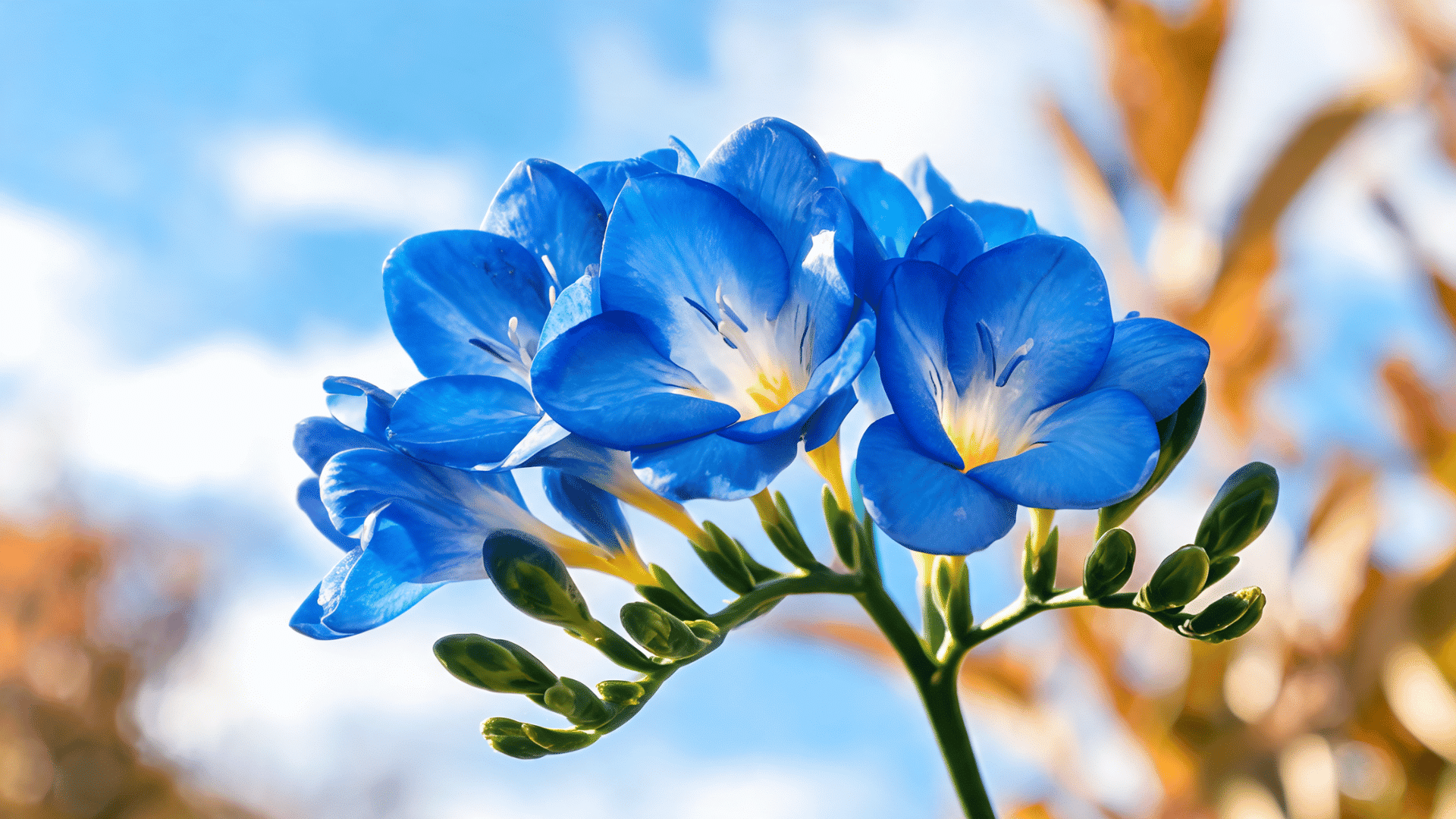
Freesias are non-toxic to cats and known for their sweet fragrance. Some cats may still sneeze around strong scents, even though the flower itself poses no danger.
Some cats may still sneeze around strong scents, even if the flower itself is safe.
If that happens, just move the arrangement to a different room.
9. Camellia
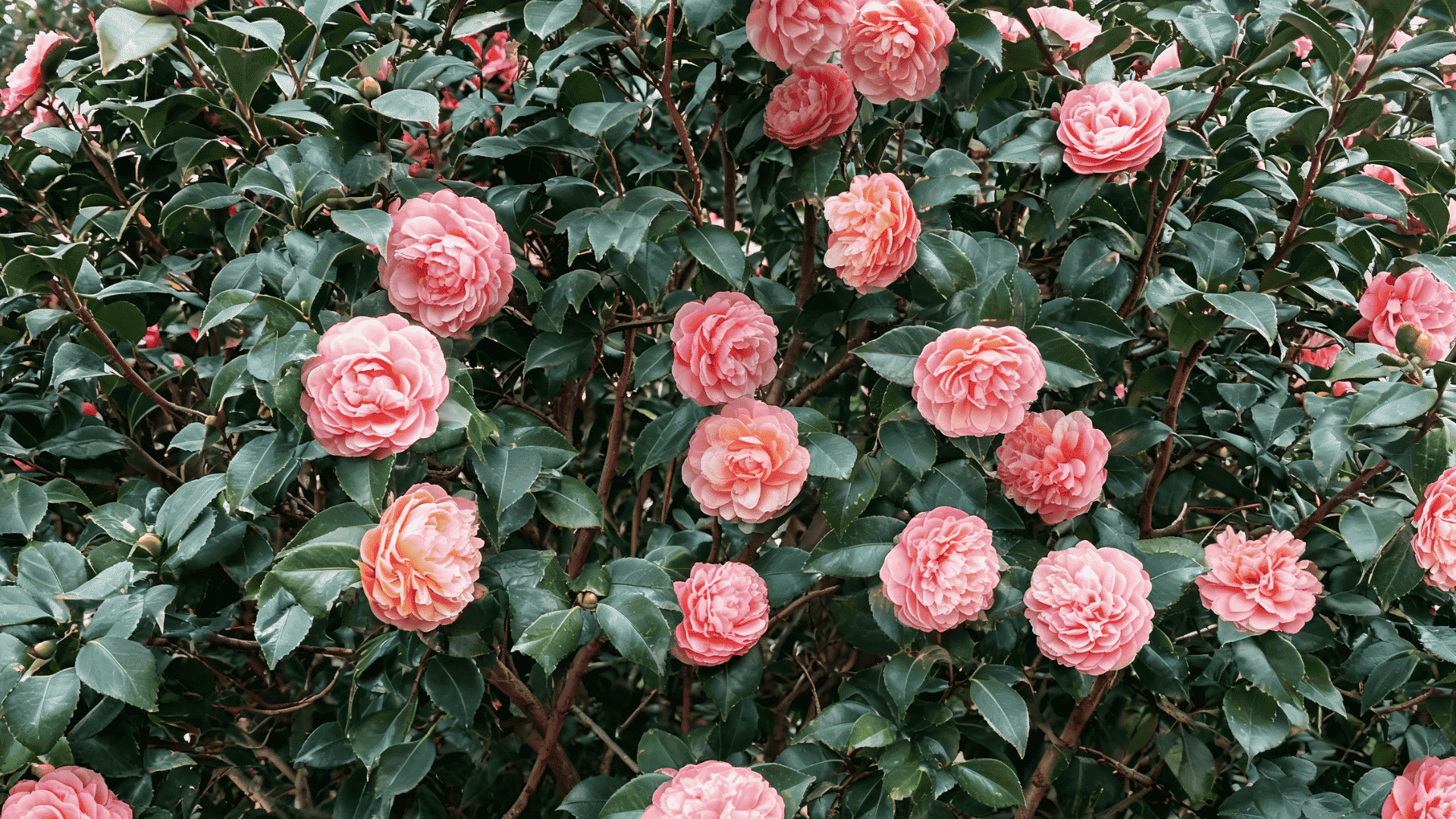
Camellias are safe for cats and commonly grown as ornamental shrubs. Their thick, waxy petals make them a popular choice for both gardens and bouquets.
Their thick, waxy petals make them popular for gardens and bouquets alike. Even if nibbled, they shouldn’t cause more than mild discomfort.
10. Aster
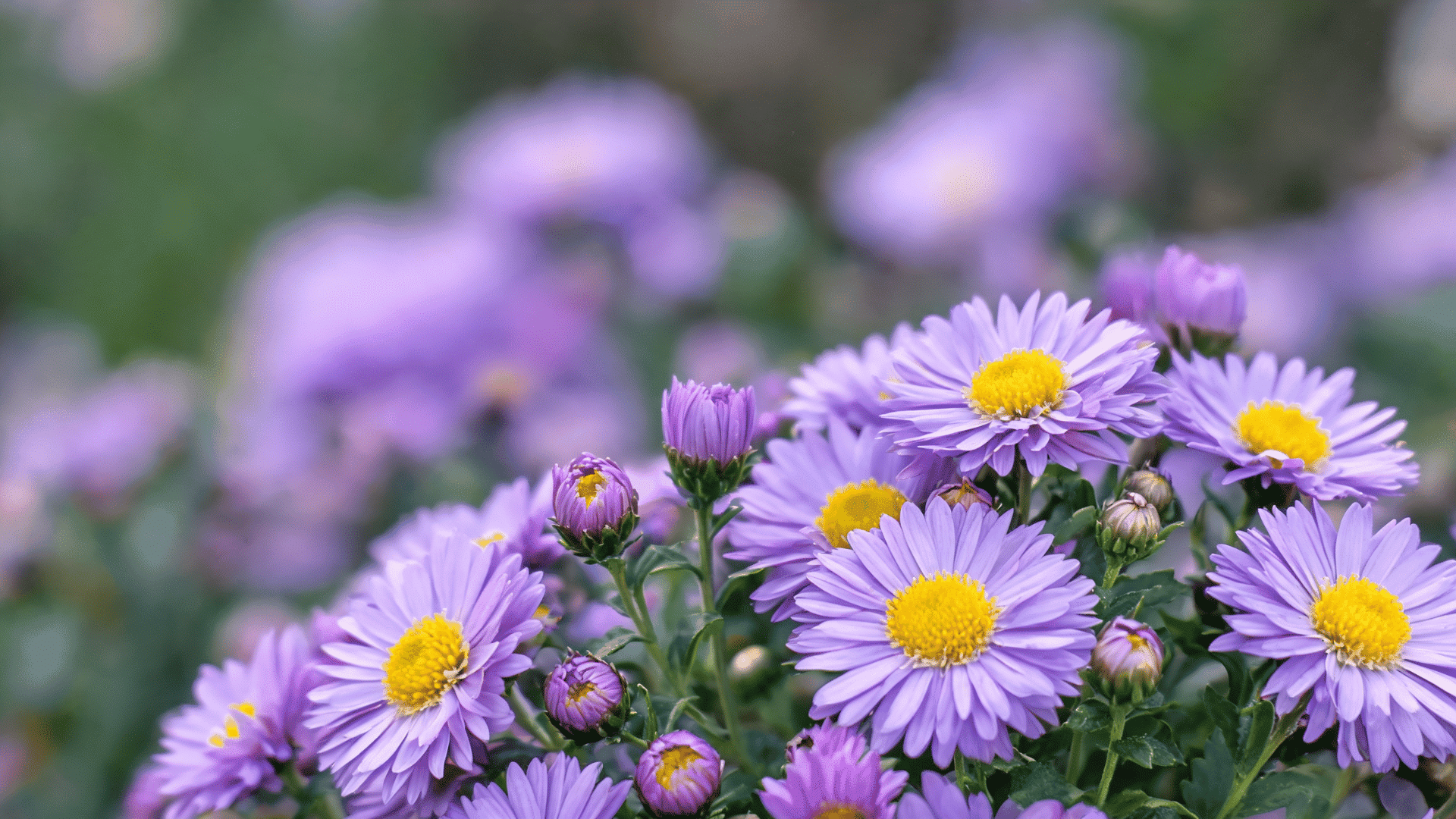
Asters are non-toxic and a great option for fall arrangements. They’re hardy flowers that hold their color for days after being cut.
They’re hardy flowers that hold their color for days after being cut. Even curious cats can be around them without any risk.
11. Marigold
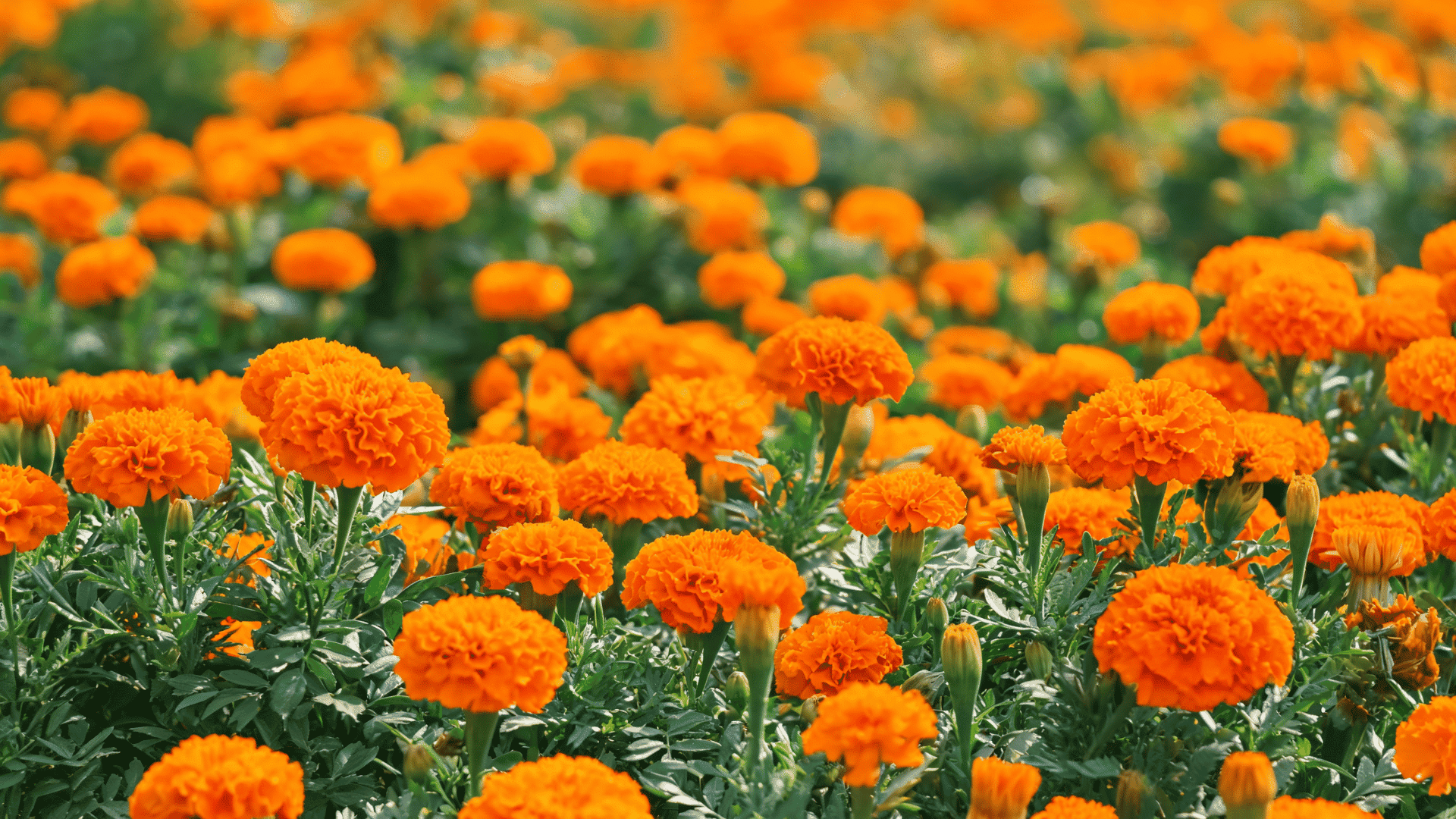
Marigolds are generally considered safe for cats, though ASPCA notes mild irritation is possible if eaten in large amounts. They’re commonly used in gardens for their pest-repelling properties.
The ASPCA notes mild irritation is possible if eaten in large amounts. A small nibble shouldn’t cause concern, but keep an eye on excessive chewing.
Flowers and Plants That Are Toxic to Cats
Not every flower is safe to keep around a curious cat. Some popular varieties can cause serious harm if ingested.
Knowing which ones to avoid can save you a stressful trip to the vet. Here’s a quick list of the most common toxic flowers to watch for.
- Lily: Can cause fatal kidney failure, even in small amounts.
- Tulip: Toxic bulb family; can cause drooling and weakness.
- Azalea: Every part is toxic; it can cause seizures if ingested.
- Daisy: Causes vomiting, diarrhea, and skin irritation.
- Carnation: Mildly toxic; can still cause stomach upset.
These flowers are best kept out of any home with cats. Even a small nibble from some of these can lead to serious symptoms.
If you’re ever unsure about a specific flower, check it by name first. The ASPCA’s Animal Poison Control database is the safest way to confirm.
What to Do if Your Cat Eats a Flower?
If your cat ate a toxic flower, such as a lily, call your vet or poison control right away. Don’t wait for symptoms, since lily toxicity can take a day or two to show.
Watch for vomiting, diarrhea, lethargy, and drooling. Acting fast can mean the difference between recovery and permanent damage.
If it was a flower from the safe list, mild symptoms usually aren’t a cause for panic. Just monitor her for a few hours and watch how she’s acting.
If symptoms persist or worsen, call your vet. When in doubt, it’s always better to call.
For US pet parents, reach the ASPCA at Ph no. 888-426-4435 or; Pet Poison Helpline at 855-764-7661. |
Conclusion
Non-toxic flowers for cats aren’t hard to find once you know what to look for. A little research now can save a stressful vet visit later.
Roses, orchids, sunflowers, and zinnias make it easy to keep your home colorful without any worry.
Your cat gets to stay curious, and you get to keep your favorite blooms around. That’s really all it takes to keep both of you happy.
Bookmark this page before your next flower run, so you always know what’s safe to bring home.
Have a flower-safety tip of your own? Drop it in the comments below!
Frequently Asked Questions
Can Flower Scent Bother Cats?
Yes, Strong Floral Scents Can Bother Some Cats Even if The Flower Itself Is Safe.
If Your Cat Sneezes, Avoids the Room, or Rubs Her Face, Move the Bouquet Away.
Are Artificial Flowers Better for Homes with Cats?
Artificial Flowers Can Be Safer Only If Your Cat Does Not Chew Them.
Plastic, Fabric, Wires, or Small Parts Can Still Cause Choking or Stomach Trouble.
Where Should I Place Flowers in A Cat-Friendly Home?
Place Flowers on A High, Stable Shelf Your Cat Cannot Jump onto easily.
Avoid windowsills, low tables, and counters where curious cats often climb.