Citronella plants have a way of humbling even confident gardeners. Good Citronella plant care starts strong, full, fragrant, thriving, and then, almost without warning, it doesn’t.
The signs show up quietly at first. A few stems stretch and thin out. The leaves lose their deep green shine.
The scent that used to fill the patio fades to almost nothing.
The cause is rarely a disease or bad luck. It almost always comes down to the same three habits: watering on a schedule instead of checking the soil, the wrong pot, or feeding too generously.
None of these issues are permanent once you spot them. Fix the habit, and the plant usually bounces back within weeks, fuller and fragrant again.
About Citronella Plant
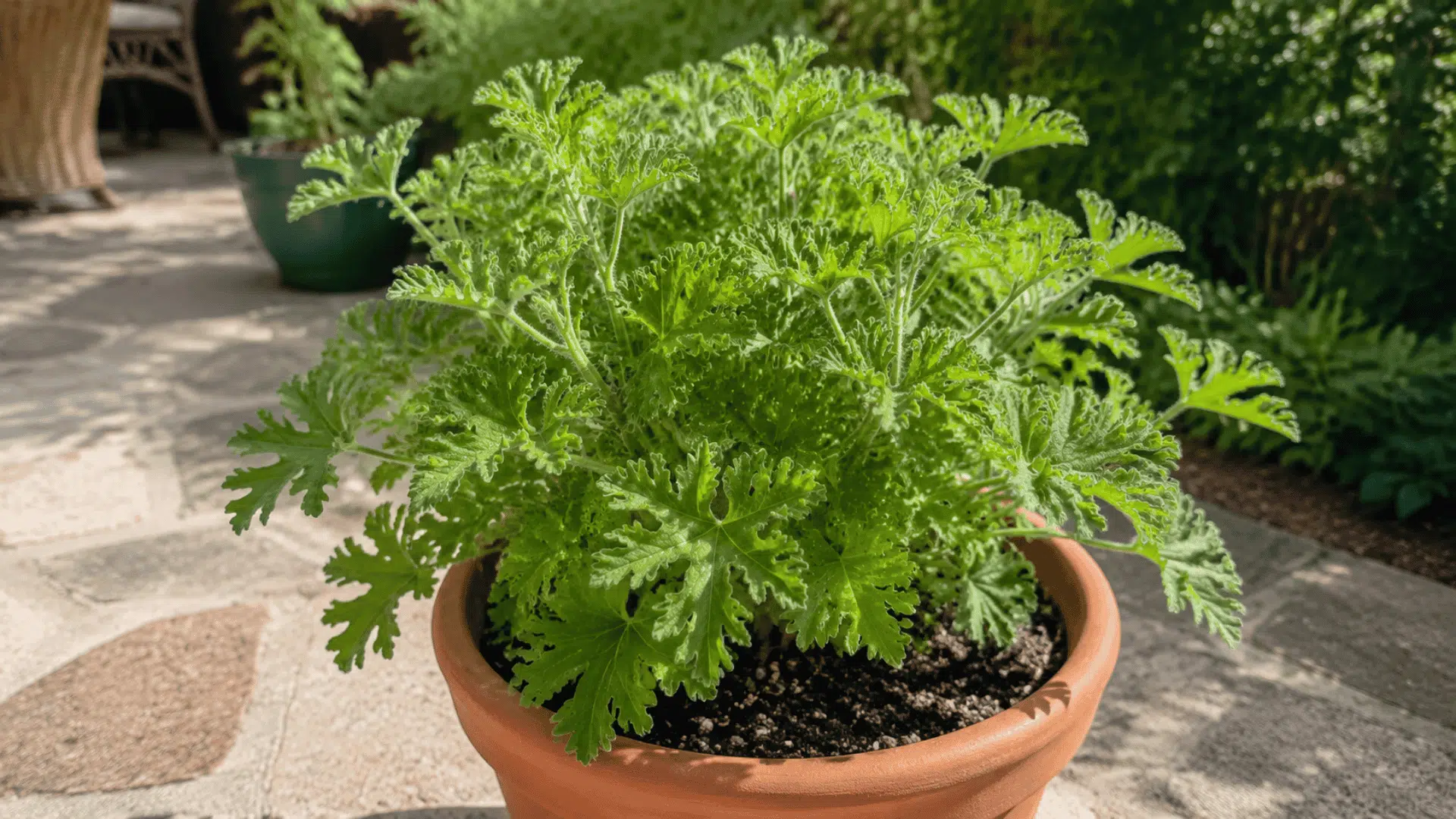
Citronella plant is a scented geranium (Pelargonium Citrosum), not true citronella grass used for producing citronella oil.
It is mainly grown as an ornamental plant for its citrus-like fragrance and attractive foliage.
The plant has become popular among gardeners because it adds fragrance to patios, balconies, and outdoor spaces while offering attractive green foliage.
Although its name is linked with mosquito protection, citronella is best treated as a decorative, fragrant plant rather than a guaranteed pest solution.
Proper placement, watering, and regular maintenance help this scented geranium stay healthy and perform well throughout the growing season.
Indoor and Outdoor Citronella Plant Care Tips
Citronella plant care depends on a few basic factors, including sunlight, soil quality, watering, and proper placement.
The following tips cover the essential steps for keeping citronella plants strong throughout the growing season:
1. Sunlight Requirements

Citronella grows best with at least 6 hours of direct sunlight daily outdoors. Strong light keeps the plant compact, bushy, and full of fragrance instead of thin and leggy.
In very hot climates, a bit of afternoon shade helps prevent heat stress while still supporting healthy growth.
Indoors, place it near a bright window or under a grow light, since low light quickly leads to stretched-out, pale stems and a weaker scent.
2. Best Soil Type

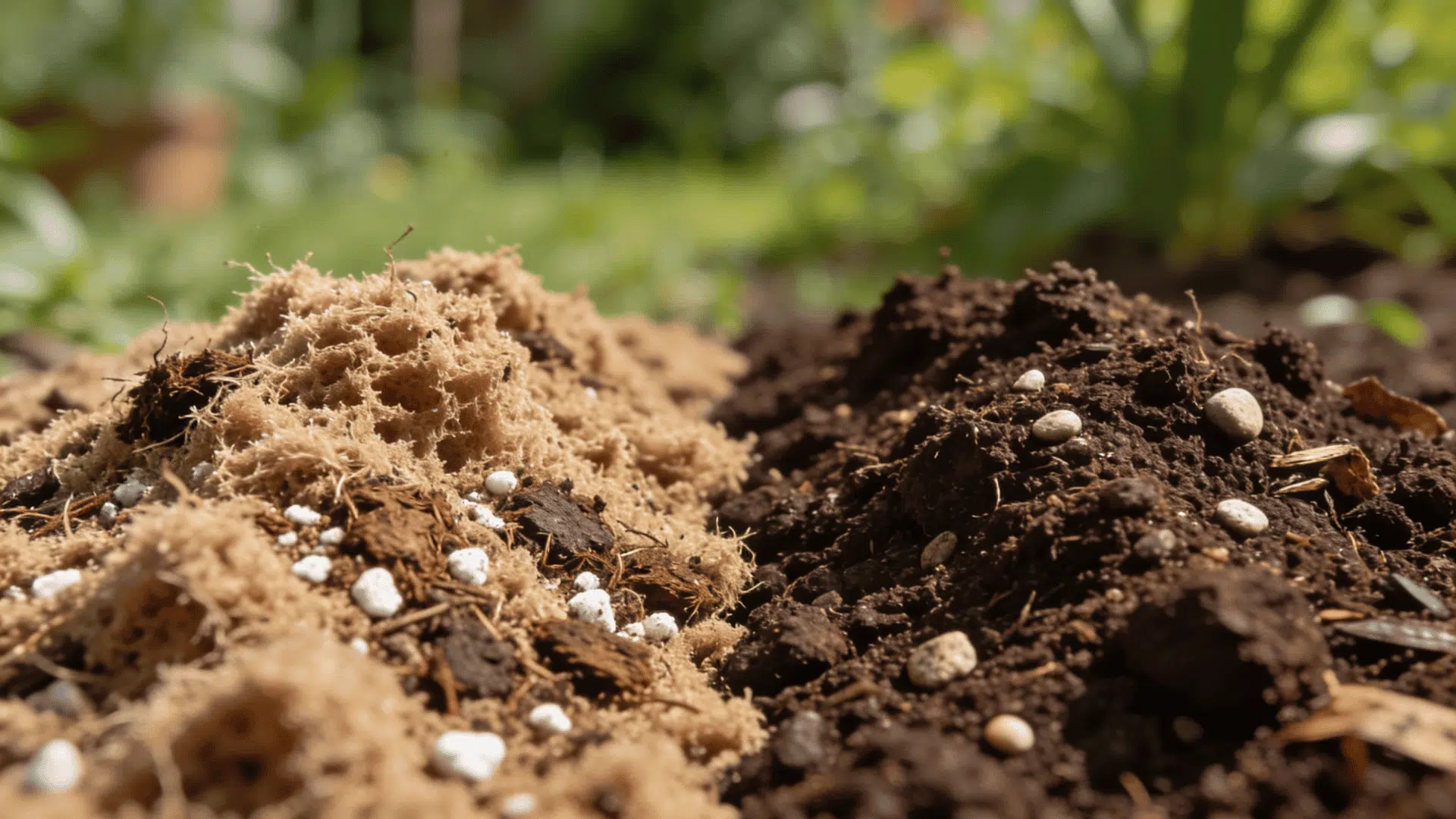
Citronella needs well-draining soil that keeps roots healthy and prevents excess moisture. The right mix supports airflow, growth, and fragrance.
| Material | Purpose |
|---|---|
| Potting mix | Holds nutrients and light moisture |
| Perlite | Improves airflow and drainage |
| Coarse sand | Reduces water buildup |
| Compost | Adds organic nutrients |
Avoid heavy soil that traps water and causes root issues. A balanced mix helps citronella grow healthier with better fragrance and resilience.
3. Water Needs

Water only when the top inch of soil feels dry, soaking each time. In fall, winter, or indoors, let the top 2 inches dry out before watering again.
Check with your finger, not just a glance, since the surface can look dry while the soil below still holds enough moisture.
Overwatering shows up as limp growth, mushy stems, and yellowing leaves, while underwatering causes midday wilting and crispy leaf edges.
4. Citronella Care in Pots

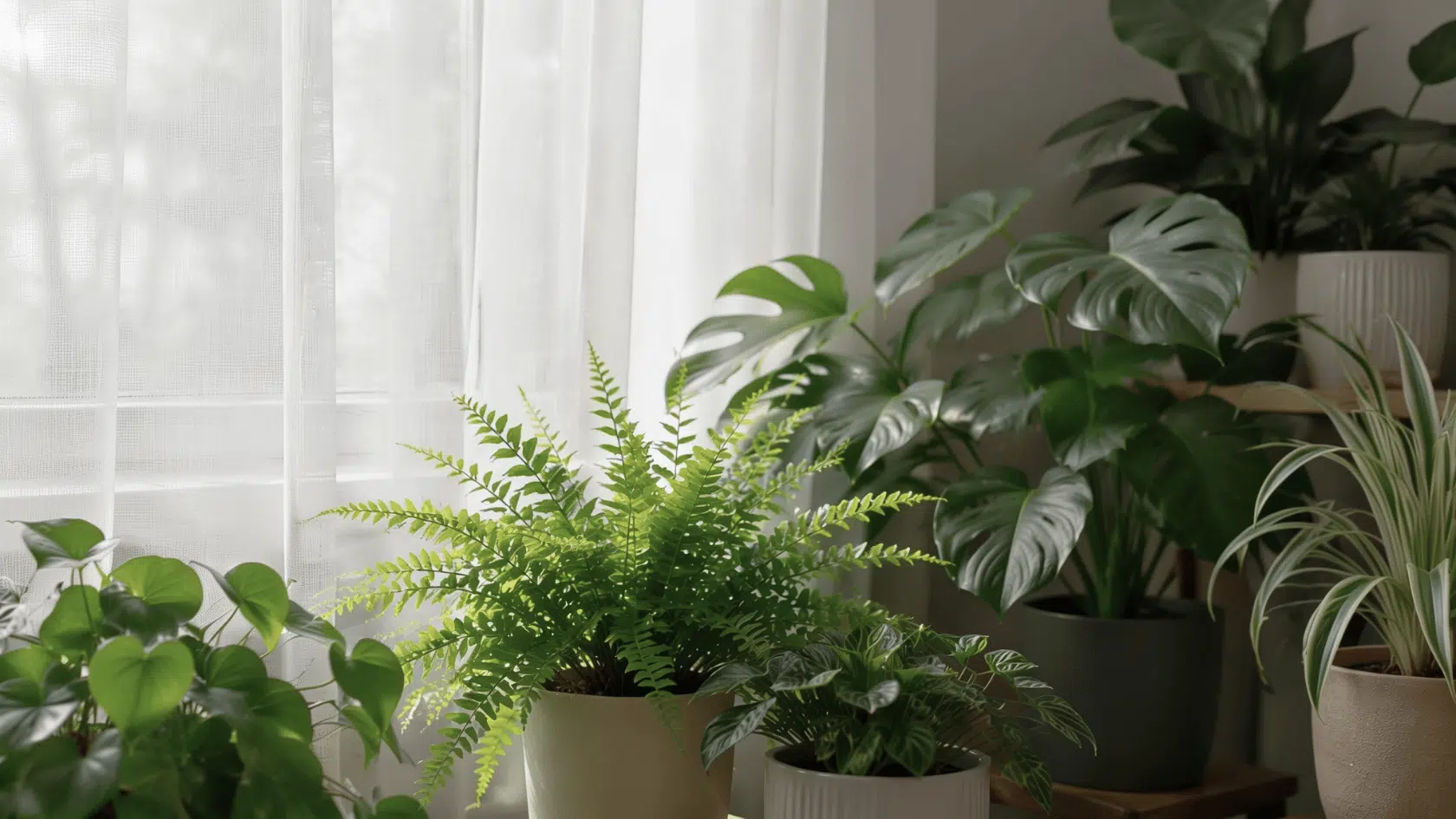
Citronella grows well in containers on patios, balconies, and sunny windowsills, and pots make it easy to move the plant indoors before cold weather hits.
Choose a container with drainage holes and enough room for root growth, but avoid jumping into an oversized pot.
Potted plants dry out faster than those in garden soil, so check moisture more often during hot weather.
5. Fertilizer Needs

Feed with a balanced liquid fertilizer at half strength every 4 to 6 weeks during spring and summer. Indoors, feed sparingly in fall and winter, if at all.
More fertilizer isn’t better here. Too much nitrogen pushes leafy growth at the expense of the fragrant oils that make citronella worth growing in the first place.
Citronella is a fast-growing scented geranium that benefits from moderate feeding during active growth. Proper nutrients support healthy leaves, stronger stems, and better fragrance. Avoid fertilizing dry soil to prevent root stress.
6. Pruning for Fragrance and Shape

Pinch soft tips regularly to encourage branching and keep the plant full rather than sprawling. Trim lanky stems just above a leaf node and save healthy cuttings for propagation.
Remove faded flowers and dead growth as you spot them. A mid-summer trim of 20 to 30% helps refresh the shape and encourage fragrant new growth.
Regular pruning improves airflow, keeps citronella compact, and supports healthier foliage throughout the growing season. Avoid removing too much growth at once.
How to Propagate Citronella from Cuttings?
Taking cuttings in late summer is also the easiest way to carry the plant through winter without hauling a big pot indoors; you overwinter a small rooted cutting instead.
Citronella roots readily in either soil or water:
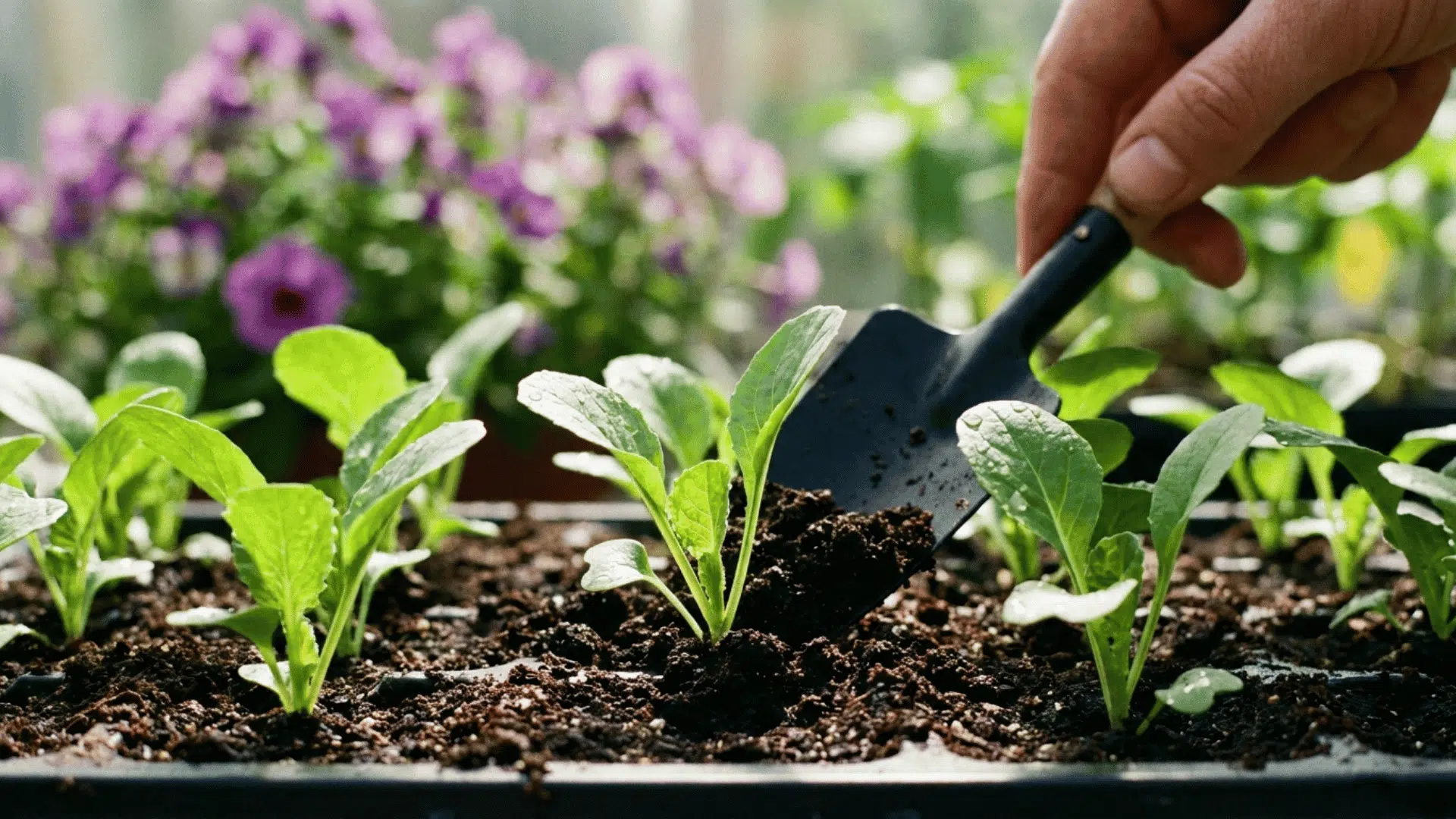
- Take a 3–5 inch softwood cutting from a healthy growing tip (not the woody base), with at least four leaves.
- Strip the lower leaves, leaving the top two, so the bottom nodes are bare.
- Soil method: dip the cut end in rooting hormone, insert it into moist, well-draining potting mix, and keep it in bright, indirect light. Roots form in about 4–8 weeks.
- Water method: place the cutting in a jar of clean water with the nodes submerged and leaves above the surface.
- Set it somewhere bright but not in direct sun, and change the water weekly. Expect roots in roughly four weeks.
Does Citronella Actually Repel Mosquitoes?
Well, not on its own.
The plant is nicknamed the “mosquito plant” because its leaves smell like the citronella oil used in candles and sprays, but simply having it on the patio does little.
Horticulturists at botanic gardens and university extension programs consistently make the same point.
The repellent oils are locked inside the leaves and only release when the foliage is crushed or rubbed, and even then the effect is brief.
I’d say grow citronella because it’s a handsome, fragrant plant and if you want the scent working for you, crush a few leaves rather than expecting the pot to guard the whole yard.
Real Gardener Experiences With Citronella Plant

Many gardeners on Reddit say citronella plants are pleasant to grow for their citrus scent but do not work as a strong mosquito barrier.
Some report that even multiple plants on patios did not stop mosquitoes.
Gardeners often mention that the scent is strongest when leaves are touched or crushed, not when the plant simply sits nearby.
Most grow citronella as a fragrant ornamental plant rather than a mosquito repellent.
Growers also recommend adequate sunlight, proper drainage, and proper plant care to maintain healthy growth and fragrance.
Common Mistakes That Weaken Citronella Plants
Small care mistakes can slowly weaken citronella plants. Wrong watering, poor drainage, overfeeding, and low light can reduce growth and fragrance over time.
- Watering on a fixed schedule instead of checking the soil first
- Heavy potting mix or a pot with poor drainage
- Overfeeding, which favors leafy growth over fragrance
- Relying on citronella alone to repel mosquitoes outdoors
- Too little light, causing leggy stems and weak scent
None of these issues is permanent when identified early. Correcting these habits helps citronella recover and maintain healthier, fuller growth with better fragrance.
Final Take
Growing a citronella plant isn’t complicated once you know what it actually needs. Most problems trace back to just a few habits.
Good citronella plant care comes down to checking the soil before watering, giving it enough light, and feeding it sparingly.
Skip any of these, and growth suffers first. The fragrance and bushy shape people love aren’t hard to get. They take consistency, not extra effort or fancy tools.
Start with one small fix today, whether it’s your watering routine or your pot, and watch the plant respond within weeks.
Already growing citronella? Share what’s worked for you in the comments below.
Frequently Asked Question
Why Is My Citronella Plant Turning Yellow?
Yellow leaves often happen due to overwatering, poor drainage, low light, or nutrient problems. Check soil moisture before watering again.
Why Is My Citronella Plant Not Smelling?
Weak fragrance can result from low sunlight, overwatering, or too much fertilizer. The scent is strongest when leaves are gently crushed.
Can Citronella Plants Survive Winter?
Citronella plants are sensitive to frost. Move containers indoors before temperatures drop or protect them in warmer climates.