
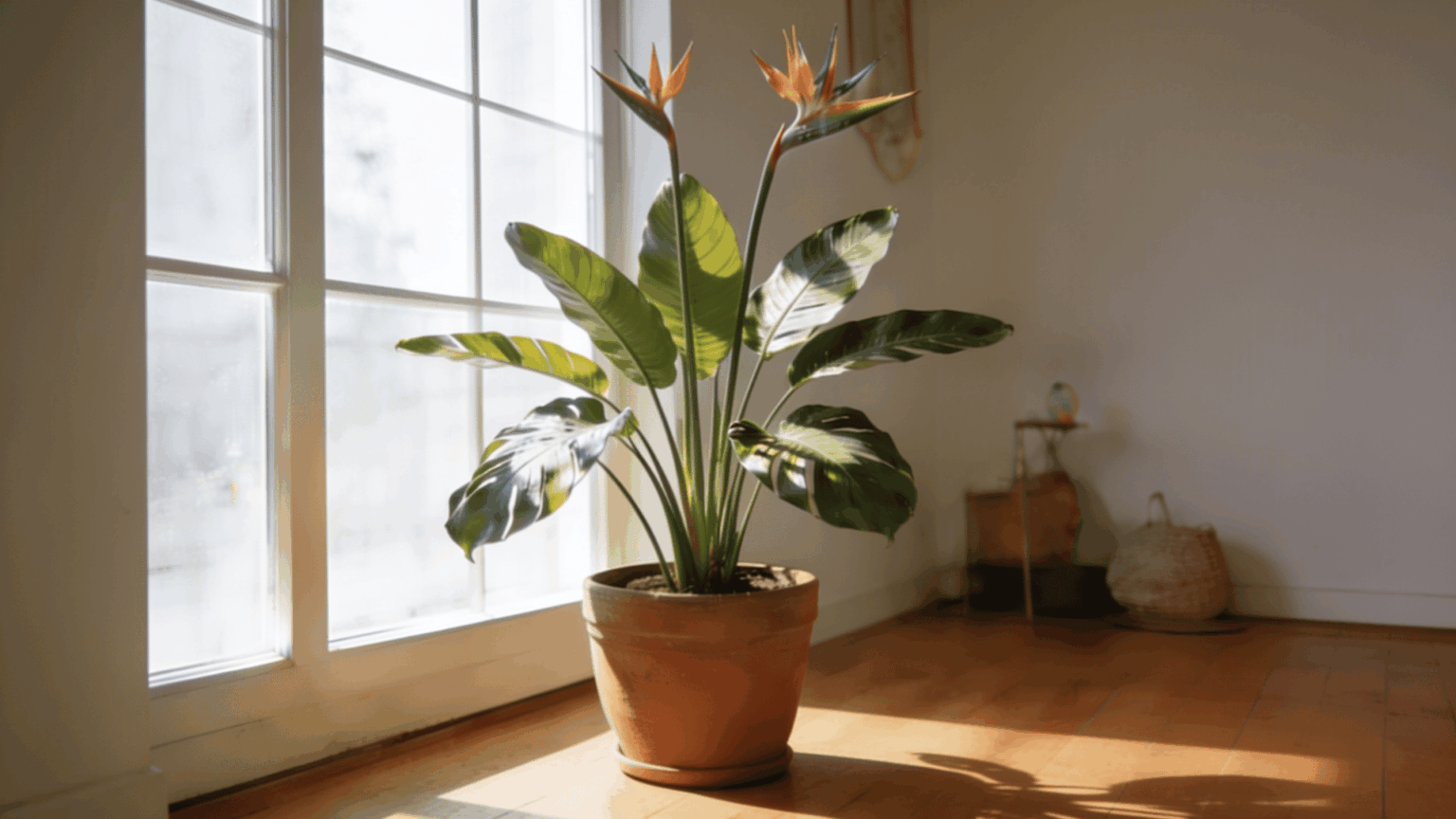
Bird of paradise plants are known for their large, tropical leaves and striking flowers that lend a bold look to indoor and outdoor spaces.
Their lush foliage makes them a popular choice for homes, patios, and warm garden areas.
Keeping this tropical plant healthy becomes easier when you understand its basic growing needs.
The right balance of sunlight, watering, soil, and maintenance helps support stronger leaves and better growth.
This guide covers simple bird of paradise plant care tips to help you maintain healthy foliage, encourage steady growth, and avoid common plant problems throughout the year.
About Bird of Paradise Plant
The bird of paradise is a tropical flowering plant known for its large, paddle-shaped leaves and unique flowers that resemble a colorful bird in flight.
It belongs to the Strelitzia genus and grows naturally in warm climates, thriving outdoors in USDA zones 9 to 11.
The plant is popular for its dramatic appearance, with broad green leaves that add a tropical feel to indoor rooms, balconies, patios, and garden spaces.
Grown in containers, it adapts well to indoor life, and like Monstera, it rewards steady attention with tall, dramatic greenery.
This tropical plant is also commonly grown in containers and adapts well to indoor conditions, making it a popular choice for adding lush, upright greenery to living spaces.
How to Grow a Bird of Paradise Plant
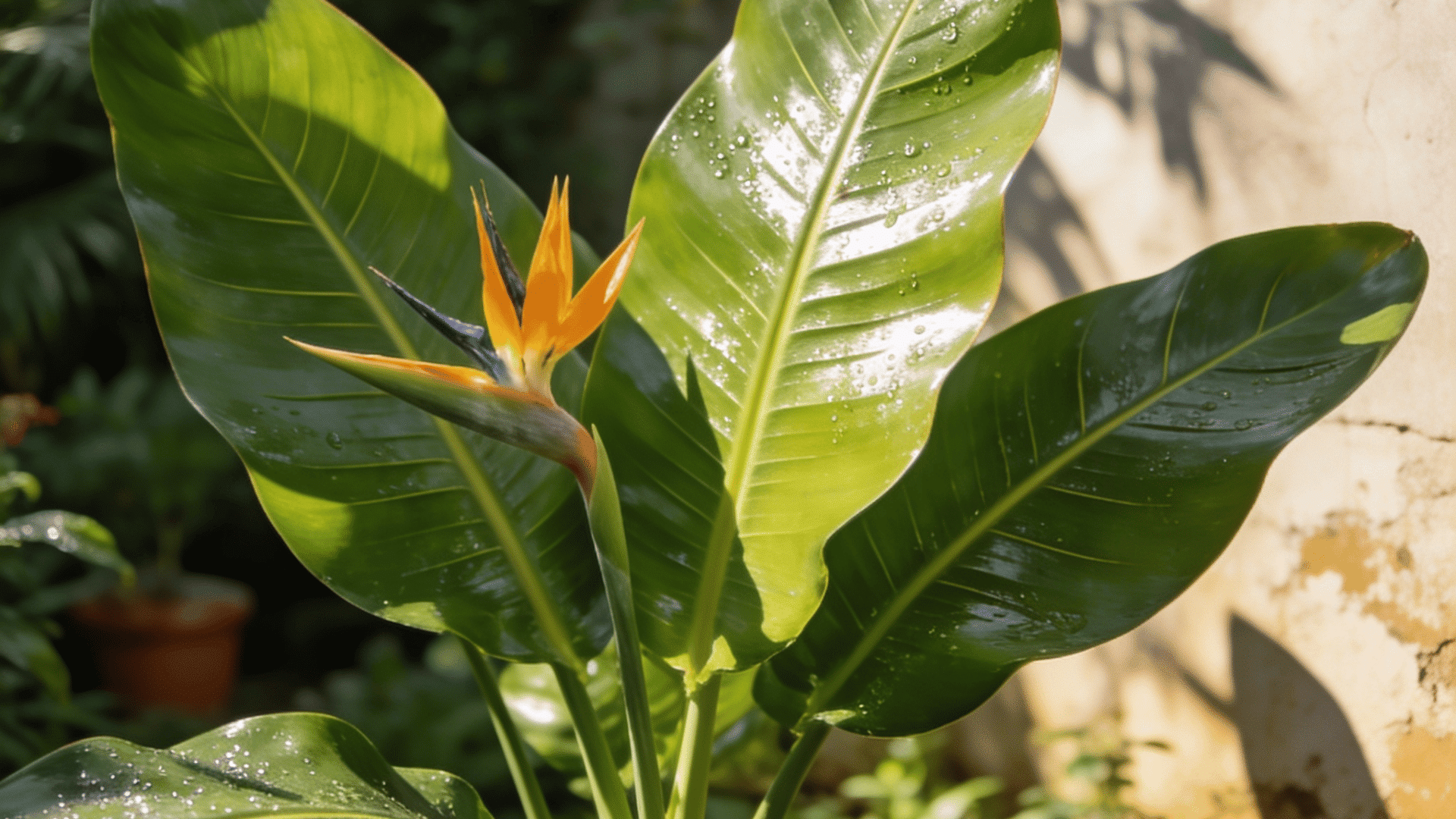
Growing a bird of paradise is straightforward with the right start and a little patience, since this tropical plant takes time to establish before producing vigorous new growth.
Follow these steps to get a new plant settled in:
- Start with a nursery plant or rooted division, not seed, which can take years to flower.
- Pick a pot only slightly larger than the root ball; snug roots encourage flowering.
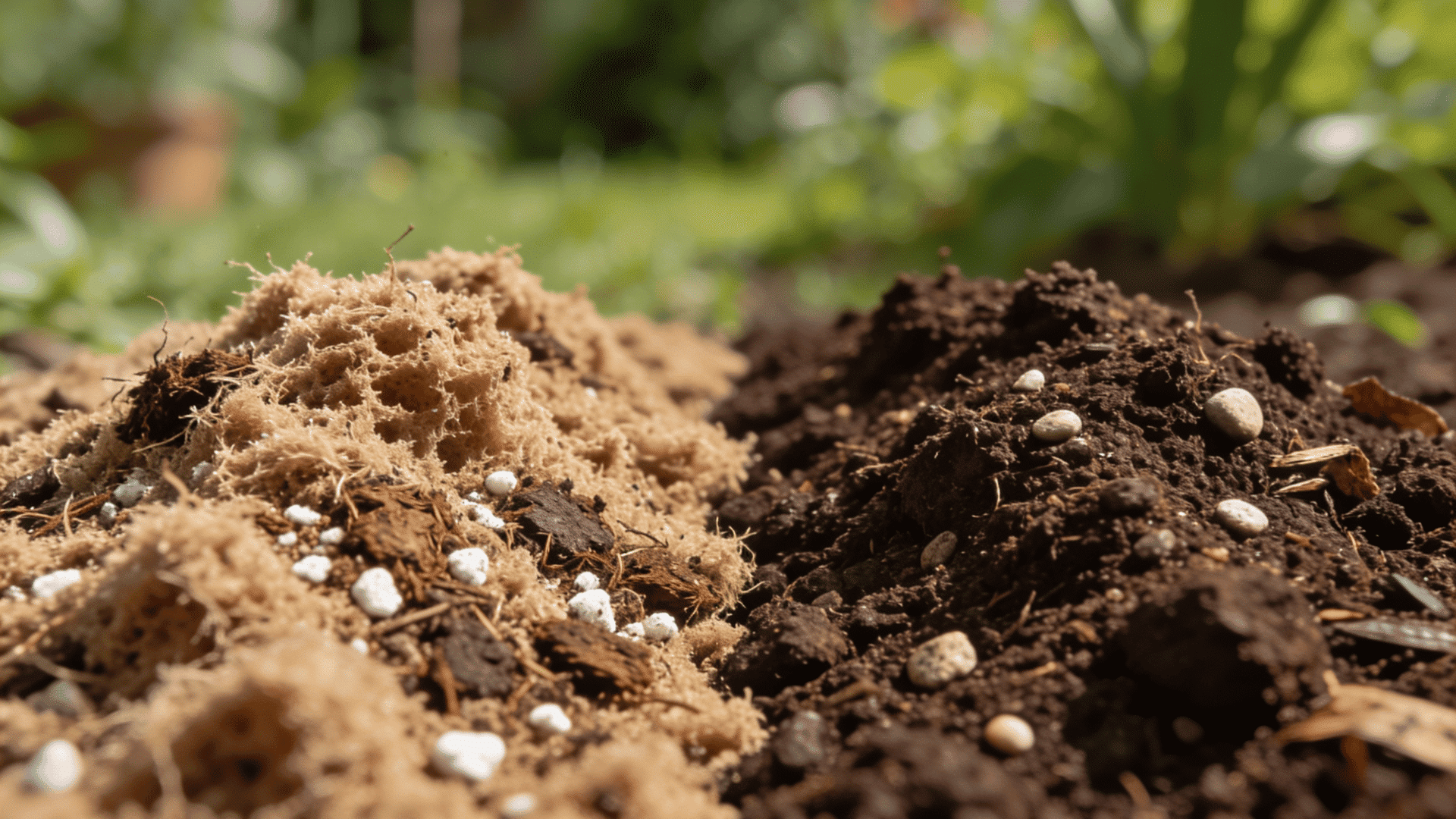
- Use a well-draining mix, such as potting soil with added perlite and compost.
- Set the root ball level with the soil surface, not too deep or too shallow.
- Water deeply after planting, then keep the soil moist but never soggy for the first few weeks.
- Give bright, indirect light at first, and be patient while the roots establish.
With the right start and a bit of patience, your bird of paradise will settle in and reward you with lush, tropical growth for years to come.
Common Bird of Paradise Plant Types
Bird of paradise plants come in different varieties that vary in size, flower color, and growing habits. Some types are better suited for indoor containers, while others grow best outdoors in warm climates.
| Plant Type | Features |
|---|---|
| Orange Bird of Paradise | Produces orange and blue flowers with tall upright growth |
| White Bird of Paradise | Larger variety with white flowers and broad leaves |
| Giant Bird of Paradise | Tall outdoor plant with oversized tropical foliage |
| Mandela’s Gold | Produces yellow flowers with a compact growth habit |
These varieties make bird-of-paradise a popular choice for gardeners seeking bold foliage, tropical flowers, and a statement plant for indoor or outdoor spaces.
Indoor and Outdoor Bird of Paradise Plant Care
Bird of paradise is a tropical plant that grows well when provided with the right conditions.
Whether grown indoors or outdoors, proper light, moisture, and regular maintenance help support healthy leaves and steady growth.
1. Sunlight
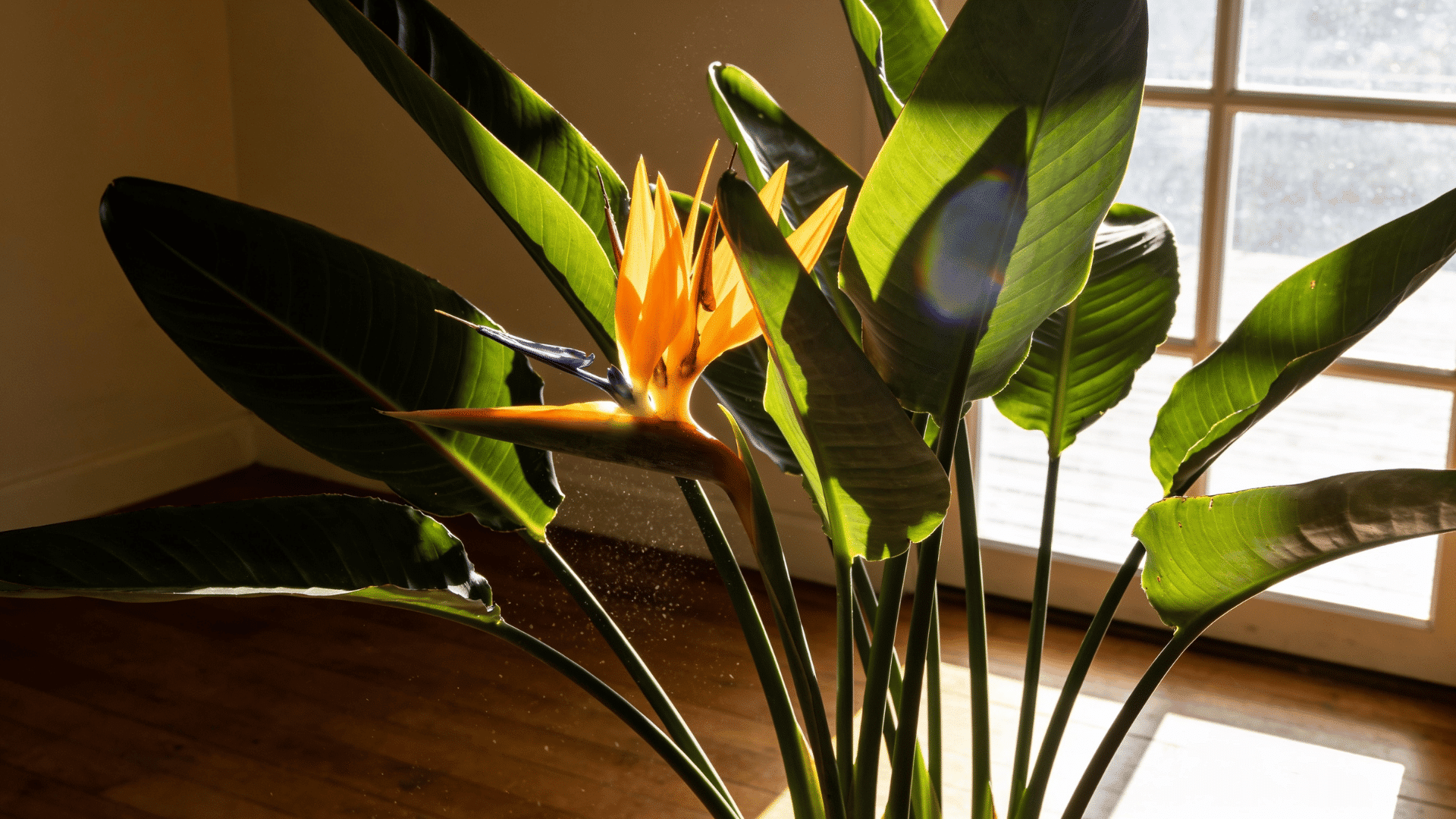
Bird of paradise grows best in bright light and usually needs several hours of sunlight each day to stay healthy. Strong light supports larger leaves, stronger stems, and better overall growth.
Indoor plants should be placed near a sunny window where they can receive bright indirect light or some direct morning sunlight.
Outdoor plants can handle more sunlight when gradually introduced to brighter conditions.
2. Soil Type for Bird of Paradise
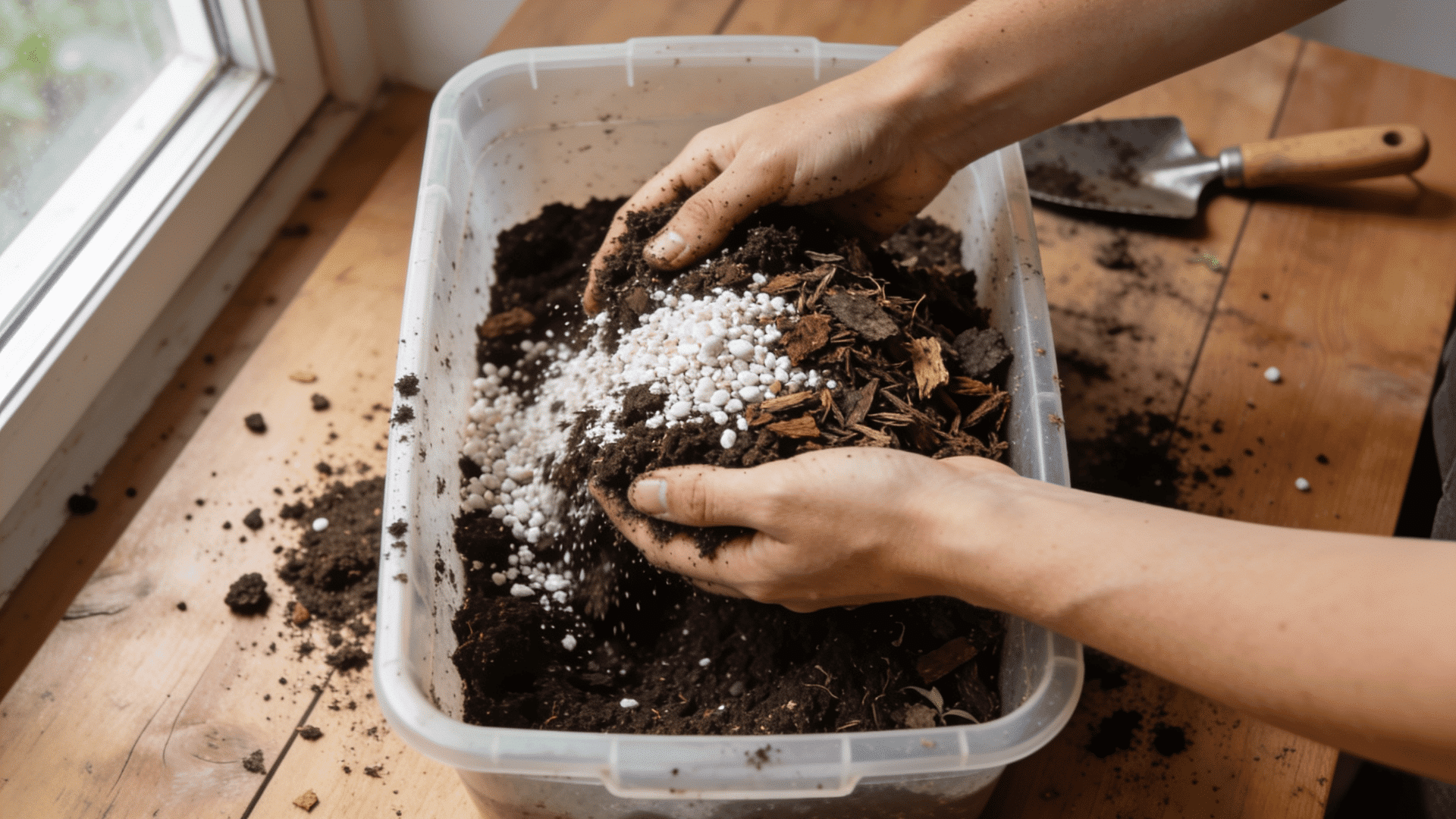
Bird of paradise grows best in rich, well-draining soil that holds moisture without staying soggy. Good drainage helps protect the roots and prevents problems caused by excess water.
For container plants, a quality potting mix combined with drainage materials helps create the right growing environment.
Adding organic matter can also improve nutrients and soil structure.
| Material | Purpose |
|---|---|
| Potting mix | Provides nutrients and moisture balance |
| Perlite | Improves drainage and airflow |
| Compost | Adds organic nutrients |
| Coarse sand | Helps prevent compacted soil |
Note: Avoid heavy soil that holds too much water, as it can lead to weak roots and slow growth.
3. Watering
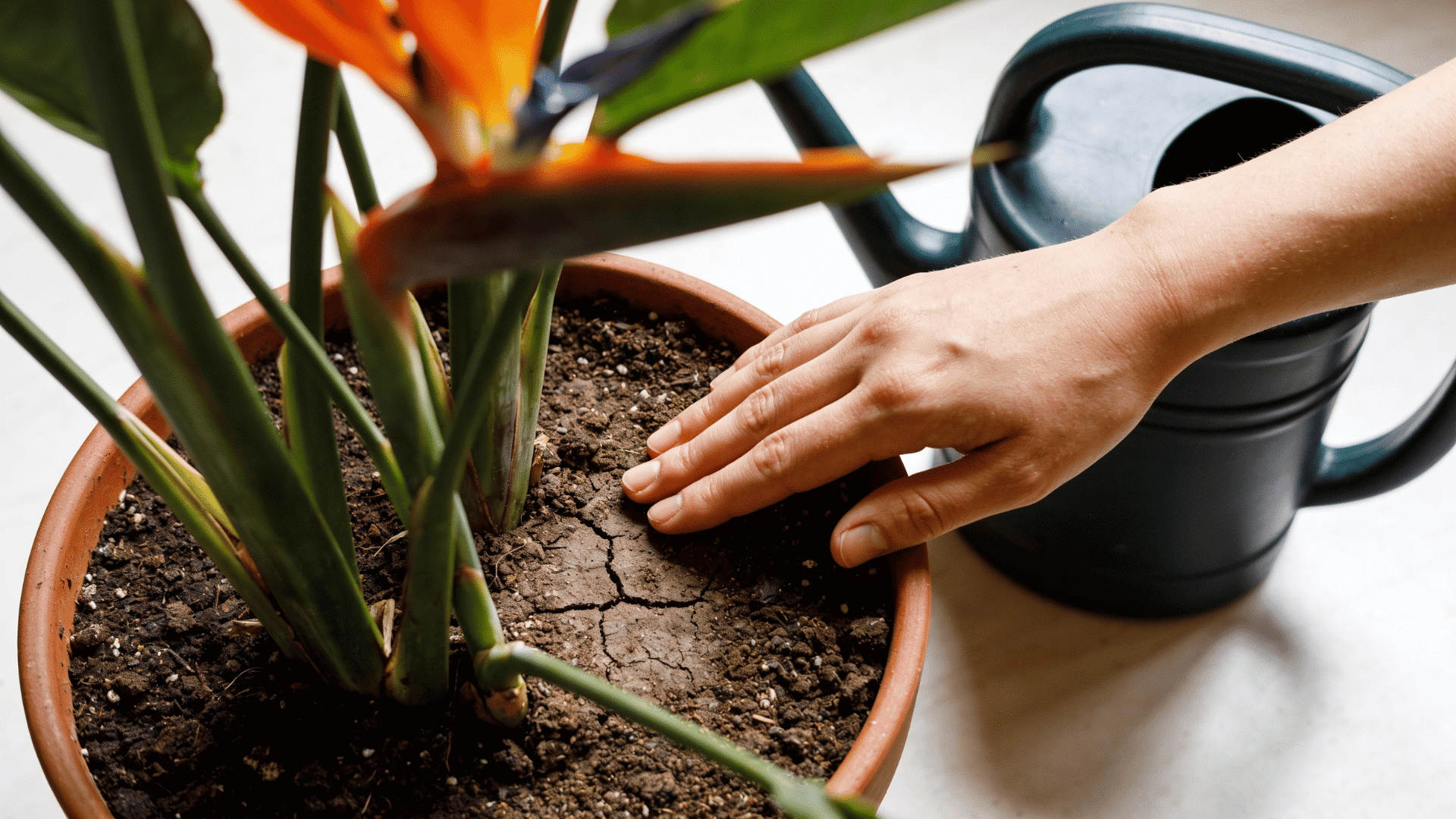
Bird of paradise plants need consistent moisture to grow well but should never sit in waterlogged soil. Proper watering helps maintain healthy roots, strong leaves, and steady growth throughout the growing season.
- Check soil moisture: Water the plant when the top few inches of soil feel dry, especially during active growth periods.
- Avoid overwatering: Excess water can cause root problems, yellow leaves, soft stems, and slower growth.
- Prevent poor drainage: Make sure excess water can drain away to avoid moisture buildup around the roots.
- Watch for underwatering: Dry soil, curled leaves, and brown edges may indicate the plant needs more water.
If keeping moisture even is a struggle, bottom watering lets the plant draw up what it needs from the base without soaking the crown.
Tip: Checking the soil before watering helps maintain the right moisture level and supports healthier growth throughout the season.
4. Bird of Paradise Care in Pots
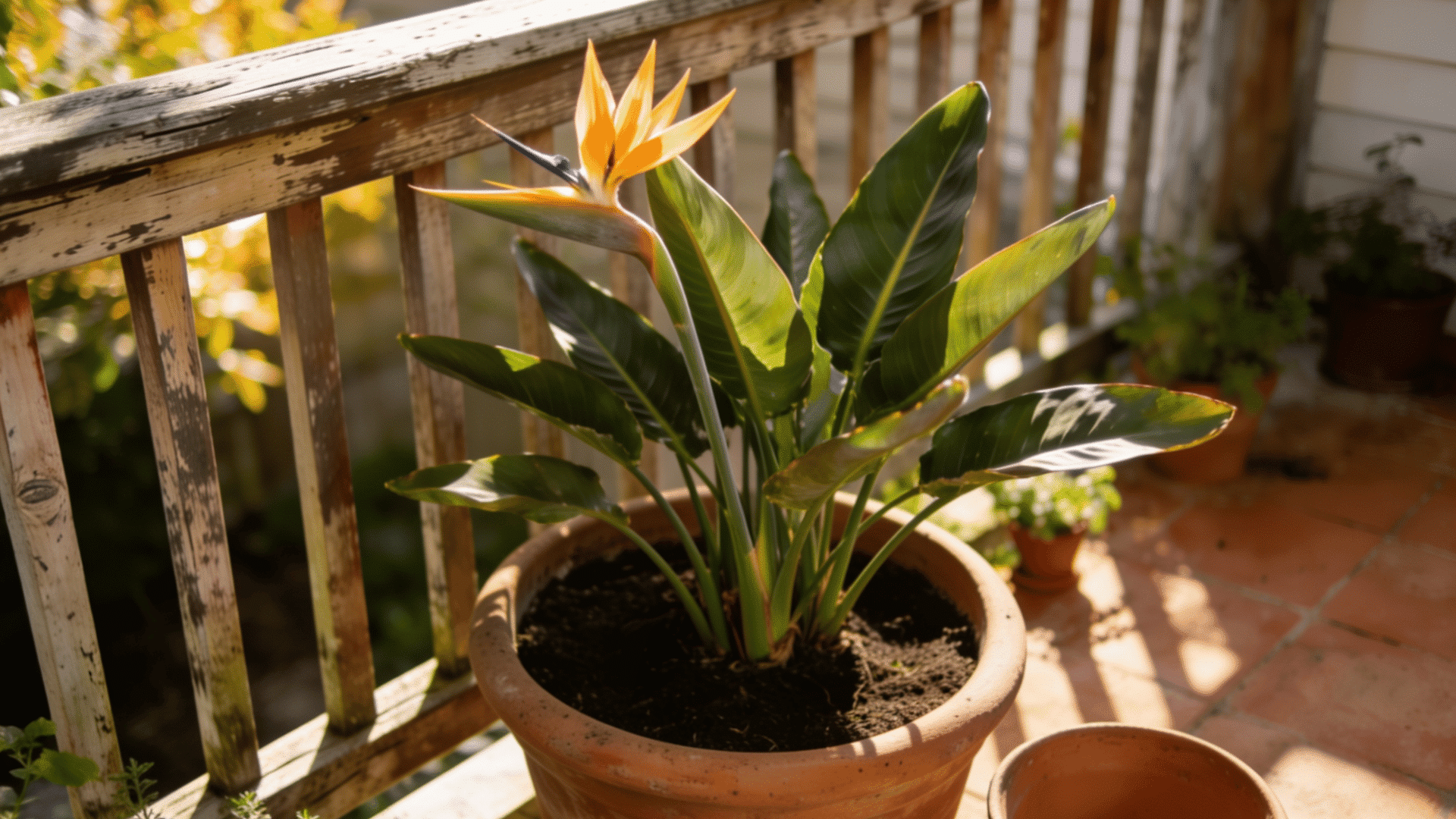
Bird of paradise grows well in containers, making it a popular choice for indoor spaces, balconies, and patios.
Growing it in pots also makes it easier to move the plant when temperature conditions change.
Choose a sturdy container with drainage holes and enough space for the roots to grow. A slightly larger pot helps prevent the plant from becoming root-bound too quickly.
Container-grown bird of paradise plants may need more frequent watering because pots dry out faster than garden soil.
5. Pruning and Maintenance
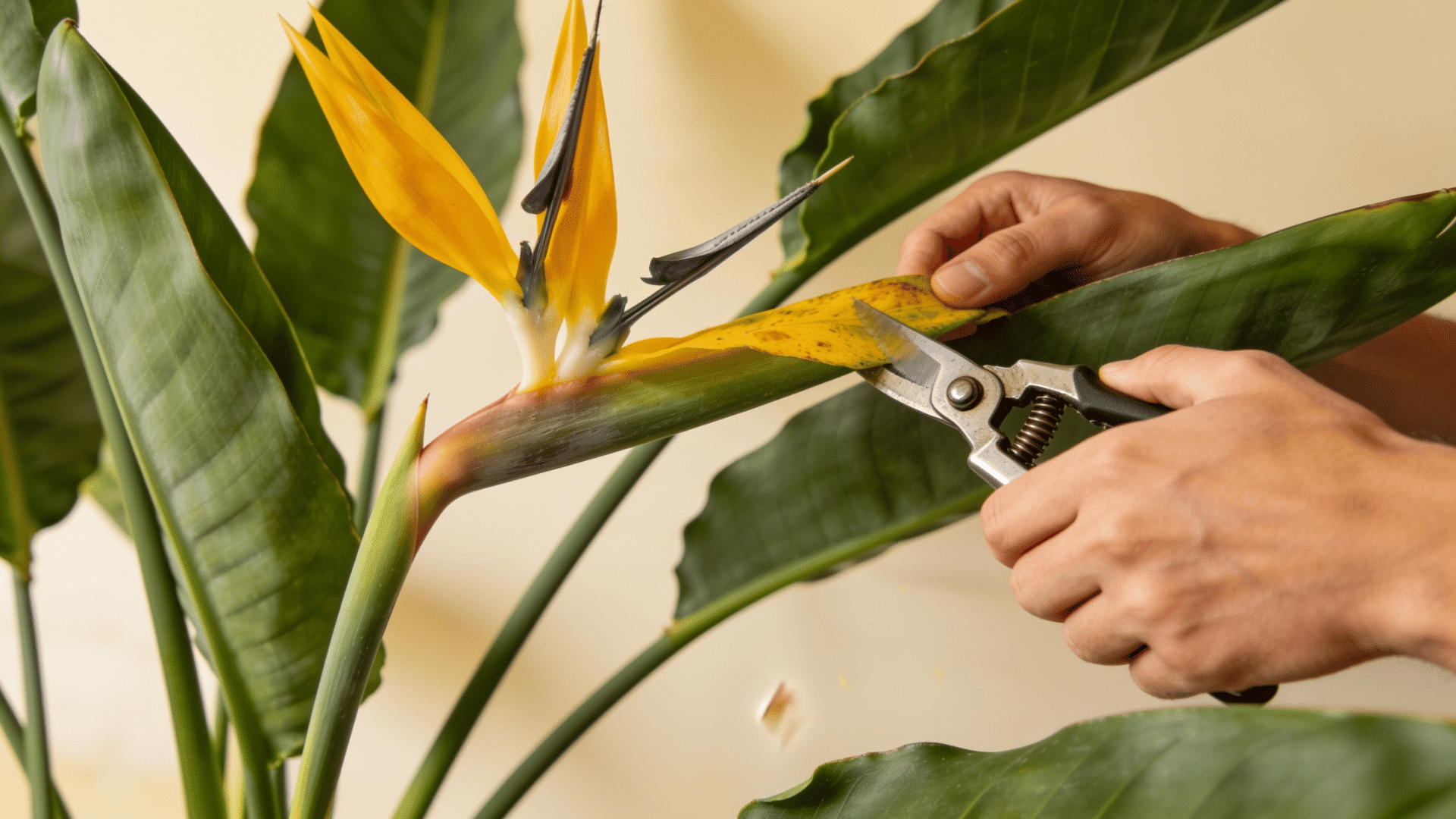
Pruning helps bird-of-paradise plants maintain a cleaner appearance and encourages healthier growth.
Removing damaged, yellow, or older leaves allows the plant to focus energy on new growth.
Cut back unhealthy leaves close to the base using clean pruning tools. Regular leaf cleaning also helps remove dust and allows the plant to absorb more light.
Bird of paradise plants naturally develop large leaves that may split over time.
Leaf splitting is common and usually happens due to wind, dryness, or natural growth patterns.
Best Fertilizer for Bird of Paradise Plants
Bird of paradise plants are heavy feeders and respond well to regular feeding during the growing season, when they actively produce new leaves.
Get the formula and timing right, and you’ll see the difference in leaf size and color:
- Formula: Balanced 10-10-10, or 3-1-2 for more leaf growth.
- Schedule: Every 2 weeks (liquid) or 4–6 weeks (slow-release) in spring and summer.
- Watering: Soak the soil before and after feeding.
Getting the timing and balance right helps the plant put out fuller, greener leaves without stressing the roots or causing salt buildup.
Is Bird of Paradise Toxic to Pets?
Yes, the common bird of paradise (Strelitzia reginae) is listed by the ASPCA as toxic to cats, dogs, and horses.
The toxins act as gastrointestinal irritants, and the fruit and seeds are the most potent parts. Signs are usually mild and may include nausea, vomiting, and drowsiness.
It’s worth knowing there’s a different, more toxic plant also called “bird of paradise” (Caesalpinia or Poinciana gilliesii), so the two are easy to mix up.
Either way, the safest move in a home with curious pets is to keep the plant well out of reach.
Common Pests on Bird of Paradise Plants
Bird of paradise plants can attract pests, especially when grown indoors with dry air or poor airflow. Regularly checking the leaves, stems, and soil helps identify problems before they become severe.
| Pest | Common Signs | Possible Effect |
|---|---|---|
| Spider mites | Tiny webs and spotted leaves | Leaf damage and weak growth |
| Scale insects | Small brown bumps on stems and leaves | Reduced plant strength |
| Mealybugs | White cotton-like clusters | Slow growth and leaf stress |
| Aphids | Small insects on new growth | Curled leaves and weaker shoots |
Conclusion
Bird of paradise plants can bring a tropical look to indoor and outdoor spaces when provided with the right growing conditions.
From bright sunlight and balanced watering to proper soil, feeding, and maintenance, simple care practices can help support stronger leaves and healthier growth.
Regularly checking for pests, adjusting care with the seasons, and providing enough space for roots can make a noticeable difference in plant health.
With consistent attention and the right environment, a bird of paradise can remain a beautiful and long-lasting addition to your plant collection.
Have questions or tips about growing bird of paradise? Share your own experience in the comments below.
Frequently Asked Questions
How Big Can a Bird of Paradise Plant Get?
A bird of paradise can grow several feet tall depending on the variety and environment. Outdoor plants usually become larger than indoor container plants.
Why Are My Bird of Paradise Leaves Splitting?
Leaf splitting is a natural trait of bird of paradise plants. Wind, movement, and large leaf growth can cause splits that do not usually harm the plant.
When Should I Repot a Bird of Paradise Plant?
Repot bird of paradise when roots become crowded, water drains too quickly, or growth slows. Spring is usually a suitable time for repotting.