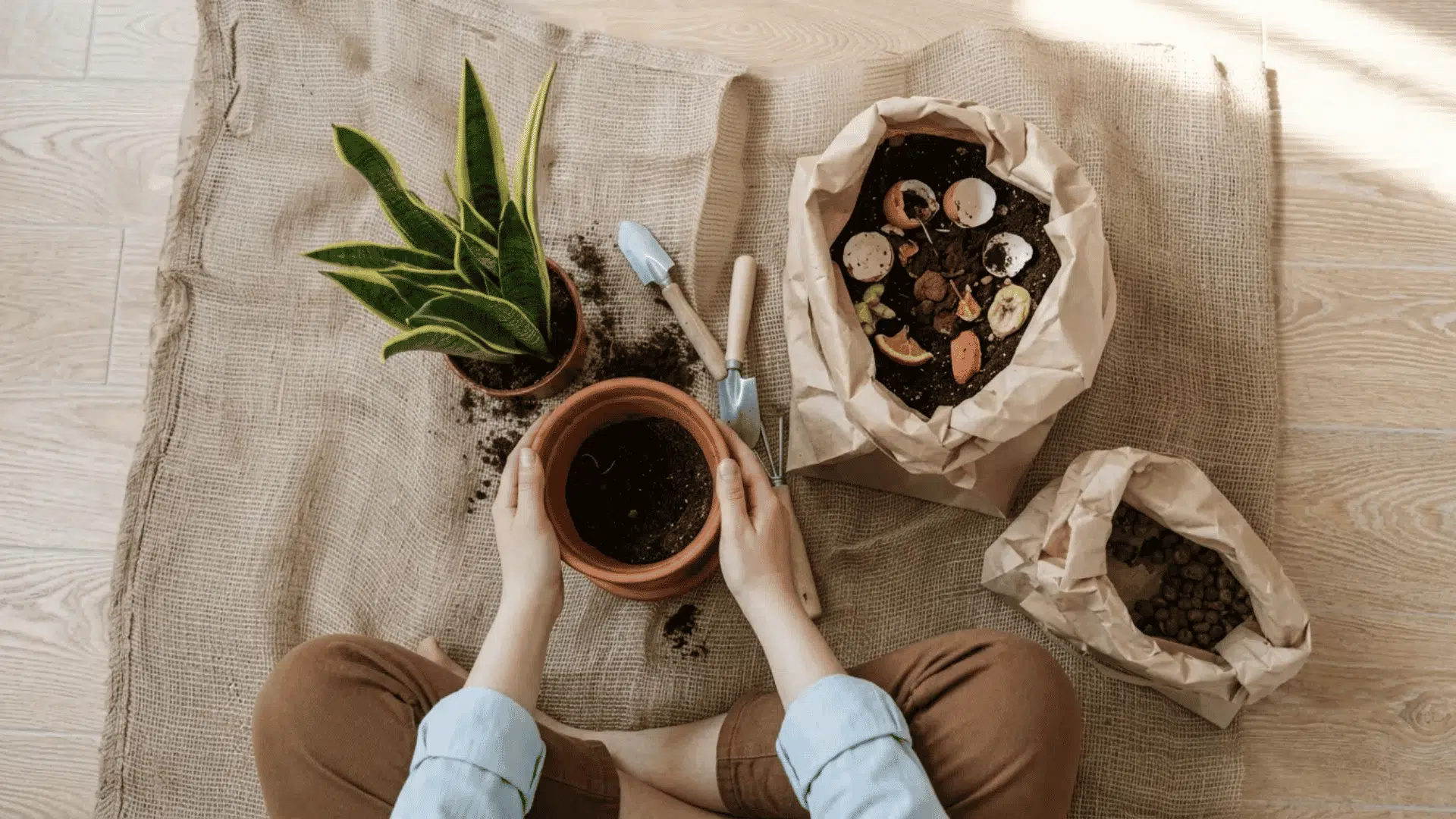
Many gardeners see homemade plant food as an emergency substitute, yet it can also support routine feeding when plants are already healthy and growing well.
Commercial fertilizers offer measured nutrient ratios, while homemade mixtures use common household ingredients and usually cost less to prepare for regular plant care at home.
They work slowly and are well-suited to ongoing maintenance, so plants with severe yellowing, weak growth, or flower loss may need a quicker commercial treatment to recover.
Below, you will find easy homemade plant food recipes, clear preparation steps, suitable plant types, safe timing, and simple feeding limits for each recipe listed.
What Homemade Plant Food Actually Does
Homemade plant food offers gentle nourishment from common household materials. It suits routine care rather than urgent treatment.
- It provides small amounts of nitrogen, potassium, calcium, or magnesium.
- Healthy plants may benefit from occasional use between regular watering schedules.
- Nutrient levels are less exact than those found in commercial fertilizers.
- Yellow leaves, weak stems, slow development, or poor flowering often require a faster solution.
- Store-bought products are more suitable when clear signs of deficiency appear.
Used carefully, a homemade mixture can support steady plant health without replacing a balanced fertilizer when stronger feeding is needed.
Best Homemade Plant Food Recipes
The best homemade plant food depends on what your plant actually needs. Pick based on the plant, not the pantry.
If you want more options to try, these homemade natural fertilizers use the same kind of kitchen ingredients.
1. Banana Peel Tea

Banana peels contain potassium, which supports water movement, flowering, and fruit growth. Soaking them in water releases some of that potassium faster than burying the peels in soil does.
How to Make It:
- Cut 2 to 3 banana peels into small pieces so more surface area touches the water.
- Place the pieces in a clean jar or container and add 1 quart of water.
- Cover the container loosely and leave it at room temperature for 24 to 48 hours.
- Stir the mixture once or twice during soaking to help the nutrients move into the water.
- Strain out the peel pieces and discard or compost them.
- Mix the banana peel liquid with an equal amount of plain water before use.
- Pour a small amount around the soil near the roots, avoiding the leaves and stems.
Use it every 2 to 3 weeks on flowering or fruiting plants such as tomatoes, roses, and peppers. Avoid frequent use in poorly drained pots, since salts may collect in the soil.
2. Coffee Ground Liquid

Used coffee grounds contain nitrogen, which supports leaf production and a deeper green color.
Mixing them with water allows a lighter application than spreading a dense layer. There’s more to know about using coffee grounds in your garden if you want the full picture.
How to Make It:
- Place 2 tablespoons of brewed coffee grounds in a clean container.
- Pour in 1 quart of water and stir until the grounds separate.
- Leave the mixture overnight at room temperature.
- Strain it through a fine sieve or cloth to remove solid particles.
- Pour the finished liquid onto damp soil, keeping it away from stems and foliage.
Apply it once every 3 to 4 weeks to ferns, blueberries, azaleas, and peace lilies. Avoid using it on succulents, cacti, and lavender, since they prefer less acidic growing conditions.
3. Aquarium Water

Aquarium water contains nitrates from fish waste, making it suitable for plants that need mild nitrogen support. It works best on leafy houseplants with active growth.
How to Use It:
- Save the water during a regular tank change.
- Let it reach room temperature before using it on indoor plants.
- Check that the tank has not been treated with copper-based medicine.
- Pour the water slowly across the soil until the top layer feels evenly moist.
- Keep the liquid away from leaves, stems, and crowns.
- Use it in place of one normal watering every 2 to 3 weeks.
Avoid applying it to plants growing in nitrogen-rich soil. Too much nitrogen can produce excess foliage while reducing flower and fruit production.
4. Rice Wash Water

Rice rinse water contains starch, B vitamins, and trace amounts of phosphorus. The starch feeds soil microbes, which may help roots take in nutrients already present in the growing mix.
How to Make It:
- Place 1 cup of uncooked rice in a bowl.
- Add 2 cups of clean water.
- Swirl the grains by hand for about 30 seconds.
- Pour the cloudy liquid through a strainer into a separate container.
- Use the collected water soon after rinsing.
- Add it directly to the soil without mixing in extra water.
Apply it every 1 to 2 weeks to most houseplants or garden beds. For a stronger version, leave the liquid at room temperature for up to 24 hours, then use it before any sour odor develops.
5. Eggshell Water

Eggshells release calcium slowly as they break down. This mineral supports firm plant tissue and may help reduce blossom-end rot when calcium levels are low.
How to Make It:
- Save the shells from 4 to 6 eggs.
- Rinse them well to remove any remaining egg white.
- Crush the shells into small pieces.
- Add them to 1 quart of water.
- Boil the mixture for 5 minutes.
- Remove it from the heat and leave it to cool overnight.
- Strain out the shell pieces before pouring the liquid onto the soil.
This mixture suits many houseplants and edible crops. It has little effect on soil pH when used in small amounts.
6. Epsom Salt Mix

Epsom salt contains magnesium sulfate. A magnesium deficiency often causes yellow areas between the leaf veins, while the veins remain green.
How to Make It:
- Measure 1 tablespoon of Epsom salt.
- Add it to 1 gallon of water.
- Stir until the crystals dissolve completely.
- Pour the mixture onto the soil around the root zone.
- Avoid wetting the leaves unless the plant can tolerate foliar feeding.
- Apply once every 4 weeks during active growth.
Do not add ammonia to this mixture. Use Epsom salt only when a magnesium deficiency is likely, as repeated use may lead to salt buildup, curled leaves, and nutrient imbalances.
7. Kitchen Scrap Compost

Kitchen scraps can be blended into a mild liquid feed containing small amounts of several nutrients. This mix suits plants that need routine feeding rather than treatment for one clear shortage.
How to Make It:
- Gather a small mix of banana peels, rinsed eggshells, and used coffee grounds.
- Cut the larger scraps into smaller pieces.
- Place everything in a blender with 1 quart of water.
- Blend until the mixture becomes smooth.
- Pour it through cheesecloth or a fine strainer.
- Mix the strained liquid with an equal amount of plain water.
- Add it slowly to moist soil around the root area.
Use this mix occasionally on healthy plants. Since nutrient levels are not measured, avoid frequent applications or heavy use in small pots.
8. Green Tea

Green tea contains tannins and other plant compounds that may support soil microbes. It suits plants that prefer mildly acidic growing conditions.
How to Make It:
- Place one green tea bag in a clean container.
- Add 1 quart of hot water.
- Leave the tea to steep for 3 to 5 minutes.
- Remove the bag and allow the liquid to reach room temperature.
- Check that no sweetener, milk, or flavoring was added.
- Pour the cooled tea onto the soil around the base of the plant.
Use it once every 2 to 3 weeks on ferns, African violets, and peace lilies. Avoid repeated use on plants that prefer neutral or alkaline soil.
How Often Should You Use Homemade Plant Food?
Use the plant’s growth rate and the current season to set a feeding schedule. Active growth calls for shorter gaps, while cooler months require fewer applications.
| Plant Type | Spring and Summer | Fall | Winter |
|---|---|---|---|
| Fast-growing plants such as tomatoes, basil, and pothos | Every 2 weeks | Every 3 to 4 weeks | Stop or use rarely |
| Most houseplants | Every 2 to 4 weeks | About once a month | Pause feeding during dormancy |
| Slow-growing plants | Once a month | Every 6 to 8 weeks | Usually no feeding |
| Cacti, succulents, and snake plants | Every 6 to 8 weeks | Reduce further | Skip feeding |
Watch how the plant responds after each application. Leaf burn, curling, or white crust on the soil may mean the mixture is too strong or used too often.
Common Homemade Plant Food Mistakes to Avoid
Homemade plant food can support healthy growth, but simple mistakes may damage roots, slow development, or create nutrient imbalances. Use each mixture carefully and watch how the plant responds.
- Applying it to dry soil: Water the plant lightly first so concentrated nutrients do not damage dry roots.
- Feeding dormant plants: Most houseplants need little or no fertilizer during winter when growth naturally slows.
- Choosing the wrong recipe: Coffee grounds, tea, and acidic mixtures may harm plants that prefer neutral or alkaline soil.
- Mixing several recipes together: Combining multiple ingredients makes nutrient levels unpredictable and increases the risk of overfeeding.
- Using spoiled mixtures: Sour smells, mold, foam, or unusual color changes usually mean the mixture should be discarded.
- Expecting instant results: Homemade plant food works slowly and cannot quickly correct severe nutrient deficiencies.
- Ignoring drainage: Poorly drained pots hold excess moisture and nutrients, which may lead to root rot and salt accumulation.
Conclusion
Homemade plant food won’t replace every product on the shelf, but for routine feeding, it holds up well.
The ingredients are already in your kitchen, the prep takes minutes, and your plants get a steady supply of what they need without the cost of commercial fertilizers.
Start with one recipe that matches your plant’s biggest need. See how it responds over a few weeks, then build from there.
If this helped you find a starting point, share it with someone who’s been buying fertilizer they don’t need.
And if you have a kitchen scrap recipe that works, drop it in the comments.
Frequently Asked Question
Can I Use Homemade Plant Food on Seedlings?
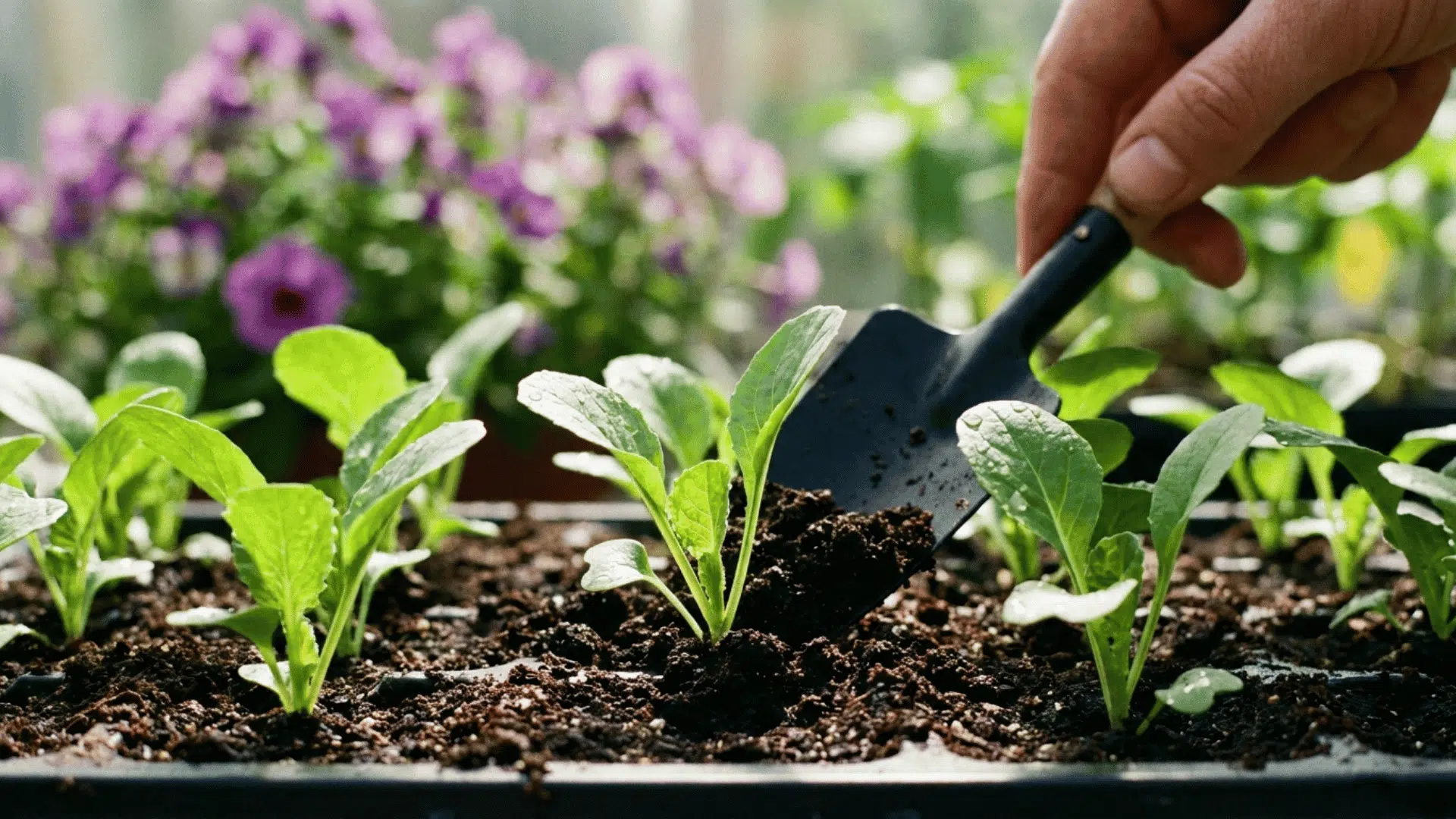
Seedlings are sensitive to nutrient concentration. Most homemade fertilizers are too strong for young plants at standard dilution. If you use them, dilute to half strength and wait until the seedling has at least two sets of true leaves before feeding.
Can I Use Homemade Fertilizer on Succulents?
Most homemade recipes are too rich or too acidic for succulents. Eggshell water is the safest option it adds calcium without affecting pH or nitrogen levels. Feed succulents once a month at most during spring and summer only.
Is Tap Water Safe to Use in Homemade Plant Food Recipes?
Tap water works, but chlorine in it can slow down beneficial soil bacteria over time. Let tap water sit uncovered for 24 hours before using it in any recipe that relies on microbial activity, like rice wash water or compost tea.