
Tulips can look weak, droop early, or fail to bloom when they do not get the right care. But not everyone knows that small steps can make a big difference.
Learning how to take care of tulips helps you choose better bulbs, plant them at the right depth, water them properly, and protect them from common problems.
With the right care, your tulips can develop stronger stems and last longer in the garden or in a vase. If you have ever wondered whether tulips grow back on their own each year, good care plays a big role in that too.
You will learn how to plant, water, protect, and care for tulips before and after they bloom.
How to Take Care of Tulips: At a Glance
After choosing the right bulb, use this quick table to understand the main care needs of tulips at a glance.
| Care Point | Quick Tip | Key Note |
|---|---|---|
| Planting Time | September to November | Soil below 60°F or 15°C |
| Depth | 6 to 8 inches deep | About three times the bulb height |
| Sunlight | 6 hours daily | Direct sun supports strong stems |
| Watering | 1 inch per week | Stop during summer dormancy |
| After Bloom | Deadhead flowers | Keep leaves until yellow |
How To Take Care Of Tulips From Planting To Blooming?

These simple steps show how to care for tulips so the bulbs develop strong roots, healthy stems, and better spring blooms.
1. Choosing the Best Bulbs for Planting
Choose tulip bulbs that feel firm, solid, and heavy for their size. Avoid bulbs that feel soft, mushy, shriveled, or very light.
A healthy tulip bulb should have dry outer skin and no deep cuts. Larger bulbs are often a better choice because they can grow stronger stems and bigger flowers.
2. Timing and Location: The Foundation of Success
Tulips are unique because they require a “chilling period” to bloom successfully. For those in warmer climates, this may mean pre-chilling bulbs in a refrigerator for 10 to 14 weeks before planting.
This cold period helps the bulbs prepare for healthy root growth and strong spring blooms. Ideally, tulip bulbs should be planted in the fall, usually from September to November, once the soil temperature drops below 60°F or 15°C.
3. Best Soil Quality for Tulip Bulbs
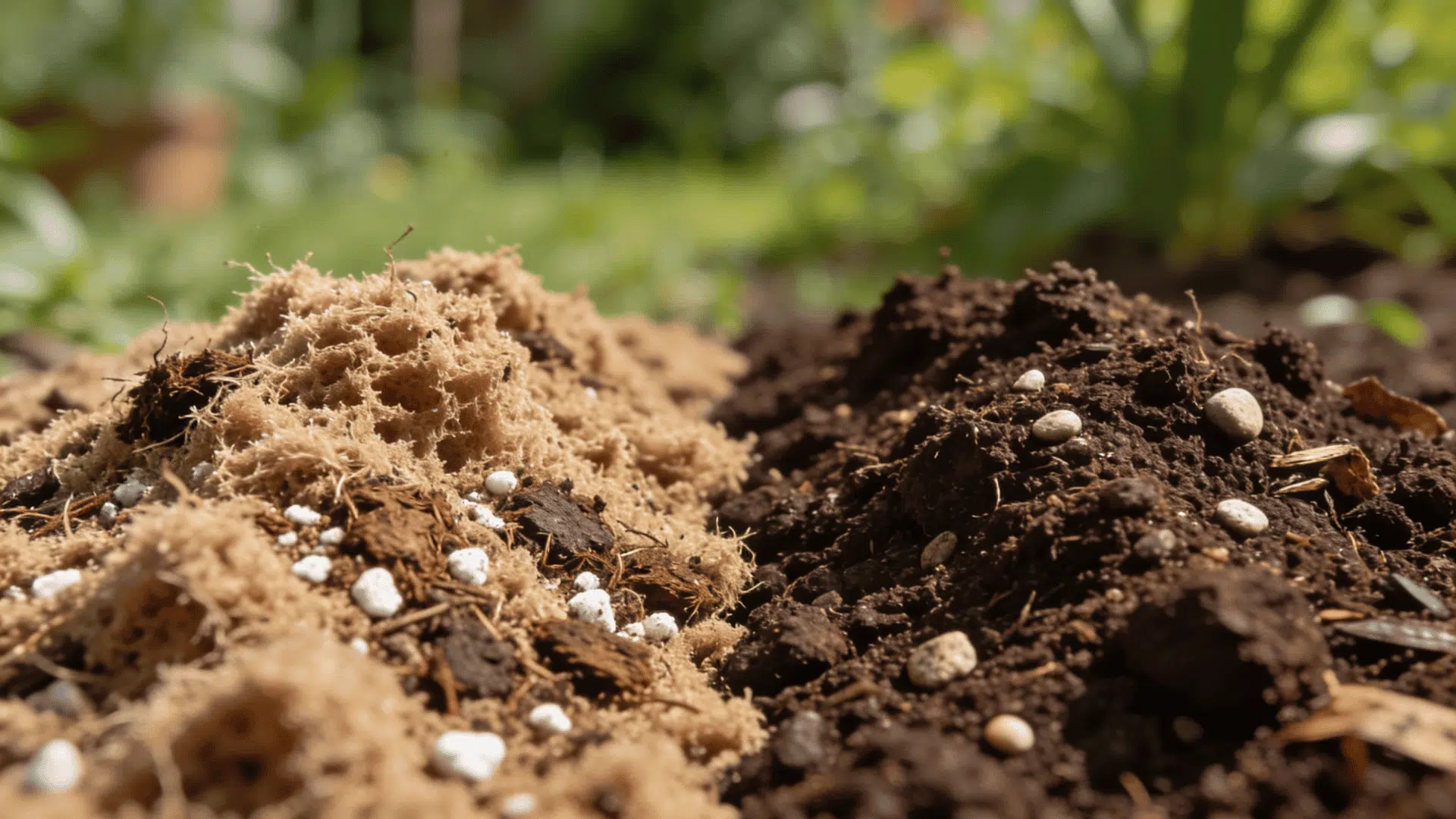
Soil quality plays an important role in healthy tulip growth. Tulip bulbs need well-draining soil because too much water can cause bulb rot.
If your soil is heavy clay, mix in compost or organic matter before planting; knowing the difference between topsoil and garden soil can help you pick the right mix from the start.
This helps loosen the soil, improves drainage, and gives the bulbs a better place to grow.
4. Best Sunlight Conditions for Tulips
Tulips grow best in full sun or partial shade. A bright planting spot helps the plants grow strong and healthy. Choose a place that gets at least 6 hours of direct sunlight each day.
Good sunlight helps tulips develop strong stems and bright flower colors. Morning sunlight is especially helpful because it gently warms the soil. Avoid planting tulips in deep shade, as this can lead to weak stems and fewer blooms.
5. Planting Depth and Spacing
Proper planting depth and spacing help tulip bulbs grow strong roots. It also keeps the bulbs healthy and gives each plant enough room to bloom.
| Planting Factor | Recommended Measurement | Why It Matters |
|---|---|---|
| Depth | 6 to 8 inches deep | Protects the bulb and supports healthy root growth |
| Spacing | 4 to 6 inches apart | Allows proper air flow and enough space for roots |
| Orientation | Pointy end facing upward | Helps the stem grow in the right direction |
6. Watering Tulips During Growth and Dormancy
Tulips need steady moisture during their active growing season. Proper watering helps the bulbs support strong stems, leaves, and flowers. Give tulips about 1 inch of water per week if there is no rain.
This is usually enough to keep the soil lightly moist without making it soggy. Once the plant goes dormant in summer, stop watering. Too much water during dormancy can cause the bulb to rot.
7. Protecting Tulips from Garden Pests
Tulips can attract squirrels, rabbits, and deer in the garden. Using the right protection early can help keep bulbs and new shoots safe.
| Pest Problem | Protection Method | Why It Helps |
|---|---|---|
| Squirrels digging up bulbs | Lay chicken wire over the planting area | Stops squirrels from reaching and digging up the bulbs |
| Rabbits eating new shoots | Use organic scent-based repellents | Helps keep rabbits away from young tulip growth |
| Deer feeding on tulips | Apply deer-safe scent repellents around the bed | Helps protect leaves, stems, and flowers from being eaten |
Essential Tulip Care Tips After Blooming

Post-bloom care is important because it helps tulip bulbs save energy for the next growing season.
- Deadhead Spent Flowers: Remove faded flower heads once the blooms are finished to stop the plant from using energy on seed production.
- Keep Green Leaves: Do not cut the leaves while they are still green, as they help feed the bulb.
- Wait for Yellowing Foliage: Remove leaves only after they turn yellow or brown and begin to dry naturally.
- Support Next Year’s Growth: Leaving the foliage in place gives the bulb time to store energy for future blooms.
- Avoid Early Cutting: Cutting leaves too soon can weaken the bulb and reduce the chance of flowers next year.
- Simple Aftercare Routine: Deadhead the flowers, leave the leaves, and let the plant finish its natural cycle.
Good tulip care does not end when the flowers fade. With proper deadheading and leaf care, the bulbs have a better chance of staying healthy and blooming again next spring.
How to Cut Tulips the Right Way?
Cutting tulips depends on how you plan to use them.
For a vase, trim the stems at an angle, remove any lower leaves, and place them in fresh, cool water. Knowing how long cut tulips last can help you set the right expectations for an indoor display.
For garden tulips, remove only the faded flower head after blooming and leave the green leaves until they turn yellow. This helps the bulb store energy for the next growing season.
Use clean, sharp scissors or garden shears so the stems are not crushed. Avoid cutting healthy green leaves too early, as this can weaken future blooms.
How to Take Care of Tulips in a Vase or Pot?
Cut tulips in a vase need different care from potted tulips, especially when you plant tulip bulbs in pots and want them to stay healthy after blooming.
| Care Area | Vase Tulips | Pot Tulips |
|---|---|---|
| Watering | Keep the vase filled with fresh, clean water | Keep soil lightly moist, not soggy |
| Light | Place in bright, indirect light | Place in bright light with some direct sun |
| Temperature | Keep away from heat, drafts, and direct sun | Keep in a cool spot to help blooms last longer |
| Stem Care | Trim stems at an angle before placing in water | Remove faded flowers to keep the plant tidy |
| Water Changes | Change water every 1 to 2 days | Water only when the topsoil feels dry |
| After Bloom | Discard cut tulips once they fade | Let leaves turn yellow naturally before removing them |
How to Care for Drooping Tulips?

Drooping tulips are often caused by warm rooms, low water, weak stems, or direct sunlight. Rotate the vase daily because tulips naturally bend toward light.
Trim the stems at an angle, place them in fresh cool water, and keep the vase away from heat, windows, and drafts.
If the stems still bend, wrap the tulips loosely in paper and place them upright in water for a few hours.
This can help support the stems and encourage them to stand straighter.
Change the water often to keep it clean and fresh. Remove any leaves sitting below the waterline to prevent bacterial growth.
Signs of Healthy Tulips

Healthy tulips are easy to spot when you know what to check. Look at the bulbs, stems, leaves, and blooms before judging their condition.
| Sign | What to Check | Good Condition |
|---|---|---|
| Bulbs | Texture and weight | Firm, solid, and heavy for their size |
| Stems | Strength and direction | Upright, steady, and not too weak |
| Leaves | Color and feel | Green, fresh, and not yellow too early |
| Blooms | Opening and shape | Evenly opened with a clean flower form |
| Petals | Color and surface | Bright, smooth, and free from major spots |
| Roots | Growth at the base | Fresh white roots with no soft rot |
Common Tulip Care Mistakes to Avoid
Tulips grow best when they are planted and cared for at the right time. A few common mistakes can lead to weak growth, fewer flowers, or bulb rot.
- Planting bulbs too late after the ground has already frozen.
- Choosing soft, mushy, or damaged bulbs instead of firm, healthy ones.
- Planting bulbs too shallow or with the pointed end facing down.
- Using heavy, soggy soil that does not drain well.
- Watering too much during summer dormancy.
- Cutting green leaves too early after the flowers fade.
With the right timing, soil, watering, and after-bloom care, tulips have a better chance of returning next spring.
Conclusion
Taking care of tulips is simple when you know their basic needs. Firm bulbs, well-draining soil, sunlight, water, and protection all help support stronger blooms.
The same care matters after flowering, especially when you leave the leaves in place until they turn yellow.
Learninghow to care for tulips helps you avoid common mistakes such as overwatering, poor spacing, and cutting back too early.
Start with the basics, stay consistent, and your tulips will have a better chance of growing healthy each season. Use these tulip care tips today and give your flowers the best start.
Drop your favorite tulip care tips in the comments and help other gardeners keep their blooms healthy.
Frequently Asked Questions
Can Tulips Change Direction After They Are Placed in a Vase?
Yes, cut tulips can continue to bend toward the light even after they are placed in a vase. Turn the vase daily to help the stems stay more balanced.
Why Are My Tulips Shorter than Expected?
Tulips may grow shorter if the bulbs are small, weak, or planted in poor conditions. Cold weather, low sunlight, or stressed bulbs can also affect stem height.
Can Tulips Be Moved After They Start Growing?
It is best not to move tulips once green shoots appear. Moving them during active growth can disturb the roots and weaken the plant.