
Most people assume slow grass growth means something went wrong. Often, the seed is doing exactly what it should, just at its own natural pace.
Knowing how long it takes for grass seed to grow helps set realistic expectations and prevents the small mistakes that slow the whole process down.
Here you’ll find germination timelines for common grass types, the key factors that affect growth speed, and clear signs of when to wait versus when to reseed.
Understanding the germination timeline first makes everything else, from watering schedules to soil preparation, much easier to get right before planting anything.
Average Grass Seed Germination Times
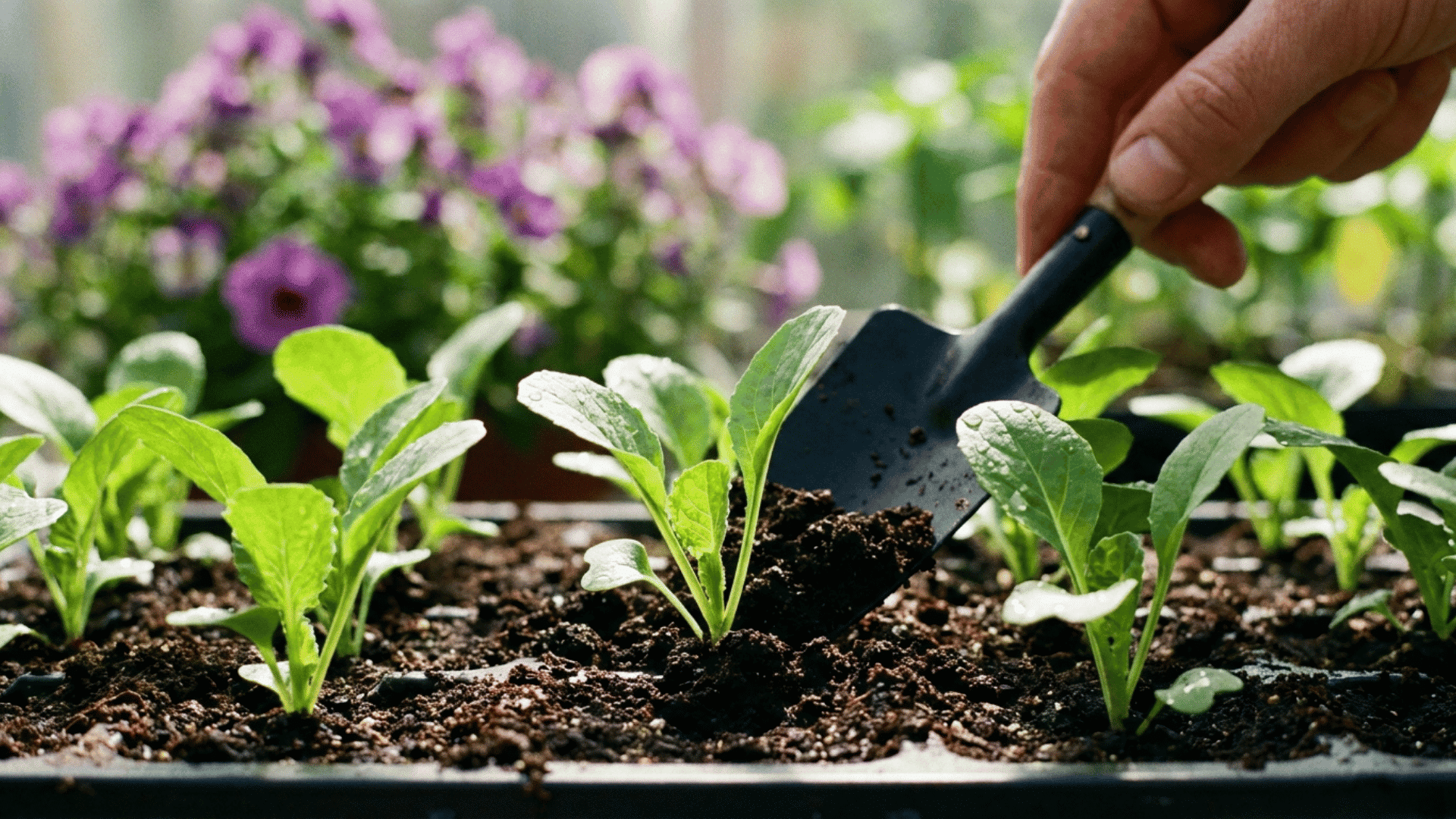
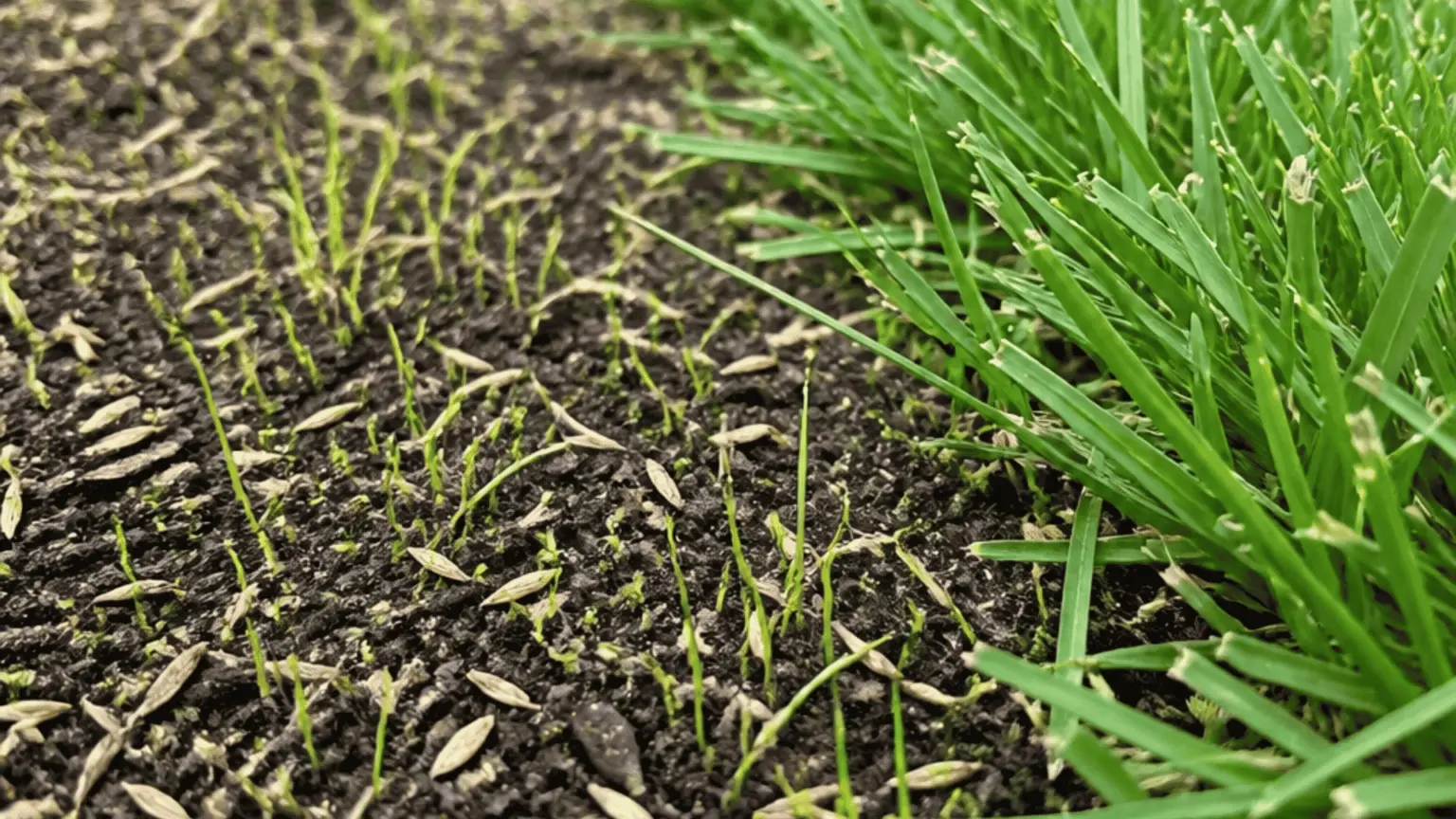
Germination is the process by which a seed absorbs moisture, activates internally, and pushes out its first root and shoot. It is the first visible sign that your grass seed is working.
Different grass types germinate at very different speeds. Here is a quick reference for the most common options:
| Grass Type | Germination Time |
|---|---|
| Perennial Ryegrass | 5 to 10 days |
| Tall Fescue | 7 to 14 days |
| Kentucky Bluegrass | 14 to 30 days |
| Bermuda Grass | 10 to 30 days |
| Zoysia Grass | 14 to 21 days |
Some seeds sprout faster because their outer coating is thinner, allowing moisture to enter more quickly and activate the seed sooner than in thicker-coated varieties.
Fast germination does not always mean a better lawn. Perennial ryegrass sprouts quickly but may not hold up as well long-term compared to slower-growing options like Kentucky bluegrass.
What to Expect When Growing Grass from Seed?
Most grass seed germinates within 5 to 30 days. Fast-growing types can sprout in under 10 days, while slower varieties may take several weeks before any visible growth appears.
Germination is when the seed cracks open and sends out its first root and shoot.
After that comes early growth, where tiny grass blades start pushing through the soil surface. A fully established lawn takes several months the develop deep roots and thick coverage.
Grass type, soil temperature, and watering all affect how quickly each stage progresses, so setting realistic expectations from day one matters.
What Affects How Fast Grass Seed Grows?
Several factors control how quickly grass seed germinates. Getting these right from the start can make a significant difference in your results.
| Soil Temperature |
Soil temperature matters more than air temperature for germination. Cool-season grasses need 50 to 65°F, while warm-season types need at least 65°F. Cold soil delays or prevents sprouting. |
| Watering and Moisture |
Grass seed needs consistent moisture throughout the day. Dry soil stops germination before the seed sprouts, and overwatering rots or washes seeds away. Light and repeated watering give the best results. |
| Soil Preparation and Seed Contact |
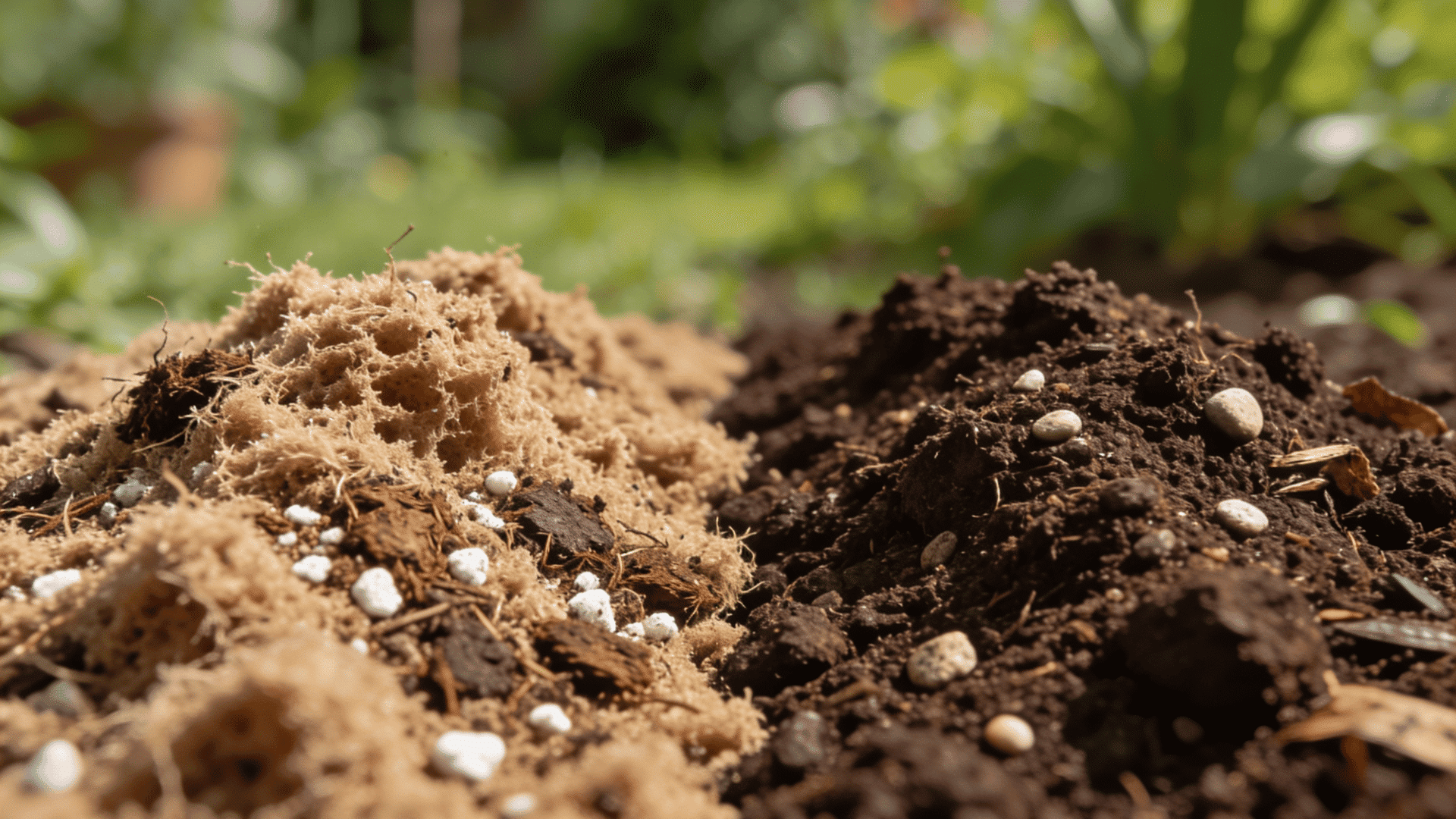
Loose soil absorbs water easily and gives roots room to grow. Seeds on hard or compacted soil often fail, and knowing the best time to aerate your lawn helps break up compaction before seeding, giving roots a clear path from day one. |
Why Your Grass Seed May Not Be Growing
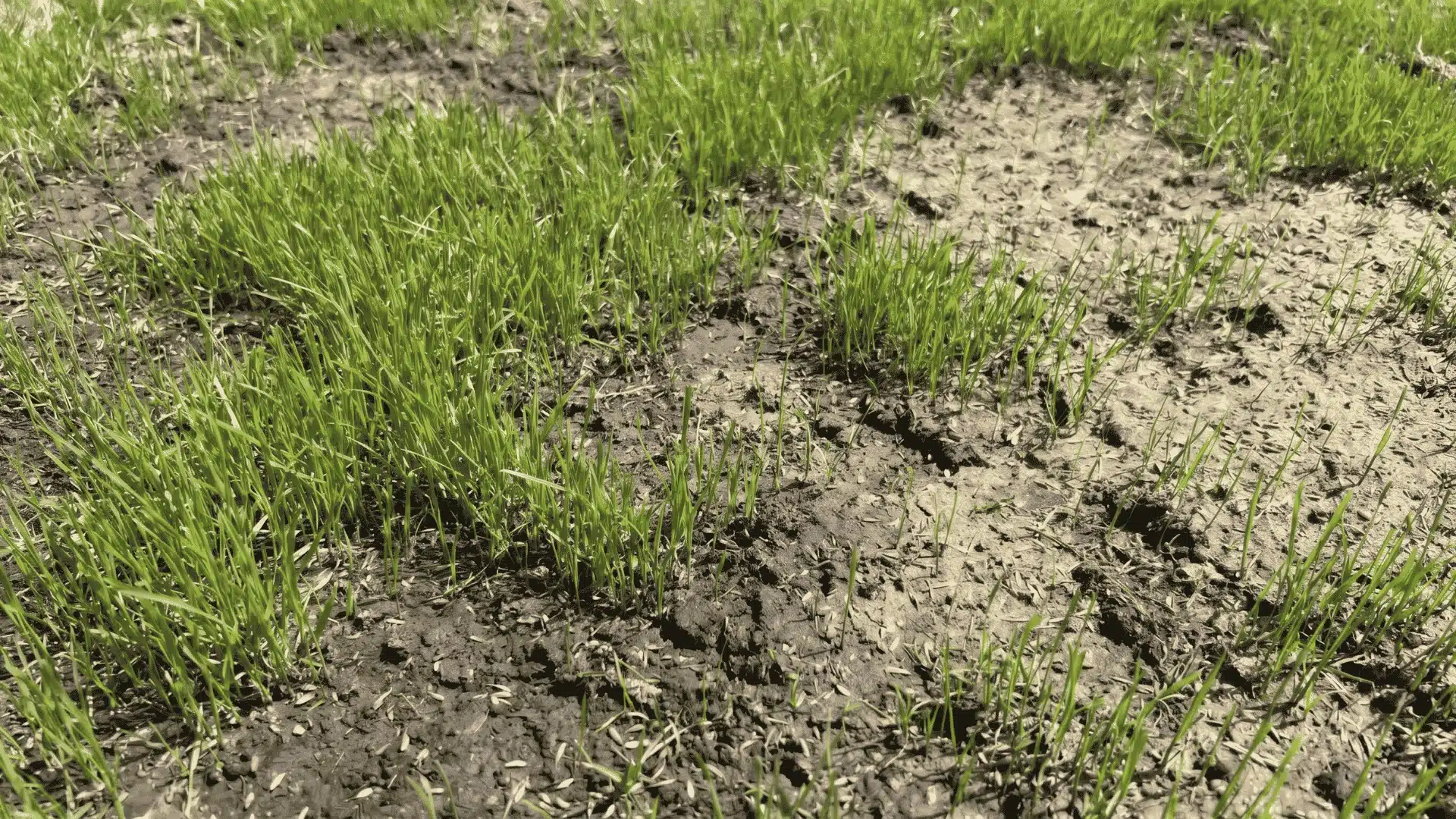
No visible grass after one week does not mean failure. Many grass types take two to three weeks to sprout, so patience is often the right first step.
Several common reasons can slow down or stop germination:
- The grass type you chose naturally germinates slowly
- Soil temperature is still too cold for the seed to activate
- Watering has been inconsistent or irregular
- The seed is old or low quality
- Heavy rain, foot traffic, or birds have disturbed the seeded area
If several weeks have passed with no growth, check soil temperature and watering first. Reseeding is only necessary if growing conditions were clearly wrong from the start.
When Is the Best Time to Plant Grass Seed?
Planting at the right time creates the soil conditions your seed needs most. The best window depends entirely on which type of grass you are growing.
| Factors | Cool-Season Grass | Warm-Season Grass |
|---|---|---|
| Best Planting Time | Early Fall | Late Spring to Early Summer |
| Ideal Soil Temperature | 50 to 65°F | 65°F and above |
| Main Risk of Wrong Timing | Weed competition in spring | Inactive seeds in cold soil |
Grass planted outside its ideal season germinates slowly, grows unevenly, or fails completely. Correct timing improves soil moisture retention and keeps root activity steady during early growth.
Quick Tip: If you are unsure which grass type suits your area, check your local climate zone first. Planting the wrong grass type at the right time will still produce poor results.
How to Help Grass Seed Grow Faster?
Getting grass seed to germinate faster comes down to giving it the right conditions from the start. Here is what actually makes a difference:
- Plant during the correct season to match your grass type’s soil temperature needs.
- Choose a grass variety suited to your local climate for reliable germination.
- Keep the top soil layer moist with light, repeated watering throughout the day.
- Stay off newly seeded areas since foot traffic compacts soil and disrupts seeds.
- Apply starter fertilizer to give seeds an early phosphorus supply for root development.
- Wait until grass reaches 3 inches before mowing to protect young, fragile roots.
Each of these steps works because it directly removes a barrier that slows germination down. Skipping even one can set your lawn back by several weeks.
Final Verdict
How long it takes for grass seed to grow is not a mystery. The answer comes down to grass type, soil temperature, and consistent watering.
Getting these basics right from the start prevents weeks of frustration and removes most of the guesswork from growing a healthy, even lawn.
Now you know the germination timelines, the factors that affect growth speed, and the steps that give grass seed the best chance of success.
Tried growing grass seed recently?
Drop a comment below sharing personal experience or any tips that worked well, it might help someone else starting out.
Frequently Asked Questions
What Is the Fastest Growing Grass Seed?
Perennial ryegrass is the fastest-growing option, sprouting in as little as 5 days. However, climate suitability matters more than speed when choosing the right grass type.
Can I Walk on Grass Seed After Planting?
Avoid walking on newly seeded areas for at least 4 weeks. Foot traffic compacts soil and displaces seeds before roots have had enough time to establish properly.
How Long Does Grass Seed Last in the Bag?
Most grass seed stays viable for 2 to 3 years if stored in a cool, dry place. Old or poorly stored seed germinates unevenly and produces patchy results.