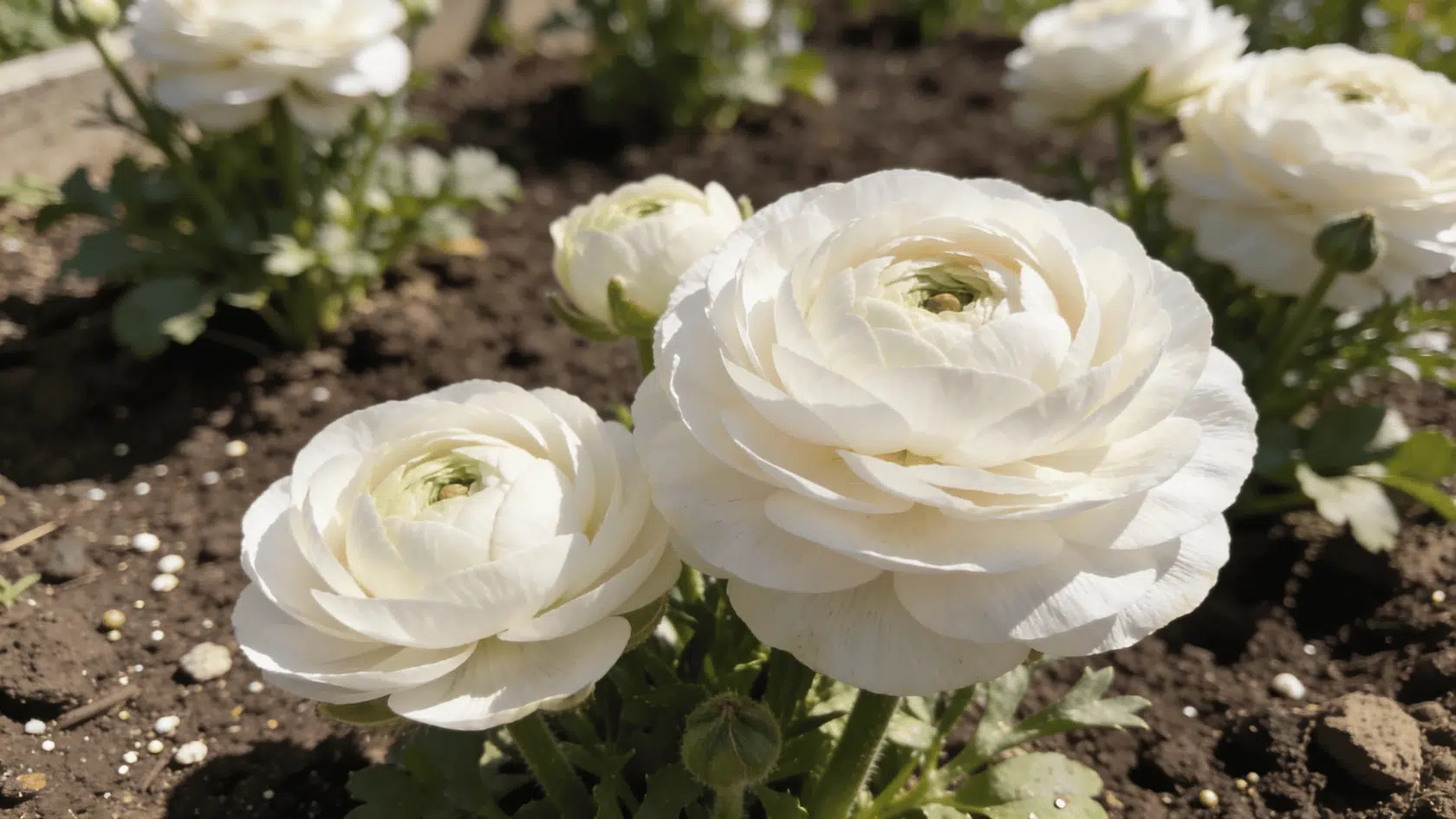
Ranunculus are one of the most loved spring flowers, known for their soft, layered petals and wide range of colors. They look almost too pretty to be real when in full bloom.
Unlike most flowers, ranunculus grow from small, claw-shaped corms rather than seeds or regular bulbs. This makes the planting process a little different from what most beginners expect.
These plants do have specific needs. Cool weather, full sun, well-draining soil, and careful watering are the four things that matter most for good results.
This blog covers where to plant ranunculus, how to plant them step by step, advanced care tips, and common mistakes to avoid.
Where to Plant Ranunculus?
Ranunculus grows best in a sunny spot with loose, rich, and well-draining soil. The right location plays a big role in how well the corms sprout and eventually flower.
These plants need at least 6 hours of direct sunlight each day. A spot that gets good morning sun and some afternoon light works very well for them.
Soil that stays wet is one of the biggest problems for ranunculus. The corms rot very easily, so the ground must drain well after watering or rainfall.
How to Grow Ranunculus Flowers?
Planting ranunculus the right way helps the corms sprout faster, root well, and produce healthy flowers throughout the cool season.
By following these six simple steps, you can give your ranunculus corms the best possible start from the moment they go into the ground:
Step 1: Choose Healthy Corms

Ranunculus corms look dry and claw-like before planting, which is completely normal and nothing to worry about when picking them out.
Always choose corms that feel firm when pressed gently. Soft, squishy, or moldy corms are unlikely to sprout and can cause problems for nearby healthy corms.
Removing damaged or bad corms before planting protects the rest of the batch and gives every healthy corm a fair chance to grow.
Step 2: Soak the Corms

Before planting, place the corms in room-temperature water and let them soak for 3 to 4 hours to wake them up.
Soaking softens the dry outer layer and signals the corm that it is time to start growing, which helps speed up sprouting once planted in soil.
Do not leave them soaking for too long. Going beyond 4 hours can make the corms soft and mushy, which prevents them from rooting properly.
Step 3: Pre-Sprout the Corms

Pre-sprouting is optional, but it gives corms a head start and helps you spot which ones are healthy before they go into the ground.
Place the soaked corms in a tray of moist potting mix with the claws facing down, then keep the tray in a cool, dark place for 10 to 14 days.
Once small roots or sprouts appear, the corms are ready to plant. This step reduces the waiting time and improves the chances of successful growth.
Step 4: Plant at the Right Depth

Plant each ranunculus corm about 2 inches deep in the soil, making sure the claw-like side always points downward toward the ground.
Planting at the correct depth protects the corm from temperature swings while still allowing new shoots to push through the soil surface without too much effort.
Space each corm around 6 to 9 inches apart. Giving them enough room lets the roots spread out freely and reduces competition for water and nutrients.
Step 5: Water Carefully

Give the soil one good watering right after planting, then hold back and wait before watering again to avoid oversaturating the ground too early.
Do not water again until sprouts appear above the soil, unless the ground feels very dry when you press a finger about an inch into it.
Too much water before sprouting is one of the most common reasons corms rot underground. Keeping the soil slightly dry at this stage is always the safer choice.
Step 6: Protect Young Plants

Cover young ranunculus plants with frost cloth during hard freezes to keep the tender new growth safe from sudden drops in temperature overnight.
Ranunculus prefer cool conditions, so keeping them in cooler weather for as long as possible encourages more blooms and extends the overall flowering period significantly.
Once temperatures rise and the weather gets too warm, ranunculus will stop producing flowers. Planting at the right time helps you get the most out of every corm before summer heat arrives.
Do Ranunculus Do Better in Pots or Ground?
Both pots and garden beds can work well for ranunculus, but each suits a different growing situation.
Here is a quick side-by-side look to help you decide which one fits your setup best:
| Factor | Pots | Ground |
|---|---|---|
| Drainage control | Easy to manage | Depends on soil type |
| Root space | Limited | More room to spread |
| Bloom count | Slightly fewer | More blooms possible |
| Flexibility | Can be moved around | Fixed location |
| Best for | Wet climates or small spaces | Well-draining garden beds |
If your garden soil drains well, planting in the ground is usually the better choice. If it stays wet or you have limited space, pots are a very reliable option that still gives great results.
Advanced Tips to Grow Ranunculus
These tips go beyond the basics and can help ranunculus grow stronger, stay healthier, and produce better flowers throughout the season.
1. Watering Ranunculus
Watering ranunculus correctly keeps the corms healthy and helps the plant stay strong all the way through flowering.
- Keep the soil lightly moist once growth appears, but never let it get soggy.
- Always check the top inch of soil before watering to see if it actually needs more water.
- Water at the base of the plant and avoid wetting the leaves to prevent fungal issues.
2. Fertilizing Ranunculus
Feeding ranunculus at the right time gives the plant the nutrients it needs to grow well and produce full, healthy blooms.
- Mix compost into the soil before planting to give the corms a strong, nutrient-rich start.
- Use a balanced fertilizer once the plants begin actively growing above the soil.
- Avoid over-fertilizing as too much feeding leads to weak, leafy growth with fewer flowers.
3. Growing Ranunculus in Pots
Pots work very well for ranunculus, especially in areas where garden soil holds too much water after rain.
- Always use a pot that has drainage holes at the bottom to prevent waterlogging.
- Fill it with a loose, light potting mix that does not compact or hold excess moisture.
- Place the pot in full sun during cool weather and move it to light shade if temperatures rise quickly.
How to Grow Ranunculus in Zone 5?
Zone 5 winters drop as low as -20°F (-29°C), so corms cannot stay in the ground. The best approach is to start them indoors 6 to 8 weeks before the last frost date.
Keep trays in a cool spot around 50°F (10°C). Once the last frost passes, usually between May 15 and June 1, move the plants outside to a sunny, well-draining spot.
Here is a simple planting timeline to follow if you are growing ranunculus in Zone 5:
- Start indoors: Late March to early April
- Move outdoors: After the last frost, mid to late May
- Expected blooms: Late spring to early summer
- Corm storage: Dig up after the first frost and store indoors
How to Grow Ranunculus in Zone 6?
Zone 6 winters stay around -10°F (-23°C), giving ranunculus a slightly longer cool season. Planting can begin indoors in late February, with the last frost usually falling between April 15 and May 1.
Once frost risk passes, move plants to a sunny spot with well-draining soil. Blooms typically arrive in late spring and continue into early summer if the weather stays cool enough.
Timeline to follow if you are growing ranunculus in Zone 6:
- Start indoors: Late February to mid-March
- Move outdoors: After the last frost, mid to late April
- Expected blooms: Late spring to early summer
- Corm storage: Dig up after the first frost and store in a cool, dry place
What Are Common Ranunculus Problems and Mistakes to Avoid?
Small mistakes during planting or care can stop corms from sprouting or blooming altogether. Knowing what to avoid ahead of time saves a lot of trouble later.
| Common Mistake | How to Fix It |
|---|---|
| Planting corms upside down | Always keep the claw-like side facing down |
| Soaking corms for too long | Stick to 3 to 4 hours only, no more |
| Using heavy, wet soil | Mix in compost or use a raised bed for better drainage |
| Watering too often before sprouts appear | Water once after planting, then wait for sprouts |
| Planting too late in warm weather | Plant during cool weather so blooms come before summer heat |
| Not protecting plants during severe cold | Cover with frost cloth during hard freezes |
Most of these problems are easy to fix once you know what to look out for. A little extra attention during planting and the early growth stage goes a long way toward getting healthy, full blooms.
Do Ranunculus Come Back Every Year?
Ranunculus are perennial plants in warm climates. In USDA zones 8 to 11, the corms stay in the ground through winter and sprout again when cool weather returns the following season.
In colder zones, they are treated as annuals since the corms cannot survive frozen ground. You can either dig them up after the season ends or buy fresh ones the following year.
Once the leaves turn yellow and die back, the corm has finished its cycle. At that point, dig them up, let them dry for a few days in a shaded spot, then store them in a cool, dry place until next season.
Conclusion
Learning how to grow ranunculus comes down to a few key steps: cool weather, well-draining soil, corms facing down, and careful watering. Getting these right makes a big difference.
Now that you have the full picture, pick a spot, grab some corms, and give it a try this season. The process is simpler than it looks.
Remember, planting at the right time is everything with ranunculus. Early planting almost always means better blooms.
Have questions about growing ranunculus or want to share how yours turned out? Drop them in the comments below!
Frequently Asked Questions
What’s More Expensive, Roses or Ranunculus?
Ranunculus is usually more expensive than regular roses because it is more seasonal and delicate, while roses are more common and available year-round.
What Flowers Pair Well with Ranunculus?
Ranunculus pairs well with roses, peonies, anemones, sweet peas, lisianthus, tulips, eucalyptus, and greenery like ruscus or dusty miller. These flowers match its soft, layered look without overpowering it.
How Many Blooms Does One Ranunculus Plant Produce?
One ranunculus plant usually produces about 5 to 10 blooms, but strong plants grown in good conditions can produce up to 20 blooms or more.