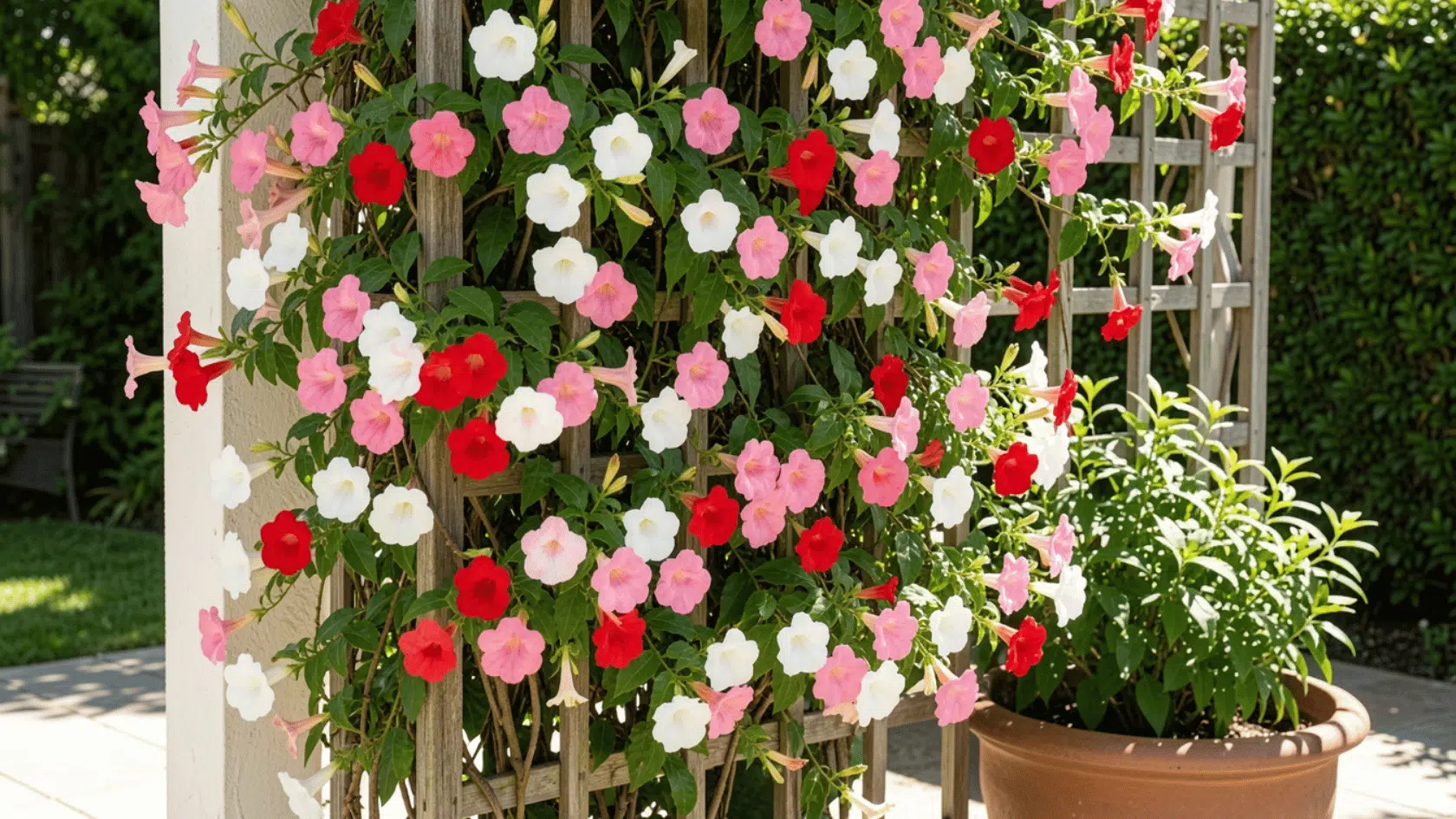
Mandevilla plants are known for their colorful flowers and climbing growth that can brighten patios, balconies, and garden spaces. Many people grow them for their long blooming season and simple outdoor appeal.
Keeping the plant healthy becomes easier when you understand the right growing conditions and basic maintenance needs.
This guide covers simple care tips to help support steady growth, healthy leaves, and better flowering throughout the season.
What Is a Mandevilla Plant?
Mandevilla is a tropical flowering vine known for its large trumpet-shaped blooms and glossy green leaves. It grows best in warm weather and is often planted near trellises, fences, and garden supports for vertical growth.
The plant is popular for its bright flowers, which commonly bloom in shades of pink, red, and white. Its fast-growing nature makes it a favorite choice for patios, balconies, and outdoor gardens.
Mandevilla prefers sunny locations and well-drained soil for healthy growth.
With proper care, it can bloom for a long season and quickly cover outdoor spaces with colorful vines. Starting with the right soil type is one of the first decisions that shapes how healthy that growth turns out.
This flowering vine is also commonly grown in hanging baskets and containers. Its climbing habit and attractive foliage make it a simple way to add color and greenery to any garden area.
Common Mandevilla Colors and Types
Mandevilla flowers are available in several bright colors that stand out in outdoor spaces. Different varieties grow either as climbing vines or compact plants suitable for containers.
| Common Flower Colors | Plant Type |
|---|---|
| Pink | Climbing vine |
| Red | Bushy variety |
| White | Compact hybrid |
| Yellow | Container variety |
These colorful varieties make mandevilla a popular choice for adding bright blooms and vertical greenery to gardens, patios, and balconies.
Indoor and Outdoor Mandevilla Plant Care
Mandevilla is a fast-growing tropical vine known for its bold, trumpet-shaped blooms and lush foliage, and with the right care, it thrives both indoors and outdoors throughout the growing season.
1. Sunlight Requirements
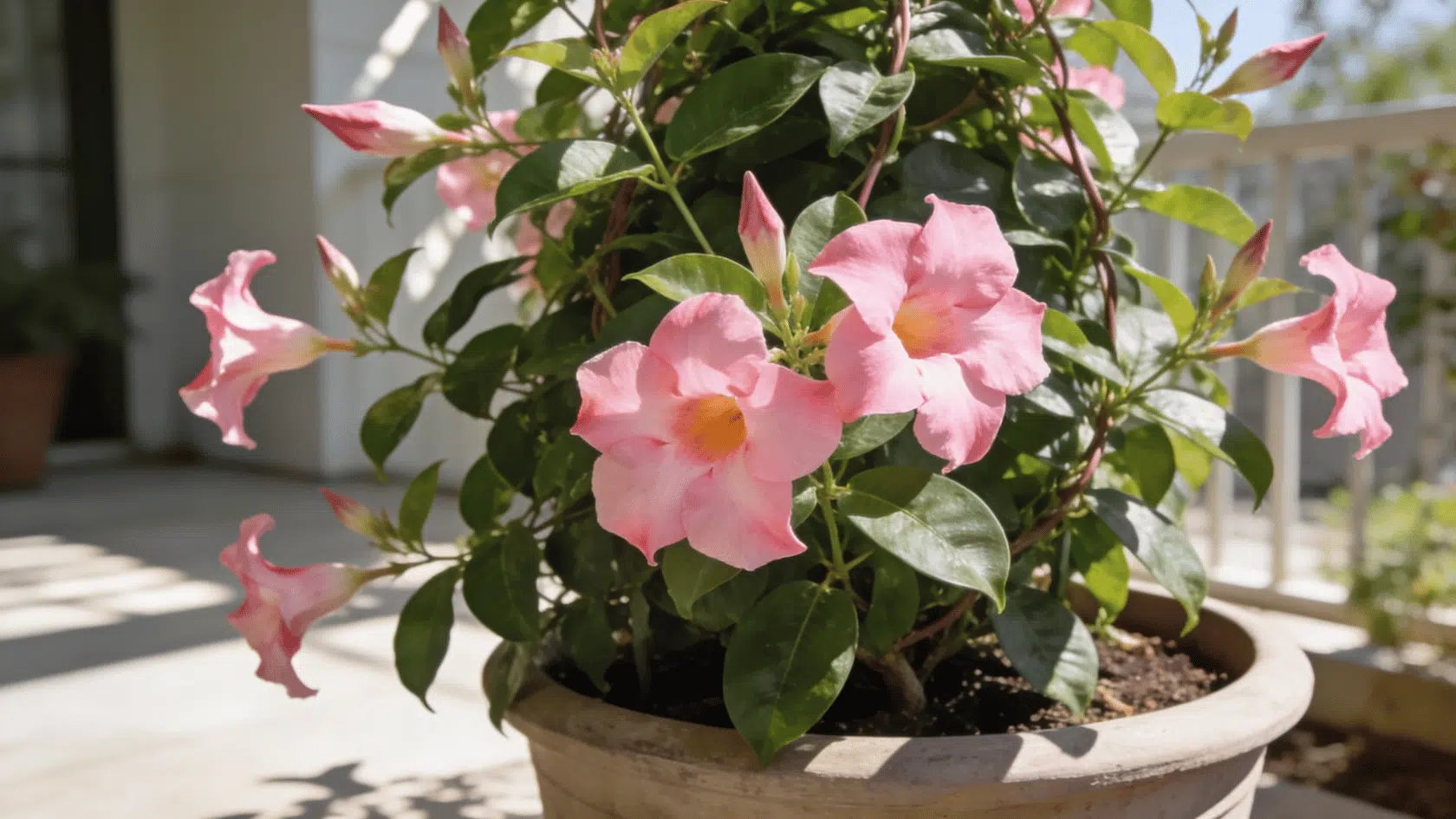
Mandevilla grows best in bright outdoor spaces with at least 6 hours of direct sunlight daily.
Strong sunlight helps support healthy vines, fuller leaves, and steady flowering during the growing season.
The plant can grow in partial shade, especially in regions with extremely hot summer temperatures. Light afternoon shade may help reduce heat stress while still allowing healthy growth and blooming.
Low sunlight often leads to weak vines, leggy growth, and fewer flowers over time.
Moving the plant to a brighter location usually improves growth and flower production within a few weeks.
2. Best Soil Type
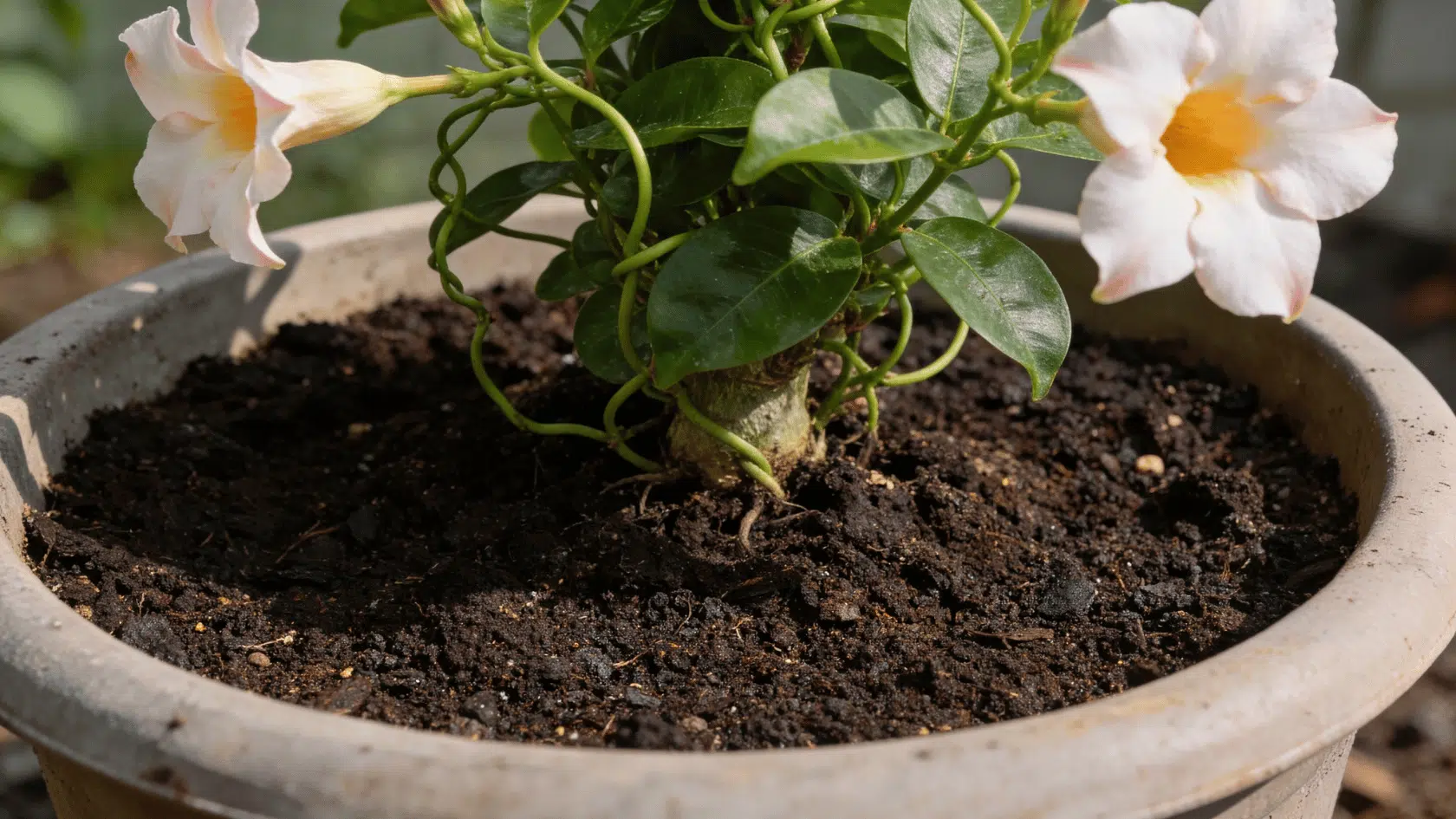
Mandevilla grows best in rich, loose soil that drains water quickly after watering. Good drainage helps protect the roots from excess moisture and supports steady growth during warm weather.
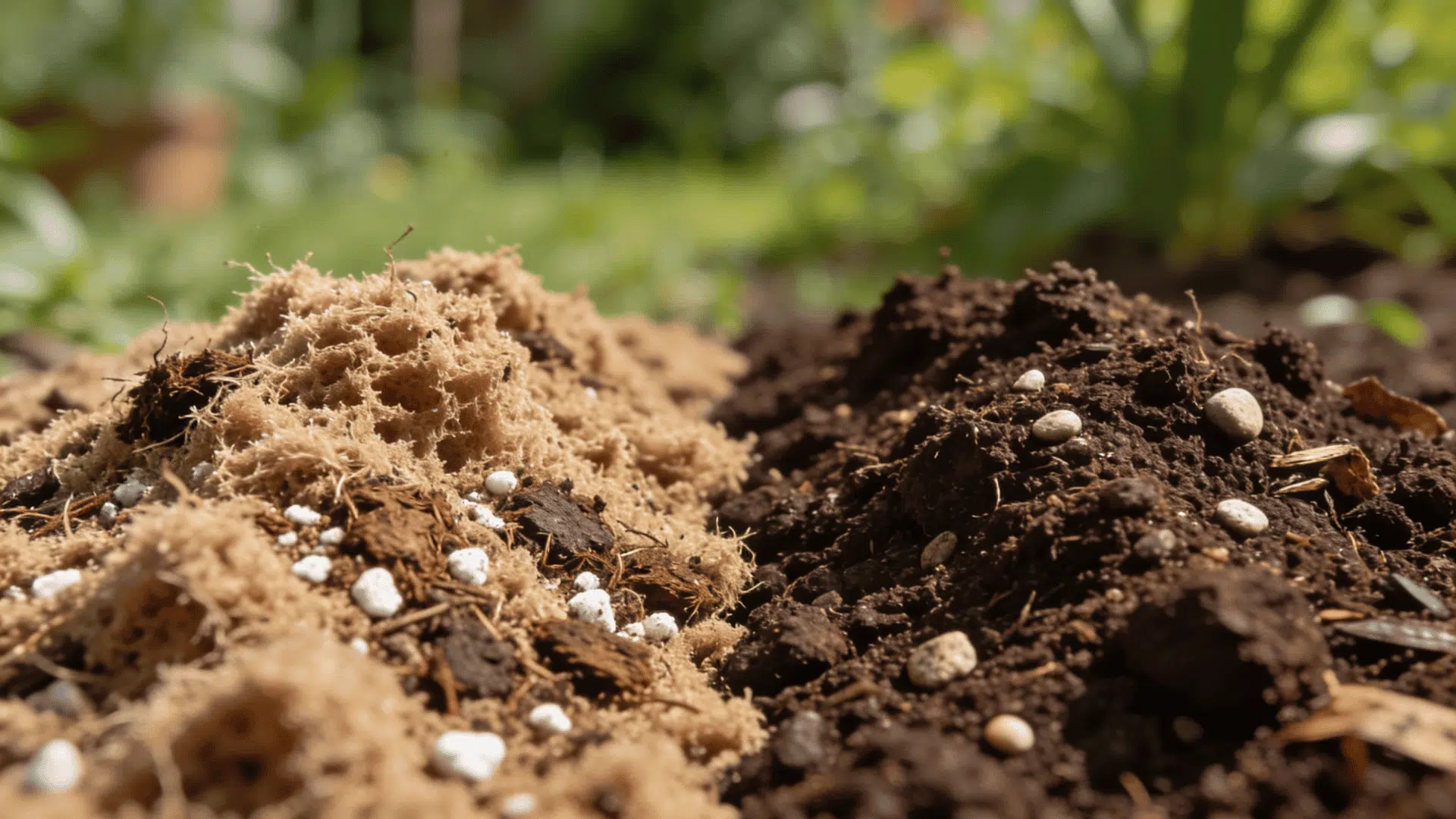
For container plants, a light potting mix works best when combined with materials that improve airflow and reduce water buildup. Perlite, coarse sand, and compost are commonly added to keep the soil balanced and healthy.
Avoid soggy or compacted soil, as both can weaken roots and reduce flowering. If water stays on the soil surface for too long, the mix likely needs better drainage or loosening.
| Material | Purpose |
|---|---|
| Potting mix | Holds nutrients and light moisture |
| Perlite | Improves airflow and drainage |
| Coarse sand | Reduces water buildup |
| Compost | Adds organic nutrients |
3. Water Needs

Mandevilla grows best when the soil stays lightly moist without becoming overly wet. Water the plant when the top layer of soil feels dry, especially during hot summer weather.
Overwatering can damage the roots and weaken overall plant growth over time. Yellow leaves, mushy stems, and constantly wet soil are common signs of excess moisture problems.
Underwatering may cause wilting, dry soil, crispy leaves, and slower flowering during warm weather.
Checking soil moisture regularly helps prevent stress and supports healthier growth throughout the season.
4. Mandevilla Care in Pots

Mandevilla grows well in pots placed on patios, balconies, and other sunny outdoor spaces. Container growing also makes it easier to move the plant indoors during cold winter weather.
The right pot should have drainage holes and enough space for healthy root growth. Strong containers also help support climbing vines and improve moisture control after watering.
Potted mandevilla plants dry out faster than plants growing in garden soil during hot weather.
Regular watering, sunlight, and feeding help support healthy leaves, stronger vines, and steady flowering.
5. Common Pests on Potted Mandevilla
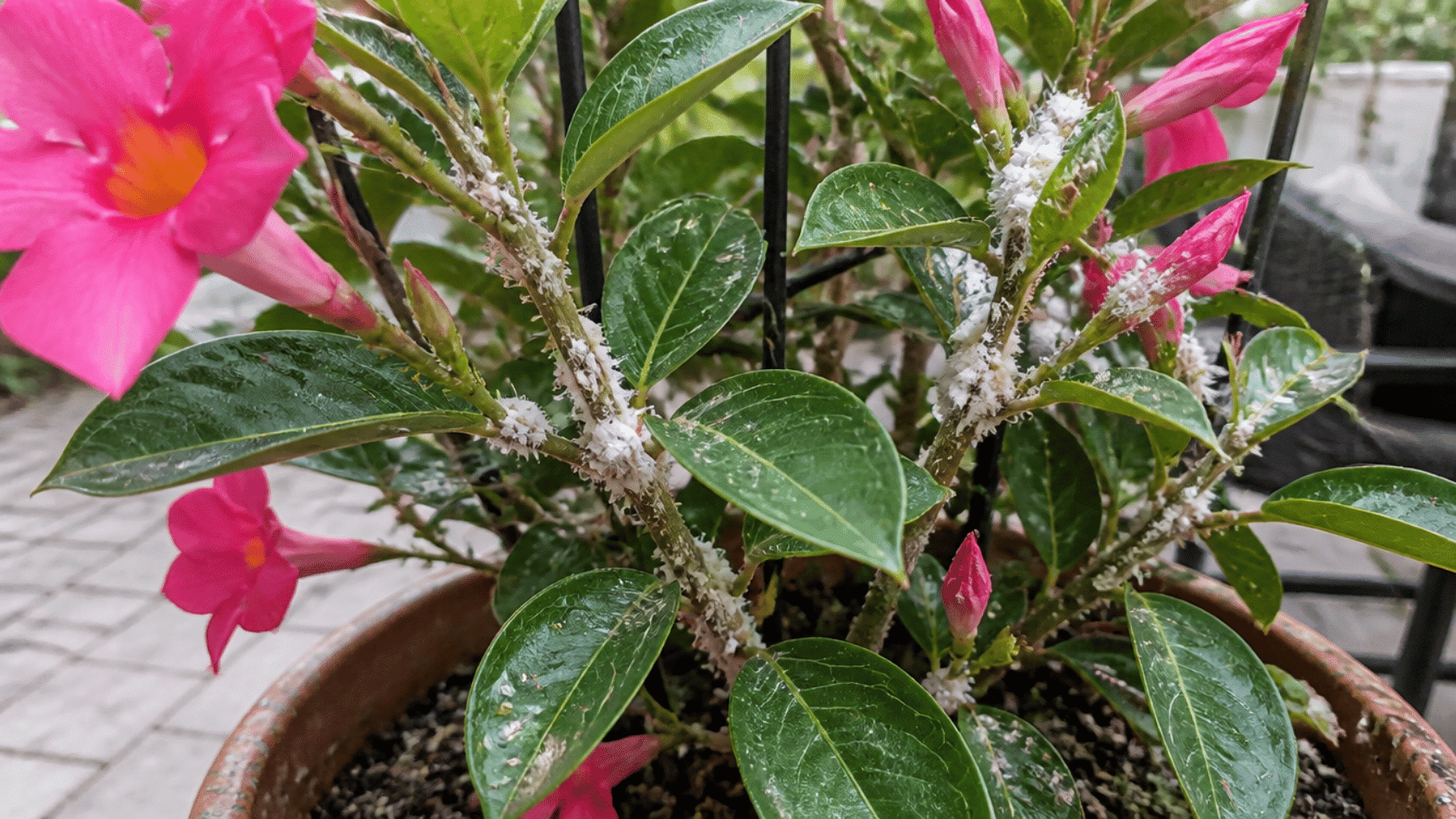

Potted mandevilla plants may attract pests during warm and humid growing conditions, especially during active summer growth.
Regularly checking the leaves, stems, and undersides of foliage helps catch pest problems before they become severe.
| Pest | Common Signs | Possible Effect |
|---|---|---|
| Aphids | Sticky leaves and curled growth | Weak new growth |
| Spider mites | Tiny webs and spotted leaves | Dry and damaged foliage |
| Whiteflies | Small flying insects under leaves | Leaf yellowing and stress |
| Mealybugs | White cotton-like clusters on stems | Slower plant growth |
Keeping the plant clean and maintaining good airflow can help reduce common pest problems.
Early treatment usually helps protect the leaves, vines, and flowers from heavy damage.
6. Fertilizer Tips for Mandevilla

Mandevilla grows best with bloom-support fertilizers that help increase healthy flower production during the growing season.
Liquid and water-soluble fertilizers are commonly used for steady feeding and faster nutrient absorption, and for those who prefer a more natural approach, homemade fertilizers made from kitchen scraps work surprisingly well for tropical plants too.
Feed mandevilla every 2 to 3 weeks during active growth for healthier vines and continuous flowering. Container-grown plants may need more regular feeding because nutrients wash out faster after watering.
7. Pruning and Training Mandevilla

Pruning helps mandevilla stay healthy, fuller, and easier to manage during the growing season.
Spring pruning and light seasonal trimming help remove weak growth and improve airflow around the plant.
Regular pinching encourages mandevilla to grow bushier with more side branches and denser vines.
Light trimming during active growth also helps maintain a fuller and more balanced plant shape.
Training the vines on trellises, stakes, or fences supports cleaner climbing growth over time. Guiding young flexible stems early helps spread the vines evenly and improves overall plant support.
Common Mandevilla Plant Care Problems
Mandevilla plants may develop problems when sunlight, watering, or temperature conditions become unbalanced.
Most issues can be controlled early with proper plant care and regular monitoring.
- Yellow Leaves: Overwatering and poor drainage are common causes of yellow leaves. Constantly wet soil may weaken the roots and slow healthy growth.
- Poor Flowering: Low sunlight and poor feeding can reduce flower production over time. Too much nitrogen may cause extra leaf growth instead of blooms.
- Common Pests on Mandevilla: Mandevilla plants may attract pests like aphids, spider mites, whiteflies, and mealybugs during warm weather. These pests can weaken growth, damage leaves, and reduce healthy flowering over time.
- Leaf Drop and Plant Stress: Cold temperatures and sudden environmental changes can trigger leaf drop. Gradual indoor and outdoor transitions help reduce plant stress.
Conclusion
Mandevilla can add bright color and fast-growing beauty to both indoor and outdoor spaces when given the right care.
From sunlight and watering to pruning and pest control, these simple tips can help you grow healthier vines and longer-lasting blooms with proper mandevilla plant care.
Use these ideas to improve your plant’s growth and avoid common problems before they spread. Regular checks, balanced watering, and good sunlight often make the biggest difference over time.
Keep learning about plant care methods that match your space and climate, and share your favorite mandevilla care tips or questions in the comments below.
Frequently Asked Questions
Do Mandevillas Come Back Every Year?
Yes, mandevillas can come back every year in warm climates. In colder areas, they usually need indoor protection during winter to survive and regrow the next season.
Do I Cut Back Mandevilla in The Fall?
Yes, you can lightly cut back mandevilla in the fall to remove weak or overgrown vines. Heavy pruning is usually best done in early spring before new growth starts.
Are Coffee Grounds Good for Mandevillas?
Coffee grounds can help mandevilla in small amounts because they add organic matter to the soil. Use them sparingly, as too much can make the soil too acidic and affect plant growth.