Plants inside a greenhouse seem to live in their own world.
What does a greenhouse do to keep them thriving?
If you want to grow tomatoes in March or keep herbs alive through December, you’ve probably wondered what makes this possible.
Cold nights, harsh winds, and sudden frosts can damage even the hardiest plants, but a greenhouse changes the game entirely.
Being aware of the capabilities a greenhouse carries helps you decide if it fits your growing goals.
This resource will teach you how greenhouses work, what systems keep them running smoothly, and what they actually accomplish.
What Is a Greenhouse?
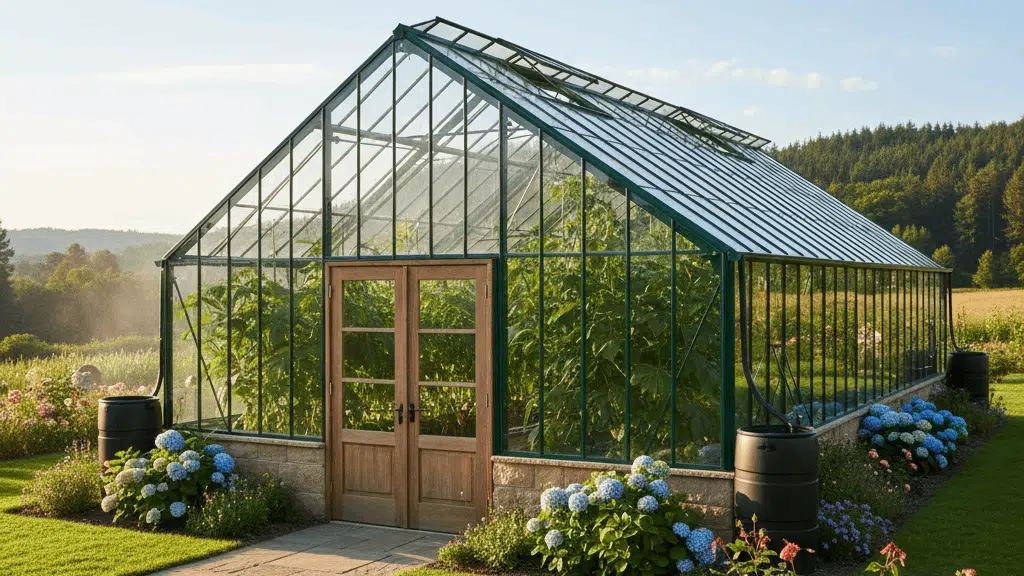
A greenhouse is a structure made of transparent materials like glass or plastic that lets sunlight in while trapping heat inside.
Helps in creating a warm, controlled space where plants can thrive better than they would outdoors.
The transparent walls and roof allow sunlight to enter freely, and once inside, that light warms the air, soil, and surfaces.
Home gardeners use small greenhouses to start seedlings, grow vegetables, and protect tender plants.
Commercial operations, however, rely on large greenhouses to produce crops year-round, control quality, and boost yields.
How Does a Greenhouse Work?
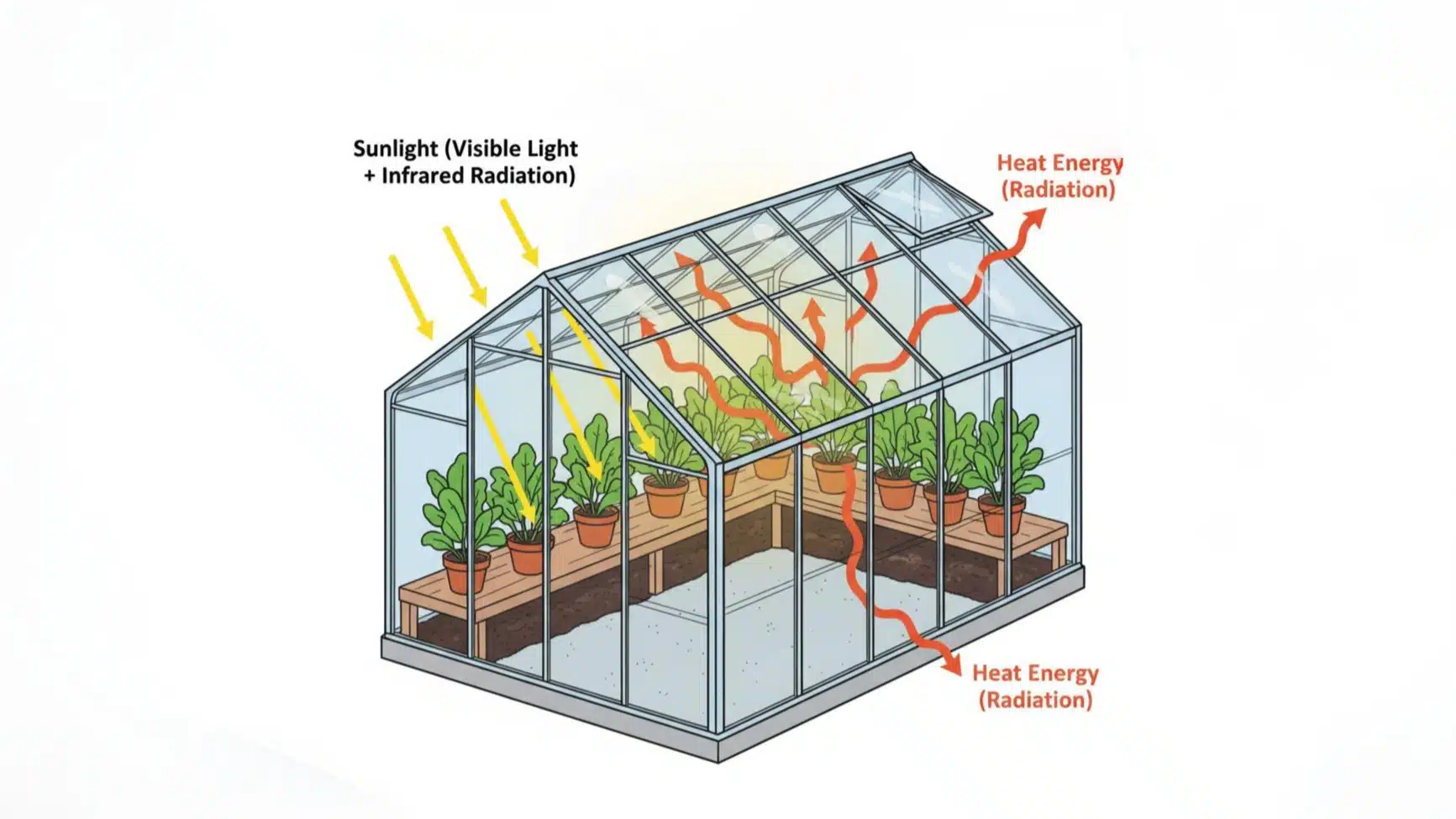
Familiarizing yourself with the greenhouse effect and how it functions helps you manage it better.
The process is actually quite simple; here’s a quick breakdown:
1. Light Capture: Sunlight passes through the transparent walls and roof, allowing most of the sun’s energy (visible light and infrared radiation) to enter.
2. Light to Heat Conversion: When sunlight hits surfaces inside the greenhouse, like the floor, plant pots, soil, and benches, it converts to heat energy.
3. Heat Retention: The transparent walls trap this heat inside, preventing warm air from escaping through the closed structure.
4. Temperature Regulation: The greenhouse stays warmer than outdoor air, with temperatures rising during the day and holding some warmth at night.
5. Photosynthesis Support: Plants use the available light and steady warmth to carry out photosynthesis more efficiently, leading to faster growth and higher yields.
What Does a Greenhouse Do?
A greenhouse inherently creates a protected space that traps warmth, stabilizes moisture, and offers plants steady growing conditions throughout the year.
Though the outdoor structure’s practicality is not just relegated to that, it has other uses as well.
| Function | How does it help? |
|---|---|
| Extends Growing Seasons | Start seeds weeks earlier in spring and keep harvesting into fall or even winter |
| Supports Wider Crop Variety | Grow warm-season crops like tomatoes and peppers even in cool climates |
| Protects Against Weather | Shields plants from heavy rain, hail, strong wind, and frost damage |
| Manages Pests and Disease | Physical barriers keep out rabbits, deer, birds, and flying insects |
| Creates Seed Starting Space | Provides consistent warmth and moisture to start hundreds of seedlings at once |
What to Grow and What to Avoid in a Greenhouse?

Not all plants benefit from greenhouse growing; while a few thrive in controlled warmth, others perform worse than outdoors.
Warm-season vegetables like tomatoes, peppers, and cucumbers excel with consistent heat and protection.
Leafy greens, herbs, and seedlings grow quickly in stable temperatures.
Tropical plants that can’t survive outdoor winters thrive year-round in greenhouses.
Plants requiring cold periods for flowering won’t bloom properly without winter chill, especially wind-pollinated plants.
Large sprawling plants like pumpkins waste valuable space, and plants prone to fungal diseases are tedious to keep in a greenhouse.
Greenhouse Benefits vs. Challenges
Greenhouse ownership brings many rewards, but it also asks for time, planning, and consistent attention.
| Aspect | Benefits | Challenges |
|---|---|---|
| Investment Value | Offers long-term returns through steady harvests and reduced grocery costs. | High setup and maintenance expenses can delay payoff. |
| Personal Fulfillment | Provides a calming, hands-on hobby that connects you with daily growth. | Requires regular effort and commitment to stay productive. |
| Customization | Can be built or expanded to match available space and specific plant needs. | Space planning mistakes may lead to inefficiency or wasted areas. |
| Product Quality | Produces fresher, cleaner crops free from outdoor pollutants. | Consistent care is needed to maintain high-quality yields. |
| Skill Growth | Improves gardening techniques through observation and experimentation. | Errors in watering, lighting, or spacing can quickly affect results. |
| Sustainability Effort | Encourages eco-conscious living and local food production. | Managing energy, water, and materials responsibly takes awareness and time. |
Greenhouse Maintenance and Care
Regular maintenance keeps your greenhouse productive and performing well over time.
- Cleaning and Sanitation: Wash glass or plastic panels in spring and fall, scrub benches and floors to remove algae, and disinfect pots and tools between crops.
- Checking Seals and Vents: Inspect door frames, vent hinges, and panel seals annually, replace worn weather stripping, and lubricate automatic vent openers.
- Daily Climate Monitoring: Use a min-max thermometer to track temperature swings, check soil moisture regularly, and watch for signs of plant stress like wilting or yellowing.
- Seasonal Adjustments: Apply shading when temperatures climb above 80°F and remove it in fall, add bubble wrap insulation in winter, and remove it in spring.
- General Upkeep: Tighten loose screws and bolts regularly, replace cracked panels promptly, keep gutters clear, and store portable equipment properly to ensure 20+ years of use.
Types of Greenhouses and Their Uses
Different greenhouse designs suit different needs and budgets. Here’s a quick comparison to help you choose:
| Type | Features | Best For |
|---|---|---|
| Glass | Beautiful appearance, excellent light transmission, long-lasting | Permanent installations, display gardens, and high-end hobby growing |
| Polycarbonate | Lighter weight, better insulation, nearly as clear, diffuses light | Budget-conscious growers, areas with hail risk, and year-round use |
| Tunnel (Hoop) | Simple structure, plastic covering, affordable, easy to move | Temporary growing, budget operations, and season extension |
| Lean-to | Attaches to the building, saves space, shares house heat | Small yards, urban gardens, and cost savings on heating |
| Freestanding | Stands alone, placed anywhere with good sun exposure | Maximum flexibility, larger operations, full sun access |
Conclusion
A greenhouse creates a balanced environment for plant growth that goes beyond what nature provides outdoors.
It does require investment and ongoing care, and costs, including daily monitoring and maintenance, are real considerations.
These challenges are manageable when you understand how the systems work and stay on top of routine tasks.
What plants are you most excited to grow in your greenhouse?
Share your plans in the comments below.
Frequently Asked Questions
Do Greenhouses Get Moldy?
Yes, greenhouses can get moldy due to high humidity and poor air circulation, but proper ventilation and regular cleaning prevent most mold problems effectively.
What Is Too Cold for a Greenhouse?
Most greenhouse plants suffer below 45°F, while tropical varieties need 60°F minimum, and freezing temperatures damage or kill nearly all unprotected greenhouse plants.
Do Plants Grow Faster in a Greenhouse?
Yes, plants grow faster in greenhouses due to controlled temperature, a protected environment, extended growing seasons, consistent moisture levels, and optimal conditions for photosynthesis.
What Is the Cheapest Way to Heat a Greenhouse?
The cheapest way to heat a greenhouse is using passive solar storage with water barrels or compost piles that absorb daytime heat and release it overnight.