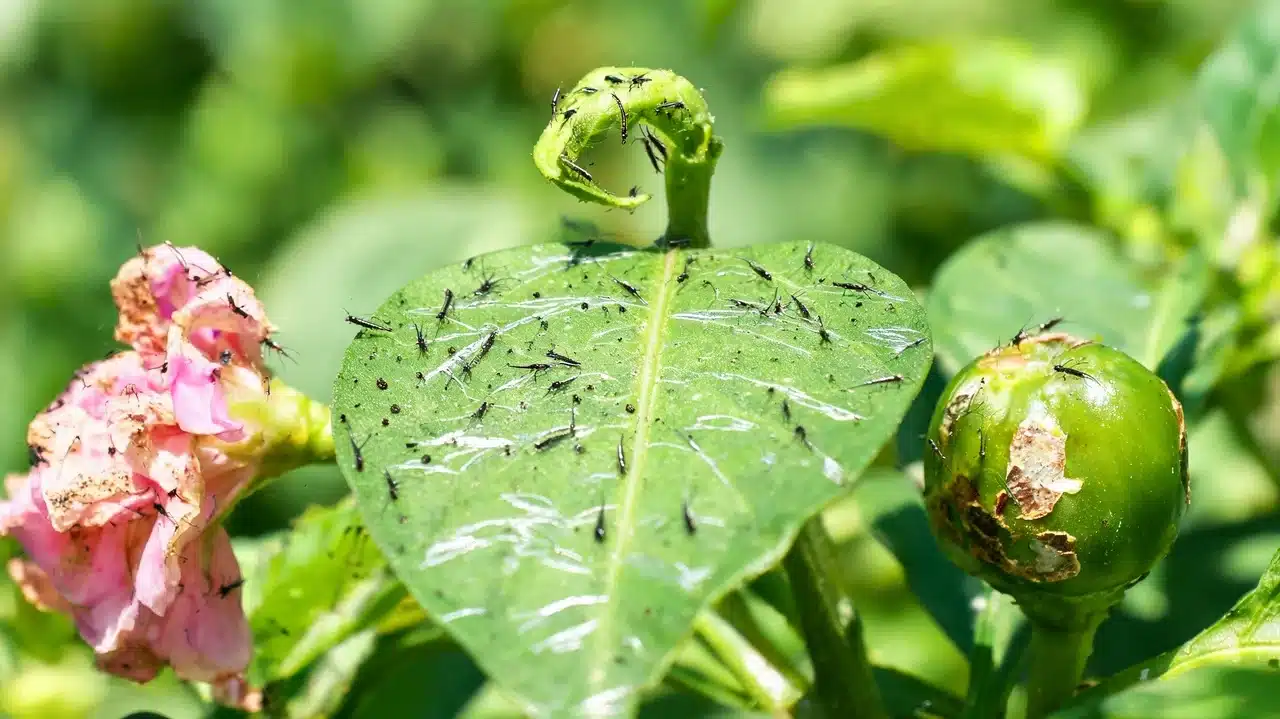

Roses are often seen as high-maintenance, but the issue usually comes from how they are planted, not the plant itself. When grown alone, they face more pest pressure and need extra attention.
Companion plants for roses to keep pests away change how pests move and behave around the garden. In many gardens, roses near the right plant mix show fewer early pest problems than isolated ones.
This works because nearby plants can mask scent signals or attract beneficial insects that naturally control pests. The result is a more balanced garden where pests are less likely to settle on roses.
Success depends more on placement and plant pairing than constant treatment. Understanding this helps create healthier rose growth with less effort.
How Companion Plants Actually Protect Roses from Pests
Companion plants protect roses by changing how pests locate and interact with the garden. Each plant works through a different method to reduce pest pressure.
Some plants use strong scents to mask the natural smell of roses and confuse pests. Lavender, garlic, and catmint help make roses harder to detect.
Other plants attract beneficial insects that feed on common rose pests. Yarrow, sweet alyssum, and marigolds support ladybugs and other helpful predators.
Trap crops like nasturtiums work differently by drawing pests away from roses. These methods prevent problems from building up but do not completely replace pest control when infestations are severe.
The Best Companion Plants for Roses to Keep Pests Away
Plants are grouped based on how they help control pests. Pick based on the pest problem and place them correctly for the best results.
1. Lavender

Lavender helps confuse pests like aphids by masking the natural scent of roses. It also helps keep deer and rabbits away in many garden spaces where they are a problem.
It grows best in warm and dry conditions with good sunlight. Place it a little away from the rose stems so air can move freely around the plants.
2. Garlic and Chives

Garlic and chives help reduce aphid activity and support healthier rose growth over time. They are easy to grow and fit well into most garden beds without much effort.
They work in most climates and handle different soil types fairly well. Keep them close to roses but avoid planting them too tightly together.
3. Catmint

Catmint works well against aphids, beetles, and mites that commonly affect roses. It is also a strong alternative to lavender in areas with higher humidity.
It attracts helpful pollinators that support a balanced garden environment. Place it near roses but allow enough space for it to spread naturally.
4. Yarrow

Yarrow attracts helpful insects like ladybugs and lacewings that feed on pests. These insects help reduce pest numbers before they become a bigger problem.
It works well for building long-term natural pest control in the garden. Place it in the middle or back areas of rose beds for better effect.
5. Marigolds

Marigolds help reduce soil pests like nematodes and support overall soil health. They also provide general support for stronger and healthier rose growth.
They do not fully stop beetles but still help reduce overall pest pressure. Place them in sunny areas where roses receive good airflow and light.
6. Nasturtiums

Nasturtiums attract aphids away from roses by acting as a trap crop. They help reduce direct pest pressure on rose stems and leaves.
They must be planted away from roses so pests move toward them instead. Use them along garden edges or in separate planting spots.
7. Feverfew

Feverfew attracts pests away from roses while also supporting beneficial insects. It works as both a trap plant and a support plant in the garden.
It is best used along borders where it does not compete with roses directly. Keep it spaced properly away from rose stems for balanced growth.
What Not to Plant Near Roses?
Some plants can weaken roses or increase pest problems instead of preventing them. The main ones to avoid are mint, brassicas, and fennel because they disrupt growth or attract pests.
- Mint: Spreads aggressively underground and competes with roses for water and nutrients. Grow it in a buried pot or separate container to prevent it from taking over.
- Brassicas (cabbage, kale, mustard): These plants can attract aphids that may move onto nearby roses. Keep them away from rose beds, especially during active pest seasons.
- Fennel: Releases natural chemicals that can inhibit the growth of nearby plants. Plant it in a separate area away from roses.
- Black Walnut: Produces juglone, a natural compound that can affect the growth of nearby plants. Keep roses away from black walnut trees and their root zones.
- Bamboo: Spreads quickly through underground roots and can compete with roses for space, moisture, and nutrients. Grow it separately to avoid crowding the rose bed.
Avoid any plant that spreads too aggressively, shares major rose pests, or restricts root growth. Always check whether a plant commonly hosts the same pests as roses before placing it nearby.
Conclusion
A thriving rose garden does not always require more treatments or constant monitoring. The right plant partnerships can create a more supportive environment where roses grow with fewer disruptions.
Choosing companions based on garden conditions, available space, and local pest patterns makes the biggest difference over time.
Companion plants for roses to keep pests away are part of a broader approach that includes proper watering, pruning, and healthy soil care.
A balanced garden is built through small decisions that improve plant relationships. Start with a few suitable companions, observe the results, and adjust your planting layout as your roses develop.
Share your favorite rose companion plants or gardening tips in the comments below.
Frequently Asked Questions
How Close Should I Plant These Companions to My Roses?
Plant companions 12–18 inches from rose bushes to prevent root competition, maintain airflow, and give both plants enough space for healthy growth.
When Will I See Results After Planting Companions?
Most gardeners notice changes within 4–6 weeks, while stronger pest control benefits develop gradually over a full growing season.
How Many Companions Should I Plant per Rose Bush?
Plant 2–3 companion plants per rose bush as a starting point, choosing different varieties that provide scent masking and support for beneficial insects.