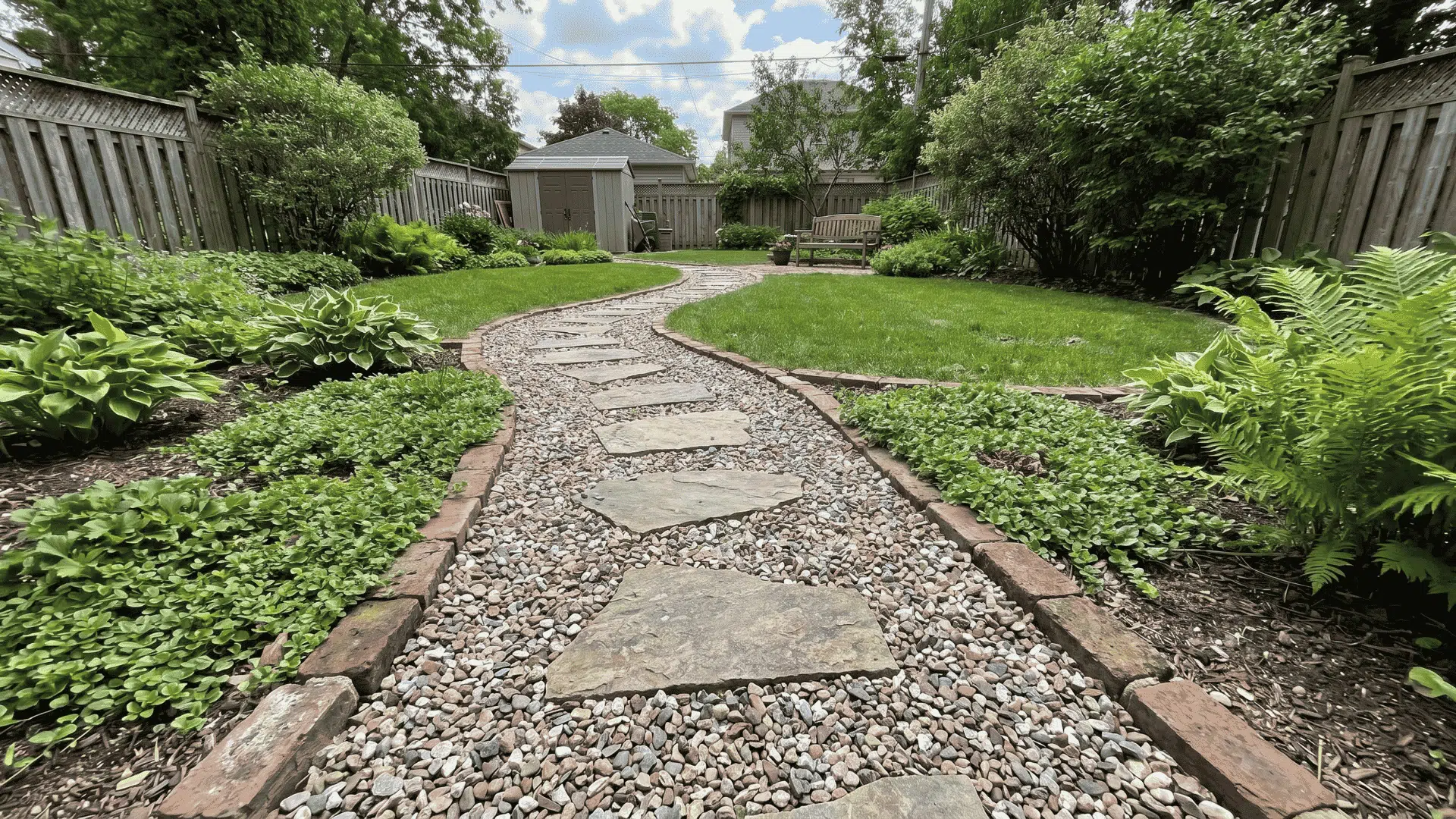
A garden without a clear path can feel messy and hard to enjoy. One simple addition can change how the whole space feels.
The right garden path ideas can make your outdoor area feel more organized, connected, and easy to move through.
They can also help with drainage and protect your lawn from daily foot traffic. You do not need a big budget or professional help to get started.
Simple materials like gravel, stone, brick, and pavers can give any yard a cleaner and more finished look.
What Makes Garden Path Ideas Truly Work?
A well-designed path guides movement and adds lasting character to any outdoor space.
- Choose Smart Materials: Match stone, gravel, or brick to your climate and budget carefully.
- Edge Cleanly: Borders keep materials contained and the whole yard looking consistently neat.
- Plan for Rain: Slight slopes and permeable surfaces effectively prevent standing puddles.
- Match Your Style: Let your home and garden guide the layout and material choice.
- Add Small Details: Lighting and border plants complete the entire path.
- Keep It Simple: Clean layouts make outdoor spaces feel open, calm, and easy to navigate.
Garden Path Ideas Easy
The purpose of these ideas is to help your outdoor space feel more organized, connected, and visually inviting.
1. Create a Simple Gravel Path
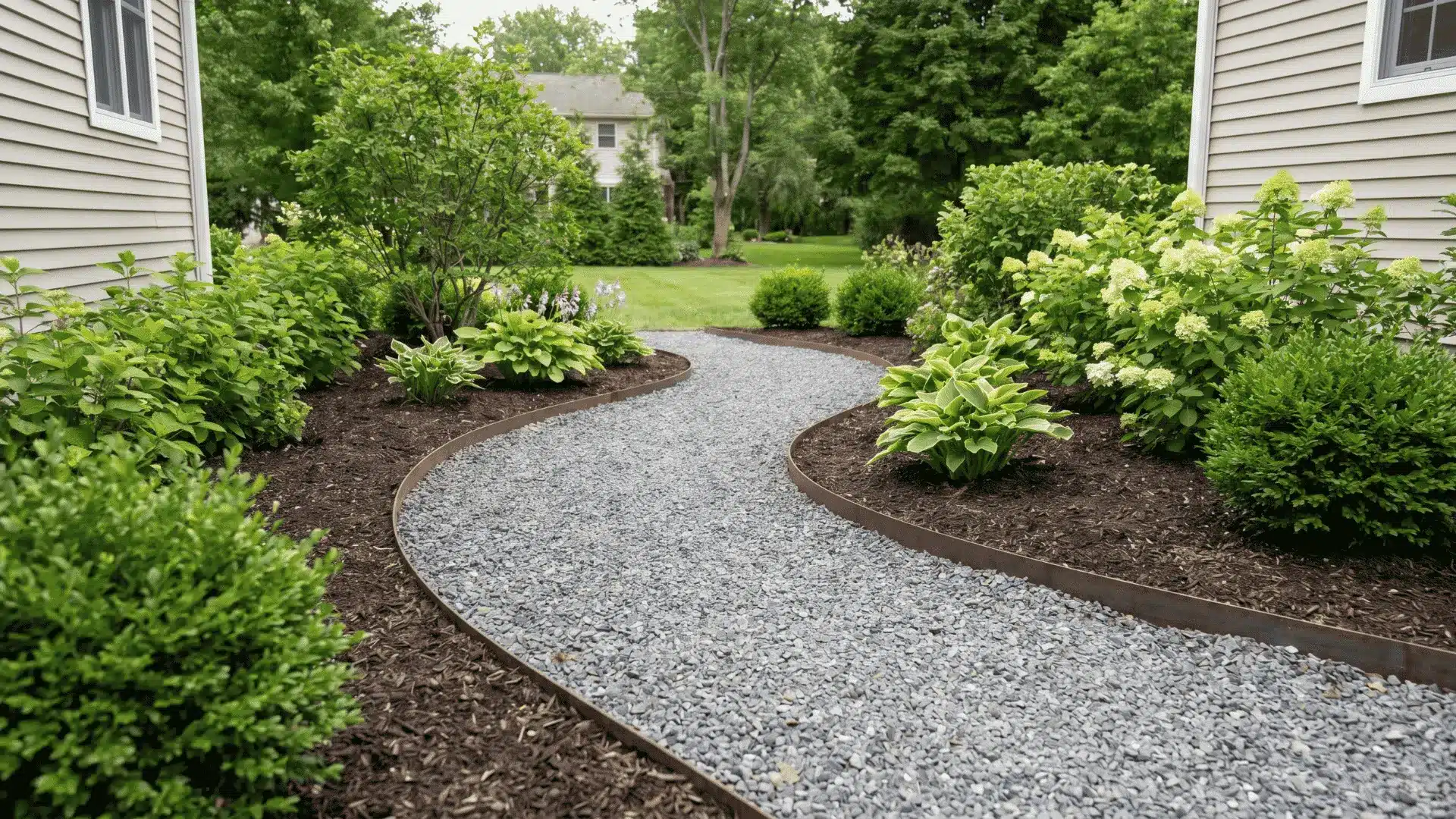
A gravel garden path adds texture and structure while keeping the space natural and easy to maintain.
Light-colored gravel brightens the walkway and improves drainage after rain, while edging along the sides helps keep the stones neatly in place.
2. Use Stepping Stones Through Grass
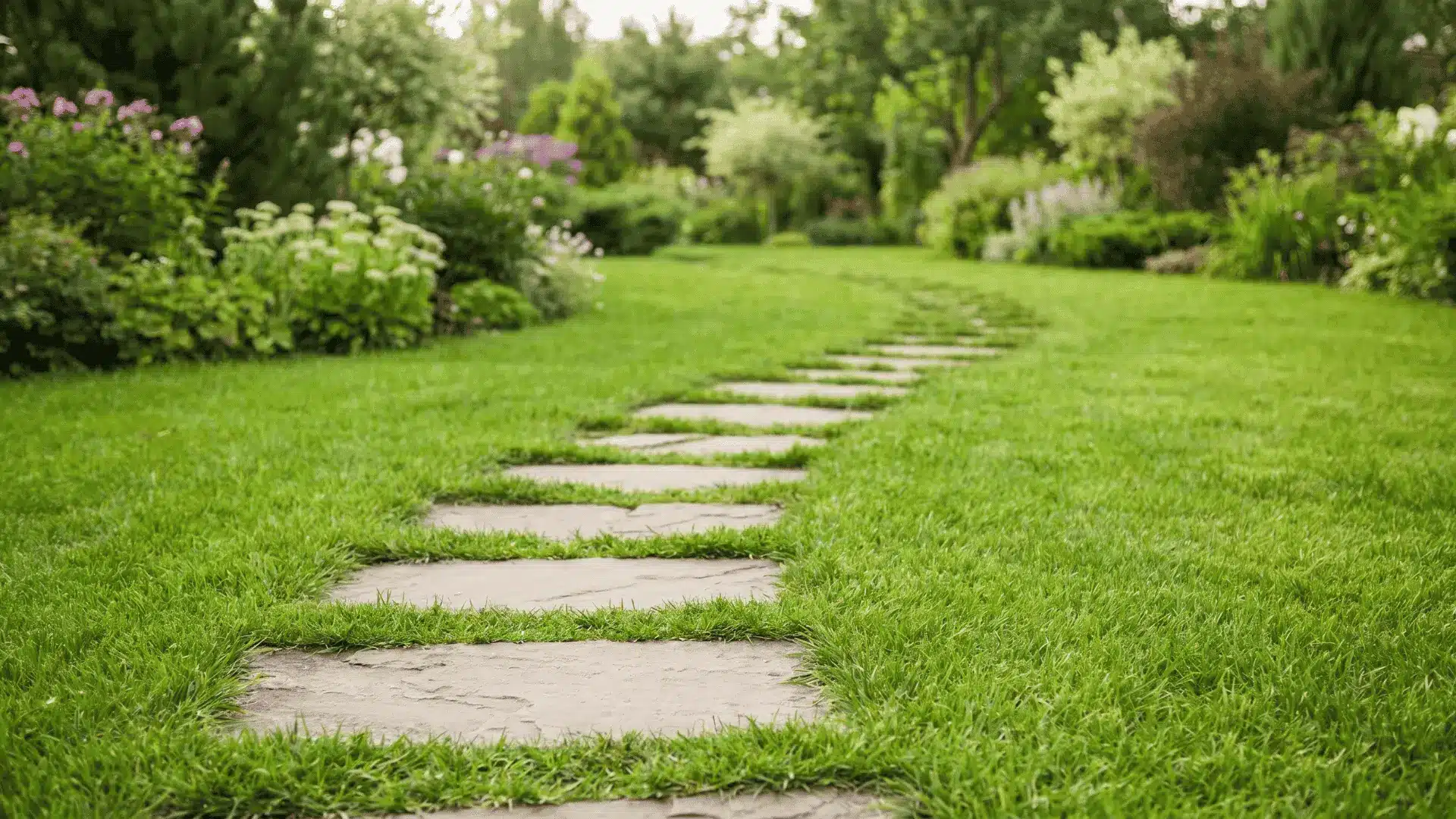
Stepping stones placed across grass create a soft and relaxed garden walkway thatfit naturally into the yard.
Leave comfortable spacing between the stones so the path feels easy to walk on while still keeping the lawn open and green.
3. Garden Paths Through Grass
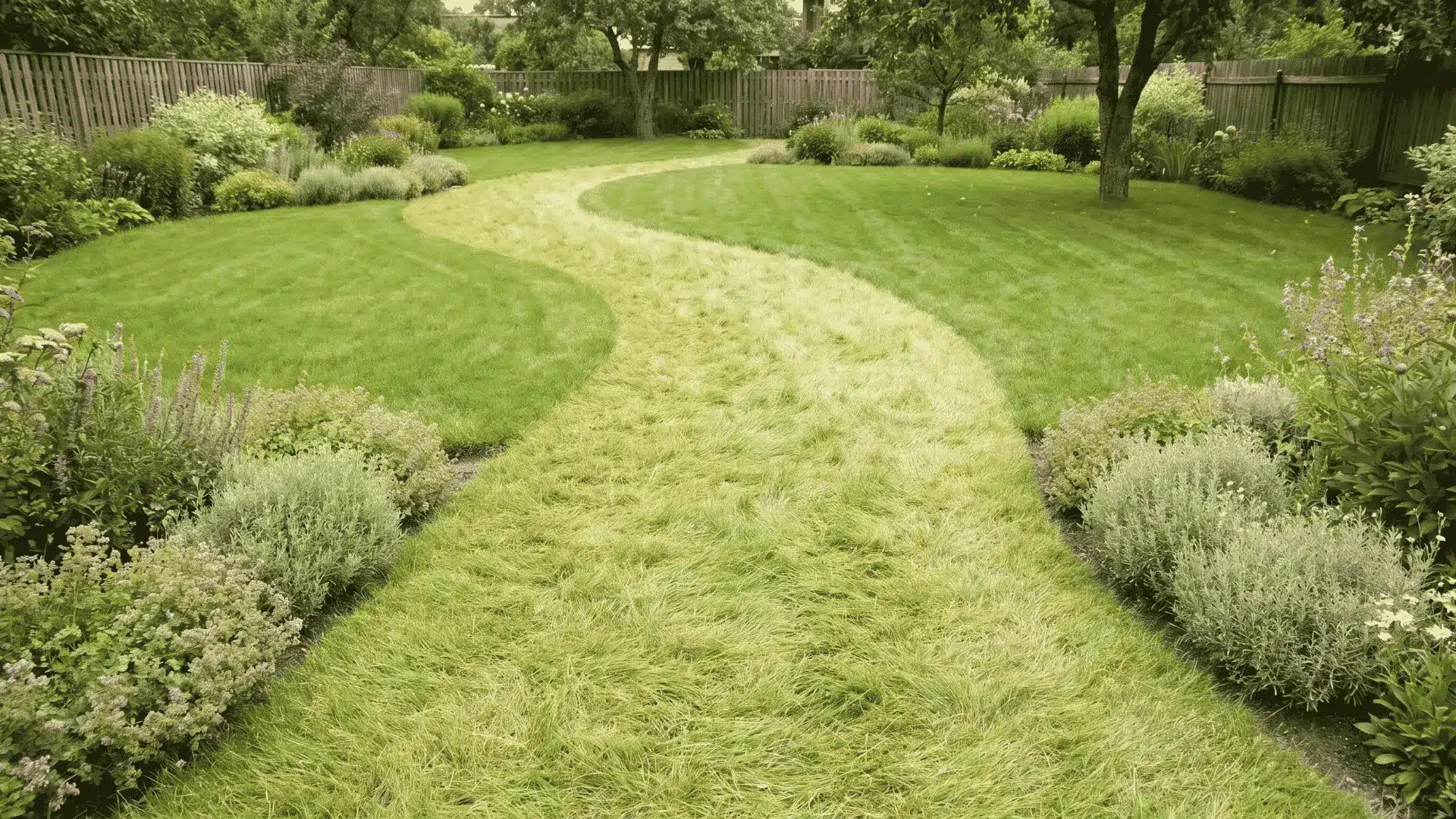
A grass pathway keeps the garden feeling open while naturally guiding movement through the space.
This simple layout works especially well in relaxed outdoor areas where you want the yard to feel soft, natural, and less structured.
4. Build a Brick Garden Path
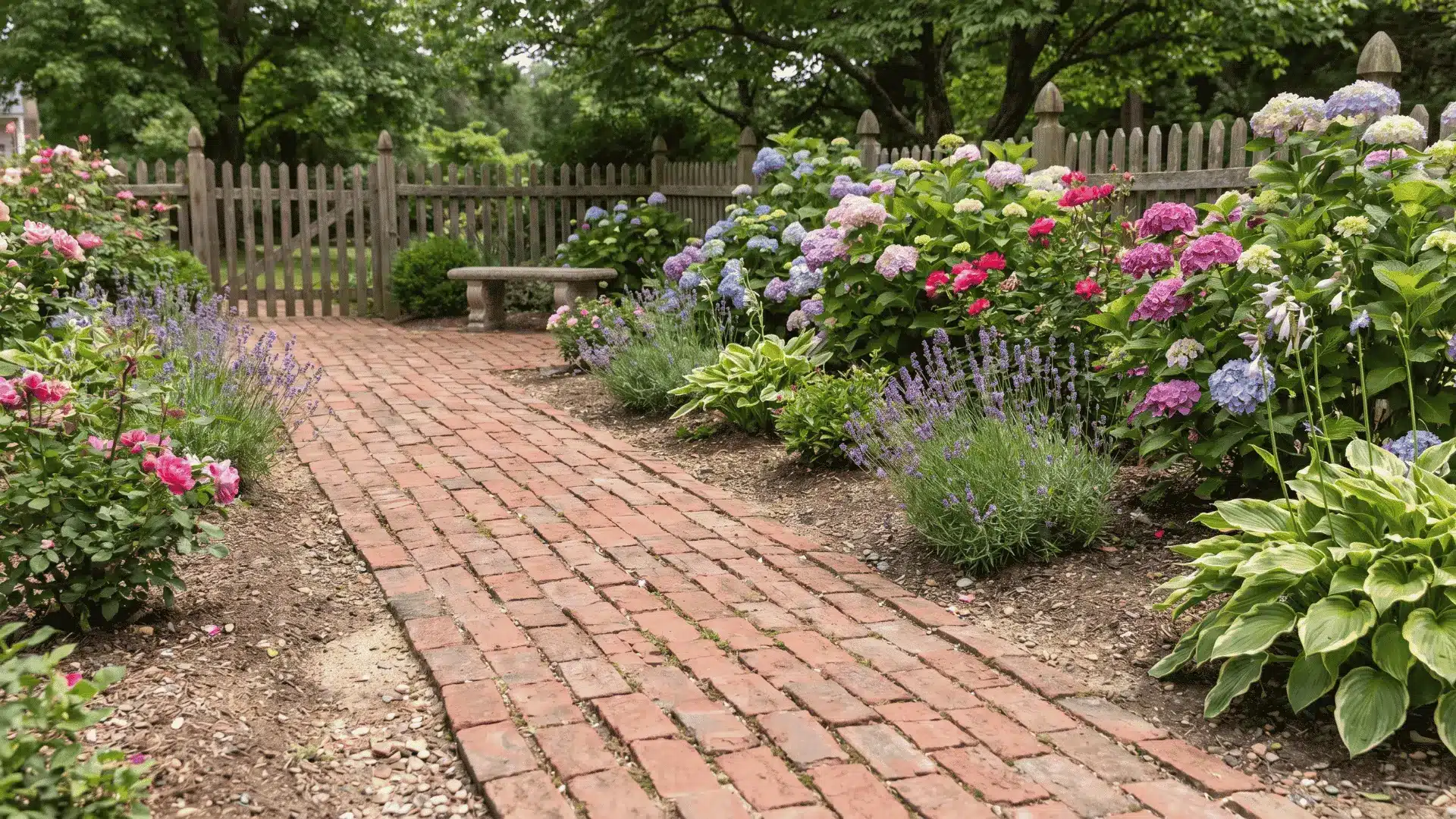
Brick walkways bring warmth and classic character to outdoor spaces while helping define the garden clearly.
Simple brick patterns like running bond or basket weave create a classic look that works well in cottage-style landscapes.
5. Try a Mulch Path
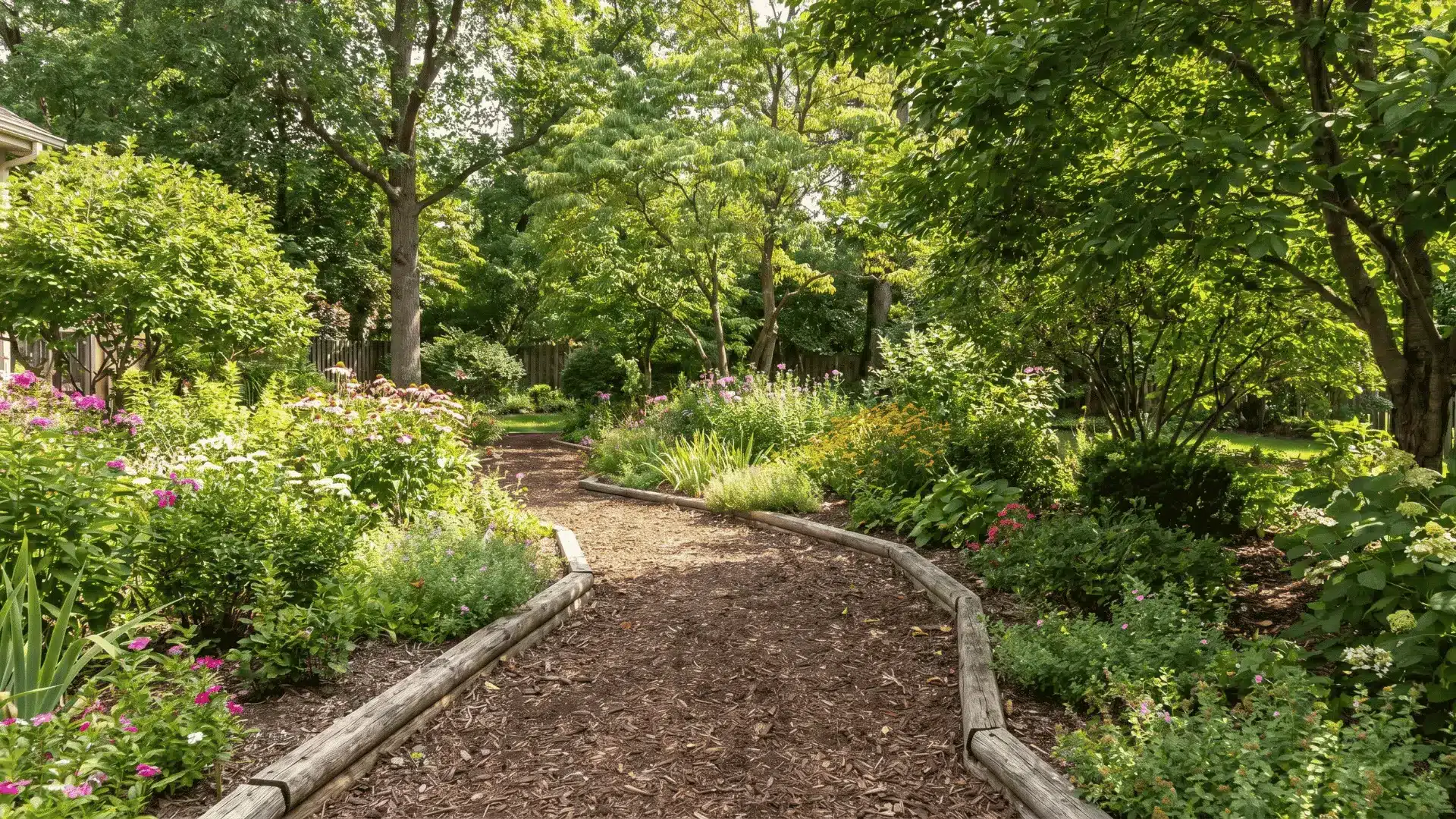
Mulch paths create a casual and budget-friendly walkway that fits naturally into backyard gardens.
The soft texture works well around flower beds and planting areas while helping the garden feel more relaxed and inviting.
6. Add Flagstone Stepping Stones
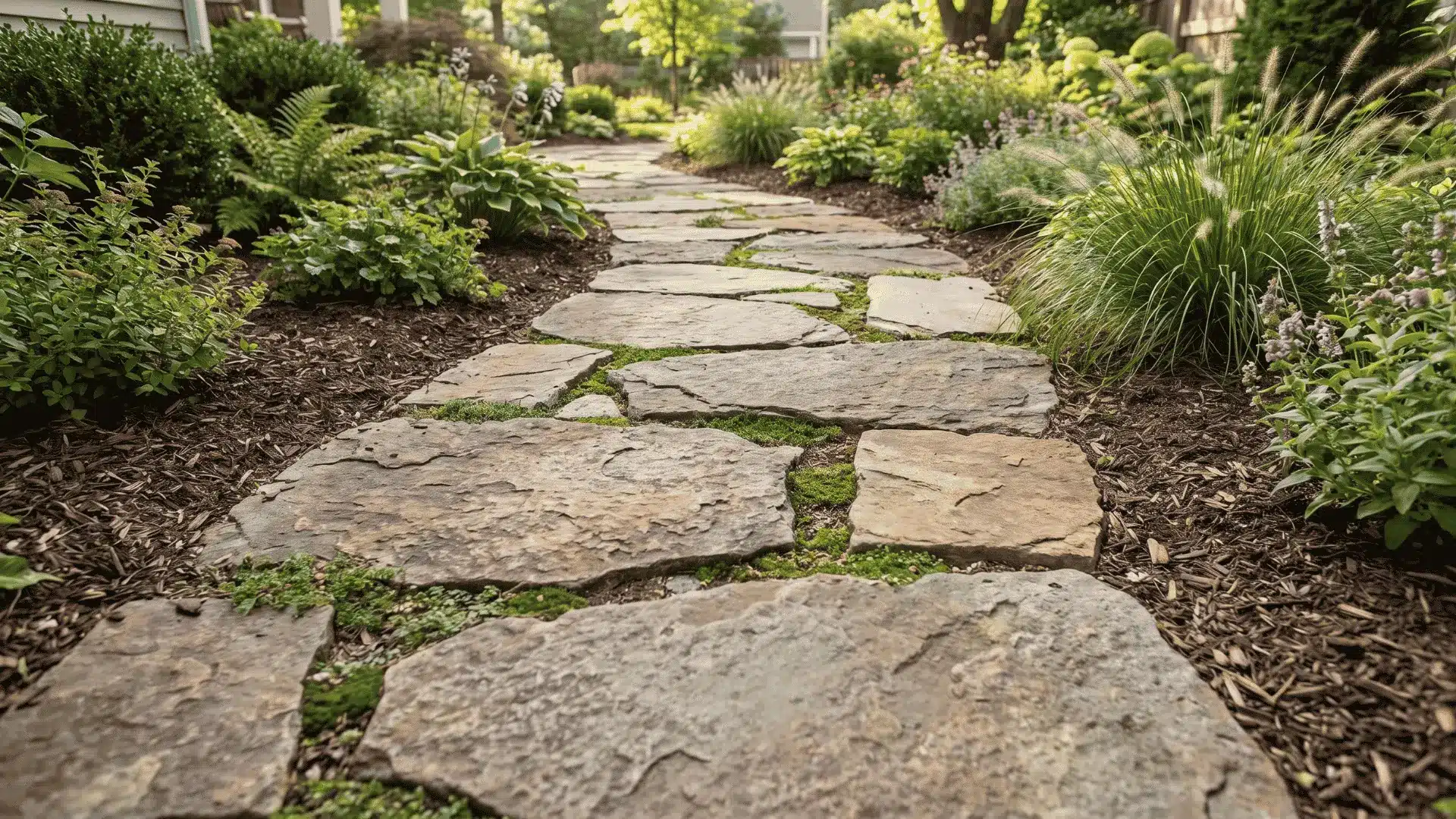
Flagstone stepping stones create a classic garden path with a natural and organic appearance.
Their irregular shapes work well in curved layouts and help the walkway feel more connected to the surrounding landscape.
7. Create a Checkerboard Garden Path
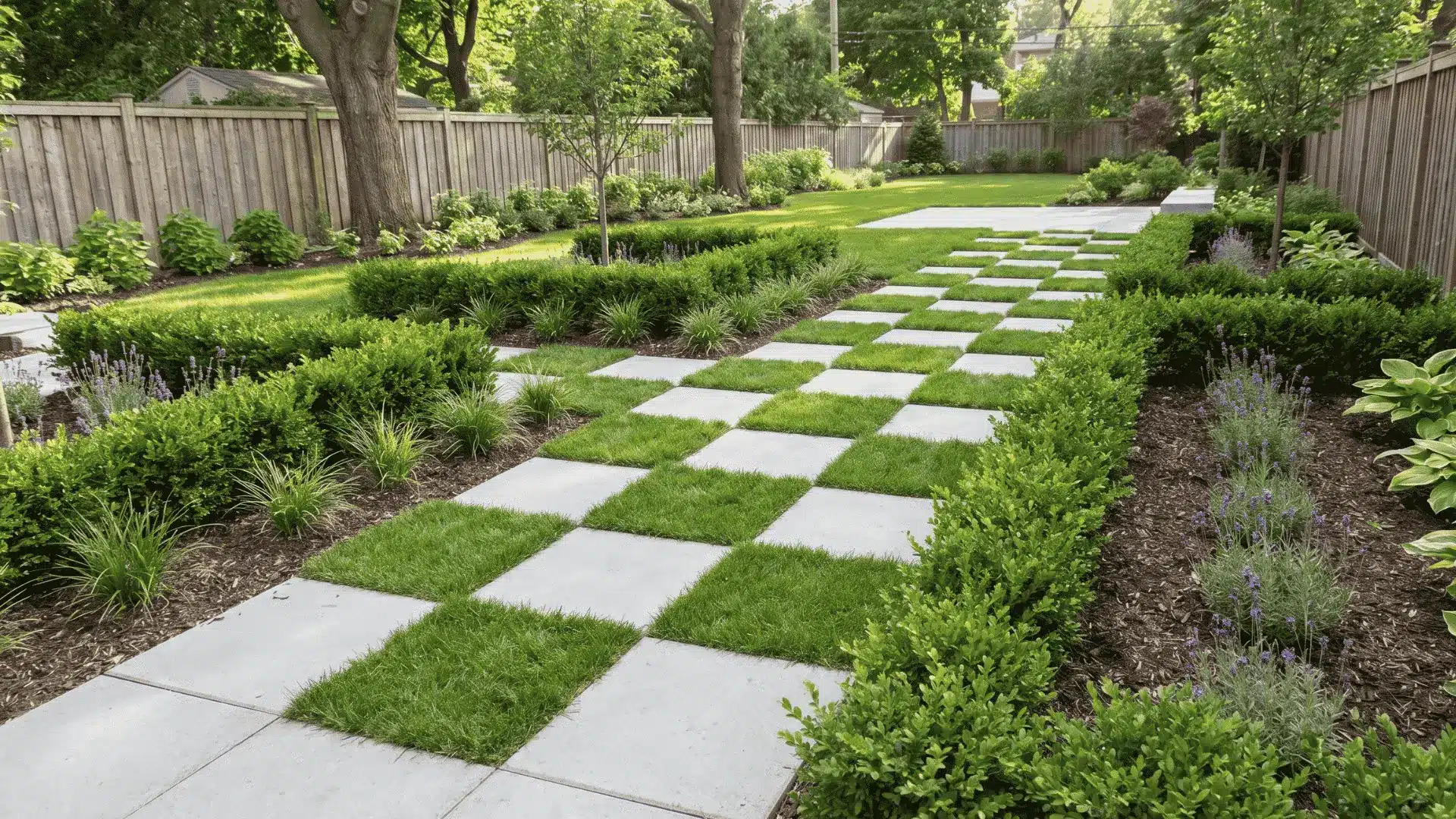
Checkerboard pavers with grass or gravel gaps create a clean and balanced outdoor design.
This layout gives modern gardens a softer appearance while still keeping the path structured and visually organized.
8. Use Concrete Pavers for a Modern Look
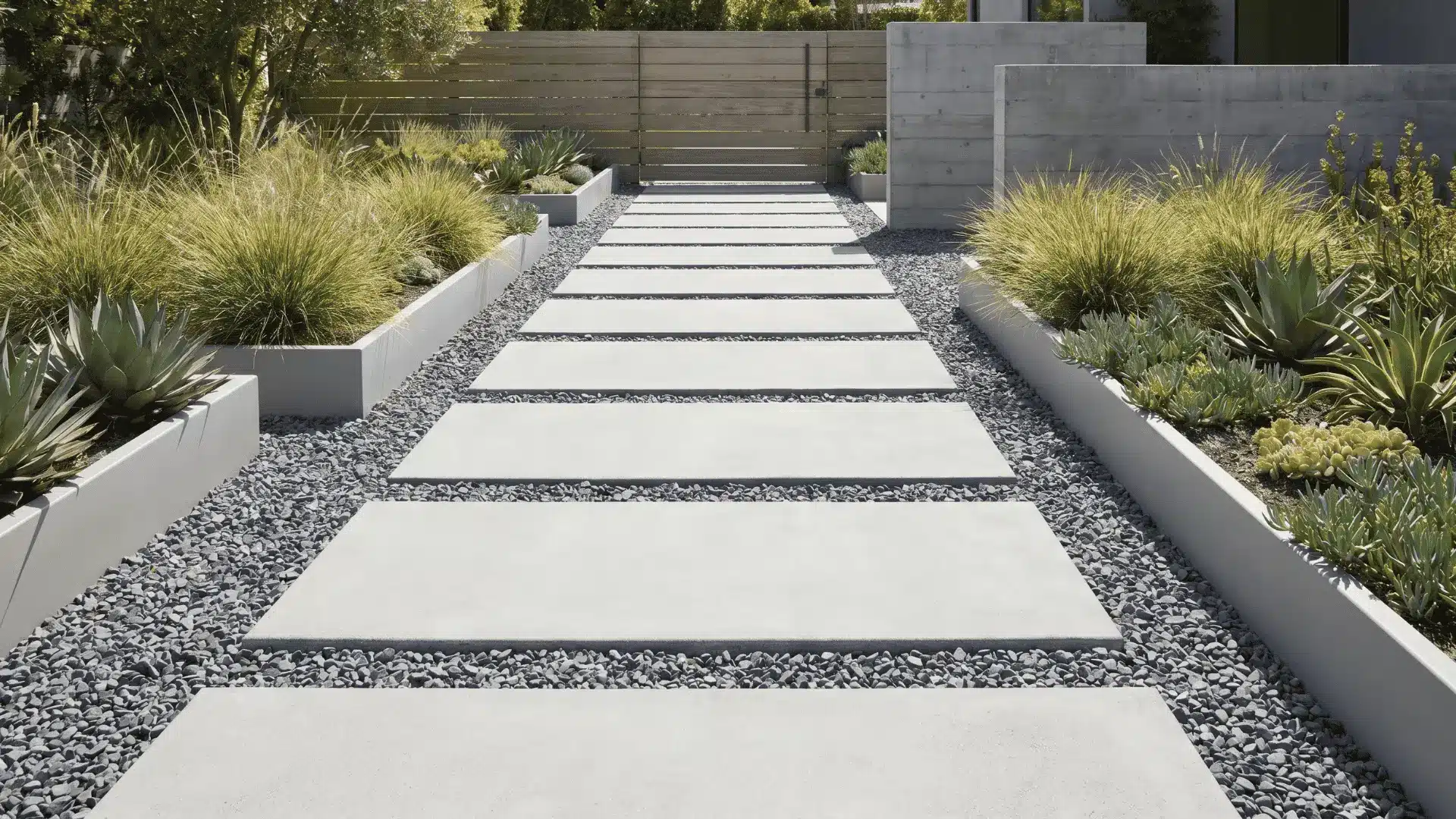
Concrete pavers create a sleek and structured garden walkway that fits modern outdoor spaces perfectly.
Large slabs with clean spacing help the yard feel uncluttered while gravel or grass between gaps softens the overall design.
9. Create a Pebble Path
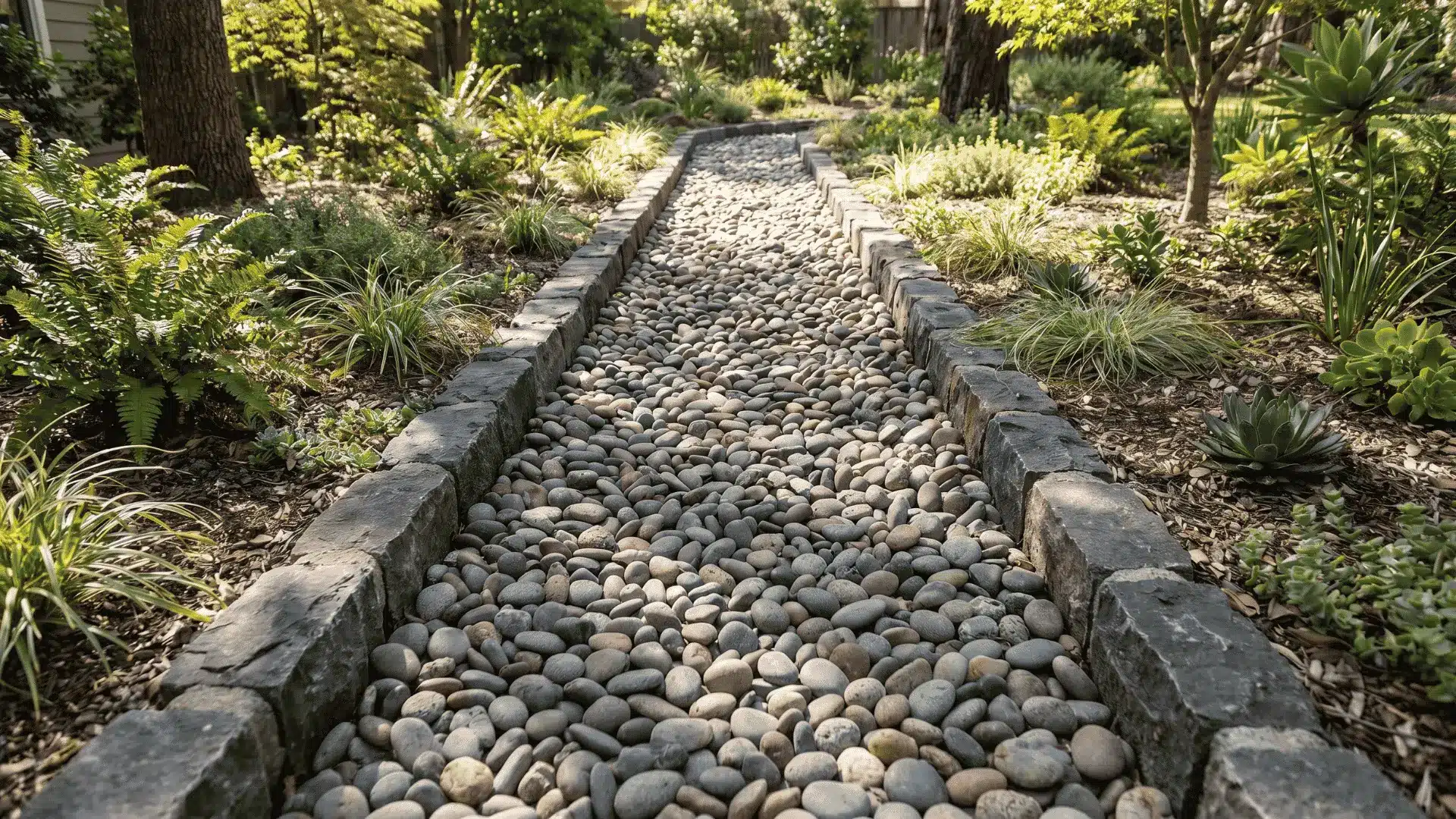
Pebble pathways add texture and a soft natural look that works well in many garden styles.
Curved edges and strong borders help keep the pebbles contained while giving the walkway a more polished finish.
10. Add Brick Edging Around Gravel
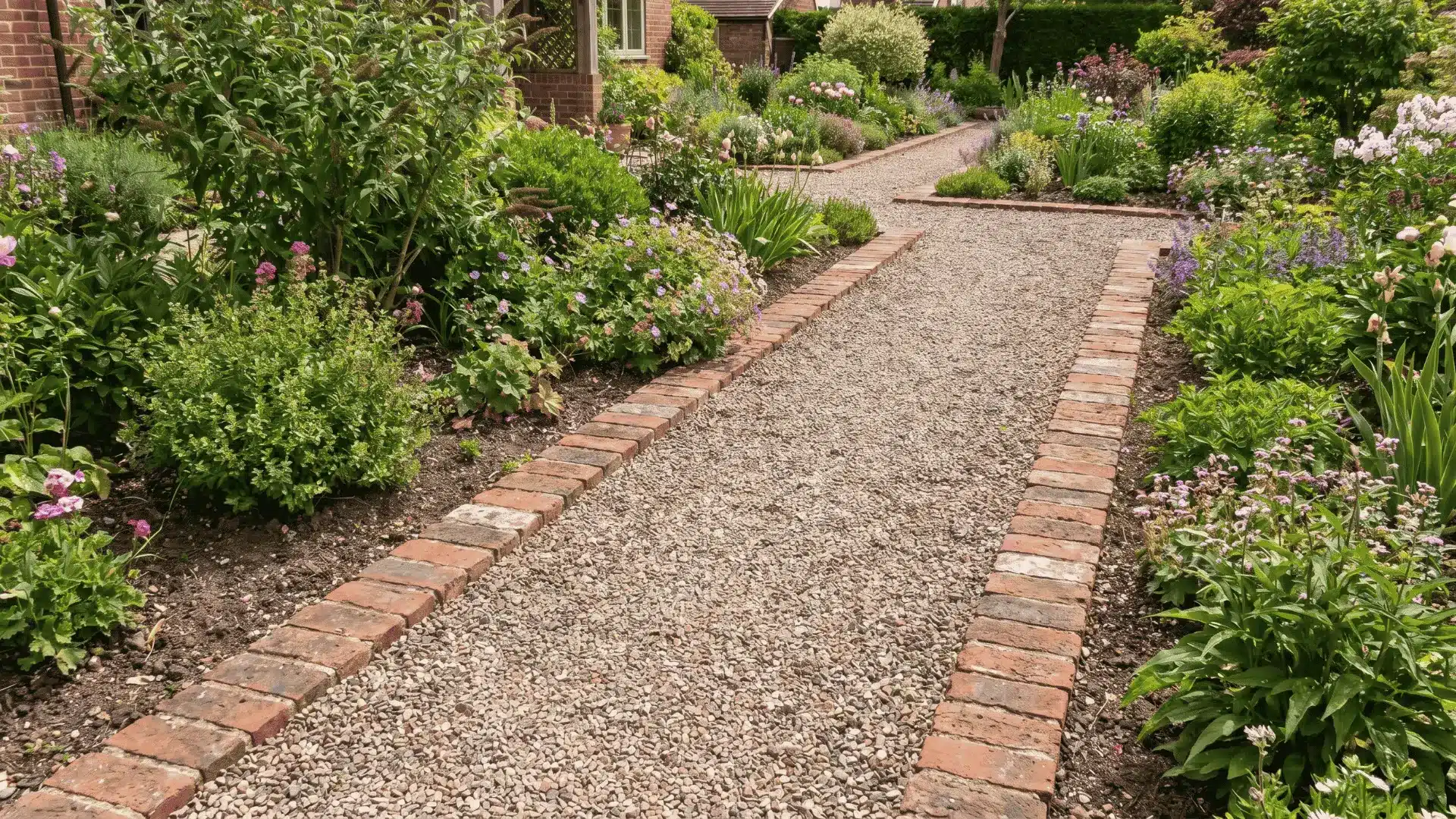
Brick edging helps gravel paths look cleaner and more organized throughout the garden.
The contrast between brick and gravel adds texture while helping loose stones stay neatly inside the walkway.
11. Build a Wood Slice Path
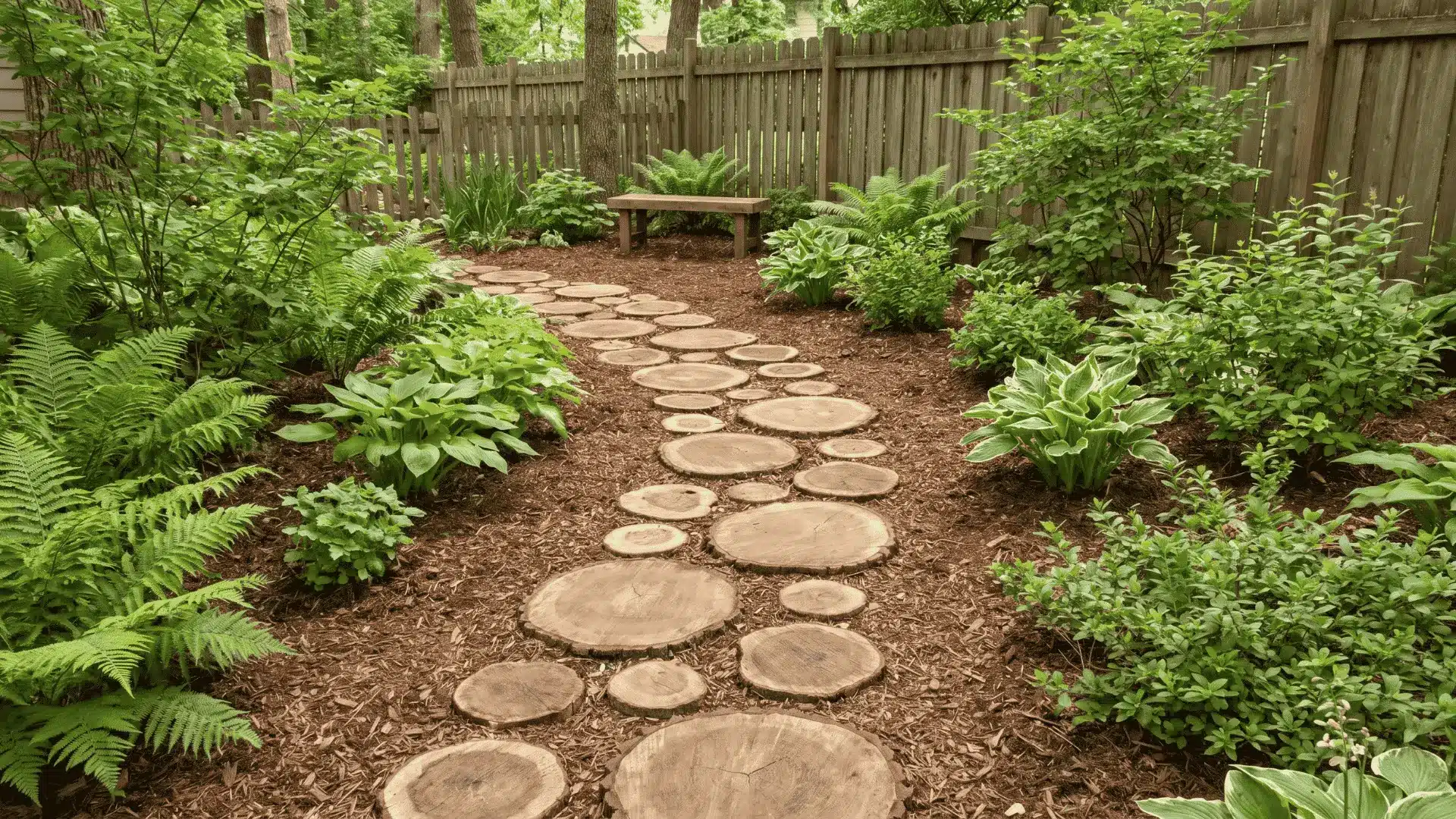
Wood slice pathways add warm rustic character to woodland-style gardens and natural outdoor spaces.
The round wooden pieces work well with surrounding greenery while creating a relaxed and earthy walkway design.
12. Create a Railway Sleeper Garden Path
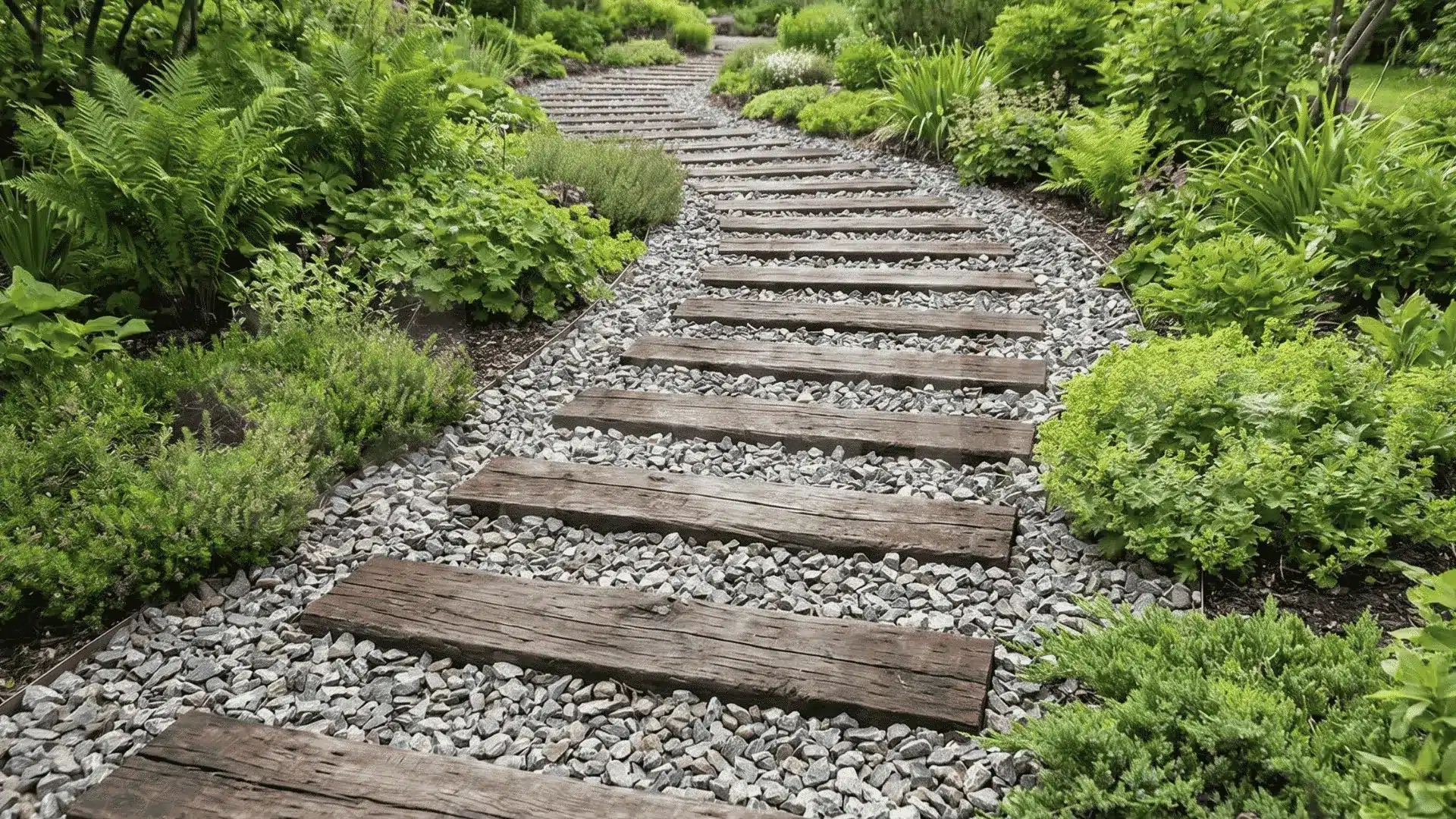
Wooden railway sleepers create a strong and structured pathway with a rustic outdoor feel.
Spacing sleepers with gravel or grass between them softens the design while helping improve drainage throughout the walkway.
13. Use Reclaimed Bricks
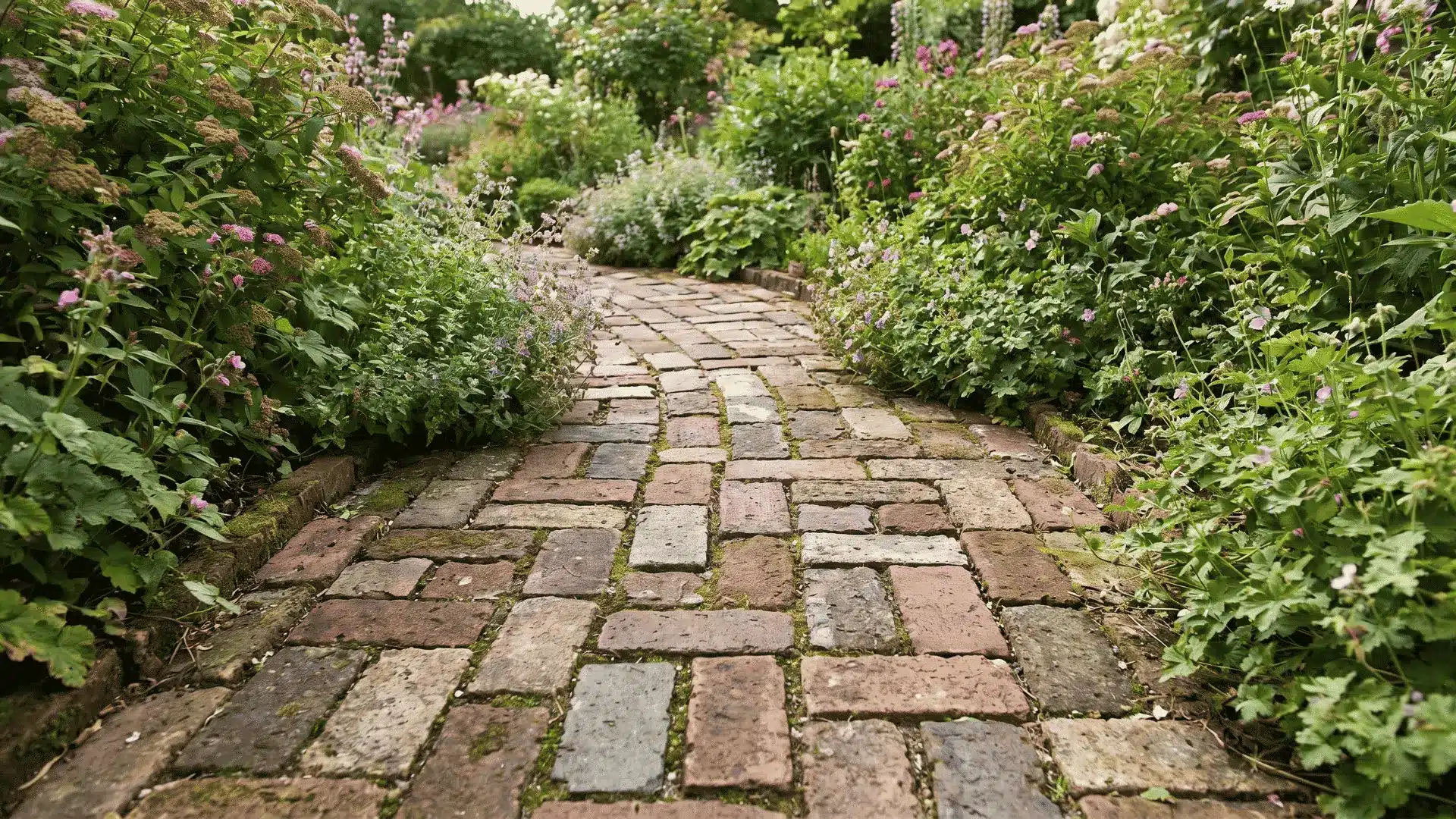
Reclaimed bricks add aged texture and natural character that make garden paths feel more established.
Their weathered appearance and uneven color variation create a charming and relaxed outdoor look.
14. Add Ground Cover Between Stones
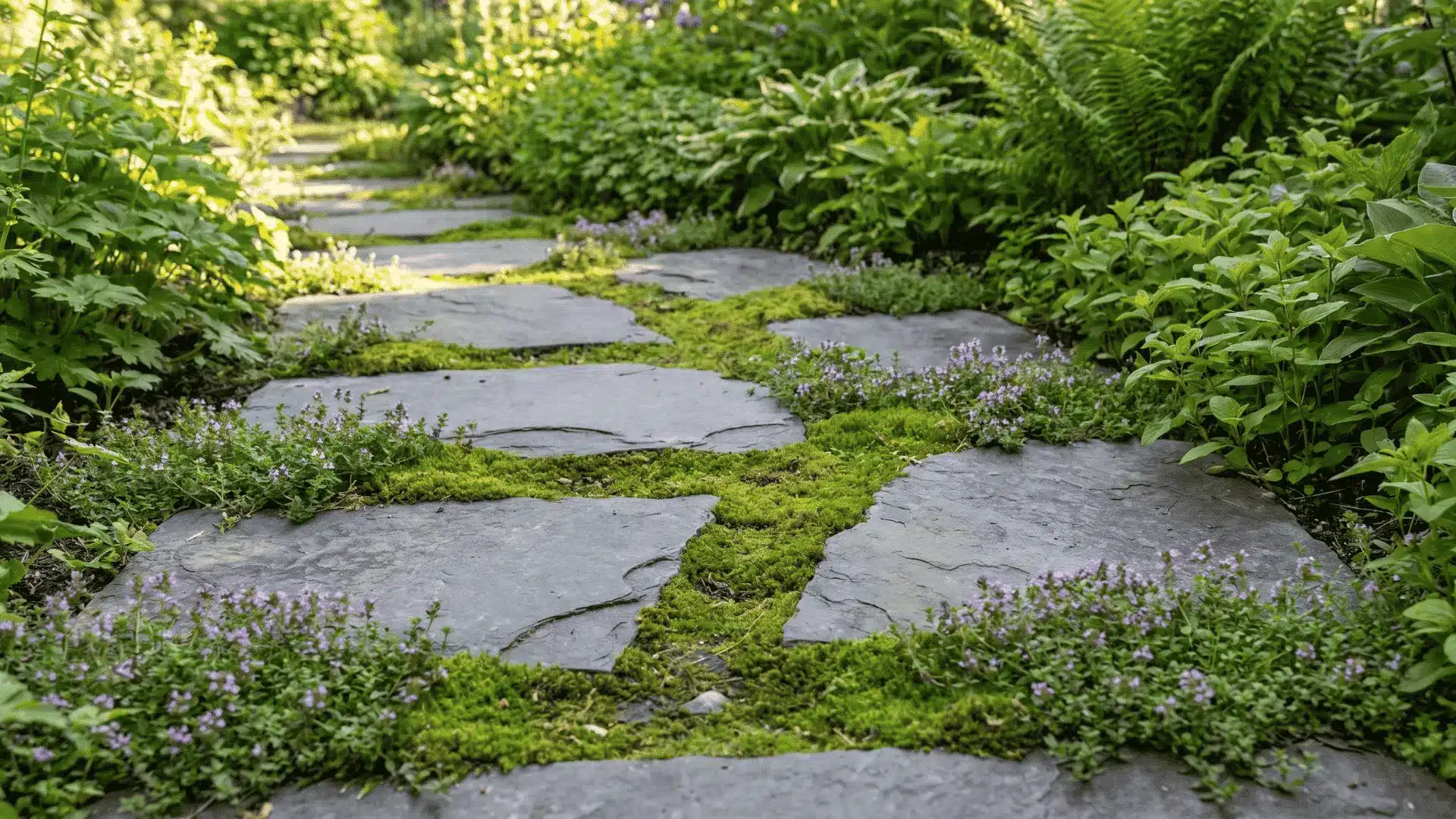
Ground cover plants growing between stepping stones soften the walkway and help the walkway feel more connected to the garden.
Plants like thyme, moss, and clover help fill empty gaps while adding texture and greenery around the path.
15. Create a Garden Path With Lights
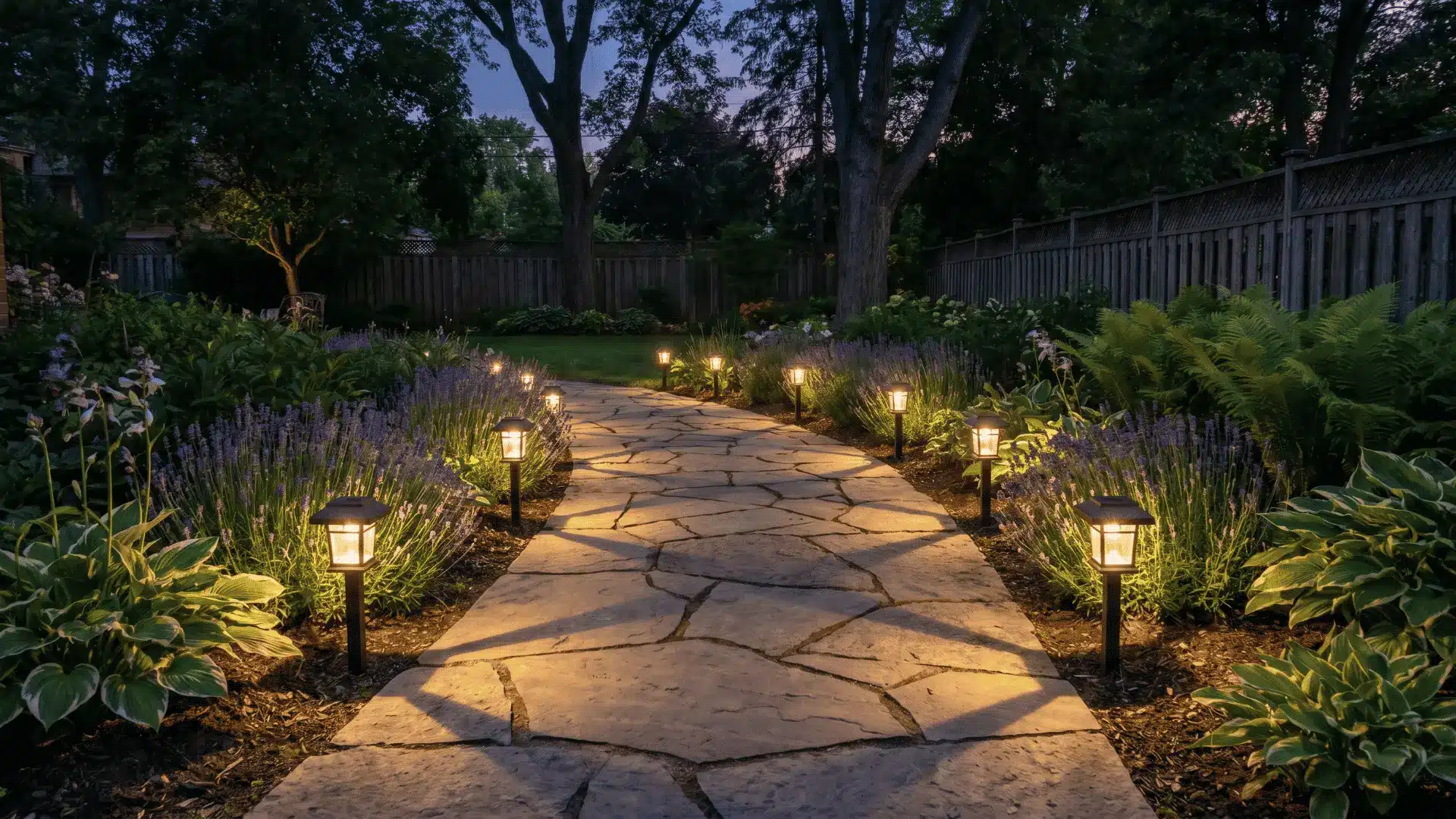
Soft pathway lights make garden walkways safer while creating a warm and cozy atmosphere at night.
Solar lights placed along the edges help highlight the path beautifully without overwhelming the space.
16. Make a Side Yard Path
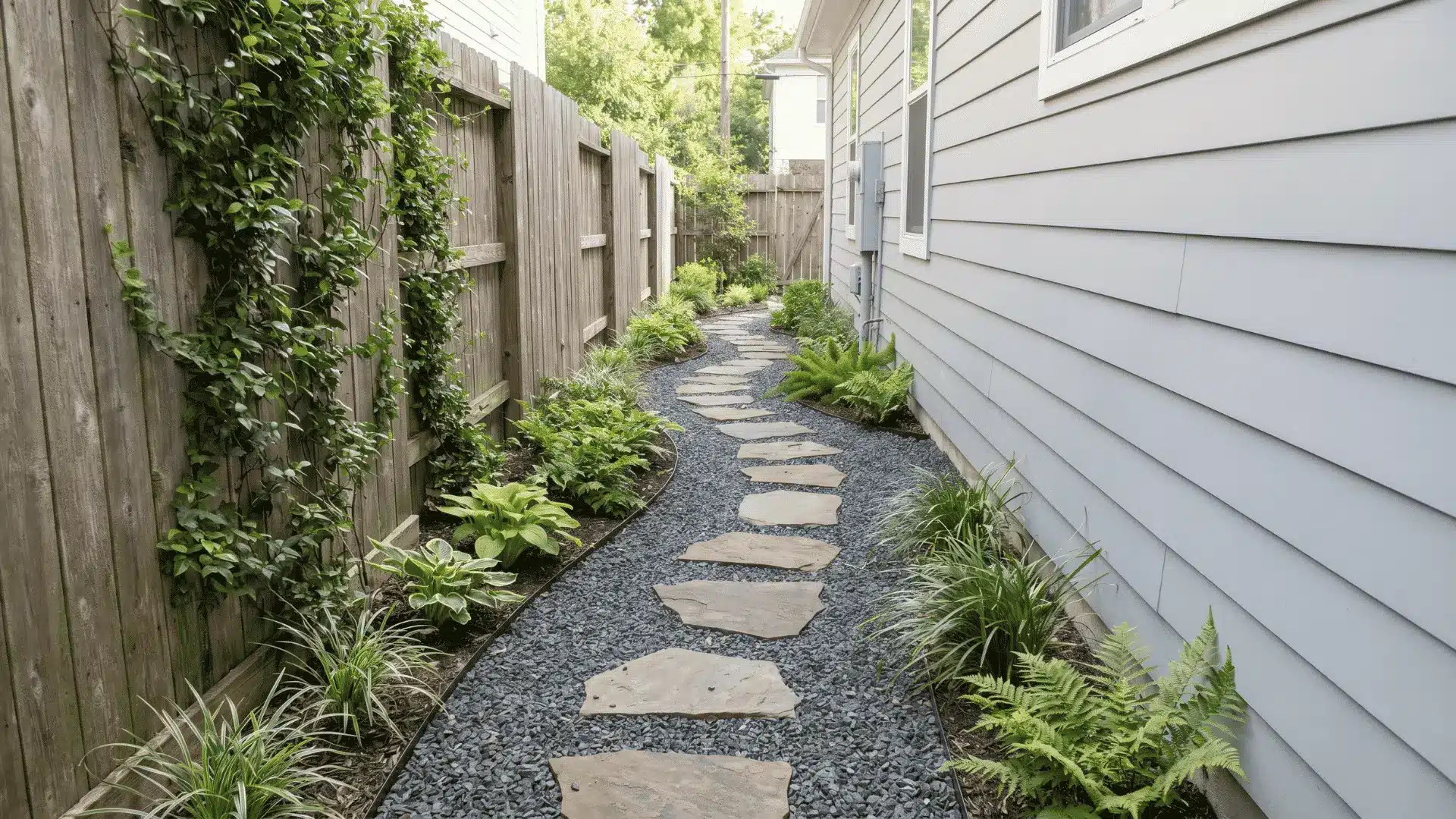
A side yard path turns a narrow unused space into a more practical and visually connected walkway.
Gravel, stepping stones, or pavers help the area feel cleaner while making it easier to move through comfortably.
17. Use Decomposed Granite
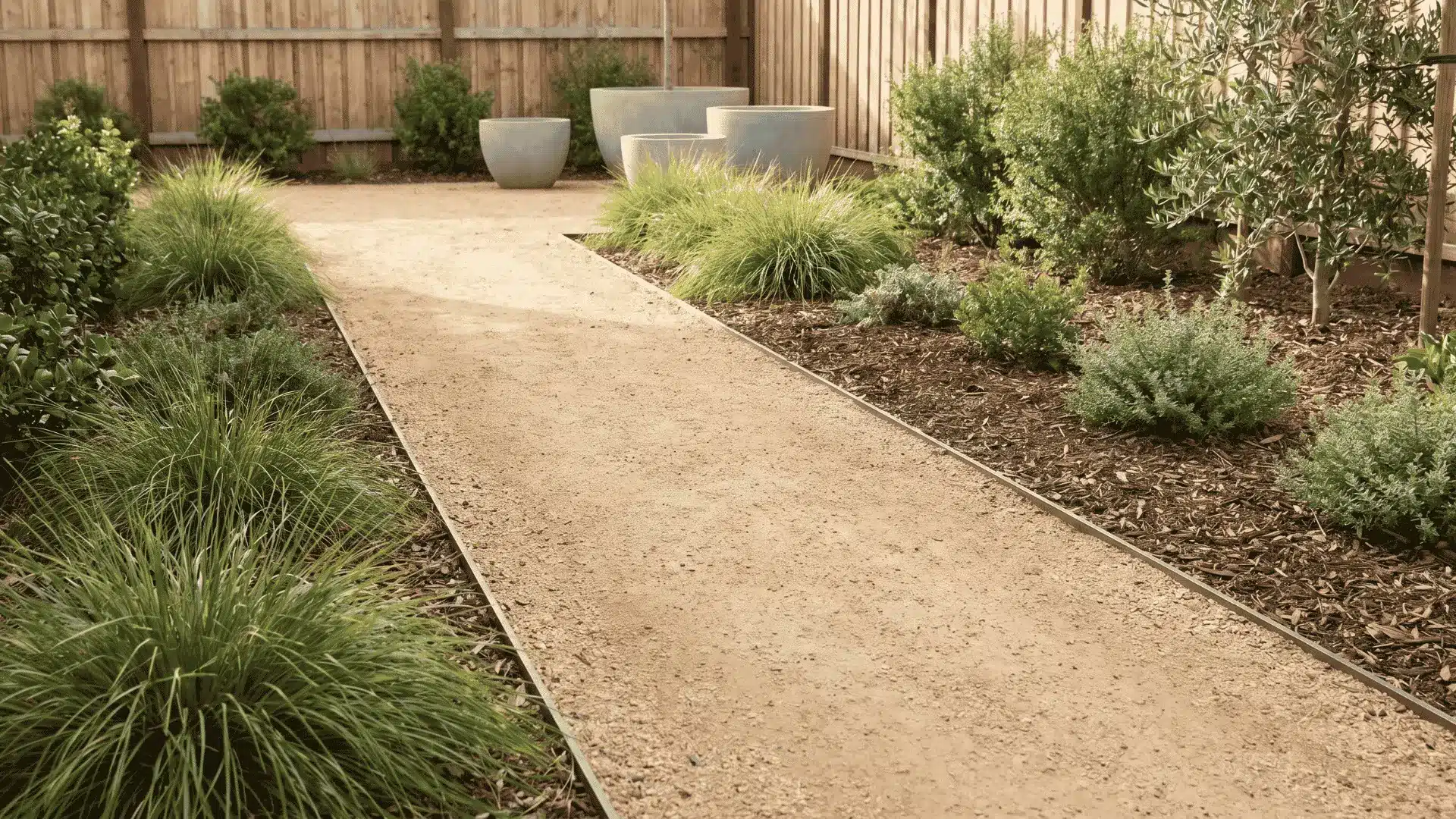
Decomposed granite creates a smooth and natural-looking pathway with excellent drainage after rain.
Its compact texture works well in both modern and rustic landscapes while keeping the walkway low-maintenance.
18. Add a Raised Stone Border Path
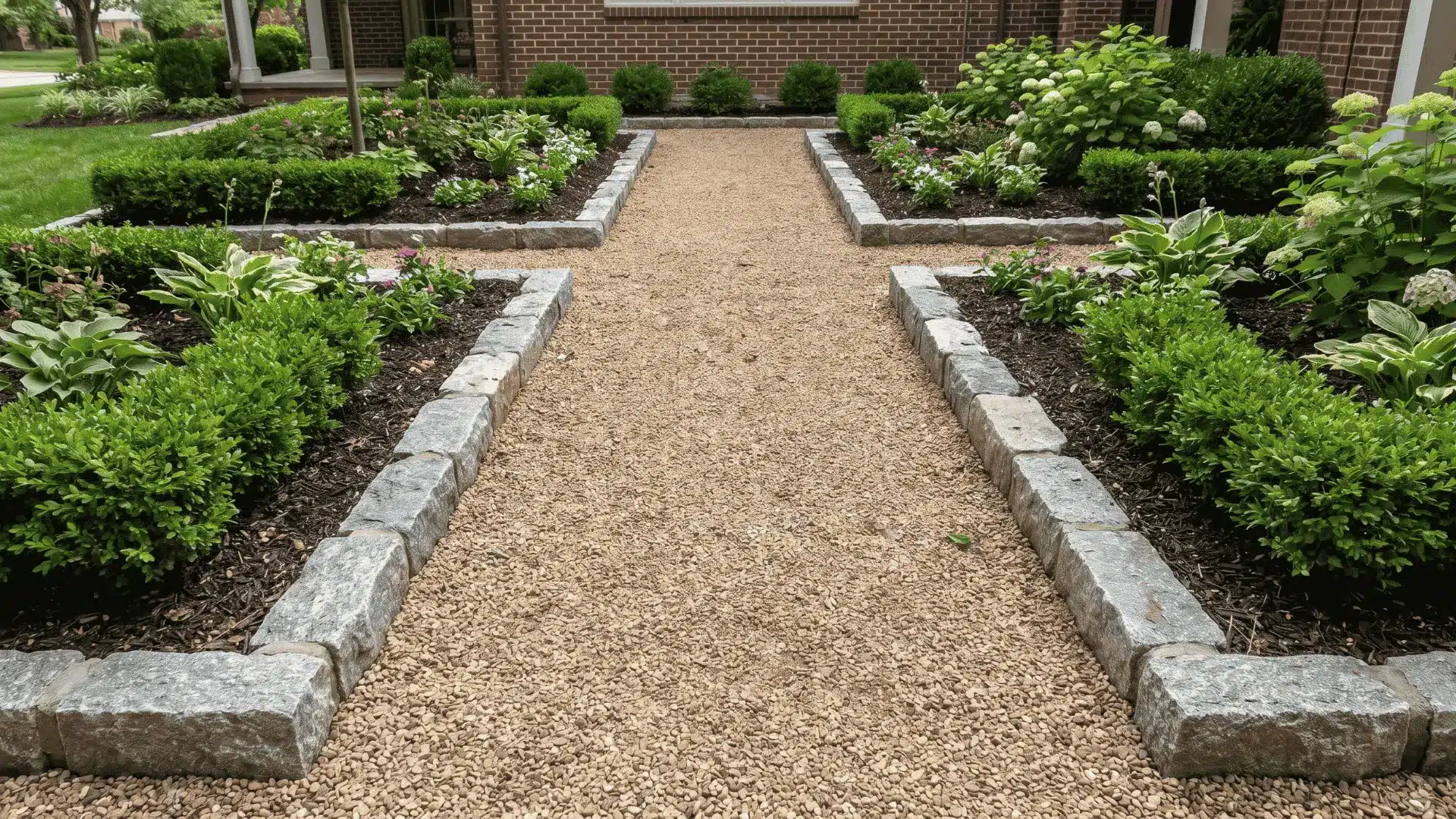
Raised stone borders help define the walkway clearly while keeping gravel or mulch neatly contained.
This structured look works especially well in formal gardens and landscaped backyard spaces.
19. Create a Raised Boardwalk Path
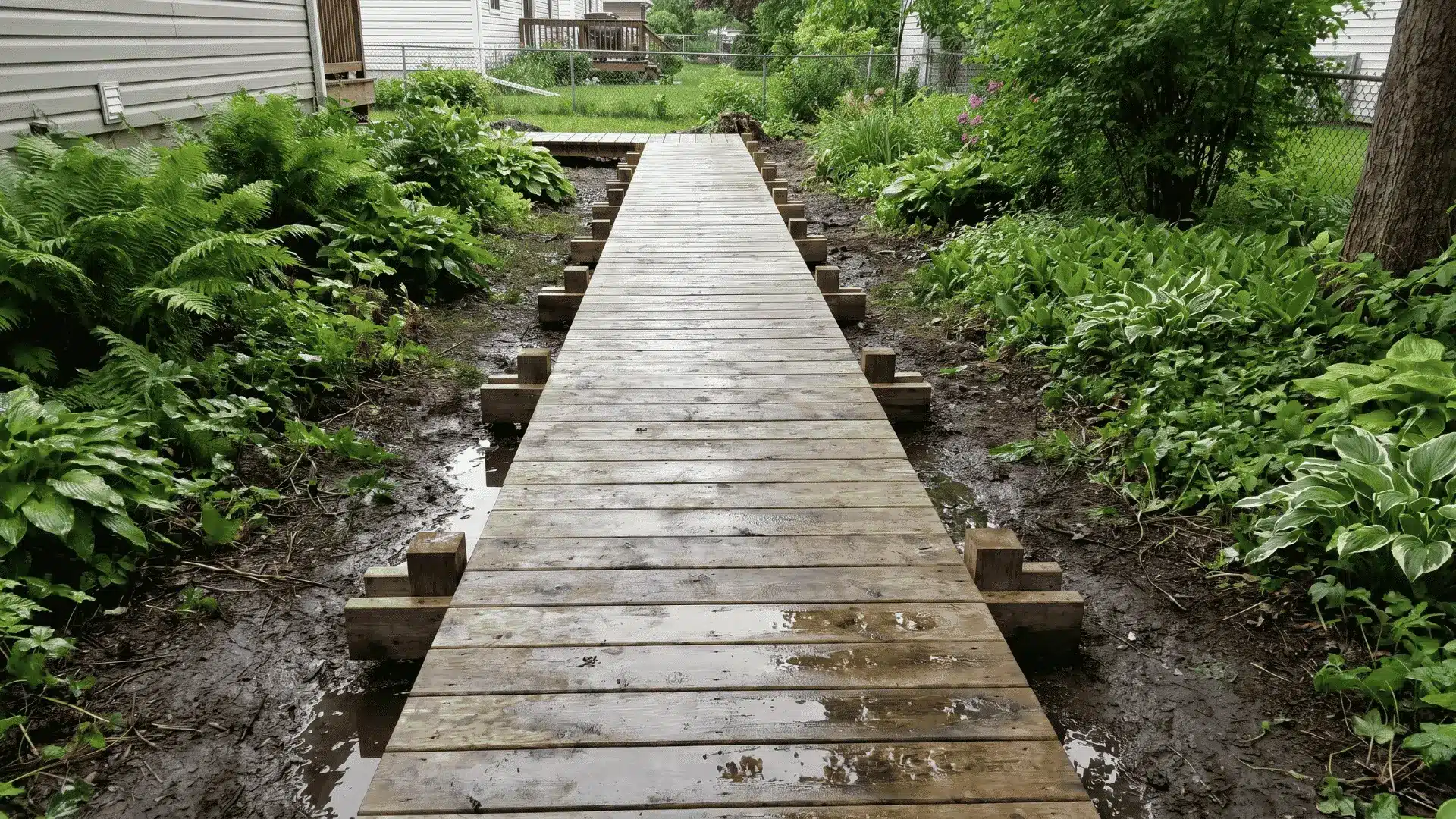
A raised wooden boardwalk path works well in damp gardens and uneven outdoor spaces.
The elevated design keeps the walkway dry while adding texture and natural warmth to the landscape.
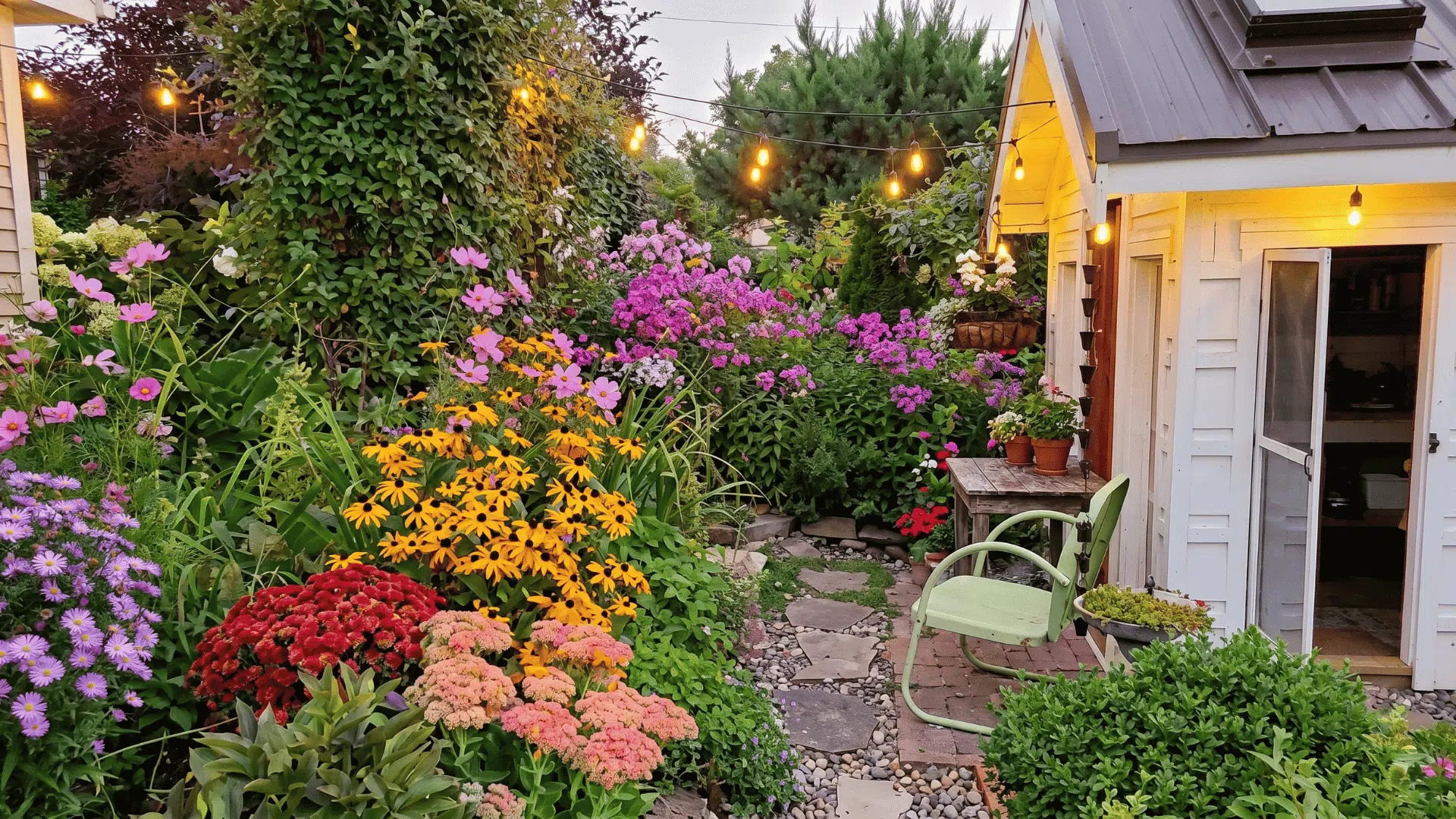
20. Add a Path Through Flower Beds
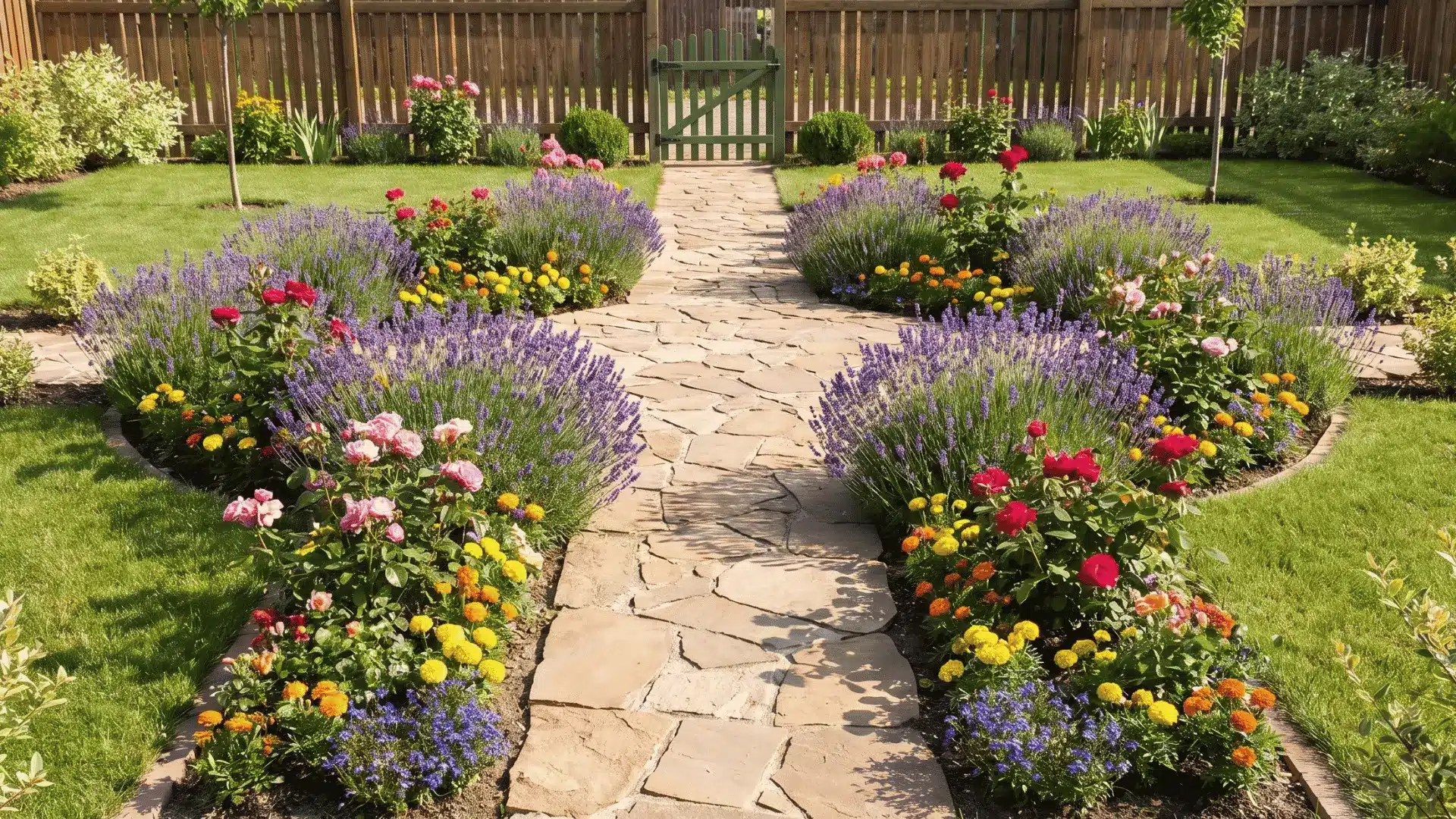
A garden path through flower beds creates a more inviting layout that encourages people to move through the space.
Surrounding the walkway with flowers and greenery helps the garden feel softer, colorful, and more relaxing.
21. Use Cobblestone for an Old-World Look
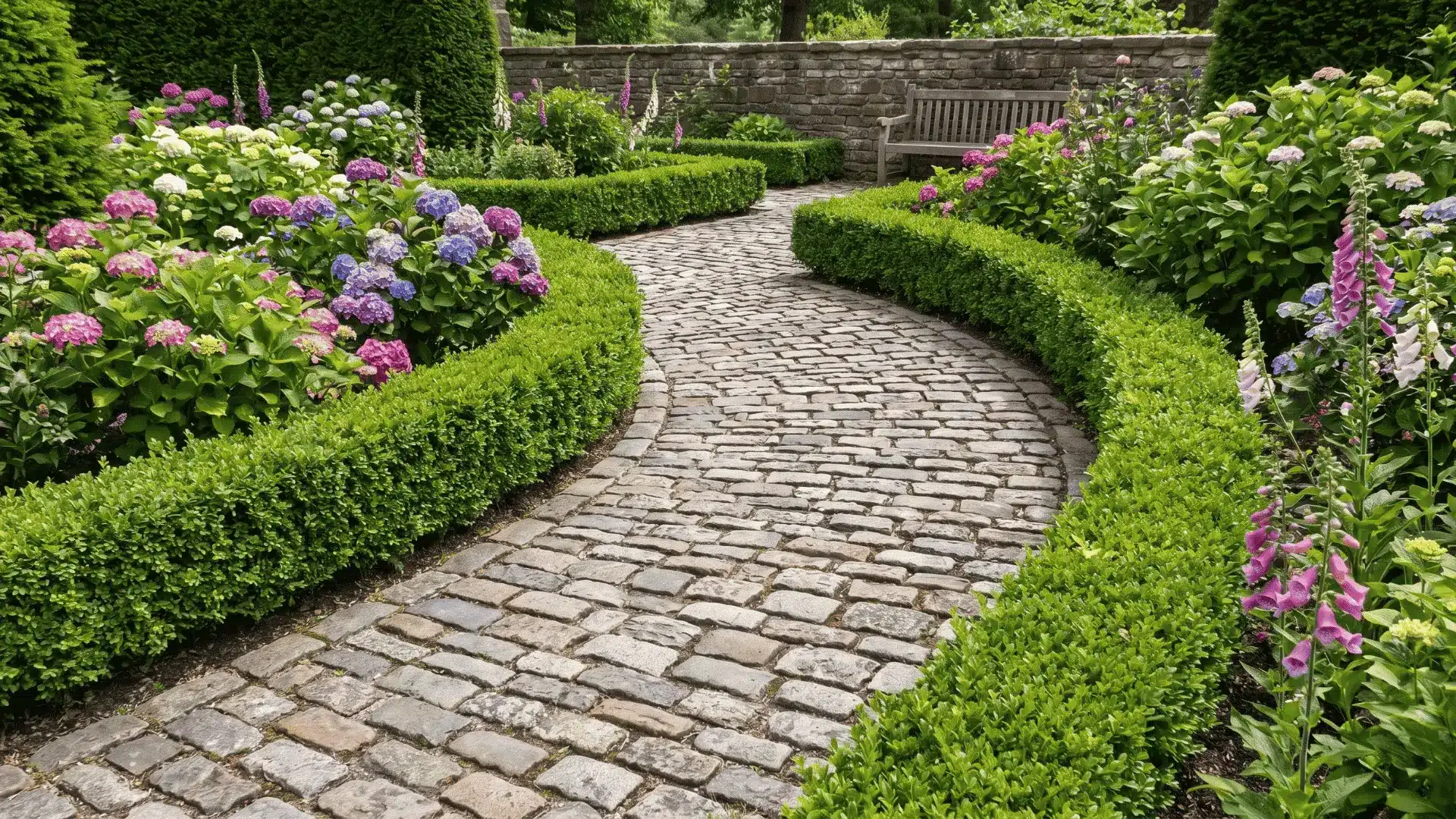
Cobblestone paths bring classic character and textured detail to traditional garden spaces. The natural stone surface pairs beautifully with cottage gardens and older-style homes.
22. Make a Minimalist Slab Path
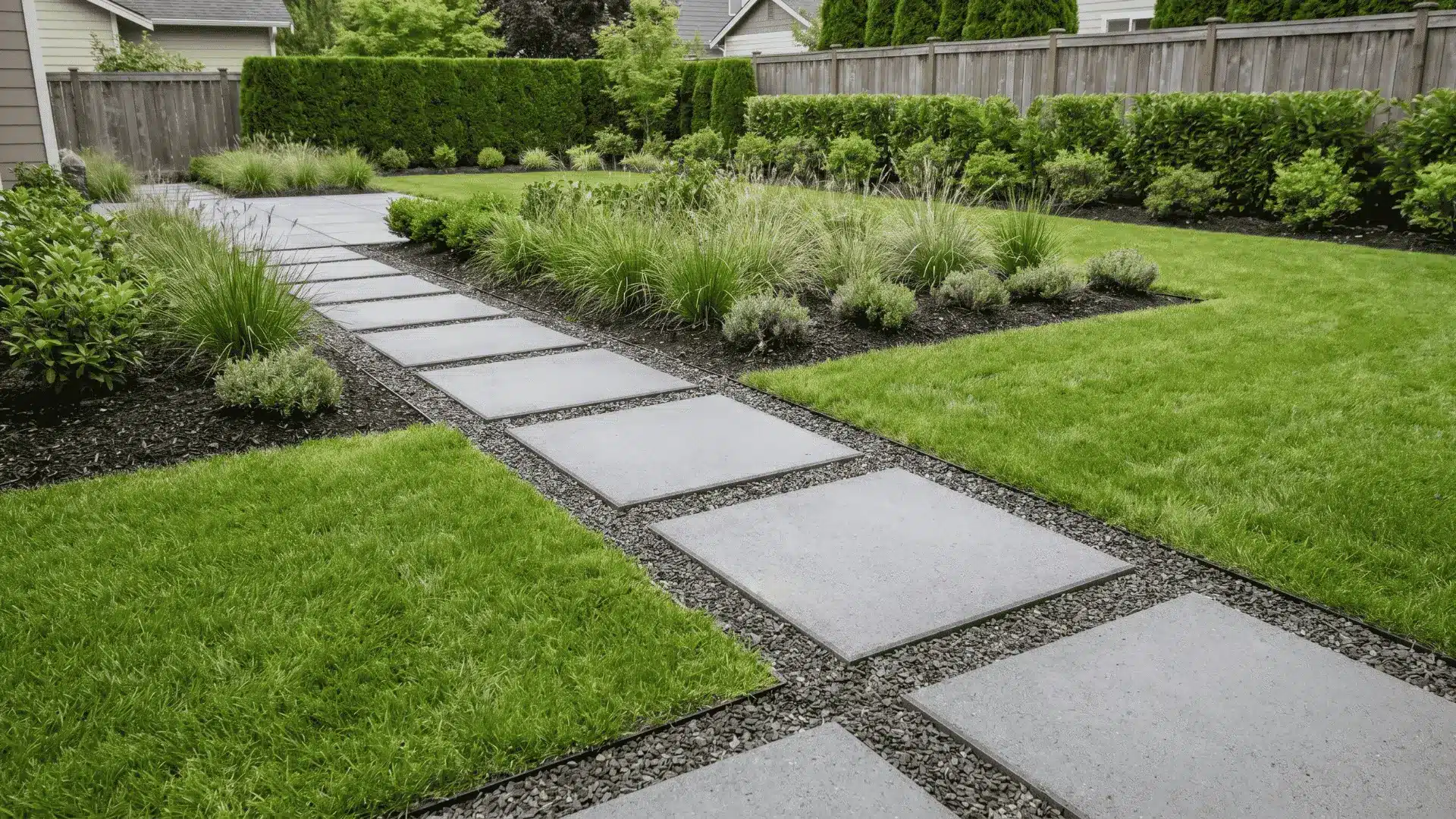
Large slab pavers create a clean and uncluttered walkway that suits modern outdoor designs perfectly. Straight lines and wide spacing help the garden feel more open and visually balanced.
Using gravel or grass between the slabs softens the hard surfaces while keeping the overall design sleek and organized.
23. Create a Rock-Lined Path
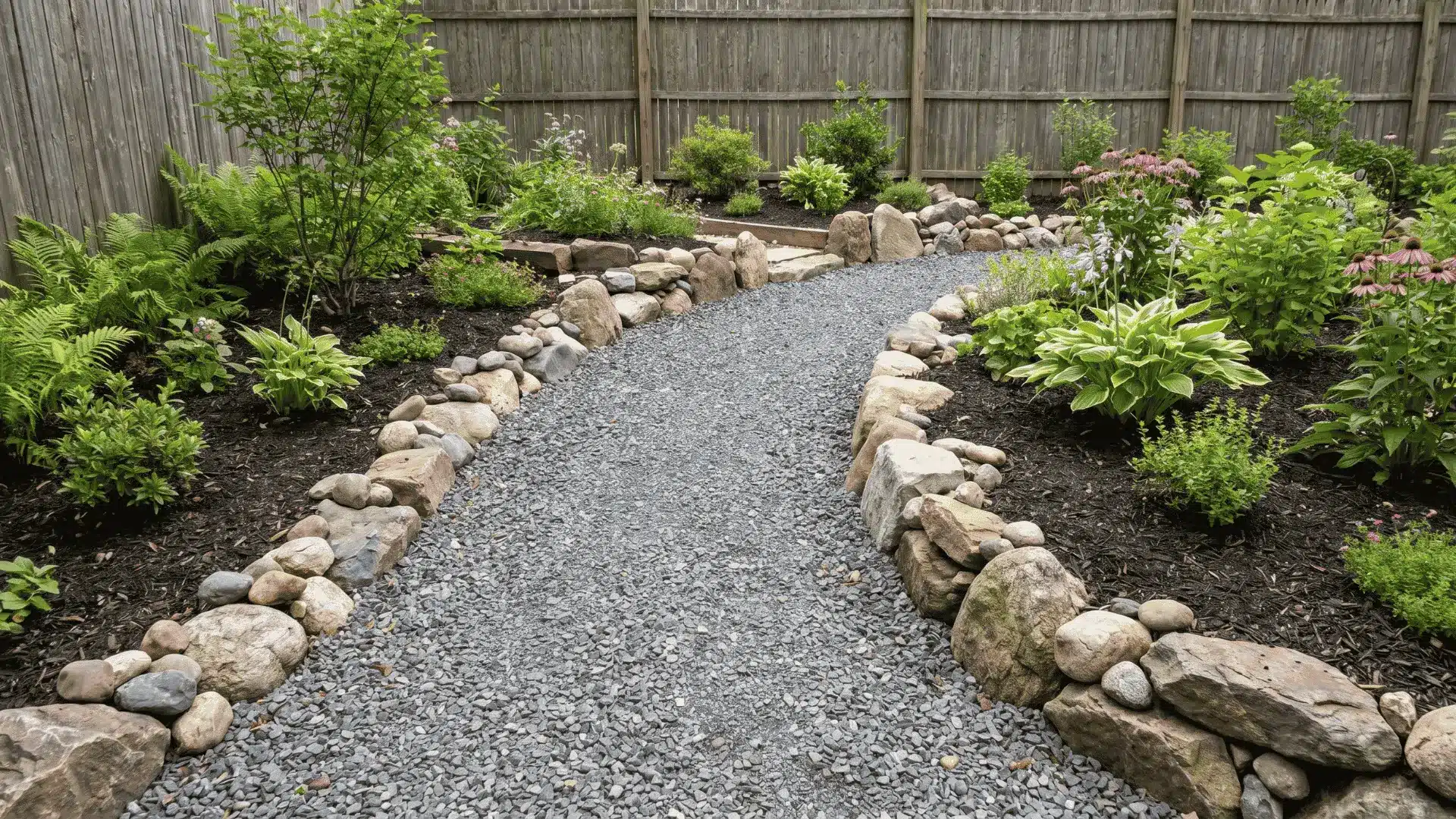
Rock-lined pathways add natural structure and help define the edges of the walkway clearly throughout the garden. The layered stone texture gives the path a more grounded and rustic appearance.
This idea works especially well in dry landscapes, woodland gardens, and outdoor spaces that need stronger visual borders.
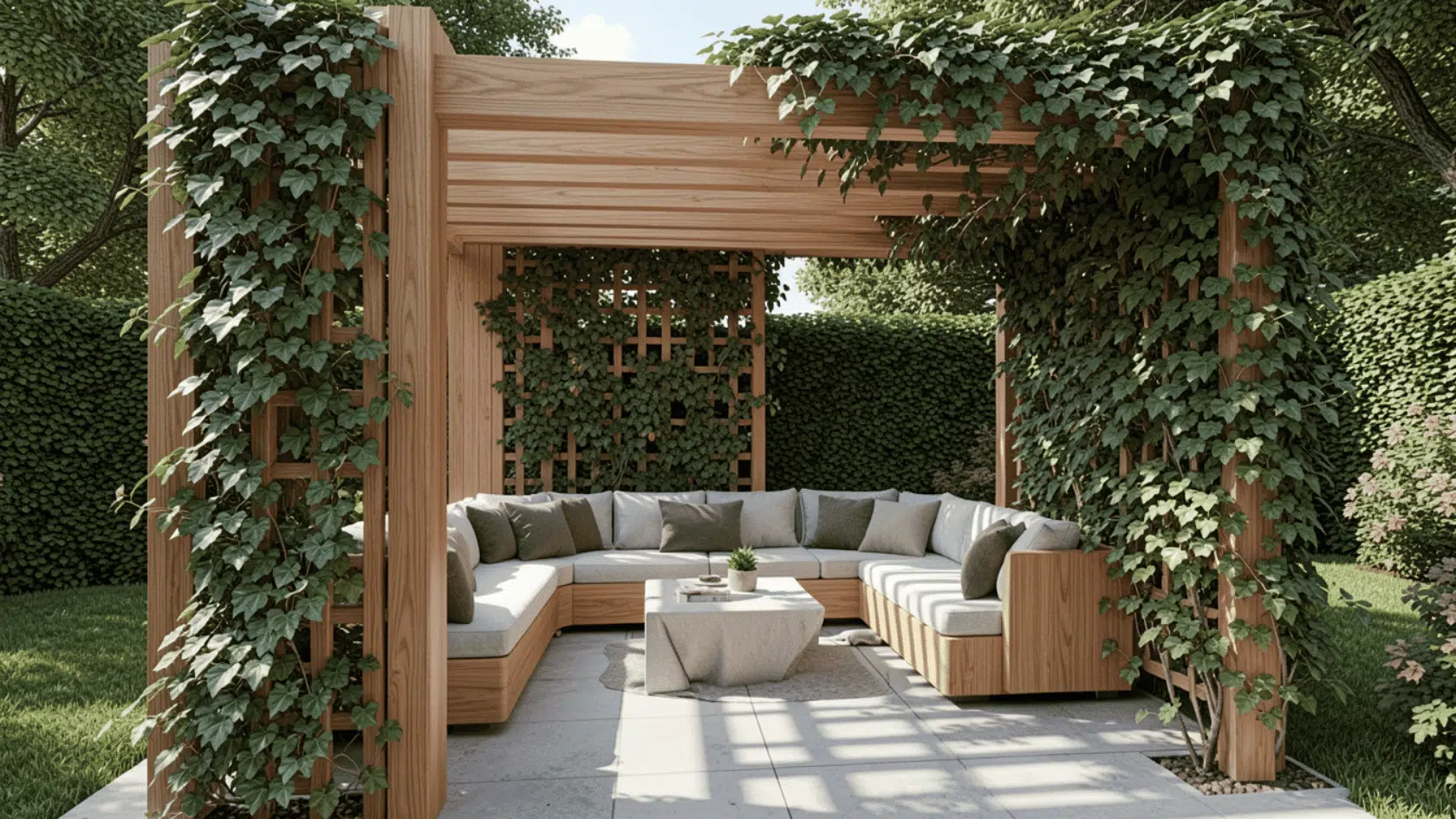
24. Add an Arbor at the Path Entrance
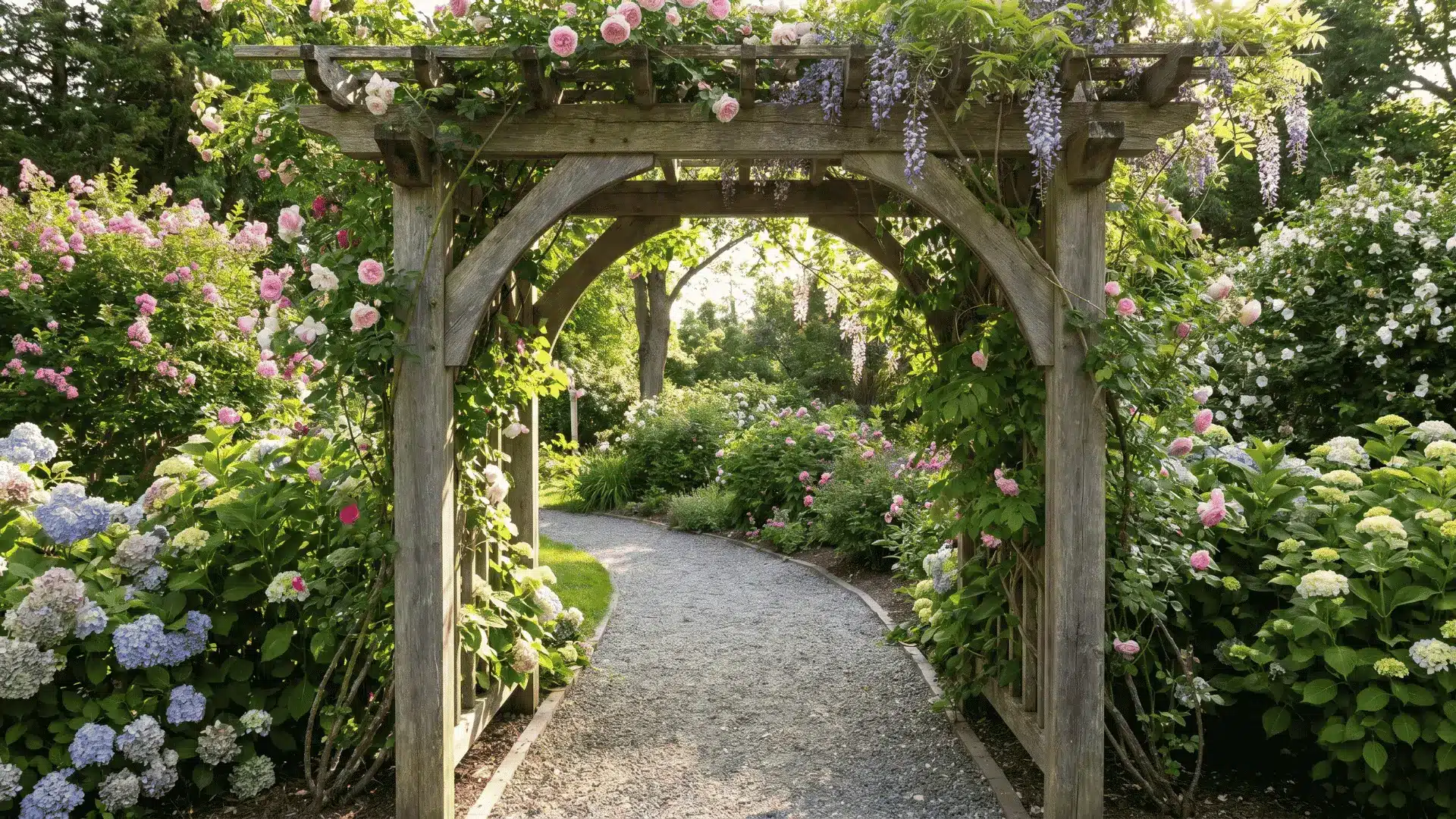
An arbor placed at the entrance of a garden path creates a welcoming focal point that instantly draws attention. It helps frame the walkway beautifully while giving the garden a more finished appearance.
Climbing vines, roses, or flowering plants around the arbor soften the structure and make the entrance feel more private and inviting.
25. Create a Garden Path to a Seating Area
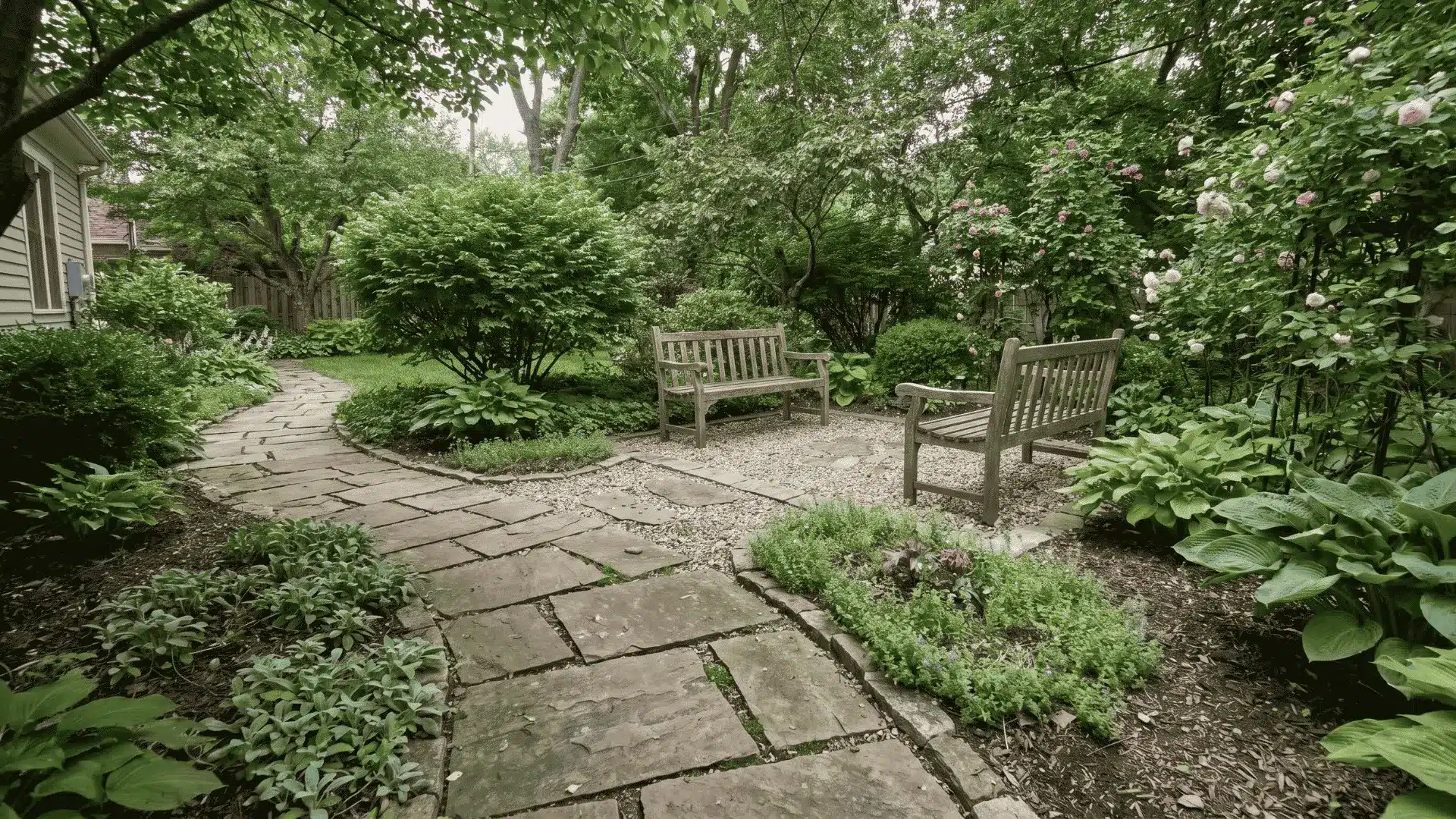
A pathway leading to a bench, patio, or seating area helps the backyard feel more connected and functional. It creates a clear destination while encouraging people to move through and enjoy the garden.
Adding plants, lights, or borders along the walkway can make the seating area feel even more relaxing and inviting.
26. Add a Rustic Cedar Plank Path
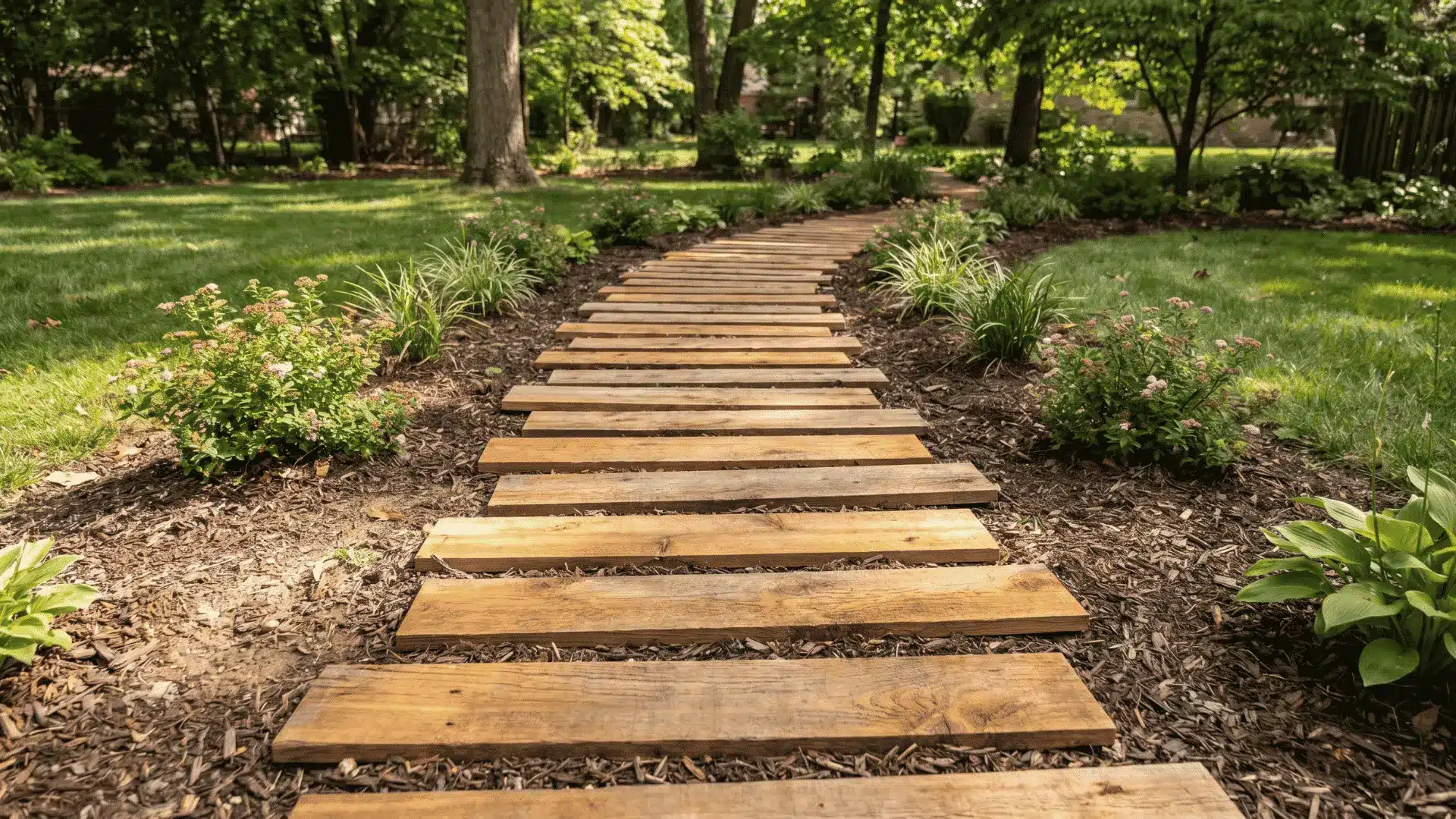
Cedar plank pathways bring warmth and natural texture to woodland-style gardens and relaxed backyard spaces. The rich wood tones work well with greenery and natural landscaping.
The raised wooden design also works well in damp areas where muddy ground can become difficult to walk through comfortably.
27. Install a Mosaic Tile Garden Path
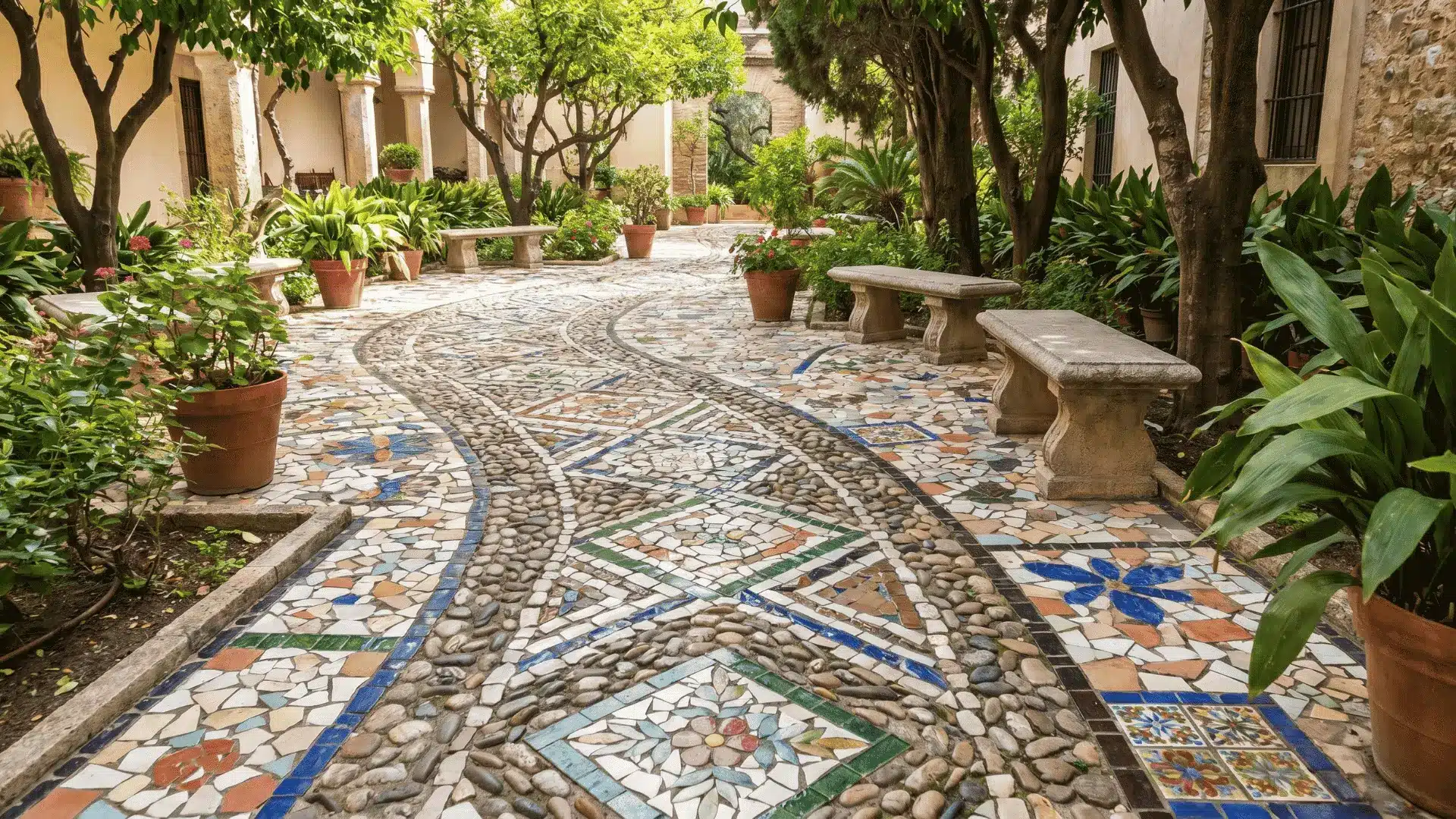
Mosaic tile pathways add color, pattern, and artistic detail that instantly make the garden stand out. Decorative tiles create a more personal and creative outdoor space filled with texture and visual interest.
This idea works especially well in courtyards, patios, and smaller gardens where bold details can become a strong focal point.
What Are the Most Affordable Garden Paths?
The best garden path ideas on a budget start with materials you already have at home.
Leftover bricks, spare logs, and loose stones from old landscaping projects work well before you spend anything new.
Always check what is sitting in the garage or shed first. Buying in bulk also brings the per-unit cost down for larger purchases.
The real savings come from keeping the design simple and using one or two materials rather than mixing several together.
Tips for Choosing Garden Path Ideas That Fit Your Yard
These simple tips help create a garden path that looks good while staying practical and easy to maintain.
- Choose the right material: Gravel is affordable, brick feels classic, stone looks natural, and concrete suits modern gardens.
- Think about drainage: Gravel, crushed stone, and decomposed granite help prevent puddles and muddy spots.
- Use edging for cleaner paths: Edging keeps gravel, mulch, and pebbles neatly contained.
- Test the layout first: Use a hose or rope to plan curves and walkway shapes before installing.
- Add weed barriers underneath: Landscape fabric under gravel or stone helps reduce weeds and maintenance.
- Keep the path comfortable: Make sure the walkway feels easy to walk through without feeling cramped.
Conclusion
With these creative garden path ideas, any outdoor space can feel more organized, welcoming, and visually connected.
The key is choosing garden path ideas that match your yard style while keeping the layout comfortable and practical for everyday use.
Simple details like edging, lighting, greenery, and material choices can make your garden path ideas feel more finished.
Start with one garden path idea that fits your yard naturally, then build around it over time.
Try your favorite garden path ideas from this list and share your garden changes in the comments below!
Frequently Asked Questions
What is the Cheapest Way to Make a Garden Path?
Gravel and mulch are some of the cheapest garden path materials. They are easy to install, improve drainage, and work well in many backyard styles without requiring expensive tools or materials.
What is the Best Material for a Low-Maintenance Garden Path?
Concrete pavers, decomposed granite, and crushed stone are popular low-maintenance options. These materials stay neat longer and handle foot traffic better with proper edging and drainage.
How Wide Should a Garden Path Be?
Garden paths should feel comfortable to walk through without feeling cramped. Main walkways usually need more width, while decorative side paths can be narrower depending on the space available.