Not everyone has a shaded garden bed to work with.
Sometimes the best spot for a hosta is a pot on a porch, a corner of a deck, or under a tree where digging is impossible because of surface roots.
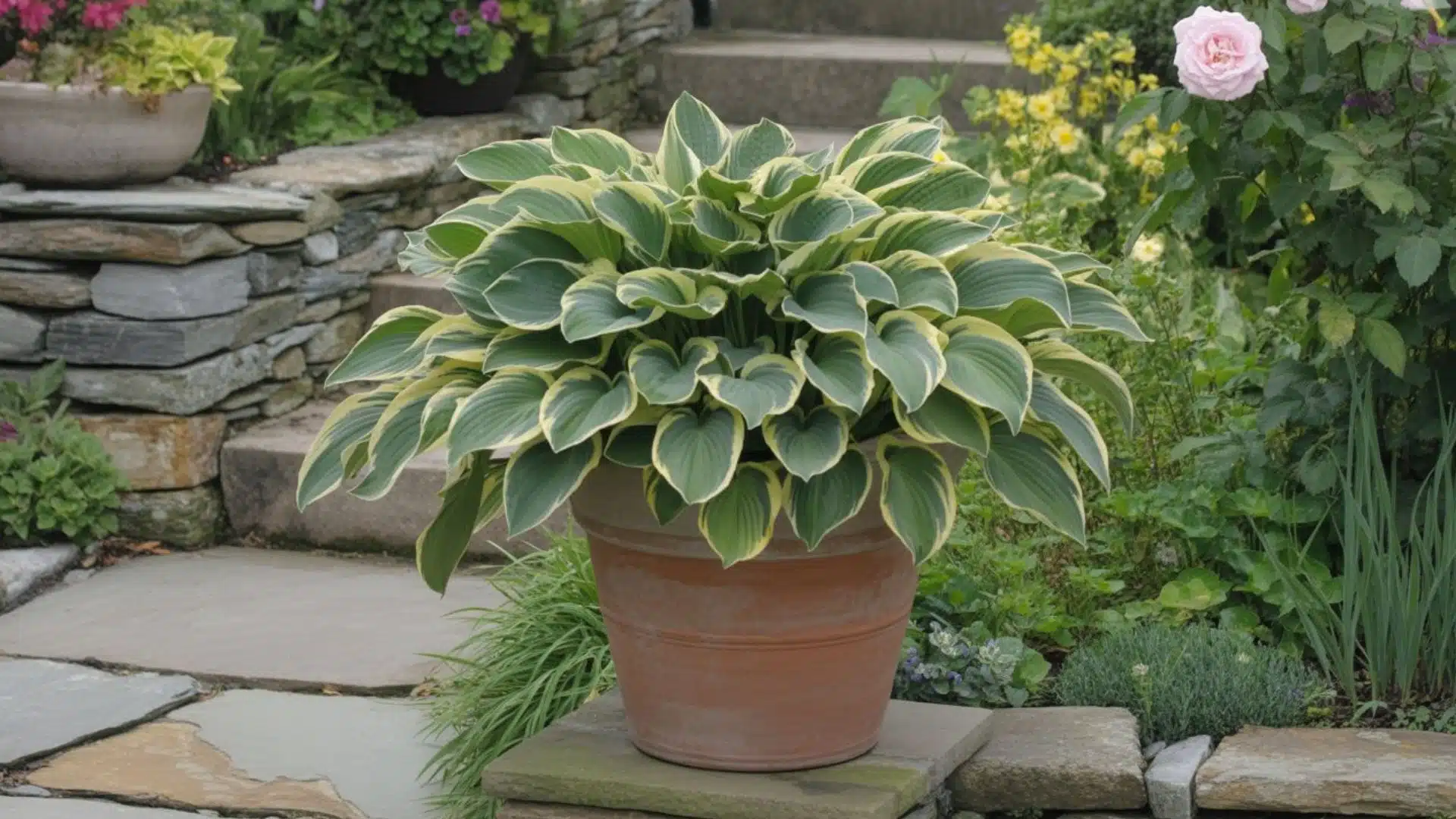
The good news is that hostas do well in containers. They are adaptable, come in sizes that suit almost any pot, and deliver the same full, leafy look you get from a garden bed.
That said, growing hostas in containers is not exactly the same as growing them in the ground. The soil dries out faster, nutrients wash out with every watering, and the roots have less protection from temperature swings.
This guide walks you through growing hostas in containers from start to finish so they stay healthy and come back strong season after season.
What to Know Before Growing Hostas in Containers?
Hostas grown in pots follow the same seasonal cycle as those in the ground. They push up fresh growth in spring, fill out through summer, and die back in fall.
Since these are plants that grow back every year, the pot you choose and the care you give them carry forward season after season, not just for one summer.
One thing that catches new container gardeners off guard is fall. The leaves collapse, and the plant looks finished, but the roots are still alive inside the pot.
Choosing the Right Pot for Hostas

Pot size and material both matter. A container that is too large allows excess moisture to accumulate around the roots, increasing the risk of rot. A container that is too small restricts root growth and dries out too quickly.
As a general rule, leave less than three inches between the root ball and the sides of the pot. This snug fit keeps the plant stable and makes watering easier to manage.
Knowing how the plant behaves once temperatures drop, including what hostas look like in winter and how the roots survive inside a pot, helps you choose a material that holds up through the cold months. For material, consider the climate:
| Pot Material | Best For | Watch Out For |
|---|---|---|
| Resin or plastic | Cold climates are easy to move in | Can tip over with large plants |
| Fiberglass | All climates, lightweight | Higher cost |
| Glazed ceramic | Mild climates | Can crack in hard freezes |
| Untreated terra cotta | Avoid in freezing zones | Absorbs moisture, cracks when frozen |
Always make sure the pot has drainage holes at the bottom. Without drainage, water pools around the roots and rot sets in quickly.
Best Soil Mix for Hostas in Containers
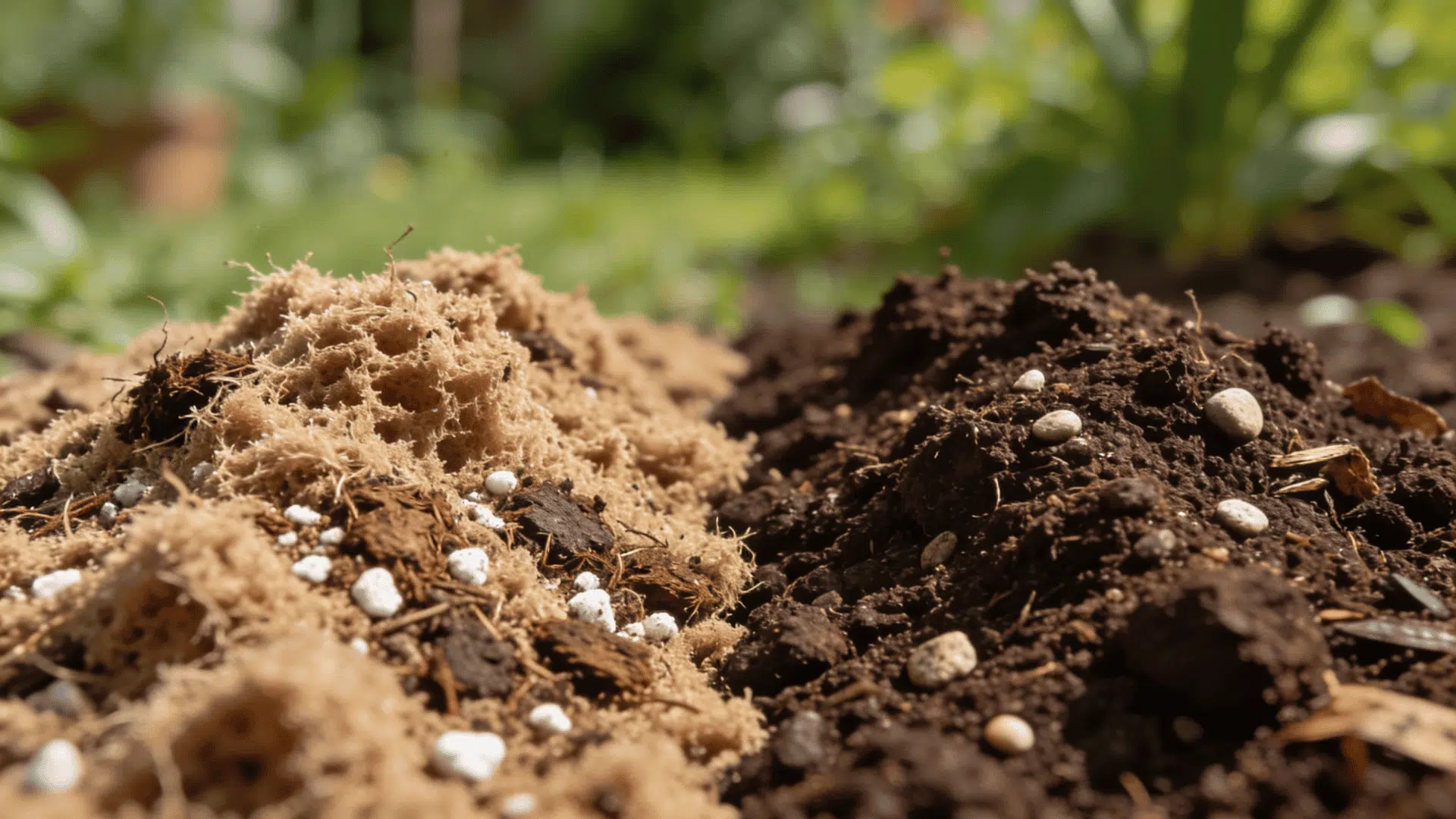
Do not use garden soil in pots. It compacts over time and blocks drainage. Use a quality potting mix that is rich in organic matter and drains well.
A mix that includes peat moss holds moisture without letting water sit around the roots.
Some growers add coarse grit or pine bark fines to further improve drainage. This is especially useful in larger pots where water has fewer places to go.
Refresh the soil every two to three years. Potting mix breaks down over time and loses its ability to drain and hold nutrients properly.
How to Plant Hostas in Containers?

Once you have your pot and soil ready, planting is straightforward. Follow these steps:
Step 1: Add a layer of potting mix to the bottom of the pot. This gives the roots something to settle into right away.
Step 2: Place the hosta in the center of the pot. Check that the crown sits level with the top of the soil. Do not bury it too deep. Crown rot is one of the most common reasons container hostas fail, and it almost always comes from planting too low.
Step 3: Fill in around the root ball with potting mix. Press the soil down gently to remove air pockets. Leave about an inch of space between the soil surface and the rim of the pot to make watering easier.
Step 4: Water the pot until it drains freely from the bottom. This settles the soil around the roots and tells you the drainage is working properly.
Step 5: Move the pot to a location with morning sun and afternoon shade. Avoid spots that get intense direct sun for most of the day.
Do not bury the crown too deep. Crown rot is one of the most common reasons container hostas fail, and it almost always comes from planting too low. Keep the crown at or just above soil level.
Finding the Right Spot for Container Hostas
Most varieties do best with morning sun and afternoon shade. Too much direct sun bleaches the leaves and burns the edges. Too much deep shade slows growth and dulls leaf color.
One advantage of growing hostas in pots is the flexibility they offer. If a spot turns out to be too sunny mid-summer, you can move the pot somewhere shadier without disturbing the roots at all.
Good placement options include:
- A shaded porch or covered deck
- Under a large tree where bed planting is not possible
- Along a north-facing wall or fence
- A shaded balcony or courtyard
Watering Hostas in Containers
Container hostas dry out faster than those in the ground. During the growing season, check the soil every one to two days. Water when the top inch feels dry. In hot weather, this can mean watering daily.
A few watering rules to follow:
- Water at the base of the plant, not over the leaves
- Make sure water drains freely out of the bottom of the pot
- Do not let the pot sit in a saucer of standing water
- Reduce watering gradually as temperatures drop in the fall
Small pots dry out faster than large ones. If you are growing a miniature variety in a small container, check it more often during the summer heat.
Best Hostas Varieties for Containers
Most hostas grow well in containers, but smaller and miniature varieties are particularly well suited to pot life. They fill out faster, need less frequent repotting, and work well in smaller spaces.
| Variety | Size | Leaf Color |
|---|---|---|
| Blue Mouse Ears | Mini | Blue-green |
| Curly Fries | Small | Yellow-green |
| Halcyon | Medium | Blue-gray |
| Guacamole | Medium | Yellow-green with green edge |
| Sum and Substance | Large | Gold-green |
Miniature varieties work well on a table or porch railing. Larger varieties make a strong statement in a wide, deep container placed at ground level.
Conclusion
Growing hostas in containers comes down to getting a few key things right from the start.
Choose a pot with good drainage, use a quality potting mix, plant at the correct depth, and place the container in a spot that gets morning light without afternoon heat. From there, consistent watering and feeding through the growing season handle most of what the plant needs.
The extra effort compared to in-ground growing is small, and the payoff is real. You get full, leafy plants in spots where a garden bed simply would not work. Container hostas come back year after year, which means the setup you put in place this season keeps paying off for years to come.
Give it a try this season; hostas are hard to get wrong.