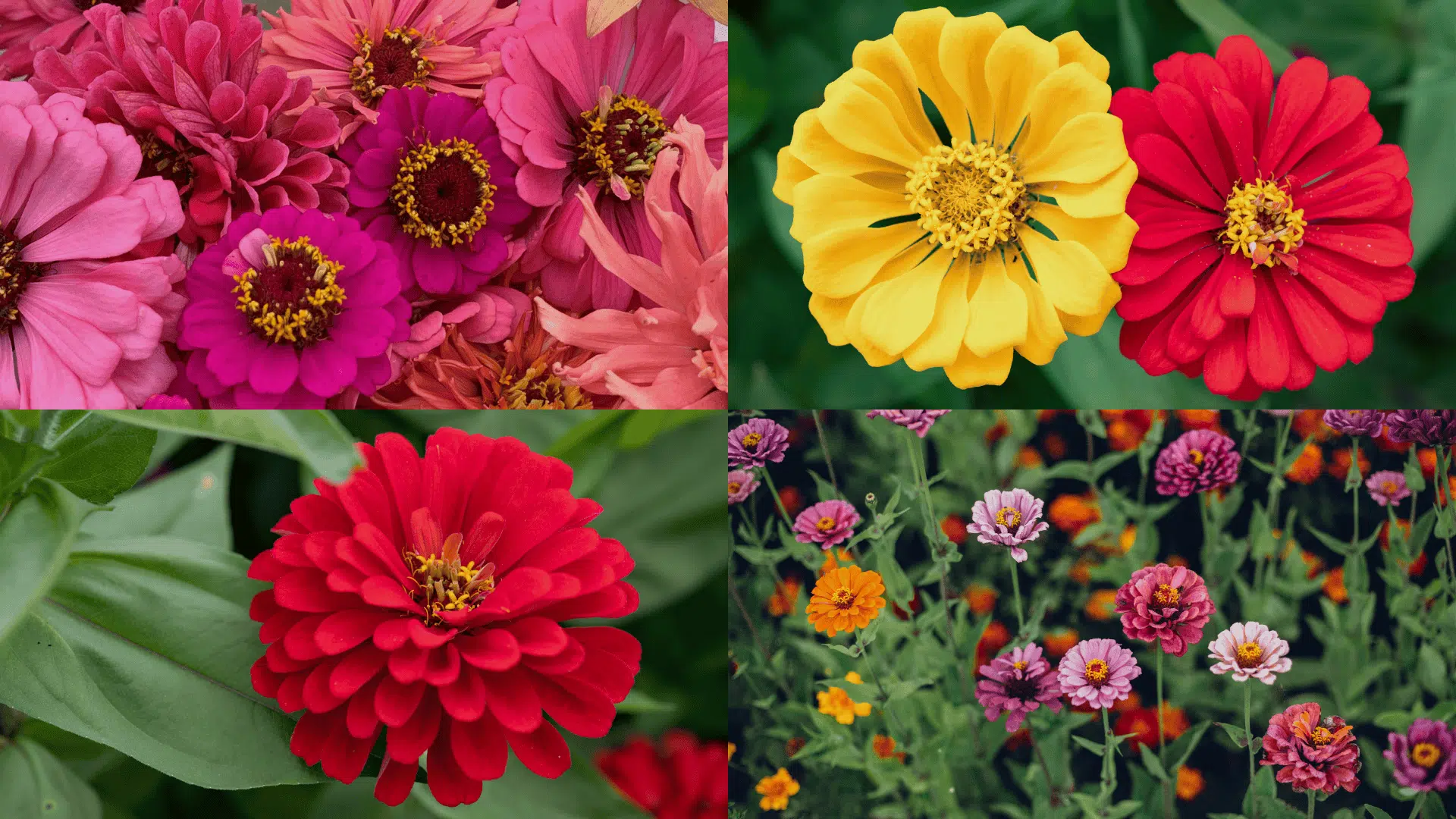
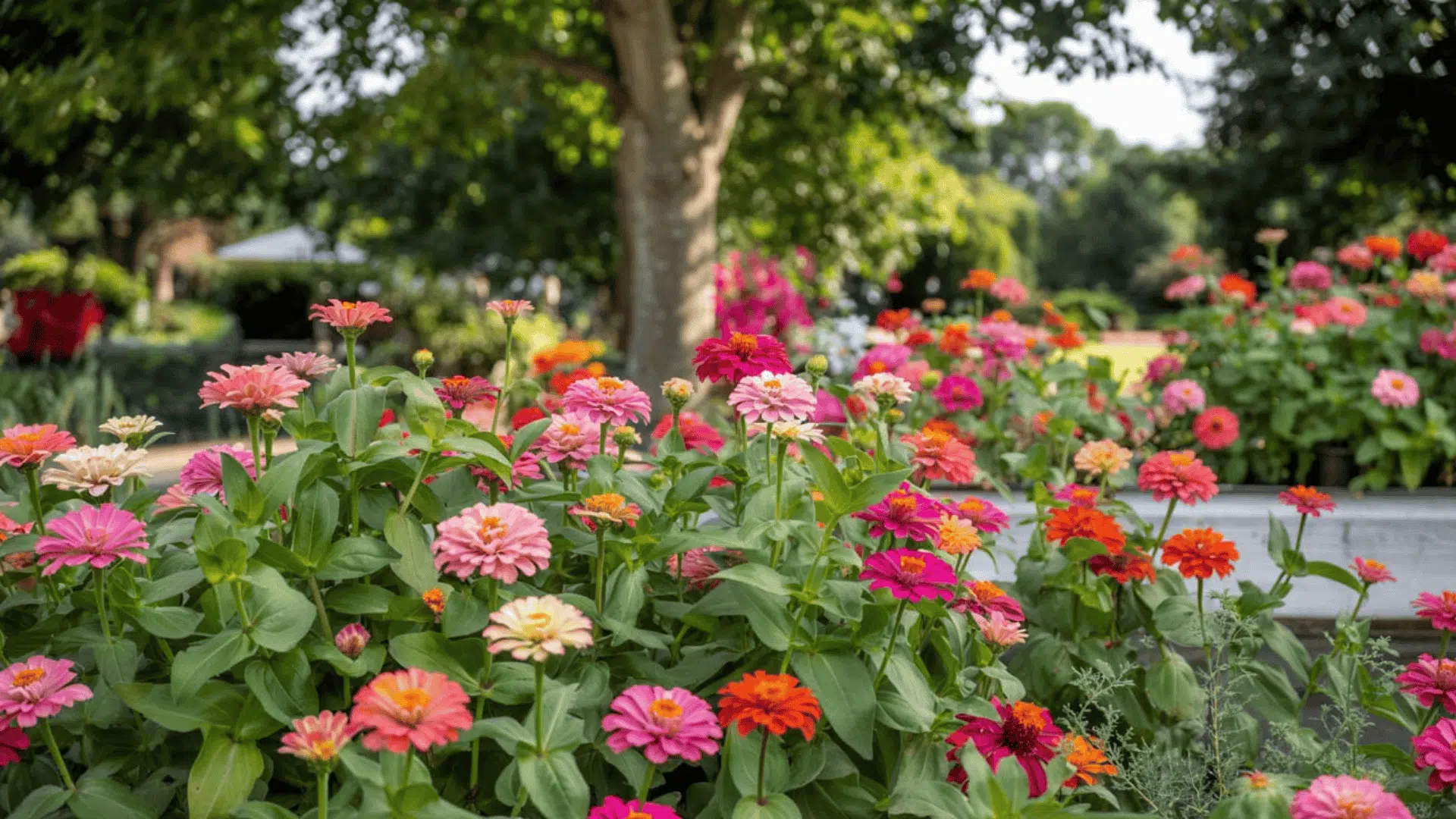
Zinnias bring lasting color and charm to gardens with their bold, cheerful blooms that brighten any space.
They are among the most beginner-friendly flowers, growing well in many soil types and requiring only basic care.
Blooming from early summer until frost, zinnias fill your yard with butterflies and nonstop color in full sunlight.
Their sturdy stems and wide range of varieties make them perfect for beds, borders, and containers.
Learn how to plant, grow, and care for zinnias for healthy, vibrant blooms all season.
About The Zinnia Flower
Zinnias are bright and easy flowers that bloom from summer until the first frost.
They grow best in sunny places and add happy colors like red, pink, orange, and yellow to any garden.
These strong plants attract butterflies and bees, keeping your garden full of life.
| Property | Information |
|---|---|
| Type | Annual flower |
| Height | 6 in to 4 ft |
| Colors | Red, pink, yellow, orange, purple, white |
| Bloom Time | Late spring–fall |
| Sun | Full sun |
| Water | Moderate |
| Soil | Well-drained |
| Attracts | Bees and butterflies |
How Tall Do Zinnias Grow?
Zinnia varieties range in height from compact to towering, giving you options for every spot in your garden.
How to Grow Zinnia Garden?

Planting zinnias is simple and rewarding, even for beginners.
With the right spot, proper soil, and a few easy steps, you can enjoy bright, healthy blooms all summer long.
1. Choosing The Right Location
Zinnias need a spot that gets full sunlight for at least six to eight hours each day.
Sunlight helps them grow strong and produce bright, lasting blooms through the season.
Choose a location with good air circulation to reduce the chance of leaf problems such as powdery mildew in humid weather.
Soil essentials for healthy zinnias include:
- Texture: Light and crumbly, not compacted.
- Drainage: Prevents standing water and root rot.
- pH level: Ideally between 5.5 and 7.5 for balanced nutrition.
2. When to Plant Zinnias for Best Results?
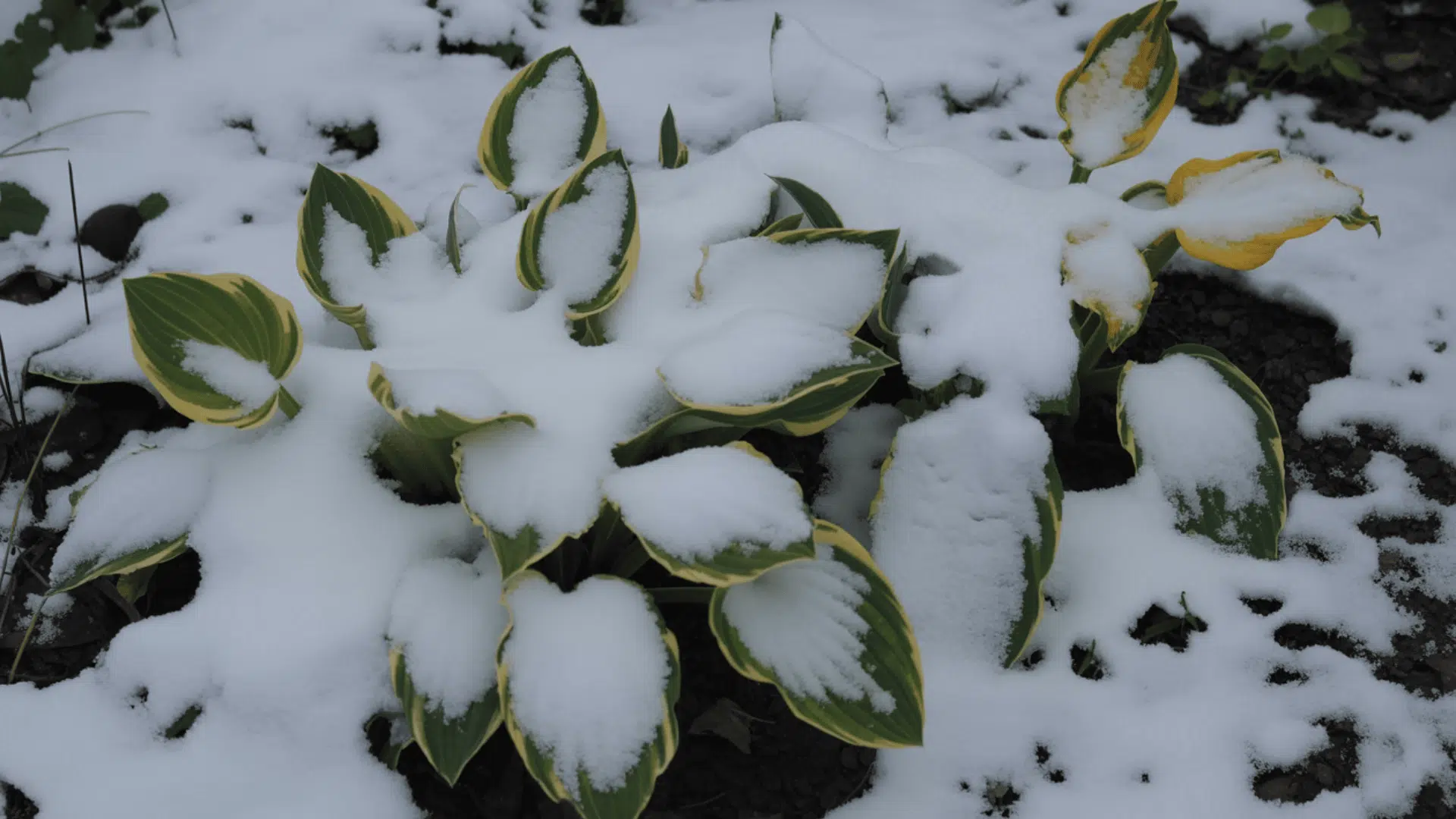
Zinnias grow best in warm weather and should be planted after the danger of frost has passed.
They need soil that has warmed to at least 60 degrees Fahrenheit.
In most regions, this means planting in late spring or early summer.
If you want to start earlier, you can sow seeds indoors three to four weeks before the last expected frost date and move them outside once temperatures stay warm.
3. Sowing Zinnia Seeds
Zinnias grow easily from seed and can be planted directly outdoors after frost or started indoors three to four weeks earlier.
For outdoor sowing, place seeds about a quarter inch deep in the soil and space them 8-12 inches apart, depending on the variety.
Seeds usually germinate within 5-10 days.
To keep flowers coming for longer, plant a new batch every few weeks during early summer.
4. Watering and Early Care
Water the plants gently so the soil stays moist but not soggy, as too much water can cause root rot.
Always water near the base instead of from above to prevent fungal problems.
Once seedlings are three to four inches tall, thin them out to allow air and sunlight to reach each plant.
Zinnia Planting TimeThe planting schedule depends on your specific hardiness zone.
|
Creative Zinnia GardenIdeas
Zinnias can make any garden brighter and more cheerful. They’re colorful, easy to grow, and attract pollinators like bees and butterflies.
1. Cutting Garden

Plant zinnias with other flowers such as cosmos, sunflowers, marigolds, or margarite daisies.
This mix attracts pollinators and gives you plenty of fresh flowers to cut and bring indoors.
2. Rock Garden

Zinnias love the sun and grow well in well-drained soil, making them perfect for rock gardens.
Plant them between stones or around large rocks to add bright color to a natural-looking space.
3. Fences and Borders

Line your fences, walkways, or garden edges with zinnias.
Their steady blooms create a colorful border that looks neat and lively all season long with very little care.
4. Themed Beds

Try planting different types of zinnias together, like Profusion and Zahara varieties.
Mix them with other flowers for a garden full of texture, color, and movement.
5. Mixed Planting

Grow zinnias alongside your vegetables.
They’ll attract bees and butterflies, helping your plants produce more fruit while making your garden look beautiful too.
Benefits of Growing Zinnias
Zinnias offer color, simplicity, and lasting value for every type of garden. See the main benefits of growing them:
1. Attract Pollinators: Zinnias draw bees, butterflies, and hummingbirds, improving pollination in nearby plants.
2. Long Blooming Season: They flower steadily from early summer until frost, keeping the garden bright for months.
3. Easy to Grow: Zinnias grow well in warm weather, need little care, and grow well from seeds, perfect for beginners.
4. Great Cut Flowers: Their sturdy stems and bold colors make them excellent for bouquets and indoor arrangements.
5. Eco-Friendly: Zinnias can be grown without heavy chemical use and reseed naturally, supporting a sustainable garden.
Common Pests and Problems in Growing a Zinnia Garden
Zinnias are simple to grow, but a few pests and diseases may appear. Take a quick look at common issues and solutions.
| Problem | Description | Solution |
|---|---|---|
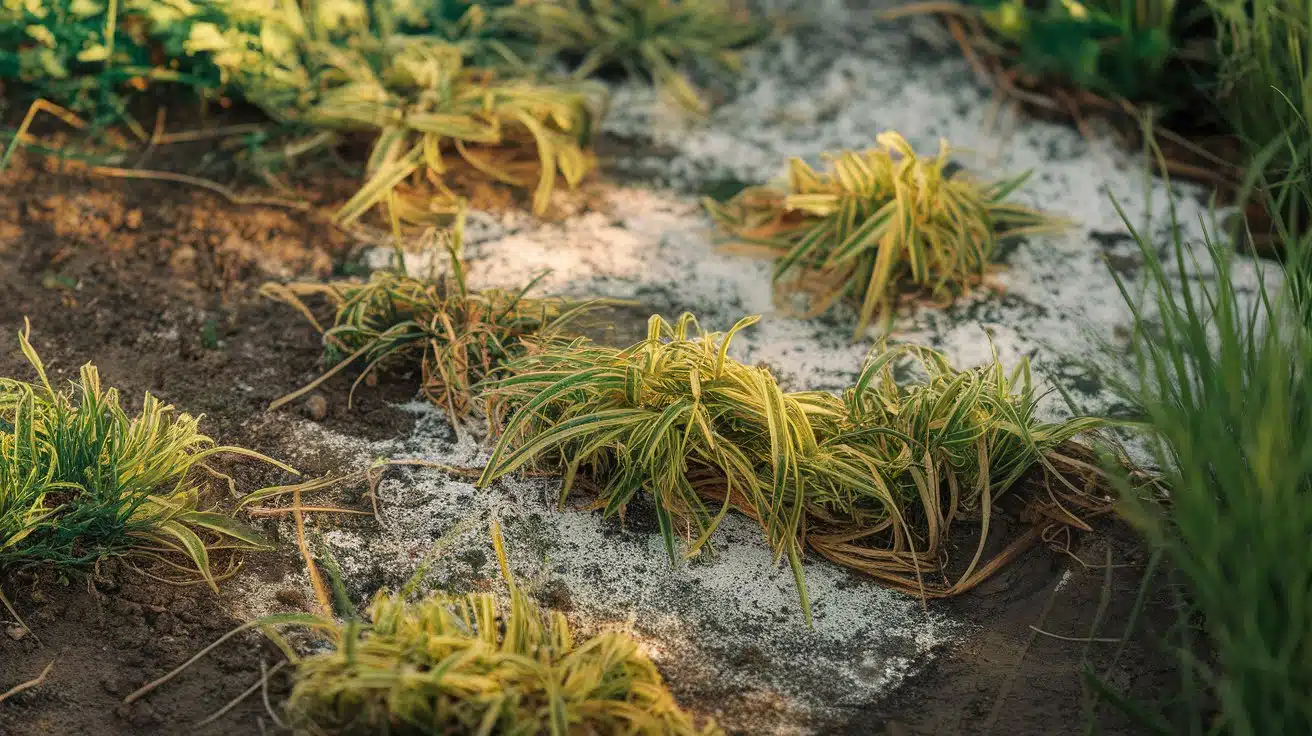
| Powdery Mildew | White powder on leaves. | Improve air flow, water soil only. |
| Aphids | Tiny insects cluster on buds. | Spray with water or neem oil. |
| Leaf Spot | Dark spots on foliage. | Remove affected leaves, keep dry. |
| Caterpillars & Beetles | Chewed leaves and petals. | Handpick or apply organic spray. |
Caring Tips for Zinnias
Follow these essential care tips to keep your zinnias strong, colorful, and thriving all season.
- Sunlight: Provide at least 6 to 8 hours of direct sunlight daily.
- Soil: Use well-drained soil to prevent root rot.
- Watering: Water at the base to keep leaves dry.
- Spacing: Space plants 8 to 12 inches apart for good air flow.
- Deadheading: Remove faded blooms to encourage new flowers.
Conclusion
Creating a zinnia garden is a simple yet rewarding way to bring beauty to life.
These flowers reward minimal effort with months of colorful blooms and the added joy of visiting pollinators.
By planting and caring for these vibrant flowers, anyone can turn a simple yard into a lively, colorful space.
Zinnias are perfect for brightening garden corners and make excellent cut flowers for indoor displays.
Begin creating your zinnia garden now.
Share your favorite color combinations or growing tips in the comments to inspire other garden lovers.
Frequently Asked Questions
Why Are Zinnias Considered a Dirty Flower?
Zinnias are called “dirty flowers” because their petals can hold pollen and dust, attracting insects and requiring frequent cleaning to stay visually fresh.
Are Zinnias Poisonous to Dogs?
No, zinnias are non-toxic to dogs. They’re safe to grow in pet-friendly gardens and won’t harm pets if accidentally chewed or touched.
How to Make Zinnias Bushy?
Pinch off the top few inches of young zinnia stems above a leaf node. This encourages side shoots, resulting in fuller, bushier plants with more blooms.