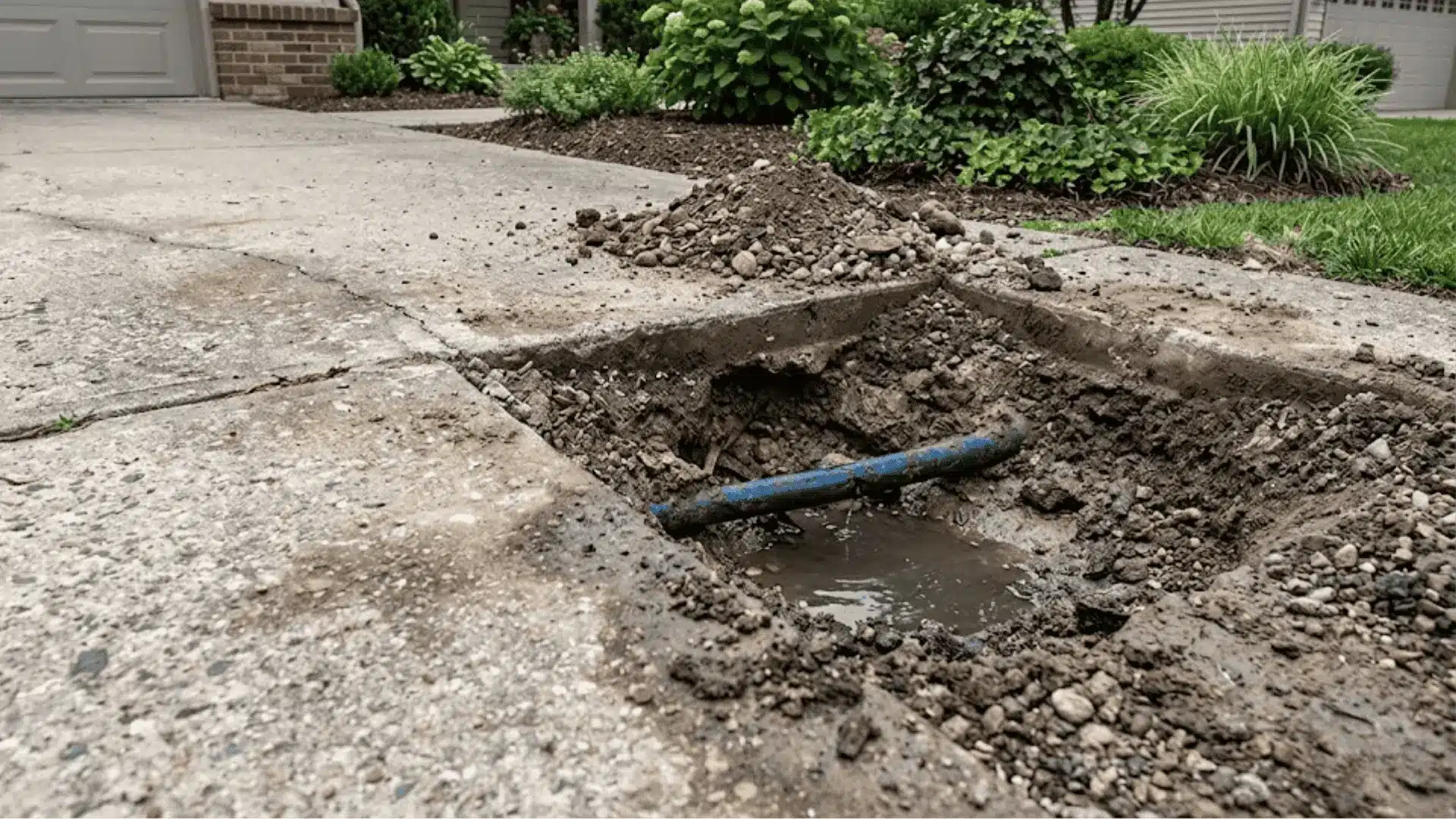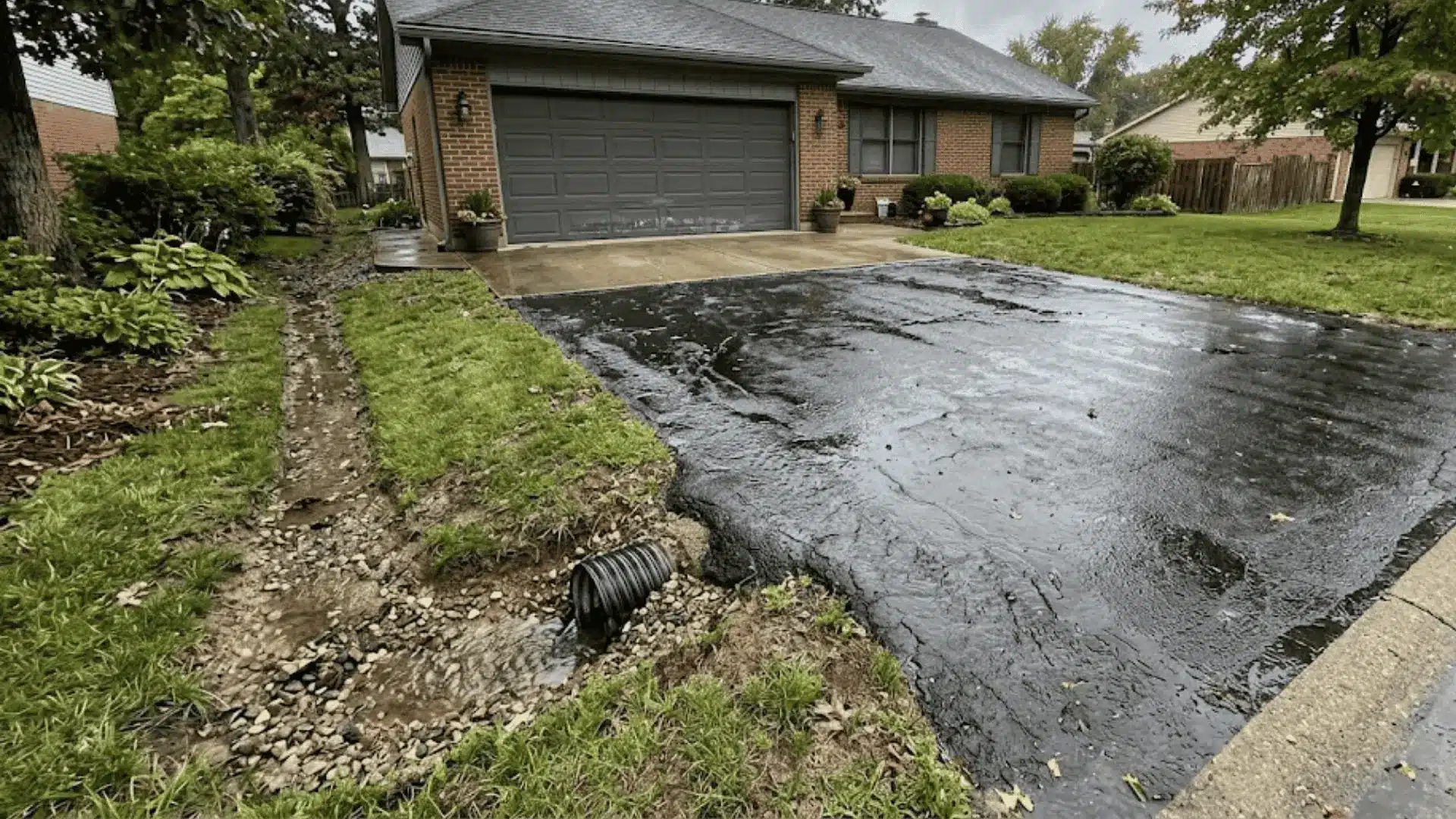
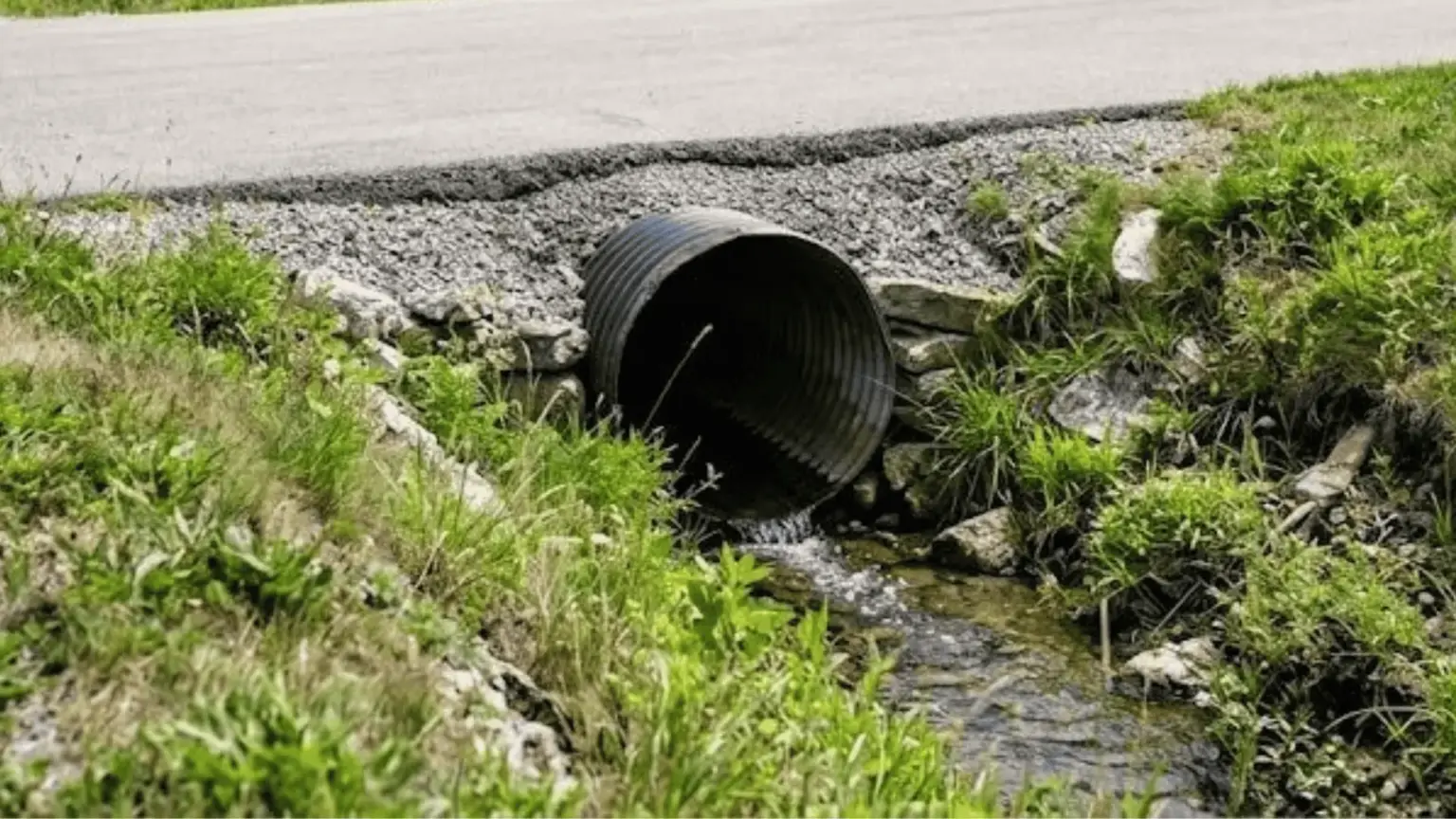
A culvert in front of your house may seem like a small detail, but it can cause big questions when something goes wrong. Many homeowners are unsure who owns it or who should be responsible for it.
Is it the city’s job, the HOA’s duty, or your responsibility? The answer is not always simple and can depend on where you live and how the drainage system is set up.
Knowing who is in charge matters because it affects repairs, costs, and even safety. A blocked or broken culvert can lead to flooding and damage if not handled properly.
Understanding the rules early can help you avoid stress and unexpected expenses later.
What is a Culvert and Why Does It Matter?
A culvert is a pipe or small channel that runs under a driveway, road, or path. Its main job is to let water flow from one side to the other without blocking the road.
You will often find a culvert in front of house entrances where a driveway crosses a ditch. It helps move rainwater away from roads and homes, which reduces the risk of flooding and erosion.
Culverts are part of a larger drainage system that keeps water moving in the right direction, with their culvert function helping manage water flow.
Because they play an important role in drainage, it is important to know who is responsible for maintaining them.
Who Usually Owns the Culvert?

In most cases, the responsibility for a culvert depends on where it is located and how it is used.
Many times, the homeowner is expected to maintain the culvert, especially if it connects directly to their driveway. At the same time, the city or state often owns the land in front of the property, known as the right-of-way.
In private communities, a homeowners’ association may maintain culverts if they are part of shared systems. There is no single rule that applies everywhere.
Ownership and maintenance duties usually depend on local laws, property records, and community agreements.
When the City or Municipality is Responsible
A city or municipality is usually responsible when the culvert is part of a public drainage system. This often means it is fully located within a public road, a roadside ditch, or a drainage channel managed by the city.
In these cases, the city may handle major repairs, upgrades, and issues affecting the larger drainage network.
For example, a state Department of Transportation may maintain roadside culverts along highways. However, cities often do not handle routine maintenance, such as clearing minor blockages.
A key point to remember is that ownership and maintenance are not always the same.
When the Homeowner or HOA is Responsible
In many neighborhoods, responsibility for culverts falls to either the homeowner or the HOA. This usually depends on how the drainage system is set up and who manages the surrounding land or roads.
Homeowner Responsibility
Homeowners are usually responsible when the culvert connects directly to their driveway and serves only their property. This is common in residential areas where each home has its own access point.
Proper driveway drainage can help prevent water buildup and flooding. Typical duties include clearing debris, preventing blockages, and fixing damage.
Even if the culvert sits in a public right-of-way, the homeowner may still need to maintain it.
HOA Responsibility
An HOA may be responsible for culverts in planned communities or subdivisions. This applies when the culvert is part of shared drainage or tied to private roads managed by the HOA.
Responsibility is usually listed in the CC&Rs. If culverts are not clearly mentioned, the duty may shift to individual homeowners, so checking the documents is important.
Understanding Easements and Right-of-Way
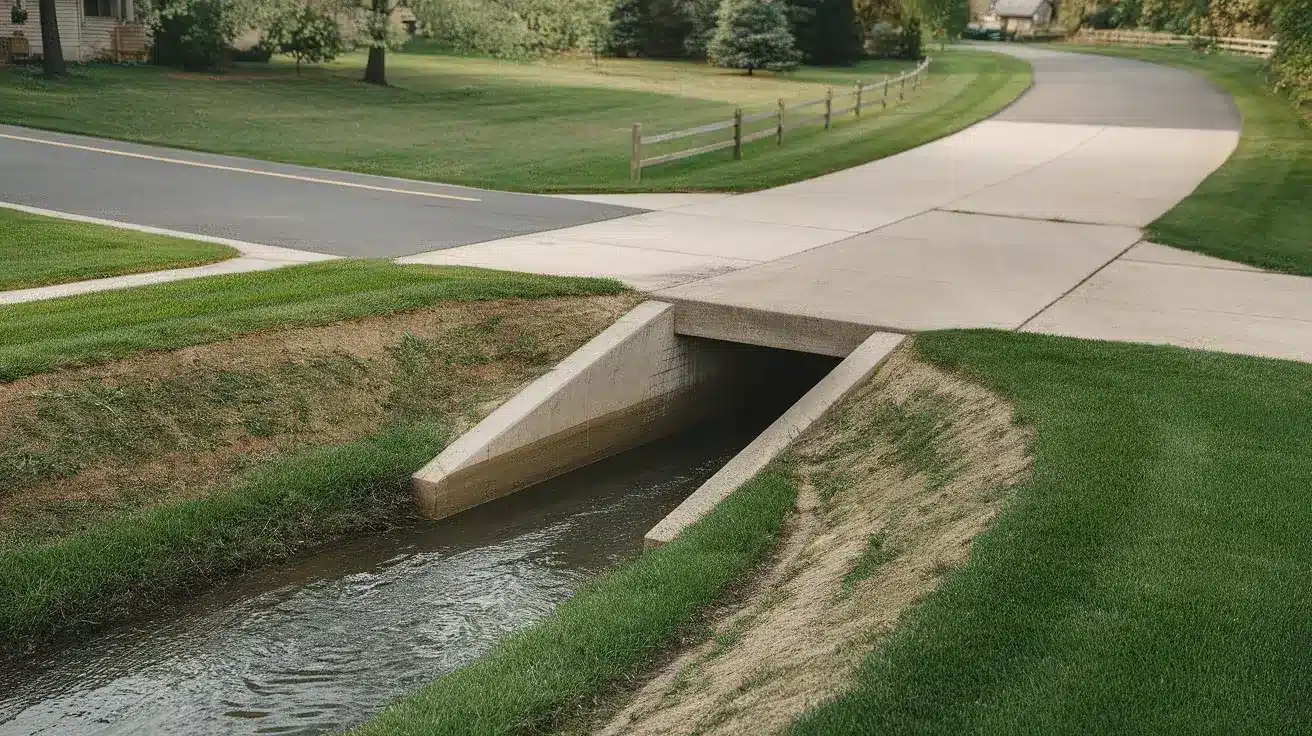
Easements and right-of-way rules often decide who is responsible for a culvert. A public right-of-way is land controlled by the city, usually along roads.
A drainage easement allows water to pass through an area, even on private property.
A culvert may sit on your land, public land, or a shared easement. This can make ownership and usage rights different. You may not own it, but you still need to maintain it.
Check your property survey and title documents, as easements often matter more than location.
How to Find Out Who Owns Your Culvert?
Finding out who owns your culvert may take a few simple checks. The answer is not always obvious, but the right steps can help you avoid confusion.
- Check Your Property Survey: See where the culvert sits and if it falls within your property lines.
- Review HOA Documents: Look for rules about drainage and culvert responsibility.
- Contact Public Works: Ask your local office about ownership and maintenance.
- Look for Permits or Records: Check for past installation or repair details.
- Ask Your Neighbors: They may know if the culvert is shared or who maintains it.
Taking these steps can give you a clear answer and help you handle any maintenance or repairs the right way.
What Happens If a Culvert Fails or Gets Blocked?
When a culvert fails or gets blocked, it can lead to serious problems. Water may back up and cause flooding around your home or yard. It can also damage nearby roads and create safety risks.
In some cases, blocked drainage can lead to disputes between neighbors.
If you are responsible for the culvert, you may be required to fix it quickly. The city may step in only if public safety is at risk.
In certain situations, repair costs may still be charged back to the property owner.
That’s a Wrap
Culvert ownership and maintenance can seem confusing at first, but it becomes clearer when you look at location, usage, and local rules.
In many cases, homeowners handle driveway culverts, while cities manage larger drainage systems and HOAs cover shared areas. Checking your property records and community rules can save time and prevent costly mistakes.
Maintaining a culvert is not just about upkeep; it also helps protect your home and nearby roads from water damage.
If you are unsure about your situation or have dealt with culvert issues before, feel free to share your experience or ask a question in the comments below.