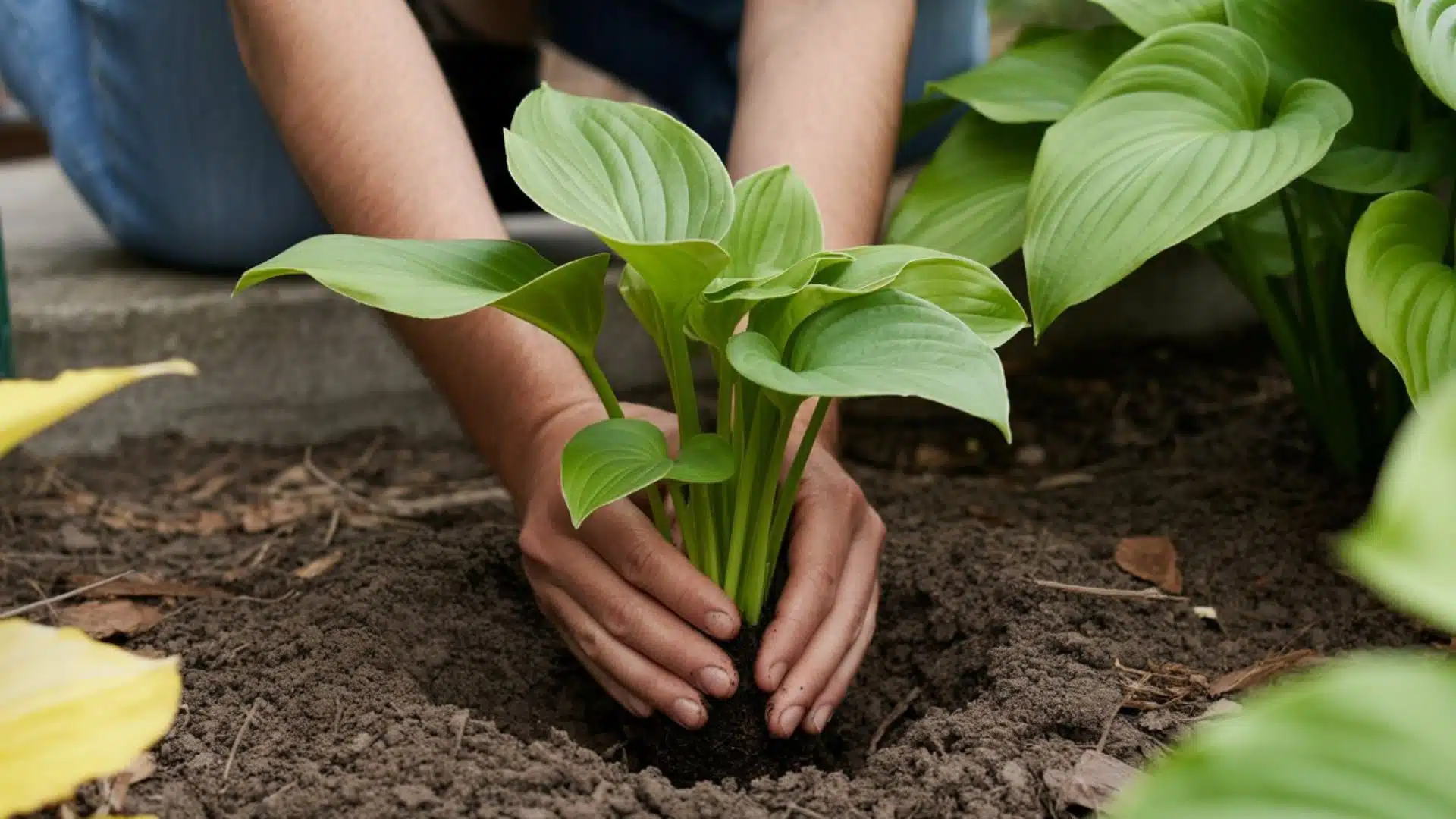
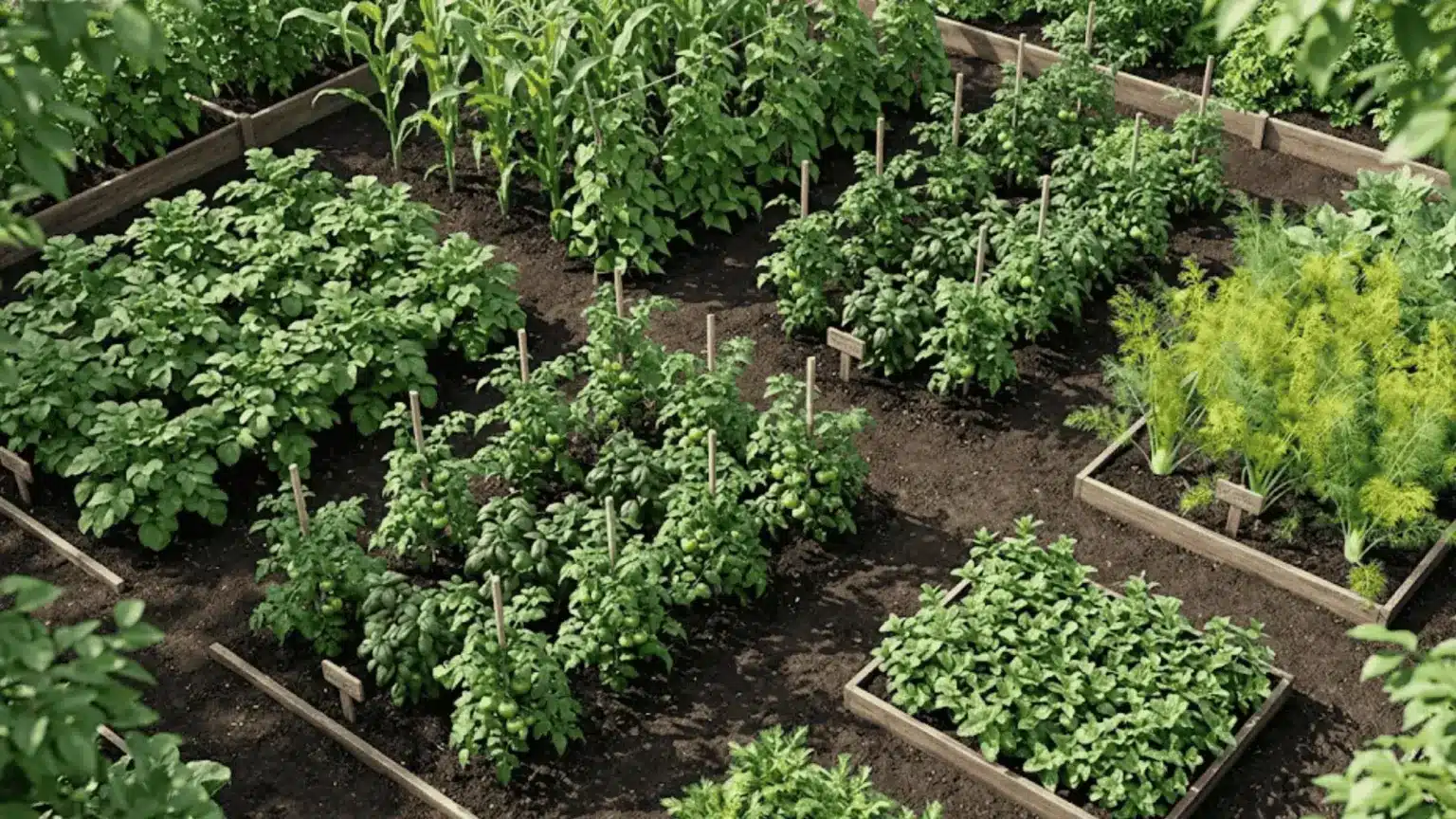
Plants can get along beautifully, but some just don’t mix well. Planting the wrong combinations can cause weak growth, lower harvests, or even attract pests and diseases.
Understanding which plants clash helps gardens stay healthy and productive. From common vegetables to herbs and flowers, certain pairings can harm each other in different ways.
Some compete for sunlight, water, or nutrients, while others release chemicals that stop neighbors from growing. Knowing which plants to keep apart makes gardening easier and more successful.
By planning carefully, gardeners can protect their crops and enjoy stronger, healthier plants all season long.
Why Some Plants Shouldn’t Grow Together?
Plants don’t always get along, and understanding why can help your garden thrive. One common reason is resource competition, where nearby plants fight for sunlight, water, and nutrients, leaving each other weaker.
Some plants release chemicals into the soil that inhibit the growth of other plants, a phenomenon called allelopathy; fennel is a well-known example.
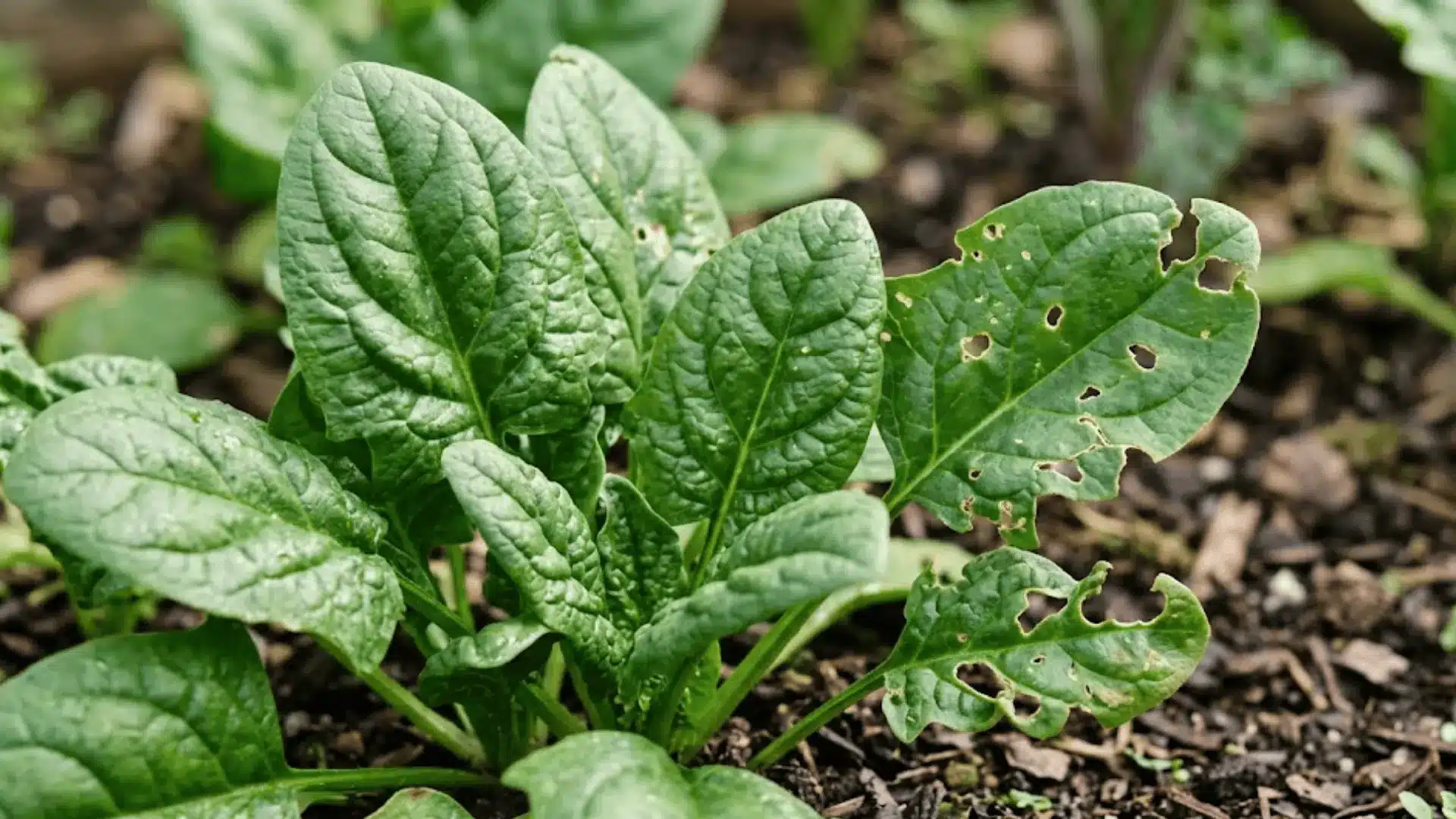
Certain combinations also attract the same pests or spread the same diseases, which can harm growth; monitoring common leaf pests helps identify problems early.
Finally, plants have different needs for sunlight, water, and soil type.
If they are mismatched, one or both may struggle, grow poorly, or even die, despite good care.
Classic Vegetable Pairings to Avoid and Why
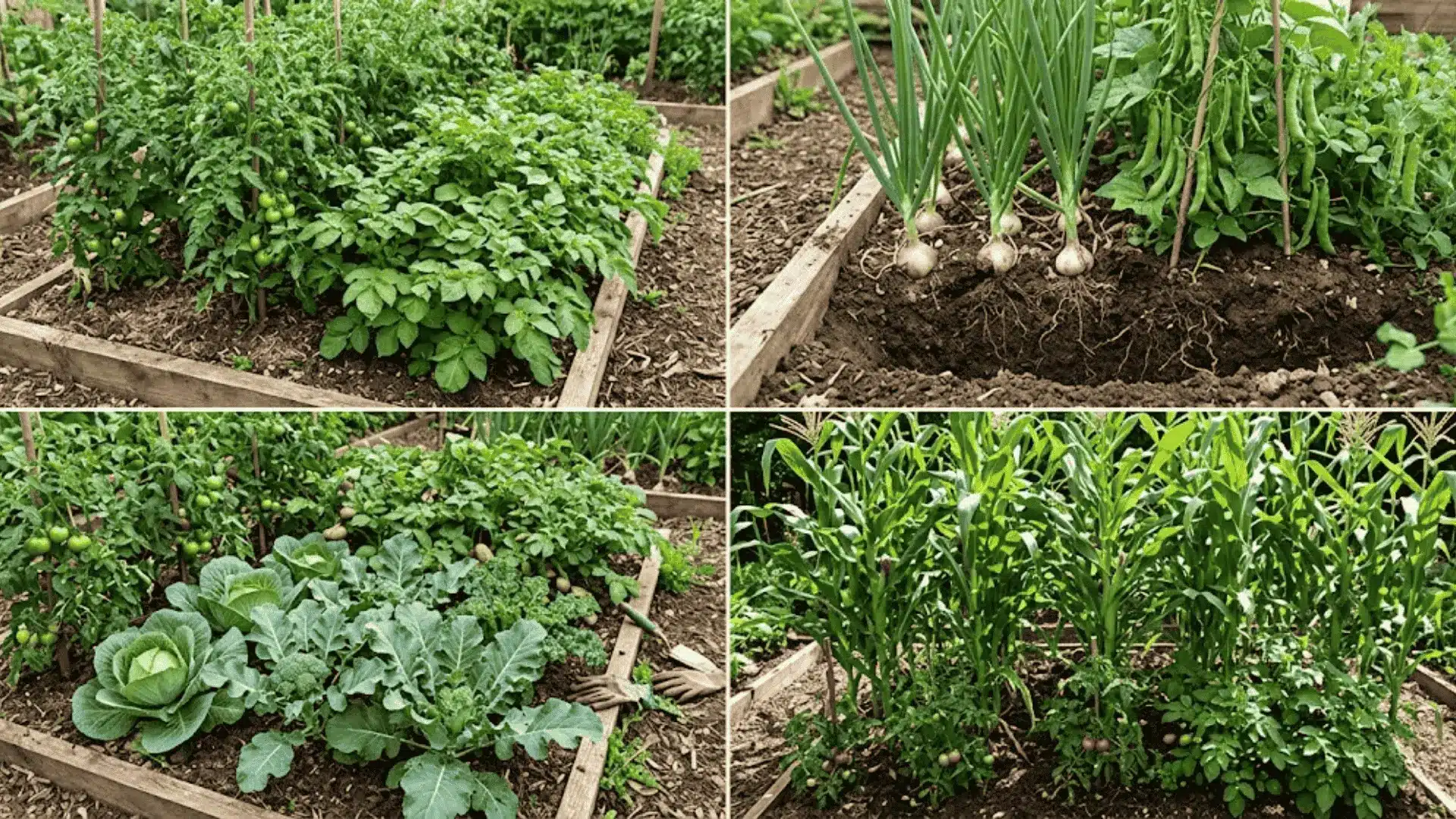
Some vegetables just don’t grow well together. Planting the wrong pairs can lead to weaker plants, lower yields, or increased pest and disease pressure.
Understanding which vegetables clash helps gardens stay healthy and productive, and knowing the right companion plants can make a big difference.
1. Tomatoes & Potatoes
Tomatoes and potatoes belong to the same plant family, Solanaceae. Because of this, they share similar diseases, like blight, which can spread quickly between them.
Planting them close together increases the risk of fungal infections. Even healthy-looking plants can pass on disease spores, making both crops more vulnerable and reducing overall yield.
2. Onions/Garlic and Beans/Peas
Onions and garlic release sulfur compounds into the soil, which can stunt the growth of beans and peas.
These legumes also rely on nitrogen-fixing bacteria in their roots, but alliums interfere with this process. When planted together, both crops may grow poorly, leading to smaller harvests and weaker plants.
3. Brassicas (Cabbage Family) and Nightshades
Brassicas, such as cabbage, broccoli, and cauliflower, compete heavily for nutrients, especially nitrogen. Nightshades like tomatoes and peppers need similar resources.
When planted together, one or both may become stunted, develop more slowly, or produce fewer vegetables. Keeping them separate helps both types grow stronger and healthier.
4. Corn and Tomatoes / Corn and Potatoes
Corn grows tall and shades nearby plants, which can reduce sunlight for tomatoes or potatoes. It also competes for nutrients in the soil.
On top of that, some pests, like the tomato fruitworm, attack both corn and nightshades. Planting them together can weaken plants and increase the risk of pest damage, lowering the garden’s productivity.
Herb & Flower Combinations to Avoid
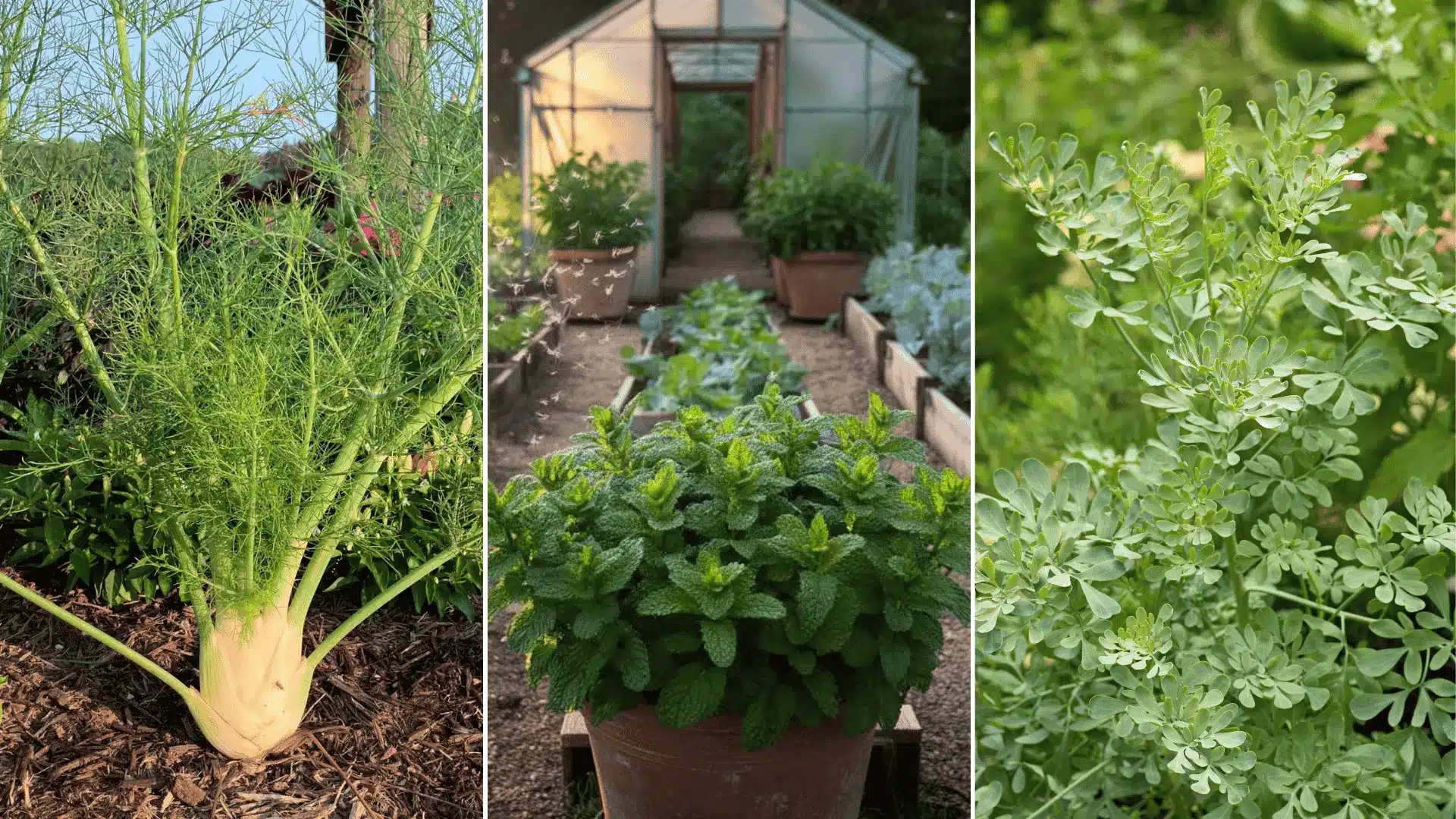
Not all herbs and flowers get along in the garden. Some release chemicals that stop other plants from growing, while others spread too aggressively.
Planting the wrong combinations can reduce growth, stunt plants, or make your garden harder to manage.
1. Fennel with Most Other Plants
Fennel is highly allelopathic, which means it releases chemicals from its roots that can suppress the growth of nearby plants.
Most vegetables, herbs, and flowers do not grow well near it. To keep other plants healthy, fennel is best planted alone or grown in a separate container, away from your main garden beds.
2. Mint in Vegetable Beds
Mint grows very aggressively and can quickly take over garden space. Its spreading roots crowd out neighboring vegetables and herbs, reducing their growth.
Planting mint directly in the ground can make it hard to control. Using pots or isolated containers keeps mint contained and protects other plants from being overrun.
3. Rue & Basil
Rue and basil might seem harmless, but they do not grow well when planted together. Rue releases chemicals that can slow or prevent basil seeds from germinating.
At the same time, basil can interfere with rue’s growth. When these two herbs share the same space, both may become weak or fail to thrive. Planting them in separate areas helps each grow strong and healthy.
How to Avoid Planting Conflicts in Your Garden?
Keeping plants happy and healthy is easier when you plan carefully. Some combinations can harm growth, reduce harvests, or invite pests.
- Plan by Plant Families: Keep plants from the same family apart to reduce the spread of shared diseases and nutrient competition.
- Check Growth Habits: Consider how tall or wide plants get so they don’t crowd each other.
- Use Crop Rotation: Move crops each season to stop pests and disease from building up in the soil.
- Group by Needs: Plant crops with similar water, sunlight, and nutrient requirements together.
- Use Containers: Put aggressive or allelopathic plants like mint or fennel in pots to keep them from spreading.
Following these tips helps plants grow stronger and prevents conflicts before they start. A well-planned garden saves time, reduces problems, and improves harvests.
That’s a Wrap
Avoiding plant conflicts makes a garden stronger, healthier, and more productive.
By keeping incompatible plants apart, using containers, grouping by water and nutrient needs, and rotating crops, gardeners can prevent many common problems.
Even small planning steps can save time and improve harvests.
Every gardener will face a few trial-and-error moments, but learning which plants clash is worth it.
Have you ever noticed plants struggling when planted too close together? Share your experiences or favorite tips for preventing planting conflicts in the comments below. I’d love to hear what worked in your garden!