Fresh thyme is one of those herbs that quietly improves almost everything it touches.
It works in meat dishes, vegetables, sauces, and even some drinks. But many home cooks buy a bunch, use one stem, and let the rest go to waste in the back of the fridge.
That happens because most people are not sure how far fresh thyme can actually go.
This guide covers the best ways to use it, which foods it pairs well with, and how to get the most out of every stem.
Once you see how versatile it is, you will reach for it a lot more often than you do now.
What Fresh Thyme Actually Tastes Like?
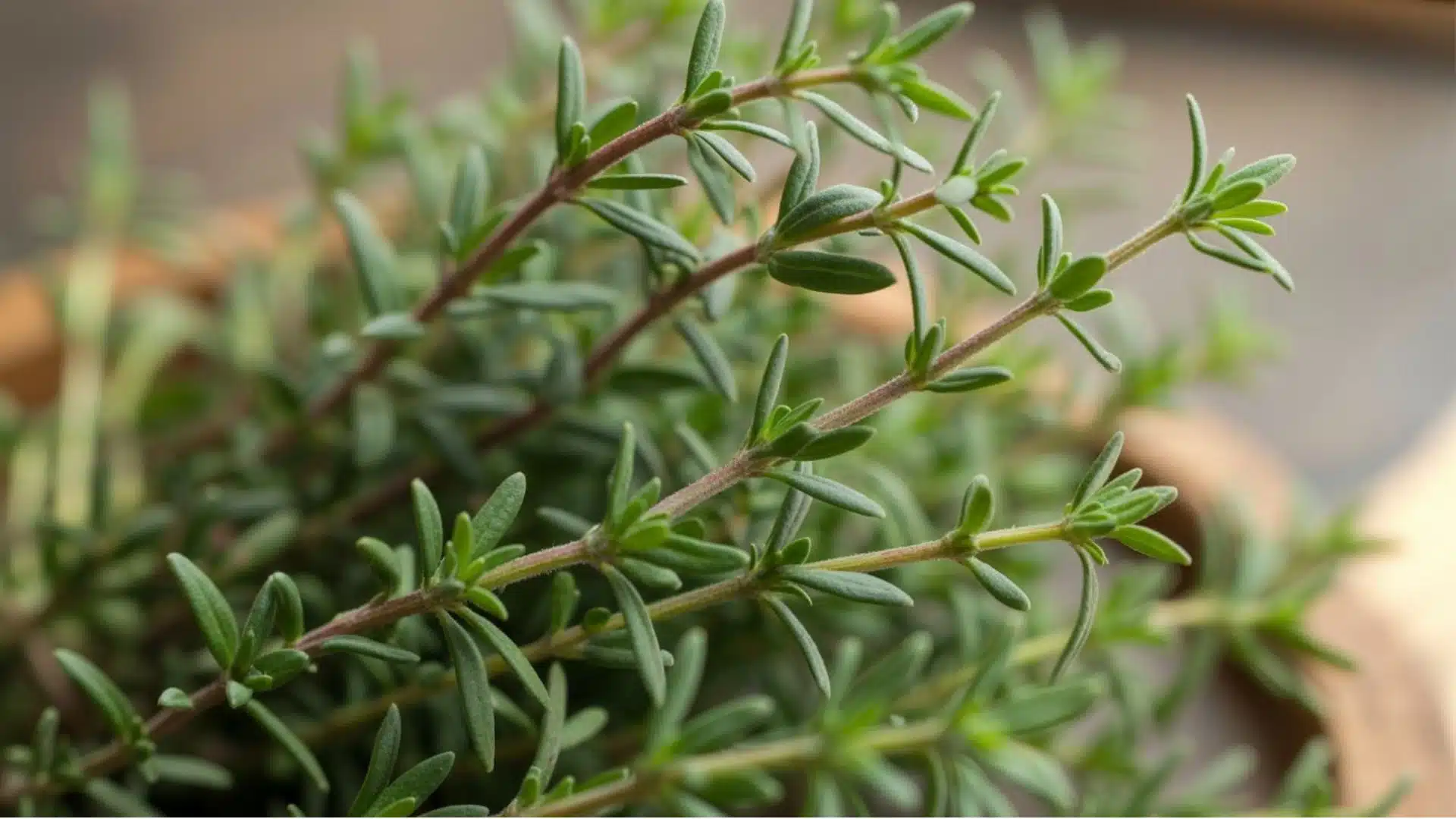
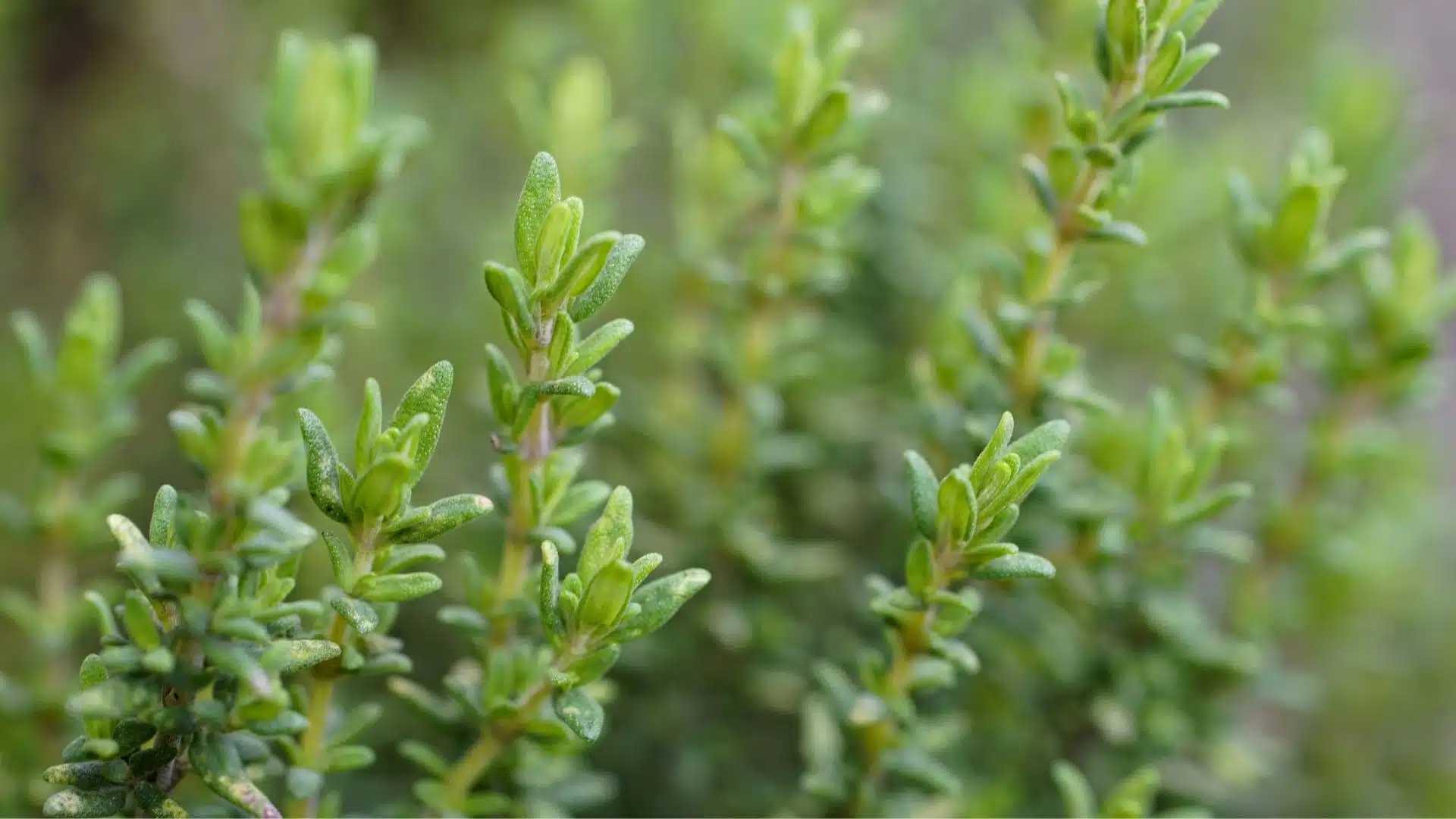
Fresh thyme has a savory, earthy flavor with faint hints of mint and lemon. It is more subtle than dried thyme but more complex at the same time.
The flavor holds up well under heat. The leaves need to come off the stem cleanly before they go into any dish, and how you cut them affects how evenly that flavor spreads.
Which Foods Pair Best With Fresh Thyme?
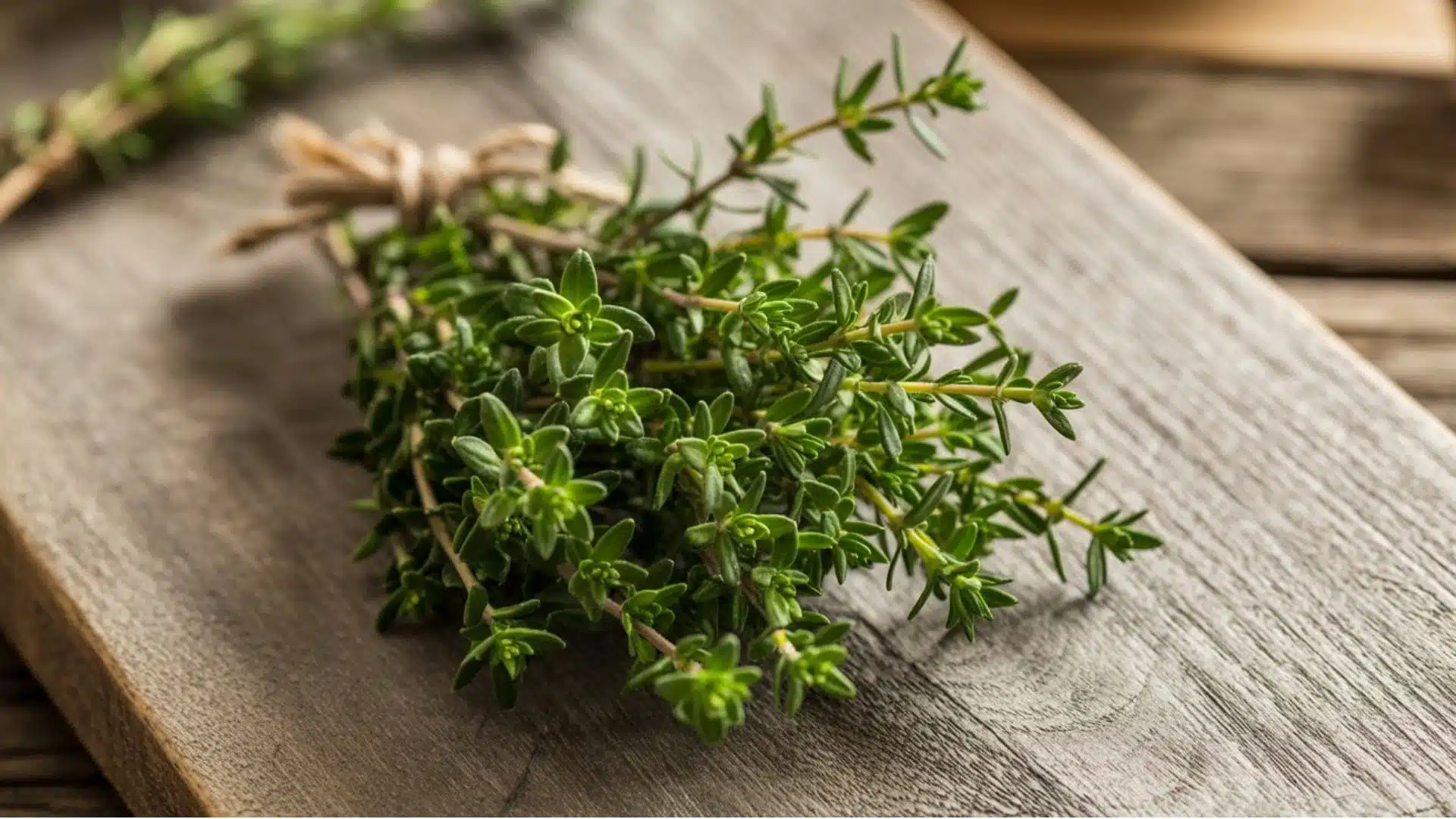
Thyme is one of the most flexible herbs in the kitchen. It complements a wide range of proteins, vegetables, and grains. Most recipes measure thyme by the sprig rather than by weight. Sprig size affects how much flavor actually goes into the dish.
| Food Category | Works Well With Thyme |
|---|---|
| Meat | Chicken, lamb, beef, pork |
| Fish | Salmon, cod, sea bass |
| Vegetables | Carrots, mushrooms, zucchini, potatoes |
| Legumes | Lentils, white beans, chickpeas |
| Grains | Farro, rice, polenta |
| Dairy | Soft cheese, cream sauces, butter |
Thyme pairs especially well with garlic, lemon, and olive oil. These three ingredients, together with fresh thyme, make a simple base for marinades, dressings, and roasting liquids.
How to Use Fresh Thyme in Everyday Cooking?

Fresh thyme fits into more dishes than most people realize, from quick weeknight meals to slow weekend cooking.
1. In Roasted Dishes
Roasting is one of the easiest ways to use fresh thyme. Lay whole sprigs directly on vegetables or meat before putting the tray in the oven. The heat pulls the oils from the leaves and stem, spreading the flavor across the food as it cooks.
Try this with:
- Roasted potatoes tossed with olive oil and garlic
- Whole chicken with sprigs tucked under the skin
- Carrots and parsnips roasted at high heat
Remove the sprigs before serving. The leaves will have fallen off during cooking and naturally mixed into the dish.
2. In Soups and Stews
Fresh thyme is a staple in slow-cooked liquid dishes. Add 2 to 3 whole sprigs early in the cooking process and let them simmer with everything else. Pull them out before serving.
It works well in:
- Chicken or vegetable broth
- French onion soup
- Bean and tomato stew
- Beef or lamb braise
The longer the dish cooks, the more the flavor develops. Thyme does not get bitter with extended heat the way some herbs do.
3. In Sauces and Pan Drippings
After searing chicken or steak in a pan, add a few thyme sprigs directly to the hot fat.
The leaves will crackle slightly and release their oils into the drippings. Use those drippings as a base for a quick pan sauce by adding broth, wine, or butter.
This method takes less than a minute and adds noticeable depth to an otherwise simple sauce.
4. With Eggs
Fresh thyme works surprisingly well in egg dishes. Add stripped leaves to scrambled eggs, frittatas, or omelets.
Use about 1/2 teaspoon per two eggs. It pairs well with cheese, mushrooms, and caramelized onions in the same dish.
5. In Compound Butter
Soft butter mixed with fresh thyme leaves, garlic, and lemon zest makes a useful thing to keep in the fridge. Press it into a roll using plastic wrap and refrigerate until firm.
Slice off rounds and use on grilled meat, baked fish, or warm bread.
6. In Marinades
Fresh thyme holds up well in oil-based marinades. Combine it with:
- Olive oil
- Lemon juice or zest
- Garlic
- Salt and black pepper
Let the protein sit in the marinade for at least 30 minutes. For tougher cuts like lamb shoulder or flank steak, a few hours works better.
Fresh Thyme vs Dried Thyme: When Each One Works
Fresh and dried thyme both have a place in cooking, but they are not always swappable.
| Situation | Best Choice |
|---|---|
| Long-cooked soups and stews | Either works |
| Quick sauces and pan dishes | Fresh |
| Dry rubs and spice blends | Dried |
| Finishing a dish before serving | Fresh |
| Baking into bread or crackers | Dried |
Fresh thyme added at the end of cooking gives a brighter, greener flavor. Dried thyme added early gives a deeper, more settled flavor. Use both strategically, depending on what the dish needs.
How Much Fresh Thyme to Use?
Thyme is potent, so it is easy to overdo it. A good starting point:
- Light flavor: 2 to 3 sprigs or 1 teaspoon of stripped leaves
- Medium flavor: 4 to 5 sprigs or 2 teaspoons of stripped leaves
- Strong flavor: 6 or more sprigs, usually in slow-cooked dishes
Taste as you go and add more if needed. It is easier to add than to take away.
Wrapping Up
Fresh thyme is a simple herb with a wide range of uses in the kitchen. It works in roasted dishes, soups, sauces, eggs, marinades, and compound butter.
Its flavor holds up under heat and gets better the longer it cooks. Pairing it with garlic, lemon, and olive oil gives you a base that works across dozens of recipes.
The key is knowing how much to use and when to add it. Start with a small amount, taste, and build from there.
Fresh thyme is inexpensive and lasts up to two weeks in the fridge, so there is no reason not to keep some on hand at all times.