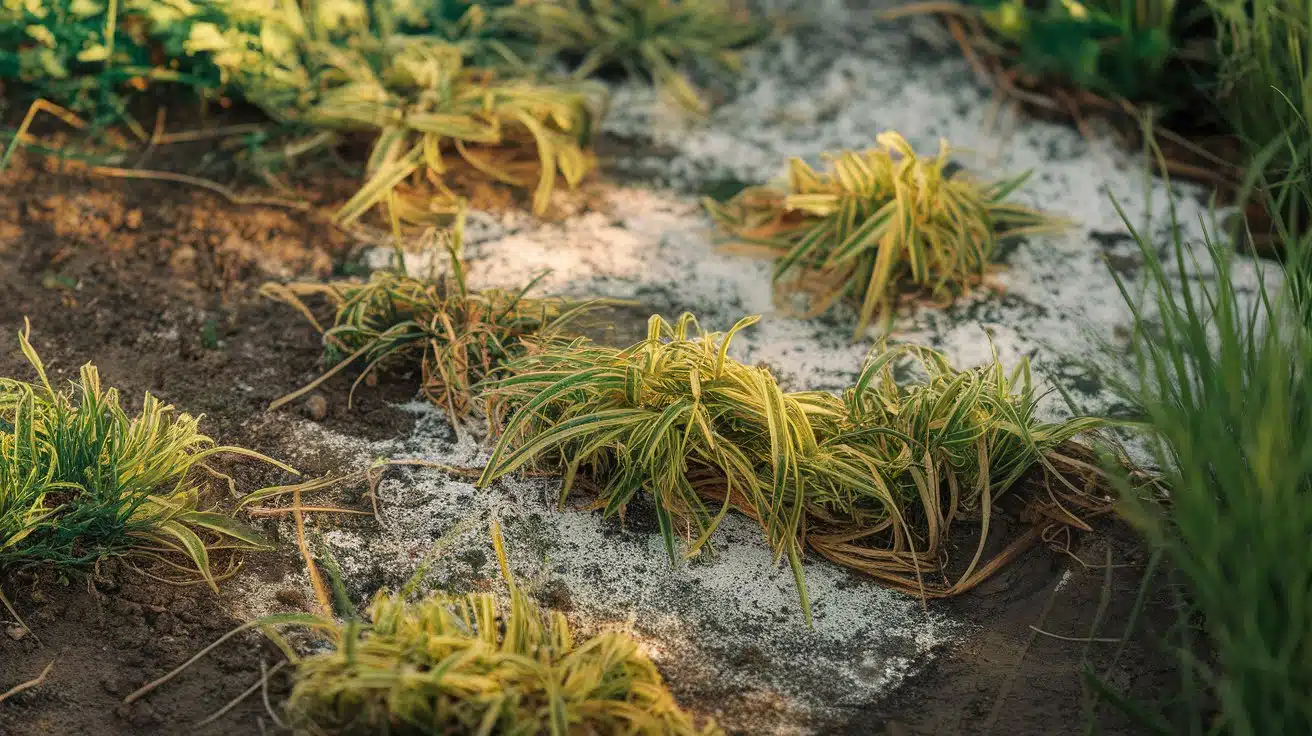

Thistle weeds may look ordinary, but they can quickly take over any open space.
Their deep roots make them hard to remove, and even small fragments left in the soil can grow again.
The sharp leaves and tall stems can crowd out other plants and spoil the look of a lawn or garden.
They also spread through seeds that travel easily in the wind, making new growth appear far from the original patch.
Knowing how to get rid of thistle weeds requires patience, proper timing, and steady effort.
With the right care and regular maintenance, it’s possible to manage them and keep outdoor spaces clean and healthy.
What are Thistle Weeds?
Thistles are spiny weeds from the sunflower family with sharp leaves and purple or pink flower heads.
They spread quickly through roots and seeds, competing with nearby plants for sunlight and nutrients.
Their ability to spread both above and below the soil makes complete removal difficult without consistent management.
These weeds grow in lawns, gardens, and open fields, often returning each season if not managed properly.
Identifying Types of Thistle Weeds
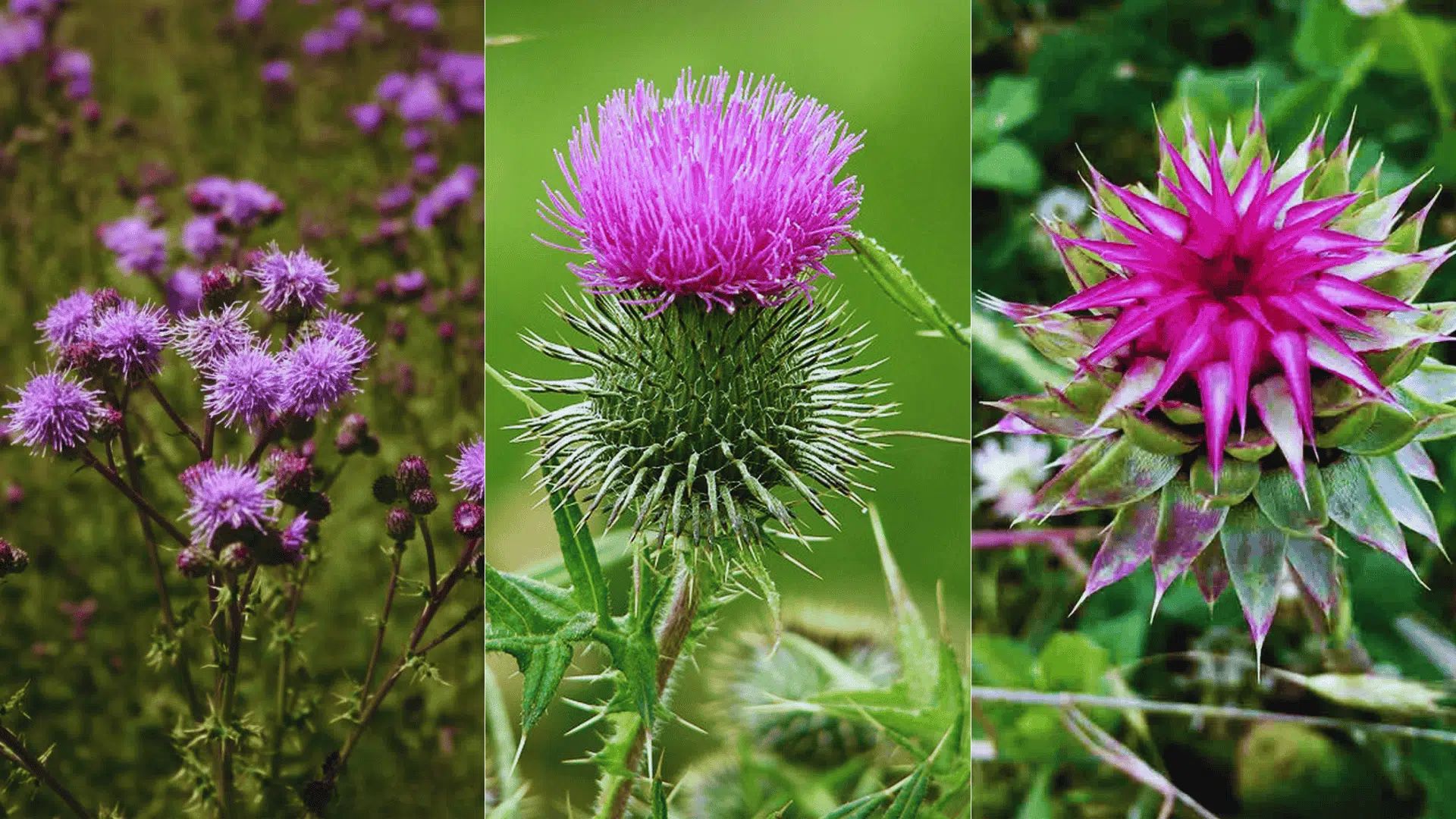
Knowing the exact type of thistle helps you to know how to get rid of thistle weeds
Thistle weeds belong to the Asteraceae family, producing sharp spines and colorful blooms.
The most common kinds found in lawns and fields are Canada thistle, bull thistle, and musk thistle.
Each behaves differently, so correct identification is key before taking action.
1. Canada Thistle
Canada thistle is a perennial weed that spreads through deep underground roots and creeping shoots.
It often forms thick patches that regrow even from small root pieces left in the soil.
The plant has smooth stems and purple or pink flower heads.
It grows best in moist, disturbed soil and can quickly crowd out garden plants.
Because it spreads so easily, repeated treatments and regular checks are usually needed to control it.
2. Bull Thistle
Bull thistle is a biennial weed that grows low to the ground in its first year and produces flowers the next.
Its thick, spiny leaves are sharp on both sides, and the flower heads are purple.
It thrives in sunny, open areas and produces many seeds that remain viable in soil for years.
Since it spreads only by seed, stopping it before flowering helps prevent future growth.
3. Musk Thistle
Musk thistle is another biennial variety known for its nodding purple flower heads.
It produces thousands of seeds that spread quickly by wind, allowing new plants to appear far from the original patch.
The weed often grows in pastures and roadsides where the soil is disturbed.
The best time to control it is when it’s still in the rosette stage before the flower stalk forms.
Thoughtful garden layouts make weed control easier.
Check Vegetable Garden Layout Plans and Spacing for smart planting ideas.
How Does Thistle Spread?
Thistles spread through both seeds and underground roots.
Their lightweight seeds travel easily by wind, water, or animals, while root fragments left in the soil grow into new plants.
This combination allows thistles to spread quickly and return even after removal.
A single thistle plant can release thousands of seeds each season, many of which stay viable in the soil for up to ten years, making early control and prevention essential.
Why is Thistle Hard to Control?

Thistles persist because they regenerate easily from leftover roots and have seeds that stay active for years.
Their growth habits make them some of the toughest weeds to control.
Knowing how to get rid of thistle weeds involves patience, the right timing, and repeated efforts for lasting results.
-
Deep Roots: Canada thistle and other perennials grow roots several feet deep. Cutting or pulling only removes the top, while leftover roots sprout new plants.
-
Seed Survival: Thistle seeds can stay alive in the soil for up to ten years. Wind, water, and animals easily spread them to new areas.
-
Fast Regrowth: Even small pieces of root left in the ground can quickly grow again after mowing or digging.
-
Seasonal Timing: Biennials are easier to control at the rosette stage in fall or early spring. Perennials respond best to late summer or fall treatments when nutrients move to the roots.
-
Persistence Needed: No single method works in the try. Regular monitoring and repeated actions are necessary for long-term control.
How to Get Rid of Thistle Weeds?

Thistles are tough to remove because of their deep roots and strong regrowth. Lasting control requires patience, regular checks, and well-timed actions.
Below are the most effective tips for getting rid of thistle weeds:
Tip 1: Pull Early: Remove young thistle plants before they flower or produce seeds to stop future growth.
Tip 2: Mow Often: Cut thistle stalks regularly during the growing season to prevent seed spread.
Tip 3: Use a selective broadleaf herbicide: Apply it while thistles are actively growing for best results.
Tip 4: Improve Soil Health: Aerate, add compost, and overseed to strengthen your lawn and crowd out new weeds.
Tip 5: Apply Mulch: Spread about three inches of mulch to block sunlight and prevent seed germination.
Tip 6: Dispose Properly: Never compost thistles; bag and discard them to avoid spreading seeds or roots.
Tip 7: Monitor Regularly: Check treated areas every few weeks and remove new shoots promptly.
Building strong soil benefits all plants. Check out List of Best Peony Fertilizer for Healthy Blooms

to learn what nutrients help flowers thrive season after season.
How to Kill Thistle?
Thistles can be removed more effectively with the right herbicide, applied at the right time and in the right way.
Choosing the correct product and following safety steps ensures lasting results while protecting nearby plants and soil health.
1. Selective Broadleaf Herbicide
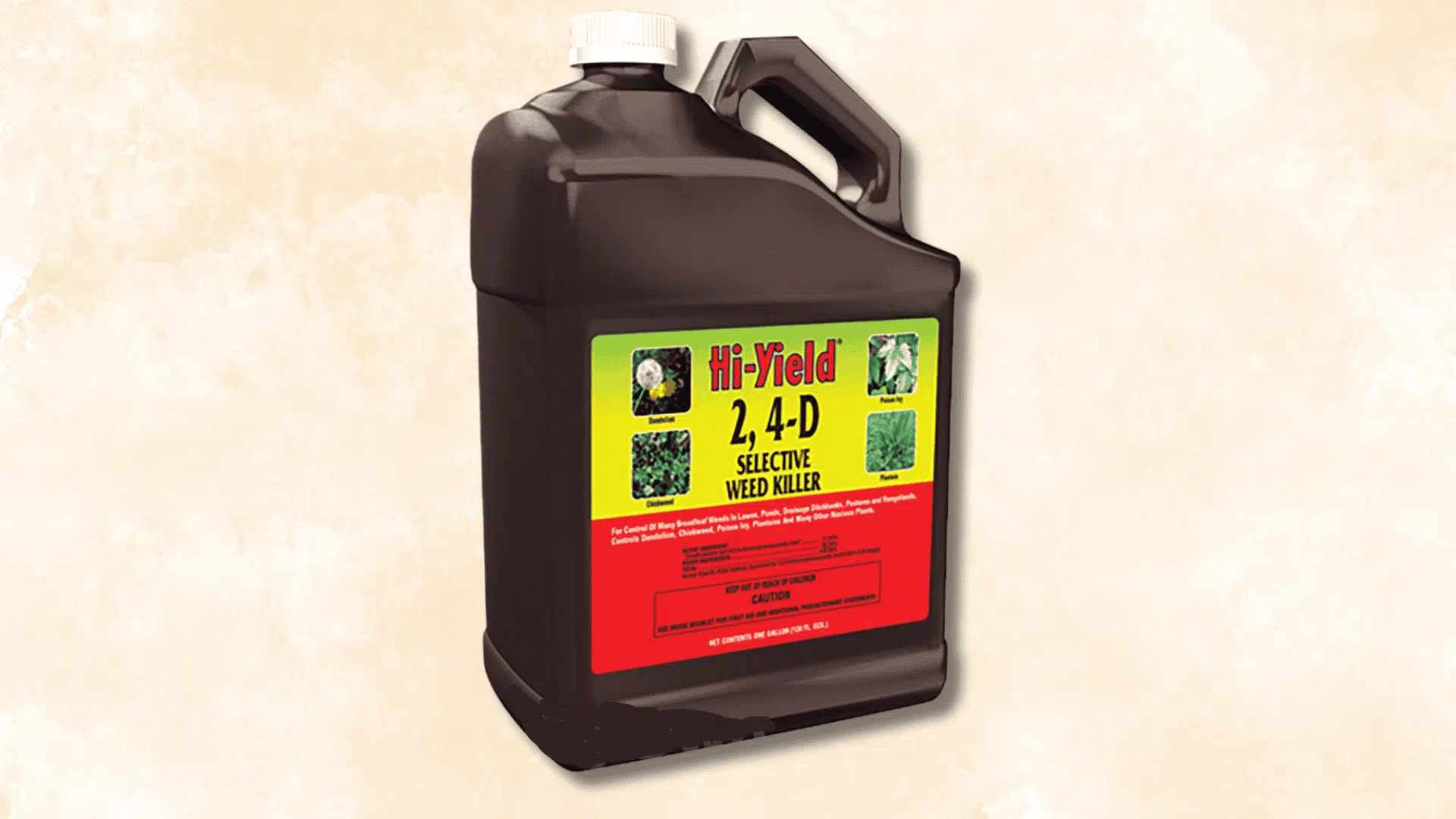
Selective broadleaf herbicides are designed to target weeds like thistles without harming grass.
They work best in lawns and turf areas.
Apply during fall or early spring when thistles are actively growing for maximum root absorption and lasting results.
2. Non-Selective Herbicide
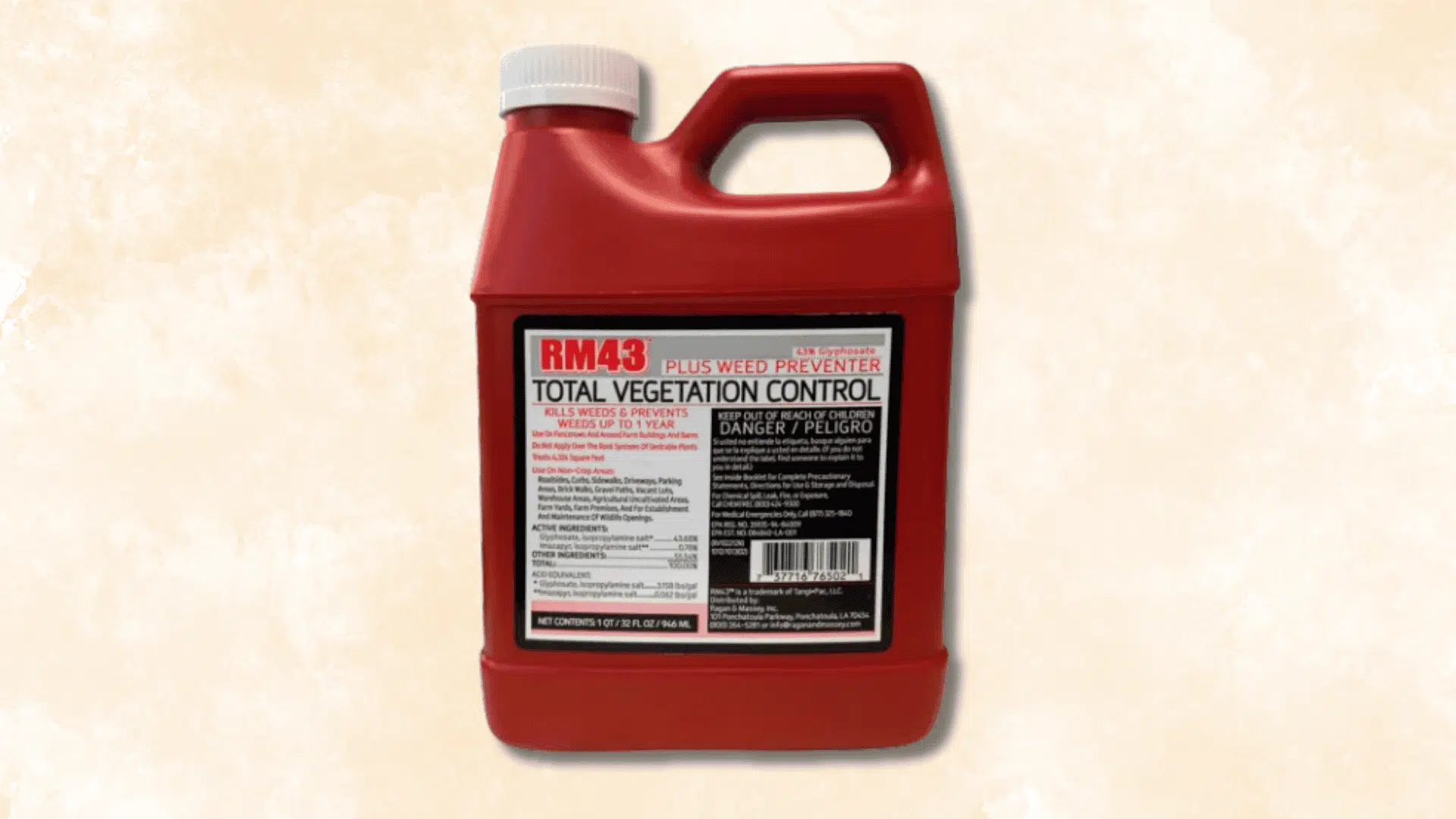
Non-selective herbicides kill all vegetation they touch, making them suitable for driveways, gravel paths, and fence lines.
Apply during late summer or early fall when weeds are fully developed.
Use carefully to prevent damage to nearby plants.
3. Pasture or Field Grade Herbicide

These herbicides are formulated for large fields and open areas.
Apply in late summer or fall when thistles are sending nutrients to their roots.
They move through the entire plant, providing deep and long-term control.
4. Natural or Organic Options
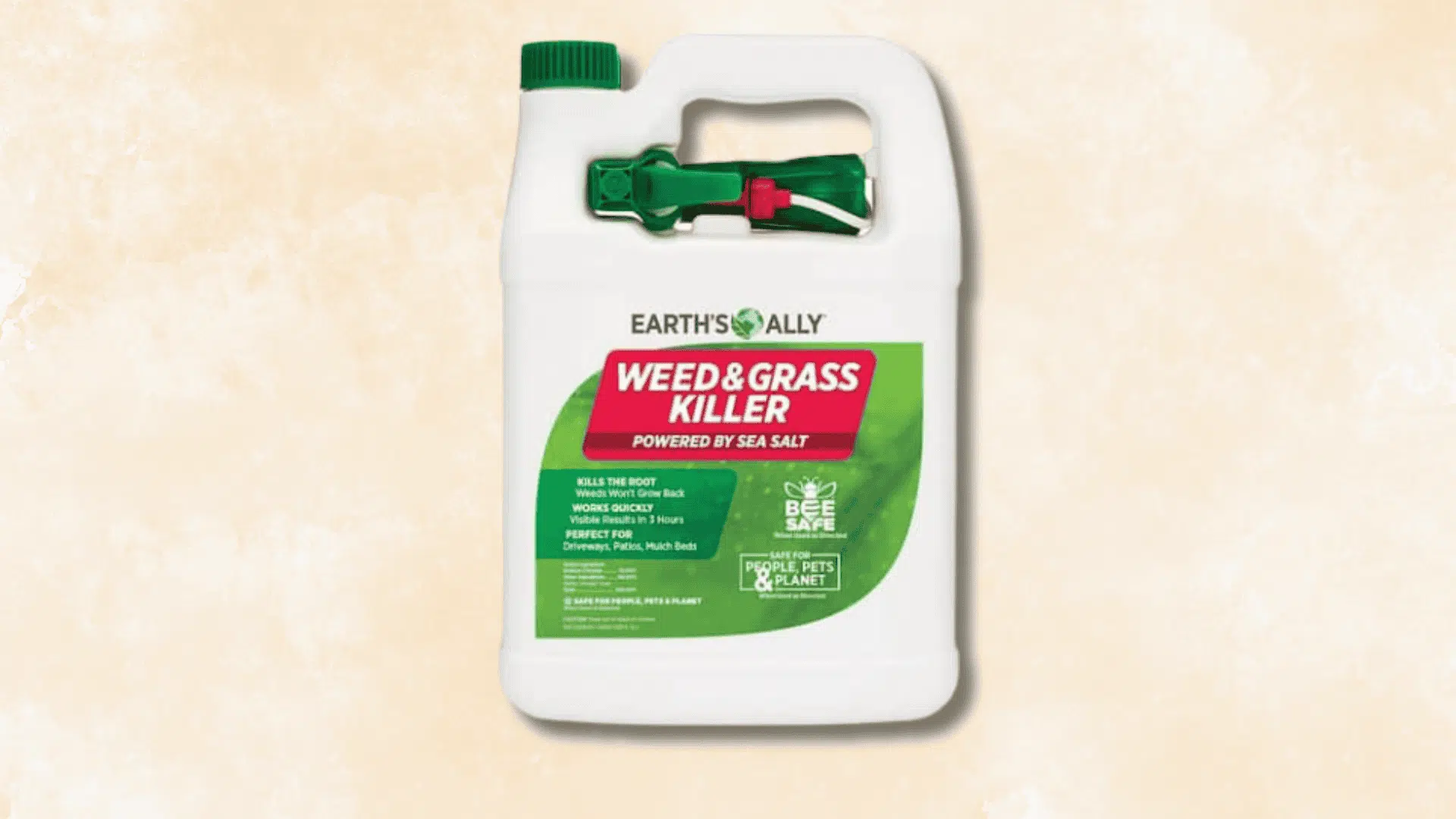
Natural weed-control products use ingredients such as vinegar or plant-based acids.
They are best for small gardens and eco-sensitive spots.
Apply during warm, dry weather to burn the plant’s top growth, though multiple applications may be needed.
|
Safety and Follow-Up Tips:
|
Read more:Fire Sprinkler System Inspection and Testing: Detailed Guide
Conclusion
Getting rid of thistle weeds takes patience, proper timing, and steady care.
If left unchecked, thistles will find their way back, but steady care and routine attention can keep your garden free of them.
Start by identifying the type of thistle, use the right removal method, and follow up regularly to weaken the roots.
Healthy lawns, thick mulch, and quick action on new growth keep your garden protected.
With persistence and the right approach, you can maintain a clean, balanced outdoor space without constant struggle.
Have any questions or personal tips on how to get rid of thistle weeds?
Share your thoughts in the comments below.
Frequently Asked Questions
Can Thistle Weeds Grow Back After Winter?
Yes, many thistle weeds can survive winter through their root systems. When spring arrives, they regrow quickly from underground parts, especially if roots weren’t completely removed during fall control efforts.
Are Thistle Weeds Harmful To Pets Or Livestock?
Thistles are not usually toxic, but their sharp spines can injure animals while grazing or playing. In pastures, dense thistle patches reduce grazing areas and lower overall forage quality for livestock.
Does Soil Type Affect Thistle Growth?
Yes, thistles thrive in disturbed or compacted soils with moderate moisture. Poorly maintained lawns or bare patches give them space to establish, making soil health improvement an important prevention step.
Can Thistle Seeds Germinate In Compost?
Yes, thistle seeds can survive in compost if it doesn’t reach high enough temperatures. Always discard thistle plants and seed heads separately to prevent new growth in compost piles.