Hostas are one of the most forgiving plants you can grow in a shaded garden. They are hardy, they spread on their own over time, and they rarely ask for much attention. But low maintenance is not the same as no maintenance. How you plant them, where you place them, and how you handle the growing season all affect how full and healthy they look year after year.
This guide covers the key care steps from planting through summer, including soil, light, watering, feeding, and pest control. These are the basics that make the biggest difference, whether you are starting fresh or trying to improve an established bed.
The Basics of Caring for Hostas
Hostas are perennials that return from the same root system each spring. The care you put in during the growing season builds on itself over time.
A plant that gets the right soil and water in year one rewards you with stronger, wider growth by year three.
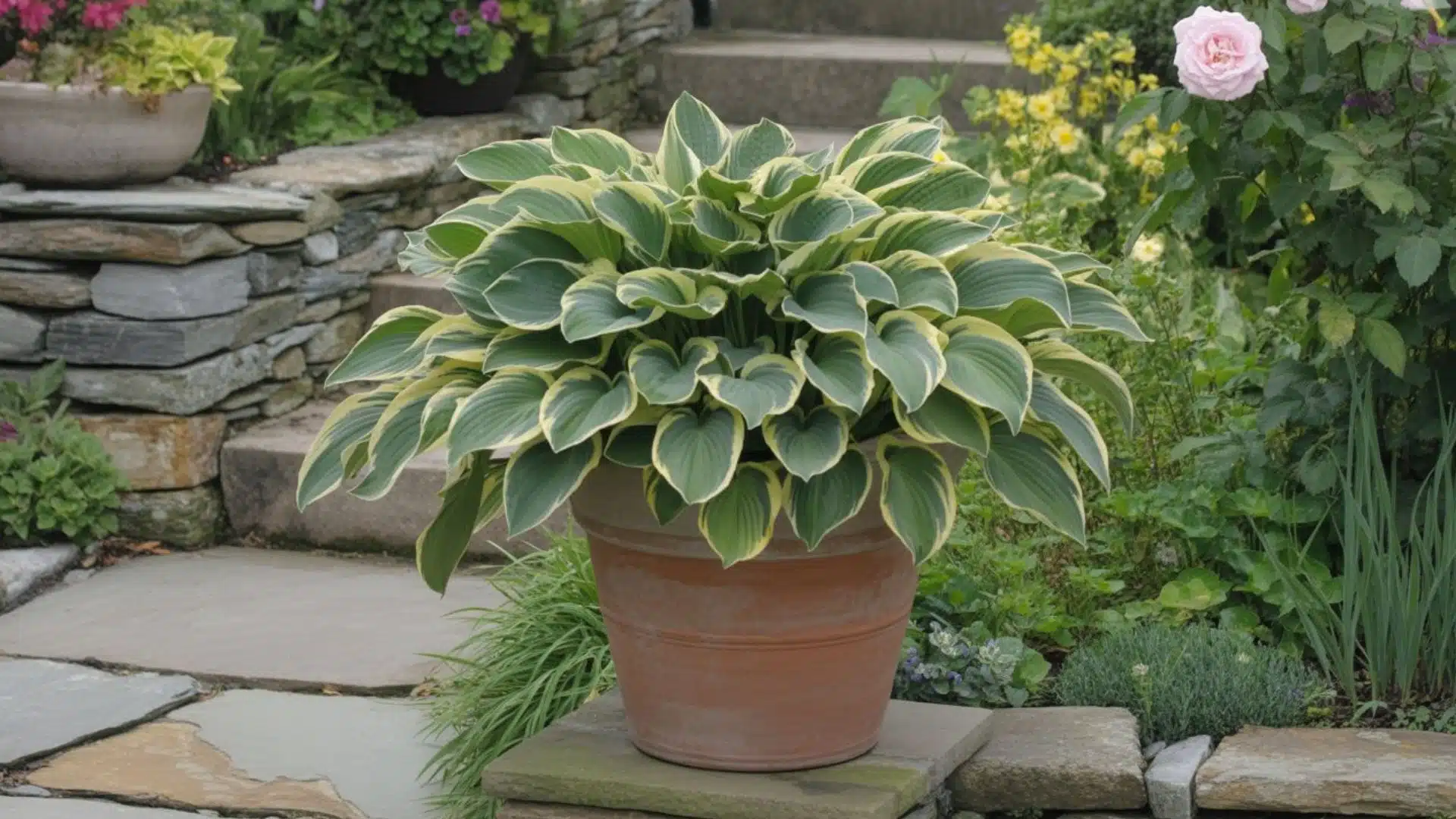
They grow well in ground beds and in pots. Gardeners who grow them in pots will find that potted hostas require slightly different care regarding drainage, soil mix, and watering frequency compared to in-ground plants.
The steps in this guide focus on the active growing season, from spring through early fall.
Finding the Right Spot for Hostas

Light is the single biggest factor in how hostas perform. Most varieties do best with morning sun and afternoon shade. Intense afternoon sun scorches leaf edges and fades color, especially in blue and gold varieties.
Because hostas are plants that return each year, picking a permanent spot from the start matters more than it does with annuals.
A location that works well in summer also needs to hold up through fall, when the plant begins to shut down and the leaves start to change before fully going dormant.
Good spots include:
- Under tree canopies with filtered light
- Along the north side of a house or fence
- Besides shaded borders or garden walls
Some varieties handle more sun than others. Yellow and gold-leaved hostas tolerate brighter conditions better than blue ones. Always check the plant tag before placing a new variety in a sunny spot.
Hostas Soil and Planting Basics
Hostas prefer moist, well-drained soil that is rich in organic matter. Heavy clay holds too much water and can cause root rot over time. Sandy soil drains too fast and dries out quickly.
Before planting, work compost into the soil to a depth slightly deeper than the root ball. This improves drainage in clay and moisture retention in sandy ground.
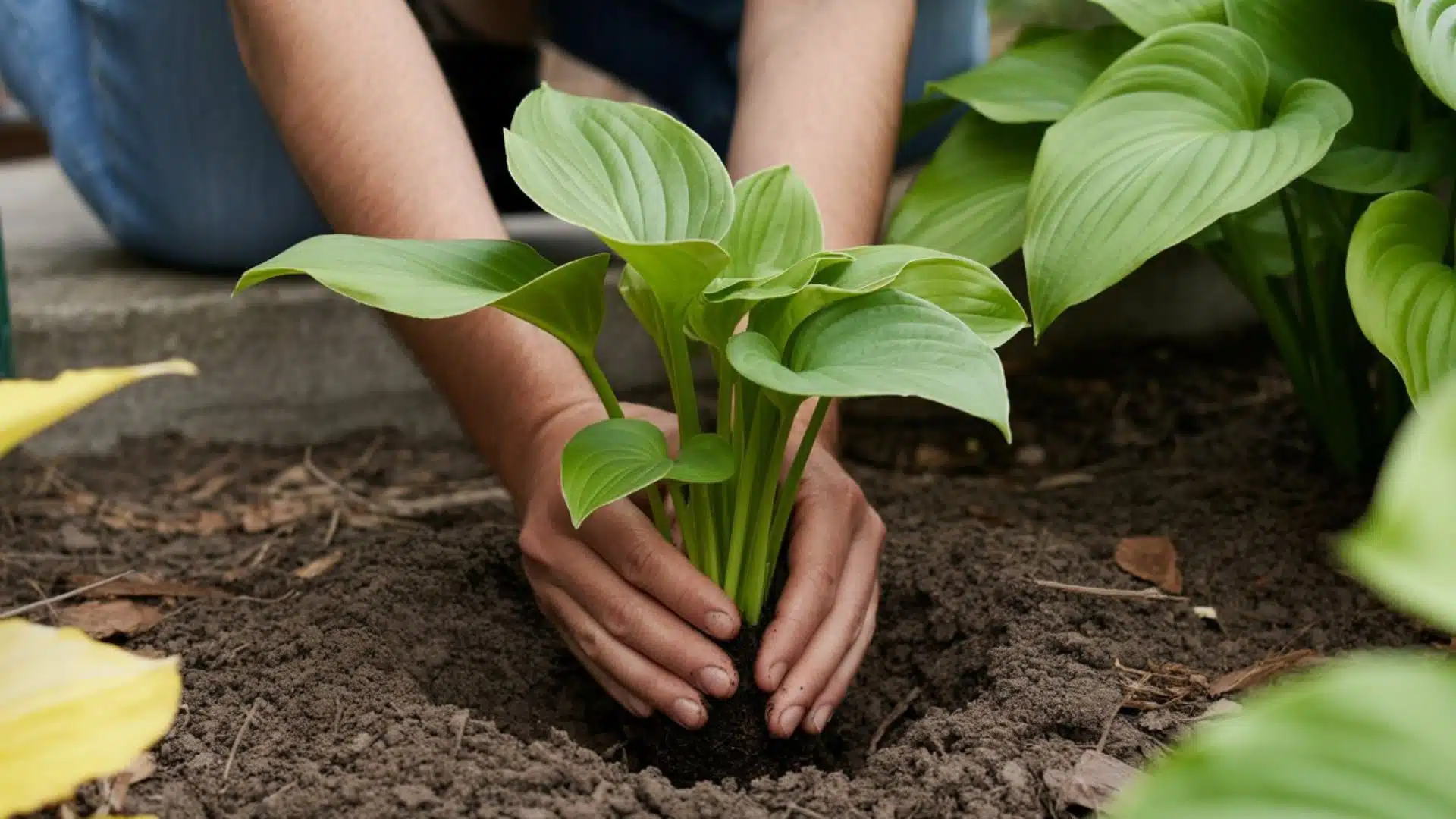
Set the plant so the crown sits level with the surrounding soil. Planting too deeply causes crown rot. Planting too shallowly exposes roots to drying out.
The best planting times are:
| Season | Why It Works |
|---|---|
| Early spring | Roots establish before summer heat |
| Early fall | Plant settles in before winter without heat stress |
Space plants apart at a distance equal to their mature width. This allows sufficient airflow between plants, reducing fungal issues as they fill out.
Watering Hostas the Right Way
Once established, hostas need about one inch of water per week. Water deeply and less often rather than lightly every day. Deep watering pushes roots deeper into the soil, making the plant more stable and drought-tolerant over time.
A few rules to follow:
- Water at the base of the plant, not overhead
- Avoid letting water pool around the crown
- Reduce watering in the fall as temperatures drop
- Stop watering entirely once the plant goes fully dormant
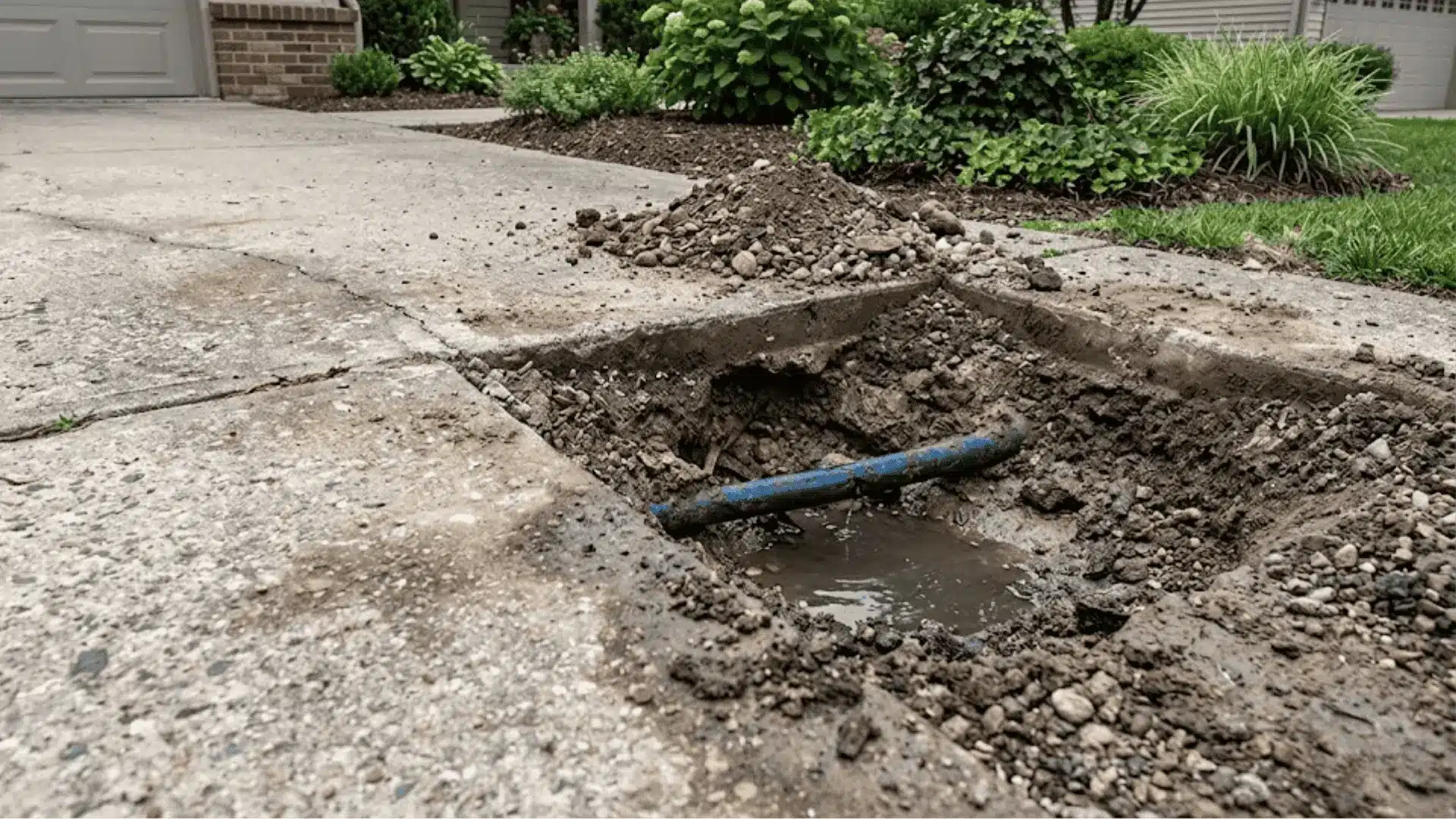
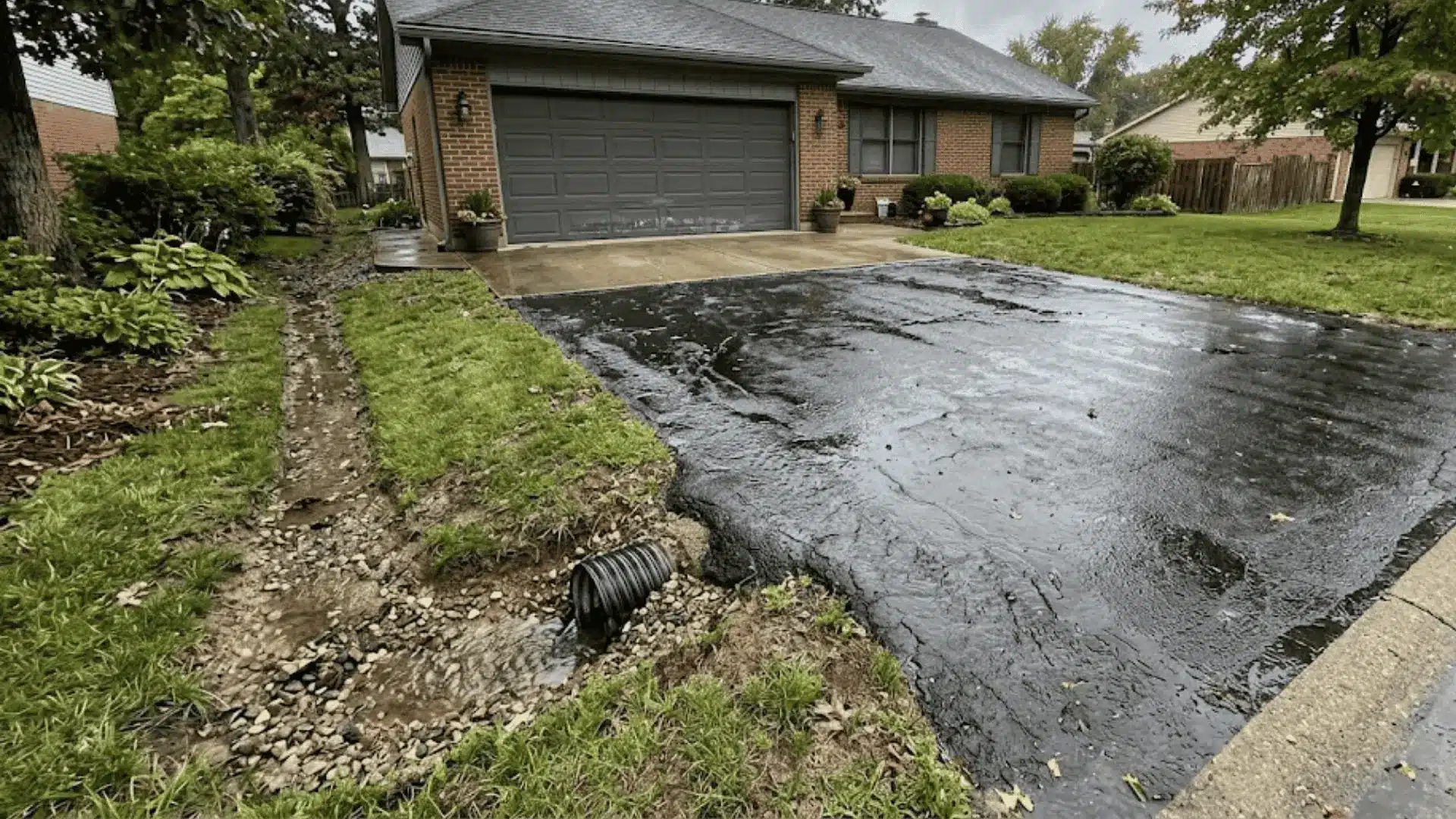
Hostas do not tolerate standing water. If your planting area stays wet after rain, drainage needs to be improved before root problems develop.
Feeding Your Hostas
Hostas growing in compost-rich soil often need little extra feeding. If your soil is average, a balanced fertilizer applied in spring as new leaves emerge gives the plant a useful boost.
Fertilize every four weeks through summer. Stop by late August. Feeding too close to fall pushes soft new growth, which is hit by the first frosts, weakening the plant heading into winter.
Avoid high-nitrogen fertilizers in summer. Too much nitrogen produces large but weak leaves that attract pests and are more prone to damage.
Keeping Pests Away From Hostas
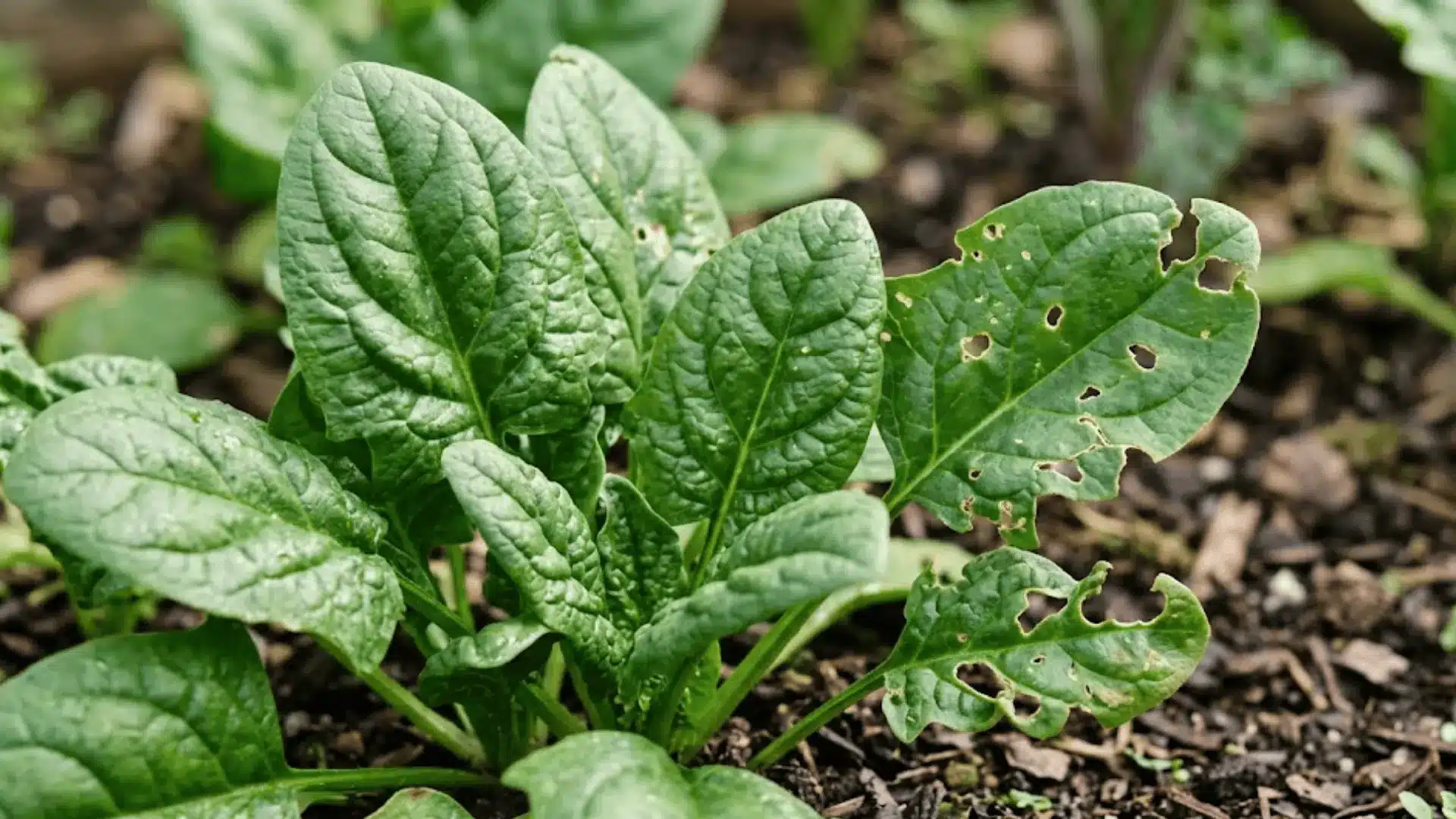
Slugs are the most common problem with hostas. They feed at night, leaving ragged holes in the leaves. Wet weather makes the problem worse.
To reduce slug damage:
- Remove dead leaf debris from around the base of plants
- Avoid overwatering, which creates damp conditions that slugs prefer
- Sprinkle crushed eggshells or diatomaceous earth around the base
- Use iron phosphate slug bait as a safer option around garden beds
Deer and rabbits also feed on hosta foliage, especially on new spring growth. Physical barriers or repellent sprays work better than any single product used alone.
Stick to these habits, and hostas will be one of the easiest plants in your garden.
They do not need much, but the care you give them in the growing season is what separates a struggling plant from one that fills out beautifully year after year.
Wrapping Up
Caring for hostas comes down to a few consistent habits. Get the light and soil right from the start.
Water deeply rather than often. Feed through the growing season but stop before fall. And stay ahead of slugs before they get into new growth.
None of these steps is complicated, and hostas are forgiving enough to recover from most mistakes.
The more seasons you grow them, the more you learn about what each variety needs. These plants get better with time, and so does the gardener growing them.
Happy gardening, your hostas will thank you for it.