When dealing with weeds, timing and technique make a big difference.
Applying the right product under the right conditions ensures faster, more effective results.
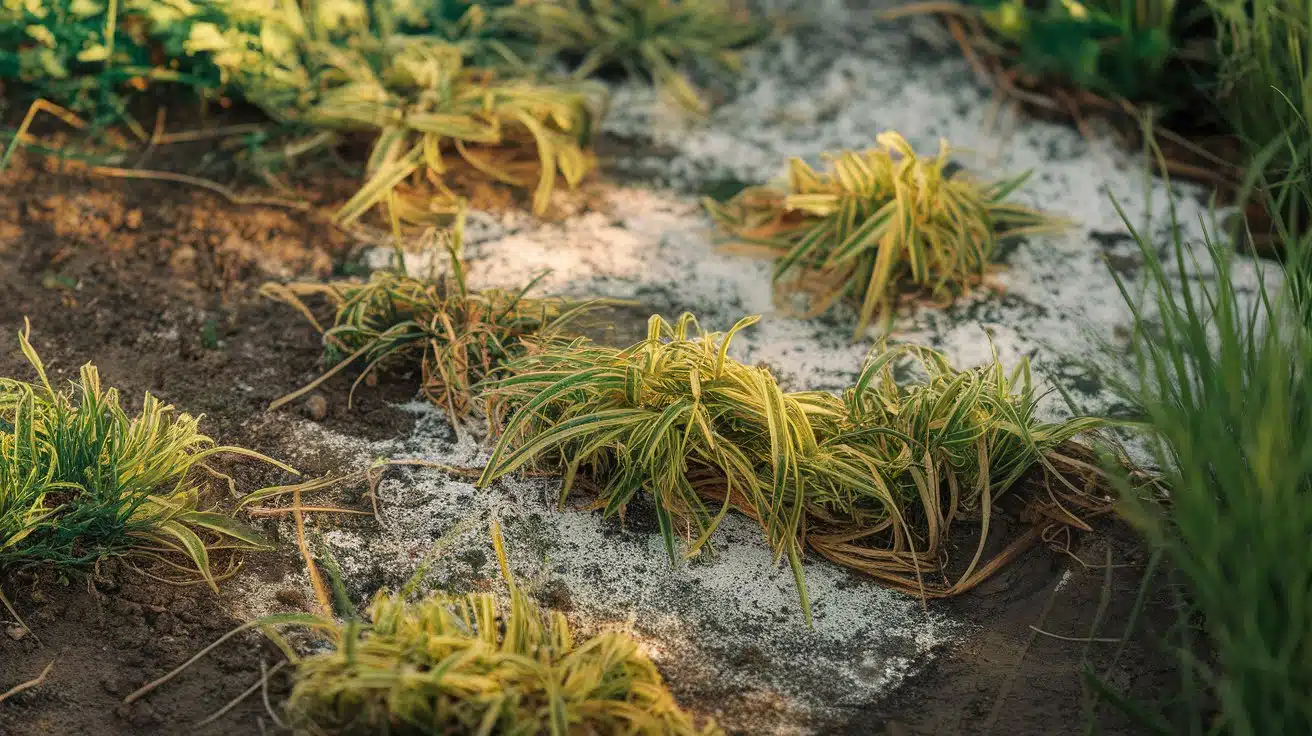
Weed killers vary in how quickly they work, depending on the product type, weather, and weed species.
Some begin showing results within a day, while others may take up to two weeks to fully eliminate growth.
Proper timing, such as applying during active weed growth, can also improve absorption and prevent regrowth.
In this blog, you’ll learn how different weed killers work and factors that affect their effectiveness, helping you achieve a healthier, weed-free lawn with consistent results.
What Are Weed Killers?
Weed killers, also known as herbicides, are chemical or natural substances designed to control unwanted plant growth.
They work by disrupting essential plant processes like photosynthesis, nutrient absorption, or cellular development.
Modern formulations range from synthetic chemicals to organic alternatives made from natural ingredients.
Each type offers different benefits depending on your specific lawn care needs and environmental concerns.
The effectiveness of any weed killer depends largely on proper identification of target weeds and correct application timing.
How Long Does Weed Killer Take to Work?
Most weed killers begin showing results within 24 hours to 2 weeks, depending on the formula.
- Fast-acting herbicides like glyphosate cause wilting within 24 hours and complete weed death within a week.
- Selective herbicides designed for lawns usually take 7–14 days to fully eliminate targeted weeds.
- Natural alternatives, such as vinegar-based sprays, act almost immediately on young, tender weeds but may require multiple treatments for mature ones.
The key to success is selecting the right type of product and applying it during active weed growth for optimal absorption and lasting control.
Types of Weed Killers

Before choosing a weed killer, it’s important to know the main categories and how they function.
1. Pre-emergent herbicides prevent seed germination before weeds sprout.
Applied in early spring, they create a soil barrier that stops weed development for several months.
Perfect for preventing crabgrass and dandelions, but timing is critical.
2. Post-emergent herbicides target visible, growing weeds through leaf or root absorption.
Two types exist: selective (target specific weeds, spare grass) and non-selective (kill any plant contacted).
Results appear within days to weeks.
Factors Affecting Weed Killer Effectiveness
Several key variables determine how quickly and thoroughly your herbicide will work.
Weed Type: Annual weeds respond faster to treatment than perennial weeds, which have deep root systems and may need multiple applications.
Weather Conditions: Warm, humid weather speeds up herbicide absorption, while cold conditions slow the process. Rain within 24-48 hours can wash away products before absorption.
Soil Type: Clay soils retain herbicides longer, but slow absorption. Sandy soils allow quick penetration but need frequent reapplication. Loamy soils offer the best balance.
Application Timing: Apply during the daytime when weeds are actively growing and photosynthesizing for maximum absorption and effectiveness.
Common Weed Killers
These are the most common weed killers used by American homeowners.
Each type has unique strengths for different lawn care situations, from quick spot treatments to season-long prevention.
1. Glyphosate-Based Herbicides

The most widely used weed killer in the US, glyphosate, works by blocking protein production in plants.
It’s effective on tough weeds like poison ivy and established perennials.
Time to Work: Typically 2–4 days for visible results
Notes: Visible wilting within 24 hours, complete death within a week. Non-selective, so kills any plant it contacts.
2. Selective Herbicides

These lawn-safe formulas contain ingredients like 2,4-D or dicamba that target broadleaf weeds while protecting grass.
Popular for maintaining healthy lawns without bare spots.
Time to Work: 7–14 days for full effectiveness
Notes: Target specific weeds while sparing grass. Slower results but more precise control.
3. Natural Weed Killers

Vinegar: Shows immediate effects on young, tender weeds within hours of application. However, established weeds may require multiple treatments.
Boiling Water: Provides instantaneous results upon contact, causing immediate cell damage. This method works best on annual weeds and may require several applications for perennial species.
Baking Soda: Proves effective for small weeds growing in sidewalk cracks and paved areas, typically showing results within 2-3 days.
Best Practices for Optimal Results
Follow these guidelines to maximize your herbicide’s effectiveness and ensure safe application.
Application Tips
- Apply during calm, dry days with low wind speeds to prevent drift onto desirable plants.
- Ensure target weeds are actively growing, as dormant plants won’t absorb products effectively.
- Avoid mowing immediately before application to maintain maximum leaf surface area.
Safety Precautions
- Wear protective gear, including gloves, long sleeves, and eye protection.
- Keep pets and children away from treated areas until products dry completely.
- Follow the manufacturer’s instructions carefully for dilution rates and timing.
Troubleshooting Slow-Acting Weed Killers
If your herbicide isn’t working as expected, these common issues and solutions can help.
Several factors can cause your weed killer to work more slowly than expected:
- Incorrect application timing: Applying herbicides during dormant periods or extreme weather conditions can significantly slow effectiveness.
- Weed resistance: Some weed populations may have developed resistance to certain active ingredients through repeated exposure.
- Environmental factors: Drought stress, extreme temperatures, or poor soil conditions can all impact herbicide absorption and effectiveness.
Try these approaches when your herbicide isn’t performing as expected:
- Reapply products according to label guidelines if initial applications don’t provide expected results.
- Consider switching to alternative products with different active ingredients if resistance is suspected.
- Consult with local gardening experts or extension services for region-specific advice and recommendations.
Conclusion
Selecting the right weed killer and knowing its timeframe is essential for success.
Some products work within hours, while others need up to two weeks.
Environmental conditions, weed types, and application methods all affect timing.
The key is choosing the right product for your situation and applying it under optimal conditions.
With patience and proper technique, you can achieve a weed-free yard.
Have you tried any of these weed killers?
Share your experiences and results in the comments below to help other readers choose the best option for their lawn care needs.
Frequently Asked Questions
Can I Use Weed Killer Around Edible Plants?
Use only herbicides specifically labeled for edible crops. Check for required buffer zones and harvest waiting periods. Consider organic alternatives near food plants.
Does Rain Affect how Quickly Weed Killer Works?
Yes, rain significantly impacts effectiveness. Light rain may help pre-emergent products penetrate soil, but heavy rainfall within 24-48 hours can wash away post-emergent herbicides.
Can Repeated Use of Weed Killer Make Weeds Resistant?
Continuous use of the same herbicide can create resistance over time. Rotate between different active ingredients and use mechanical control methods to prevent resistance.