Water might seem harmless, but it can quietly damage a driveway if it has nowhere to go.
Many homeowners ask if a drain pipe is always needed, especially when dealing with puddles or runoff after rain. There isn’t a one-size-fits-all answer, because every driveway is built differently.
Some handle water well with just a slight slope, while others need extra support to keep water moving away.
Things like soil, layout, and rainfall all play a role. Understanding how drainage works can help you avoid damage, reduce repair costs, and keep your driveway in better shape for longer.
Do All Driveways Need a Drain Pipe?
No, not every driveway needs a drain pipe, but every driveway does need proper drainage. Drainage is the overall system that moves water away, while a drain pipe is just one way to do that.
In many cases, a simple slope can guide water off the surface and prevent pooling.
A well-graded driveway often works without extra pipes. The need for a drain pipe depends on factors like the slope of the land, soil type, local rainfall, and how the driveway is built.
Each of these affects how water moves and where it collects, and in some cases, even who owns the culvert can play a role.
When a Drain Pipe Is Actually Needed
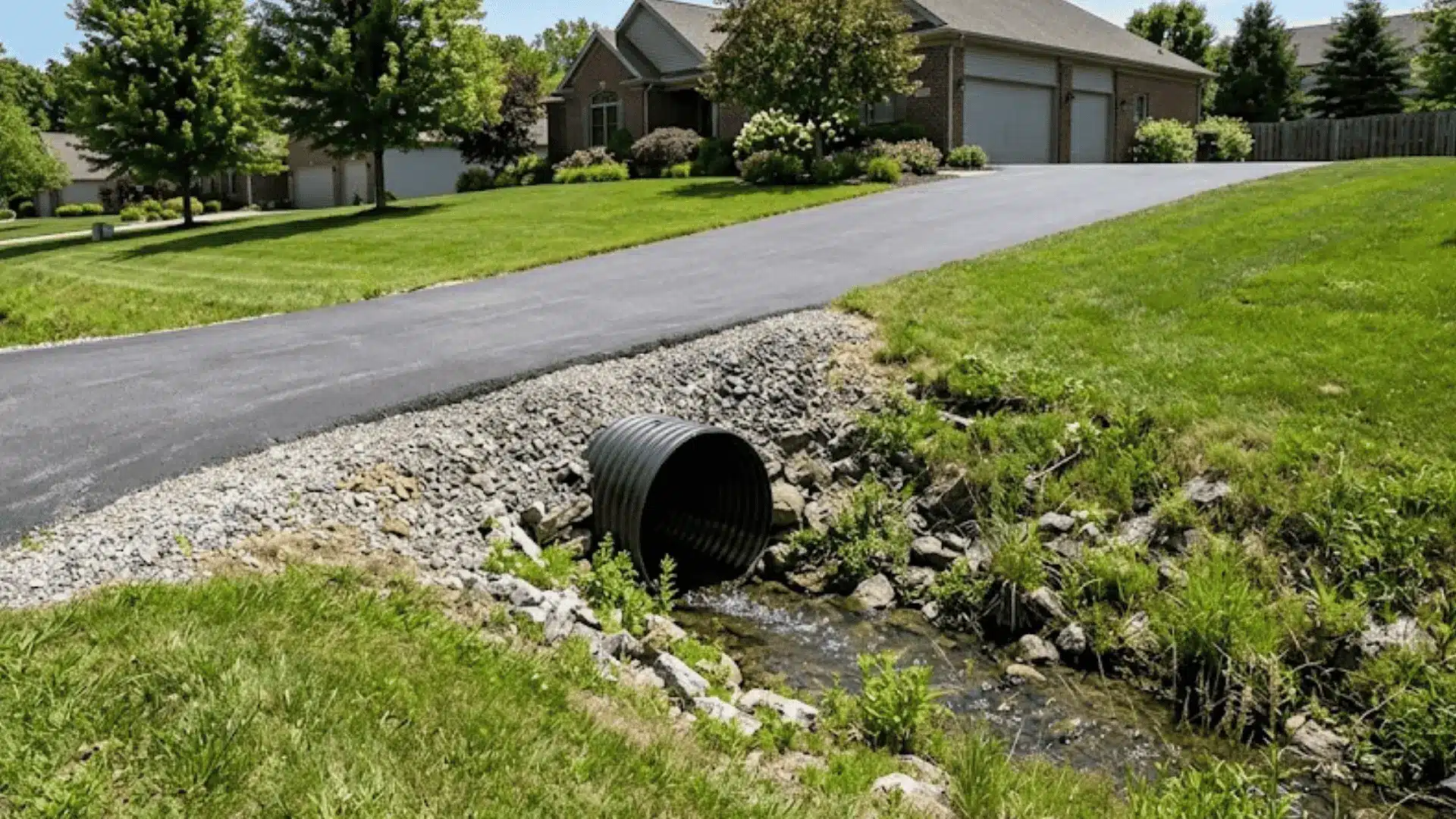
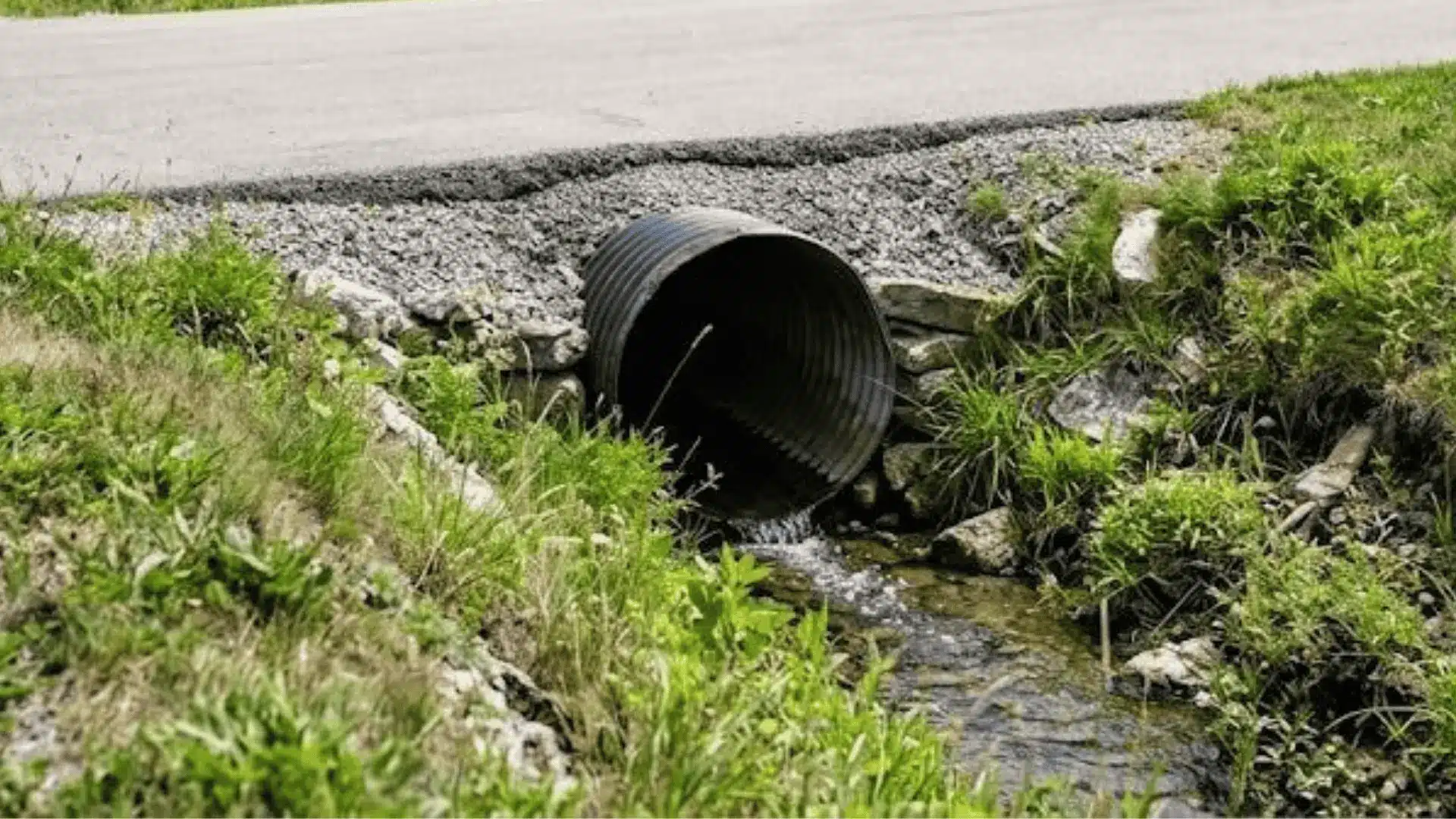
A drainpipe is needed when water cannot flow away safely on its own. This often happens when a driveway crosses a ditch, where a culvert pipe allows water to pass underneath, and the culvert’s function helps move water safely below the surface.
It is also common in areas where water naturally flows across the land or under the driveway.
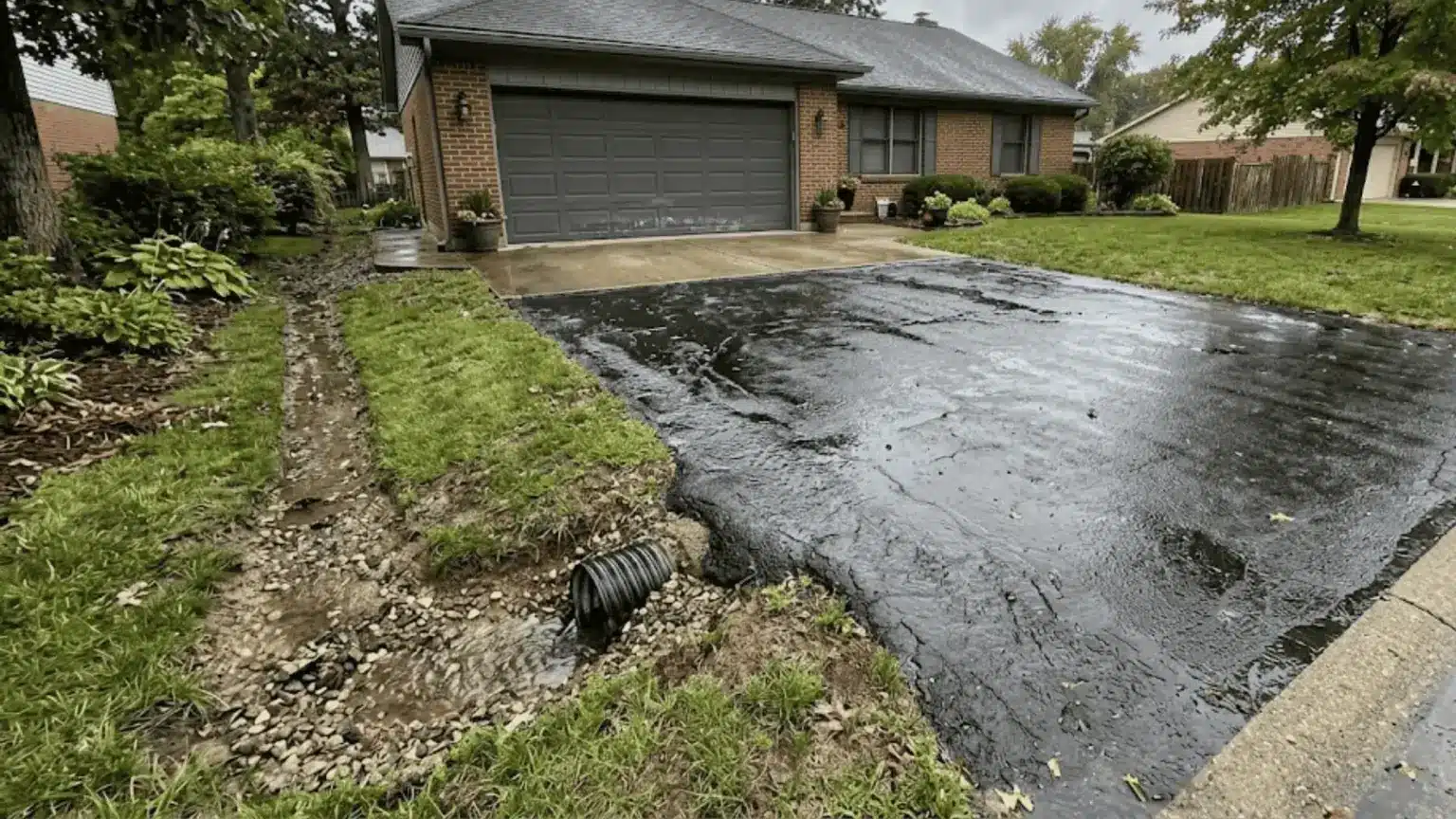
Heavy rainfall or poorly draining soil can increase the need for a pipe. If a driveway slopes toward a garage or home, a pipe can help redirect water.
Without it, water can cause erosion, flooding, and damage to the driveway over time.
When You Don’t Need a Drain Pipe
You may not need a drain pipe if your driveway already handles water well with a simple design.
A proper slope, usually around 1–2%, can guide water away without additional systems. If runoff flows into a lawn, gravel area, or nearby landscaping, that often provides enough drainage.
Short or flat driveways with good grading can also manage water without problems.
Many modern driveways rely on careful grading rather than installing pipes.
Skipping a drain pipe when it is not needed can also save on materials and installation costs while still keeping the driveway protected from water damage.
Common Driveway Drainage Alternatives (Besides Pipes)
There are several simple ways to manage water on a driveway without using a drain pipe. These methods help move water away from the surface, preventing pooling and damage.
- Sloping and Grading: This is the first and most important step. A slight slope helps water flow off the driveway rather than collect on it.
- Channel or Trench Drains: These are installed across the driveway to catch surface water and quickly direct it away.
- French Drains: These use gravel and a perforated pipe to move water underground and away from problem areas.
- Catch Basins: These are installed at low points to collect water and guide it into a drainage system.
In many cases, using more than one of these methods together gives better results and helps keep the driveway in good condition over time, especially during heavy rain and changing weather conditions.
What Happens If Your Driveway Has Poor Drainage
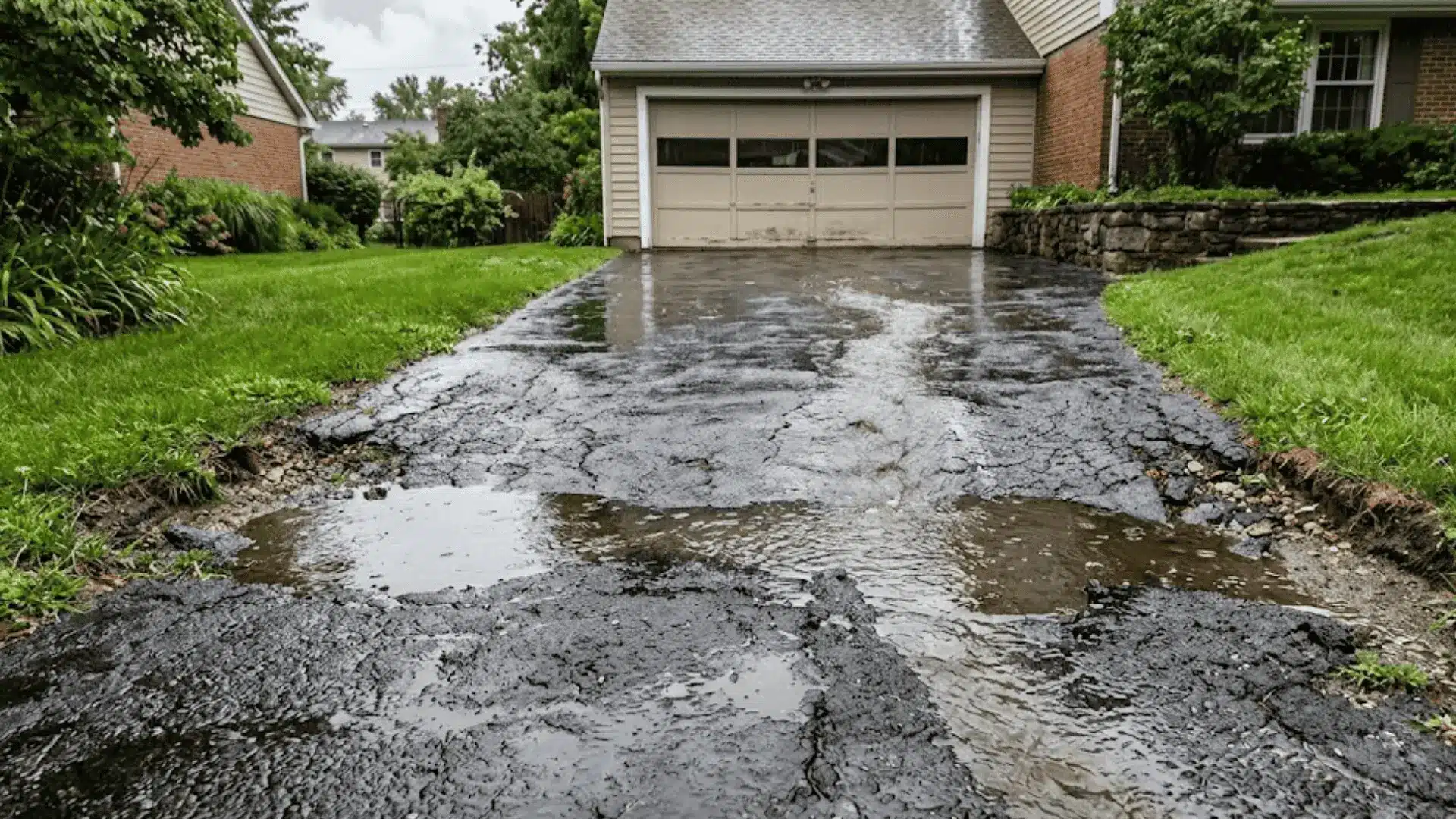
Poor drainage can cause several problems for your driveway over time. When water collects on the surface, it can lead to cracks, potholes, and erosion.
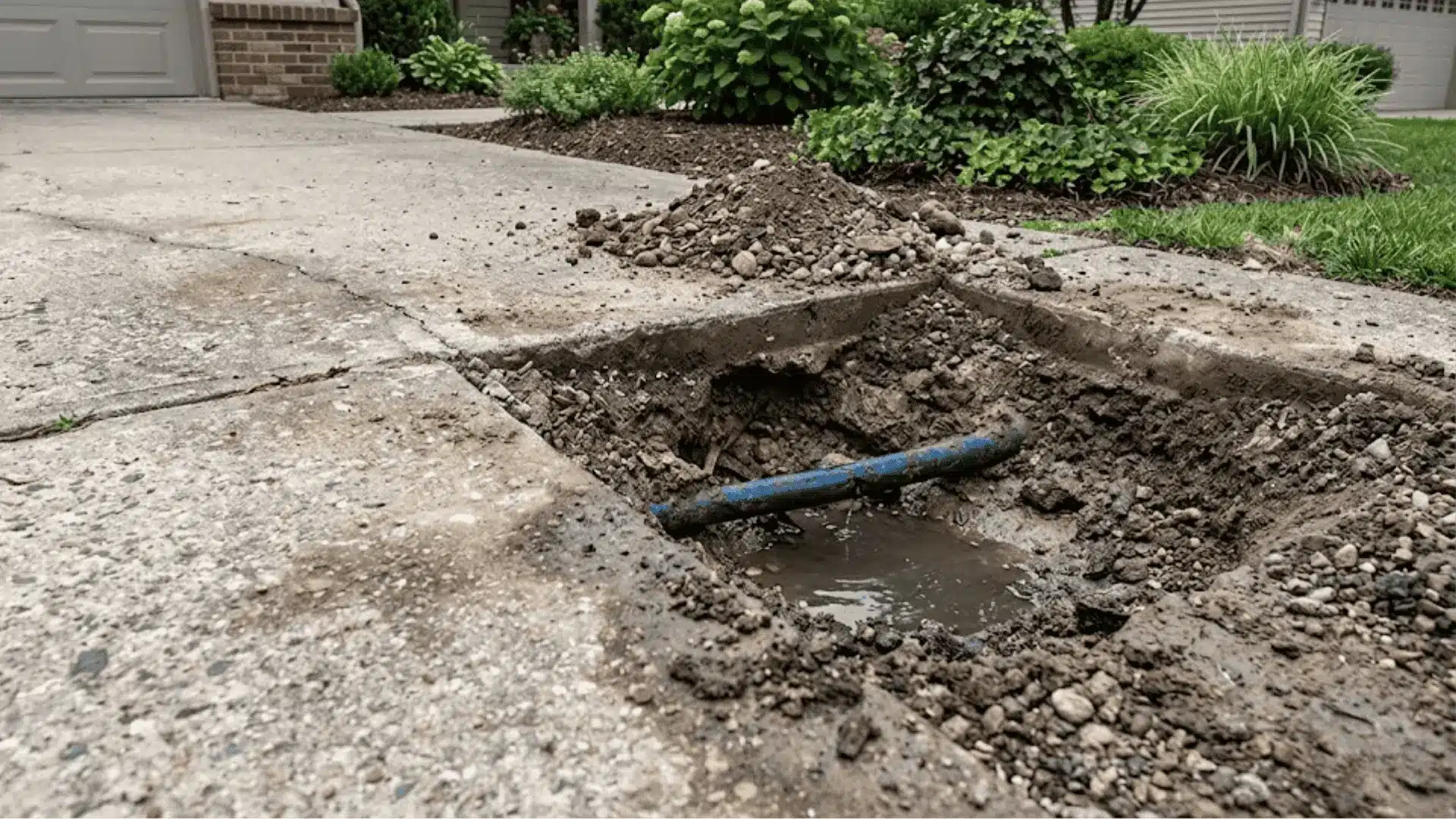
This weakens the structure and shortens the life of the driveway. Water can also seep into the base layer, causing further damage underneath, sometimes leading to a water leak under the driveway.
In some cases, it may even flow toward your garage or home, leading to unwanted water inside.
There are also safety concerns, as standing water can make the surface slippery and unsafe to walk or drive on. Fixing drainage issues early can help avoid costly repairs later and keep the area safer.
How to Decide What Your Driveway Needs?
Figuring out the right drainage setup does not have to be complicated. A few simple checks can help you understand what your driveway needs and what problems to fix first.
- Check for Pooling: Look for spots where water sits after rain instead of draining away.
- Watch Water Flow: See if water moves toward your house or garage, which can cause damage.
- Look at the Slope: A flat or poorly graded driveway often needs correction to guide water away.
- Check for Ditches or Low Areas: If water needs to pass under the driveway, a pipe may be required.
- Start Simple First: Fix the slope, then add surface drains if needed, before using a pipe.
Planning drainage early can save money and prevent bigger problems later. A simple fix now is often easier than dealing with major repairs, long-term damage, and higher costs in the future.
Final Thoughts
A drain pipe is not required for every driveway, but proper drainage is something you cannot ignore.
In many cases, a simple slope or surface solution is enough to move water away. Still, some driveways need extra support, especially when water must pass beneath or flow across the surface.
Paying attention to early signs like pooling or poor runoff can help you choose the right fix before problems grow. Taking the time to plan your drainage can protect your driveway and save money over time.
If you have seen drainage issues, feel free to share your experience or questions in the comments below.