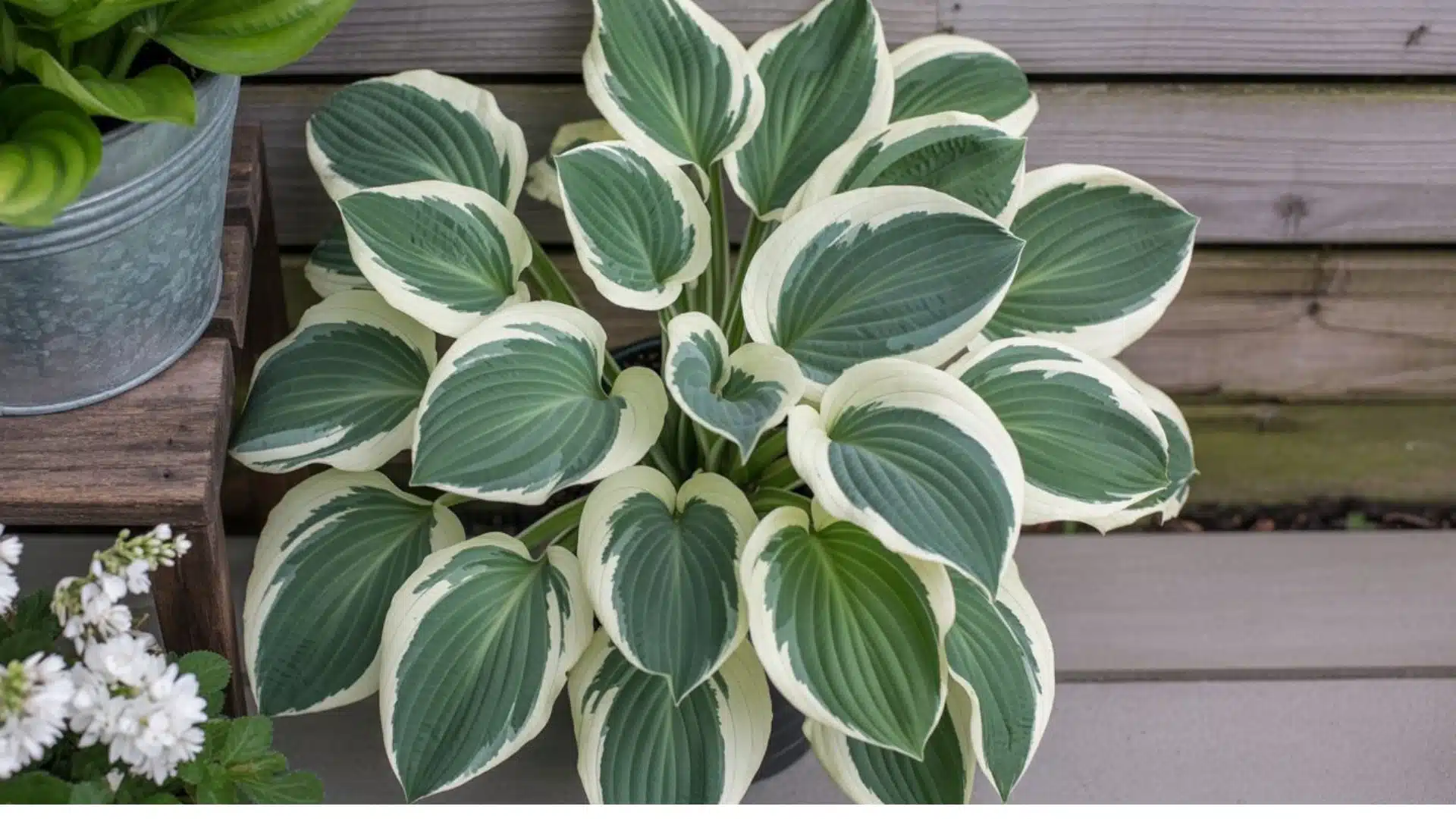
Watching hostas collapse and turn brown in the fall can be unsettling if you have never grown them before.
One day, the plant is full and leafy. A few weeks later, the ground looks completely bare. It is easy to assume something went wrong.
The good news is that nothing went wrong. Hostas come back every year. They are perennials, and what you are seeing in the fall is exactly what a healthy plant is supposed to do.
This post covers how their growth cycle actually works, when to expect new shoots in spring, and what can genuinely prevent them from returning. You will no longer have to guess.
Do Hostas Come Back Every Year?
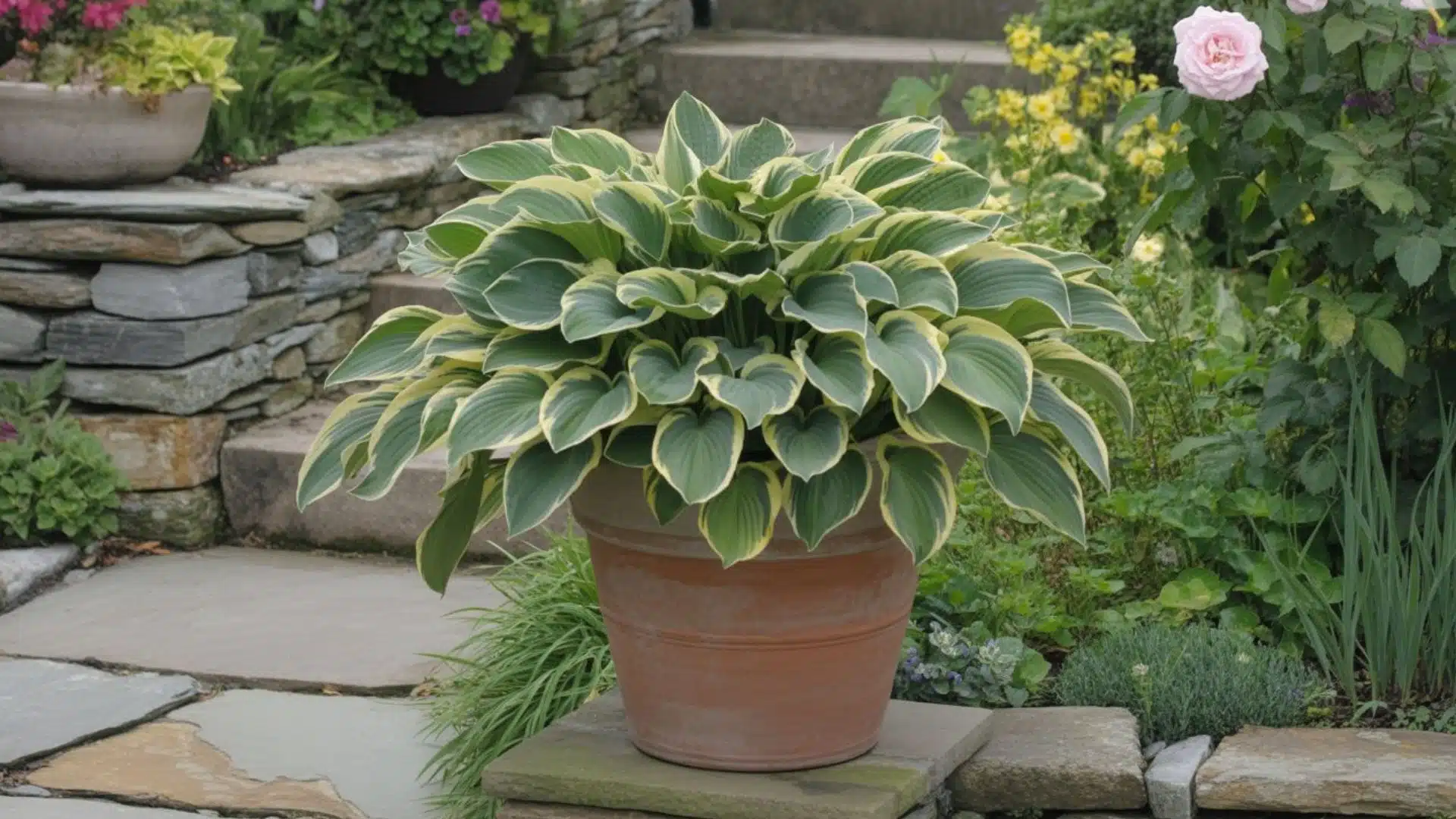
Hostas are herbaceous perennials. Every fall, the leaves die back to the ground. Every spring, fresh growth returns from the same root system. You plant them once, and they keep coming back on their own.
The roots are thick and fleshy. They store nutrients underground through the cold months. This is what funds the new leaves you see each spring.
Many gardeners who are new to hostas panic when they see the plant go completely flat in late fall, but that collapse is just the start of dormancy.
What happens to hostas in winter and how they behave during the cold months are normal parts of the cycle, not signs that the plant is gone.
Most hostas live for 20 to 30 years when given decent conditions. Some well-established clumps have lasted over 50 years without being replanted. That kind of return on a single planting is hard to beat.
How do Hostas Grow Bigger Each Year?

Hostas follow a predictable pattern that many gardeners describe as “sleep, creep, leap.”
In year one, the plant sleeps. It puts most of its energy into establishing a root system rather than producing big leaves. Do not judge a newly planted hosta by its first season.
This is also the stage where knowing the basics of caring for hostas pays off, since getting soil, light, and water right from the start sets up stronger growth in the years ahead.
In year two, it creeps. The clump begins to widen slightly. Leaf size improves.
By year three and beyond, it leaps. The plant fills out to its full mature size and starts to look the way it is supposed to.
Vigorous varieties reach their mature spread in three to five years. Large or slow-growing types take longer. The key point is that hostas reward patience. Each year is an improvement on the last.
When to Expect Hostas Back in Spring?
New growth typically appears in mid-spring. The timing depends more on soil temperature than air temperature. Most varieties begin to stir when the soil two inches down reaches around 45°F for a few days in a row.
Here is a general guide by zone:
| USDA Zone | When New Shoots Appear |
|---|---|
| Zone 3 to 4 | Late April to May |
| Zone 5 to 6 | Mid to late April |
| Zone 7 to 8 | March to early April |
| Zone 9 | Late February to March |
Different varieties in the same garden can emerge several weeks apart. Some push up early, risking a late frost. Others wait for the soil to warm before appearing.
If one plant is slower than another, that is not unusual. Give it until late spring before assuming a problem.
Reasons Hostas Sometimes Do Not Return
Hostas are reliable, but when they do not return, it is almost always due to one of three things: underground pest damage, the crown being pushed out of the soil, or roots sitting in water for too long during winter.
1. Vole and Mouse Activity
These animals tunnel through soil during winter and feed on hosta roots. Heavy feeding can completely destroy the crown. Check your garden for tunneling in the fall.
Trapping and removing voles before the ground freezes gives the roots a much better chance of surviving.
2. Frost Heaving
Repeated freezing and thawing push plant crowns up and out of the soil. An exposed crown has little protection against hard, cold.
This is most common in zones where temperatures swing up and down through winter rather than staying consistently frozen.
3. Root Rot From Poor Drainage
Waterlogged soil in winter rots the roots. Hostas need moisture, but cannot sit in standing water. If your planting area stays wet for long periods, improving drainage before winter helps more than anything else.
What to Do When Hostas Get Too Big?
Because hostas come back every year and grow a little larger each time, established clumps eventually get crowded. When a clump is too dense, airflow drops, leaf quality suffers, and the center of the plant can start to look weak.
Dividing overcrowded clumps every five to seven years fixes this. Here is how to do it:
- Dig up the entire clump in early spring before leaves fully open, or in early fall
- Use a sharp spade to cut the clump into sections
- Make sure each section has a portion of roots and at least one growing tip
- Replant divisions at the same depth they were originally growing
- Water each division well after replanting
- Space new plants apart at a distance equal to their mature width
This also gives you more plants to fill other shady spots without spending anything. The divisions settle in quickly and follow the same sleep, creep, leap pattern as the original plant.
Wrapping Up
Hostas come back every year because that is what their biology is designed to do. The disappearing act in fall is not a warning sign. The roots are alive underground, resting and storing energy for the next season.
As long as the crown survives winter in good shape, you will see new growth push up each spring.
Voles, poor drainage, and frost heaving are the main reasons that do not happen. Staying on top of those three things gives your hostas the best chance of returning stronger each year.
Plant them once, take reasonable care of them, and they will reward you with bigger, better growth for decades.
Growing hostas for the first time? Share your experience in the comments below.