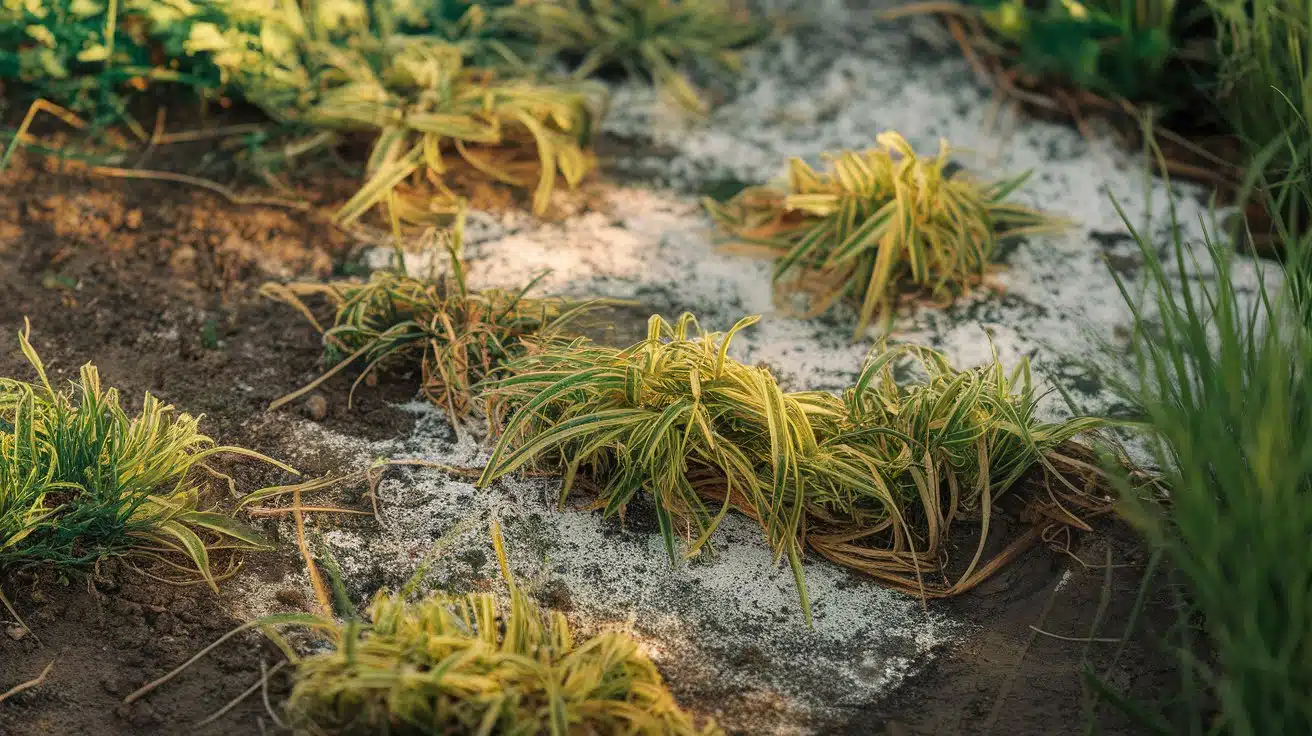

Arugula’s peppery bite and fast growth make it one of my favorite greens to grow at home.
But despite how hardy it seems, arugula can be surprisingly sensitive.
It bolts quickly in heat and attracts pests such as flea beetles and aphids.
That’s where companion planting comes in.
Choosing the right neighbors for arugula can strengthen its growth, keep pests away, and make better use of your garden space.
Here, I’ll share which plants grow well with arugula and which to avoid for healthy greens all season.
What Is Companion Planting?
Arugula companion plants create a balanced garden by naturally reducing pest problems and improving growth conditions.
Some plants can protect their neighbors from pests, while others make the soil healthier or offer shade to keep the ground cool.
It’s an old gardening method that helps plants stay strong naturally without using chemicals or pesticides.
15 Best Companion Plants for Arugula
Here are some of the best arugula companion plants that can be grown alongside it to improve growth and reduce pest problems.
Each of these plants offers unique benefits to your garden.
1. Bush Beans
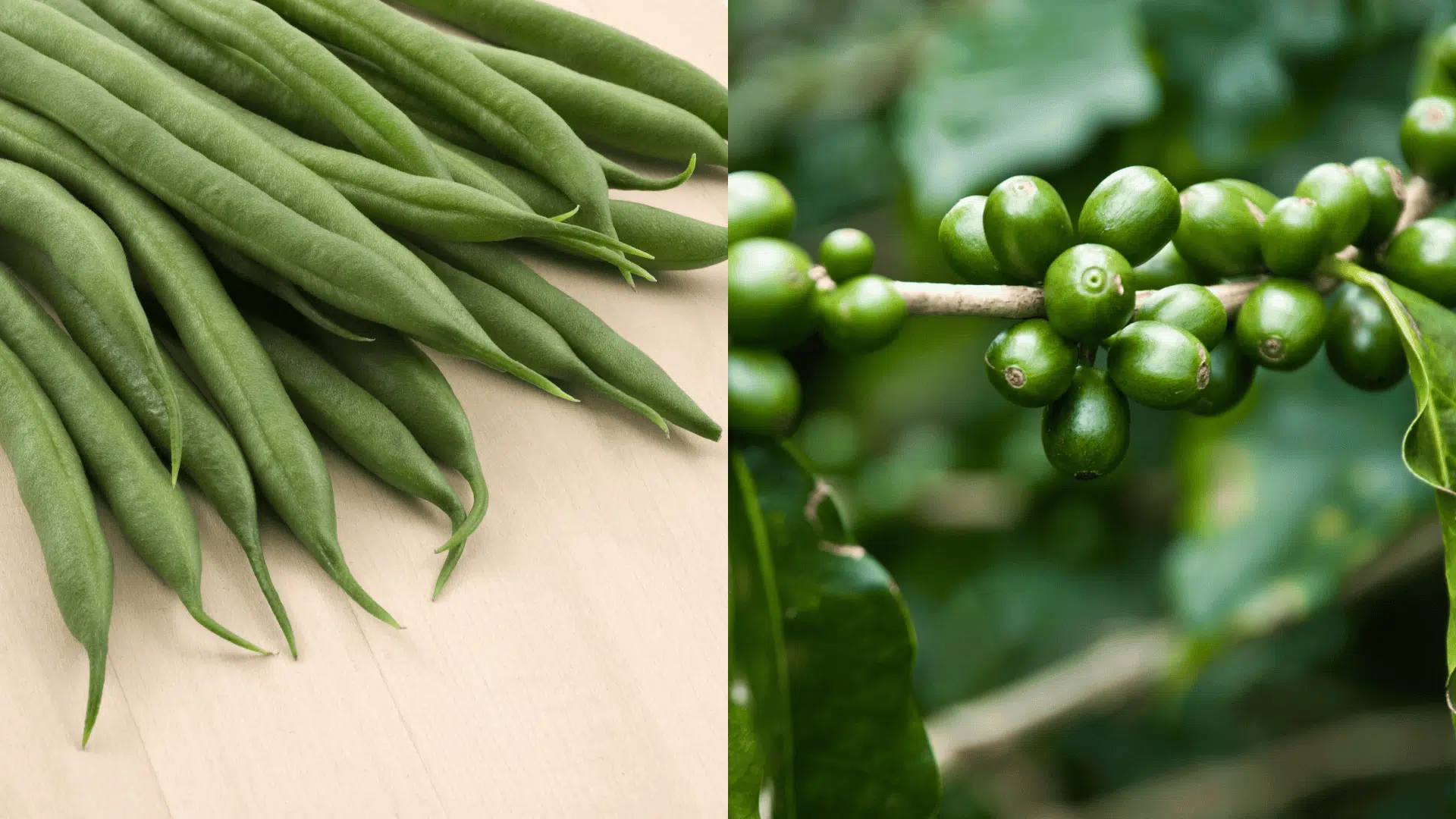
Bush beans improve the soil with natural nutrients that support arugula growth.
They offer gentle shade and keep the ground cooler during warm days.
This creates a balanced environment that helps arugula grow evenly and produce soft, fresh leaves.
| Botanic Name | Phaseolus vulgaris |
| Light | Full sun |
| Mature Size | 12–24 inches tall |
2. Alliums (Onions, Garlic, Chives)

Alliums such as onions, garlic, and chives give off strong scents that confuse aphids and whiteflies.
Their roots grow at a different depth, so they do not compete with arugula.
Planting them nearby creates a natural, simple barrier that keeps bugs away.
| Botanic Name | Allium spp. |
| Light | Full sun |
| Mature Size | 12–24 inches tall |
3. Swiss Chard
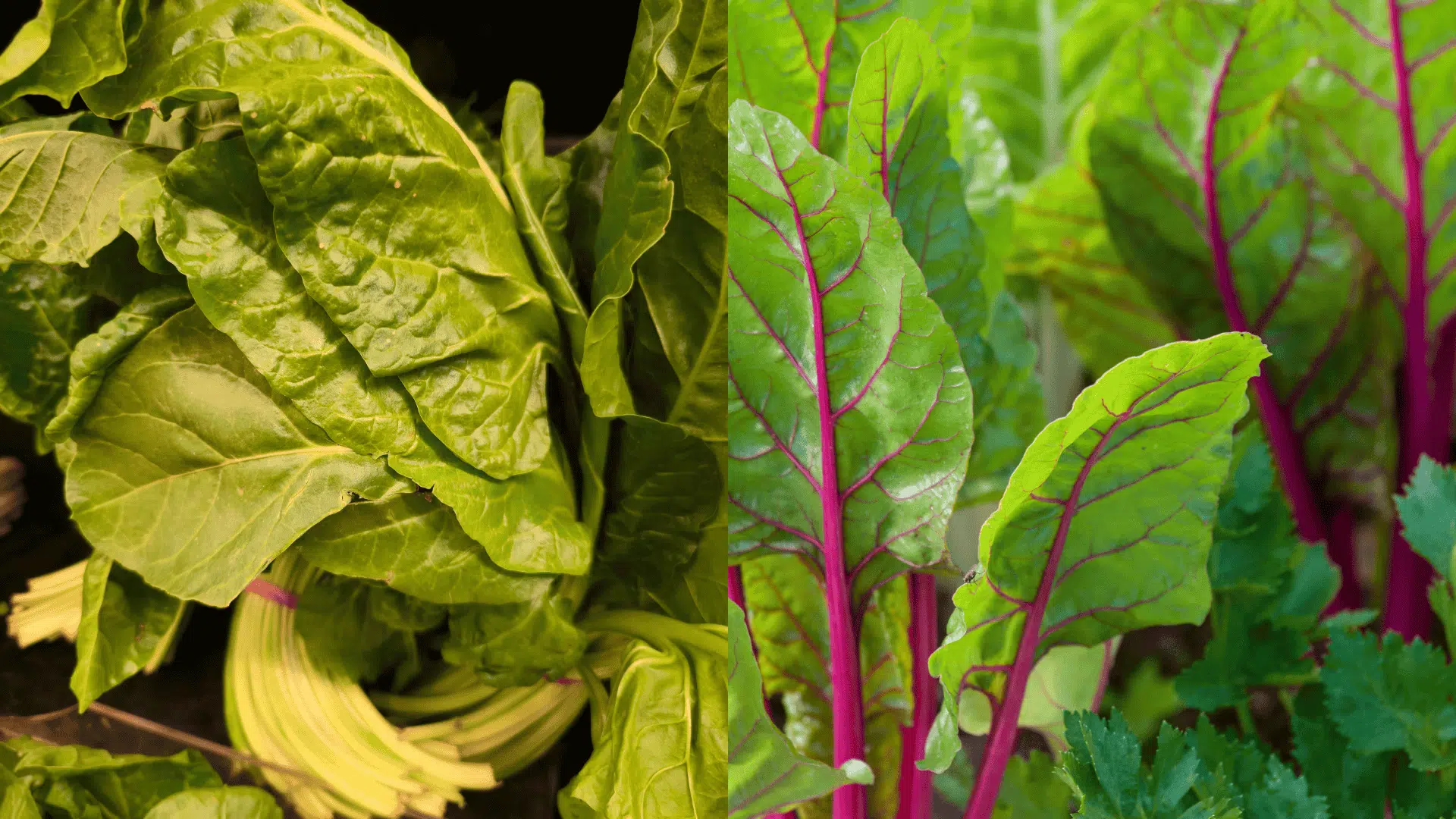
Swiss chard grows tall and gives light shade that protects arugula from strong sunlight.
It helps the soil stay cool and moist while preventing dryness in warm weather.
Both plants enjoy similar growing conditions and help each other thrive naturally.
| Botanic Name | Beta vulgaris subsp. cicla |
| Light | Full sun to partial shade |
| Mature Size | 12–24 inches tall |
4. Spinach

Spinach grows low and spreads across the soil, covering empty spots and holding moisture.
It keeps the soil cool, reduces weeds, and protects arugula roots from heat.
Both plants grow well together and share water easily, keeping leaves soft and green.
| Botanic Name | Spinacia oleracea |
| Light | Full sun to partial shade |
| Mature Size | 6–12 inches tall |
5. Lettuce
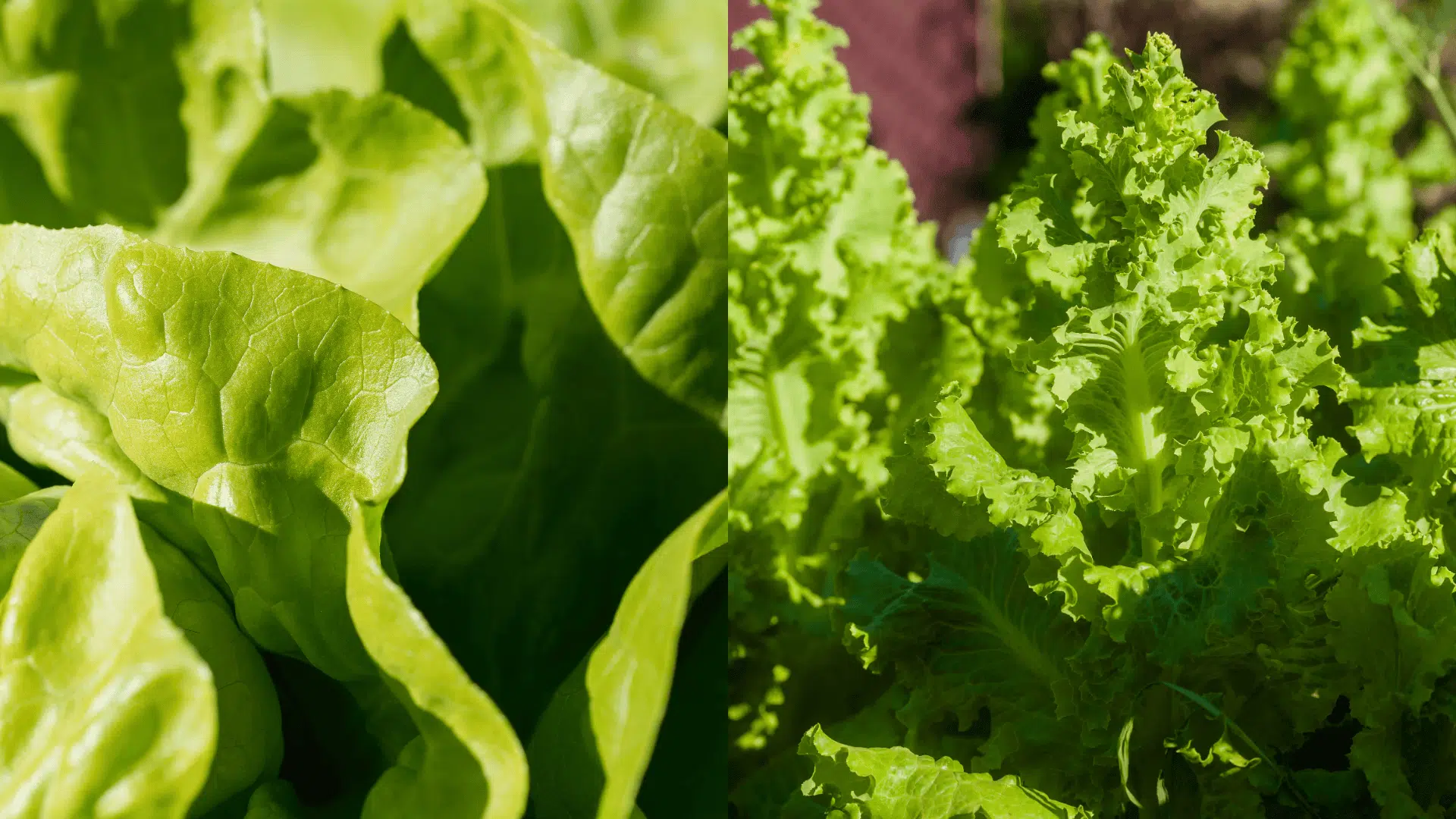
Lettuce makes a leafy cover that shades arugula from strong sunlight.
It helps prevent early flowering and keeps arugula leaves soft and mild.
Both plants have similar watering needs, which makes them easy to grow together.
| Botanic Name | Lactuca sativa |
| Light | Full sun to partial shade |
| Mature Size | 6–12 inches tall |
6. Carrots

Carrots grow deep under the soil and do not compete with arugula for space.
Their green tops block strong sunlight and protect arugula from heat.
This helps the leaves stay fresh and grow at a steady pace.
| Botanic Name | Daucus carota subsp. sativus |
| Light | Full sun |
| Mature Size | 6–12 inches long |
7. Beets

Beets have long roots that draw nutrients from deep soil layers, improving the garden’s overall balance.
Their broad leaves give shade and help the soil retain moisture during hot days.
Planted together, arugula and beets create a garden space that stays cool and nourished.
| Botanic Name | Beta vulgaris |
| Light | Full sun to partial shade |
| Mature Size | 12–18 inches tall |
8. Cucumbers

Cucumbers have wide leaves that make natural shade for arugula and block harsh sunlight.
They help the soil stay damp, protecting arugula from heat and drying.
Together, they form a refreshing and balanced environment that works well in warm climates.
| Botanic Name | Cucumis sativus |
| Light | Full sun |
| Mature Size | 1–2 feet tall, vines 6 feet long |
9. Borage

Borage attracts bees and helpful insects that control pests like aphids and flea beetles.
Its strong roots improve soil structure and drainage, while its large leaves provide soft shade.
This friendly plant keeps the garden healthy and helps arugula grow stronger.
| Botanic Name | Borago officinalis |
| Light | Full sun |
| Mature Size | 18–36 inches tall |
10. Dill

Dill attracts ladybugs and lacewings that eat aphids, keeping arugula leaves pest-free.
Its feathery leaves let light through while still providing gentle shade.
Dill and arugula make great companions in gardens where warmth and insects are common.
| Botanic Name | Anethum graveolens |
| Light | Full sun |
| Mature Size | 2–4 feet tall |
11. Parsley
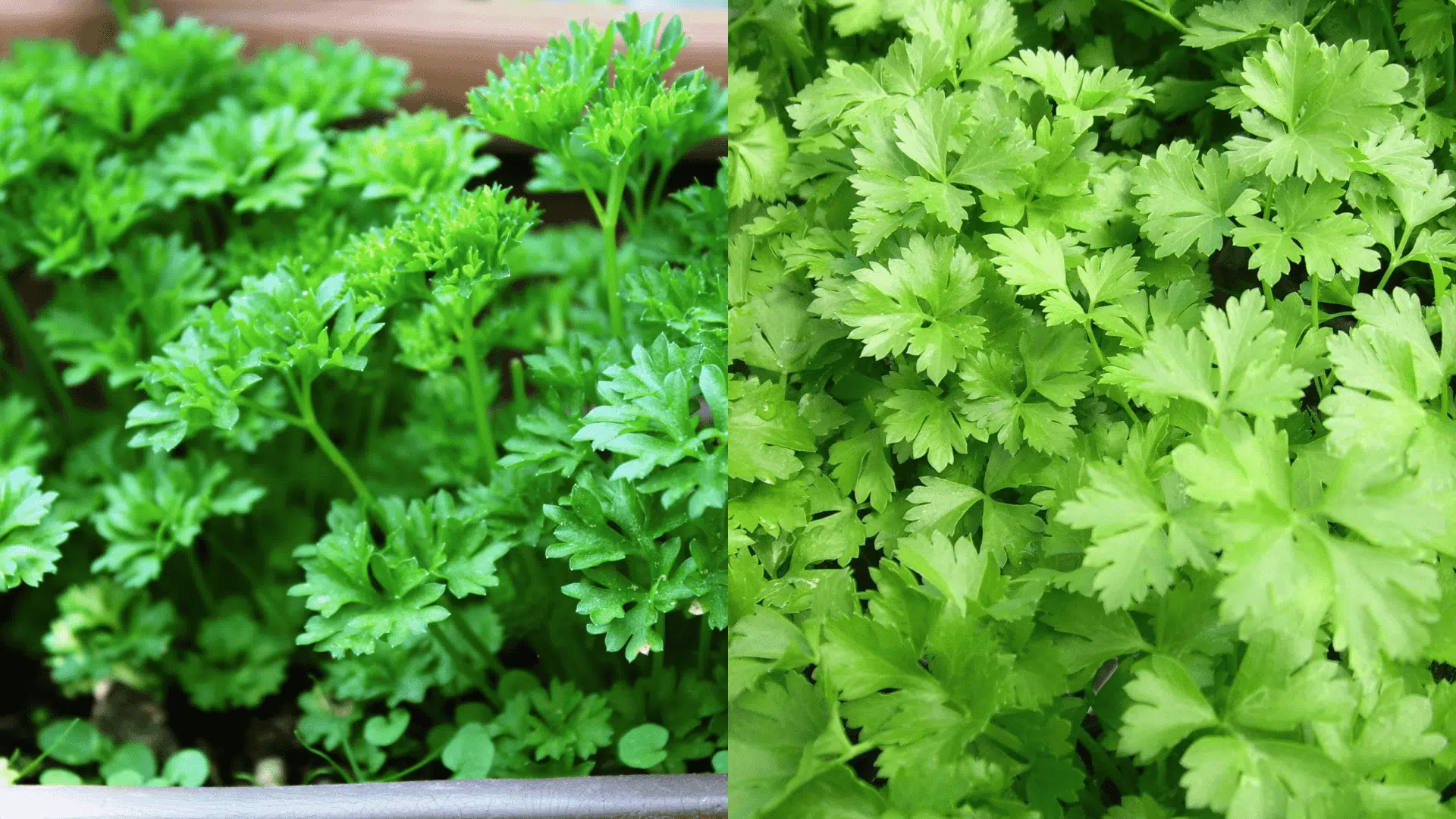
Parsley grows in small bunches that keep weeds down and hold soil moisture.
It attracts pollinators and useful insects while helping arugula grow evenly.
Their roots work together to keep the soil soft and healthy.
| Botanic Name | Petroselinum crispum |
| Light | Full sun to partial shade |
| Mature Size | 10–12 inches tall |
12. Coriander (Cilantro)
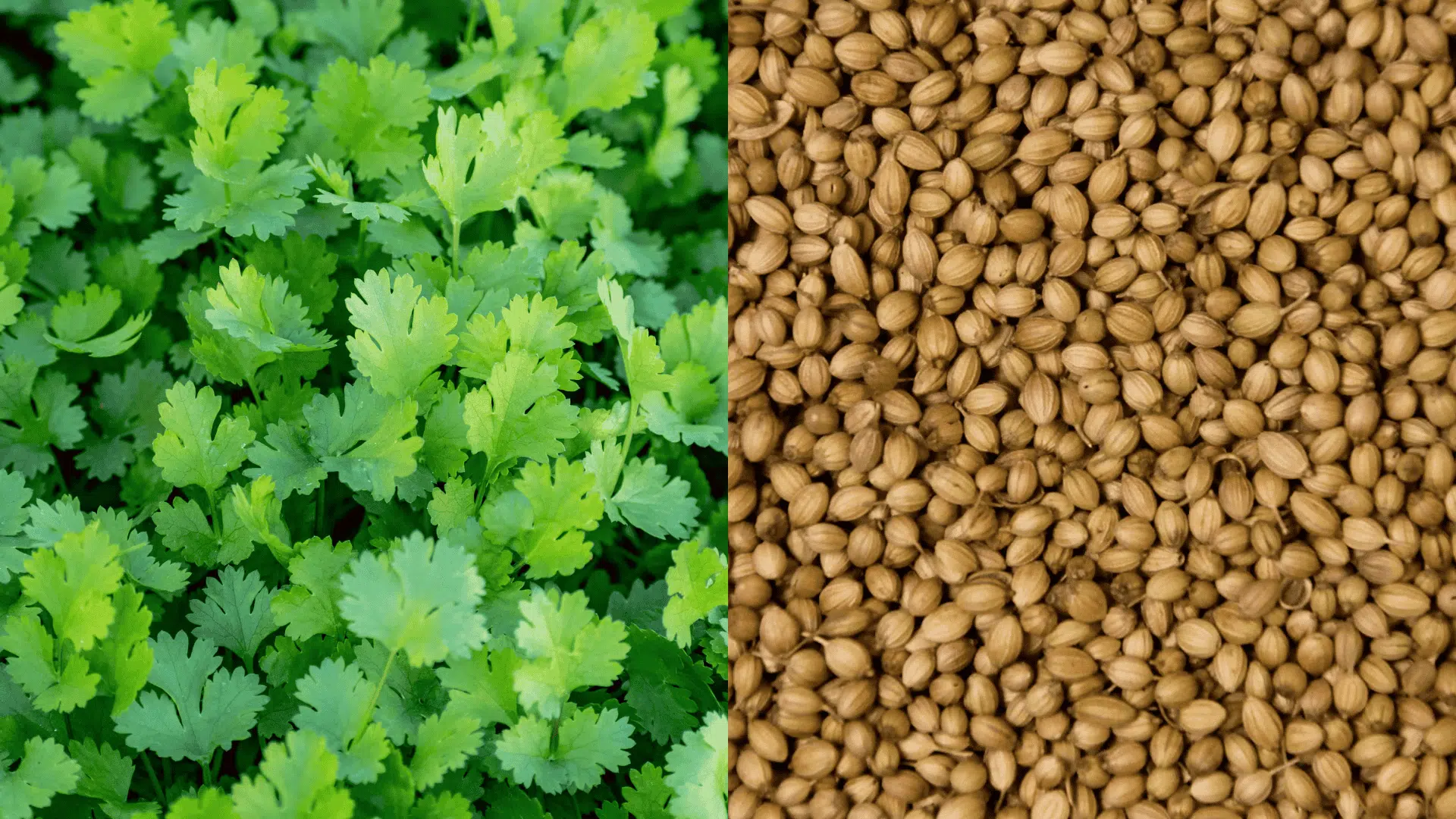
Coriander has a strong scent that keeps away garden pests and attracts pollinators.
It grows quickly and mixes well with arugula without competing for space.
Both plants stay green and fresh longer when grown together in cool soil.
| Botanic Name | Coriandrum sativum |
| Light | Full sun to partial shade |
| Mature Size | 12–24 inches tall |
13. Mint

Mint’s scent keeps bugs like aphids away from arugula.
It grows best in containers placed near arugula beds.
This stops it from spreading too much and still gives pest protection.
| Botanic Name | Mentha spp. |
| Light | Full sun to partial shade |
| Mature Size | 12–24 inches tall |
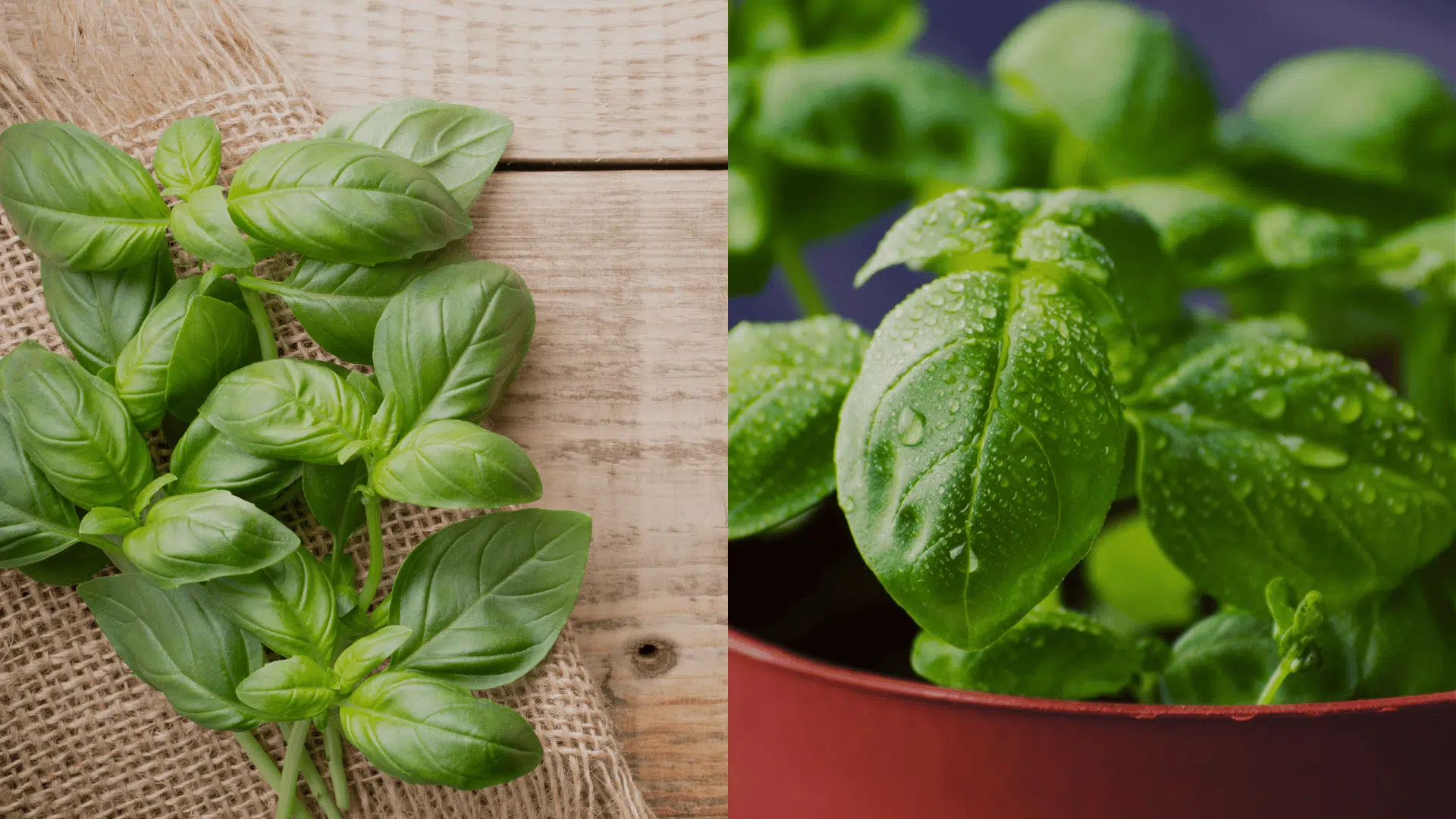
14. Basil

Basil repels harmful insects and attracts pollinators that help the garden thrive.
It also improves the taste and aroma of nearby greens like arugula.
Planting them together builds a healthy, flavorful garden with vibrant growth.
| Botanic Name | Ocimum basilicum |
| Light | Full sun |
| Mature Size | 12–24 inches tall |
15. Thyme
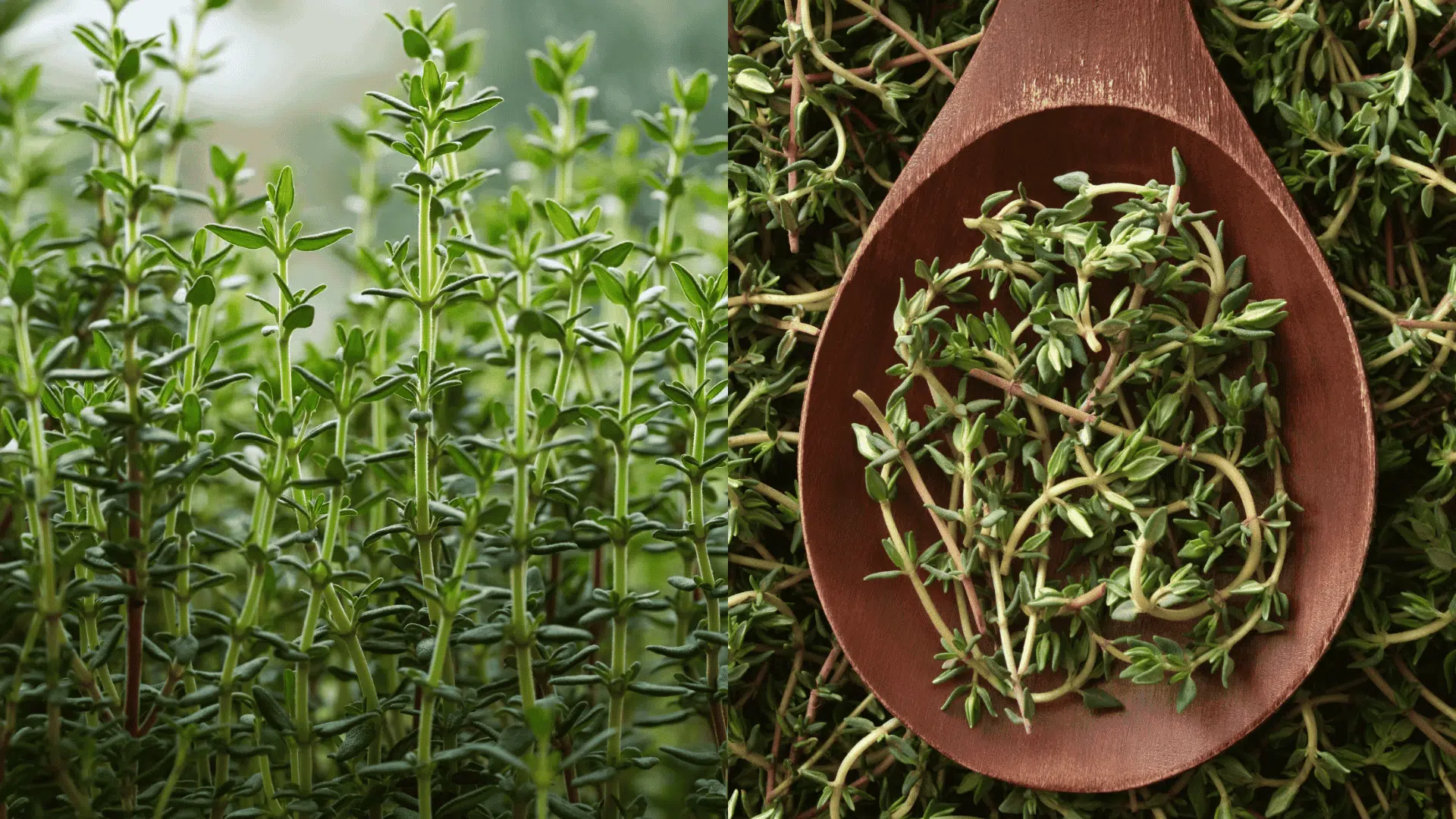
Thyme spreads across the soil and acts as a natural ground cover that keeps it moist.
Its scent drives away small pests while limiting weeds.
This herb helps arugula stay healthy, clean, and full of life even after rain.
| Botanic Name | Thymus vulgaris |
| Light | Full sun |
| Mature Size | 6–12 inches tall |
What Not to Plant with Arugula (Avoid These)

Some plants compete for the same nutrients or attract pests that can harm arugula companion plants.
Keeping these plants away will help your arugula grow stronger and healthier.
1. Cabbage: Attracts the same pests as arugula, including cabbage worms and flea beetles that spread quickly and harm tender leaves.
2. Broccoli: Competes for soil nutrients and attracts similar insects, slowing arugula’s growth and reducing leaf size.
3. Cauliflower: Belongs to the same plant family as arugula, sharing common pests and increasing the risk of infestations.
4. Strawberries: Spreads quickly and crowds arugula plants, limiting airflow and sunlight, which can cause mold and leaf diseases.
5. Peppers: Prefers hot, dry soil that stresses arugula and attracts pests suited to those conditions.
Pest Control and Maintenance Tips
Arugula grows best when protected from pests and maintained with consistent care.
Below is a simple table that shows which companion plants help keep pests away and how they benefit arugula’s growth.
| Companion Plant | Main Pest Controlled | Benefit for Arugula |
|---|---|---|
| Basil | Aphids, beetles | Improves growth and keeps pests away |
| Mint | Flea beetles, aphids | Repels pests naturally and keeps nearby soil cool |
| Dill | Aphids | Brings helpful insects that eat pests |
| Borage | Flea beetles | Draws pollinators and deters pests through scent |
| Alliums | Aphids, whiteflies | Blocks insects with its strong smell |
| Thyme | Small flying insects | Covers soil and keeps pests away with its aroma |
Conclusion
You have now learned how arugula companion plants can make a big difference in growing healthy arugula.
Pairing it with plants like basil, dill, and alliums not only reduces pests but also enriches the soil, creating an environment where greens thrive naturally.
Companion planting keeps the garden balanced and helps plants grow naturally without using chemicals.
It’s a simple yet powerful way to make gardening more rewarding while protecting your crops.
Try these arugula companion planting ideas in your next growing season and share your results or tips in the comments below.
Frequently Asked Questions
Does Arugula Need Full Sun?
Arugula grows best in partial sunlight. Too much direct sun can make it bolt early, while light shade keeps it cool and tender.
Can I Grow Arugula with Tomatoes?
Yes, arugula grows well with tomatoes. Tomatoes provide shade that helps prevent arugula from wilting and bolting in hot weather.
How Far Apart Should you Plant Arugula?
Plant arugula about six inches apart. This spacing gives each plant enough room for airflow, preventing overcrowding and reducing the chance of disease.