
Small flies around your houseplants can quickly turn into a constant annoyance. They hover near the soil, show up after watering, and make indoor plants harder to enjoy.
Many people try random sprays or traps, but still deal with the same problem weeks later.
Simple changes in watering, soil care, and plant maintenance can make a noticeable difference.
If you are looking for how to get rid of gnats in plants, you will learn practical ways to clear out gnats, keep plants healthier, and reduce the chances of another infestation starting indoors.
What Are Plant Gnats?
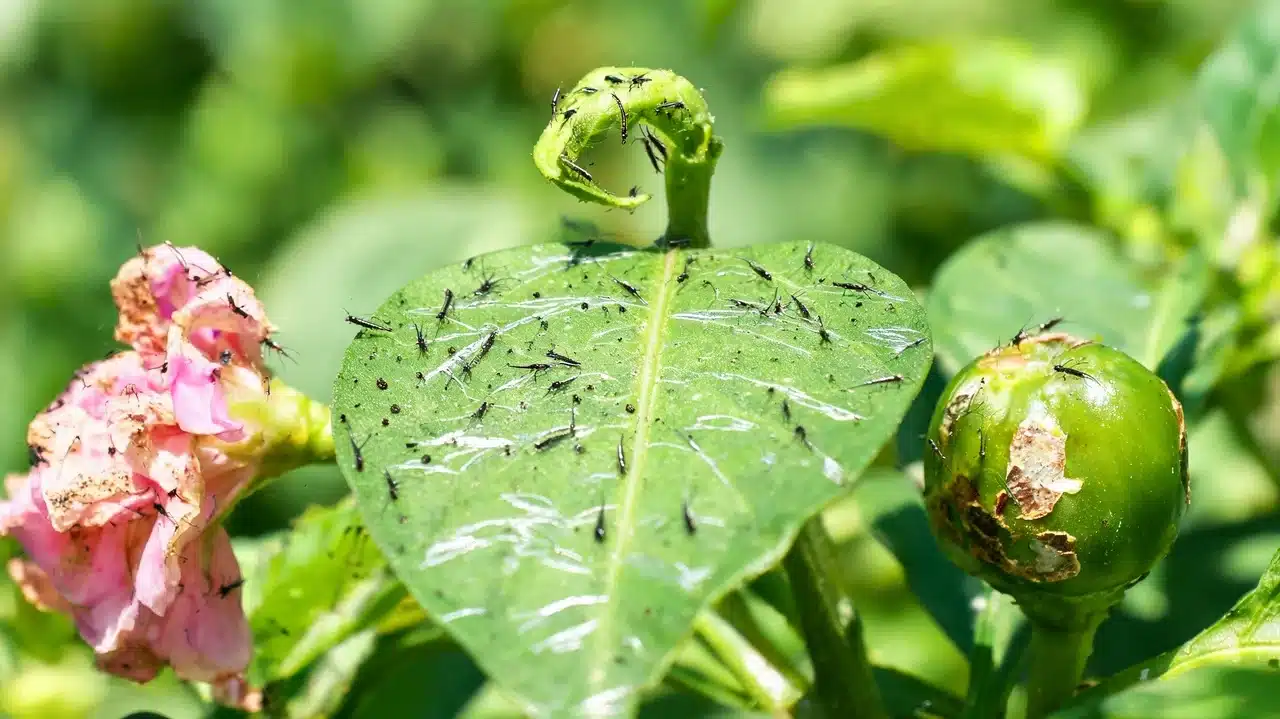
Fungus gnats are tiny, dark-colored flying insects that hover around the soil of indoor plants. They are most active when the potting soil stays damp for too long.
These insects are very small, about 1/8 inch in size, and are often mistaken for fruit flies. The key difference is that fungus gnats stay close to plant soil rather than food.
Adult gnats are mostly just annoying. They do not bite or damage plants directly, but their larvae in the soil are a different story altogether.
Gnat larvae feed on plant roots and organic matter in the soil. This can slow down growth and cause your plant to wilt, even when you are caring for it regularly.
Why Do Plants Get Gnats?

Gnats do not appear randomly. They are almost always a sign that something in your plant’s environment is giving them the perfect conditions to breed and multiply.
Here are the main reasons gnats show up in your plants:
- Overwatering – Wet soil is the number one reason gnats appear. They breed quickly in soil that never fully dries out between waterings.
- Damp topsoil – Even if the deeper soil is dry, a constantly wet surface layer is enough to attract adult gnats looking for a place to lay eggs.
- Organic matter in soil – Gnats feed on decomposing material in potting mix. Rich, organic soils give larvae plenty of food to survive and grow. Switching to a well-draining soil mix with better drainage balance can reduce the conditions gnats depend on.
- Poor drainage – Pots without drainage holes trap water at the bottom. This keeps the entire soil wet for longer, making conditions ideal for gnats.
- New plants or contaminated potting mix – Gnats can hitchhike on new plants or inside bags of potting soil that were stored in damp conditions.
How to Get Rid of Gnats in Plants Fast: Home Remedies
Getting rid of gnats takes a two-step approach. You need to stop adults from multiplying while also killing the larvae already living inside the soil.
These methods work best when used together. Start with the basics and add more treatments if the problem keeps coming back.
1. Let the Soil Dry Out

Fungus gnats cannot survive without moisture. Letting the soil dry out is the simplest and most effective first step you can take right away.
Before watering again, stick your finger about 1 to 2 inches into the soil. If it still feels damp, wait another day or two before watering.
2. Use Yellow Sticky Traps

Yellow sticky traps are an easy way to catch adult gnats without using any chemicals. They work by attracting gnats to the color yellow.
Place the traps close to the soil surface or push them directly into the pot. This puts them right where adult gnats are most active.
3. Try Bottom Watering

Bottom watering means placing your pot in a tray of water and letting the soil soak it up from the bottom. The topsoil stays dry this way.
Dry topsoil makes it much harder for adult gnats to lay eggs. Over time, this alone can significantly reduce the number of new gnats appearing.
4. Treat the Soil With Hydrogen Peroxide

Hydrogen peroxide is a simple and affordable way to kill larvae hiding in the soil. It is safe for most plants when used correctly.
Mix it using this ratio:
| Ingredient | Amount |
|---|---|
| 3% Hydrogen Peroxide | 1 part |
| Water | 4 parts |
Pour the mix directly onto the soil until it drains from the bottom. Use this treatment once or twice, but avoid overusing it as it can affect healthy soil over time.
5. Use Mosquito Bits or BTI

BTI stands for Bacillus Thuringiensis Israelensis, a natural bacteria that kills fungus gnat larvae in the soil. It is safe for plants, pets, and humans.
Soak Mosquito Bits in water for 30 minutes, then use that water to feed your plant. The BTI gets carried into the soil and targets larvae directly.
6. Make an Apple Cider Vinegar Trap

An apple cider vinegar trap can help catch some of the adult gnats flying around your plants. It is easy to set up with things you already have.
Here is how to make one:
- Fill a small bowl with apple cider vinegar
- Add a drop of dish soap to break the surface tension
- Place it near your plant
Keep in mind that this works best as a supporting method. It will not solve the problem on its own, but it helps reduce the adult gnat population alongside other treatments.
Natural Ways to Get Rid of Gnats in Plants
Not everyone wants to use chemicals on their indoor plants. The good news is that several natural options work really well against gnats.
No single method will fix the problem completely on its own. These natural solutions give the best results when you combine two or more of them at the same time.
- Cinnamon on Soil Surface – Sprinkle a thin layer of ground cinnamon on top of the soil. Cinnamon has natural antifungal properties that can help reduce larval activity over time.
- Chamomile Tea Soil Drench – Brew a strong cup of chamomile tea and let it cool completely. Pour it onto the soil as a natural drench that helps fight fungal growth gnats depend on.
- Diatomaceous Earth – Sprinkle food-grade diatomaceous earth on top of the soil. This natural powder damages the outer layer of insects and helps kill adult gnats crawling near the surface.
- Neem Oil Soil Drench – Mix a few drops of neem oil with water and a small amount of dish soap. Pour it onto the soil to disrupt the life cycle of both larvae and adult gnats naturally.
- Sand or Gravel Top Dressing – Add a thin layer of coarse sand or small gravel on top of your potting soil. This makes the surface less appealing for adult gnats looking for a moist spot to lay eggs.
Sticking to natural methods takes a little more patience, but with consistent effort, you can get rid of gnats without using a single chemical product.
Should You Repot a Plant With Gnats?
Repotting is not always the first thing you need to do when you spot gnats. In most cases, simple soil treatments and watering changes are enough to fix the problem.
However, there are certain situations where repotting becomes the better option. If the infestation keeps coming back despite trying multiple treatments, the soil itself might be the issue.
| Sign | What It Means? | Should You Repot? |
|---|---|---|
| Soil Smells Bad | Soil has stayed too wet for too long and has started breaking down | Yes |
| Roots Are Rotting | Brown, mushy roots mean root rot has already set in and the soil needs to be replaced | Yes |
| Infestation Keeps Returning | Too much organic buildup in old soil keeps bringing gnats back | Yes |
| Soil Stays Wet Too Long | Old or compacted soil is not draining properly and holding too much moisture | Yes |
| Gnats appeared recently | A new or mild infestation that has not affected roots or soil health yet | No, treat first |
When repotting, always shake off as much old soil from the roots as possible. Plants with greater nutrient needs, such as lime trees that depend on proper fertilization, benefit especially from fresh soil that supports both growth and drainage.
How to Prevent Gnats From Coming Back?
Getting rid of gnats is only half the job. Without a few simple habits in place, they can easily find their way back into your plants within weeks.
1. Avoid Overwatering: Check the top 1 to 2 inches of soil before watering. Moisture-sensitive plants like blushing philodendrons are especially prone to root issues when overwatering becomes a habit.
2. Use Pots With Drainage Holes: Make sure every pot has at least one drainage hole. Standing water trapped inside a pot creates moist conditions that gnats love.
3. Remove Dead Leaves From Soil: Clear fallen or rotting leaves from the soil surface regularly. Dead organic matter is a direct food source for gnat larvae.
4. Quarantine New Plants: Keep new plants away from your other plants for at least one to two weeks. This stops gnats from spreading before you even notice them.
5. Store Potting Mix in a Sealed Container: Open bags of potting mix can attract gnats and harbor larvae. Store unused mix in a sealed bag or airtight container after opening.
6. Use Sticky Traps as Early Warning Signs: Keep yellow sticky traps near your plants, even without an active infestation. They help you catch a new gnat problem before it grows.
Consistency is what makes prevention work. These simple habits are far easier to keep up with than dealing with a full gnat infestation all over again.
Common Mistakes to Avoid
Many people treat gnats the wrong way and end up dealing with the same problem repeatedly. Avoiding these common mistakes can save you a lot of time and effort.
| Mistake | Why It Fails? | What To Do Instead? |
|---|---|---|
| Only Killing Flying Gnats | Larvae in the soil keep hatching new adults. | Treat the soil while catching adults. |
| Watering Too Often | Wet soil is where gnats breed. | Check soil before watering. |
| Ignoring Larvae | Larvae damage roots and keep the infestation going. | Use BTI, hydrogen peroxide, or neem oil. |
| Using Too Much Hydrogen Peroxide | Overuse damages soil health over time. | Use it once or twice at a 1 to 4 ratio. |
| Repotting Without Fixing Watering Habits | Gnats return quickly if overwatering continues. | Fix watering habits before or after repotting. |
Most gnat problems come down to a few repeating habits. Once you spot and correct them, keeping gnats away becomes much more manageable.
Conclusion
Getting rid of gnats in houseplants becomes easier when you know what causes them and how to stop them at the source.
By using simple care tips, better watering habits, and natural treatments, you can keep your plants healthier and your space free from pests.
Now that you know how to get rid of gnats in plants, take a closer look at your plant care routine and make small changes where needed. Regular soil checks and proper drainage can help prevent future infestations.
Try these tips with your plants, and share your results or questions in the comments below.
Frequently Asked Questions
How Long Does it take for Hydrogen Peroxide to Kill Fungus Gnats?
Hydrogen peroxide can kill fungus gnat larvae within a few hours, but it usually takes 1–2 weeks to fully reduce the infestation.
What Time of Year do Fungus Gnats Lay Eggs?
Fungus gnats can lay eggs year-round indoors, but they are most active in spring and summer.
What Month do Gnats Leave?
Gnats usually die off outdoors in late fall or winter when temperatures drop. Indoors, fungus gnats can stay active all year if the soil remains moist.