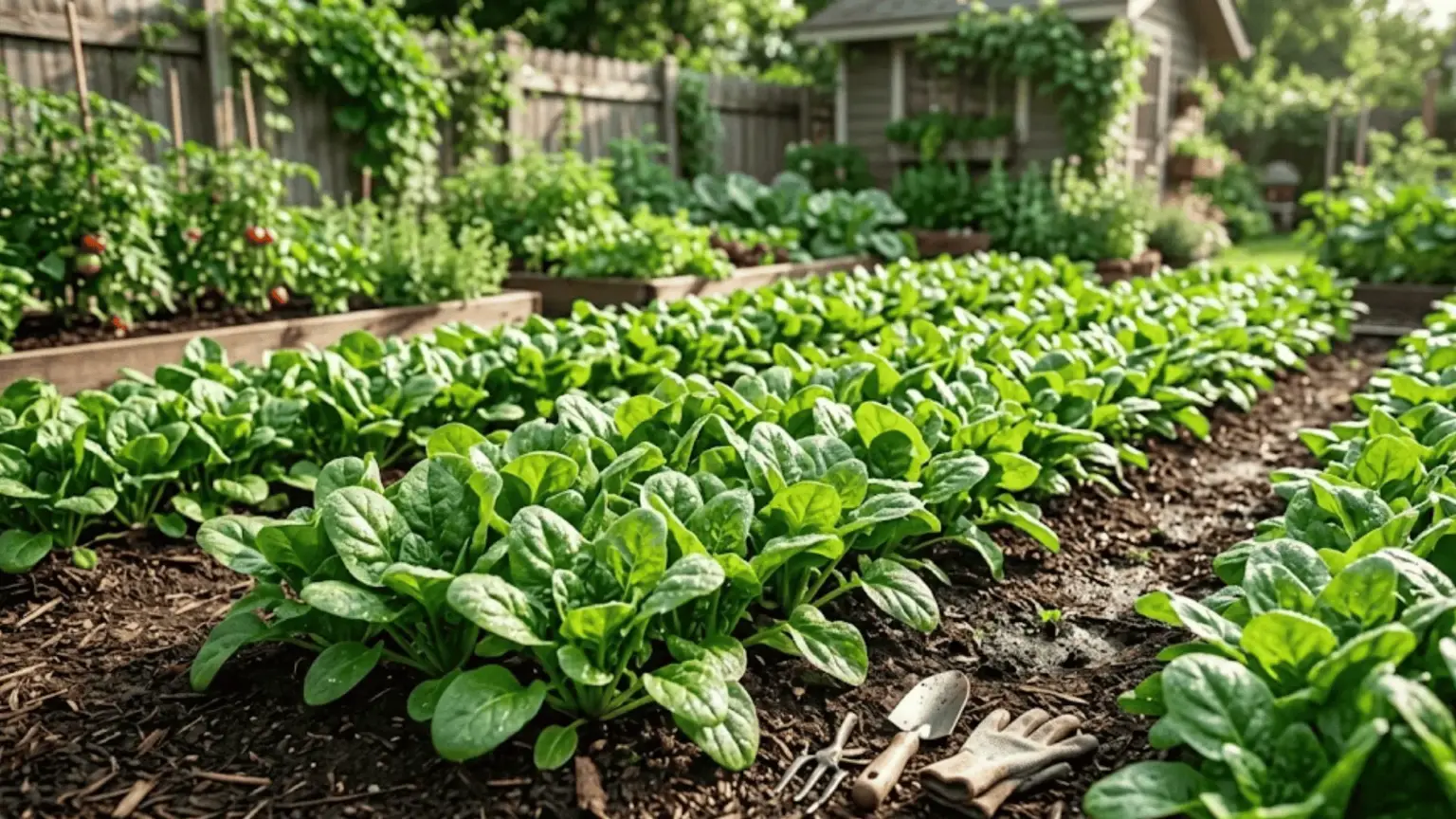
Spinach is one of the easiest and healthiest vegetables to grow at home.
Timing your planting is very important because spinach prefers cool weather and can quickly bolt when it gets too hot. Knowing the best months to sow seeds and how late you can plant helps ensure tender, leafy greens for your table.
Spring and fall offer the ideal growing windows, but local climate and frost dates also play a big role.
By understanding planting times, soil conditions, and climate factors, you can enjoy a steady harvest of fresh spinach for salads, cooking, or freezing.
Why Timing Matters for Spinach?
Spinach grows best in cool weather and does not like hot temperatures. When it gets too warm, spinach can bolt, meaning it quickly produces flowers and seeds instead of tender leaves.
Timing your planting around frost dates is very important.
For spring planting, aim to sow seeds a few weeks before the last expected frost; for fall planting, sow about 6 to 8 weeks before the first frost.
Spinach seeds germinate best when the soil temperature is between 45°F and 75°F. Planting at the right time ensures healthy growth, tender leaves, and a good harvest.
Best Months to Plant Spinach for Spring Harvest
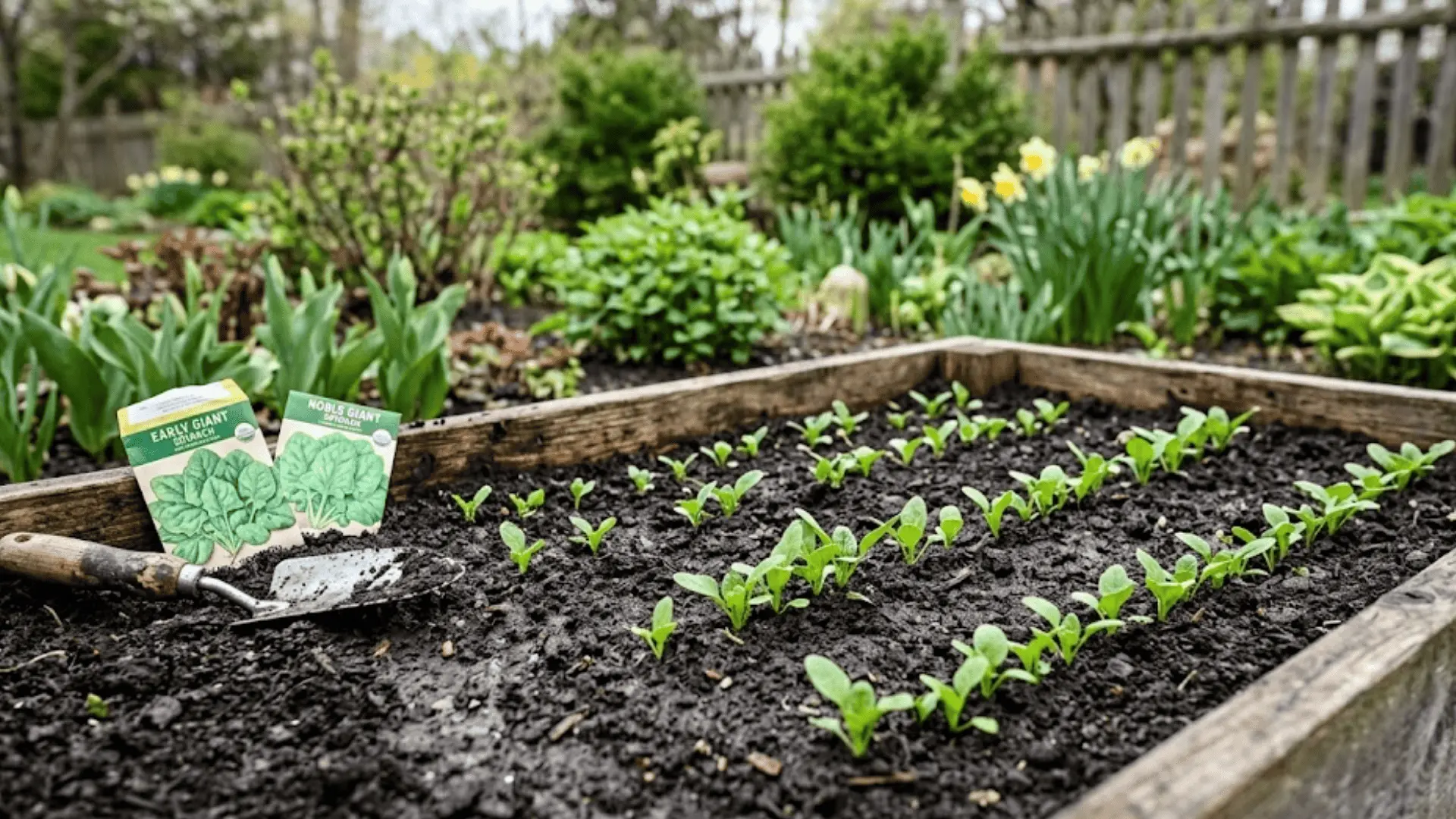
The best time to plant spinach for a spring harvest is early spring, as soon as the soil can be worked.
In mild climates, this is usually February to March, while cooler areas do better with March to April. You can plan your planting by counting back four to six weeks from your last expected frost date.
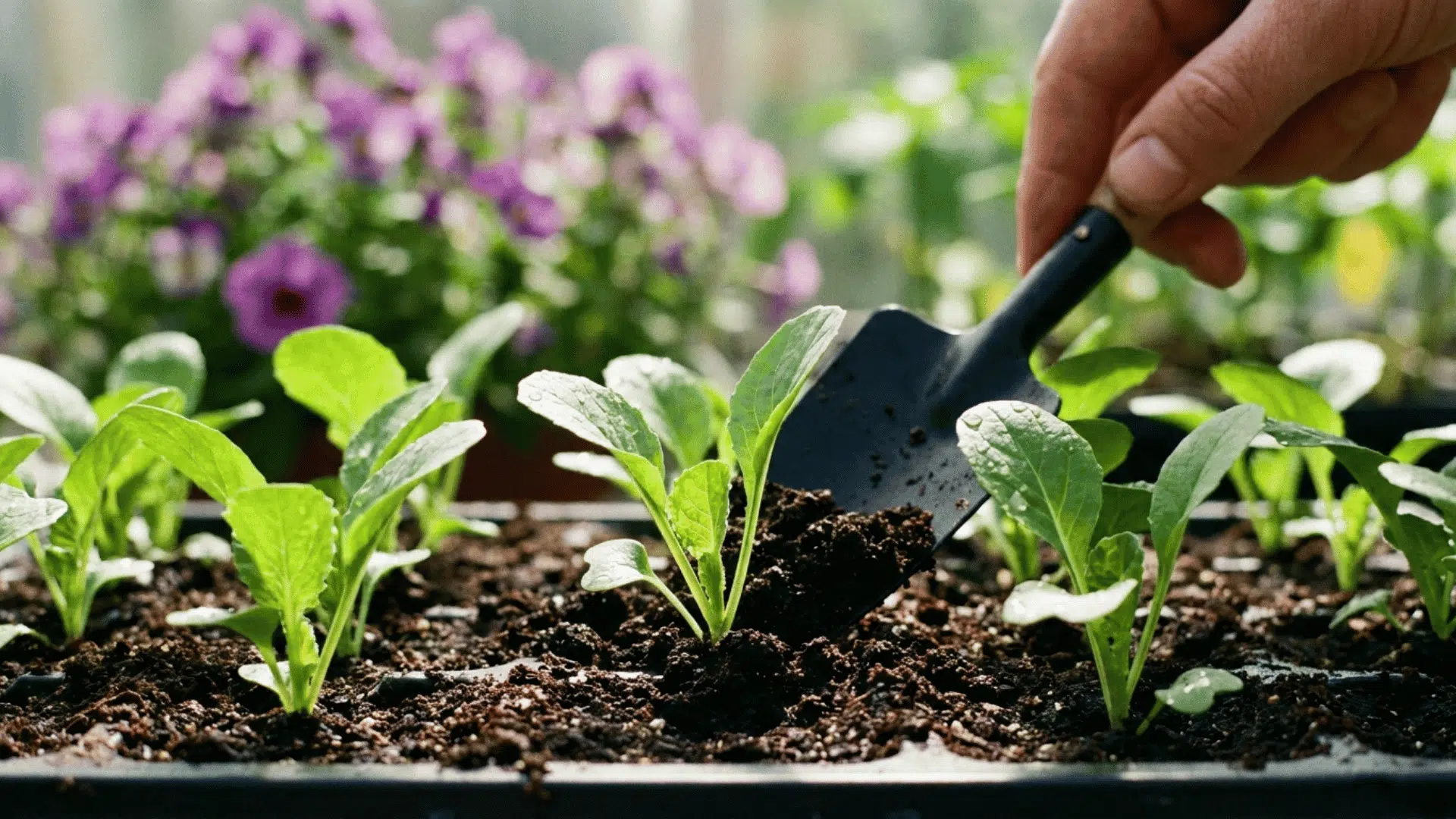
Spinach can be sown directly into the garden for strong, healthy plants, or you can start seeds indoors a few weeks earlier to get a jump on the season.
Choosing the right method helps ensure fast germination and tender leaves.
Fall Planting Windows and How Late to Sow Seeds?
For a fall spinach harvest, the best time to plant is late summer to early autumn, usually from August to September.
To get a good crop, sow seeds about six to eight weeks before the first expected frost. This timing allows the plants to grow strong and produce tender leaves before cold weather arrives.
In mild climates, spinach can sometimes survive the winter if it is protected with mulch, row covers, or cold frames.
These methods help keep the soil warmer and shield the plants from frost. Proper timing and protection can extend the growing season and provide fresh spinach even as temperatures drop.
Succession Planting to Extend the Season
Succession planting is a simple way to keep fresh spinach coming throughout the growing season. Instead of planting all your seeds at once, you sow them in intervals.
What Succession Planting Is and How to Schedule
Succession planting means sowing small batches of spinach seeds every few weeks instead of planting all at once.
A good schedule is to plant seeds every 2–3 weeks during cool seasons, such as spring or fall. This gives each set of plants enough time to grow before the next batch is ready.
Staggering plantings keeps the harvest steady and helps the garden stay productive longer.
Benefits of Succession Planting
Succession planting helps you maintain a continuous supply of fresh spinach leaves throughout the season. It also acts as a backup if one batch of seeds fails due to poor germination, pests, or weather.
By planting in intervals, you reduce gaps in your harvest and can enjoy tender, ready-to-pick leaves for several weeks. This method keeps your garden productive and reduces waste.
Zone & Climate Considerations
USDA hardiness zones help gardeners figure out the best times to plant crops like spinach. They are based on local climate conditions.
In cooler zones, such as 3 to 6, it is best to sow spinach in early spring and again in early fall.
Hot weather can cause the plants to bolt and produce seeds instead of leaves. In milder zones, like 7 to 9, the planting window is wider.
With some protection from heat, spinach can grow almost year-round. Checking local frost dates, adjusting planting times, and using spinach companion plants ensure healthy growth and a steady supply of tender, leafy greens.
Common Mistakes and How to Avoid Them
Growing spinach can be easy, but some common mistakes can reduce your harvest. Paying attention to timing, soil conditions, and common spinach pests helps your plants grow strong and produce tender leaves.
- Sowing Too Late: Planting in hot weather can cause spinach to bolt and leaves to taste bitter.
- Ignoring Frost Dates: Waiting too long after the last spring frost or before the first fall frost shortens the growing window.
- Planting Too Deeply: Seeds buried too deeply in the soil take longer to germinate.
- Dry Soil: Spinach seeds need consistent moisture to sprout.
- Crowding Plants: Planting seeds too close can reduce airflow and slow growth.
Avoiding these mistakes helps your spinach grow healthy, strong, and ready to harvest.
Final Thoughts
Planting spinach at the right time makes a big difference in yield and quality. Avoiding heat, checking frost dates, and using techniques like succession planting help keep your garden productive.
Cooler climates need careful timing in spring and fall, while milder zones offer more flexibility. Following these tips ensures healthy, flavorful leaves for weeks.
Have you tried planting spinach in your garden? Share your experiences or questions in the comments below and let others know what works best in your area.
Your tips could help fellow gardeners enjoy fresh, homegrown spinach, too.