

Watering is one of the most important steps in growing a healthy lawn from seed.
Yet, it’s also one of the most misunderstood.
Many homeowners tend to either overwater, which can drown seeds and cause fungal growth, or underwater, leaving the soil too dry for germination.
Finding the right watering schedule helps ensure that your grass seeds sprout evenly and develop strong, deep roots.
This article explains how often to water grass seed at every stage of growth, how to adjust for climate and soil differences, and the best practices to prevent common watering mistakes, helping you grow a lush, lasting lawn.
With the right approach, even first-time gardeners can achieve professional-looking results.
How Often to Water Grass Seed?
Watering frequency plays a vital role in helping grass seed germinate evenly and develop strong roots.
Factors such as soil type, weather, and grass variety determine how often watering is needed.
Maintaining steady moisture in the top few inches of soil ensures uniform germination and a healthy start for your lawn.
The recommended watering schedule helps ensure consistent moisture levels, supporting even germination and strong root development at every stage of growth.
Before Seeding
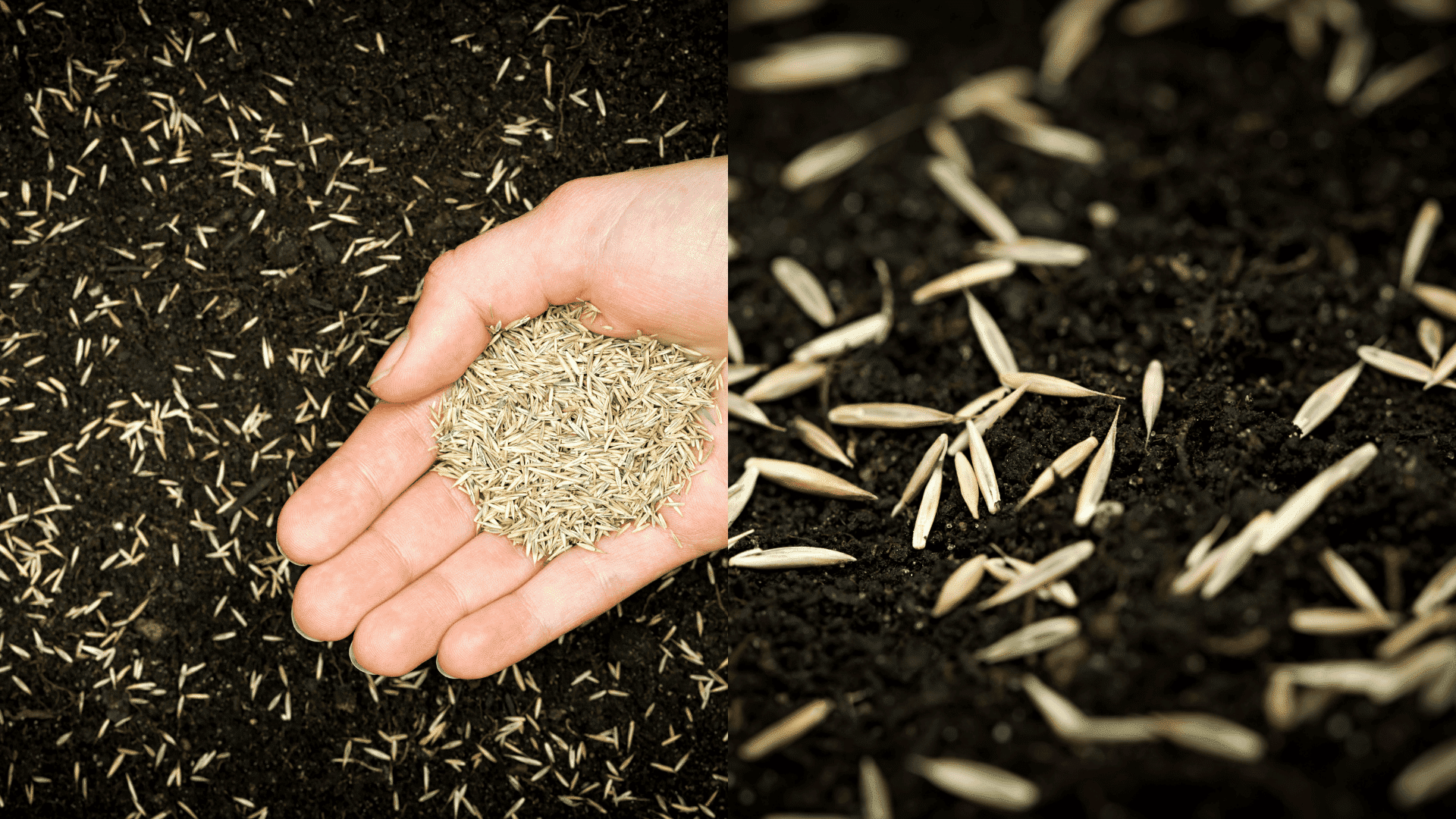
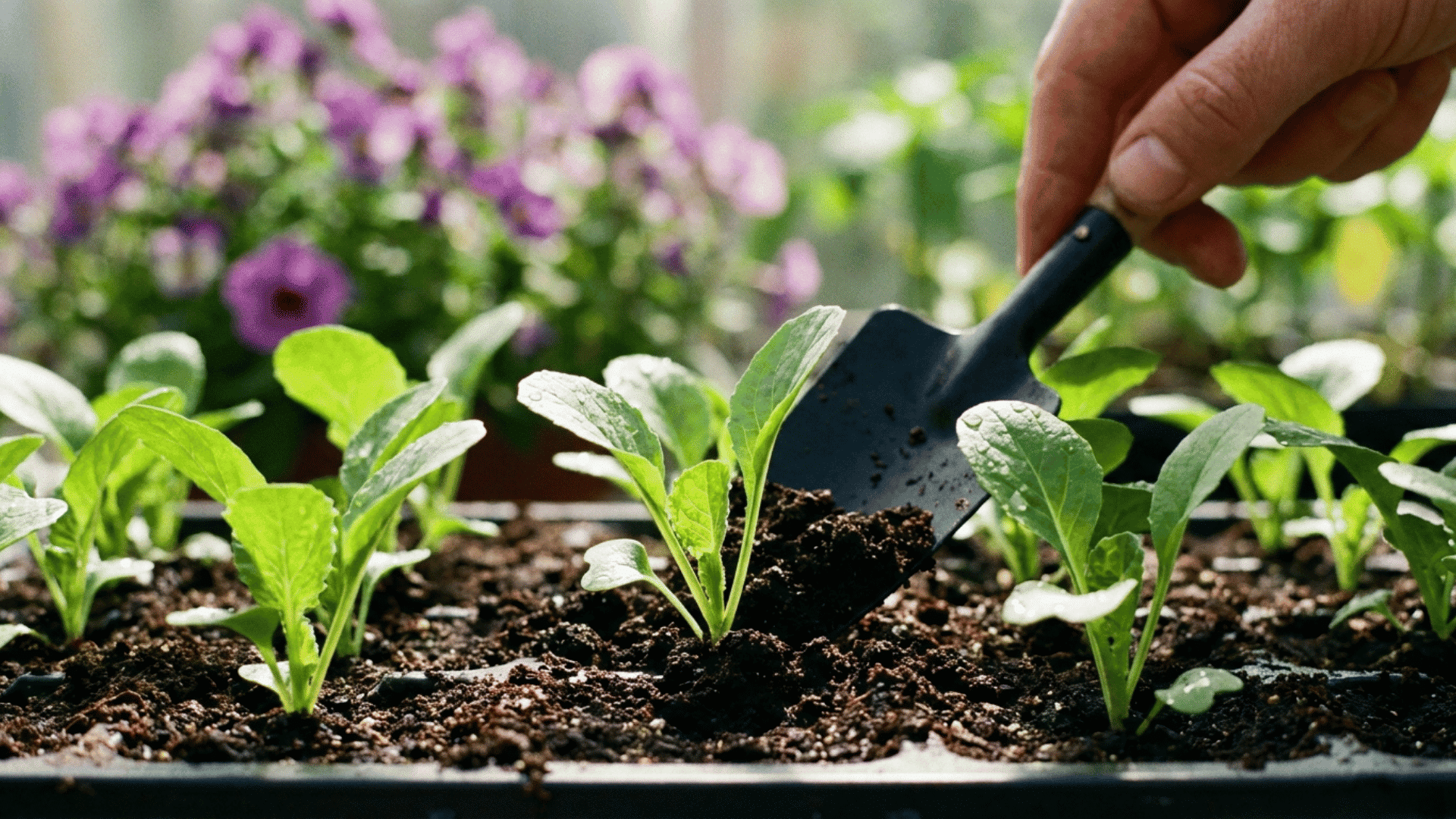
Preparing the soil before planting sets the foundation for healthy germination.
- Moisten the soil 4–6 inches deep one day before planting.
- Water slowly to ensure even absorption and prevent runoff.
- The soil should feel damp yet crumbly, not muddy or compacted.
After Seeding (First Week)

This is the most critical phase; new seeds need steady moisture to sprout evenly.
- Water 2–3 times a day for 5–10 minutes per session.
- Keep the surface constantly moist but avoid puddles or runoff.
- Use a gentle spray to prevent seeds from washing away.
Germination Stage (Weeks 2–3)
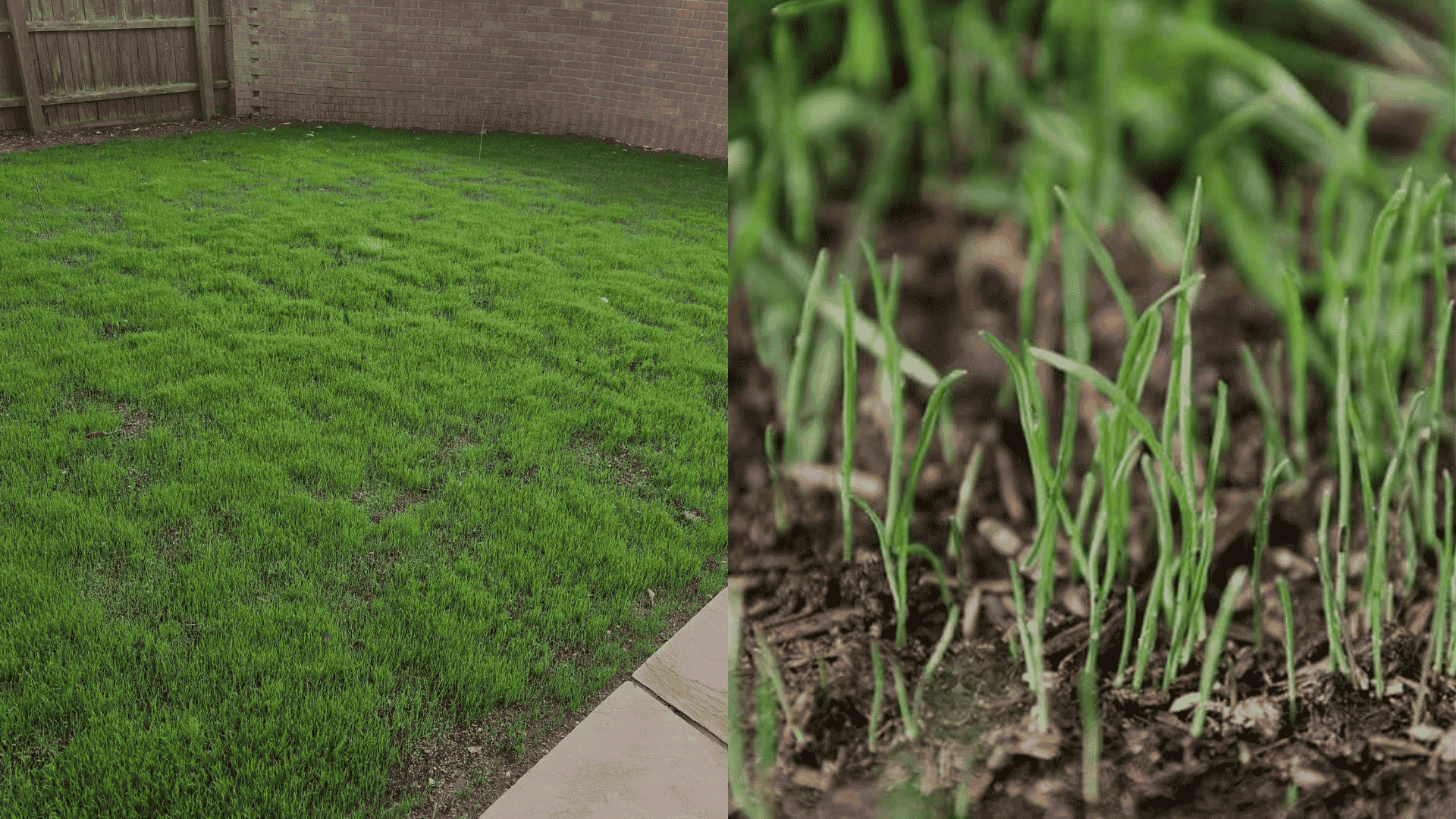
As seedlings emerge, the goal is to keep moisture consistent without overwatering.
- Reduce watering to 1–2 times daily, slightly increasing duration.
- Maintain dampness in the top 1–2 inches of soil.
- Add an extra light watering on hot or windy days to prevent drying.
Seedling Stage (Weeks 4–6)
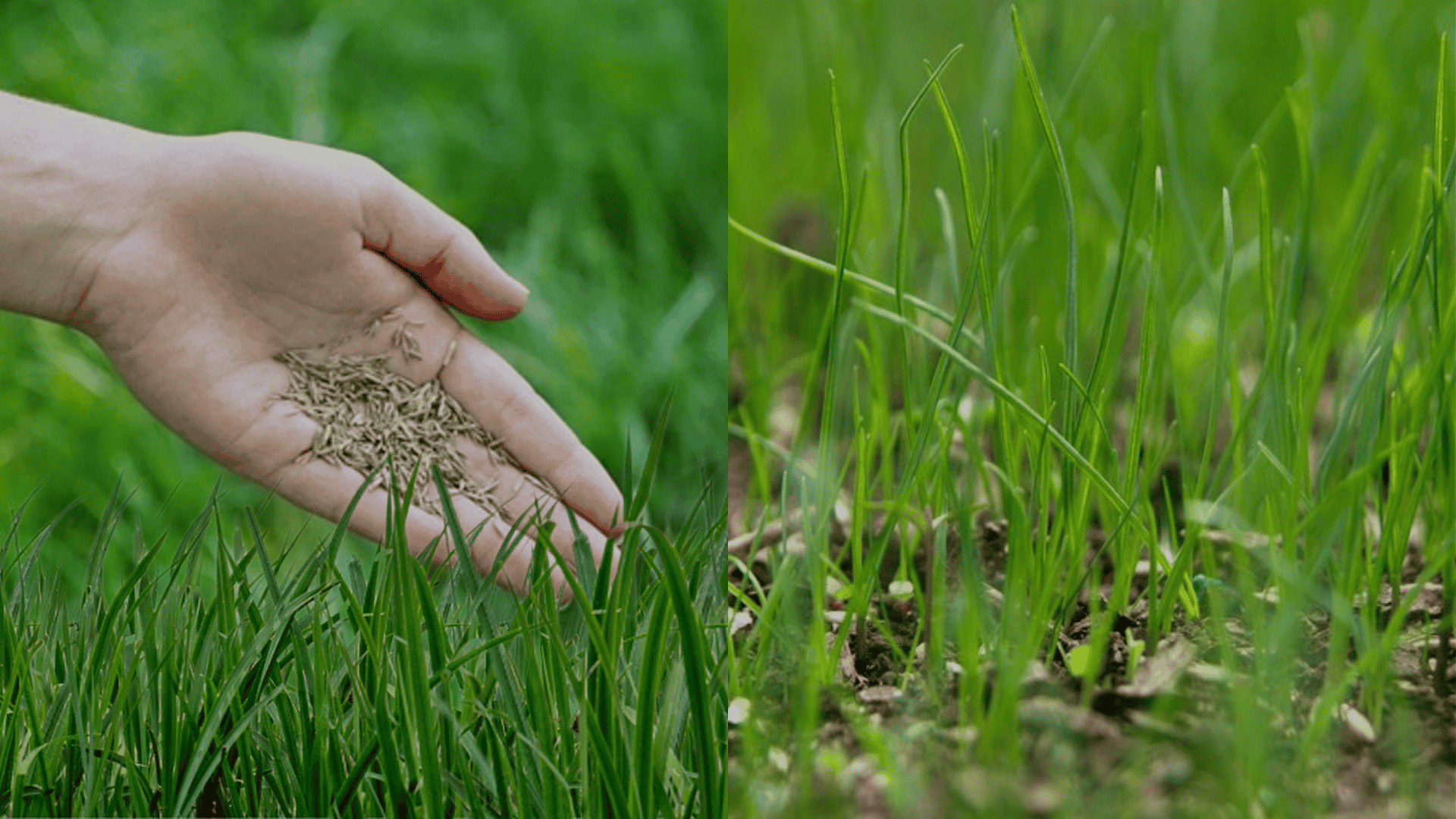
Once the grass reaches a few inches tall, start training roots to grow deeper.
- Water once daily or every other day for longer durations.
- Ensure water penetrates 4–6 inches deep.
- Watch for soggy patches or yellowing; signs of too much water.
Established Lawn (After 6 Weeks)

Now that roots are strong, less frequent but deeper watering sustains growth.
- Water deeply 2–3 times weekly, providing about 1 inch of water each time.
- Encourage deeper root systems for better drought resistance.
- Adjust based on rainfall, temperature, and soil type.
Pro Tip: Water grass seed early in the morning (6–10 a.m.) to reduce evaporation and prevent disease. Use a fine mist for even coverage, keep soil damp (not soggy), and deepen watering gradually as roots grow stronger.
How to Know You’re Watering Grass Seed Correctly?
You’ll know your watering routine is working when:
- The soil stays consistently moist without puddles.
- Seeds sprout evenly within 7–21 days, depending on variety.
- Grass blades appear bright green and stand upright.
Note If you notice dry cracks or uneven growth, increase watering frequency slightly. |
Monitoring your lawn daily during the first few weeks is the best way to build a feel for how often to water grass seed effectively.
Factors Affecting Grass Seed Watering Frequency
Several environmental and site-specific factors influence how often grass seed should be watered.
Understanding these helps you adjust your schedule for optimal growth and water efficiency.
| Factor | Effect on Watering | Recommendation |
|---|---|---|
| Weather | Rainfall reduces watering needs, while heat and wind speed up evaporation. | Skip watering after rain and increase frequency during hot or windy days. |
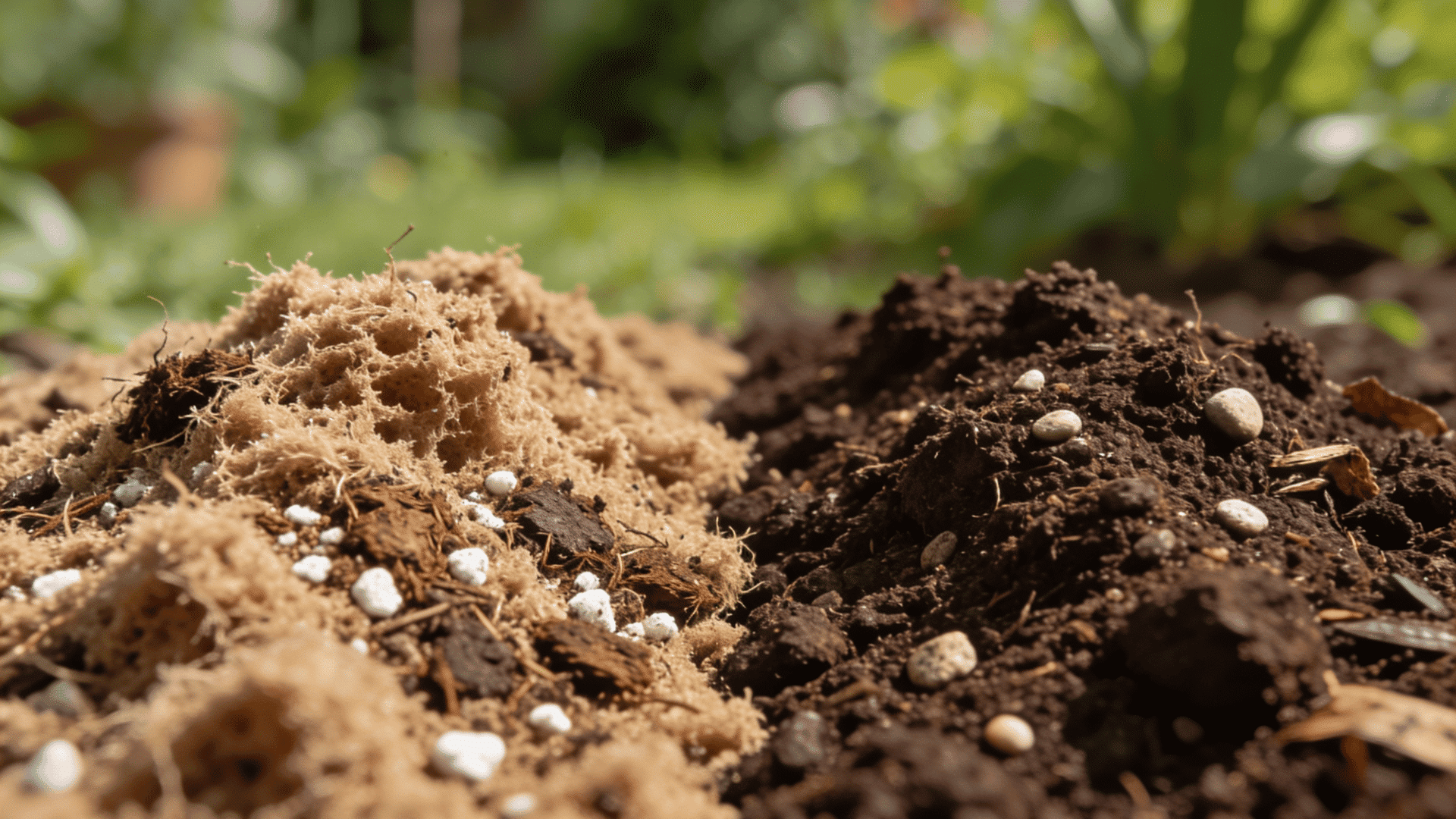
| Soil Type | Sandy soils dry quickly; clay soils retain moisture longer. | Water sandy soils more often and clay soils less frequently. |
| Sunlight | Shaded areas lose less moisture compared to sunny spots. | Reduce watering in shaded areas and increase watering in full-sun locations. |
| Slope | Water runs off easily on inclined lawns, reducing absorption. | Use shorter, more frequent watering sessions to prevent runoff and erosion. |
Adjusting these factors ensures your grass receives consistent moisture, promoting strong root growth and healthy establishment.
Tips for Different Grass Seed Types and Climates
Not all grass seed needs the same watering routine.
Understanding your grass type helps you fine-tune timing and frequency.
Cool-Season Grass

Varieties like Kentucky bluegrass, fescue, and ryegrass flourish in northern climates (60°F–75°F).
They grow best in spring and fall when the soil stays cool and moist.
- Water 2–3 times daily during germination to keep soil damp (not soaked).
- Once seedlings emerge, water once daily for deeper moisture.
- For established lawns, water 2–3 times weekly to reach 6 inches deep.
Tip: In northern states, early morning watering prevents evaporation and fungal growth.
Warm-Season Grass

Grasses like Bermuda, zoysia, and centipede prefer southern heat (80°F–95°F) and full sun.
- Water 1–2 times daily during germination to keep the soil evenly moist.
- Shift to deep watering (15–20 min) several times weekly as roots grow.
- Maintain 1 inch of water per week once established.
Tip: In southern regions, water early (6–9 a.m.) to beat evaporation. Sandy soils may need two short cycles daily for consistent moisture.
Adjust your schedule seasonally to account for rain and temperature shifts.
Common Watering Mistakes to Avoid
Many new lawn owners struggle not because they forget to water, but because they water incorrectly.
Here are the most frequent errors and how to fix them:
- Overwatering: Leads to soggy soil, yellow seedlings, and root rot.
- Underwatering: Causes dry patches, thin growth, and delayed germination.
- Watering Too Hard: Strong sprays can wash seeds away or cause uneven coverage.
- Ignoring Weather Changes: Many skip adjustments after rainfall or temperature shifts.
The most successful lawns come from consistency, steady, moderate watering every day during germination and deep soaking once established.
Final Watering Tip: Stay observant, adjust for weather, and aim for steady soil moisture to keep your grass strong and green.
Conclusion
Consistent watering is the foundation of a thriving lawn.
Planting new grass or maintaining existing growth requires keeping the soil evenly moist during the early stages to support strong germination and root development.
As your lawn matures, shift to deeper, less frequent watering to build resilience and support long-term health.
The right balance, neither too much nor too little, makes all the difference in achieving that rich, green finish every homeowner wants.
Have you recently planted grass seed or adjusted your watering routine?
Share your experiences, challenges, or questions in the comments below.
Frequently Asked Questions
Can I Walk on Grass Seed While Watering or Checking Progress?
It’s best to avoid walking on newly seeded areas, as foot traffic can compact soil and damage tender seedlings. Wait until the grass is about 3 inches tall before stepping on it lightly.
Should I Water the Grass Seed Before or After Applying Fertilizer?
Water the soil lightly before applying starter fertilizer to prevent burning, then water again afterward to help nutrients absorb into the soil and reach developing roots.
How Long Should I Keep up the Watering Routine After the Grass Starts Growing?
Continue watering daily until seedlings are about 2–3 inches tall. After that, gradually reduce frequency but increase watering depth to promote deeper root growth and long-term lawn health.